The best cycling routes around Hirtenberg
4.5
(2442)
12,313
riders
363
rides
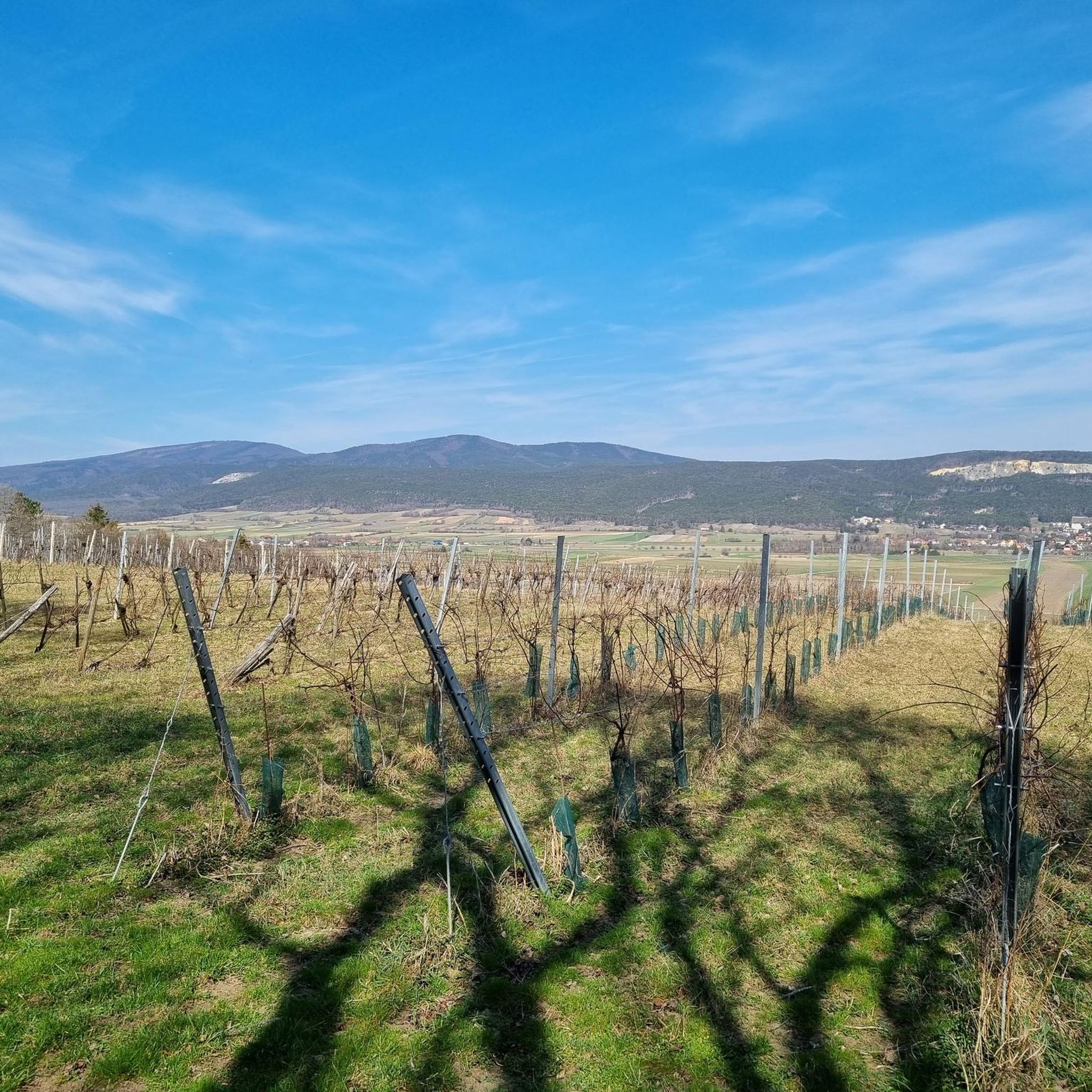
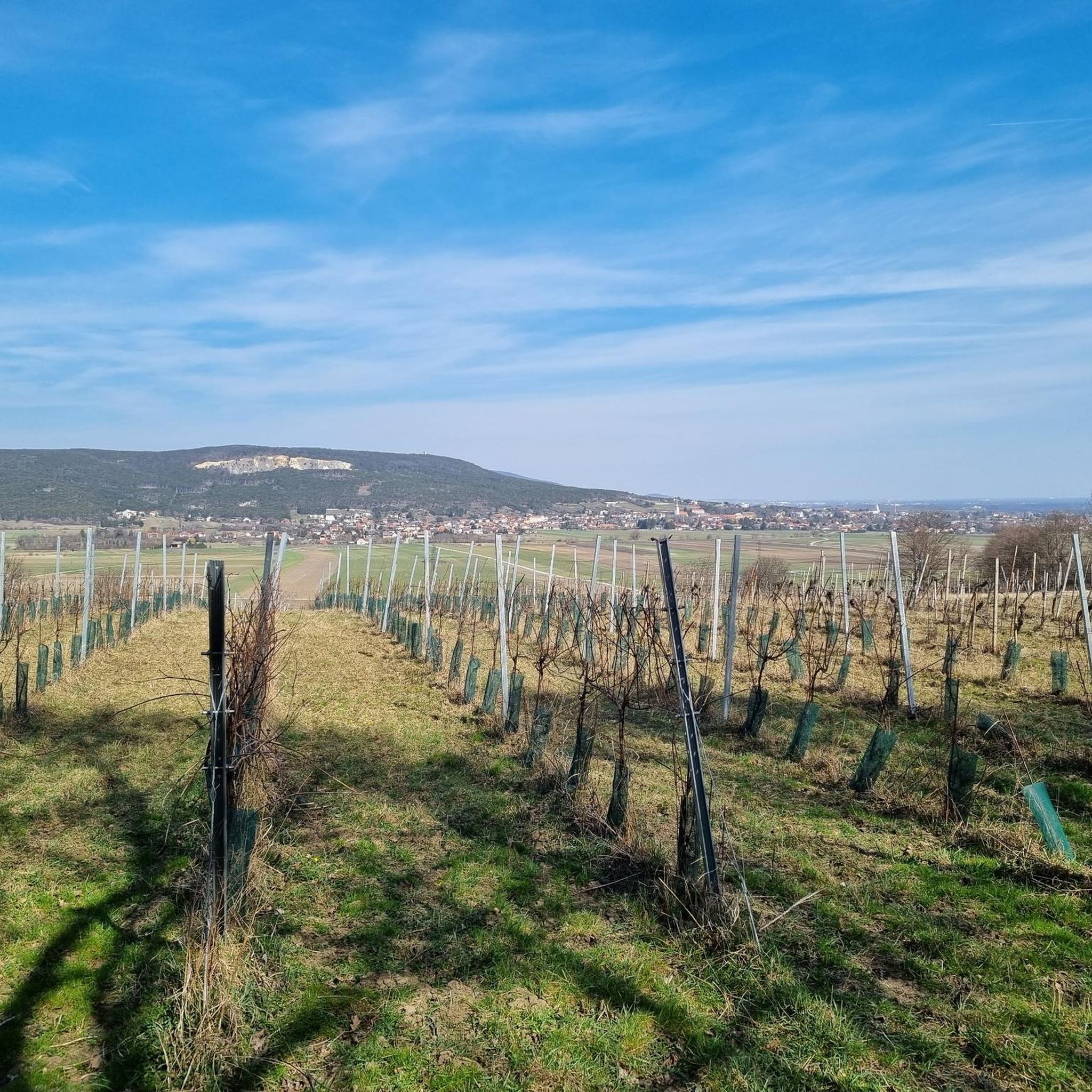
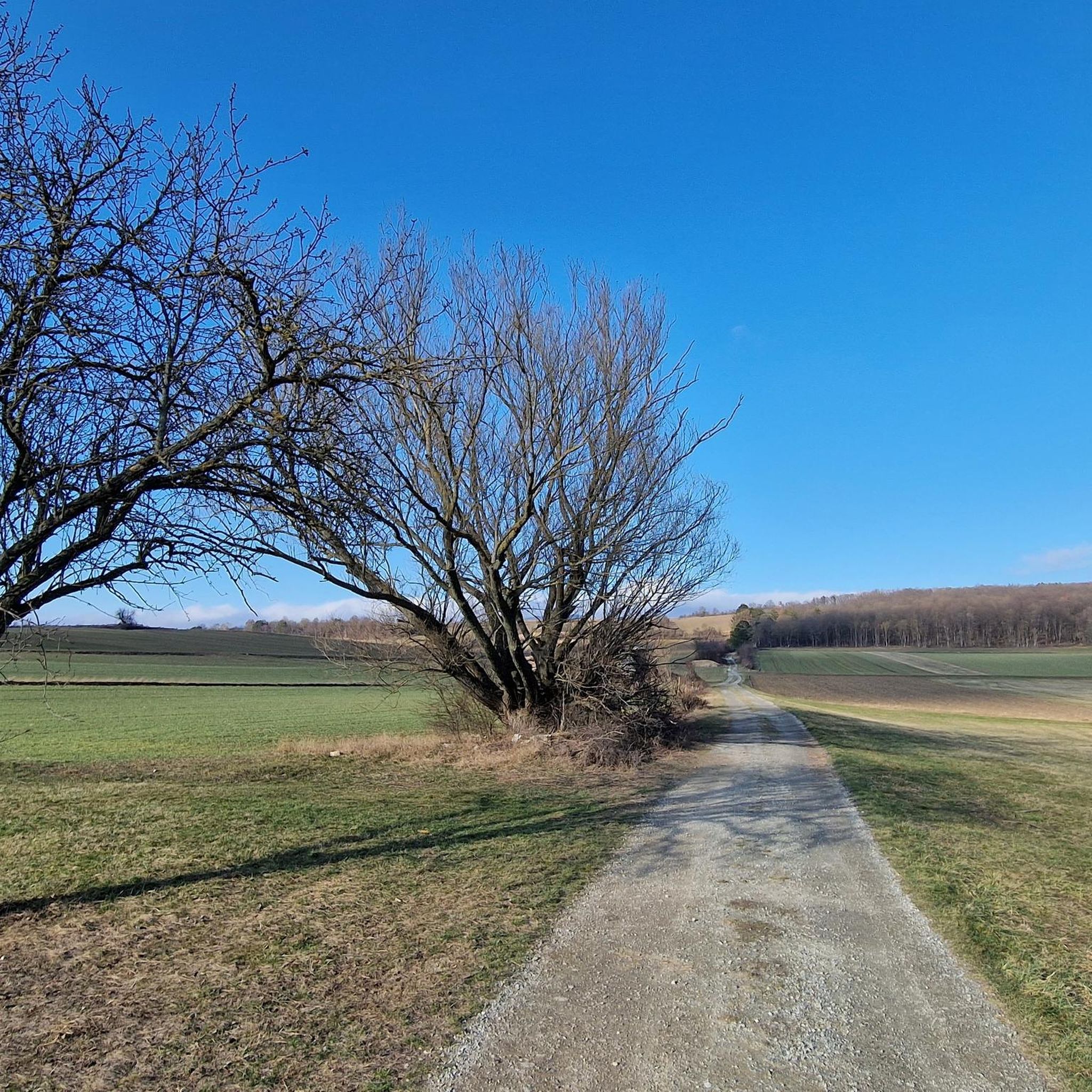
Touring cycling routes around Hirtenberg traverse a diverse landscape where the Triesting river emerges from the Vienna Woods into the Vienna Basin. The region features varied terrain, transitioning from the foothills of the Alps to the gentle plains of the Vienna Basin. Cyclists can explore routes winding through vineyards, across meadows, and into forests, with notable hills like Lindenberg and Guglzipf offering panoramic views. The Triesting river and the Wiener Neustädter Canal provide idyllic paths for cycling.
Best touring cycling…
Last updated: November 18, 2026
4.6
(52)
276
riders
Moderate bike ride. Good fitness required. Mostly paved surfaces.
4.6
(30)
127
riders
Hard bike ride. Very good fitness required. Mostly paved surfaces.

4.4
(14)
109
riders
Moderate bike ride. Good fitness required. Mostly paved surfaces.
4.4
(9)
73
riders
31.1km
01:54
210m
210m
Moderate bike ride. Good fitness required. Mostly paved surfaces.
4.3
(3)
32
riders
20.2km
01:44
250m
250m
Moderate bike ride. Good fitness required. Mostly paved surfaces.
Get access to more routes and recommendations from other explorers.
Already have an account?
Our route recommendations are based on thousands of hikes, rides, and runs completed by other people on komoot.
Start today with a free account
Your next adventure awaits.

Tips from the Community

The Schlössl Wöllersdorf was built at the end of the 17th or beginning of the 18th century as a stately manor house. It served primarily as a representative residence and administrative headquarters for the operators of the local iron and metal processing industry. Overview of the historical milestones: • Expansion into a castle (18th century): The industrialist Ferdinand Schmid took over the property, generously expanded the building, and gave it its characteristic castle-like appearance with baroque vaulted forms. • The Wöllersdorf Mint (from 1759): The building became a central economic hub. On behalf of the Vienna Mint, blanks (flans) for state coin minting from silver and copper were produced here in an attached copper hammer mill. • Use in the 19th and 20th centuries: After the end of coin blank production, the building changed owners several times and was used primarily as a residential and administrative building, while the surrounding Wöllersdorf region grew into an important center of the armaments industry (Wöllersdorfer Werke). • Municipal center (since 1998): The municipality of Wöllersdorf-Steinabrückl bought the castle, which was in need of renovation, in 1998. After a comprehensive revitalization (2000–2002) including a modern extension, it is used today as a public community center.
0
0

Heimhilcher's Kleintiergarten in Wöllersdorf is a well-known local meeting point, primarily marked on cycling and hiking maps in the Piesting Valley. In addition to poultry such as chickens, various other animals can be discovered there. The place often serves as a landmark for leisure activities and walks in the surrounding area.
1
0
The Wöllersdorf parish church was originally built in 1335 as a Gothic chapel. In the 18th century, the then owner of the local copperworks had the house of worship expanded in the Baroque style. After extensive exterior repairs in 2002 and 2003, a new people's altar made of regional limestone was integrated during later redesigns, among other things.
1
0
The "Schlössl" in Wöllersdorf, built as a manor house around the turn of the 18th century and later expanded in a castle-like manner, once served as a production site for silver and copper coin plates. After being acquired by the municipality in 1998, the building was extensively renovated and extended with a modern annex. Today, the historic estate houses municipal apartments, the local library, event rooms, and a small museum.
1
0
The Höhlturm in Wöllersdorf is a widely visible, historic defensive structure from the 15th century, whose name goes back to the natural cave directly behind it. The round tower, renovated in 1994 and freely accessible, is a listed building and even adorns the market town's coat of arms today. The late medieval ruin features wedge masonry, embrasures, and a machicolation and is a popular destination.
1
0

St. Margaret’s Church is a noteworthy cultural stop along the route. The church building and its quiet surroundings invite a short break, providing a beautiful contrast to the surrounding forest and landscape sections.
4
0
The Myrafalls are among the most beautiful waterfalls in Lower Austria and delight with their crystal-clear water, which plunges down numerous cascades through the narrow gorge. Wooden walkways and bridges lead variedly along the stream and repeatedly offer new perspectives on the natural spectacle. A worthwhile excursion destination that has its very special charm in every season. 💦🌿
4
0

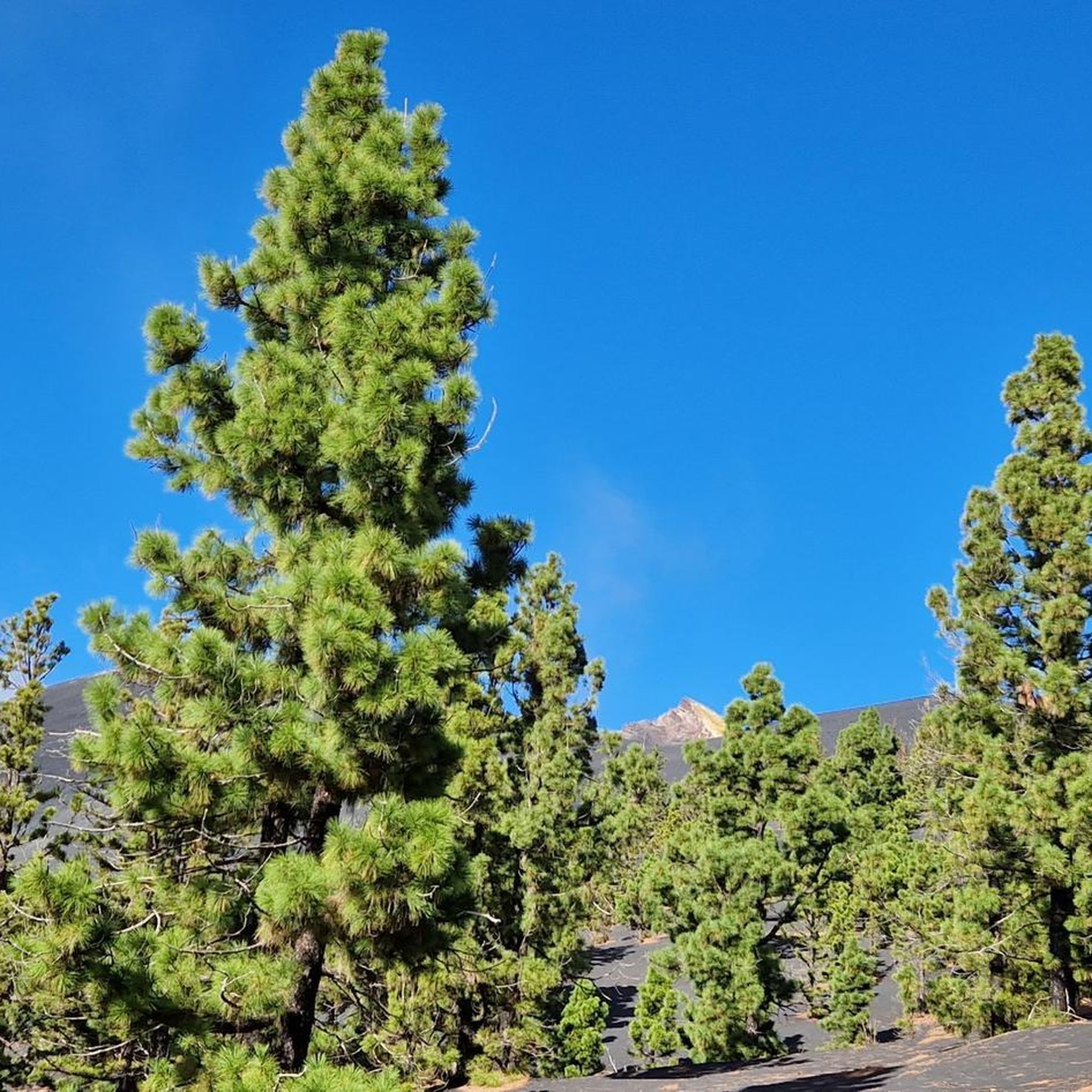
The tradition of resin extraction has existed in the pine forests near Hölles since at least the 17th century. The 0.5 km long Pecherpfad trail informs about the life and work of the resin tappers. Along the route, there are information boards, the Pecherkapelle chapel, a Pecherhütte hut, various exhibits, and demonstration trees where the individual work steps of this old craft can be followed.
0
0
Frequently Asked Questions
How many touring cycling routes are available around Hirtenberg?
There are over 380 touring cycling routes to explore around Hirtenberg, offering a wide array of options for various fitness levels and preferences.
What types of terrain can I expect on touring cycling routes in Hirtenberg?
The region around Hirtenberg offers a diverse landscape, transitioning from the foothills of the Alps to the Vienna Basin. You can expect routes that wind through vineyards, across gentle meadows, and deep into forests. Many paths follow the Triesting river or the Wiener Neustädter Canal, providing idyllic riverside cycling. While many surfaces are well-paved, some moderate and difficult routes may feature unpaved segments.
Are there easy touring cycling routes suitable for beginners or families in Hirtenberg?
Yes, Hirtenberg offers a good selection of easy touring cycling routes, with over 150 options. These routes are generally suitable for beginners and families, often following flatter terrain along river valleys or through gentle countryside. The Berndorf Riverside Path – Triesting Cycle Path loop from St. Veit an der Triesting is a moderate option that follows scenic riverside paths.
Are there challenging touring cycling routes for experienced riders in Hirtenberg?
Absolutely. For experienced touring cyclists seeking a challenge, there are over 110 difficult routes around Hirtenberg. These routes often feature more significant elevation changes and can include unpaved sections. An example is the St. Margaret's Church – Triestingtalweg Rest Area loop from Enzesfeld-Lindabrunn, which is a difficult 39.4-mile (63.5 km) trail offering extensive views.
What do other cyclists say about the touring routes in Hirtenberg?
The touring cycling routes in Hirtenberg are highly rated by the komoot community, with an average score of 4.6 stars from over 2000 reviews. More than 12,000 touring cyclists have used komoot to explore the varied terrain, often praising the scenic beauty of the river valleys, vineyards, and forests, as well as the diverse options for all ability levels.
Are there any circular touring cycling routes around Hirtenberg?
Yes, many touring cycling routes around Hirtenberg are designed as loops, allowing you to start and end at the same point. For instance, the Höhlturm – Enzesfeld–Hölles Cycle Path loop from Enzesfeld-Lindabrunn is a popular moderate circular route leading through the local countryside.
What are some scenic viewpoints or natural attractions I can visit along the routes?
The region offers several scenic spots. You can find routes that lead to hills like Lindenberg, Pfarrkogel, and Guglzipf, which provide excellent panoramic views. The Sina Warte Observation Tower on Hoher Lindkogel also offers impressive vistas of the Vienna Basin and the foothills of the Alps. For specific natural attractions, consider visiting the Jubilee Cross, Anton's Grotto, or the King's Cave. The Bad Vöslau Spa Park and Kurpark Baden are also notable natural monuments nearby.
Are there any castles or historical sites to see while cycling?
Yes, the area around Hirtenberg features historical sites that can be incorporated into your cycling tours. Routes often lead past notable landmarks such as Hernstein Castle and Stixenstein Castle. You might also encounter the neo-Gothic Hirtenberg parish church, dedicated to St. Elisabeth, which is a noteworthy historical building in the town itself. The Hernstein Castle is also located near Doblhoff Pond.
Can I find routes that pass by lakes or ponds?
Yes, there are routes that will take you past beautiful water features. You can cycle past the Doblhoff Pond, the Photo Exhibition at Doblhoffpark Lake, or the Lily Pond and Bee House. Some routes, like the Berndorf Riverside Path – Piesting Riverside Path loop from Enzesfeld-Lindabrunn, will take you near various water bodies.
Are there specific routes that follow rivers or canals?
The Triesting river and the Wiener Neustädter Canal are prominent features of the Hirtenberg landscape, and many cycling routes utilize their scenic banks. The Triesting Allee Trail is particularly noted for its idyllic path along the river. The Berndorf Riverside Path – Triesting Cycle Path loop from St. Veit an der Triesting is a great example of a route that follows riverside paths.
What is the best time of year for touring cycling in Hirtenberg?
The region is popular for cycling in April and June, suggesting spring and early summer are excellent times to visit. During these months, the weather is generally pleasant, and the natural landscape, including vineyards and meadows, is at its most vibrant. However, the diverse routes can be enjoyed throughout the warmer months.
Are there any routes that offer views of Schneeberg?
Yes, some of the cycling routes around Hirtenberg offer views of Schneeberg, providing a stunning backdrop to your ride. These routes typically traverse higher ground or specific vantage points that allow for distant mountain vistas.
Most popular routes around Hirtenberg
Most popular attractions around Hirtenberg

Get inspired with the komoot mobile app


Explore more
Browse the best Cycling routes in other regions.
