The best walks and hikes in Bribie Island National Park
5.0
(2)
71
hikers
5
hikes
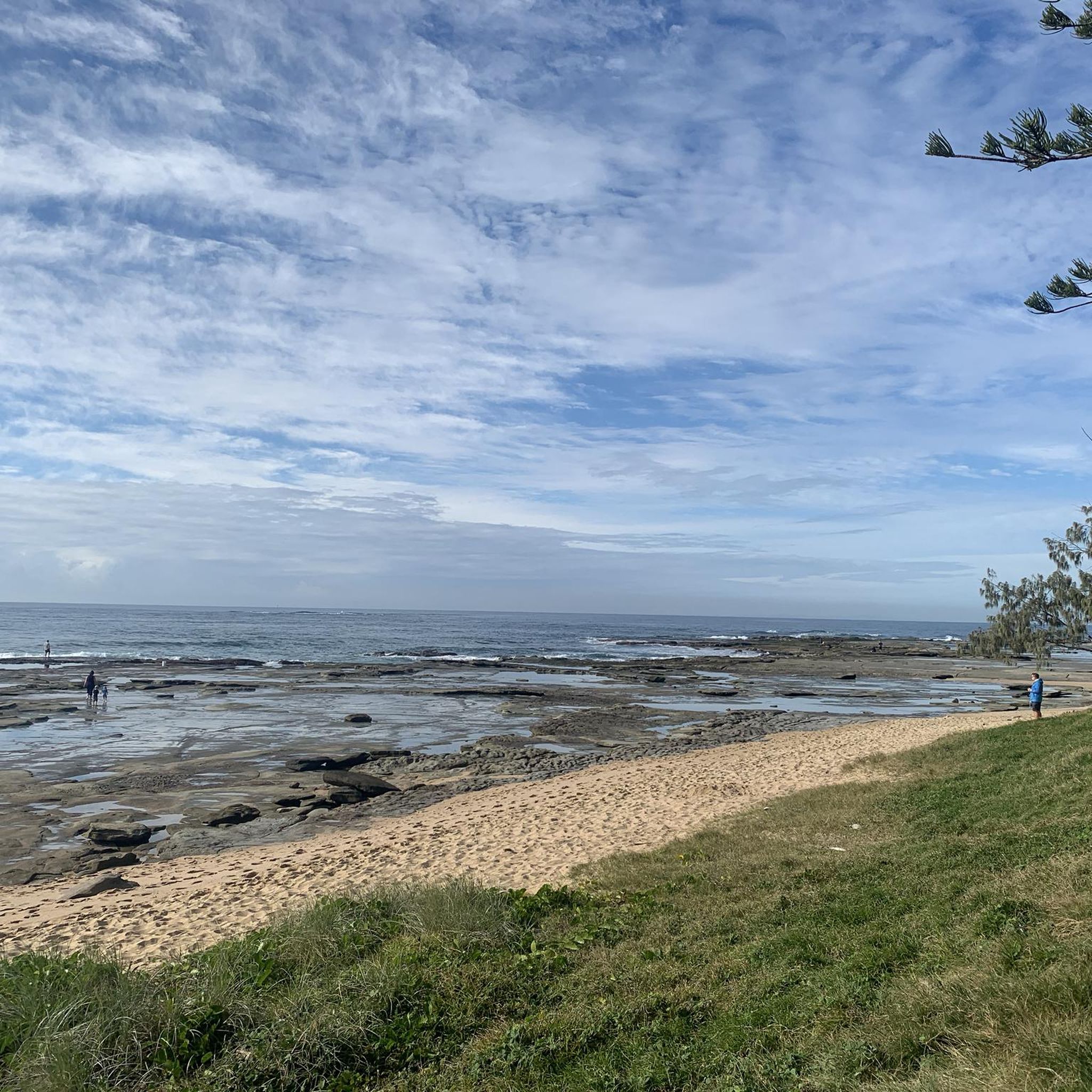
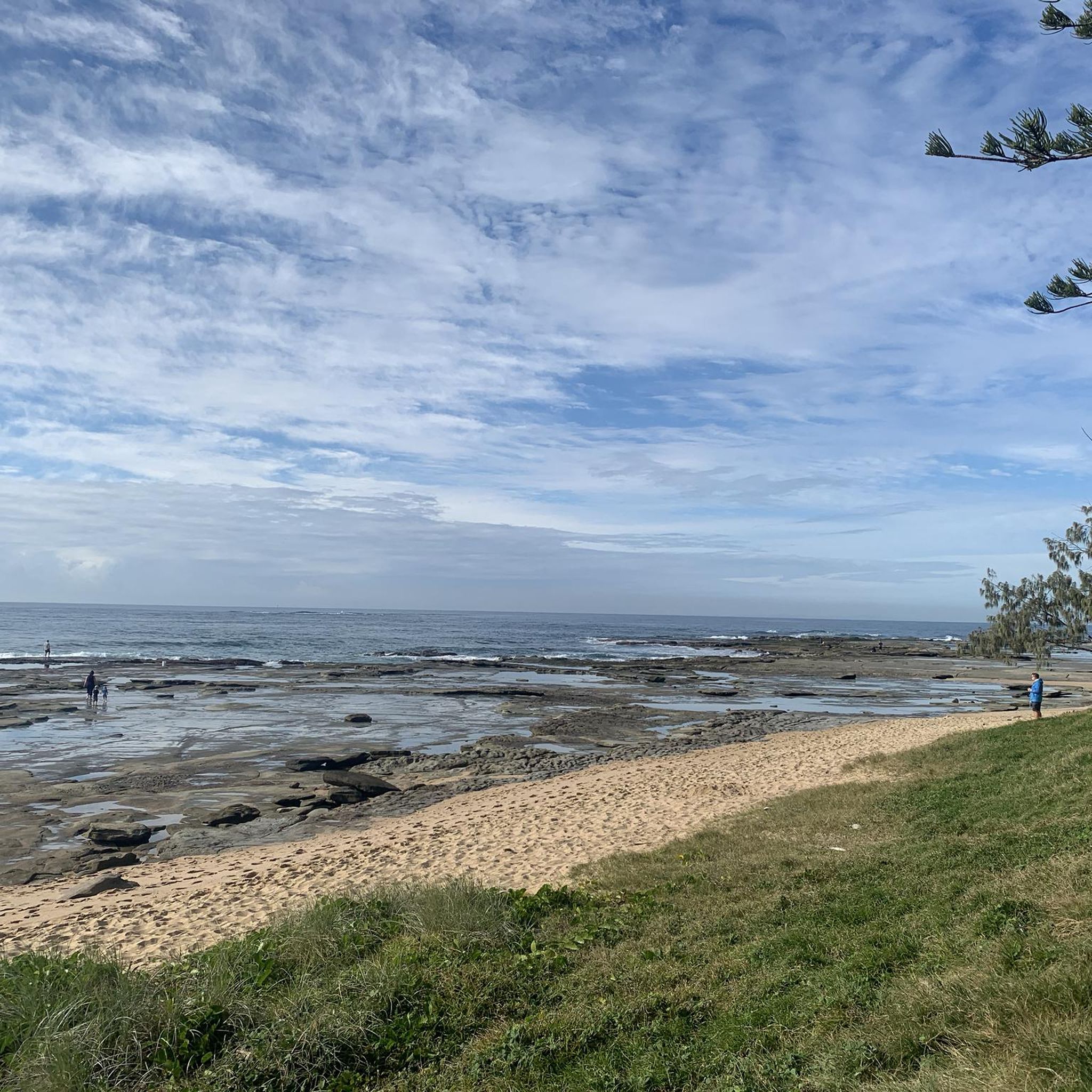
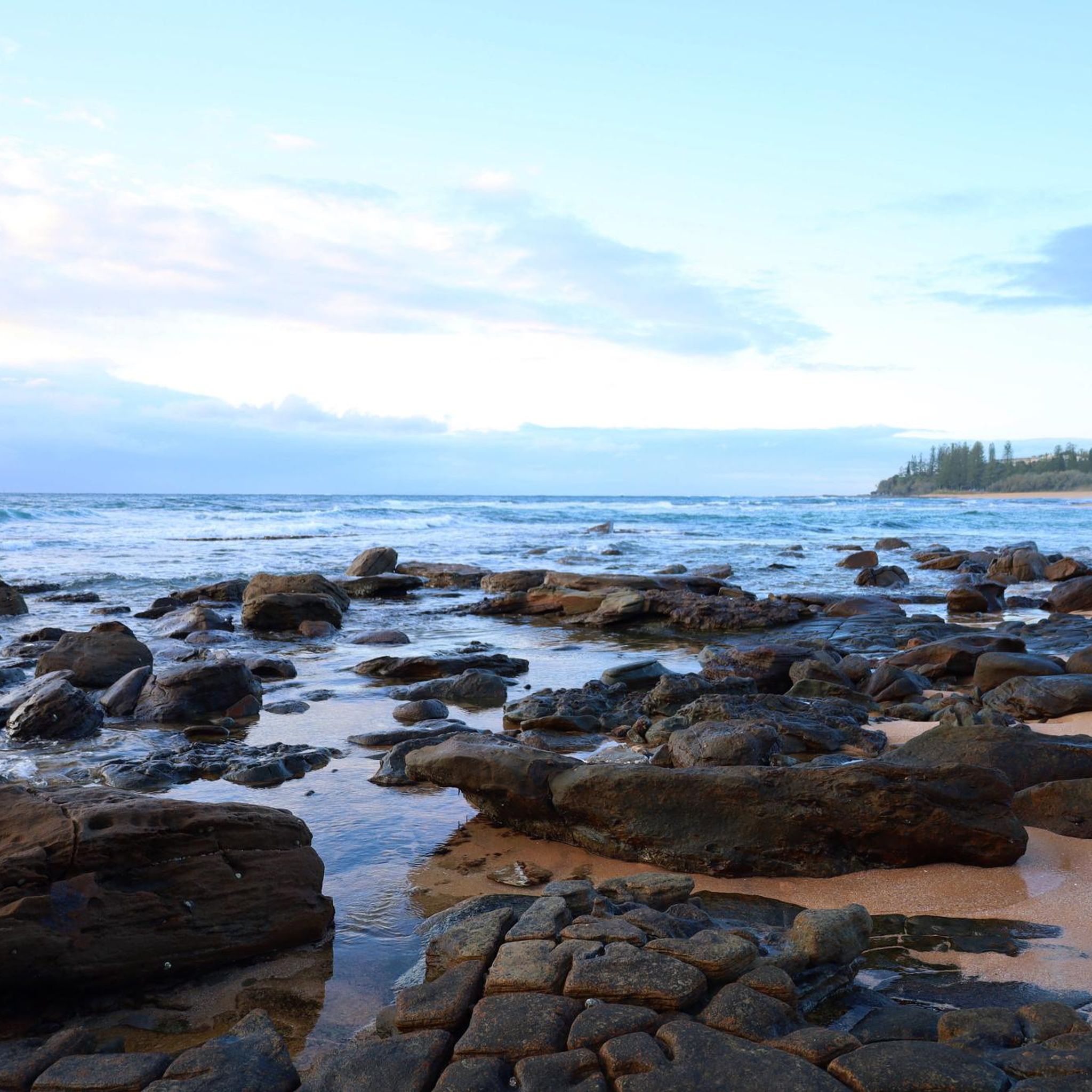
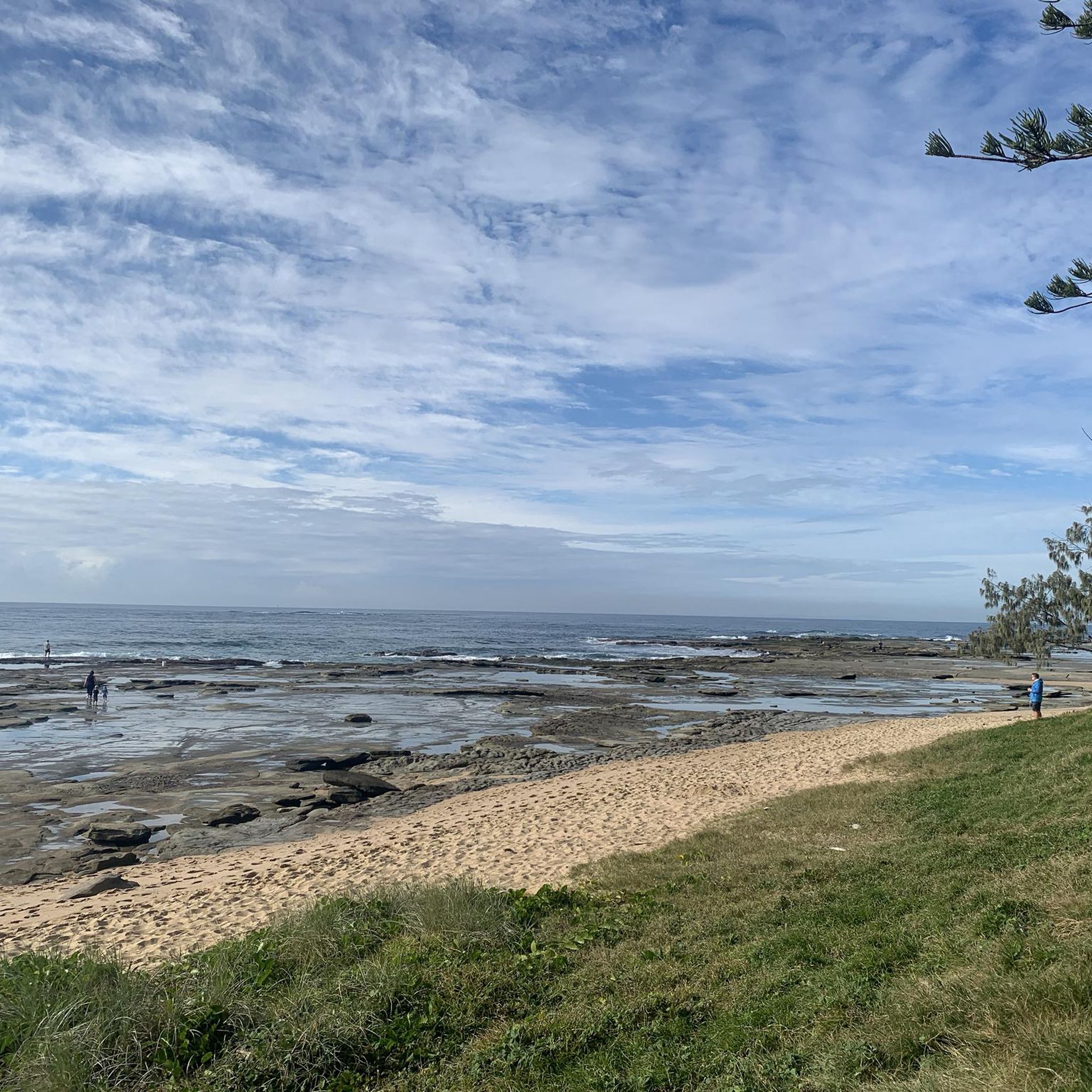
Hiking in Bribie Island National Park features diverse landscapes including sand dunes, coastal areas, and wetlands. The park's terrain is generally low-lying, with minimal elevation changes, making it accessible for various hiking abilities. Habitats range from open forests and woodlands to freshwater creeks and lagoons, supporting a variety of plant and animal life. Coastal paths offer views of Moreton Bay and the Pumicestone Passage.
Best hiking trails in Bribie Island National Park
- The most popular hiking route is Pumicestone Passage Coastal Path, a 6.4 miles (10.4 km) trail that takes 2 hours 37 minutes to complete. This moderate path follows the scenic coastline of the Pumicestone Passage.
- Another top favourite among local hikers is Dog-Friendly Beach loop from Woorim, a moderate 5.5 miles (8.9 km) path. This route offers a loop along the beach, suitable for dog walkers.
- Local hikers also love the Caloundra Coastal Walk: Kings Beach to Golden Beach, a 4.3 miles (6.9 km) trail leading through coastal scenery, often completed in about 1 hour 45 minutes.
- Hiking in Bribie Island National Park is defined by coastal paths, sandy beaches, and diverse wetland ecosystems. The network offers options for different ability levels, from easy strolls to moderate coastal treks.
- The routes in Bribie Island National Park are highly rated by the komoot community with an average score of 5.0 stars from 2 reviews. More than 70 hikers have used komoot to explore Bribie Island National Park's varied terrain.
Last updated: July 4, 2026
5.0
(1)
41
hikers
6.94km
01:45
10m
10m
Easy hike. Great for any fitness level. Easily-accessible paths. Suitable for all skill levels.
5.0
(1)
19
hikers
10.4km
02:37
20m
20m
Moderate hike. Good fitness required. Easily-accessible paths. Suitable for all skill levels.

Sign up for free
7
hikers
8.89km
02:14
0m
0m
Moderate hike. Good fitness required. Easily-accessible paths. Suitable for all skill levels.
4
hikers
3.21km
00:50
20m
20m
Easy hike. Great for any fitness level. Easily-accessible paths. Suitable for all skill levels.
1.56km
00:30
70m
70m
Easy hike. Great for any fitness level. Easily-accessible paths. Suitable for all skill levels.
Our route recommendations are based on thousands of hikes, rides, and runs completed by other people on komoot.
Start today with a free account
Your next adventure awaits.
Login or Signup
Tips from the Community

Keith Hill Park is a long waterfront park that stretches for around 1.5 kilometres along the southern end of Golden Beach, following the edge of the Pumicestone Passage. There are open lawns, picnic areas, playgrounds, and a shared pathway, making it a popular place for walking, cycling, and spending time by the water. At the southern end, the park reaches the mouth of Bells Creek, with a boat ramp and calm waters popular for boating, paddling, and fishing.
0
0
Bribie Island’s northern breakthrough area formed in 2022 when powerful waves cut through a narrow section of sand, creating a new opening between the ocean and the Pumicestone Passage. The event dramatically changed the coastline, leaving a wide sandy shoreline, shifting dunes, and strong tidal flows that continue to reshape this stretch of coast. Today, it attracts walkers, photographers, fishers, and visitors curious to see one of southeast Queensland’s most significant recent coastal changes.
0
0
Tripcony Park is a small waterfront park nestled along the Pumicestone Passage with open views across the water toward Bribie Island. The park sits near what was once an important arrival point for early visitors to Caloundra, when passengers and supplies reached the town by boat before road access improved. Today, there are open lawns with plenty of shade, and several picnic areas, and its position on the coastal pathway makes it a lovely place to stop and watch boats move through the channel.
0
0
Caloundra Coastal Walk is a picturesque coastal trail that runs roughly 25 kilometres connecting beaches, headlands, and waterfront parklands along the shoreline. The sealed pathway follows the coastline past well known recreation areas including several parks, Kings Beach and Bulcock Beach, with endless beautiful ocean and passage views. It's relatively flat and well-maintained, making it an easy and popular route for walking, cycling, and running.
0
0
Bulcock Beach is a sheltered beach in Caloundra on the western side of the headland overlooking the Pumicestone Passage. Its calm waters are protected from ocean swell, making it an ideal spot for swimming, paddling, and family use. The beach sits alongside a lively foreshore with a boardwalk, picnic areas, and nearby cafés, making it an easy, accessible spot for relaxed seaside recreation.
0
0
Kings Beach is a popular surf beach on the Sunshine Coast known for its reliable waves and family-friendly facilities. The beach is patrolled for safety and includes a saltwater ocean pool, grassy areas for picnics, and a coastal boardwalk that connects to nearby headlands. With beautiful views across Moreton Bay towards Bribie Island, it's a great place for swimming, surfing, and enjoying a relaxing day by the seaside.
0
0

The Wild Horse Mountain track is wide and paved, with occasional glimpses through the trees on this steady climb. There is a nice viewpoint halfway, but the best view is from the summit.
0
0
Frequently Asked Questions
What is the general terrain and difficulty level of hiking trails in Bribie Island National Park?
The trails in Bribie Island National Park are generally easy to moderate, traversing diverse landscapes such as sand dunes, coastal areas, paperbark wetlands, and open forests. You'll find mostly flat or gently undulating paths, making them accessible for a wide range of hikers. For example, the Caloundra Coastal Walk is an easy option, while the Pumicestone Passage Coastal Path offers a moderate experience.
What natural features and landmarks can I expect to see while hiking in Bribie Island National Park?
Bribie Island National Park offers a rich variety of natural features. You can explore picturesque sandy beaches, expansive sand dunes, and unique tea tree-stained lagoons like Freshwater, Norfolk, Mermaid, and Welsby Lagoons. The park also features diverse ecosystems including paperbark wetlands, open forests, and wallum heathlands. From certain vantage points, you might even catch views of the Glass House Mountains.
Are there family-friendly hiking options in Bribie Island National Park?
Yes, Bribie Island National Park has several family-friendly options. The Bicentennial Bushwalks, including the Banksia, Palm Grove, and Melaleuca walks, are Grade 2 trails that are generally easy and suitable for families. These walks are about an hour each and traverse through eucalypt forests and wetlands, offering opportunities for birdwatching and spotting wildlife.
Can I bring my dog on hikes in Bribie Island National Park?
While Bribie Island National Park itself has restrictions on dogs to protect wildlife, there are dog-friendly areas nearby. For instance, you can enjoy the Dog-Friendly Beach loop from Woorim, which is a moderate beach walk where your canine companion can join you.
What is the best time of year to go hiking in Bribie Island National Park?
The best time to visit Bribie Island National Park for hiking is generally during the cooler, drier months, typically from autumn to spring (March to November). This avoids the intense heat and humidity of summer, making for more comfortable walking conditions. Spring is particularly beautiful with wildflowers in bloom, and it's an excellent time for birdwatching.
Are there any circular hiking routes in Bribie Island National Park?
Yes, there are circular routes available. The Dog-Friendly Beach loop from Woorim is a moderate circular trail that takes you along the beach. Additionally, the Bicentennial Bushwalks (Banksia, Palm Grove, Melaleuca) are designed as loops, offering convenient starting and ending points.
What kind of wildlife might I encounter on the trails?
Bribie Island National Park is a haven for wildlife. You might spot eastern grey kangaroos, lace monitors, and koalas in the eucalypt forests and wallum heathlands. The park is also a significant area for birdwatching, with thousands of shorebirds, rainbow bee-eaters, red-backed wrens, and eastern yellow robins. The tidal wetlands are home to dugongs, fish, crabs, and prawns.
Is public transport available to Bribie Island National Park trailheads?
Public transport options directly to all trailheads within Bribie Island National Park can be limited. It's advisable to check local bus schedules for routes that serve Bribie Island, but for direct access to many hiking starting points, a private vehicle is often the most convenient option.
Where can I find parking for hiking trails in Bribie Island National Park?
Parking is generally available at the main access points and trailheads within Bribie Island National Park. For example, if you're exploring the Bicentennial Bushwalks, there are designated parking areas. For coastal walks like the Bulcock Beach loop from Caloundra, parking is typically found near the beach access points.
What do other hikers enjoy the most about hiking in Bribie Island National Park?
The area is highly rated by the komoot community, with an average score of 5.0 stars. Reviewers often praise the diverse coastal scenery, the peaceful atmosphere of the bushwalks, and the opportunities for wildlife spotting. The accessibility of the trails and the unique natural features like the tea tree lagoons are also frequently highlighted.
Are there any historical sites to explore while hiking?
Yes, the Fort Bribie Walk offers a glimpse into Queensland's coastal defense history. This 1.9km one-way trail leads to weathered gun emplacements and searchlight buildings from World War II, scattered among the sand dunes near the island's northern tip, providing an interesting historical element to your hike.
Most popular routes in Bribie Island National Park

Get inspired with the komoot mobile app


Explore more
Browse the best Hikes in other regions.
