The best walks and hikes in Hunter Wetlands National Park
4.9
(10)
822
hikers
28
hikes
Hiking trails in Hunter Wetlands National Park traverse diverse wetland ecosystems, including freshwater wetlands, saltmarshes, and mangroves. The terrain is generally flat, characterized by expansive lowlands and the presence of the Hunter River and its estuaries. This region is globally recognized for its ecological significance, supporting a wide array of flora and fauna.
Best hiking trails in Hunter Wetlands National Park
- The most popular hiking route is Little Park Beach loop from Newcastle, a 4.7 miles (7.6 km) trail that takes 1 hour 54 minutes to complete. This easy route offers views along the coastline.
- Another top favourite among local hikers is Honeysuckle Harbourfront – Newcastle Railway Station loop from Newcastle, a moderate 7.5 miles (12.1 km) path. This route follows the harbourfront, providing urban and riverside scenery.
- Local hikers also love the Newcastle Railway Station – Customs House loop from Queens Wharf, a 5.0 miles (8.1 km) trail leading through urban and waterfront areas, often completed in about 2 hours 5 minutes.
- Hiking in Hunter Wetlands National Park is defined by wetland ecosystems, saltmarshes, and mangrove habitats. The network offers options for different ability levels, from easy boardwalks to moderate riverside paths.
- The routes in Hunter Wetlands National Park are highly rated by the komoot community with an average score of 4.9 stars from over 15 reviews. More than 800 hikers have used komoot to explore Hunter Wetlands National Park's varied terrain.
Last updated: July 4, 2026
68
hikers
2.87km
00:44
10m
10m
Easy hike. Great for any fitness level. Easily-accessible paths. Suitable for all skill levels.
5.0
(1)
57
hikers
8.14km
02:04
20m
20m
Moderate hike. Good fitness required. Easily-accessible paths. Suitable for all skill levels.

Sign up for free
19
hikers
3.36km
00:51
0m
0m
Easy hike. Great for any fitness level. Easily-accessible paths. Suitable for all skill levels.
5.0
(3)
127
hikers
8.13km
02:05
30m
30m
Moderate hike. Good fitness required. Easily-accessible paths. Suitable for all skill levels.
53
hikers
4.80km
01:13
10m
10m
Easy hike. Great for any fitness level. Easily-accessible paths. Suitable for all skill levels.
Get access to more routes and recommendations from other explorers.
Sign up for free
Already have an account?
Our route recommendations are based on thousands of hikes, rides, and runs completed by other people on komoot.
Start today with a free account
Your next adventure awaits.
Login or Signup
Tips from the Community

Throsby Creek is a restored waterway and estuary that was once nearly destroyed by industrialization. These days the creek is lined with shared-use paths, parks, and boardwalks. You can walk or cycle along the paths to nearby cafés, relax on the benches or open fields, enjoy a picnic at a park, or take the kids to a playground to burn off some steam.
0
0
Tucked away on a wide bend of Throsby Creek, this boardwalk is easy to miss if you're just passing by on the adjacent streets. It passes through restored mangrove forests and wetlands that are important habitat for local wildlife.
0
0
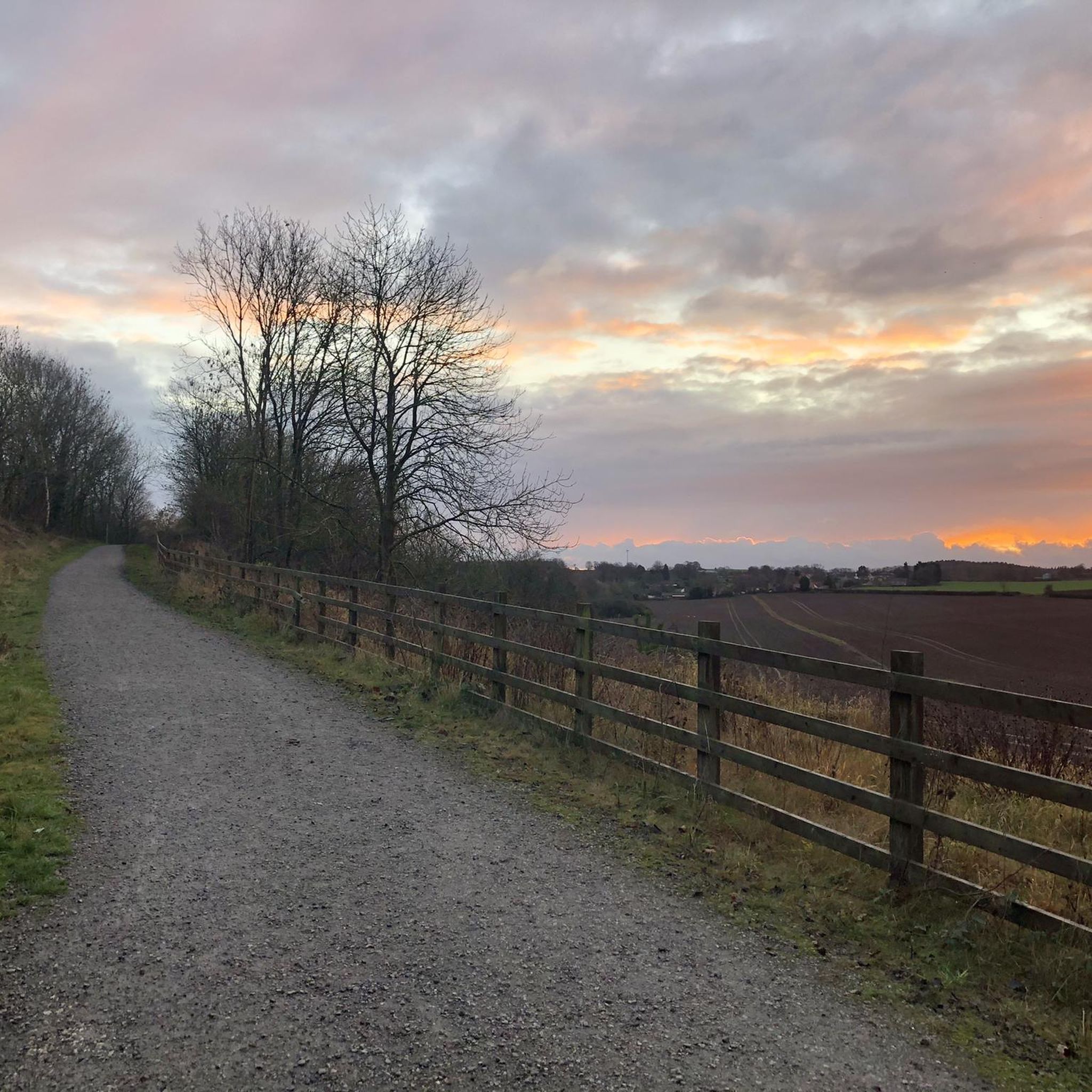
This paved, shared-use path provides a nice mix of urban convenience, such as the nearby cafés, and natural habitats such as the creek and mangroves. While this track only goes up one side of the creek, it easily connects to other paths on the other side for a nice loop walk.
0
0

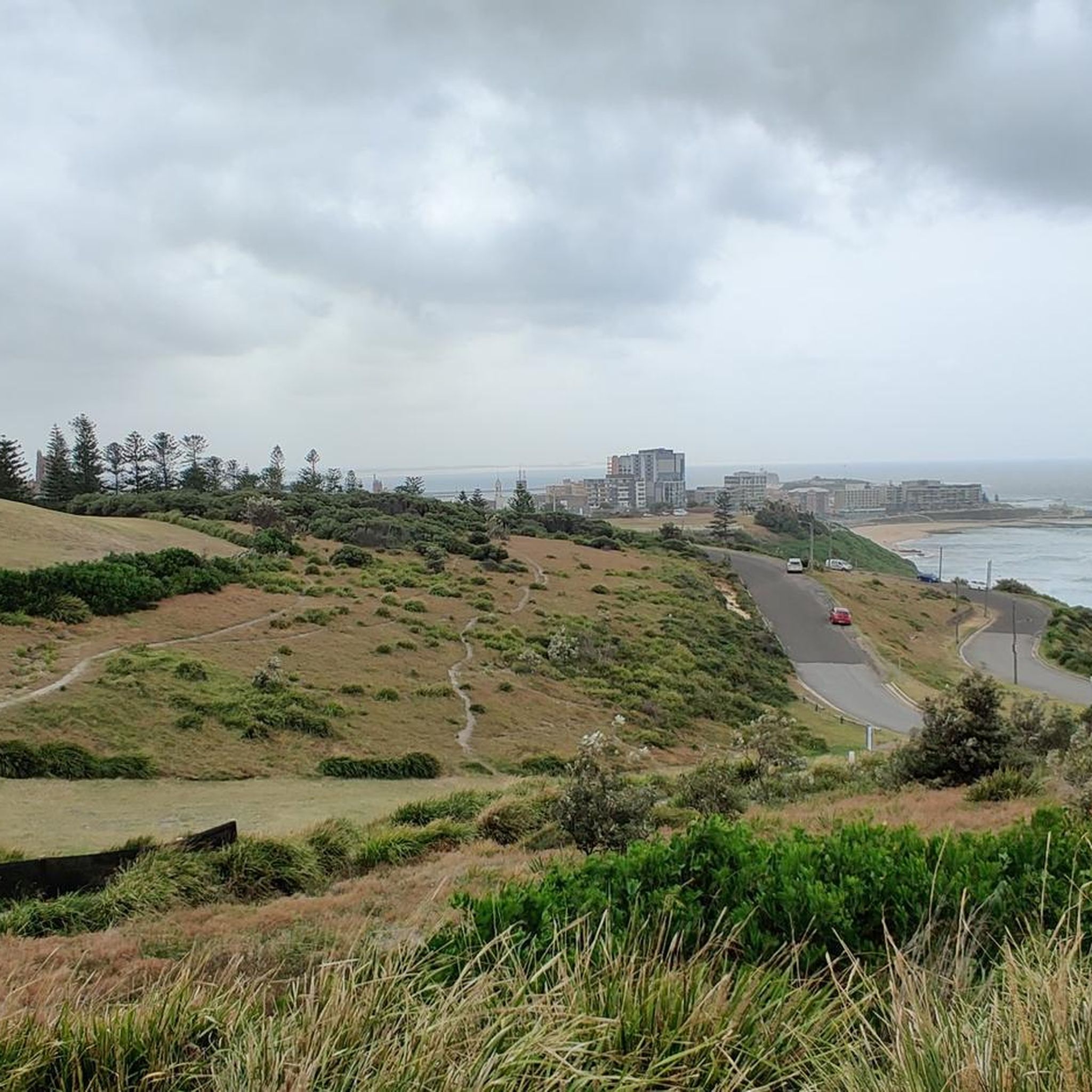
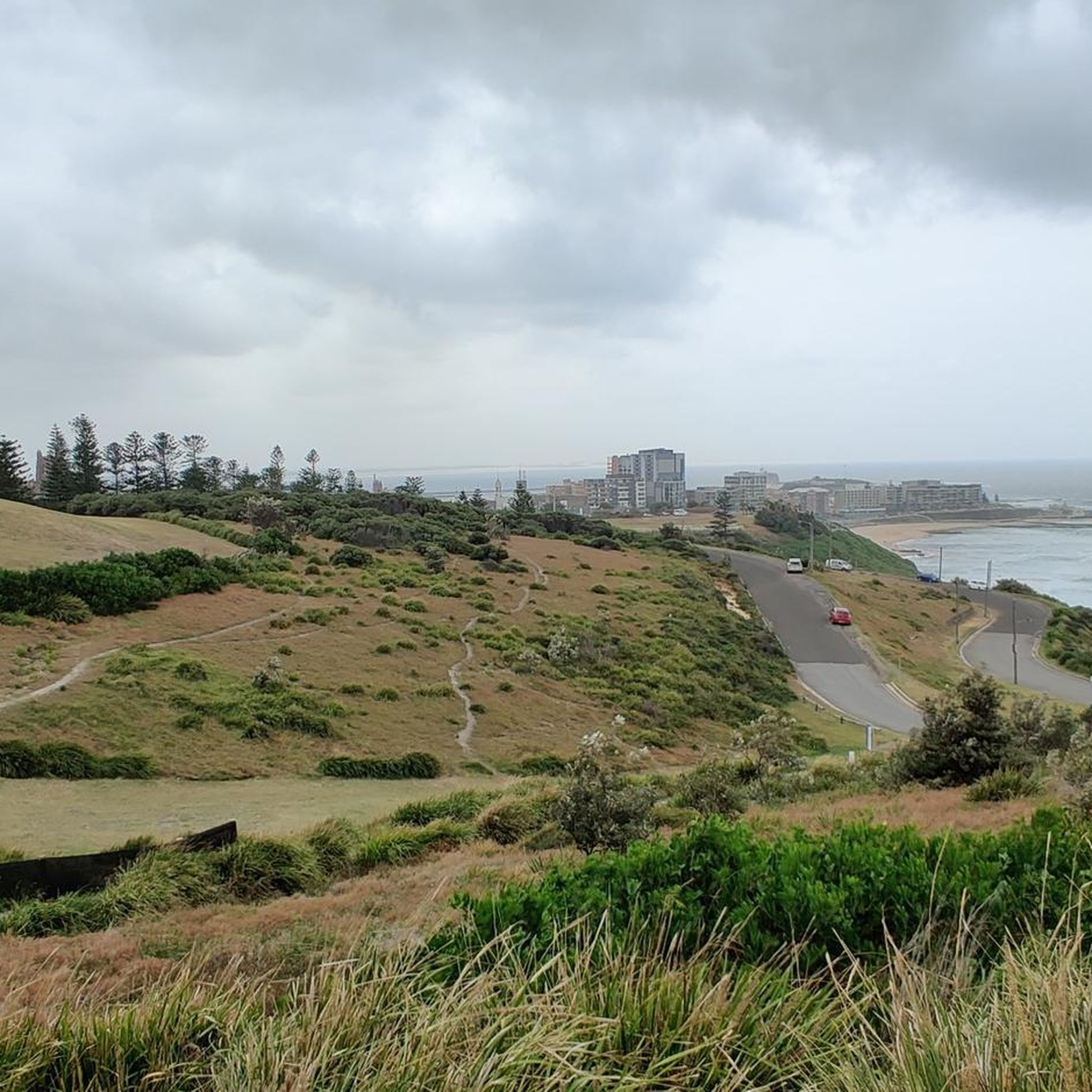
Macquarie Pier forms the breakwall extending from the harbour toward Nobbys Head in Newcastle. Construction began in 1818 under Governor Lachlan Macquarie, originally using convict labour to connect Nobbys Island to the mainland. The structure helped create a safer harbour entrance by stabilising the sand and controlling wave movement.
0
0
This lookout looks directly toward Nobbys Lighthouse at the end of the headland. The perspective from the rocks places the lighthouse against the open ocean, with the breakwall leading your eye toward it. The name “Nobbys” comes from the rounded shape of the headland (originally an island before the breakwall was built), rather than a person. The lighthouse itself is still operational today, continuing to guide vessels entering Newcastle Harbour.
0
0
Nobbys Breakwall extends from the harbour toward Nobbys Head. The walkway runs along the top of the rock wall, with the open ocean on one side and the harbour on the other. Conditions can be exposed to wind and waves, with water occasionally breaking over the rocks in rough weather.
0
0

Nobbys Beach is one of Newcastle’s most prominent and accessible beaches, nestled at the entrance to the Hunter River near the iconic Nobbys Head and lighthouse. It’s well known as one of the safer swimming spots in the city, popular with families, beginner surfers, and walkers enjoying the adjacent breakwall and coastal paths. Surrounded by open parkland, benches, picnic areas, and shaded shelters, the beach is a great place to relax and spend the day, with beautiful views of passing ships. It is also a great place to start or finish the Bathers Way coastal walk.
0
0
The heritage-listed Newcastle Customs House was originally completed in 1877 and was in use as a customs house and other government facility until the 1989 Newcastle Earthquake. The building was heavily damaged during the tremor and was closed until major renovations and other seismic proofing work was completed. The building was reopened in 1995 as the Customs House Hotel.
0
0
Frequently Asked Questions
What kind of terrain can I expect when hiking in Hunter Wetlands National Park?
Hunter Wetlands National Park features diverse wetland ecosystems, including freshwater wetlands, saltmarshes, and mangroves. The terrain is generally flat, characterized by expansive lowlands and the presence of the Hunter River and its estuaries. You'll find a mix of easy boardwalks and moderate riverside paths.
Are there any easy trails suitable for beginners or families in Hunter Wetlands National Park?
Yes, the park offers several easy trails perfect for beginners and families. The Welcome Walk is an easy, kid-friendly raised boardwalk that meanders through the Hunter River estuary, ideal for water-bird watching. Another easy option is the Little Park Beach loop from Newcastle, which offers scenic coastal views.
What are some notable natural features or landmarks to look out for on the trails?
The park is rich in natural beauty and historical sites. You can explore the diverse wetland habitats, including mangroves and saltmarshes, and observe the Hunter River and its estuaries. Notable spots include Ironbark Creek, excellent for birdwatching, and Riverside Park, a family-friendly area. Hikers can also discover historical remnants like the Milham's Farmhouse Ruins and a World War II radar station.
Is Hunter Wetlands National Park a good place for birdwatching?
Absolutely. Hunter Wetlands National Park is a paradise for birdwatchers, home to over 200 species of birds that either reside in or migrate through the Hunter estuaries. You can spot pelicans, cormorants, sea eagles, curlews, and avocets, especially at locations like Stockton Sandspit or along trails like Cobbans Track, Ramsar Road, and Riverside Park.
Are there any circular hiking routes available in the park?
Yes, there are several circular routes to enjoy. For example, the Honeysuckle Harbourfront – Newcastle Railway Station loop from Newcastle offers urban and riverside scenery. Another option is the Newcastle Railway Station – Customs House loop from Queens Wharf, which also leads through urban and waterfront areas.
What do other hikers enjoy most about hiking in Hunter Wetlands National Park?
The area is highly rated by the komoot community, with an average score of 4.9 stars from over 15 reviews. Hikers often praise the diverse wetland ecosystems, the abundance of birdlife, and the variety of trails suitable for different activity levels, from easy boardwalks to more extensive riverside paths.
How many hiking trails are there in Hunter Wetlands National Park?
Hunter Wetlands National Park offers over 35 hiking trails. These routes cater to various preferences, ranging from easy walks through wetlands to moderate paths along the riverfront.
What is the best time of year to visit Hunter Wetlands National Park for hiking?
The park is enjoyable year-round, but the cooler, drier months from autumn to spring (March to November) are often preferred for hiking. This period offers more comfortable temperatures for exploring and can be ideal for birdwatching as migratory species are present.
Are there any trails where I might spot unique wildlife?
Beyond the abundant birdlife, the wetlands are home to endangered species such as the green and golden bell frogs and eastern free-tail bats, which roost in the mangroves. Trails like South Bank, Wagtail, and Bellfrog are particularly good for spotting amphibians and wild birds along the riverside.
Where can I find more information about Hunter Wetlands National Park?
For comprehensive details about the park, including its ecological significance and visitor information, you can visit the official NSW National Parks and Wildlife Service website: Hunter Wetlands National Park.
Are there any trails with a bit more challenge or elevation gain?
While much of the park is relatively flat, for a more challenging option, the Kooragang Island Paddle Loop is mentioned as offering the most elevation gain for hikers within the park, though it is primarily an ambitious paddling route that can also be explored on foot in sections.
Most popular routes in Hunter Wetlands National Park

Get inspired with the komoot mobile app


Explore more
Browse the best Hikes in other regions.
