The best walks and hikes in Quito
4.3
(13)
71
hikers
5
hikes
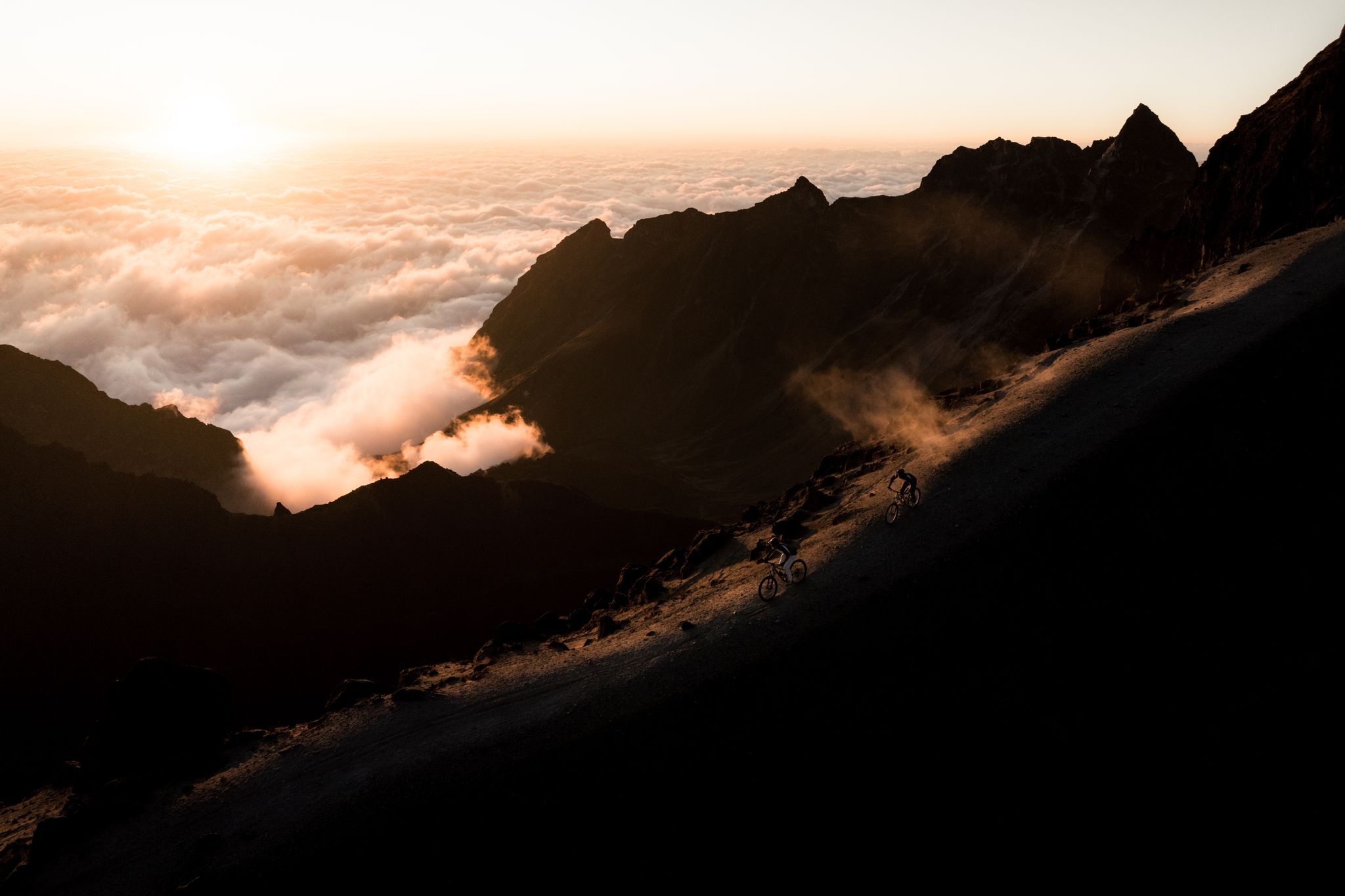
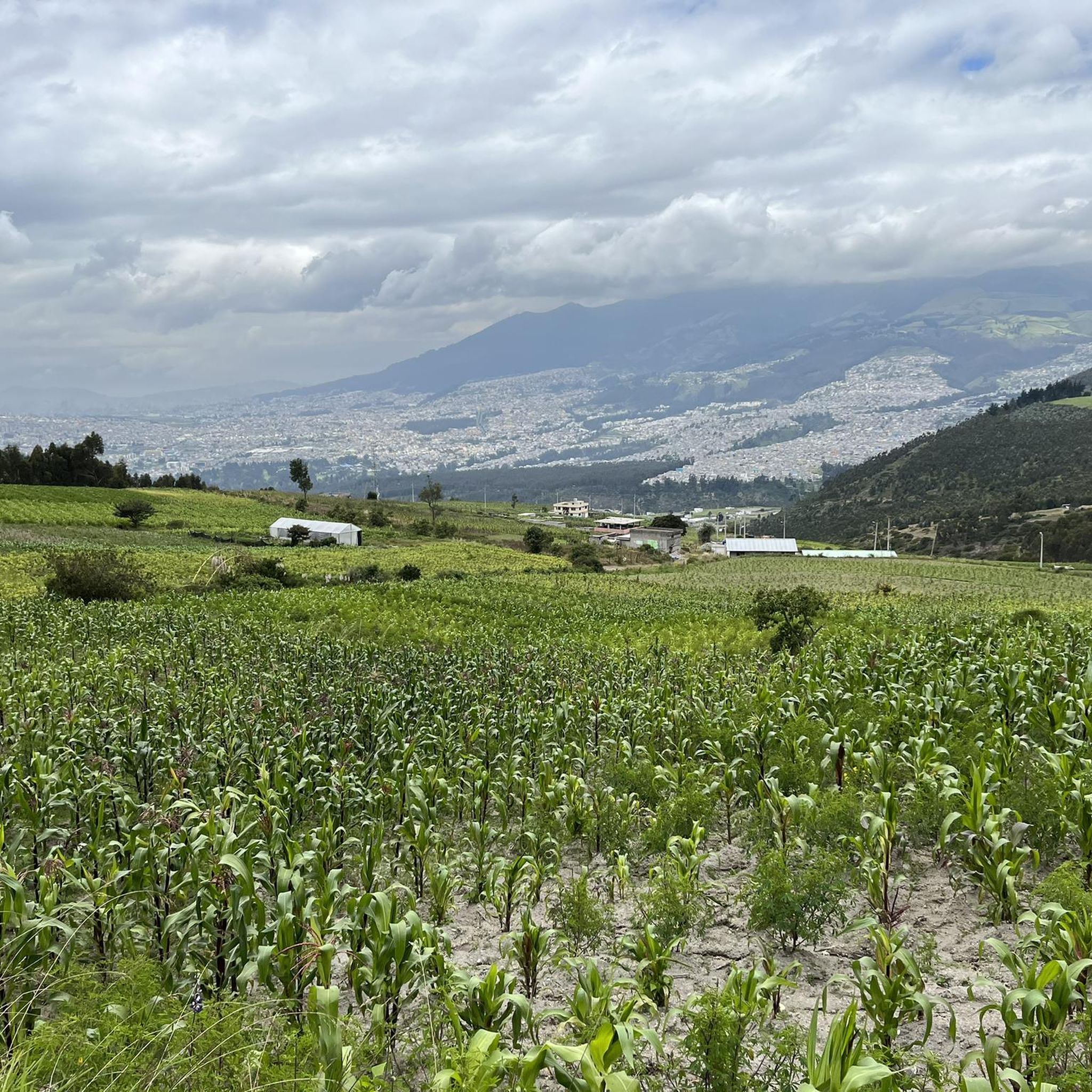
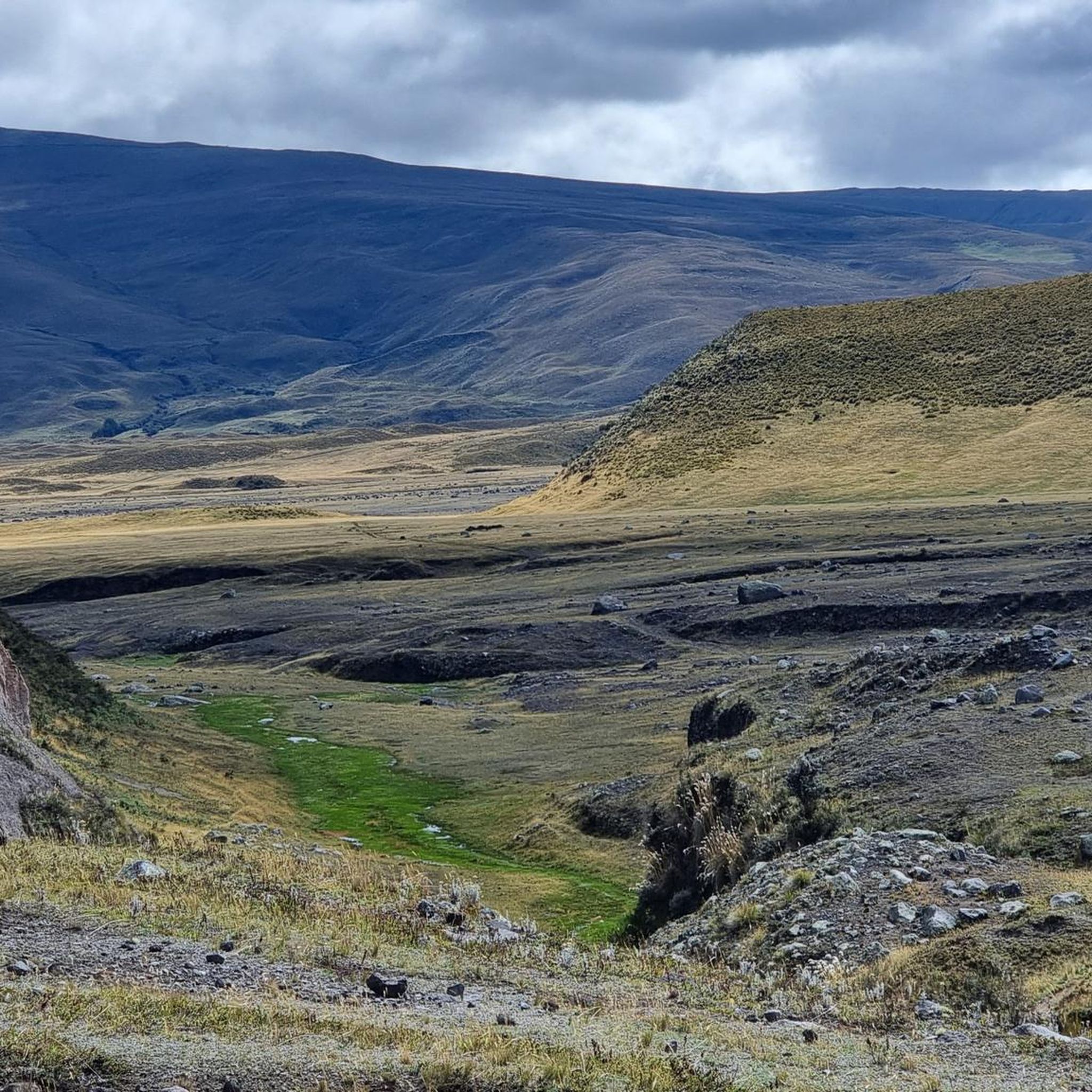
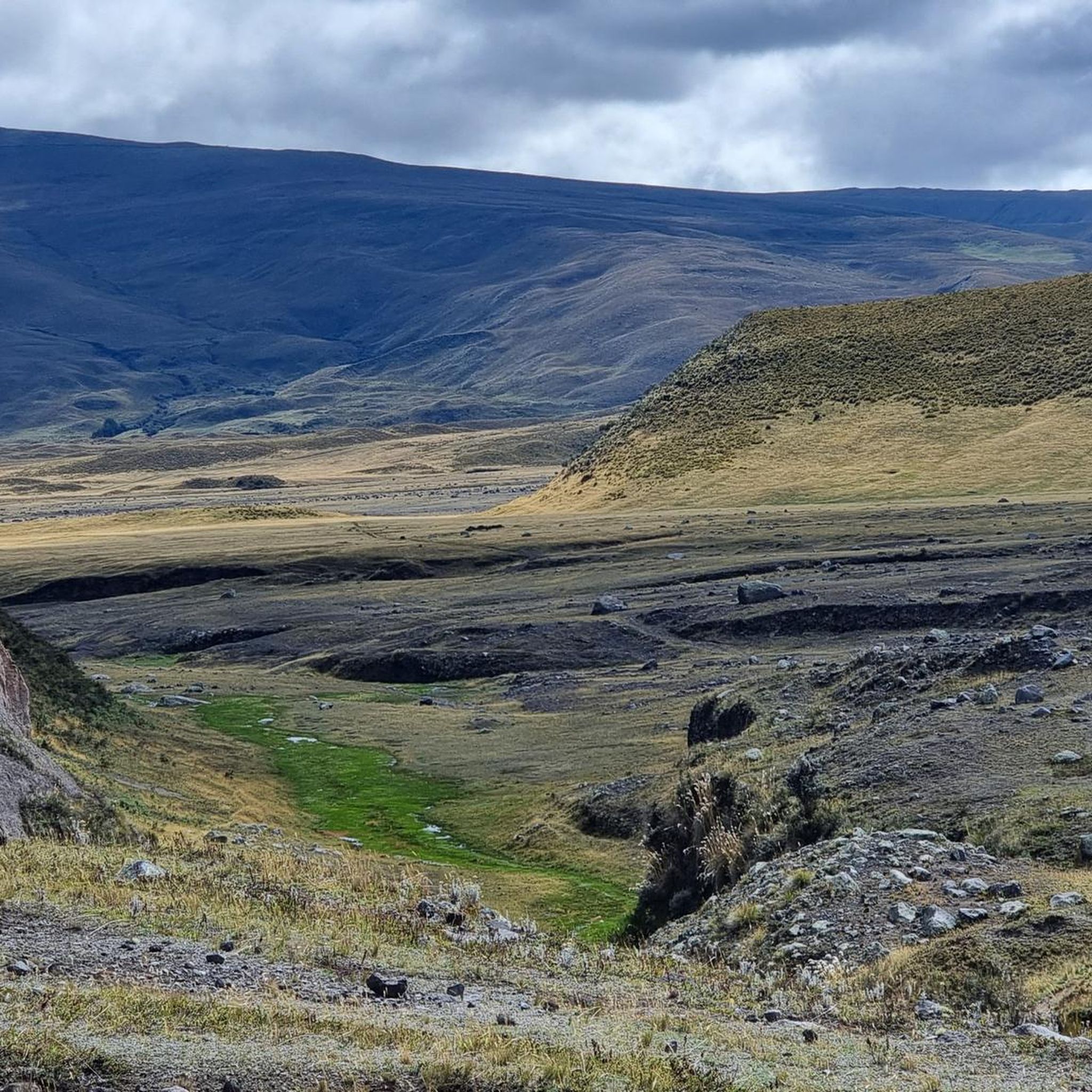
Hiking in Quito offers access to diverse landscapes within the Andes Mountains, situated at a high elevation. The region is characterized by a dramatic panorama of volcanic peaks, ridges, and craters, providing numerous trails. Hikers can explore high-altitude paramo ecosystems, cloud forests, and Andean dry forests. These varied terrains offer a range of experiences from urban walks to challenging mountain ascents.
Best hiking trails in Quito
- The most popular hiking route is Historic Courtyards of Quito – Historic Center of…
Last updated: July 11, 2026
3.0
(1)
7
hikers
11.4km
03:01
100m
100m
Moderate hike. Good fitness required. Easily-accessible paths. Suitable for all skill levels.
5.0
(4)
15
hikers
Moderate hike. Good fitness required. Easily-accessible paths. Suitable for all skill levels.

Sign up for free
4.0
(1)
4
hikers
Moderate hike. Good fitness required. Easily-accessible paths. Suitable for all skill levels.
5.0
(2)
8
hikers
5.92km
03:06
730m
730m
Moderate hike. Good fitness required. Easily-accessible paths. Suitable for all skill levels.
4.5
(2)
4
hikers
Moderate hike. Good fitness required. Easily-accessible paths. Suitable for all skill levels.
Our route recommendations are based on thousands of hikes, rides, and runs completed by other people on komoot.
Start today with a free account
Your next adventure awaits.
Login or Signup
Other adventures in Quito

Tips from the Community

On Sunday, Quito closes one Main Street for biking and many smaller streets for walking around. There are artisans, food vendors, and all kinds of entertainment to enjoy amidst the beautiful sights of the Historic City Center
0
0

The Virgin of El Panecillo (in Spanish: Virgen del Panecillo), also known as the Virgin of Quito from the sculpture of the same name, is a monument in Quito, Ecuador. It is located on the top of the hill of El Panecillo, a loaf-shaped hill in the heart of the city and serves as a backdrop to the historic center of Quito. With a total height of 135 feet (41 meters) including the base, it is the highest statue in Ecuador and one of the highest in South America (taller than the Christ the Redeemer statue in the Brazilian city of Rio de Janeiro). It is also the tallest aluminum statue in the world. EN: https://en.wikipedia.org/wiki/Virgin_of_El_Panecillo
0
0
The Virgin of El Panecillo, also known as the Virgin of Quito due to the name of the sculpture on which it is inspired, is a monument in the city of Quito D.M., in Ecuador. It is located on the top of the El Panecillo hill, a peculiar elevation shaped like a small bread that is located in the heart of the city and serves as a backdrop to the Historic Center. At 41 meters high, if the base is added, it is the tallest statue in Ecuador and one of the tallest in South America, surpassing even the famous Christ the Redeemer in the city of Rio de Janeiro. It is also the tallest aluminum sculpture on the planet. ES: https://es.wikipedia.org/wiki/Virgen_de_El_Panecillo
0
0

he Basilica of San Francisco (Basílica de San Francisco in Spanish) is the most important part of the Franciscan monastery of El San Francisco in Quito, the capital of Ecuador. The complex at the Plaza de San Francisco in the center of the city dates back to the 16th century and with its imposing structure is the largest architectural ensemble among the historical structures of colonial Latin America. As part of the old town of Quito, it is a UNESCO World Heritage Site. The basilica belongs to the Roman Catholic Archdiocese of Quito and bears the title of a minor basilica.[1] The baroque church houses the pilgrimage destination of the Virgin of Quito, created in 1734. Source: https://de.wikipedia.org/wiki/Basilika_San_Francisco_(Quito) Admission free
0
0
The city museum is located in an old monastery and shows the history of the city from its foundation to modern times. In the past, nursing was also an important factor here in the monastery. A separate exhibition room is dedicated to this. The view into the monastery church is also very worthwhile.
0
0

You can always discover beautiful inner courtyards.
0
0
The city is not only worth seeing during the day.
0
0
A small museum dedicated to the history of cacao cultivation in Ecuador (it was the world's largest producer at the beginning of the 19th century). In addition to delicious chocolate ice cream and pastries, the museum primarily sells expensive chocolate.
2
0
Frequently Asked Questions
How many hiking trails are available in Quito?
Quito offers a diverse range of hiking experiences, with over 5 recorded trails on komoot. These routes cater to various skill levels, from urban explorations to more demanding trails in natural reserves, all set against the dramatic backdrop of the Andes Mountains.
What do other hikers enjoy about the trails in Quito?
The hiking routes in Quito are highly rated by the komoot community, with an average score of 4.6 stars from over 13 reviews. Hikers frequently praise the stunning volcanic landscapes, the unique high-altitude paramo ecosystems, and the opportunity to explore both natural wonders and historic urban paths.
What kind of natural landscapes can I expect to see while hiking in Quito?
Hiking in Quito offers access to incredibly diverse landscapes. You can explore high-altitude paramo ecosystems with their unique grasslands, lush cloud forests like those found near Pichincha, and even Andean dry forests. The region is also defined by its dramatic volcanic scenery, including numerous peaks and craters.
Are there any easy or beginner-friendly hikes near Quito?
Yes, for those looking for easier options or to acclimatize to the altitude, trails around the extinct Ilaló volcano offer gentler slopes and panoramic views. Urban walks, such as the Historic Courtyards of Quito – Plaza de San Francisco loop from La Alameda, also provide accessible ways to explore the city's historic core.
Are there challenging hikes for experienced trekkers around Quito?
Absolutely. For experienced hikers, the region offers demanding ascents to volcanic summits. While not directly listed in the guide, the Rucu Pichincha Summit, accessible via the TeleferiQo, provides a challenging high-altitude trek. Other iconic volcanoes like Cotopaxi and Cayambe also offer advanced mountaineering and trekking opportunities in their national parks.
Can I find circular hiking routes in Quito?
Yes, many trails around Quito are designed as loops, allowing you to start and end at the same point. Examples include the Historic Courtyards of Quito – Historic Center of Quito loop from El Ejido, which explores the city, and the Pasochoa Trails – Palma de Cera Trail loop from Pasochoa Ecological Reserve, which winds through lush vegetation.
Are there any notable landmarks or attractions accessible from hiking trails in Quito?
Many trails offer access to significant landmarks. The Plaza de San Francisco – Historic Courtyards of Quito loop from Pradera will take you past historic sites like the Basilica of San Francisco. For natural landmarks, the TelefériQo Cable Car provides access to trails leading towards the Rucu Pichincha Summit, offering spectacular views of the city and surrounding volcanoes.
Where can I experience high-altitude paramo ecosystems near Quito?
The paramo ecosystem, characterized by its unique grasslands and cold air, is a prominent feature of the high Andes around Quito. Areas like Cruz Loma, accessible via the TeleferiQo, offer immediate immersion into this environment. Further afield, national parks such as Cayambe Coca and Antisana also feature extensive paramo landscapes with various walking trails.
Are there dog-friendly hiking options around Quito?
While specific regulations vary by park and reserve, many natural areas around Quito are welcoming to dogs, especially on well-maintained trails. It's always recommended to check the specific rules for each location, such as the Pasochoa Wildlife Refuge, before heading out with your canine companion.
Are there family-friendly hiking trails in Quito?
Yes, several trails are suitable for families. Easier walks, such as those on the slopes of Ilaló volcano, provide gentle terrain and rewarding views without being overly strenuous. Exploring the historic center on urban loops can also be a great family activity, combining walking with cultural discovery.
What is the best time of year to go hiking in Quito?
Quito's climate is often described as spring-like year-round due to its high altitude. However, the drier months from June to September are generally considered ideal for hiking, offering clearer skies and less rain. The shoulder seasons can also be good, but always be prepared for sudden weather changes in the mountains.
Are there hiking trails near Quito that are accessible by public transport?
Many popular hiking destinations around Quito are accessible via public transport, particularly local buses that serve towns and entry points to natural reserves. For example, the TeleferiQo, which leads to trails on Rucu Pichincha, is easily reachable from the city center. For more remote areas, a combination of bus and taxi might be necessary.
Can I find trails that offer views of multiple volcanoes?
Absolutely. Quito is surrounded by a dramatic panorama of volcanic peaks. Hikes on Rucu Pichincha, especially from the TeleferiQo upper station, offer spectacular views of the city and other volcanoes like Cotopaxi in the distance. The Ilaló volcano also provides 360-degree views of the valleys, the city, and several surrounding volcanoes.
Most popular attractions in Quito

Get inspired with the komoot mobile app


Explore more
Browse the best Hikes in other regions.
