Attractions and Places To See in Cartago - Top 11
Best attractions and places to see in Cartago, a city in Costa Rica, offer a blend of historical significance, cultural sites, and natural landscapes. Once the capital, Cartago is known for its notable landmarks and diverse natural features, including volcanoes and botanical gardens. The region provides opportunities to explore pre-Columbian archaeological sites, colonial architecture, and lush river valleys.
Best attractions and places to see in Cartago
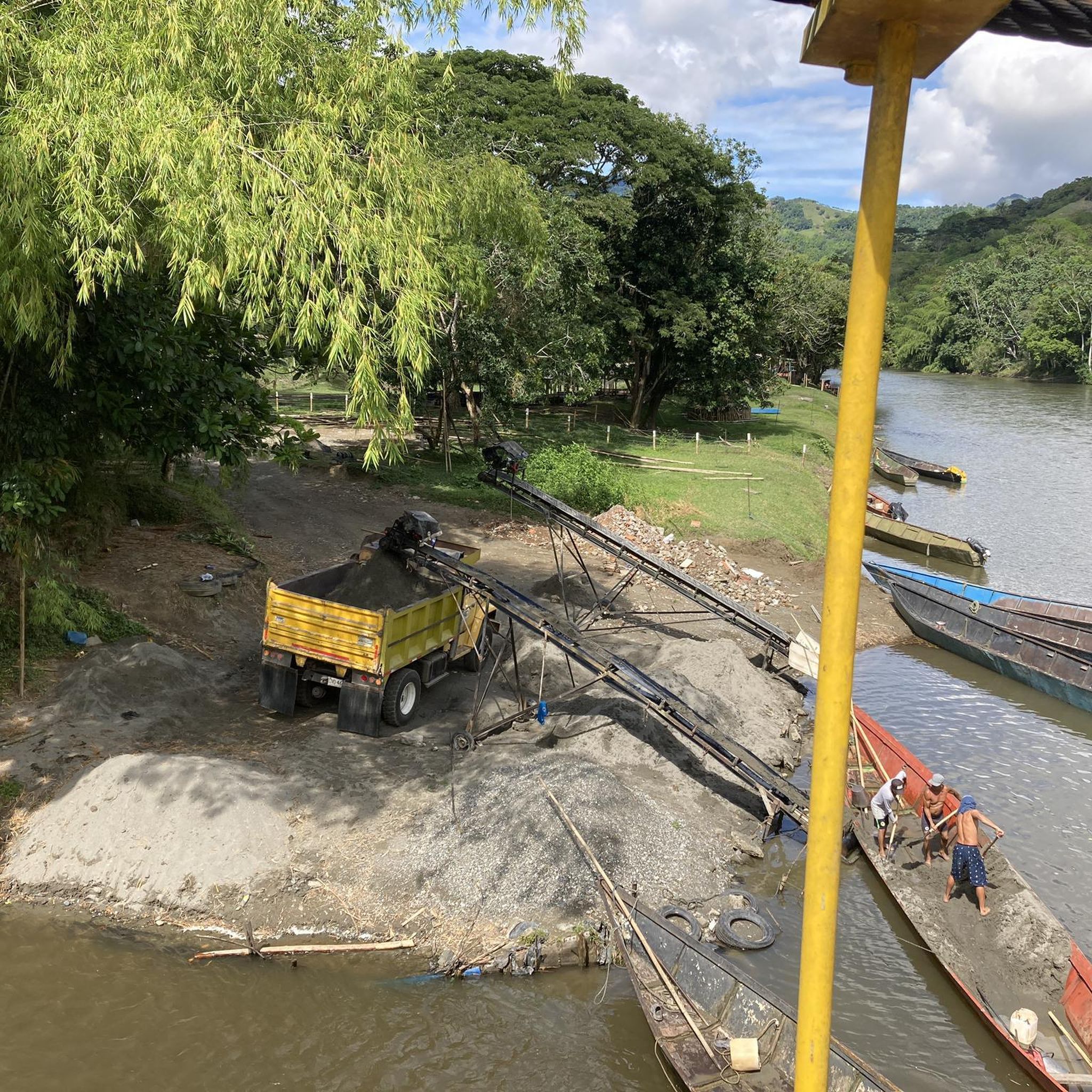
- The most popular attractions is Piedras de Moler, a natural monument that is a town near the Municipality of Cartago. This area offers places to bathe in the Vieja river or its tributaries, and features several food restaurants.
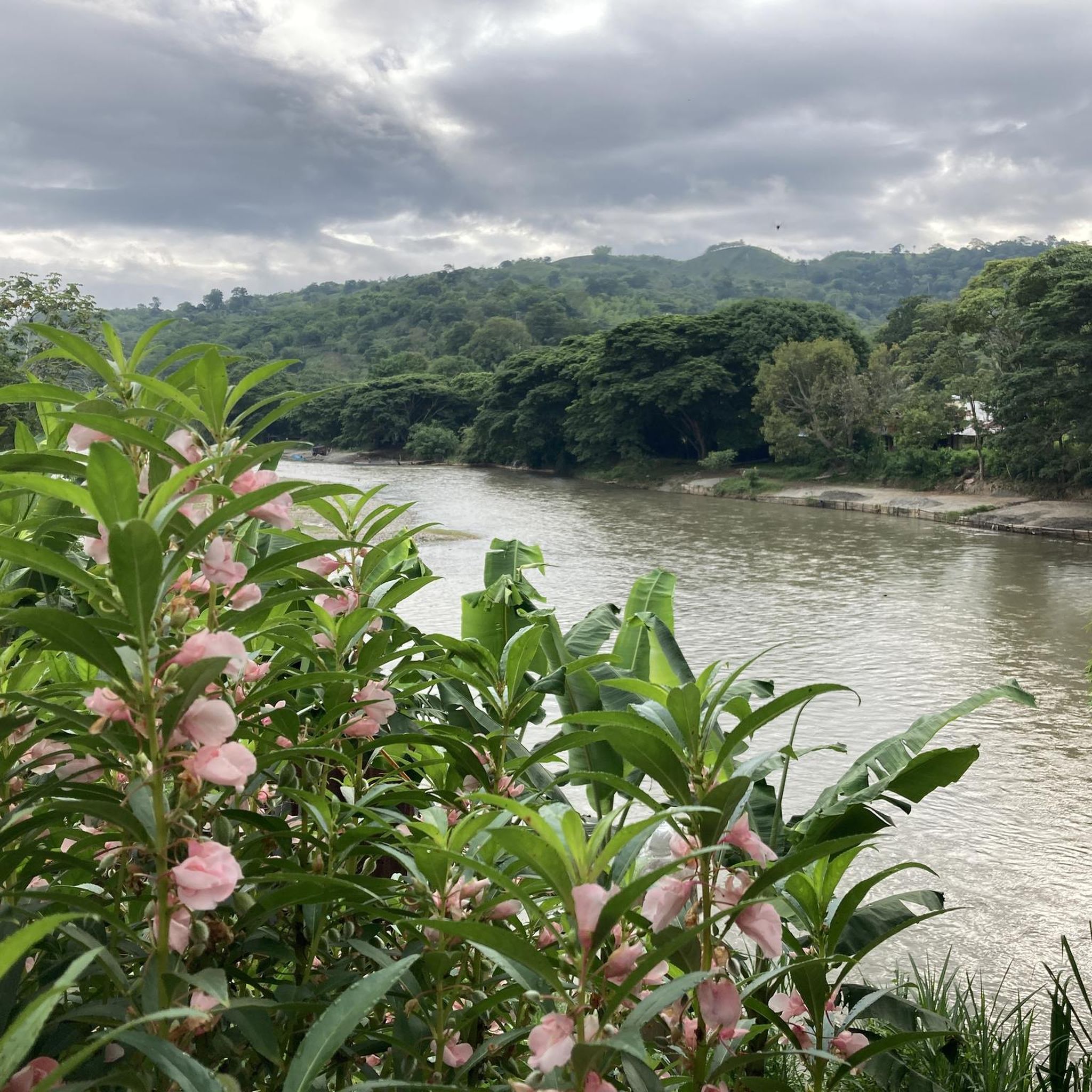
- Another must-see spot is Puerto Alejandría and Río La Vieja, a river known for mountain biking and river rafting. This route, approximately 12 km long, leads to the La Vieja River and Puerto Alejandría, a site visited by locals and tourists.
- Visitors also love Giant Vueltiao Hat at Finca Los Paisajes, a man-made monument located within the "los paisajes" hotel and spa estate. It is a unique photo opportunity, approximately 10 km from the main road.
- Cartago is known for its natural monuments, rivers, and historical sites. The region offers a variety of attractions to see and explore, from ancient ruins to active volcanoes and botanical gardens.
- The attractions in Cartago are appreciated by the komoot community, with 15 upvotes and 2 photos contributed by users.
Last updated: July 4, 2026
Piedras de Moler
Highlight • Natural Monument
Translated by Google •
Tip by

Puerto Alejandría and Río La Vieja
Highlight (Segment) • River
Translated by Google •
Tip by
Sign up now to discover places like this
Get recommendations on the best single tracks, peaks, & plenty of other exciting outdoor places.
Sign up for free
Siria-Puentes Rural Route
Highlight (Segment) • Trail
Translated by Google •
Tip by
Giant Vueltiao Hat at Finca Los Paisajes
Highlight • Monument
Translated by Google •
Tip by
Main Road-Sabaletas
Highlight (Segment) • Other
Showing Translation
Tip by
Sign up for free to discover even more attractions in Cartago.
Sign up for free
Already have an account?
Start today with a free account
Your next adventure awaits.
Login or Signup
Popular around Cartago
Tips from the Community

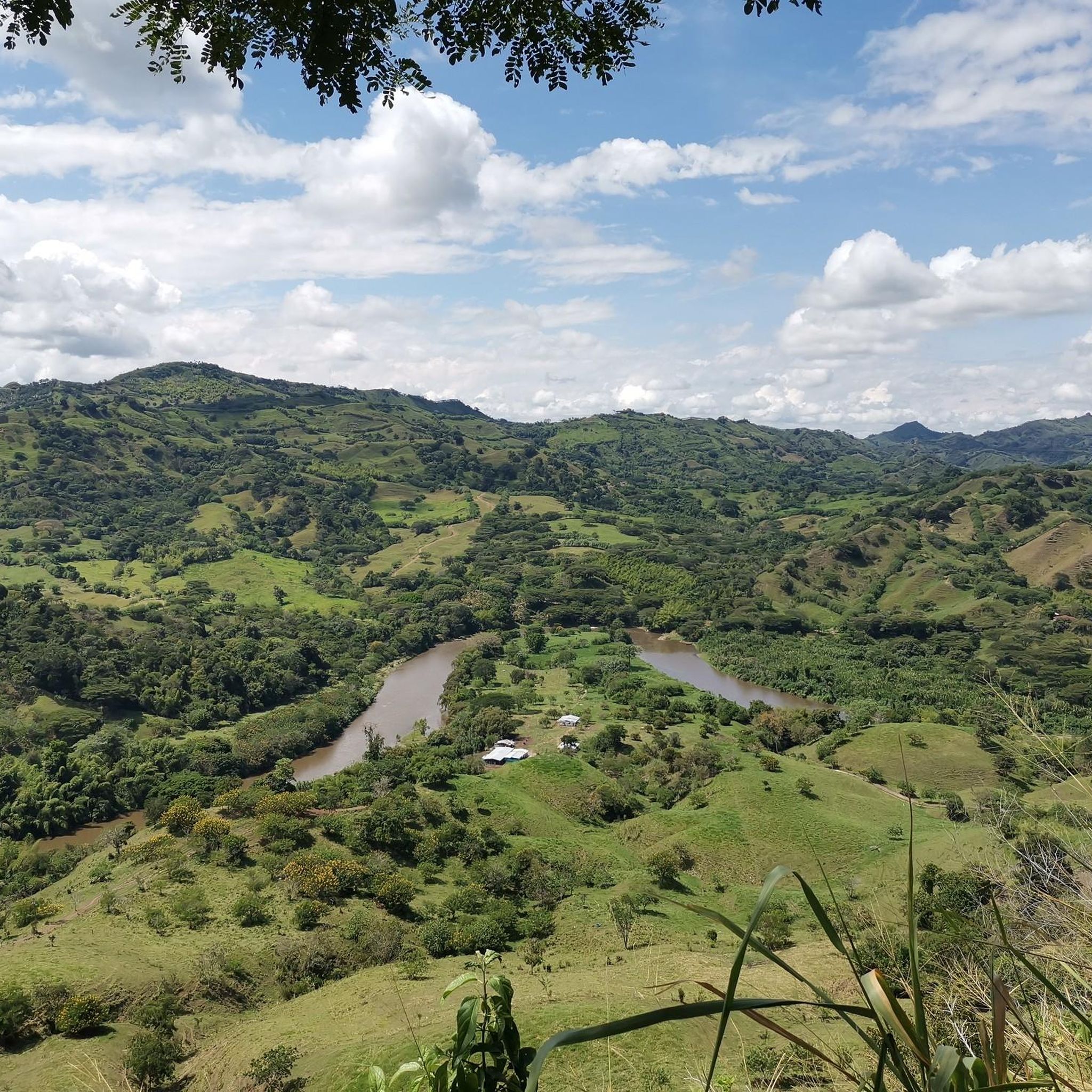
Trail for MTB, distance of 8.98 kms, to get there, you deviate from the main road through a canebrake until you reach the Cañaveral river, here begins the most interesting part, to continue you have to cross the river, it is not very deep, but it requires care, on the other side we find a path somewhat hidden among the bushes, and following it will lead us to the road to the Esparta village. the landscapes here are spectacular, just for that it is worth coming to do this route.
0
0
Section for MTB or road bike, approximately 12.34 km, along this route you reach the La Vieja River and Puerto Alejandría, this site is visited by locals and tourists to practice river rafting, the road at the beginning has some sections without pave, but then it improves and alternates with footprints, it is populated with trees of different species and guaduales which create a unique and mysterious shadow effect, we will come across several times with colorful campers carrying tourists. The La Vieja river is born in the Maravelez valley, in the Tebaida Quindío, it is formed by the confluence of the Barragán and Quindío rivers, it is one of the main tributaries of Cauca, it has a length of 53 km
1
0
Piedra de MOler is a town near the Municipality of Cartago with an altitude of 992 meters. It is close to the town of La Modia and the town of Modín. In this area there are places to bathe either in the Vieja river or in one of its tributaries or in swimming pools. Also along the main road we find several food restaurants on everything fried
0
0
detoured for MTB, approximately 2.46 km with very pleasant views and a route to enjoy by bike, it is a shortcut to go out to Morelia along an old train track
0
0
This hat resides in the "los paisajes" hotel and spa estate, to get there you enter the path of La Estrella, approximately 10 km away, you must ask for permission at the gate to take the photo
0
0
Frequently Asked Questions
What natural attractions can I explore in Cartago?
Cartago offers a variety of natural attractions. You can visit Piedras de Moler, a natural monument where you can bathe in the Vieja river or its tributaries. Another popular spot is Puerto Alejandría and Río La Vieja, known for its river and scenic routes. Beyond these, the region boasts the impressive Irazú Volcano National Park, the biodiverse Tapantí National Park, and the lush Lankester Botanical Gardens.
Are there historical or cultural sites to visit in Cartago?
Yes, Cartago is rich in history and culture. You can explore the significant Basilica de Nuestra Señora de los Ángeles, home to Costa Rica's patron saint, or the historic Santiago Apóstol Parish Ruins, remnants of a 16th-century church. The Orosí Valley also features the colonial Orosí Church and the Ujarrás Ruins. For a deeper dive into ancient history, consider the Guayabo National Monument, a major Pre-Columbian archaeological site.
What outdoor activities are available near Cartago's attractions?
The Cartago region is excellent for outdoor activities. You can enjoy mountain biking or road cycling along routes like the one leading to Puerto Alejandría and Río La Vieja, which is also popular for river rafting. For more cycling options, explore the various cycling routes in Cartago, including specific MTB trails and road cycling routes.
Are there family-friendly attractions in Cartago?
Absolutely! Piedras de Moler is considered family-friendly, offering places to swim and restaurants. Another unique family photo opportunity is the Giant Vueltiao Hat at Finca Los Paisajes. Many natural parks like Irazú Volcano and Lankester Botanical Gardens also provide engaging experiences for all ages.
Where can I find unique photo opportunities in Cartago?
For a truly unique photo, visit the Giant Vueltiao Hat at Finca Los Paisajes, a large man-made monument. The Santiago Apóstol Parish Ruins also offer a serene and photogenic setting amidst well-kept gardens. Additionally, the Mirador de Orosí provides breathtaking scenic overlooks of the Orosí Valley.
What is the best time to visit Cartago for outdoor activities?
Cartago's weather is generally pleasant, but for outdoor activities, the dry season (typically December to April) is often preferred, offering clearer skies and less rain, which is ideal for exploring volcanoes, botanical gardens, and trails. However, the lushness of the rainy season (May to November) can also be beautiful for certain natural attractions.
Can I go white-water rafting in the Cartago area?
Yes, the Pacuare River, renowned for some of the best white-water rafting in Costa Rica, is accessible from the Cartago region. It offers an adventurous experience with Class 3 and 4 rapids, gorges, and waterfalls, and multi-day trips are available.
What kind of terrain can I expect on trails in Cartago?
Trails in Cartago vary. For instance, the route to Puerto Alejandría and Río La Vieja includes sections without pavement that improve and alternate with footprints. Other routes like the Siria-Puentes Rural Route offer pleasant views and follow an old train track. The El Retiro Road features an uncovered path with various slopes and climbs, connecting to other routes.
Are there any unique local experiences or 'hidden gems' in Cartago?
Beyond the main attractions, you might enjoy visiting the Cartago Central Market for a glimpse into local life and fresh produce. For those interested in local beverages, Costa Rica's Craft Brewing Co. offers tours and samples of artisanal beers. The Durán Sanatorium, an old tuberculosis hospital, is also a unique historical structure known for its architecture and local legends.
What do visitors enjoy most about Cartago's attractions?
Visitors appreciate the blend of natural beauty and historical significance. The opportunity to bathe in rivers at places like Piedras de Moler, the scenic routes for cycling and rafting near Puerto Alejandría and Río La Vieja, and the unique photo opportunities like the Giant Vueltiao Hat are frequently highlighted. The region's diverse landscapes, from volcanoes to botanical gardens, also receive high praise.
Can I see wildlife in Cartago?
Yes, Cartago offers opportunities for wildlife spotting, particularly in its natural parks. Tapantí National Park is known for its abundant wildlife, including various bird species, mammals, and reptiles, making it one of Costa Rica's most ecologically diverse areas. Even in areas like the Orosí Valley, you can observe diverse flora and fauna.
How can I learn more about Costa Rican culture in Cartago?
To immerse yourself in Costa Rican culture, visit the Basilica de Nuestra Señora de los Ángeles, a central religious site. The Plaza Mayor of Cartago, with over 400 years of history, offers a pleasant space to stroll and observe local life. Additionally, the Cartago Central Market provides an authentic experience of local commerce and cuisine. For more cultural insights, you can visit the official Costa Rica tourism site: govisitcostarica.com.
Most popular routes in Cartago

Get inspired with the komoot mobile app


Explore more
Still not found the Highlight you’re looking for? See guides of the top attractions in other regions:
