Attractions and Places To See in Cajamarca - Top 20
Best attractions and places to see in Cajamarca include a blend of historical sites, cultural landmarks, and natural features. The city, located in the northern highlands of Peru, is known for its colonial architecture and significant archaeological sites. Visitors can explore a variety of landscapes, from central plazas to thermal springs and ancient aqueducts. The region offers diverse attractions for those interested in history, culture, and outdoor exploration.
Best attractions and places to see in Cajamarca
- The most popular attractions…
Last updated: July 2, 2026
Cocora Valley
Highlight • Natural Monument
Translated by Google •
Tip by

Puentes y sendas del valle del Cocora
Highlight (Segment) • Trail
Translated by Google •
Tip by

Sign up now to discover places like this
Get recommendations on the best single tracks, peaks, & plenty of other exciting outdoor places.
Sign up for free
Small waterfall on the Quindío river
Highlight • Waterfall
Translated by Google •
Tip by
Finca La Montaña
Highlight • Mountain Hut
Translated by Google •
Tip by

Bosque de Palmas Trail
Highlight • Trail
Translated by Google •
Tip by
Sign up for free to discover even more attractions in Cajamarca.
Sign up for free
Already have an account?
Start today with a free account
Your next adventure awaits.
Login or Signup
Popular around Cajamarca
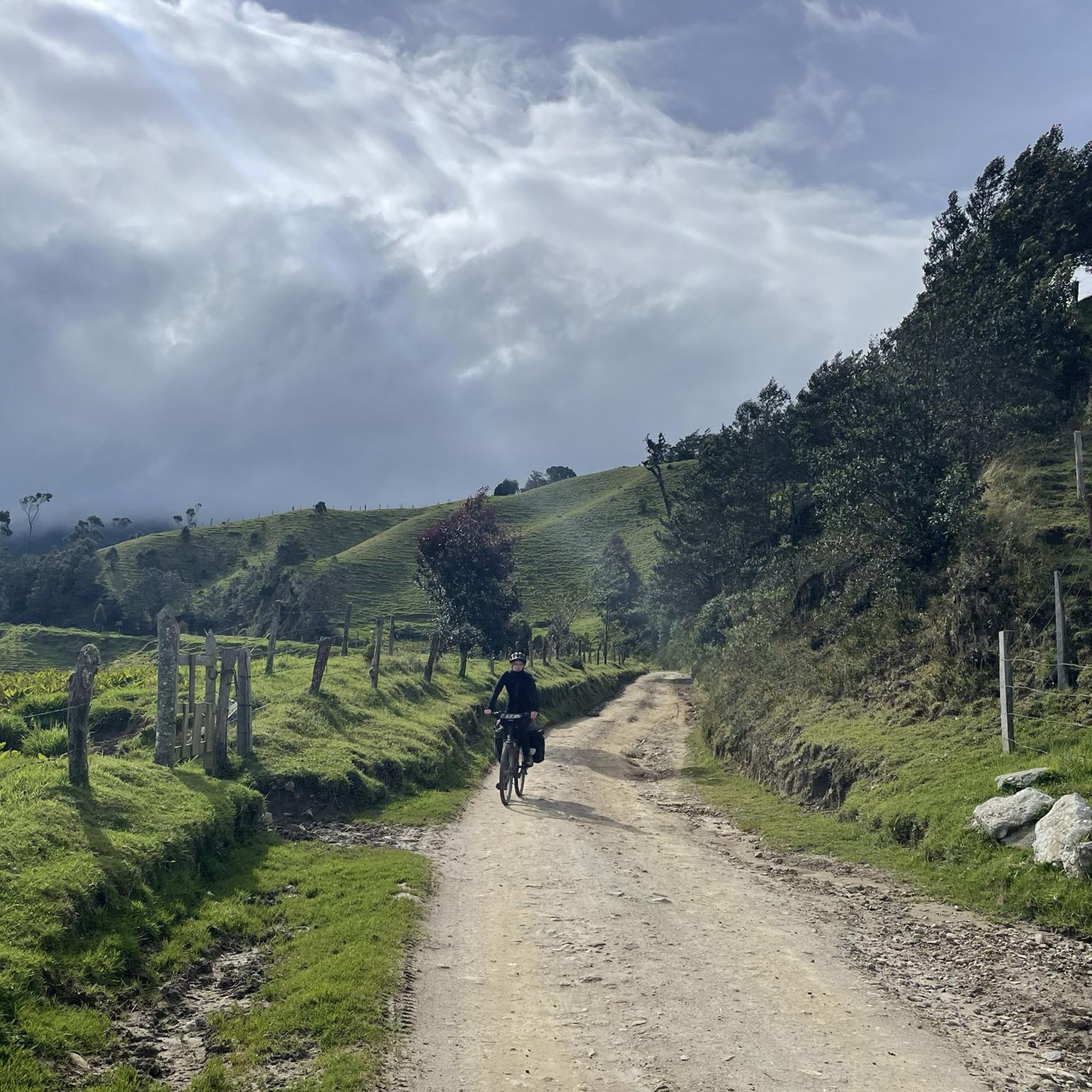

Tips from the Community

The bridges and paths („Puentes y sendas“) that lead hikers through the cloud forest ecosystem. Highlights of the hiking route Hanging bridges: The path along the Quindío River crosses several adventurous, mostly simple wooden bridges. Circular route: The classic hike takes about 5 to 6 hours (approx. 12 km) and leads through dense jungle, cloud forest, and open pastures with palm trees. Popular destinations along the route include the Reserva Natural Acaime (Home of the Hummingbirds) and Finca La Montaña at 2840m.
0
0
The Finca La Montaña, at an altitude of approx. 2,840 m above sea level, marks the highest point of the classic circular hiking trail in the Cocora Valley. Highest point (hiking trail): The Finca La Montaña is located at approx. 2,840 m. It often serves as a turning point or rest stop before the descent begins. The circular trail starts in the valley at about 2,400 m and overcomes an altitude difference of approx. 540 to 700 meters.
0
0
The Bosque de Las Palmas trail is part of Los Nevados National Natural Park and is known for the wax palms, up to 60 meters high, the national tree of Colombia. The route is classified as moderate. It is about 4.3 km long and takes an average of 1.5 to 2 hours. The trail leads through Andean landscapes and rainforest sections. As the ground can often be slippery and muddy, sturdy footwear and the use of hiking poles are recommended. There are several Miradores (viewpoints) along the way.
0
0
The Cocora Valley is primarily famous for the Quindío wax palm (Ceroxylon quindiuense), the national tree of Colombia. It is considered the tallest palm species in the world and can reach an impressive height of 60 to 80 meters. These palms grow very slowly and can live for over 300 years. The name "Cocora" probably comes from a princess of the Quimbaya culture and translates to "Star of Water".
0
0

When the finca is open, you can stop here for refreshments and a drink. Unfortunately, the opening hours are unreliable. Although drinks are occasionally sold even when the finca is closed, we were not allowed to use the toilets even after offering a generous tip. Therefore, you should be prepared to hike the entire circular route without a toilet. Otherwise, drinks are available at the checkpoint between the finca and the Wachspalmen, or down in the valley between the forest and the checkpoint at the entrance.
0
0

The Cocora Valley trail, along the Quindío River, is a hiker's paradise. The path is barely maintained, and the bridges are rudimentary; however, this adds a rustic touch to the experience and allows you to focus on enjoying nature in its purest form.
1
0

This is being marketed quite a bit here. You can hike, or, if you're feeling a bit lazier, get pulled along by horses.
5
0

The Cocora Valley Palm Forest Trail takes you through the famous wax palms, with sections of rainforest and rustic bridges that make the route very enjoyable. It's an ideal hike to appreciate the Andean landscape, but the terrain can be slippery and muddy, so good footwear and walking sticks are recommended. Perfect for those seeking an immersive hike in nature.
2
0
Frequently Asked Questions
What historical sites can I explore in Cajamarca?
Cajamarca is rich in history. You can visit the Plaza de Armas, a significant historical square where Inca emperor Atahualpa was captured. Don't miss the El Cuarto del Rescate, the only remaining Inca structure, or the stunning Cajamarca Cathedral and Church of San Francisco, both showcasing impressive colonial architecture.
Are there any archaeological sites near Cajamarca?
Yes, Cajamarca offers several fascinating archaeological sites. The Cumbemayo Archaeological Complex, about 20 km away, features an ancient aqueduct and unique rock structures. You can also explore the Ventanillas de Otuzco, an ancient necropolis with carved niches, or the Kuntur Wasi Ceremonial Center, one of Peru's oldest archaeological sites.
Where can I find natural viewpoints or scenic spots in Cajamarca?
For panoramic views of the city and the Cajamarca Valley, head to the Mirador del Cerro Santa Apolonia. This viewpoint also has pre-Hispanic vestiges, including the 'Silla del Inca'.
What outdoor activities can I do near Cajamarca's attractions?
The region around Cajamarca offers various outdoor activities, especially hiking and running. You can find numerous trails, including the popular Cocora Valley Loop Trail, which is a moderate hike. For more options, explore the hiking routes in Cajamarca or the running trails available.
Are there any thermal springs or natural baths in Cajamarca?
Yes, the Baños del Inca are thermal springs located a short distance from the city. These springs were historically used by the Incas for relaxation and are believed to have therapeutic properties.
What are some family-friendly attractions in Cajamarca?
Families can enjoy a visit to Granja Porcón, a cooperative farm where visitors can learn about sustainable agriculture and ecotourism. The Ex Hacienda La Collpa, a dairy farm, also offers a unique experience with cowsheds, an artificial lagoon, and views of the mountains.
What is the best time to visit Cajamarca for sightseeing and outdoor activities?
Cajamarca's climate is generally mild year-round due to its highland location. However, the dry season, typically from May to October, is often considered ideal for outdoor activities like hiking and exploring archaeological sites, as there is less rain.
Are there any waterfalls to visit in Cajamarca?
Yes, the Llacanora Waterfalls offer a picturesque natural setting for hiking and photography. Additionally, the Misty Forest Waterfall is another beautiful spot nestled among lush vegetation, accessible via the Cocora-Estrella de Agua trail.
What cultural experiences can I find in Cajamarca?
Beyond the historical buildings, you can delve into the region's culture at the Museo Arqueológico y Etnográfico, located within the Belén Complex. This museum provides insights into the history and culture of the Inca and pre-Inca periods through its artifacts.
What do visitors enjoy most about the natural attractions in Cajamarca?
Visitors particularly appreciate the serene beauty and immersive nature experiences. For instance, the trail along the Quindío River, known as Puentes y sendas del valle del Cocora, is loved for its rustic charm and the opportunity to enjoy nature in its purest form. The towering wax palms of the Cocora Valley are also a major highlight.
Are there any hidden gems or less-visited spots in Cajamarca?
While popular sites are well-known, you might find the Ventanillas de Combayo to be a less-frequented alternative to the more famous Ventanillas de Otuzco, offering a similar glimpse into ancient burial practices with fewer crowds. The San Nicolás Lagoon also provides a peaceful natural experience away from the main tourist routes.
Most popular routes in Cajamarca
Most popular attractions in Cajamarca

Get inspired with the komoot mobile app


Explore more
Still not found the Highlight you’re looking for? See guides of the top attractions in other regions:
