Attractions and Places To See in Samacá - Top 10
Attractions and places to see in Samacá include a blend of historical sites, cultural landmarks, and natural features within the Central Boyacá Province of Colombia. The region is characterized by its fertile valley landscapes and Muisca heritage. Visitors can explore colonial architecture, significant industrial ruins, and natural areas offering panoramic views and hiking opportunities. Samacá provides insights into its past and present through its diverse points of interest.
Best attractions and places to see in Samacá
- The most popular attractions…
Last updated: July 4, 2026
Casa Terracota
Highlight • Monument
Tip by

Statue of Christ Overlooking Villa de Leyva
Highlight • Monument
Showing Translation
Tip by

Sign up now to discover places like this
Get recommendations on the best single tracks, peaks, & plenty of other exciting outdoor places.
Sign up for free
Patio de Las Brujas
Highlight • Monument
Translated by Google •
Tip by

Plaza Mayor of Villa de Leyva
Highlight • Historical Site
Translated by Google •
Tip by

Trail up to Las Cárcavas
Highlight • Trail
Be sure to bring water!
Tip by

Sign up for free to discover even more attractions in Samacá.
Sign up for free
Already have an account?
Start today with a free account
Your next adventure awaits.
Login or Signup


Tips from the Community

Casa Terracota, often described as the „world's largest ceramic artwork". It is located just outside the historic colonial town of Villa de Leyva. The 500-square-meter house was designed by Colombian architect and environmentalist Octavio Mendoza Morales and built almost entirely by hand. It is made entirely of fired clay (terracotta), without additional supporting materials such as concrete or steel beams. Like a giant clay pot, the entire structure was "fired" at high temperatures to make it resistant to water and earthquakes.
0
0
The Christ statue at the viewpoint "Mirador El Santo Sagrado Corazón de Jesús" towers over a hill northeast of the town center of Villa de Leyva. The statue is often simply referred to as "El Santo" or as the statue of the "Most Sacred Heart of Jesus" (Sagrado Corazón de Jesús). It is located on a ridge and offers a wide panoramic view of the colonial village of Villa de Leyva and the surrounding mountain landscape. The ascent is moderate, but steep and rocky in places. A hike takes about 45 to 60 minutes for the ascent.
0
0

Unique and unusual architect built house with entertaining tour guide
1
0


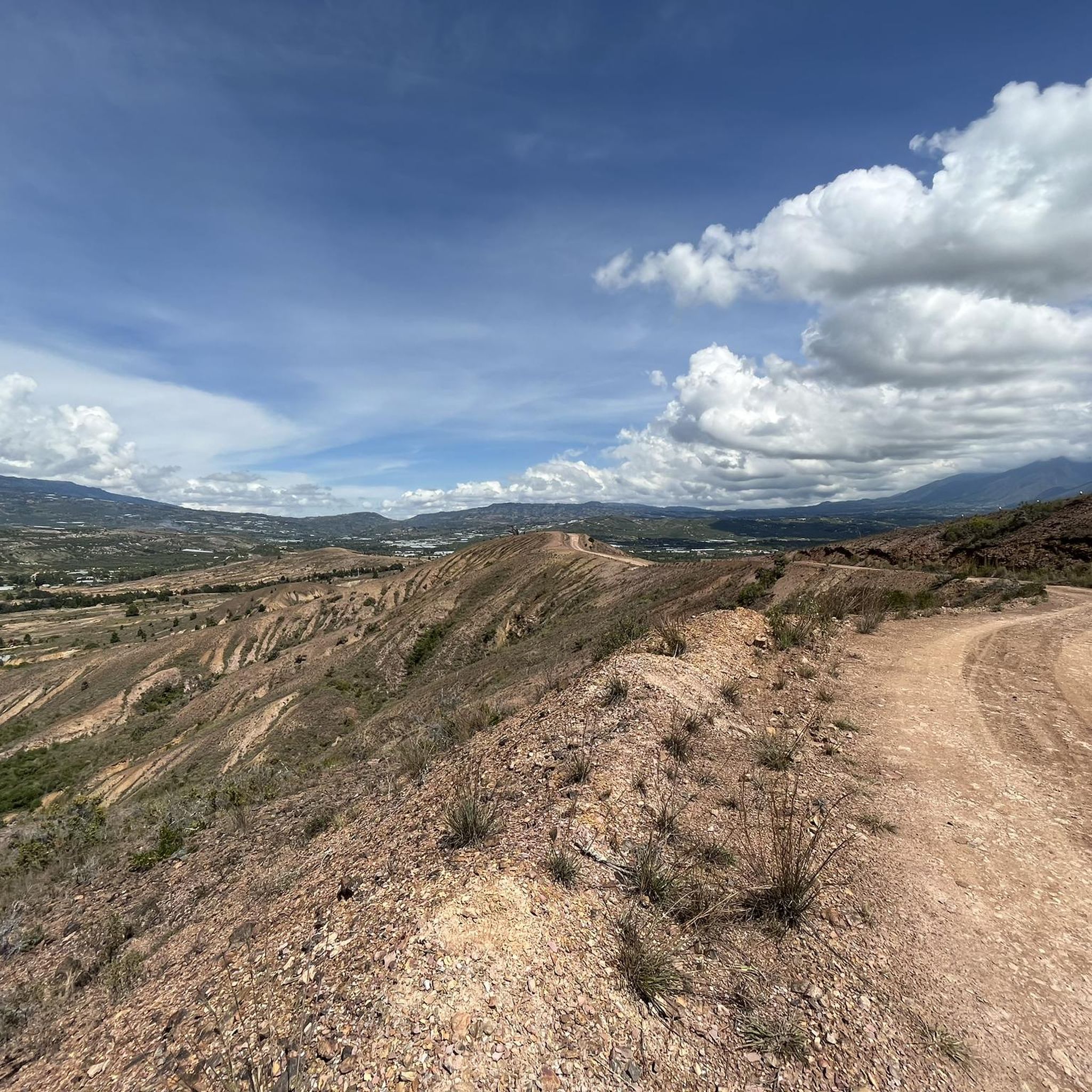
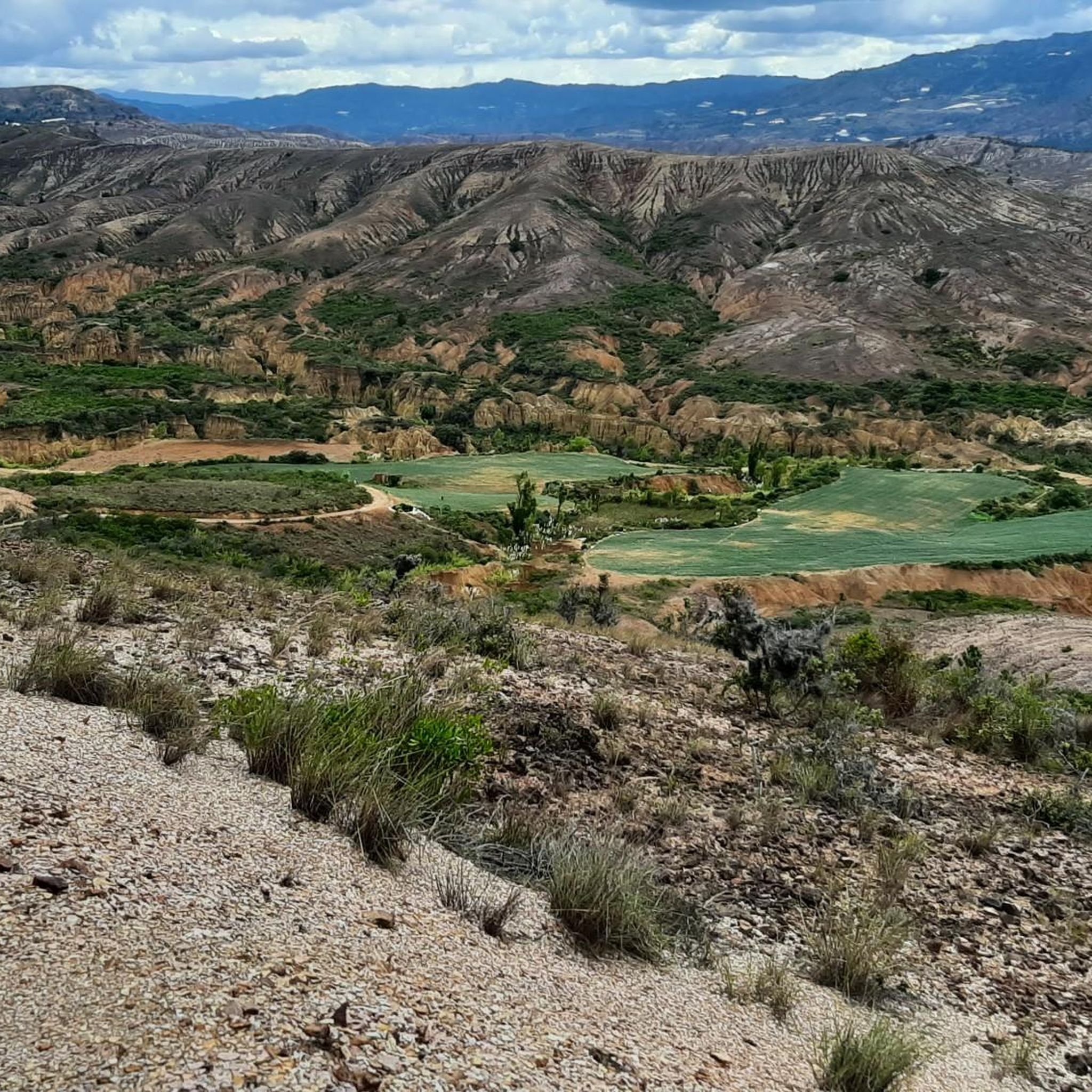
A lovely (and less-trodden) trail that takes up up to Las Cárcavas. A really stunning walk - not too strenuous, that you are likely to have all to yourself. Be sure to bring water!
1
0

One of the largest city squares in South America.
0
0

The so-called Candelaria desert, is not exactly a desert but that is what they call it, they are really wavy with very high temperatures (even above 40 ° C) green areas and river water. there are ancestral places, where remains of dinosaurs and other ancestral materials have been found.
0
0
Frequently Asked Questions
What historical and cultural sites can I explore in Samacá?
Samacá is rich in history and culture. You can visit the intriguing Patio de Las Brujas, an ancestral Muisca site with phallic-shaped clay totems believed to be an astronomical observatory. Another significant landmark is El Puentón (Puente Barducci), an iconic stone bridge from 1930. The Buitrones Antigua Ferrería offers a glimpse into Samacá's industrial past as the site of Colombia's first ironworks. Don't miss the central
Parque Principal and Parroquia Nuestra Señora del Rosario
for its colonial architecture and vibrant atmosphere. Additionally, the El Venado Archaeological Site was once a central Muisca village where ancient artifacts have been found.Are there any natural attractions or hiking opportunities in Samacá?
Absolutely! Samacá offers several natural attractions and hiking trails. You can embark on the Trail up to Las Cárcavas, a less-traveled route featuring yellow and brown rock formations and panoramic views. The Páramo del Rabanal Regional Natural Park is a vital natural reserve, home to 44 bird species and offering ecological walks. Within the Páramo, you'll find Laguna Verde, known for its beautiful blue waters and surrounding frailejones vegetation.
What kind of outdoor activities can I do near Samacá's attractions?
The region around Samacá is excellent for various outdoor activities. You can find numerous routes for road cycling, mountain biking, and gravel biking. For example, there are challenging road cycling routes like the "Descent from Samacá to Sáchica – Alto de Sote loop from Villa de Leyva" and moderate mountain biking trails such as the "Patio de Las Brujas – Panoramic view of Villa de Leyva loop from Sáchica." Explore more options on the Road Cycling Routes in Samacá, MTB Trails in Samacá, and Gravel biking in Samacá guide pages.
Are there family-friendly places to visit in Samacá?
Yes, Samacá and its surroundings offer family-friendly options. The Plaza Mayor of Villa de Leyva, one of the largest city squares in South America, is a great place for families to explore its historical architecture. The nearby settlement of Villa de Leyva is also known for being family-friendly, with plenty of restaurants and a pleasant atmosphere for rest and visits.
What is the terrain like at Patio de Las Brujas?
The area around Patio de Las Brujas is often referred to as the "Candelaria desert," characterized by wavy terrain and can experience very high temperatures, sometimes exceeding 40°C. Despite the name, it features green areas and river water, making for a unique landscape.
What is the significance of El Puentón (Puente Barducci)?
El Puentón, also known as Puente Barducci, is a historically and architecturally significant landmark. Constructed in 1930 by French engineer Mauricio Barducci, this impressive stone bridge carries a railway line over the Teatinos River. It is recognized as a national monument, highlighting its importance in Colombia's infrastructure and heritage.
Can I learn about the Muisca heritage in Samacá?
Yes, Samacá has a rich Muisca heritage. The Patio de Las Brujas is an ancestral Muisca site associated with rituals and believed to have functioned as an astronomical observatory. Additionally, the El Venado Archaeological Site was once a central Muisca village, where historical accounts mention an indigenous cemetery and findings of artifacts like spindle whorls and pottery fragments.
What makes the Páramo del Rabanal Regional Natural Park important?
The Páramo del Rabanal Regional Natural Park is a crucial ecological area spanning 4,530 hectares. It serves as a significant water source for the region, including the city of Tunja. The park is also a biodiversity hotspot, home to 44 species of birds, and offers opportunities for ecological walks and native tree planting, emphasizing its role in conservation.
What should I know before hiking the Trail up to Las Cárcavas?
The Trail up to Las Cárcavas is a lovely and less-trodden route that offers stunning views of yellow and brown rock formations in a semi-desert landscape. It's not overly strenuous, and you're likely to have the trail to yourself. Remember to bring plenty of water, as the area can be quite exposed.
What is the best time to visit Samacá for outdoor activities?
While specific seasonal events vary, the region's climate, characterized by fertile valley landscapes, generally supports outdoor activities year-round. For hiking and exploring natural sites like the Páramo del Rabanal, it's advisable to check the local weather forecast for pleasant conditions, as temperatures can be high in some areas like the "Candelaria desert" near Patio de Las Brujas.

Get inspired with the komoot mobile app


Explore more
Still not found the Highlight you’re looking for? See guides of the top attractions in other regions:
