Attractions and Places To See in Turbaco - Top 6
Best attractions and places to see in Turbaco, a municipality in the Bolívar Department of Colombia, offers a blend of historical charm, cultural sites, and natural attractions. Located near Cartagena de Indias, it provides a tranquil setting with distinct points of interest. The area is characterized by a calm environment and authentic daily life, allowing visitors to connect with nature and explore its history and culture. Turbaco features a variety of sites, from historical churches to botanical gardens and unique mud pools.
Best attractions and places to see in Turbaco
- The most popular attractions is Castillo de San Felipe de Barajas, a castle that was built in the 16th century to protect Cartagena from attacks. This fortress offers nice views of the city and features a maze of underground tunnels.
- Another must-see spot is Cartagena Cruise Terminal Park and Mini Zoo, a park with a small zoo. Visitors can stroll through this free park and observe exotic animals like parrots, monkeys, and anteaters.
- Visitors also love Convent of La Candelaria on La Popa Hill, a religious building and viewpoint. This Augustinian monastery offers impressive views of Cartagena and its bay, and contains ecclesiastical and historical art treasures.
- Turbaco is known for historical sites, natural features, and cultural institutions. The region offers a variety of attractions to see and explore, including the Guillermo Piñeres Botanical Garden and the unique Mud Pools.
- The attractions in Turbaco are appreciated by the komoot community, with 63 photos and 22 upvotes from visitors.
Last updated: July 4, 2026
Castillo de San Felipe de Barajas
Highlight • Castle
Tip by

Cartagena Cruise Terminal Park and Mini Zoo
Highlight • Structure
Translated by Google •
Tip by

Sign up now to discover places like this
Get recommendations on the best single tracks, peaks, & plenty of other exciting outdoor places.
Sign up for free
Old Boots
Highlight • Monument
The statue is particularly known for its depiction of his war injuries. At the age of just 25, Blas de Lezo had already lost his left leg (to a cannonball), his left eye (to shrapnel), and the mobility of his right arm. Due to these mutilations, he received the nicknames “Mediohombre” (Half-man) or “Patapalo” (Stilt-leg).
Showing Translation
Tip by

Convent of La Candelaria on La Popa Hill
Highlight • Religious Site
Translated by Google •
Tip by

Bazurto Market
Highlight • Structure
The market is a huge, labyrinthine area known for its intensity.
Practically everything is sold here
from exotic fruits like guanabana and mangoes to freshly caught fish and meat, to clothing, electronics, and hand-painted posters.
It is loud, chaotic, often
dirty, and full of intense smells (especially in the fish sector).
Showing Translation
Tip by
Sign up for free to discover even more attractions in Turbaco.
Sign up for free
Already have an account?
Start today with a free account
Your next adventure awaits.
Login or Signup
Popular around Turbaco

Tips from the Community

The Port Oasis Ecopark is a free, 10,000 m² park and mini-zoo located directly at the cruise terminal. It houses over 700 animals, including parrots, flamingos, monkeys, and sloths, in a tropical environment. The park serves as a conservation area and is ideal for a short visit. It is located right at the terminal, just a few steps from the ships. Animals on display include free-roaming peacocks, flamingos, various parrot species, monkeys, and iguanas. There are shaded paths, small waterfalls, souvenir shops, and a café. Admission is free for cruise guests. The park is dedicated to the recreation and protection of animals brought here by environmental authorities. It is the perfect place to relax briefly after an excursion or to observe exotic animals in a short amount of time.
0
0
The Bazurto Market (Mercado de Bazurto) is the central public market in Cartagena. It is located about 4 kilometers outside the historic Old Town and is considered the "beating heart" of local life, far from the typical tourist areas. The market is a huge, labyrinthine area known for its intensity. Practically everything is sold here from exotic fruits like guanabana and mangoes to freshly caught fish and meat, to clothing, electronics, and hand-painted posters. It is loud, chaotic, often dirty, and full of intense smells (especially in the fish sector).
0
0
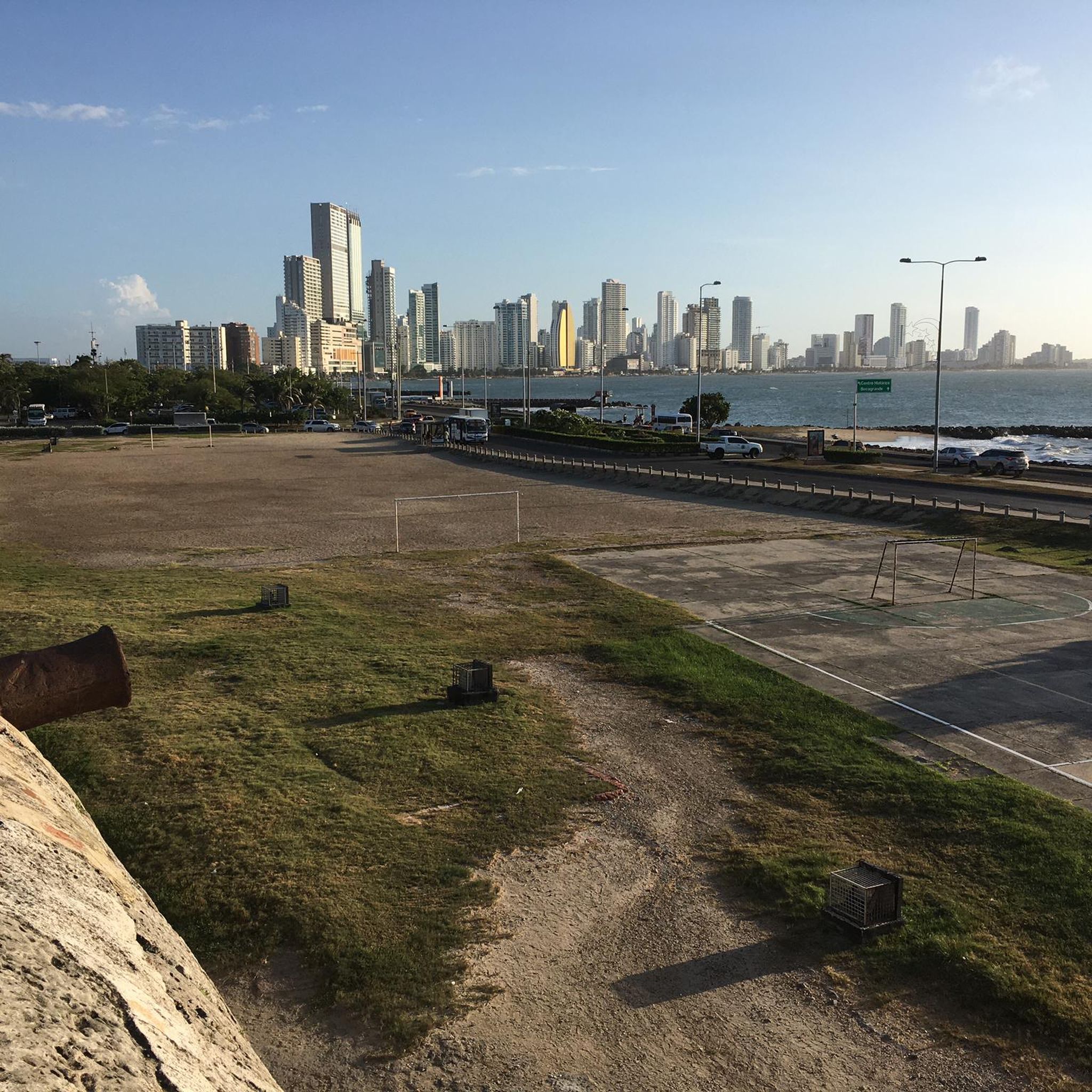
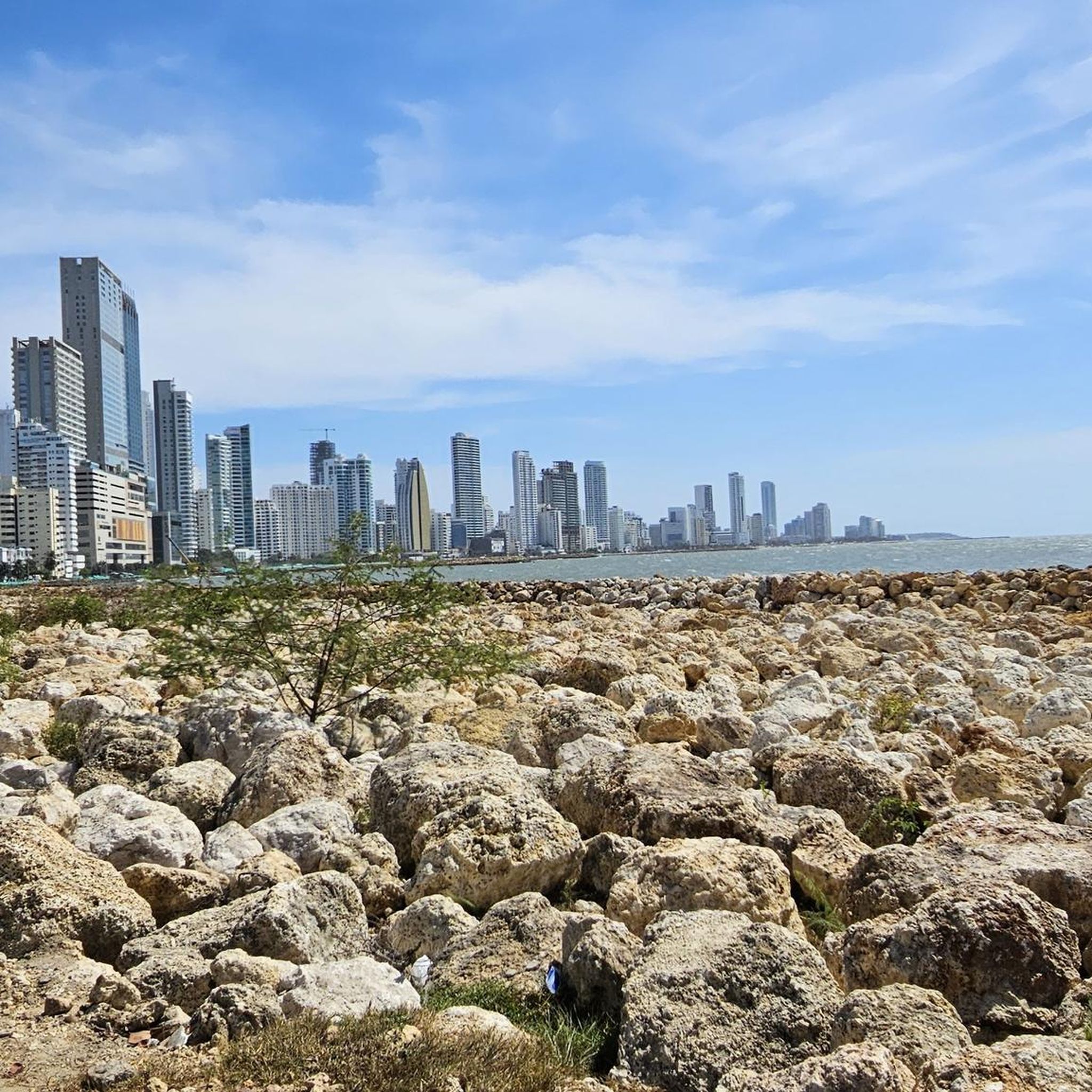
The La Candelaria Convent on the Cerro de la Popa hill in Cartagena is the city's highest point at approximately 148 meters and offers a 360-degree panoramic view of the Caribbean coast, the modern skyline of Bocagrande, and the historic Old Town. The Augustinian monastery was founded in the early 17th century (approx. 1606-1607). Its name "La Popa" (the stern) derives from the shape of the hill, which appeared like the stern of a ship to mariners. Besides the views, the convent is known for its flower-adorned courtyard (cloister) and the chapel with a gold-adorned altar of the Virgin of Candelaria.
1
0
Visitor Information (as of May 2026): Opening hours: Daily from 07:00 to 18:00. Entrance fees: Foreigners: approx. 36,000 COP. Locals (Colombians): approx. 31,000 to 33,000 COP. For Colombian citizens often on the last Sunday of the month (except in January and December). Fortificaciones Car... +2
0
0
It is considered the largest and most impressive Spanish fortress ever built on the American mainland. The complex was built in the 17th century (construction began in 1536, completed in 1657) on the Cerro de San Lázaro to protect the city from attacks by pirates and English and French troops. The fortress is known for its complex, labyrinthine system of underground tunnels and passages, which were used for troop movements and ambushes. Since 1984, it has been a UNESCO World Heritage site.
0
0
The statue depicts the Spanish Admiral Blas de Lezo y Olavarrieta (1689-1741), who is considered one of the most important strategists in the history of the Spanish Navy. The monument is located on the Plazoleta de Blas de Lezo, directly in front of the imposing fortress Castillo San Felipe de Barajas in Cartagena de Indias. The statue is particularly known for its depiction of his war injuries. At the age of just 25, Blas de Lezo had already lost his left leg (to a cannonball), his left eye (to shrapnel), and the mobility of his right arm. Due to these mutilations, he received the nicknames “Mediohombre” (Half-man) or “Patapalo” (Stilt-leg).
2
0

Right by the harbor is a small, free zoo
1
0

Nice little zoo with lots of parrots
3
0
Frequently Asked Questions
What historical sites can I explore in Turbaco?
Turbaco and its surroundings are rich in history. You can visit the ancient Castillo de San Felipe de Barajas, a 16th-century fortress built to protect Cartagena, offering impressive city views and a maze of underground tunnels. Within Turbaco, explore the Parroquia de Santa Catalina de Alejandría, one of the oldest churches in Bolívar, and the Casa y Obelisco de Juan de la Cosa, honoring the Spanish navigator. The Plaza Principal Municipal de Turbaco also provides a historical overview of the municipality.
Are there any significant religious landmarks in the area?
Yes, the region features notable religious sites. The Convent of La Candelaria on La Popa Hill, an Augustinian monastery, offers impressive views of Cartagena and its bay, housing ecclesiastical and historical art treasures. Additionally, the Parroquia de Santa Catalina de Alejandría in Turbaco is a significant historical church dating back to 1738.
What natural attractions can I find in Turbaco?
Turbaco boasts several natural highlights. The Guillermo Piñeres Botanical Garden is a 9-hectare space dedicated to flora conservation, featuring centenary trees, diverse flowers, and exotic birds. You can also experience the unique Mud Pools (Volcancitos de Lodo), small mud springs believed to offer health benefits. For scenic views and hiking, explore the Turbaco Mountains, or visit the Cienaga de la Virgen, a coastal lagoon known for its mangroves and biodiversity.
What are some family-friendly activities in Turbaco?
Families can enjoy the Cartagena Cruise Terminal Park and Mini Zoo, a free park near the port where you can observe exotic animals like parrots, monkeys, and anteaters. The Guillermo Piñeres Botanical Garden also offers an engaging ecological experience for all ages with its diverse plant life and birds. For a relaxing stay, Hotel Campestre Villa Martha provides a countryside setting with farm animals, swimming pools, and green areas.
Where can I learn about Turbaco's local history and culture?
To delve into Turbaco's local heritage, visit the Yurbaco Archaeological, Historical and Cultural Museum of Bolívar, which showcases craft exhibitions and historical treasures. The Plaza Principal Municipal de Turbaco is also a central point for understanding the town's history, surrounded by charming Historical Heritage Houses that reflect its past.
Are there opportunities for outdoor activities like cycling or hiking near Turbaco's attractions?
Yes, there are several options for outdoor enthusiasts. You can find various cycling routes, including traffic-free bike rides and general cycling routes in Turbaco. For road cycling, explore dedicated routes that take you through the scenic landscapes. The Turbaco Mountains also offer opportunities for hiking through lush environments with diverse flora and fauna.
What is the best time to visit Turbaco?
Turbaco generally experiences a tropical climate. The dry season, typically from December to April, is often considered the most pleasant time to visit, with less rainfall and more sunshine, making it ideal for exploring outdoor attractions and historical sites.
What do visitors enjoy most about Turbaco and its nearby attractions?
Visitors frequently appreciate the blend of historical significance and natural beauty. The Castillo de San Felipe de Barajas is loved for its historical depth and impressive city views. The Cartagena Cruise Terminal Park and Mini Zoo receives praise for being a charming and free spot with exotic animals. The serene atmosphere of the Convent of La Candelaria and its panoramic vistas are also highly rated.
Can I experience local cuisine and markets in Turbaco?
Absolutely. The Mercado Turbaco is a vibrant local market where you can sample traditional Colombian dishes, fresh fruits, and local delicacies. Turbaco is also known for its gastronomy, including traditional chicharrones and famous fried food stalls offering typical arepas de huevo, carimañolas, and papas rellenas.
Are there any unique cultural events or traditions in Turbaco?
Yes, Turbaco is known for its famous "Fiesta de Toros" (Bulls' feast) held in December. This celebration marks the end of the year and welcomes the new one, offering a glimpse into the local traditions and festive spirit of the community.
Are there any attractions suitable for visitors with limited mobility or beginners?
While specific accessibility details for all sites are not always available, the Cartagena Cruise Terminal Park and Mini Zoo is generally easy to navigate. The Guillermo Piñeres Botanical Garden offers pathways for strolling, though some areas might be more rugged. For historical sites like the Castillo de San Felipe de Barajas or the Convent of La Candelaria, be aware that they may involve stairs or uneven terrain.
Most popular routes in Turbaco

Get inspired with the komoot mobile app


Explore more
Still not found the Highlight you’re looking for? See guides of the top attractions in other regions:
