The best walks and hikes in Cartagena De Indias
4.3
(67)
797
hikers
17
hikes
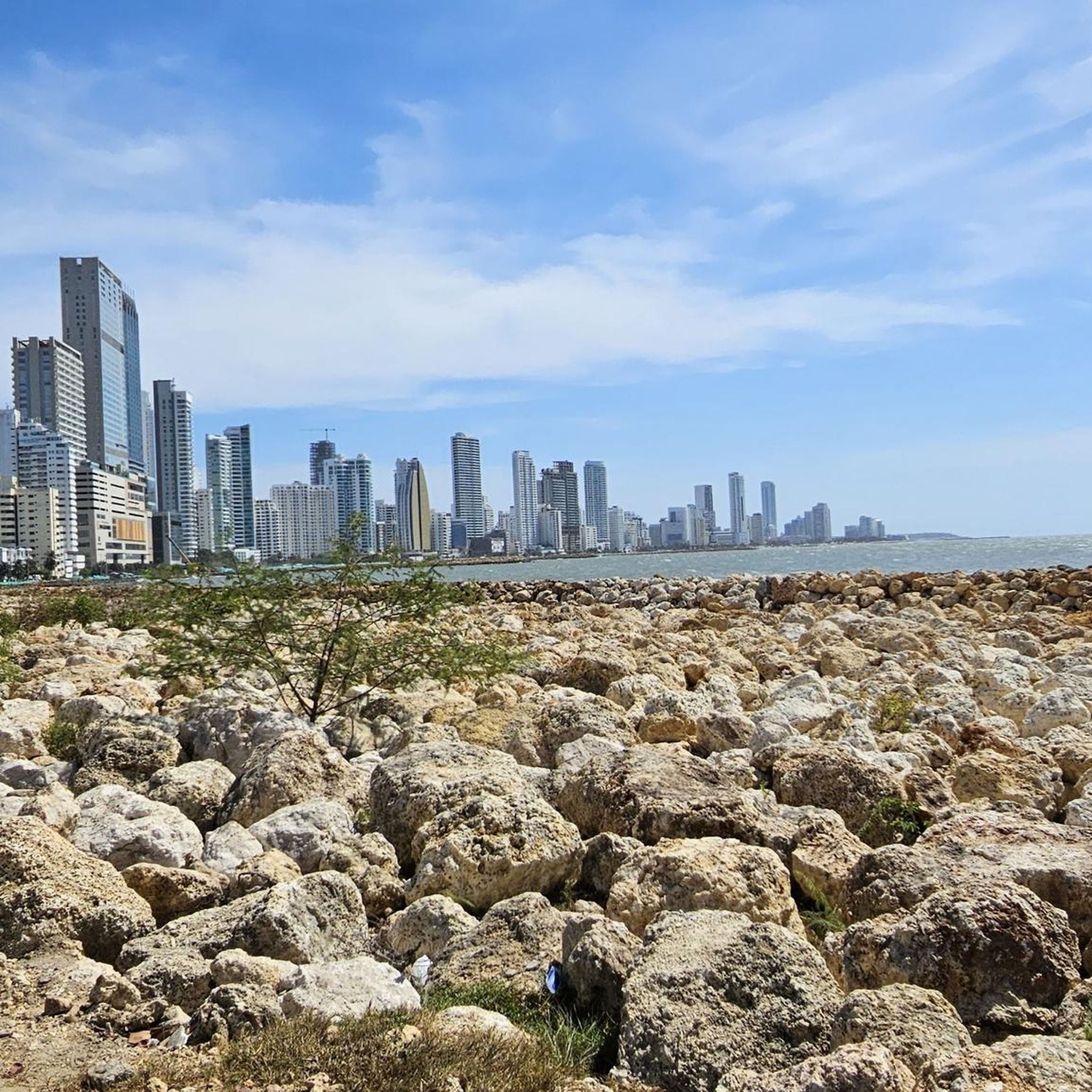
Hiking in Cartagena De Indias offers diverse experiences beyond its historic city center and Caribbean beaches. The region is characterized by tropical dry forests, which are unique ecosystems rich in biodiversity. Hikers can explore coastal paths, gentle hills, and areas with significant natural features like mangroves and botanical gardens. These landscapes provide varied terrain for outdoor activities, from urban walks to nature excursions.
Best hiking trails in Cartagena De Indias
- The most popular hiking route is San Pedro Claver Church – City Walls of Cartagena loop from Cartagena, a 5.5 miles (8.9 km) trail that takes 2 hours 18 minutes to complete. This moderate route offers views of historical landmarks and the city's fortifications.
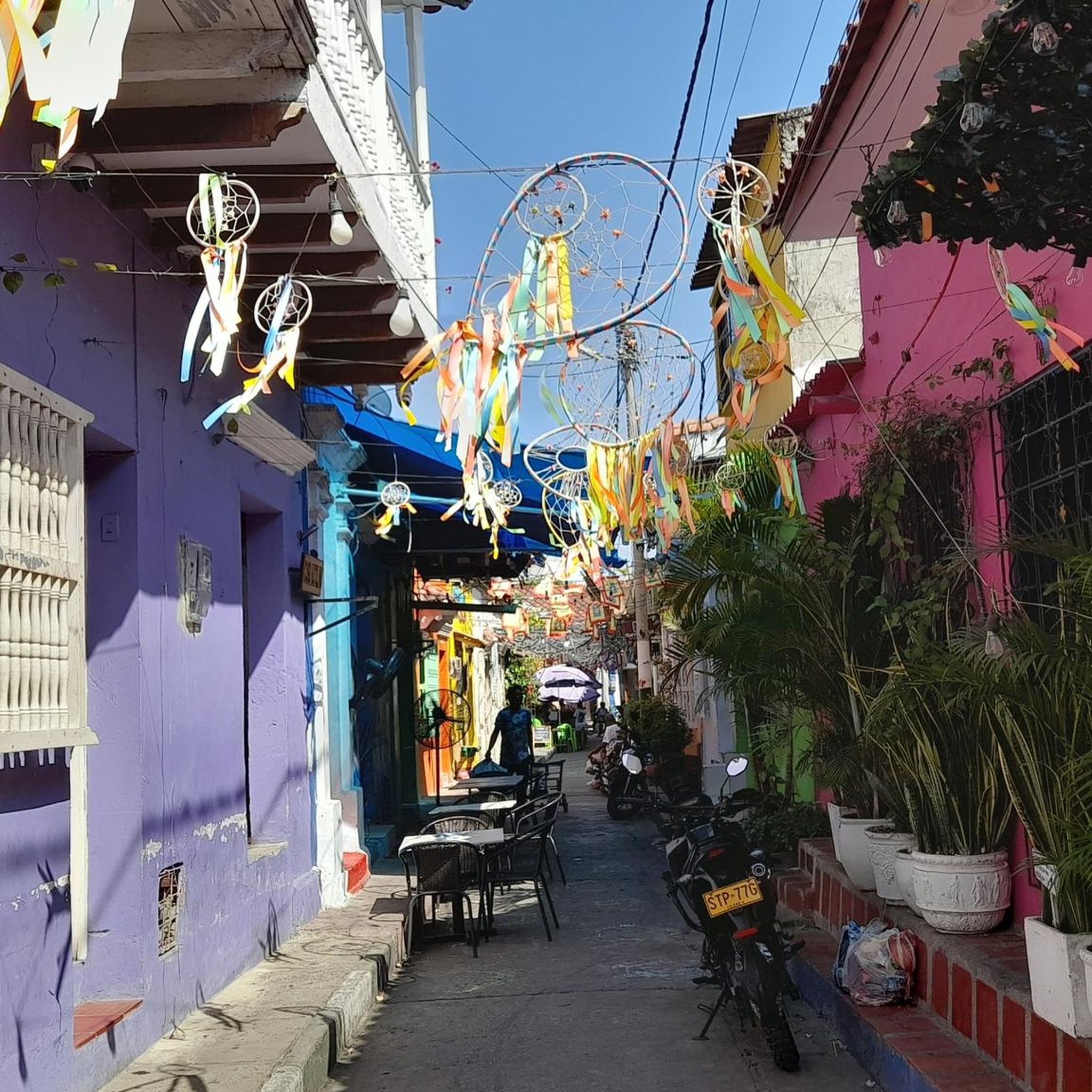
- Another top favourite among local hikers is San Pedro Claver Church – Getsemaní Street Art District loop from Juan XXIII, a moderate 10.9 miles (17.6 km) path. This trail explores vibrant cultural districts and urban landscapes.
- Local hikers also love the San Pedro Claver Church – Getsemaní Street Art District loop from Cartagena, a 3.4 miles (5.4 km) trail leading through urban areas and cultural sites, often completed in about 1 hour 23 minutes.
- Hiking in Cartagena De Indias is defined by tropical dry forests, coastal paths, and urban exploration. The network offers options for different ability levels, from easy city walks to more extensive moderate routes.
- The routes in Cartagena De Indias are highly rated by the komoot community with an average score of 4.4 stars from over 50 reviews. More than 700 hikers have used komoot to explore Cartagena De Indias's varied terrain.
Last updated: July 1, 2026
4.6
(18)
191
hikers
Moderate hike. Good fitness required. Easily-accessible paths. Suitable for all skill levels.
4.9
(7)
80
hikers
Moderate hike. Good fitness required. Easily-accessible paths. Suitable for all skill levels.

Sign up for free
4.5
(4)
61
hikers
Easy hike. Great for any fitness level. Easily-accessible paths. Suitable for all skill levels.
3.0
(1)
59
hikers
Moderate hike. Good fitness required. Easily-accessible paths. Suitable for all skill levels.
5.0
(1)
43
hikers
Moderate hike. Good fitness required. Easily-accessible paths. Suitable for all skill levels.
Get access to more routes and recommendations from other explorers.
Sign up for free
Already have an account?
Our route recommendations are based on thousands of hikes, rides, and runs completed by other people on komoot.
Start today with a free account
Your next adventure awaits.
Login or Signup


Tips from the Community

The Iglesia de Santo Toribio de Mogrovejo is a significant Catholic church in the historic San Diego district. It is named after Saint Toribio de Mogrovejo, a former archbishop of Lima. The church is primarily known for its magnificent interior: It houses the only surviving Baroque high altar in all of Cartagena, which is adorned with gold leaf. The ceiling of the church is designed with intricate wooden carvings in the Mudéjar style (Moorish influence). It was built between 1666 and 1732 and is considered one of the last churches built in Cartagena during the Spanish colonial period.
0
0
The Plaza de Bolívar is a green oasis in the heart of the historic center of Cartagena de Indias. It is considered one of the most important and symbolic places in the city, offering a cool retreat from the Caribbean heat through its many tall trees and fountains. In the center of the park stands an equestrian statue of Simón Bolívar, the "Liberator" of South America. The bronze statue was inaugurated in 1896.
0
0
Construction began in 1577 and lasted until 1612. It replaced a simple church made of wood and reeds. In 1586, still during the construction phase, the English privateer Sir Francis Drake attacked the city. He bombarded the cathedral with cannons, causing severe damage to the load-bearing pillars, which significantly delayed construction. The building is constructed in the Spanish Renaissance style (Herrera style). Its striking tower and dome were only added in the early 20th century by the French architect Gaston Lelarge.
0
0
The statue "La Gorda Gertrudis" (also known as Reclining Figure 92) is a famous bronze work by Colombian artist Fernando Botero. Fernando Botero (1932-2023) is world-renowned for his style called "Boterismo", characterized by exaggerated, voluminous forms. Botero donated the sculpture, weighing around 650 kg (1443 lbs), to the city of Cartagena in the year 2000.
0
0
The city walls of Cartagena de Indias (Las Murallas) are one of the best-preserved Spanish fortifications in South America. They surround the historic center of Cartagena and have been a UNESCO World Heritage site since 1984. The walls were built over a period of almost 200 years (approx. 1586 to 1796). Construction was commissioned by the Spanish Crown in response to constant attacks by pirates and enemy fleets - such as the raid by Sir Francis Drake in 1586. Protection of the strategically important port, where gold and other treasures were stored for transport to Spain. The entire belt is about 11 kilometers long.
0
0
The Iglesia de San Pedro Claver (also Santuario de San Pedro Claver) is one of the most historically significant churches in Cartagena. It is located on the square of the same name in the historic city center, was built between 1580 and 1654 by Jesuits, and is considered an outstanding example of Spanish colonial architecture. The church is named after the Spanish Jesuit Peter Claver (San Pedro Claver), who lived in Cartagena in the 17th century. He dedicated his life to the care and evangelization of slaves arriving from Africa, baptizing an estimated 300,000 people. Beneath the church's main altar lie the mortal remains of the Saint.
0
0
This bronze sculpture by the artist Enrique Grau is located on the Plaza de San Pedro Claver, directly in front of the church and monastery of the same name. The monument honors San Pedro Claver (1580-1654), a Spanish Jesuit priest and missionary who became known as the "slave of the slaves." He dedicated four decades of his life to helping enslaved people brought from Africa to the port of Cartagena. He provided them with food, medicine, and clothing, and according to tradition, baptized more than 300,000 people. The sculpture depicts San Pedro Claver in conversation with an enslaved man. This symbolizes his commitment to human dignity and his service to the oppressed.
0
0
The Plaza de la Aduana! (Customs Square), the largest and oldest square in the historic Old Town of Cartagena. In the middle of the vast square stands a striking marble statue of Christopher Columbus, which also gave the square the name "Plaza Colón" at times. Casa de la Aduana (City Hall): The striking yellow building with arcades used to be the city's customs house. Today it houses the City Hall of Cartagena.
0
0
Frequently Asked Questions
How many hiking trails are available in Cartagena De Indias?
Cartagena De Indias offers a diverse network of over 20 hiking trails. These routes range from easy urban walks exploring historical sites to more extensive moderate paths that venture into the region's unique natural landscapes.
What kind of terrain can I expect on hiking trails in Cartagena De Indias?
The terrain around Cartagena De Indias is quite varied. You'll find paths winding through tropical dry forests, coastal areas, and urban environments. Some trails feature gentle hills, while others explore the flat, historic city center. Expect a mix of paved surfaces in the city and natural, sometimes uneven, paths in more rural or protected areas like the Guillermo Piñeres Botanical Garden.
Are there easy hiking options suitable for beginners or families in Cartagena De Indias?
Yes, there are several easy hiking options. The region offers 10 easy routes, perfect for beginners or families. An example is the San Pedro Claver Church – Getsemaní Street Art District loop from Cartagena, which is 3.4 miles (5.4 km) and explores cultural sites within the city. The Guillermo Piñeres Botanical Garden also provides tranquil forest paths, though some can be steep.
Are there any challenging hikes in Cartagena De Indias?
While most routes are easy to moderate, there is one difficult trail available. For those seeking a longer, more immersive experience, the San Pedro Claver Church – Getsemaní Street Art District loop from Juan XXIII is a moderate 10.9 miles (17.6 km) path that explores vibrant cultural districts and urban landscapes, offering a more extended adventure.
Can I find circular hiking routes in Cartagena De Indias?
Yes, many of the popular routes in Cartagena De Indias are circular, allowing you to start and end at the same point. For instance, the San Pedro Claver Church – City Walls of Cartagena loop from Cartagena is a 5.5-mile (8.9 km) trail that offers views of historical landmarks and fortifications in a convenient loop.
What natural features or wildlife can I expect to see on hikes near Cartagena De Indias?
Beyond the city, hikes can lead you through tropical dry forests, which are rich in biodiversity. Areas like the Loros Wildlife Sanctuary, about an hour from Cartagena, offer opportunities to spot sloths, three species of monkeys, tortoises, iguanas, and over 200 bird species. The Ciénaga de la Virgen and La Boquilla areas are excellent for birdwatching and exploring mangroves.
Are there any notable landmarks or viewpoints along the hiking trails?
Absolutely. Many trails within Cartagena itself offer stunning views and pass by significant landmarks. Hiking up Cerro de La Popa provides breathtaking panoramic views of the city and its bay. Within the city, routes often include sights like the San Pedro Claver Church, the historic City Walls, and the vibrant Getsemaní Street Art District.
What is the best time of year to go hiking in Cartagena De Indias?
The best time for hiking in Cartagena De Indias is generally during the dry season, which typically runs from December to April. During these months, the weather is less humid, and there's less chance of rain, making for more comfortable hiking conditions. Always check local weather forecasts before heading out.
Are there any specific areas for nature walks or botanical exploration?
Yes, the Guillermo Piñeres Botanical Garden, located about 45 minutes from Cartagena in Turbaco, is an excellent spot for nature walks. It spans 9 hectares, with 4 hectares of natural forest, allowing visitors to connect with the Caribbean Dry Forest through various plant collections. The Loros Wildlife Sanctuary also offers trails through reforested areas and old-growth forests.
What do other hikers enjoy most about hiking in Cartagena De Indias?
The area is highly rated by the komoot community, with an average score of 4.4 stars from over 50 reviews. Reviewers often praise the unique blend of historical urban exploration with opportunities to experience the region's tropical dry forests and coastal beauty. The accessibility of cultural landmarks and the vibrant atmosphere of areas like Getsemaní are frequently highlighted.
Are there any hikes that offer a glimpse of the region's unique ecosystems?
Yes, the region is known for its tropical dry forests, one of Colombia's best-preserved ecosystems. Trails in areas like the Loros Wildlife Sanctuary or the Montes de María allow you to experience this unique environment firsthand, observing flora and fauna adapted to these conditions. The Ciénaga de la Virgen also offers insights into mangrove ecosystems.
Are there any guided hiking tours available for those who prefer not to hike alone?
While komoot provides self-guided routes, several attractions mentioned in the region, such as the Loros Wildlife Sanctuary and the Montes de María, often offer guided tours. These tours are led by local experts, sometimes bilingual biologists or veterinarians, providing deeper insights into the local ecology and culture.
Most popular attractions in Cartagena De Indias

Get inspired with the komoot mobile app


