Attractions and Places To See in Bello - Top 20
Attractions and places to see in Bello, Antioquia, offer a mix of cultural richness, historical landmarks, and natural beauty. Situated in the northern part of the Aburrá Valley within the Andes mountain range, the city's topography descends from 1600 to 1400 meters above sea level. The Medellín River crosses the valley, and surrounding mountains exceed 2,500 meters. This region provides an authentic Colombian experience with its vibrant atmosphere.
Best attractions and places to see in Bello
- The most popular attractions is Comuna 13, Medellín, a settlement known for its history of resilience and social transformation. It offers a genuine neighborhood life where inhabitants welcome visitors.
- Another must-see spot is Track Road Cycling, a cycle_way with a circuit of approximately 1.6 km. It is a place for cycling enthusiasts, where the use of a helmet is required.
- Visitors also love Alto de Boquerón, a viewpoint that offers excellent food and a challenging ascent. It provides scenic views, making the journey worthwhile.
- Bello is known for its cultural richness, historical landmarks, and natural beauty. Visitors can explore a variety of sites, from urban parks to mountain trails.
- The attractions in Bello are appreciated by the komoot community, with more than 25 upvotes and over 65 photos shared.
Last updated: July 2, 2026
Comuna 13, Medellín
Highlight • Settlement
Translated by Google •
Tip by

Plaza Botero
Highlight • Monument
Tip by

Sign up now to discover places like this
Get recommendations on the best single tracks, peaks, & plenty of other exciting outdoor places.
Sign up for free
Cerro Nutibara
Highlight • Summit
Translated by Google •
Tip by

Plaza de las Luces
Highlight • Monument
Translated by Google •
Tip by

Alto de Boquerón
Highlight • Viewpoint
Translated by Google •
Tip by

Sign up for free to discover even more attractions in Bello.
Sign up for free
Already have an account?
Start today with a free account
Your next adventure awaits.
Login or Signup
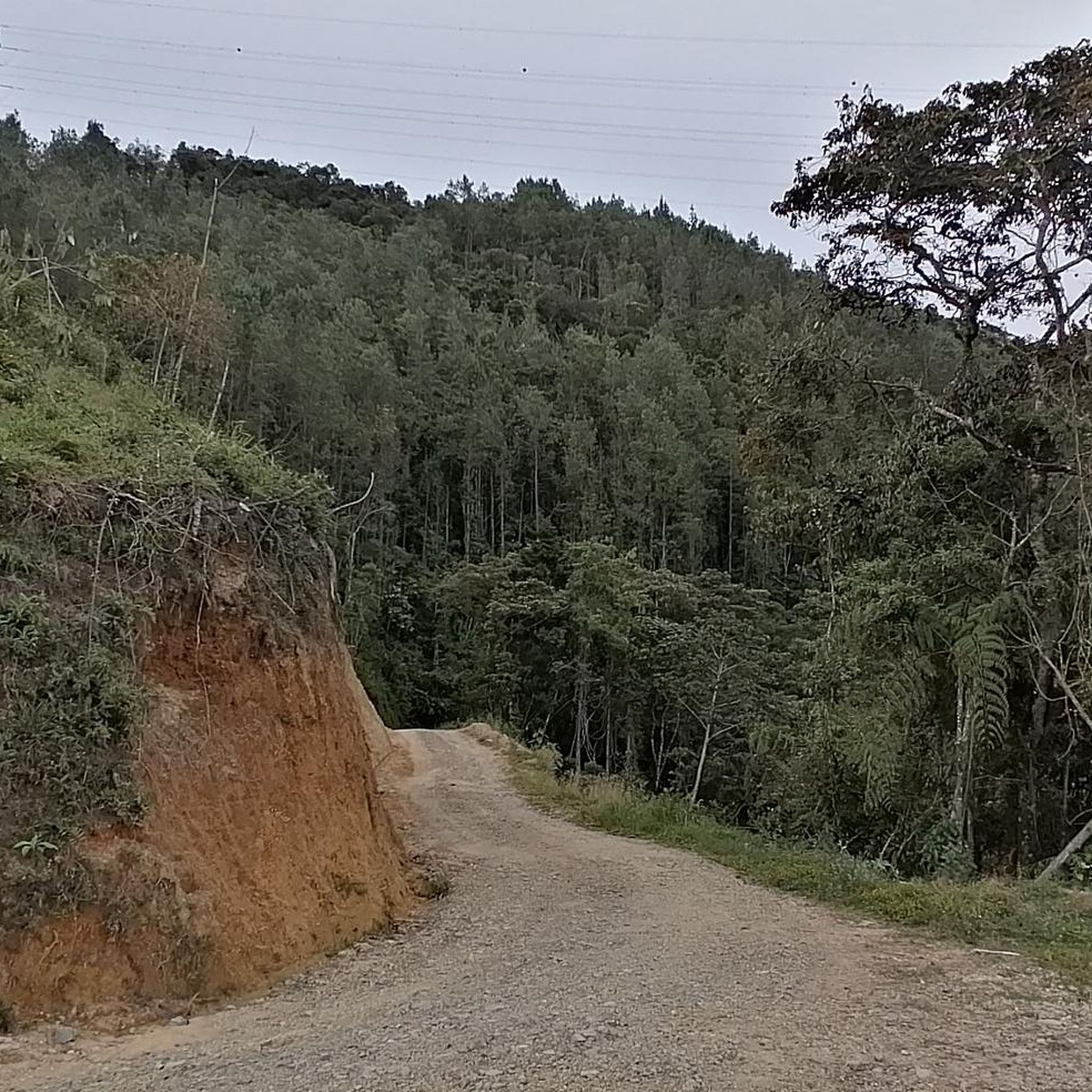
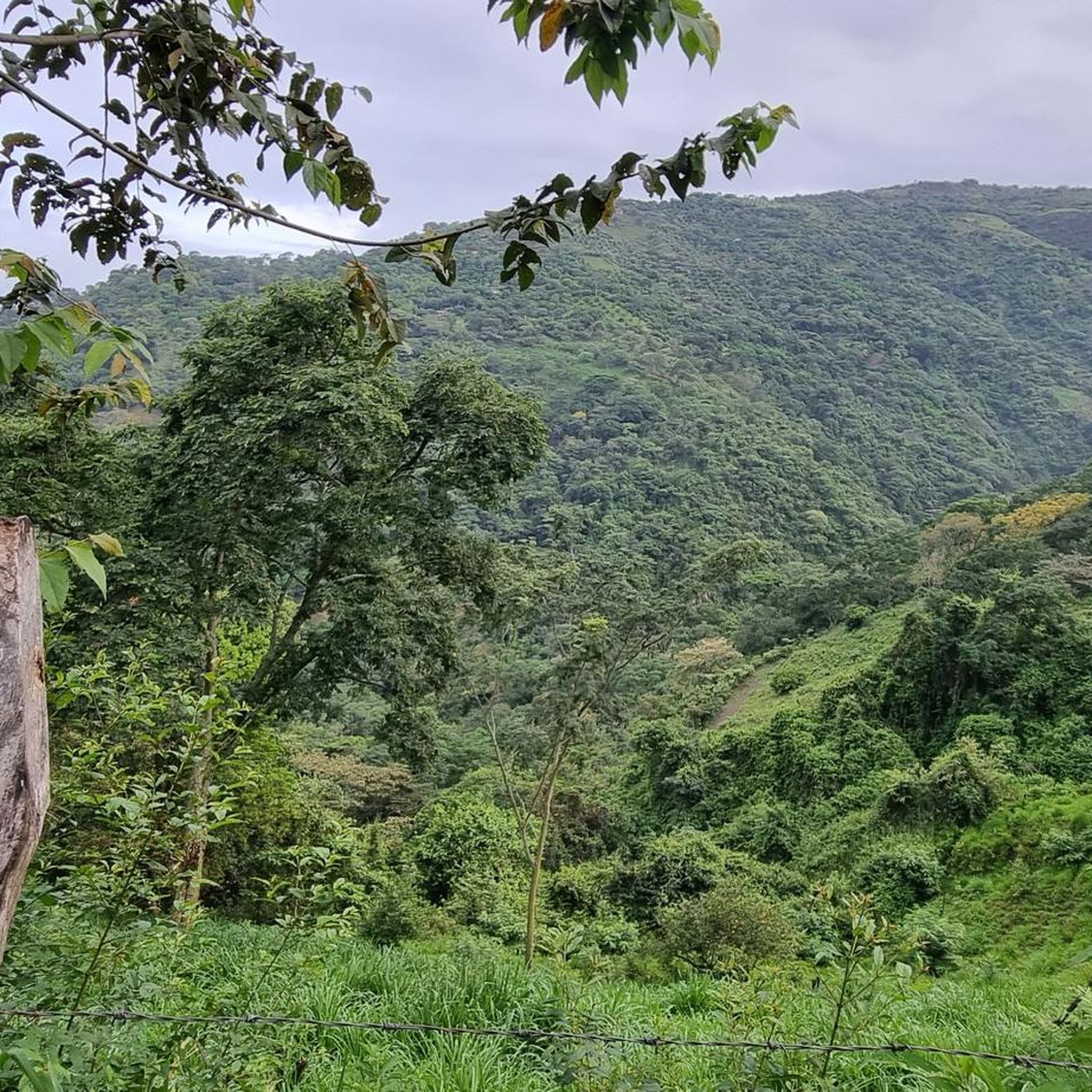
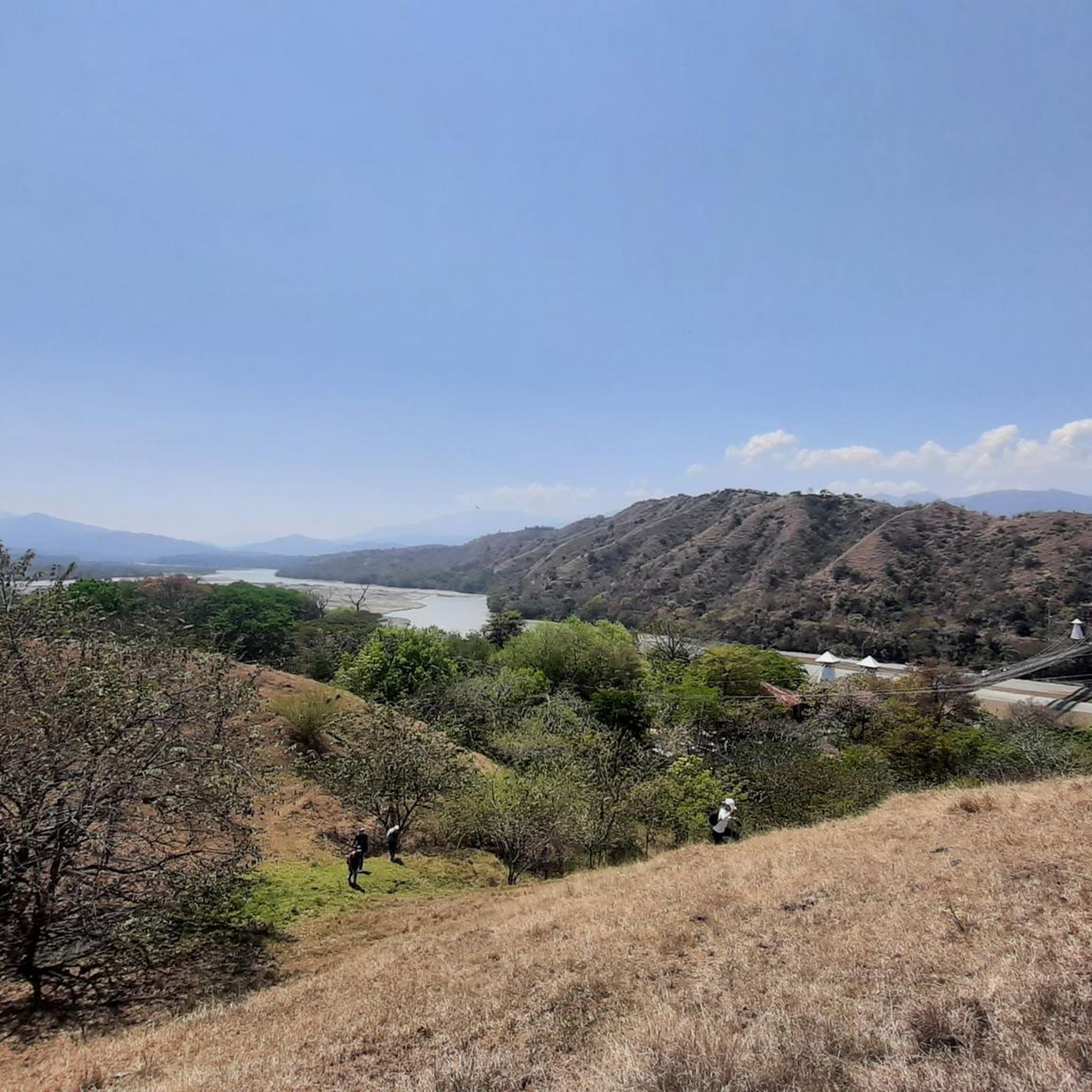
Tips from the Community

Comuna 13 is a historically and culturally significant district in the west of the Colombian metropolis Medellín. Past: Once one of the most dangerous neighborhoods in the world due to gang violence and drug cartels. Transformation: Today a symbol of social change, innovation, and urban peace. Escalators: Famous for the Escaleras Eléctricas, giant open-air escalators that make steep hillsides accessible for residents. Street Art: Known for colorful graffitis that tell the neighborhood's vibrant history and hope. Culture: A hub for Hip-Hop, Street Dance, and local tourism.
0
0
The Cerro Nutibara is one of the city's seven "guardian hills" and hosts the famous Pueblito Paisa on its summit, a faithful replica of a traditional Antioquia region village from the turn of the century. A charming museum village with a stone fountain, a white church, a town hall, a small school, and typical colonial houses with colorful balconies. From the 80-meter high summit, there is a spectacular 360-degree panoramic view of the entire Aburrá Valley and the Medellín skyline. The view is especially recommended at sunset.
0
0
Plaza de Cisneros, also known as Parque de las Luces (Park of Lights), is a central public square. It is primarily known for its "artificial forest" of 300 illuminated concrete pillars, which are up to 24 meters high. The square is named after the Cuban engineer Francisco Javier Cisneros, who led the construction of the Antioquia Railway. Originally, at the end of the 19th century, the area served as the city's main marketplace and a central hub for goods transfer right next to the train station. After the closure of the railway system in the 1960s and the relocation of the market in the 1990s, the area fell into disrepair and became a dangerous hotspot for crime and drug trafficking.
0
0
The Plaza Botero (officially Plaza de las Esculturas) is one of the most famous public squares in Medellín. The square is a unique open-air museum in the historic center (La Candelaria neighborhood) and houses 23 monumental bronze sculptures by the world-renowned Colombian artist Fernando Botero. Botero is known for his distinctive style of "voluminous forms." The larger-than-life figures depict people and animals with exaggerated proportions.
0
0

Very close to the Pueblito Paisa, on Nutibara Hill, is this viewpoint from which you can enjoy a good panoramic view of Medellín.
0
0
Nutibara Hill is named after an indigenous chief. At the summit, you can enjoy a traditional Paisa village and views of the city. Its lush green surroundings delight visitors.
0
0

Monumental bronze figures gracefully adorn the grounds of the Museum of Antioquia in Berrío Park, one of Medellín's most renowned and historically significant locations. This park is home to the world's only open-air plaza featuring 23 sculptures by the master Fernando Botero. Gifted to the city in 2002, the sculptures provided the perfect opportunity to inaugurate the Plaza de las Esculturas, better known as Plaza Botero. There, the bronze sculptures embody the sensuality that Botero sought to convey through his work and his use of form as a means of expression.
2
0
As recently as the 1980s, the district suffered under the so-called Medellín Cartel and became known for bloody and deadly clashes between rival drug gangs. The Medellín Cartel's influence was partly due to the intense social tensions, vast class differences, unemployment, and also the ongoing civil war and high propensity for violence in Comuna 13.[2] Medellín reportedly had the highest murder rate in the world, with more than 380 homicides per 100,000 inhabitants. Nearly 7,000 people were killed in the city that year alone. In 2017, the official homicide rate was around 21 victims per 100,000 inhabitants. That is 18 times lower than in 1991.
6
0
Frequently Asked Questions
What cultural and historical sites can I explore in Bello?
Bello offers a rich array of cultural and historical sites. You can visit the Iglesia de San Félix, a stunning example of 19th-century colonial architecture, or the Nuestra Señora del Rosario Cathedral, known for its neoclassical design and stained-glass windows. For local history, explore the Museo Choza Marco Fidel Suárez, which celebrates the city's most famous son and offers a glimpse into 19th-century life. The Museo de Bello showcases the city's artistic heritage, while the Casa de la Cultura hosts workshops and performances.
Are there any natural attractions or viewpoints in Bello?
Yes, Bello is nestled in the Aburrá Valley and offers several natural points of interest. Cerro Quitasol is an iconic pyramidal mountain providing excellent hiking experiences and scenic views across the valley. You can also explore the Los Búcaros Ecological Trail for a closer connection with nature. For panoramic views, consider a ride on the Metrocable, which offers sweeping vistas of the Aburrá Valley and surrounding mountains. Additionally, the nearby Alto de Boquerón is a popular viewpoint known for its challenging ascent and rewarding scenery.
What are some family-friendly activities in Bello?
Families will enjoy the vibrant atmosphere of Parque de Bello, a central hub with public art, colorful murals, and space for children to play. It's also a great spot to enjoy local snacks. For a unique cultural experience, the nearby Plaza Botero in Medellín features 23 monumental bronze sculptures by Fernando Botero, which can be fascinating for all ages. The Track Road Cycling facility is also listed as family-friendly, offering a safe circuit for cycling enthusiasts.
What outdoor activities and trails are available near Bello?
Bello and its surroundings offer various outdoor activities. For cycling, you can find numerous routes, including those leading to Alto de Boquerón. Explore more options on the Cycling in Bello guide. Mountain biking enthusiasts can discover trails like those around Alto El Limonar or Tulio Ospina, detailed in the MTB Trails in Bello guide. If you prefer running, there are trails such as the Medellín River Parks loop or routes around Cerro Nutibara, which you can find in the Running Trails in Bello guide.
What is the best time to visit Bello for outdoor activities?
Bello, located in the Aburrá Valley, generally enjoys a warm atmosphere year-round. The region does not experience extreme seasonal changes, making it suitable for outdoor activities throughout most of the year. However, it's always advisable to check local weather forecasts for any specific rain patterns before planning your visit, especially for hiking or cycling in the mountains.
Are there any unique local experiences or 'hidden gems' in Bello?
Beyond the main attractions, Bello's charm lies in its local life. Spending time in Parque de Bello allows you to experience the city's vibrant community, public art, and local street food. The Casa de la Cultura often hosts local workshops and performances, offering an authentic glimpse into Bello's artistic soul. Exploring the local markets and textile shops can also provide a unique insight into the city's heritage.
What is Comuna 13 and how is it related to Bello?
Comuna 13, Medellín is a district known for its history of resilience and social transformation, located in Medellín, which is very close to Bello. While not directly in Bello, its proximity makes it a popular day trip for visitors to the region. It offers a genuine neighborhood life and is celebrated for its vibrant street art and welcoming inhabitants.
What kind of terrain and difficulty can I expect on hiking trails near Bello?
The terrain around Bello varies. The city itself descends from 1600 to 1400 meters above sea level, but surrounding mountains can exceed 2,500 meters. Trails like those on Cerro Quitasol involve ascents through pine forests, offering fresh mountain air and challenging climbs. You can expect a mix of moderate to difficult trails, providing rewarding views for those who undertake them. Always check specific route details for elevation and difficulty before heading out.
Where can I find local food and drink near attractions in Bello?
For local food and drink, Parque de Bello is an excellent starting point, offering various street snacks like arepas and empanadas, alongside Colombian coffee. Many local cafes and eateries can be found around the central plazas, such as Plaza de Bello, where the Nuestra Señora del Rosario Cathedral is located. If you venture to viewpoints like Alto de Boquerón, you might find establishments offering excellent food, often with protection against the cold due to the higher altitude.
What is the significance of Bello's location in the Aburrá Valley?
Bello's location in the northern part of the Aburrá Valley, within the Andes mountain range, is significant for several reasons. It provides a backdrop of beautiful green landscapes and a generally warm climate. The Medellín River crosses the valley, contributing to the region's natural beauty. This geographical setting also means Bello is surrounded by mountains, offering numerous opportunities for outdoor activities and panoramic views, and its proximity to Medellín makes it a convenient base for exploring the wider metropolitan area.
Are there any specific facilities for cyclists in Bello?
Yes, Bello caters to cyclists. The Track Road Cycling facility provides a dedicated circuit of approximately 1.6 km. It's important to note that the use of a helmet is required there, and prior reservation might be needed. Additionally, the region's varied terrain offers numerous routes for both road cycling and mountain biking, with guides available for Cycling in Bello and MTB Trails in Bello.
What is the 'Artist's City' nickname for Bello?
Bello is known as the 'Artist's City' due to its vibrant cultural scene and artistic heritage. This is reflected in places like the Museo de Bello, which frequently hosts exhibitions by local artists, and the Casa de la Cultura, a hub for local arts and crafts. The public art, sculptures, and colorful murals found in Parque de Bello further highlight the city's dedication to celebrating its identity and creative talents.

Get inspired with the komoot mobile app


Explore more
Still not found the Highlight you’re looking for? See guides of the top attractions in other regions:
