Attractions and Places To See around Baunach - Top 20
Attractions and places to see around Baunach blend historical sites with natural beauty. Situated at the confluence of the Baunach, Lauter, and Main rivers, the town is known as the "Franconian Three-River Town." It is located within the Haßberge Nature Park, offering woody surroundings for outdoor activities. The region provides a mix of cultural experiences, historical landmarks, and diverse natural features.
Best attractions and places to see around Baunach
- The most popular attractions is Old Town Hall (Altes Rathaus), Bamberg…
Last updated: September 26, 2026
Old Town Hall and Upper Bridge
Highlight • Historical Site
Translated by Google •
Tip by

Lower bridge
Highlight • Viewpoint
Translated by Google •
Tip by

Sign up now to discover places like this
Get recommendations on the best single tracks, peaks, & plenty of other exciting outdoor places.
Bamberg
Highlight • Historical Site
Translated by Google •
Tip by

Bamberg Cathedral (Bamberger Dom)
Highlight • Religious Site
Translated by Google •
Tip by

Geyerswörth footbridge
Highlight • Viewpoint
Translated by Google •
Tip by

Sign up for free to discover even more attractions around Baunach.
Already have an account?
Start today with a free account
Your next adventure awaits.
Popular around Baunach
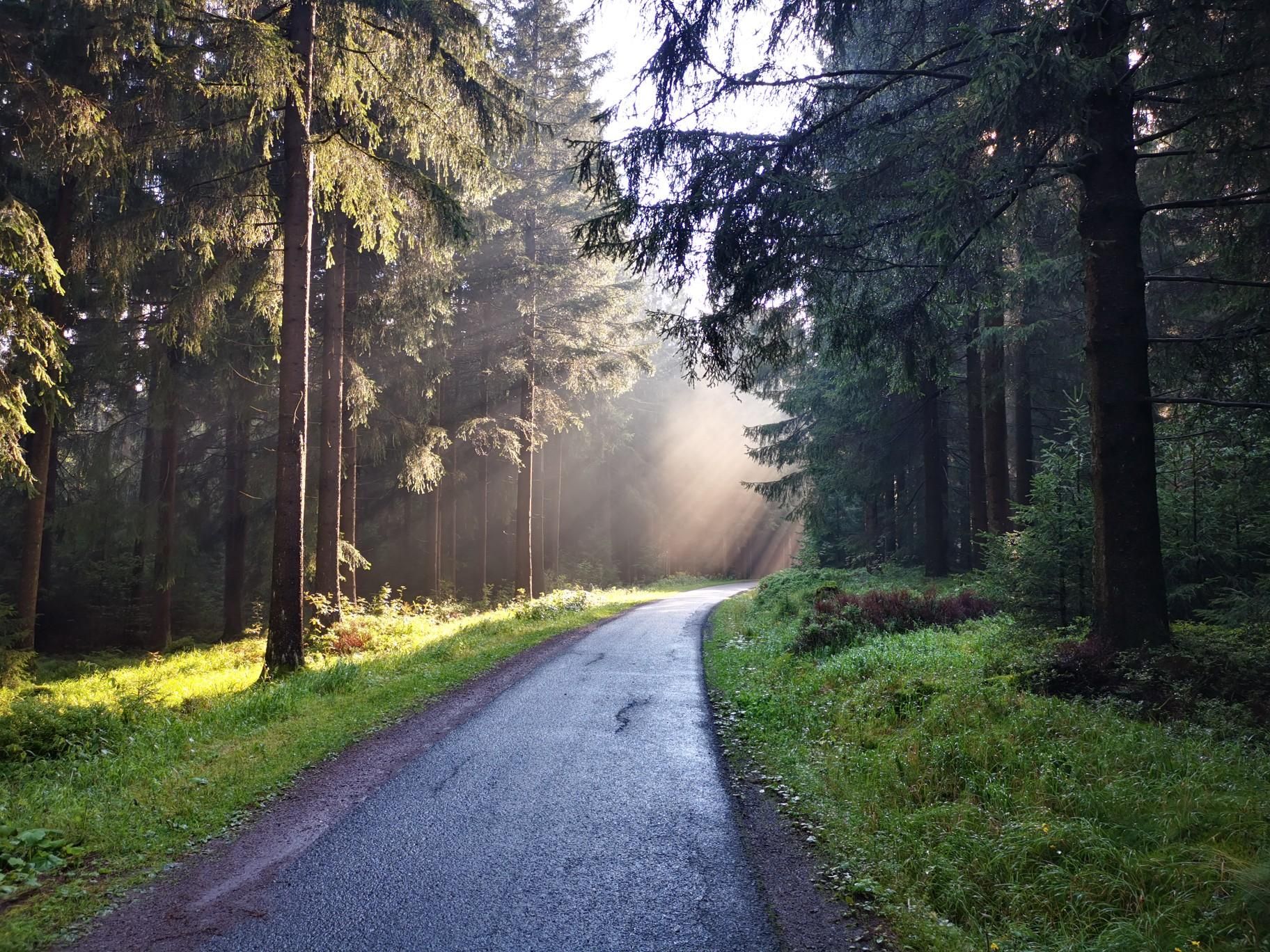
Nuremberg to Erfurt – Discover the German countryside by bike
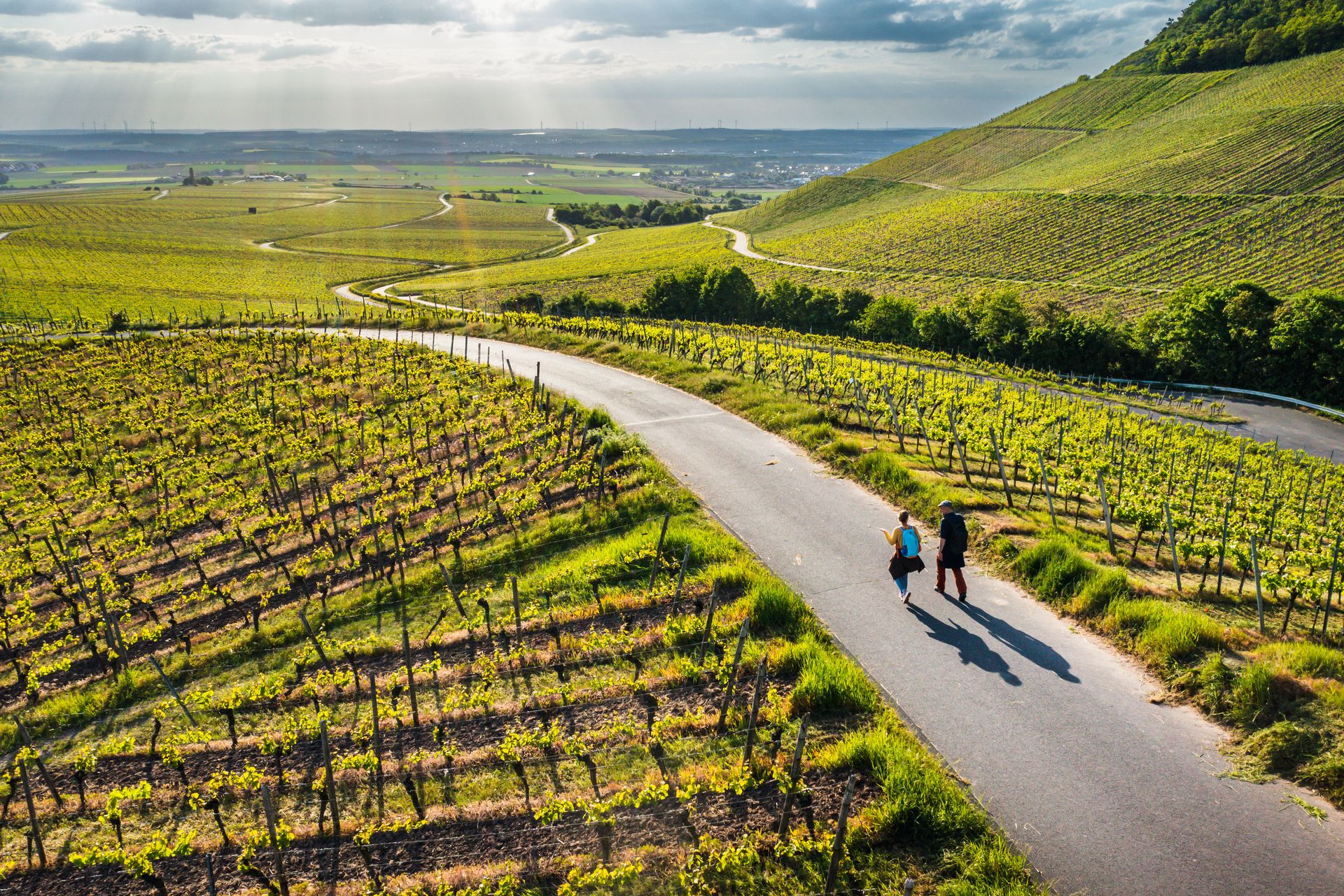
Hiking through Bavaria's cultural landscapes
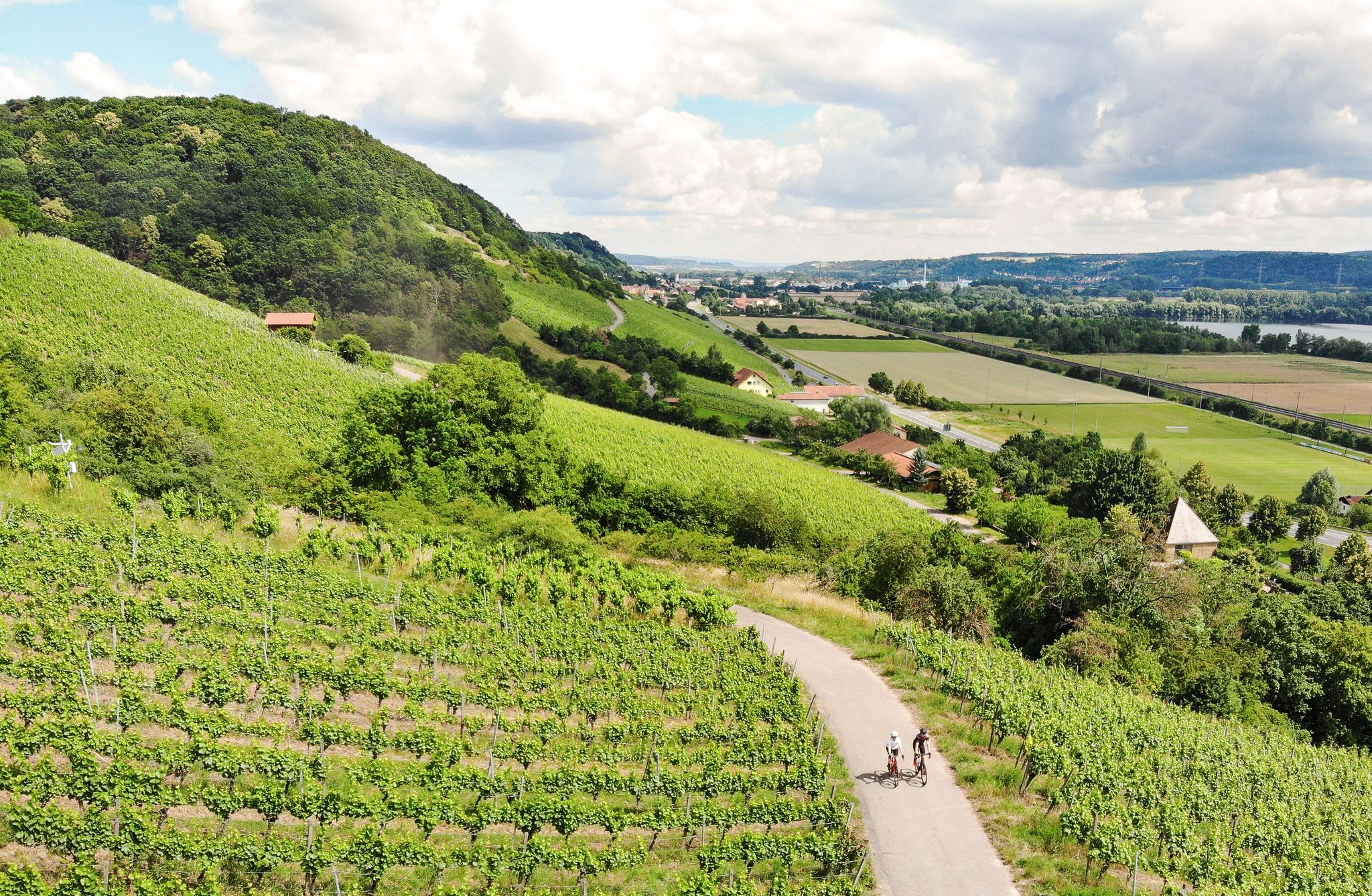
Castles, beer and wine — beautiful rides in the Hass mountains
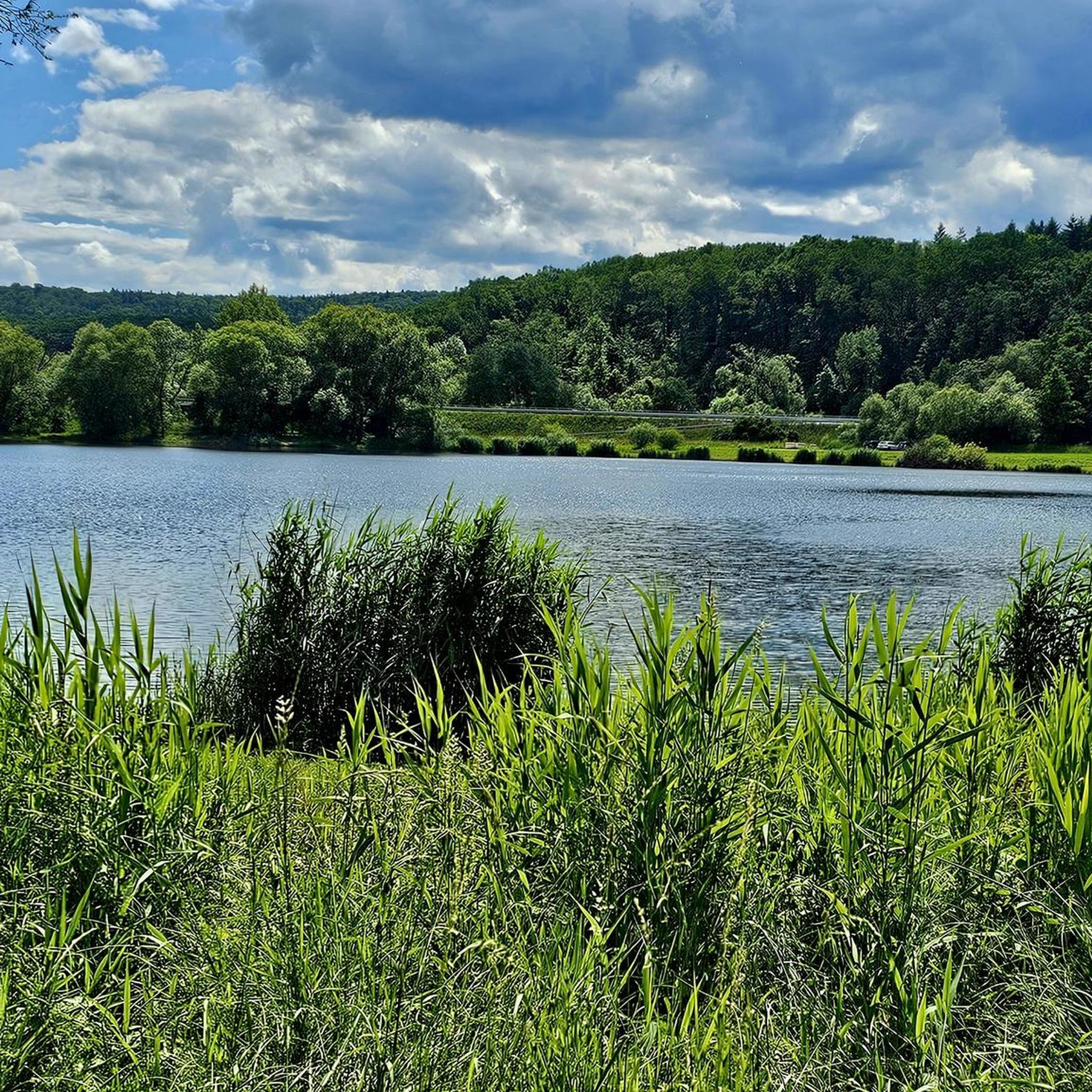
Hiking around Baunach
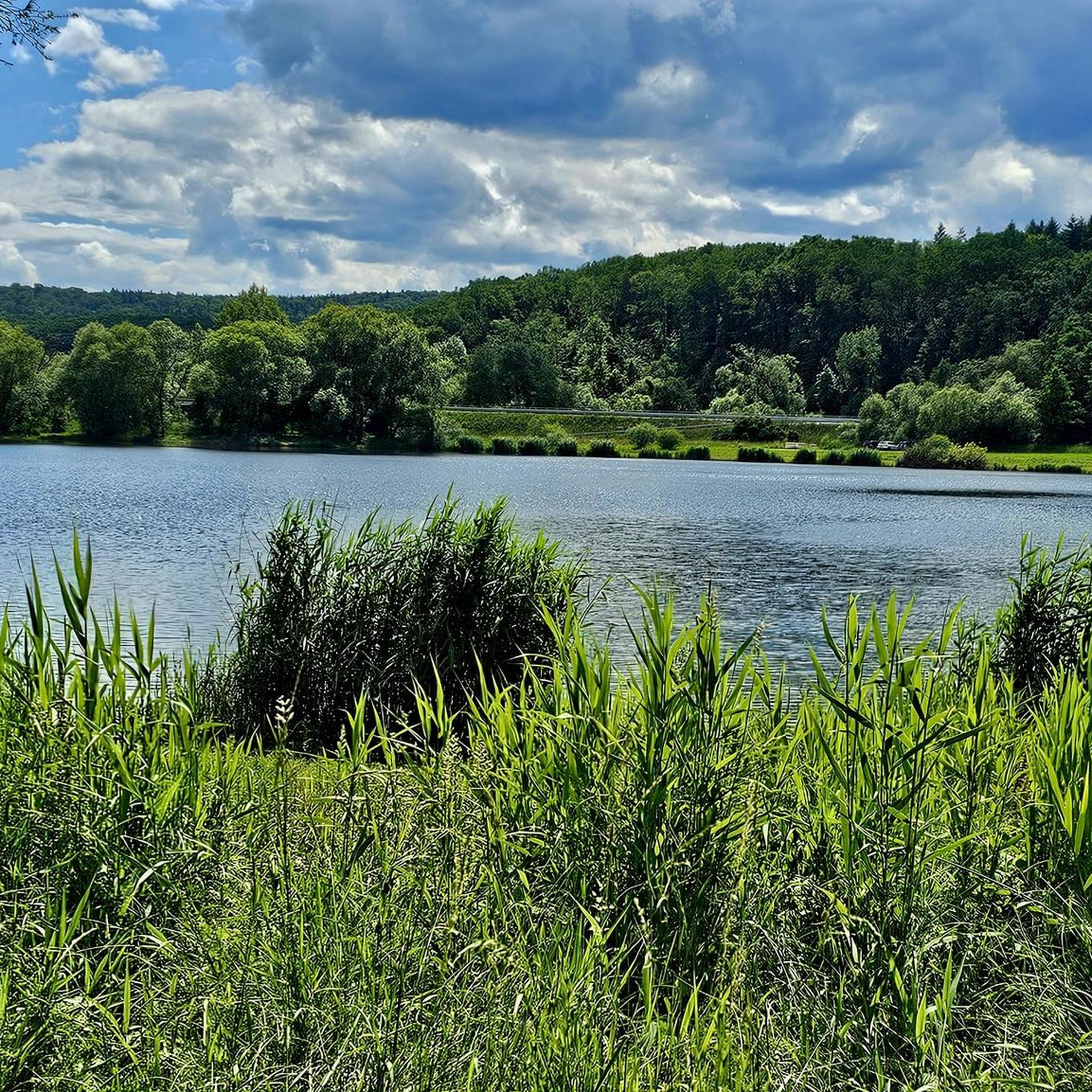
Cycling around Baunach
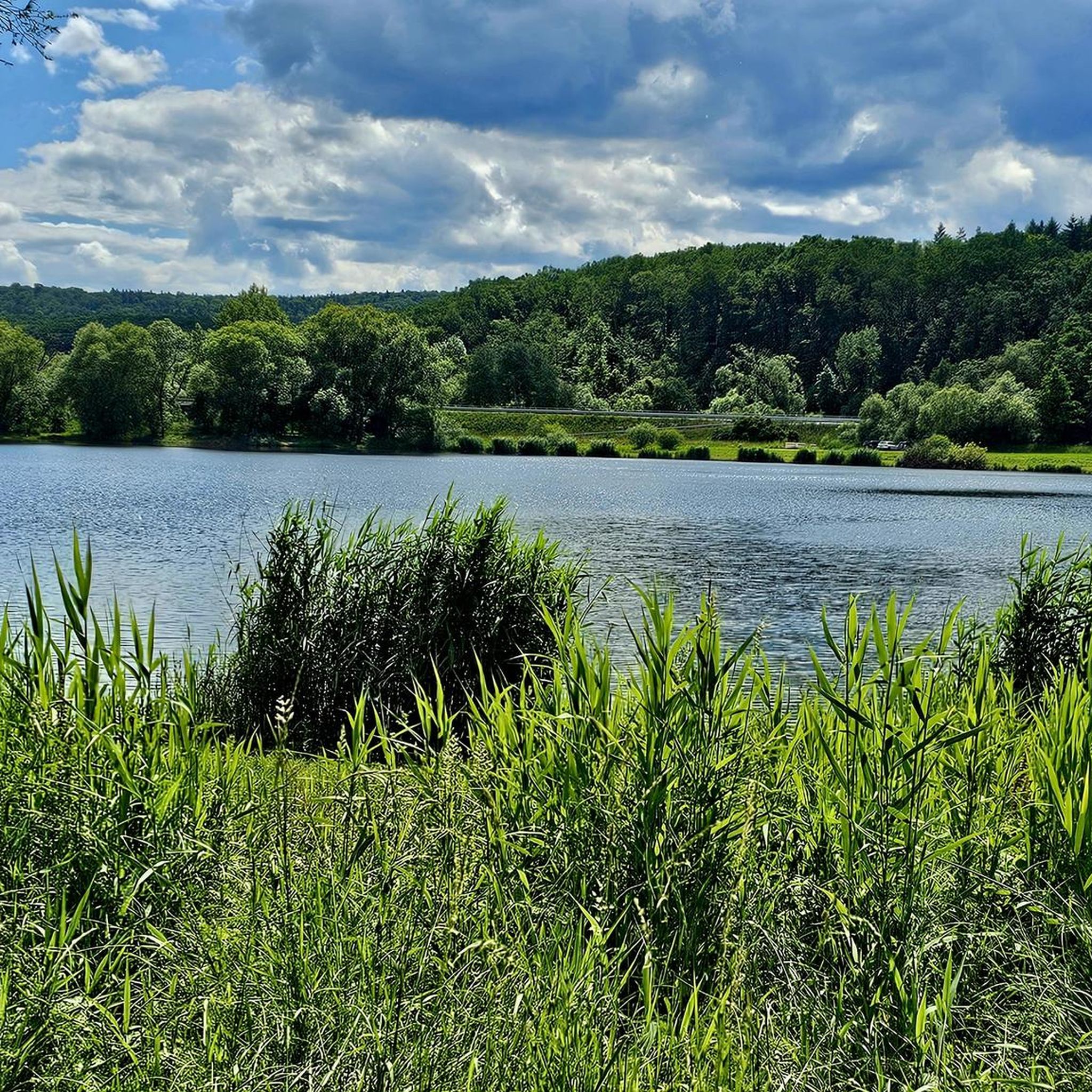
MTB Trails around Baunach
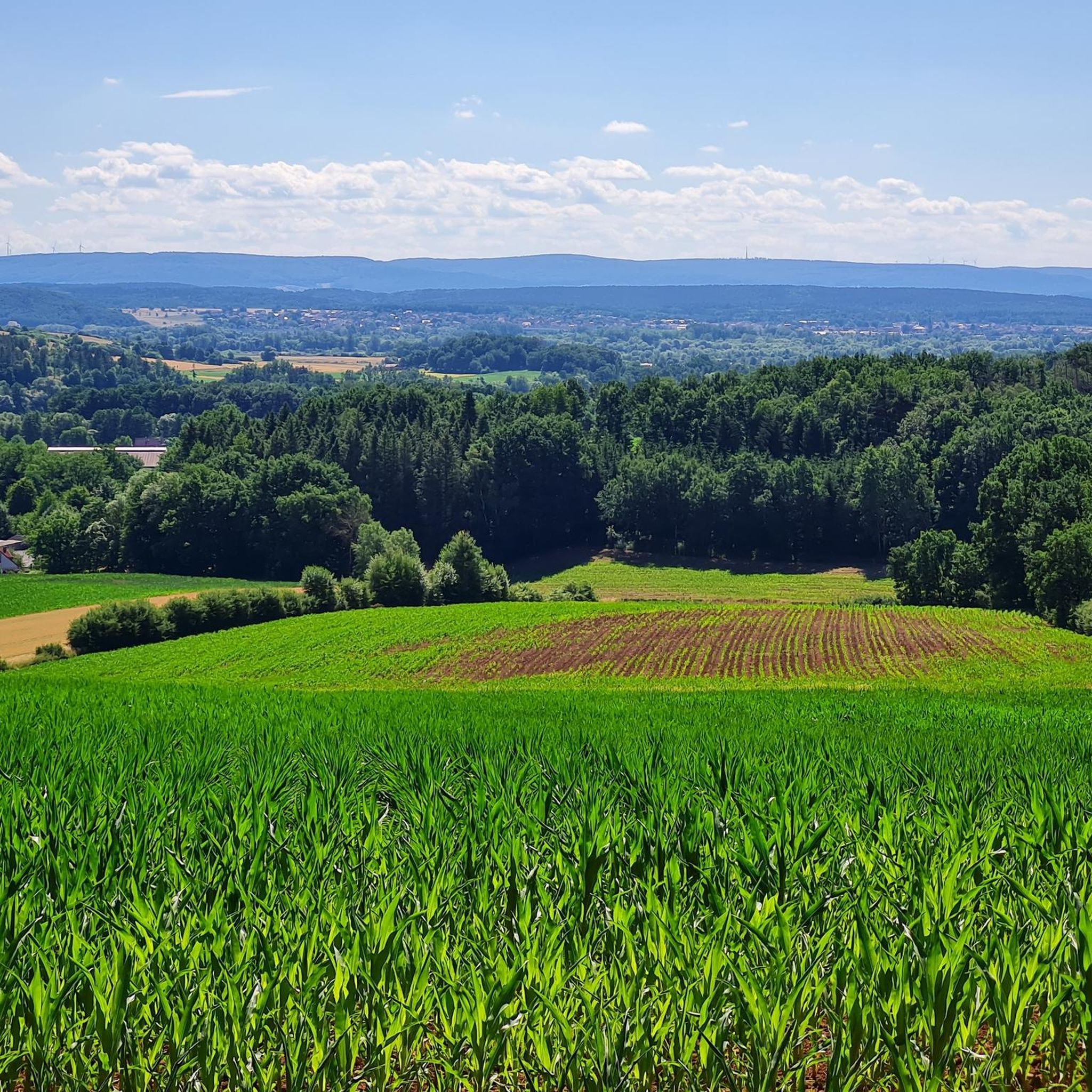
Road Cycling Routes around Baunach
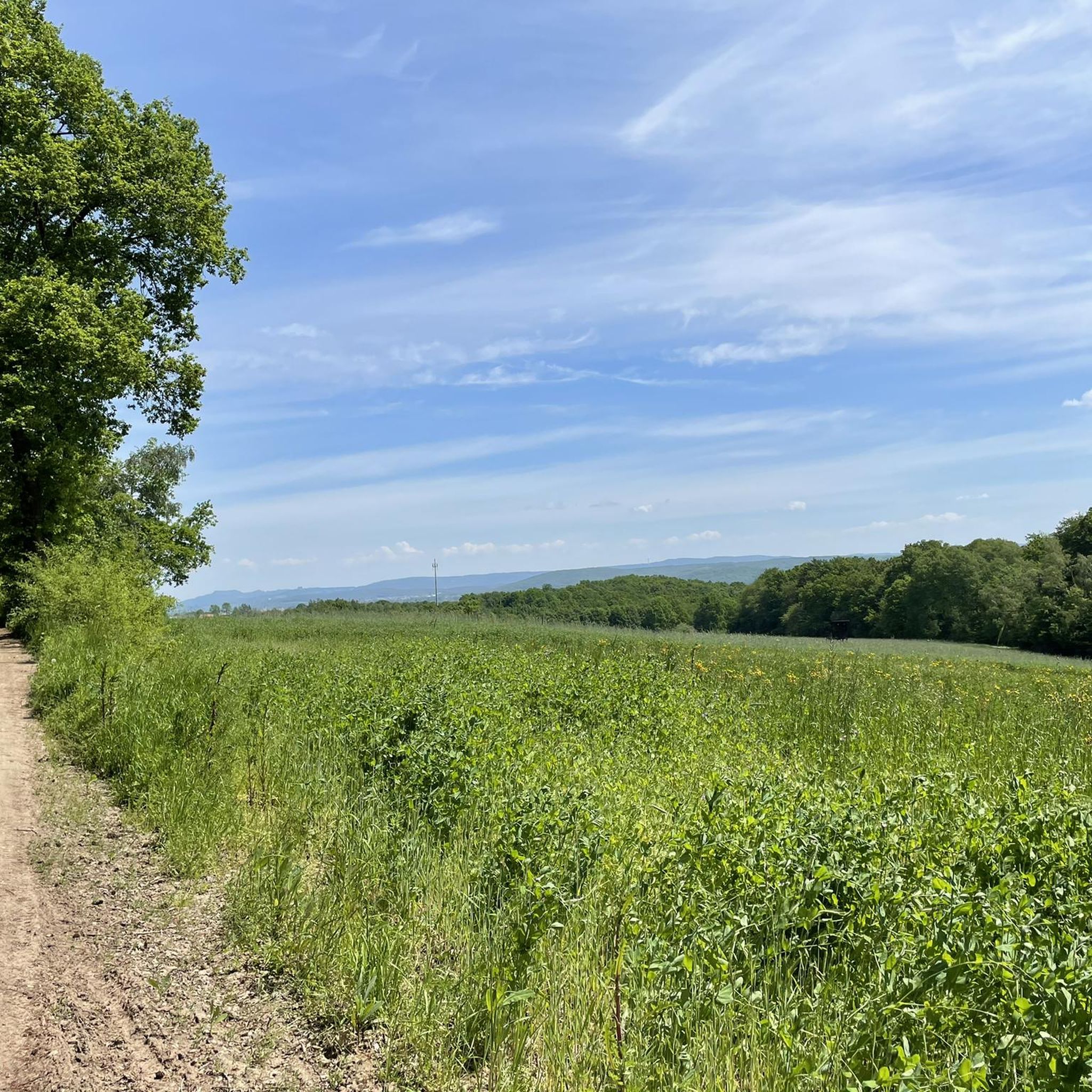
Running Trails around Baunach

Gravel biking around Baunach


Tips from the Community

It is best to visit early in the morning. This is when you have the best view of all the sights. It is also possible to stop and look without disturbing anyone.
14
0

Just WOW, great little town, great old town and fantastic side street
20
1

The fountain on the Lower Bridge is an absolute eye-catcher and is constantly visited by tourists.
14
1

The Geyerswörthsteg offers one of the most beautiful views of the city. On one side you have a view of the Old Town Hall, on the other side you can see the preserved mills of Bamberg. There were once three mill districts in Bamberg. The fish mills no longer stand today, only the lower and upper mills remain. The milling industry in Bamberg was mentioned in writing as early as 973, and the Lower Mills with the Brudermühle have certainly existed at this location since the 11th century. Only flour was rarely ground here; in a Catholic city like Bamberg, vegetable oils were also in demand. Until the 18th century, people were not allowed to consume animal fats, including butter, during the fasting periods before Easter and Christmas. Baking and cooking were only done with oil. In later times, the mills were also used to generate electricity or as grinding mills. Bamberg companies – such as Rupp + Hubrach – had their beginnings here....
15
0

Very nice view of Regnitz, Little Venice and the Old Town Hall.
13
0

An impressive place. Here the architectural styles of all epochs from the Romanesque to the Gothic, Renaissance, Baroque and Rococo are present. The four-towered Imperial Cathedral is the heart of the city and the most important work of art. This goes back to the church foundation of Heinrich II, who founded the diocese of Bamberg in 1007. Today's cathedral dates back to 1237.
12
0
Adjacent to the old town hall, the heart of the world heritage site in Bamberg, the lower bridge crosses the Regnitz. From the original private bridge there is a beautiful view of the river banks and the half-timbered houses of the fishing settlement that Maximilian II called "Little Venice".
23
1

Everything is written here: https://www.echt-oberfranken.de/untere-bruecke/
17
2
Frequently Asked Questions
What historical landmarks can I explore in Baunach?
Baunach offers a rich history with several notable landmarks. You can visit the Heimatmuseum Baunach, housed in the Old Town Hall, which showcases the town's 1000-year history. Other significant sites include the Magdalen Chapel Baunach, the Beinhaus (Charnel House) which now hosts a Nativity Museum, and the ancient Pfarrkirche St. Oswald, consecrated in 823. Don't miss the Fürstbischöfliches Amtsschloss, an impressive former Prince-Bishop's residence, and remnants of the old city wall.
Are there any unique natural features to see in Baunach?
Yes, Baunach is known as the "Franconian Three-River Town" due to the confluence of the Baunach, Lauter, and Main rivers. It is also part of the Haßberge Nature Park, offering woody surroundings. You can explore the Kraiberg and Stiefenberg Mountains for scenic landscapes, or walk the Baunach Southern Lake Nature Experience Trail, a 2 km circular path around a quarry pond.
What kind of outdoor activities can I do around Baunach?
The region around Baunach is ideal for outdoor enthusiasts. You can find numerous hiking and cycling routes. For hiking, explore options like the Hassberge Adventure Tour – Brauersteig or the Historic Baunach Bridge – Baunach loop. For running, trails like the Old Daschendorf Lock – Old weir on the Itz loop are available. Mountain biking enthusiasts can try routes such as Mönchsee – Am Abgrund Trail loop. You can find more details on these activities and routes in the dedicated guides for hiking, running, and MTB trails around Baunach.
What are the best viewpoints in the Baunach area?
While Baunach itself offers views of its river confluence, many stunning viewpoints are found in the nearby UNESCO World Heritage city of Bamberg. The Lower bridge in Bamberg provides excellent views of the Regnitz river and the half-timbered houses of the fishing settlement. The Geyerswörth footbridge also offers beautiful perspectives of the city, including the Old Town Hall and Bamberg's mills. Additionally, Baunach Castle offers breathtaking views of the surrounding area.
Are there family-friendly attractions or activities near Baunach?
Yes, the Baunach Southern Lake Nature Experience Trail is a family-friendly circular path, approximately 2 km long, offering insights into nature and culture around a quarry pond. Many attractions in nearby Bamberg, such as exploring the Old Town Bamberg and its charming Lower bridge, are also suitable for families. The Old Town Hall (Altes Rathaus), Bamberg, with its unique location and frescoes, is another interesting spot for all ages.
What is the best time of year to visit Baunach for outdoor activities?
The region around Baunach, particularly the Haßberge Nature Park, is excellent for outdoor activities during spring, summer, and early autumn. These seasons offer pleasant weather for hiking, cycling, and exploring the river landscapes. The natural beauty of the area, including the Kraiberg and Stiefenberg Mountains, is best enjoyed when the weather is mild.
What are some architectural highlights in Baunach?
Baunach boasts several architectural gems. The Old Town Hall, built in 1744, is a prominent historical building. You can also admire the Fürstbischöfliches Amtsschloss from 1689. The town is also home to many historic half-timbered houses, including the
What are some architectural highlights in Baunach?
Baunach boasts several architectural gems. The Old Town Hall, built in 1744, is a prominent historical building. You can also admire the Fürstbischöfliches Amtsschloss from 1689. The town is also home to many historic half-timbered houses, including the "Glockenhaus," which is the oldest half-timbered house in the Bamberg district, dating back to 1431/1432. Remnants of the 14th-century Schrepfersmühle (Tremelsmühle) also showcase historical building styles.
Can I find any unique historical structures related to the town's past?
Absolutely. Beyond the main landmarks, Baunach features unique structures like the Beinhaus (Charnel House), originally built in 1543 to store bones from the churchyard. You can also see remnants of the old city wall, which dates back to Baunach's city rights granted in 1328, along the former city moat. Historical mills, such as the Schrepfersmühle, also offer a glimpse into the town's industrial past.
What are the most popular attractions that visitors enjoy around Baunach?
Visitors frequently enjoy the historical and scenic beauty of the region. The Old Town Hall (Altes Rathaus), Bamberg, with its impressive façade paintings and unique island location, is highly popular. The entire Old Town Bamberg is cherished for its picturesque buildings, narrow streets, and rich history. The Lower bridge in Bamberg is also a favorite for its views of the Regnitz river and the charming Little Venice area.
Are there any significant religious sites in Baunach?
Yes, the Pfarrkirche St. Oswald (Parish Church of St. Oswald) is a significant religious site in Baunach, consecrated in 823. It features a 14th-century stone relief depicting Christ on the Tree of Life and has a choir and tower built around 1460. The Magdalen Chapel Baunach is another listed chapel within the town.
What is the significance of Baunach's location with three rivers?
Baunach is uniquely positioned at the confluence of the Baunach, Lauter, and Main rivers, earning it the title "Franconian Three-River Town." This geographical feature is even depicted on the town's coat of arms with a golden pike, symbolizing its historical fish wealth. The river confluence contributes significantly to the town's natural beauty and offers picturesque views.
Most popular routes around Baunach
Most popular attractions around Baunach

Get inspired with the komoot mobile app


Explore more
Still not found the Highlight you’re looking for? See guides of the top attractions in other regions:
