The best cycling routes around Baunach
4.2
(304)
1,474
riders
68
rides
Touring cycling routes around Baunach are characterized by the confluence of the Baunach, Lauter, and Main rivers, offering scenic riverside paths. The region is nestled within the Haßberge Nature Park, featuring rolling hills, woody areas, and the picturesque Main Valley. These landscapes provide varied terrain suitable for different cycling preferences, from flat sections to more challenging ascents.
Best touring cycling routes around Baunach
- The most popular touring cycling route is Lower bridge – View of the Main River loop from…
Last updated: November 17, 2026
4.6
(40)
150
riders
Easy bike ride. Mostly paved surfaces.
4.3
(47)
137
riders
Easy bike ride. Mostly paved surfaces.

2.8
(5)
47
riders
10.4km
00:38
40m
40m
Easy bike ride. Mostly paved surfaces.
4.5
(17)
75
riders
18.2km
01:05
120m
120m
Easy bike ride. Mostly paved surfaces.
4.4
(16)
37
riders
10.4km
00:37
30m
30m
Easy bike ride. Mostly paved surfaces.
Get access to more routes and recommendations from other explorers.
Already have an account?
Our route recommendations are based on thousands of hikes, rides, and runs completed by other people on komoot.
Start today with a free account
Your next adventure awaits.
Popular around Baunach
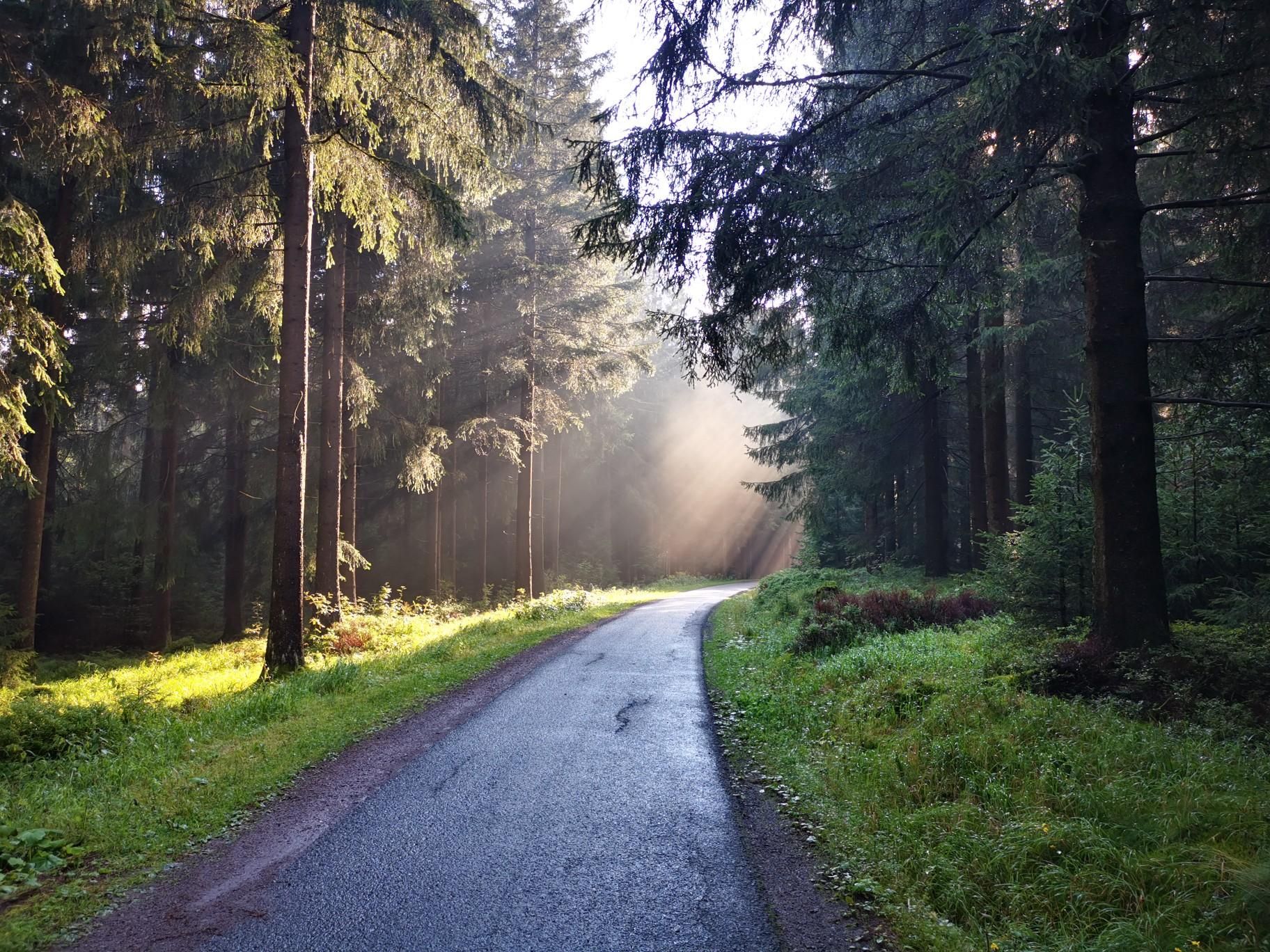
Nuremberg to Erfurt – Discover the German countryside by bike
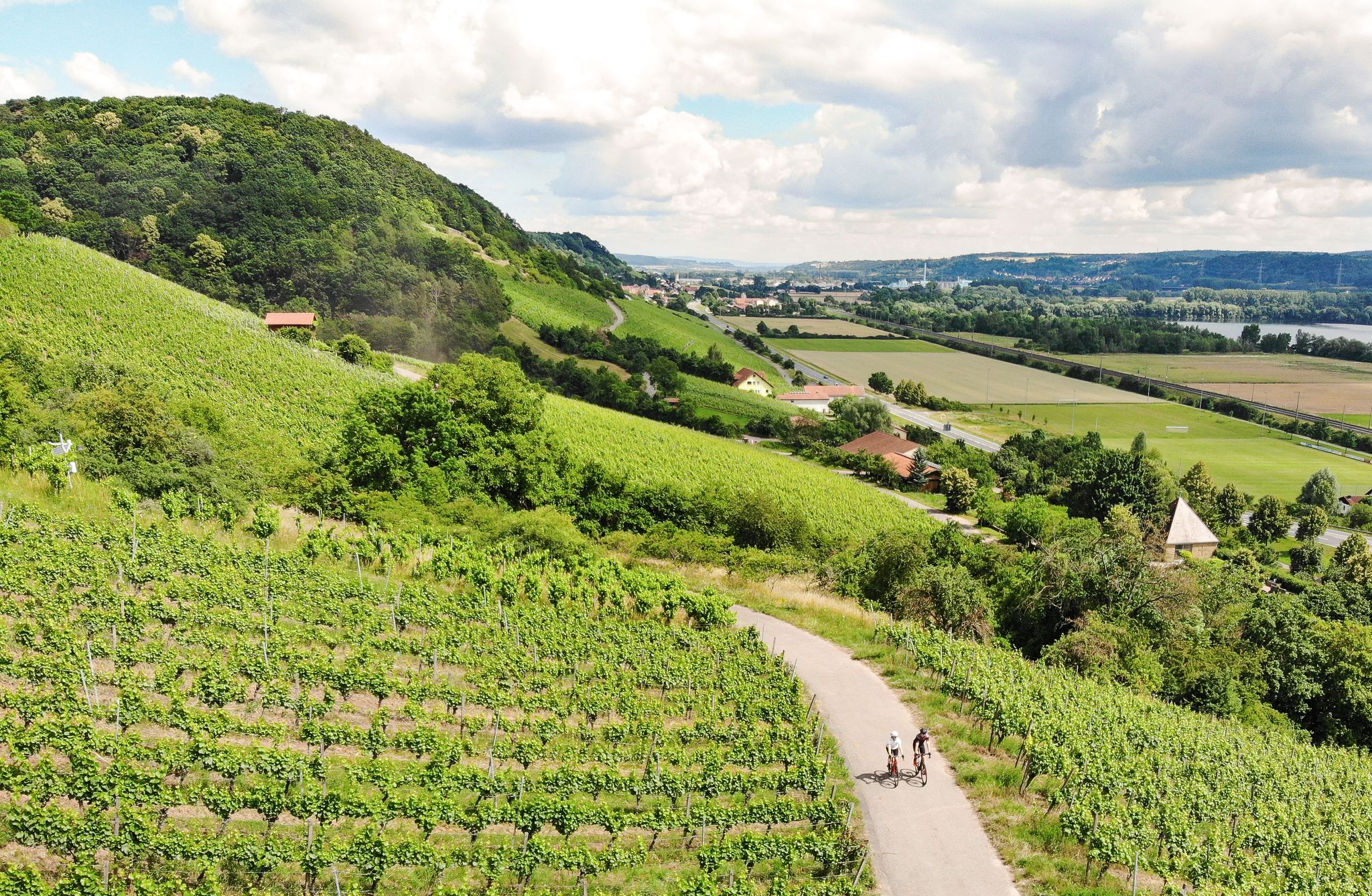
Castles, beer and wine — beautiful rides in the Hass mountains
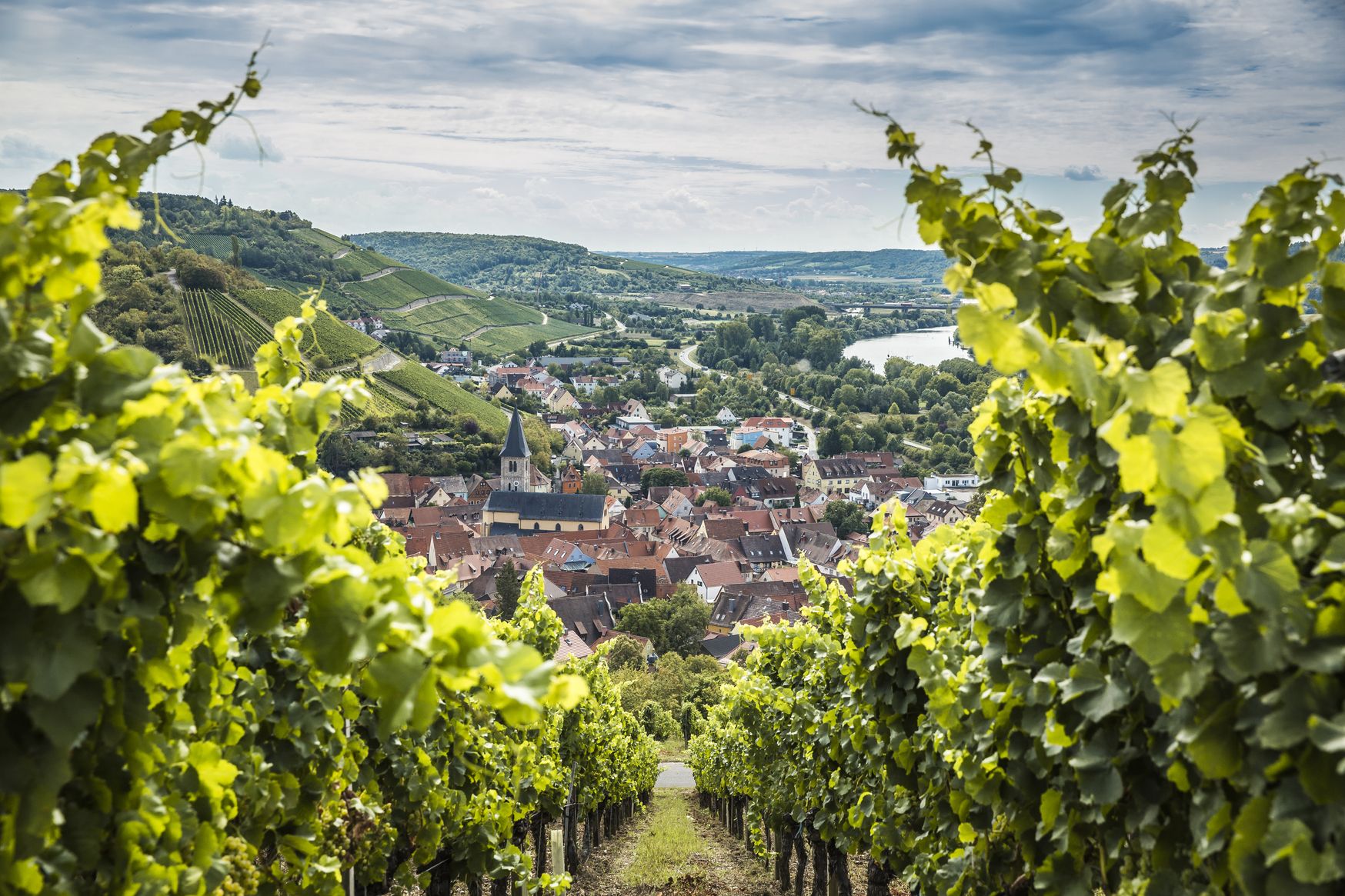
Hiking through Bavaria's cultural landscapes
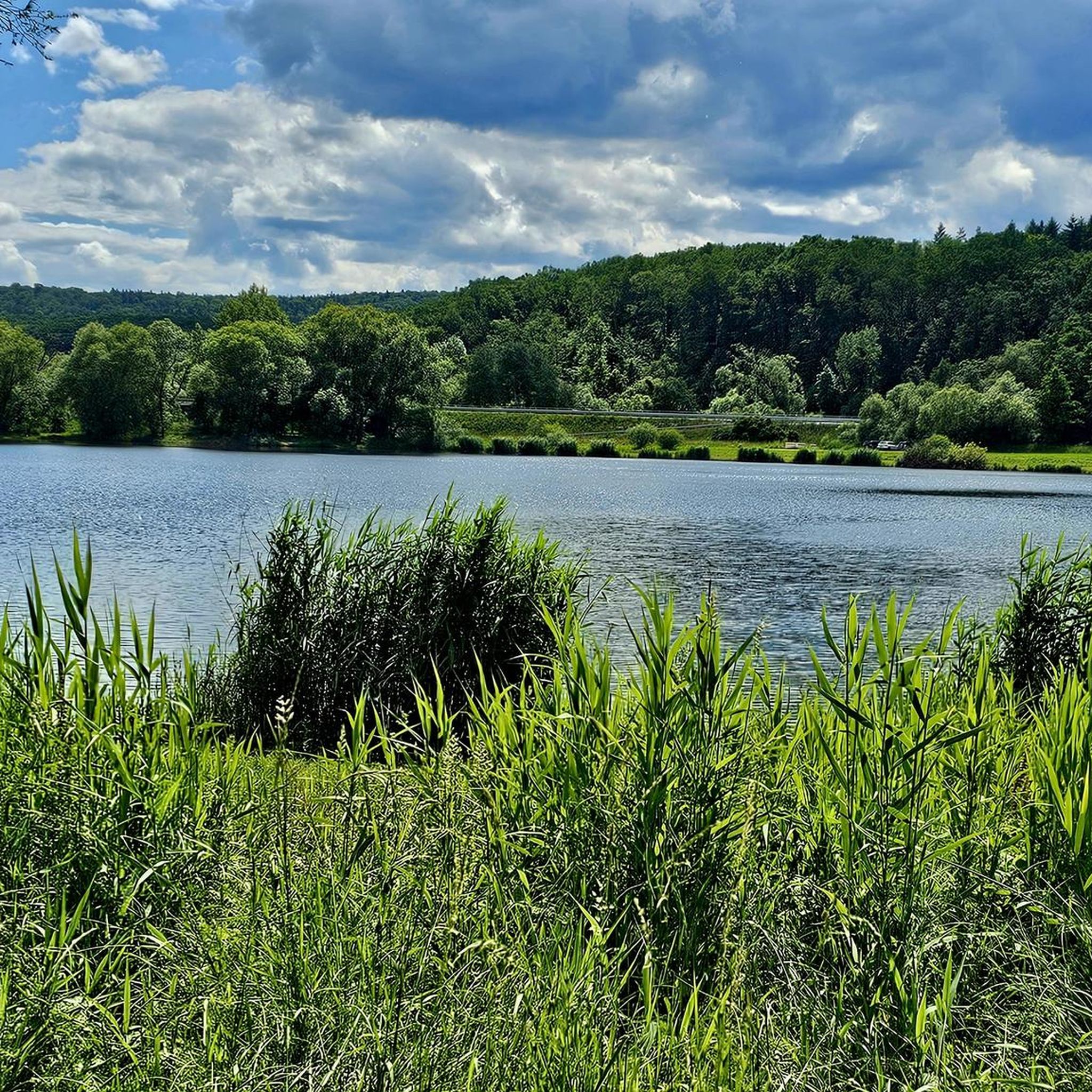
Hiking around Baunach
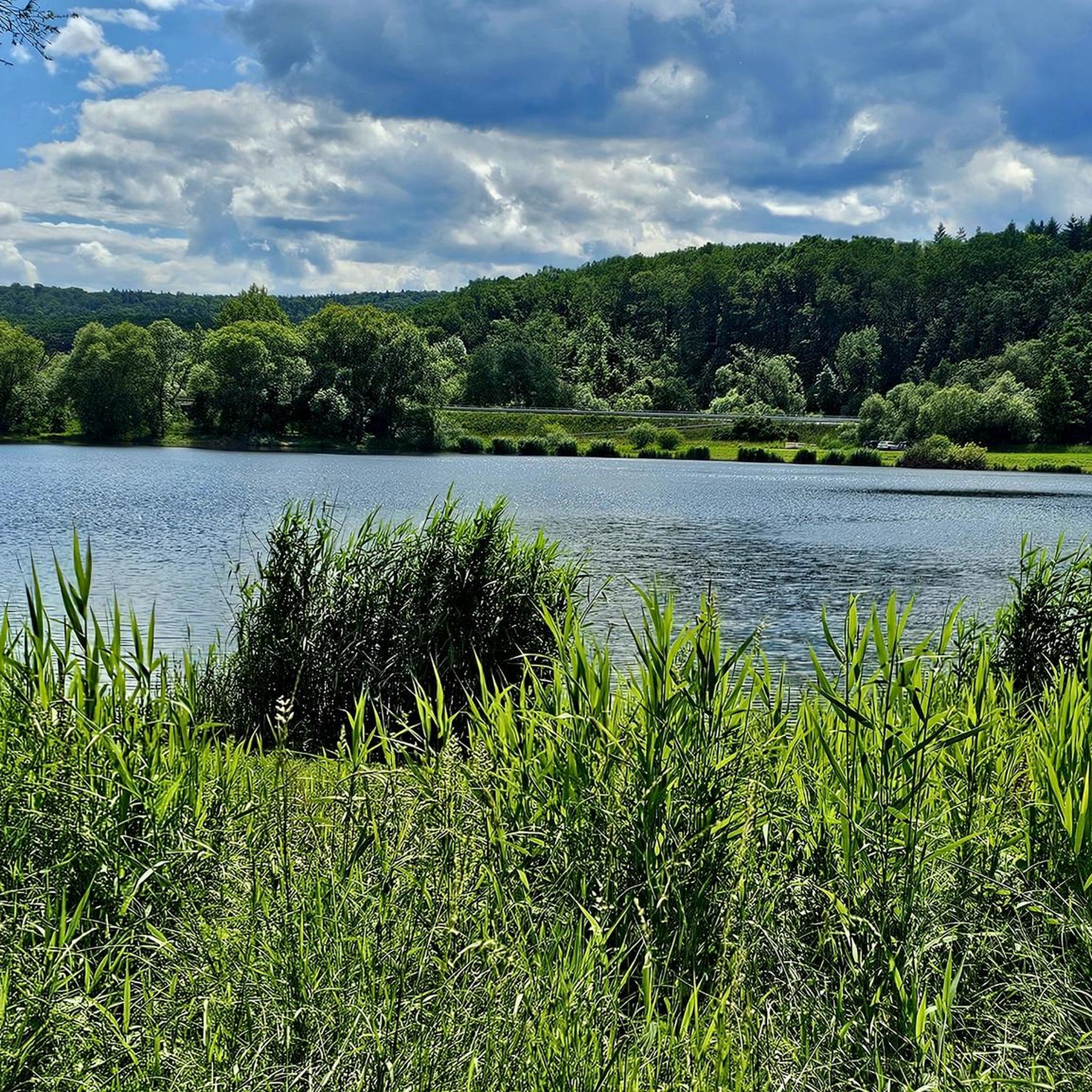
MTB Trails around Baunach
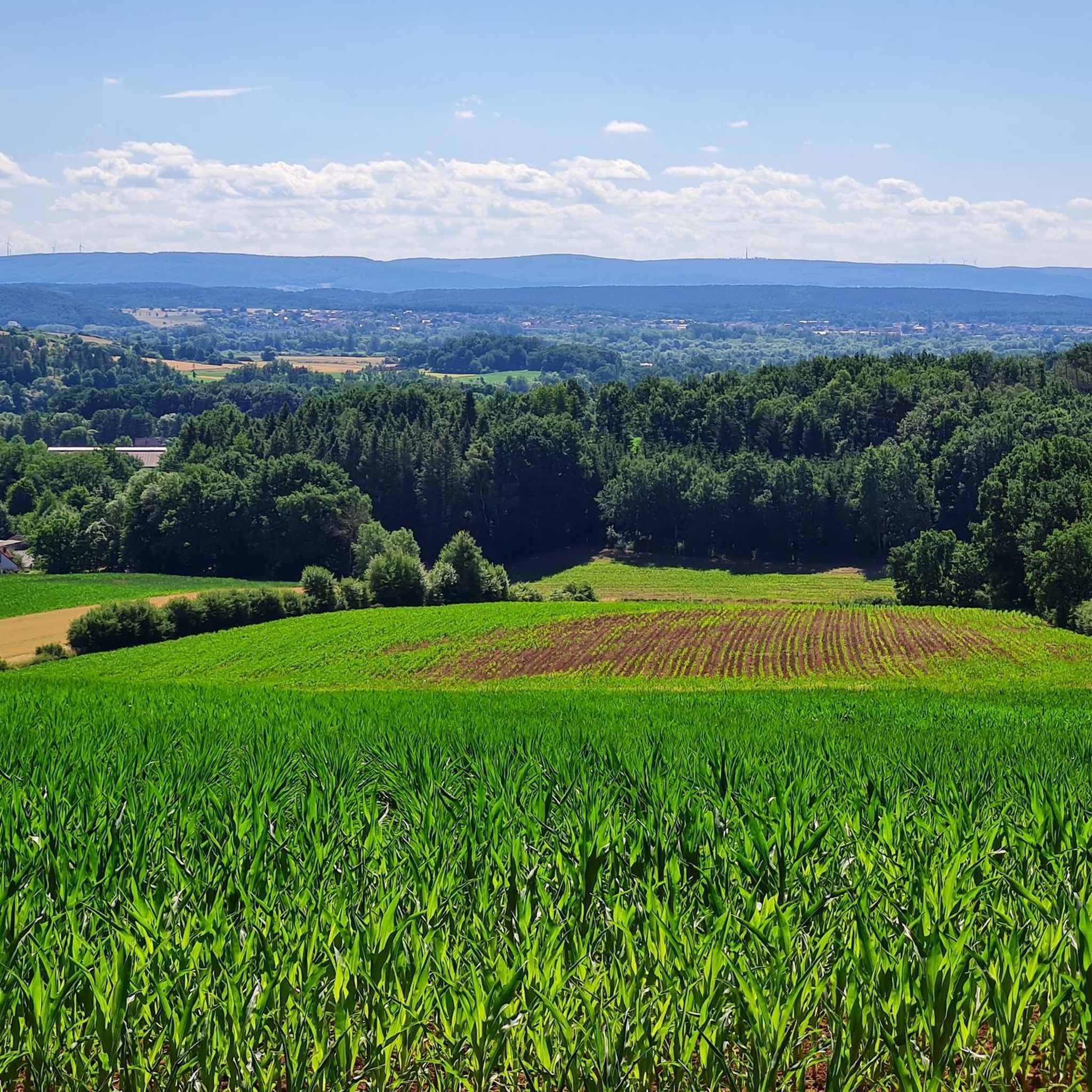
Road Cycling Routes around Baunach
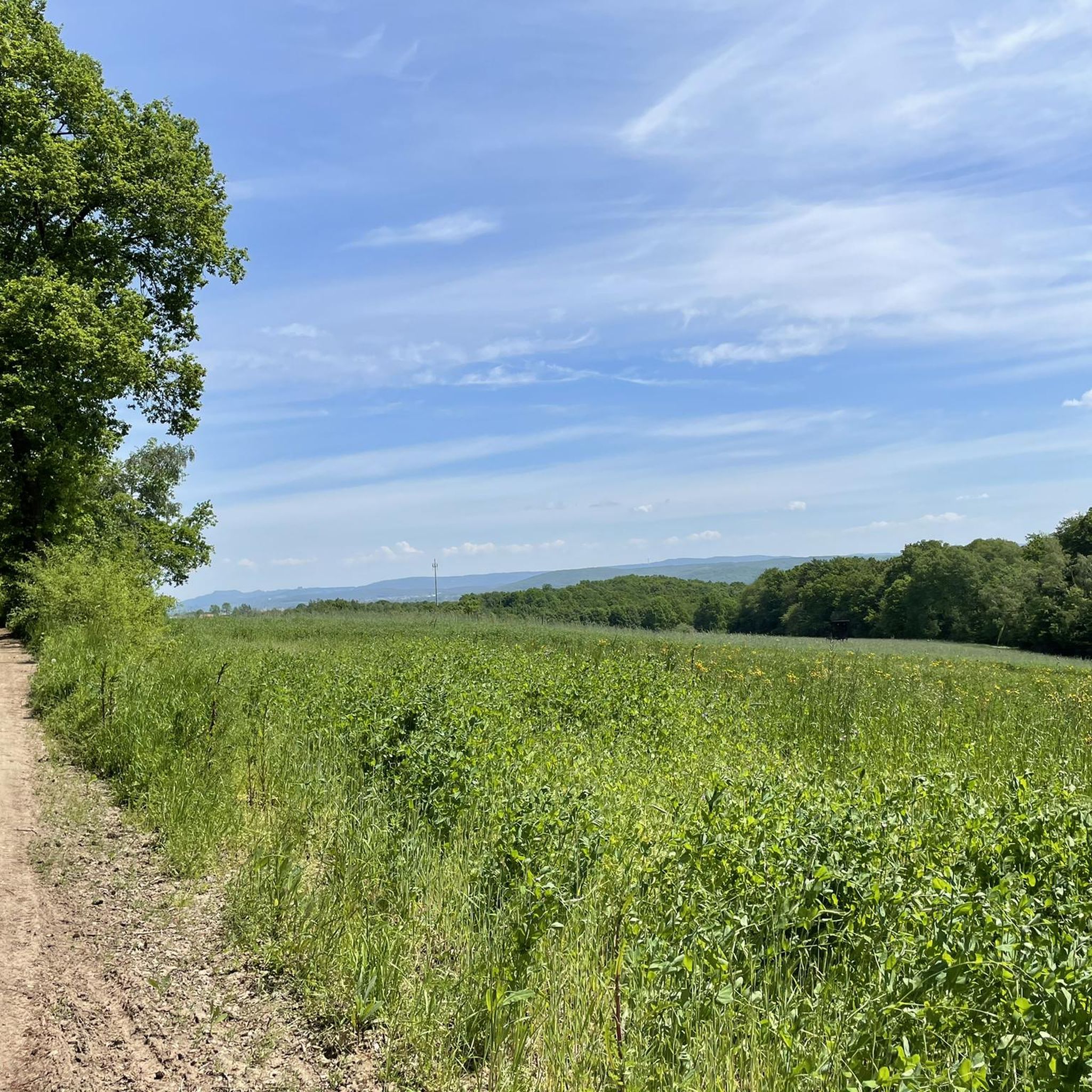
Running Trails around Baunach

Gravel biking around Baunach


Tips from the Community

Anyone strolling through the Upper Franconian market town of Rattelsdorf in the lower Itzgrund valley will sooner or later end up exactly where the heart of the town has been beating for centuries: on the historic market square. Surrounded by lovingly preserved townhouses and farmhouses from the 17th to the 19th century, the listed square welcomes its visitors with that typical Franconian charm that immediately invites you to linger. Even as you enter, the harmonious, enclosed architecture catches the eye. While the square opens up to the north via the gently rising Bromberger Gasse into charming levels, the south and east sides are lined with stately buildings featuring ornate half-timbering and traditional old inns. It is no coincidence that there was once bustling market activity here: Rattelsdorf has held the documented market rights since 1667 – a tradition that is kept alive to this day at the annual Jacobimarkt and commemorates the history of the former monastery village of St. Michael in Bamberg. It is hard to believe that until the middle of the 18th century, there was an open village pond in the middle of this well-kept square, which served the residents as a vital reservoir for extinguishing fires. During a major redesign around 1760, the water finally gave way to a green oasis of calm, which still forms the center of the square today. It is precisely in this small green area that the artistic highlight of a visit awaits: an elegant Rococo statue of the Virgin Mary, created by the famous court sculptor Ferdinand Tietz. With its graceful curve, it sets a brilliant accent in front of the historic half-timbered facades and makes the Rattelsdorf market square a little gem of Upper Franconian architecture – perfect for a relaxing break on a tour of discovery through the Itztal valley.
3
0
Anyone hiking through the vast meadows in the southern Itztal valley near Daschendorf, away from the main roads, will come across a fascinating piece of Upper Franconian technical history. In the middle of the river Itz, not far from the Östlicher Hauptgraben canal, an old weir spans the water – a weathered but impressive structure from 1878, which was once the heart of the largest historical meadow irrigation system in Bavaria. At first glance, the facility, with its old wooden structures, stone walls, and massive metal frames, looks like an enchanted relic from days long gone. However, at the end of the 19th century, this structure was considered a state-of-the-art masterpiece. At that time, the surrounding municipalities joined together in the Baunach–Daschendorf–Ebing–Rattelsdorf meadow cultivation cooperative to specifically manage around 275 hectares of meadowland. Using cast-iron technology from the renowned Nuremberg machine factory J. Späth, the water of the Itz was dammed here and directed via the Östlicher Hauptgraben and a finely branched network of side ditches onto the surrounding meadows. The trick of this historical method: at a time when there were no modern sewage treatment plants and hardly any artificial fertilizers, the river water of the Itz carried a lot of valuable nutrients with it. Through targeted flooding via the main Daschendorf weir, the meadows were not only watered during dry summers, but also naturally fertilized in the process. Today, things have become quiet around the old sluices and locks, but the weir has found a new task. A narrow footbridge leads over the historical facility and serves hikers, cyclists, and even pilgrims on the Franconian Way of St. James as an idyllic river crossing in the middle of the greenery. While the Itz splashes under the planks and the vast meadows of the Itztal valley shine all around, one can feel at this special place how closely agriculture, nature, and craftsmanship were intertwined here over generations.
3
0
Anyone approaching the historic core of Rattelsdorf from the south passes an imposing monument to local history: the old gatehouse (Torhaus). As the last remaining secular landmark of the medieval market fortifications, it still bears impressive witness to the town's former defensive character today. The structure was first documented in 1260 as the so-called "lower gate." The gate faced its greatest test during the Hussite Wars in the 15th century, when the people of Rattelsdorf panicked and secured their market with massive walls, towers, and a deep moat that ran directly past the gate and was only filled in after 1930. Of the three large market gates that once strictly controlled access, the southern gatehouse was the only one to escape the demolition craze of later centuries. The monument owes its current, elegant appearance to a new building from the Baroque period around 1710 – characterized by a wide gateway and a typical Franconian gable roof. That this historic bottleneck was preserved for posterity is almost a miracle: after severe structural problems, the building was on the verge of collapse just a few years ago before it was extensively renovated and saved between 2015 and 2019. Today, the gatehouse is a perfect example of the successful interplay between monument preservation and modern use. While a club room inside serves as a cozy meeting place for the local cultural association, the remaining rooms have been carefully converted into stylish holiday apartments. Here, you not only walk in the footsteps of old gatekeepers, but as a traveler, you can even literally spend the night in the middle of centuries-old fortress history.
3
0


Beaver food on an undisturbed meadow.
0
0

A very beautiful stone cross
1
0
Schönex's old sandstone bridge. Unfortunately, the view of it is obstructed by the new bridge located directly next to it.
5
0
Unfortunately, you can't see much.
3
0
Frequently Asked Questions
How many touring cycling routes are available around Baunach?
There are over 60 touring cycling routes around Baunach, offering a wide variety of options for different skill levels and preferences. The region is well-known for its extensive cycling network, catering to both leisurely rides and more challenging tours.
What kind of terrain can I expect on touring cycling routes in Baunach?
Baunach's touring cycling routes offer diverse terrain. You'll find scenic riverside paths along the Baunach, Lauter, and Main rivers, as well as routes through the rolling hills and woody areas of the Haßberge Nature Park. The Main Valley provides flatter sections, while other areas feature gentle ascents and descents, ensuring varied experiences.
Are there easy touring cycling routes suitable for beginners in Baunach?
Yes, Baunach offers a good selection of easy touring cycling routes perfect for beginners or those seeking a relaxed ride. There are 24 easy routes available. A great option is the Rattelsdorf Historic Gatehouse – Historic Baunach Bridge loop from Baunach (VGem), which is 22 km long and features minimal elevation gain.
Can I find circular touring cycling routes in Baunach?
Absolutely. Baunach is an excellent area for circular touring cycling routes, with many options designed to bring you back to your starting point. Examples include the popular View of the Main River – Baunach loop from Baunach, which is 33.7 km long, or the Itz River Cycle Path – Rothenberg Gate Tower loop from Baunach, a longer 64.3 km option.
Are there more challenging touring cycling routes around Baunach?
For those looking for a greater challenge, Baunach also has routes with more significant elevation changes. There are 12 difficult routes available. While the region is generally known for its accessible paths, some routes traverse more varied terrain within the rolling hills, providing a good workout. The Lower bridge – View of the Main River loop from Baunach, at 30.6 km, is rated as difficult due to its varied profile.
What is the best time of year for touring cycling in Baunach?
The best time for touring cycling in Baunach is generally from spring through autumn. During these seasons, the weather is pleasant, and the natural landscapes, especially along the rivers and through the Haßberge Nature Park, are at their most beautiful. The region's well-maintained paths are enjoyable in mild conditions.
Are there family-friendly touring cycling routes in Baunach?
Yes, many of Baunach's routes are suitable for families, especially those along the river valleys which tend to be flatter and mostly paved. The extensive network of paths and the presence of circular tours make it easy to plan a family outing. Look for the 'easy' rated routes for the most family-friendly options.
What historical sights and natural attractions can I see along the touring cycling routes?
Baunach and its surroundings are rich in history and natural beauty. You can cycle past historic structures like the Historic Baunach Bridge, or explore the unique river confluence. Nearby attractions include various castles such as Seehof Palace and Villa Concordia (Concordia Moated Castle). The Baunach Southern Lake also offers a nature experience trail, providing insights into local flora and fauna.
Where can I find parking for my bike tour in Baunach?
Baunach is well-equipped for cyclists, offering amenities such as bicycle parking garages. You'll find convenient parking options within the town center and at various starting points for popular routes, making it easy to begin your tour.
How accessible are Baunach's cycling routes by public transport?
Baunach is generally accessible by public transport, which can help you reach the starting points of various cycling routes. The region's focus on cycling tourism means there are often good connections to nearby towns and cities, including Bamberg, which can be explored by bike as an extension of your tour.
What do other touring cyclists enjoy the most about touring cycling in Baunach?
The touring cycling routes in Baunach are highly rated by the komoot community, with an average score of 4.5 stars from over 250 reviews. Cyclists often praise the picturesque landscapes, the well-developed network of paths, and the unique experience of cycling along the three rivers. The blend of natural beauty and historical charm is frequently highlighted.
Most popular attractions around Baunach

Get inspired with the komoot mobile app


Explore more
Browse the best Cycling routes in other regions.
