Top 13 Caves around Mürlenbach
Best caves around Mürlenbach are situated in the Vulkaneifel region, an area known for its unique geological formations. This landscape features volcanic cinder cones and basalt deposits, which have shaped the natural features of the area. The region's history includes extensive basalt mining for millstones, leading to the creation of fascinating artificial caves. These sites offer insights into both natural processes and historical human activity.
Best caves around Mürlenbach
- The most popular caves is Buchenloch Cave, a cave that…
Last updated: June 22, 2026
Buchenloch Cave
Highlight • Cave
Translated by Google •
Tip by

Millstone Cave at Nerother Kopf
Highlight • Cave
The millstone cave consists of lava boards and is an artificial cave in the Vulkaneifel, Rhineland-Palatinate. It was created by the production of …
Translated by Google •
Tip by

Sign up now to discover places like this
Get recommendations on the best single tracks, peaks, & plenty of other exciting outdoor places.
Sign up for free
Millstone Cave at Rother Kopf
Highlight • Cave
Translated by Google •
Tip by

Birresborn Ice Caves (Birresborner Ice Caves)
Highlight • Cave
Translated by Google •
Tip by

Gerolsteiner Dolomites Climbing Crags
Highlight • Climb
Translated by Google •
Tip by

Sign up for free to discover even more caves around Mürlenbach.
Sign up for free
Already have an account?
Start today with a free account
Your next adventure awaits.
Login or Signup
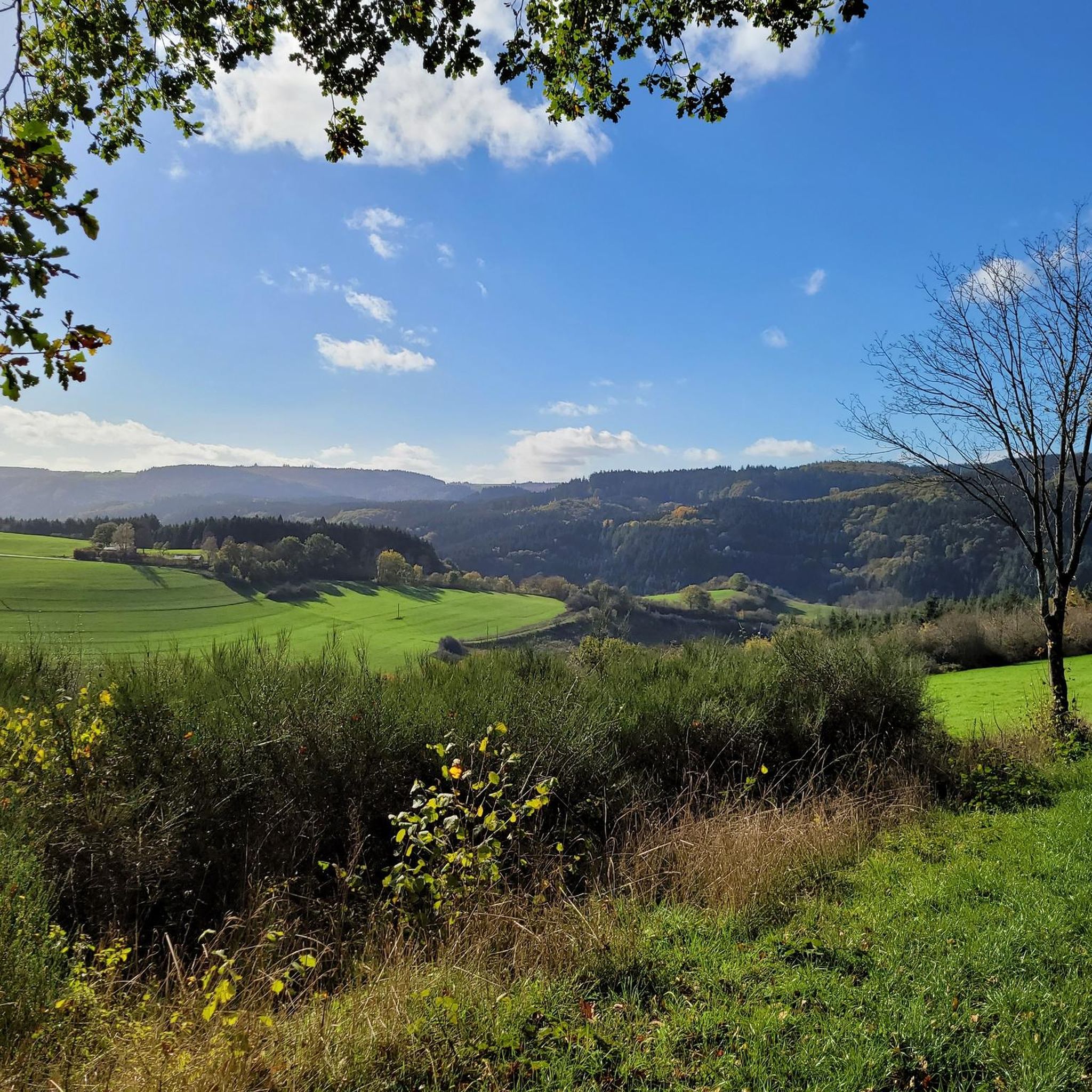
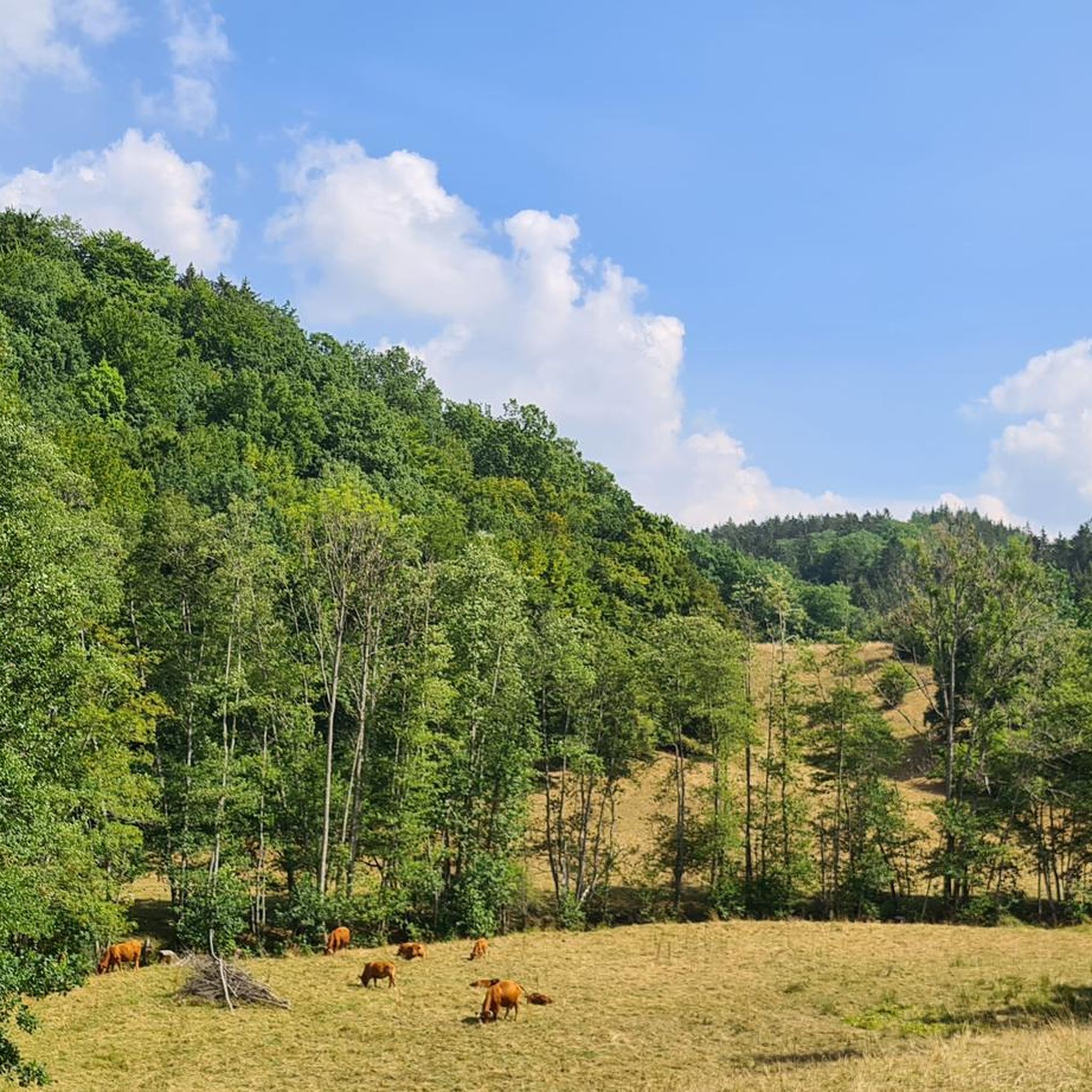
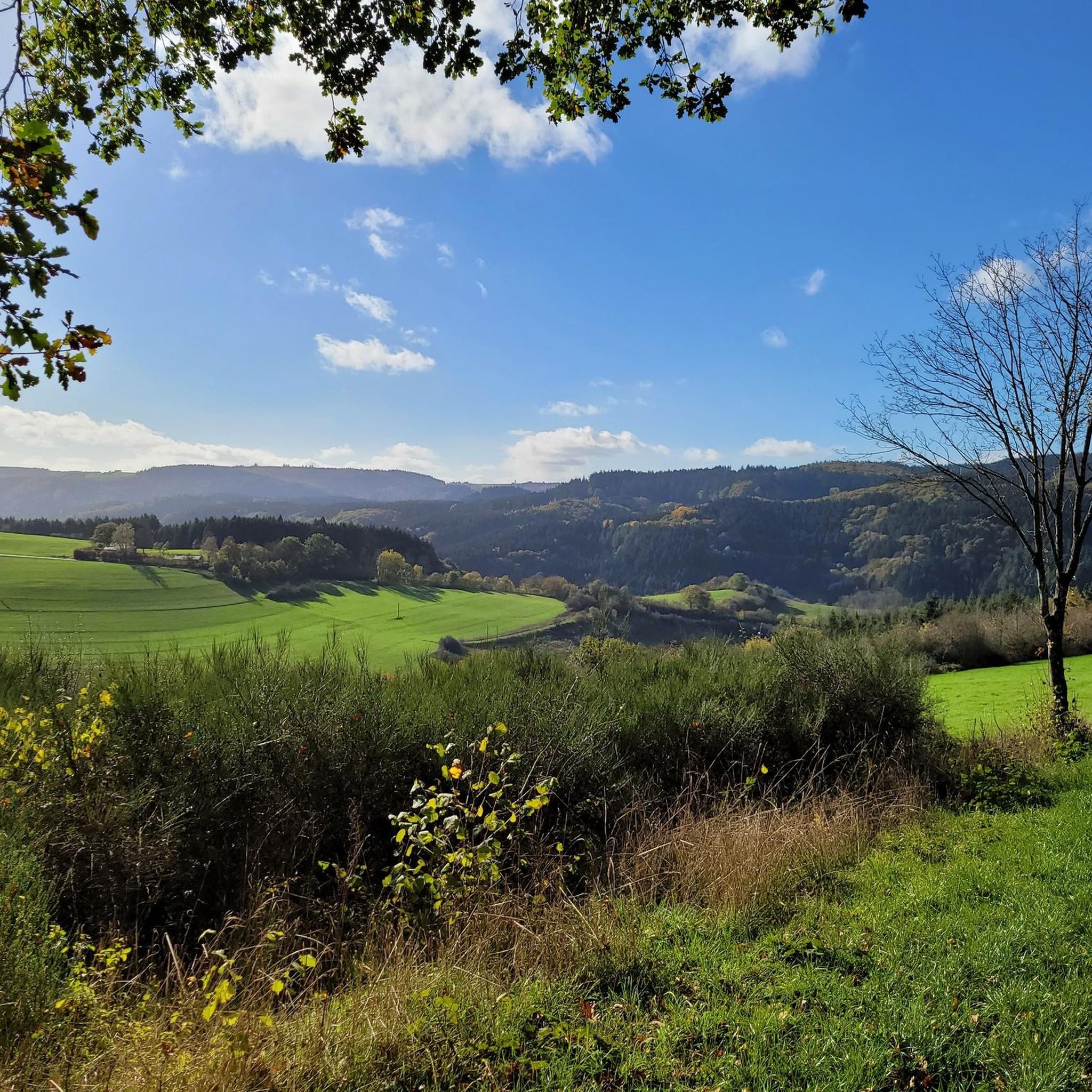
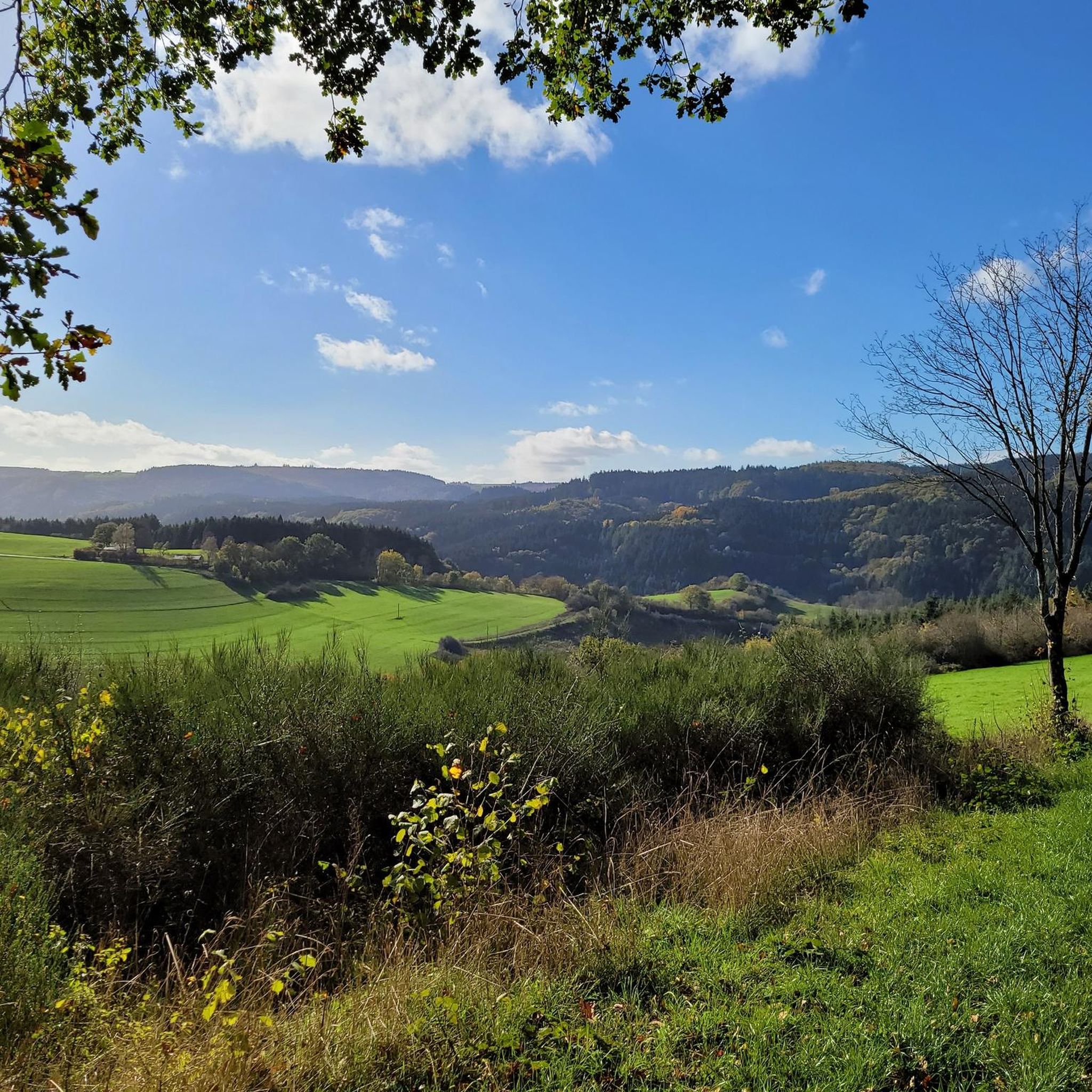

Tips from the Community

Beautiful!! A few experienced climbers went up the steep wall
1
0

The Gerolsteiner Dolomiten nature reserve is located in the Vulkaneifel district in Rhineland-Palatinate in the area of the town of Gerolstein and the municipality of Pelm. The area, which consists of two parts, extends north of the main town of Gerolstein on both sides of the L 29 state road. You can also climb here.
2
0
The Gerolsteiner Dolomiten nature reserve is located in the Vulkaneifel district in Rhineland-Palatinate in the area of the town of Gerolstein and the municipality of Pelm. The area, which consists of two parts, extends north of the core town of Gerolstein on both sides of the L 29 state road.
2
0

Well accessible cave. It is very good to see how the millstones were worked out. A good headlamp is recommended so that your hands are free to take pictures. I personally found the cell phone camera too dark
6
0

The trail leads to the 'Buchenloch Cave' which lies at the far edge of the Munterley Plateau. This was created 1.8 million years ago from a millimeter-wide crack in the rock massif and was used by people in the Neolithic Age 300,000 years ago.
11
1

The Nerother Kopf is an extinct volcano of recent date. It was formed about 15,000 years ago when the earth broke up here and glowing magma welled up from the depths of the earth. At that time, a fracture zone formed in the earth rock, which formed the origin of the volcanic chain "West Eifel". https://www.neroth.de/tourismus/nerother-kopf
6
0
The Millstone Cave is located at the summit of the Neroth Head, a wooded hill of volcanic origin east of Neroth. The entrance is just below the Freudenkoppe castle ruins at an altitude of about 640 m and can be reached via a hiking trail. The cave is 18 meters deep and its vault up to 10 meters high. It is walkable, but unlit (torch required). Wikipedia
5
0

You could climb there, 👍🌞
1
0
Frequently Asked Questions
What types of caves can I explore around Mürlenbach?
The Mürlenbach area, situated in the Vulkaneifel region, offers a variety of caves including millstone caves, ice caves, and karst caves. These formations provide insights into both the region's volcanic past and historical human activity, such as basalt mining for millstones.
What makes the Millstone Cave at Nerother Kopf unique?
The Millstone Cave at Nerother Kopf is an artificial cave created by the production of millstones from volcanic rock. It is 18 meters deep with vaults up to ten meters high, and you can still see unfinished millstones on its walls, offering a glimpse into medieval stonemasonry. It's located just below the Freudenkoppe castle ruin.
What is the historical significance of the Buchenlochhöhle?
The Buchenloch Cave is a karst cave formed by dissolving groundwater. Evidence of Neolithic inhabitants, including tools and bones, has been found here, indicating human use some 30,000 years ago. It also served as a refuge during World War II and is now a habitat for bats.
Why are some caves around Mürlenbach also known as 'ice caves'?
Caves like the Millstone Cave at Rother Kopf and the Birresborn Ice Caves are known as 'ice caves' because cold winter air collects and stays inside them. This unique microclimate allows impressive icicles and ice formations to persist, sometimes even into the summer months, especially in particularly cold winters.
Are the caves around Mürlenbach suitable for families?
Many of the caves, such as the Buchenloch Cave and the millstone caves, are generally accessible and can be explored by families. However, some require sturdy shoes and flashlights. Always check specific access requirements and safety tips for each cave, especially regarding ladders or slippery surfaces.
What should I bring or wear when visiting the caves?
When visiting the caves, it is highly recommended to bring a flashlight or headlamp, as most are unlit. Wear sturdy, slip-resistant shoes, as floors can be wet and uneven. Warm clothing is also advisable, as cave temperatures remain cool, often around 6-8 degrees Celsius, even in summer.
When is the best time of year to visit the caves?
The best time to visit most caves is typically from April to October. Many caves, particularly those that serve as bat habitats, are closed from October 1st to March 31st to protect hibernating bats. Visiting outside of these months may mean limited access.
Are there any restrictions for visiting the caves, especially in winter?
Yes, many caves, including the Buchenloch Cave and the Birresborn Ice Caves, are closed to visitors between October 1st and March 31st. This is to protect bat populations during their hibernation period, as disturbing them can be detrimental to their survival.
Can I explore the caves independently, or are guided tours available?
Most of the caves mentioned, such as the Buchenloch Cave and the Millstone Cave at Nerother Kopf, are freely accessible for independent exploration during their open seasons. There is no mention of mandatory guided tours, but bringing a flashlight and being prepared for uneven terrain is essential.
Are there hiking trails near the caves?
Yes, the caves are often integrated into popular hiking areas. For example, the Buchenloch Cave is located along the 'Gerolsteiner Felsenpfad' and the Eifelsteig trails. The Millstone Cave at Nerother Kopf is also part of a popular hiking area, with the Eifelsteig trail passing over the summit. You can find various hiking routes in the region, including those listed in the Cycling around Mürlenbach guide.
What other natural landmarks can I find near the caves?
The caves are situated within the Vulkaneifel region, known for its geological formations. Near the Buchenloch Cave, you can explore the Gerolstein Dolomites. The Millstone Cave at Nerother Kopf is on an extinct volcano, offering scenic views and the Freudenkoppe castle ruin nearby. The region itself is characterized by volcanic cinder cones and basalt deposits.
Are dogs allowed in the caves or on nearby trails?
While many hiking trails in the Vulkaneifel region are dog-friendly, specific regulations for dogs inside the caves are not always explicitly stated. Given the often narrow, dark, and potentially slippery conditions, and the presence of bats, it's generally advisable to exercise caution or avoid bringing dogs inside the caves themselves. Always check local signage.
How long does it typically take to explore these caves?
The time required to explore varies by cave. For example, the Buchenloch Cave is approximately 30 meters long, and the Millstone Cave at Nerother Kopf is 18 meters deep. Most can be explored within a relatively short period, typically 15-30 minutes, allowing ample time to combine a visit with nearby hiking or other attractions.
Is there parking available for visitors to the caves?
Parking is generally available near the trailheads that lead to the caves. For instance, the caves are often part of popular hiking routes, and designated parking areas for hikers are usually provided in the vicinity of towns like Gerolstein or Neroth. Specific parking details for each cave may vary, so it's recommended to check local information upon arrival.
Most popular routes around Mürlenbach
Most popular attractions around Mürlenbach

Get inspired with the komoot mobile app


Explore more
Extend your search for the best caves by checking out these guides of the top ones around Mürlenbach:
