Top 10 Castles around Mellrichstadter Forst
Best castles around Mellrichstadter Forst are found in the region surrounding this 4.14 square kilometer uninhabited, forested area in the Rhön-Grabfeld district of Bavaria, Germany. While the Forst itself is largely undeveloped, the nearby towns offer historical interest and scenic views. The area provides a glimpse into medieval architecture and regional history within the landscapes of the Rhön-Grabfeld.
Best castles around Mellrichstadter Forst
- The most popular castles is Lichtenburg Castle, a castle first mentioned in the 12th century. Its…
Last updated: June 24, 2026
Ruins of the Gangolfskapelle (Milseburg)
Highlight • Historical Site
Tip by

Lichtenburg Castle
Highlight • Castle
Translated by Google •
Tip by

Sign up now to discover places like this
Get recommendations on the best single tracks, peaks, & plenty of other exciting outdoor places.
Sign up for free
Mauerschädel
Highlight • Castle
Translated by Google •
Tip by

Hutsburg Castle Ruins
Highlight • Castle
Translated by Google •
Tip by
Stockheimer Warte Tower
Highlight • Monument
(Source: Wikipedia)
Translated by Google •
Tip by

Sign up for free to discover even more castles around Mellrichstadter Forst.
Sign up for free
Already have an account?
Start today with a free account
Your next adventure awaits.
Login or Signup
Tips from the Community

Already interesting - unfortunately you can't see much of it
0
0

This gray, age-old ruin is called "Mauerschädel," meaning "uninhabitable ruin." The people's imagination has always been preoccupied with this ruin, and in 1891, the blind legend collector Chr. Ludwig Wucke recorded the following legend: Filke was once a large town, stretching from Oberfilke to the now-vanished old St. Peter's Church and the village of Willmars. It was crossed by three streams and had over 300 bakers and the first Christian church in the area. The bishop baptized the pagans there. Its remains form the "Mauerschädel." Indeed, the legend is supported by the fact that a large number of now-vanished settlements once existed in the area around Filke. The ruin lies directly on the border between Thuringia and Bavaria.
5
0

Mauerschädel (Skull of the Wall). A medieval remnant of the village of Bischofs. An open-air service is held there every year. The atmosphere is fantastic, beside the Schmerbach stream. Friedhelm Korell's bratwurst and Erich Hofmann's roasted pork roasts are absolute favorites. It's practically an insider tip!
1
2
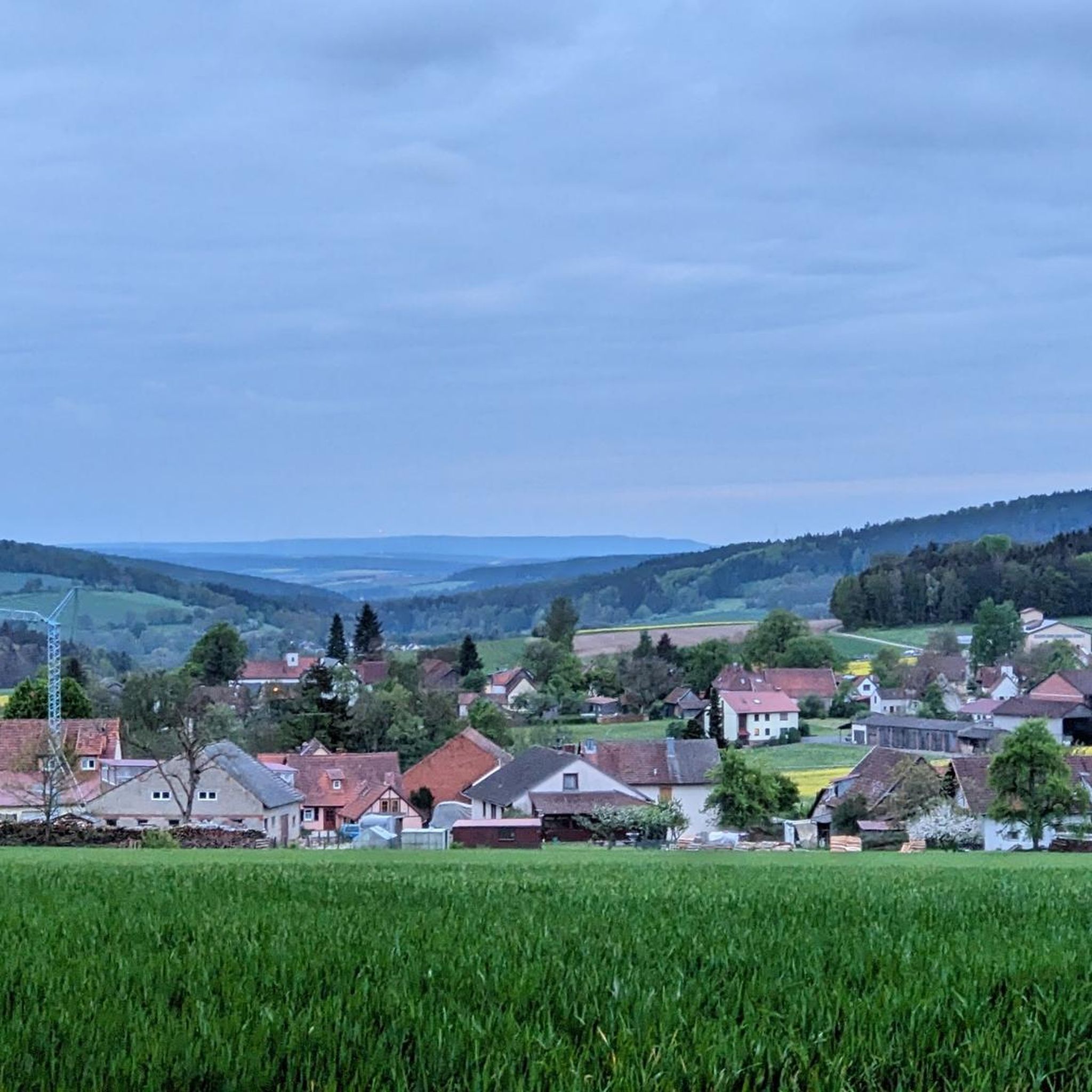
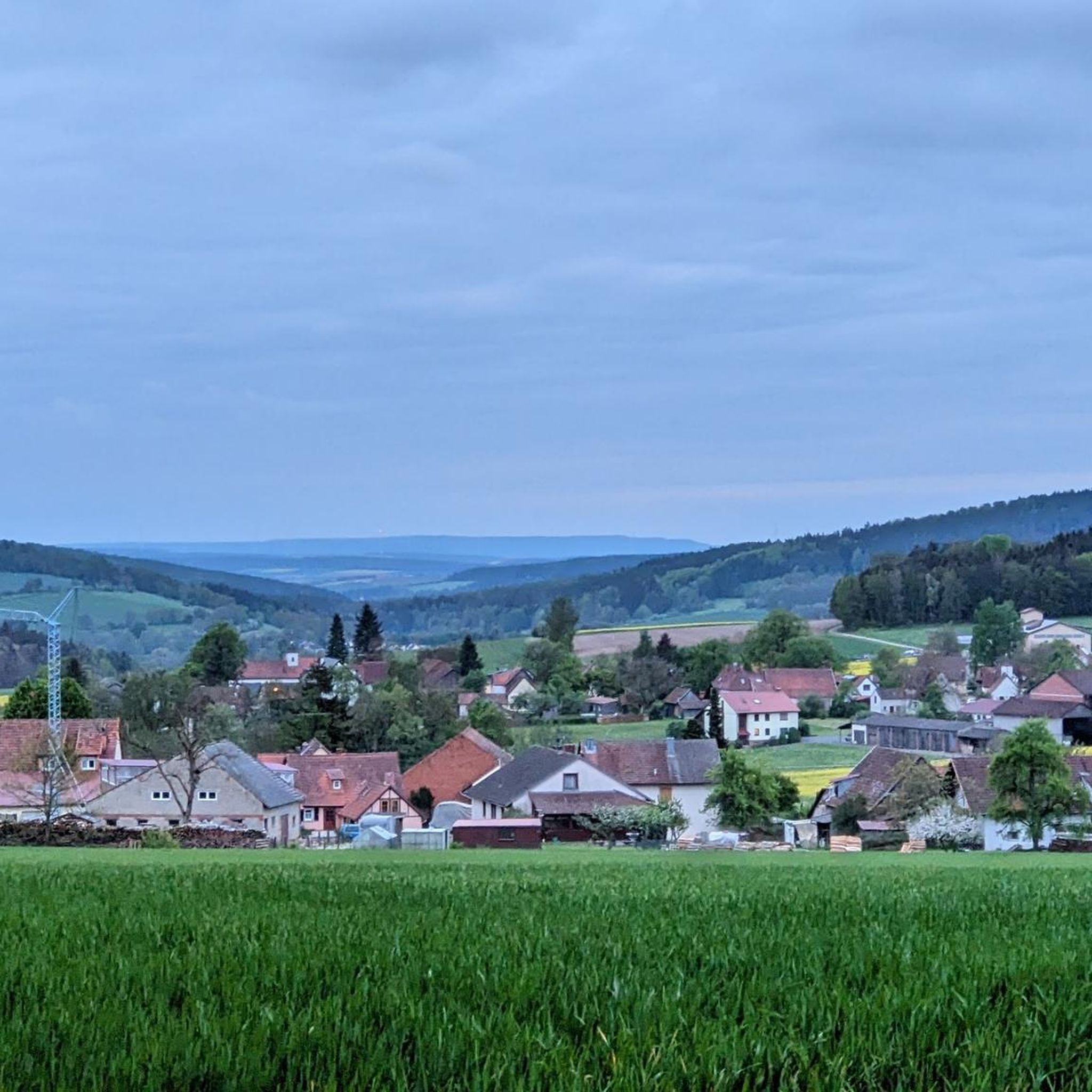
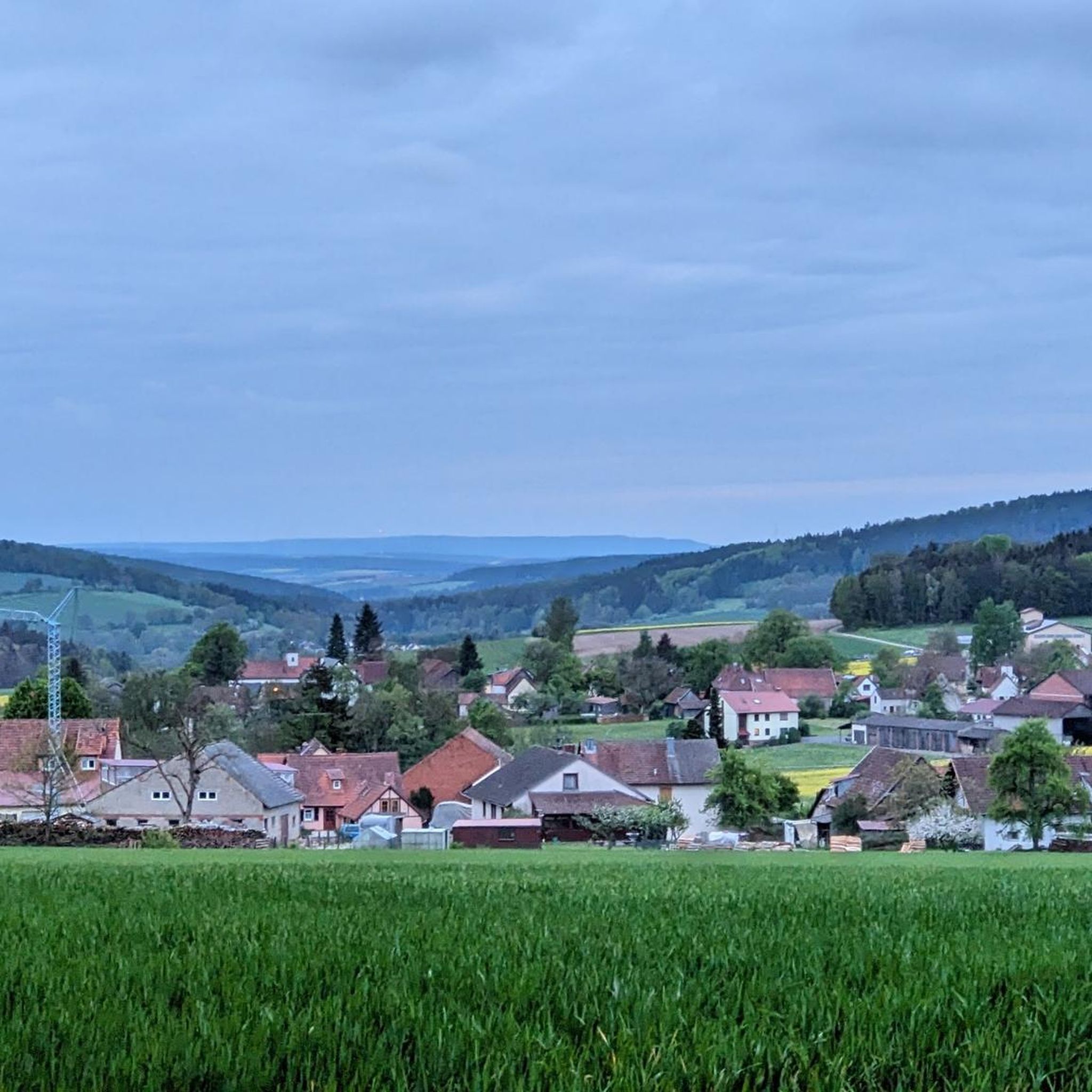
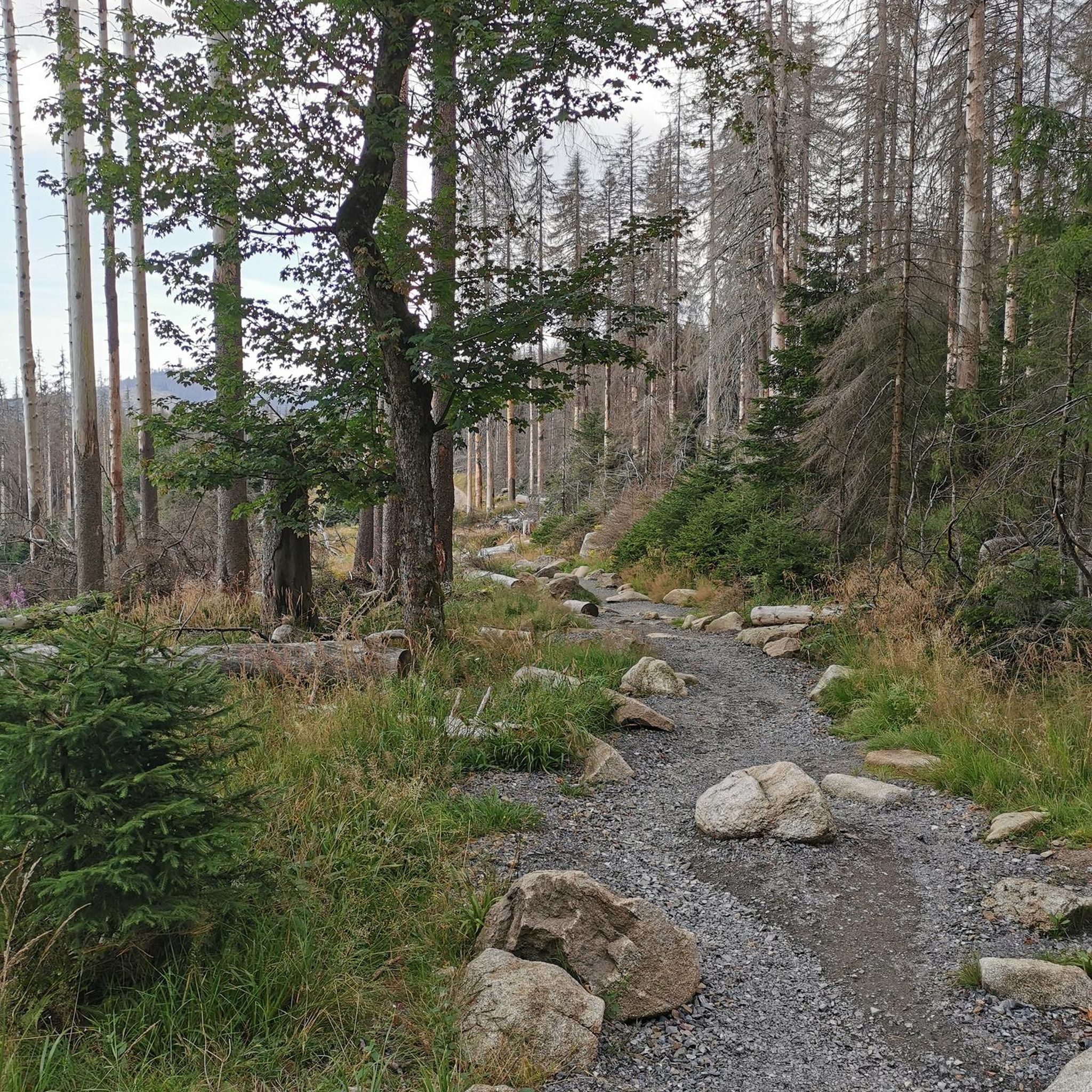
The Hutsburg Castle is a striking testimony to Germany's dark times. Exactly 500 years ago, the Hutsburg Castle was destroyed during the Peasants' War raging at the time. Today, on the occasion of our evening hike on May 14, 2025, we commemorated the events of that time. Social injustice and restrictions on "freedom" led to the terrible armed conflicts back then. We enjoyed the beautiful sunset and today's peaceful atmosphere high above Helmershausen. Unfortunately, the view from high above is impossible due to the dense forest. Only down at the edge of the forest does the bench invite you to linger, observe, and reflect.
1
0

An interesting ruin on the mountain. Suddenly, this castle appears, bearing witness to times long forgotten.
0
0

A beautiful place, even if you have a view. There was a ladder leaning against the tower, but it was too risky for me to use it.
0
0
We like to take a break here. A beautiful place in the middle of nature.
0
0

Here you can find more information: https://de.wikipedia.org/wiki/Hutsburg
0
0
Frequently Asked Questions
What are some of the most historically significant castles and ruins in the Mellrichstadter Forst region?
The region boasts several sites with rich history. Lichtenburg Castle, first mentioned in the 12th century, is a significant landmark. Bibra Castle, dating back to the 12th century, controlled a vital north-south connection. The Ruins of the Gangolfskapelle (Milseburg), originally built in the 8th century, and the Hutsberg Ruins also offer deep historical insights.
Which castles offer the best panoramic views of the surrounding landscape?
For breathtaking views, visit Lichtenburg Castle. Its well-preserved keep provides fantastic panoramic views of the Rhön, Grabfeld, and even the Thuringian Forest. The Hutsberg Ruins also offer scenic viewpoints.
Are there any family-friendly castles or historical sites to visit?
Yes, the Ostheim Church Fortress is considered family-friendly. It's Germany's largest and best-preserved fortified church, offering an engaging experience for all ages with its impressive defensive structures.
Can I hike to any of the castles or ruins in the area?
Absolutely! Many castles are popular destinations for hikers. For example, there's a difficult 17.8 km hiking route that includes Lichtenburg Castle. You can find more hiking trails in the region on the Hiking around Mellrichstadter Forst guide.
What kind of historical structures, besides castles, can I find near Mellrichstadter Forst?
Beyond traditional castles, the region features fortified churches and historical watchtowers. The Ostheim Church Fortress is a prime example of a fortified church, and the Stockheimer Warte Tower is a listed ruin of a 15th-century watchtower.
What do visitors enjoy most about the castles and ruins in this region?
Visitors frequently appreciate the well-preserved nature of sites like Lichtenburg Castle, the stunning panoramic views from castle towers, and the opportunity to explore hidden ruins such as the Hutsberg Ruins. The historical depth and the chance to imagine the past are also highly valued.
What is the history of the Henneburg Castle Ruins?
The Henneburg Castle Ruins are the ancestral seat of the Counts of Henneberg, a significant medieval German comital family. Although now a ruin, its historical importance as the origin of a powerful noble dynasty makes it a compelling site for those interested in medieval German history. You can learn more about the family's history on Wikipedia.
Are there cycling routes that pass by or near these historical sites?
Yes, the region offers various cycling opportunities. You can find several routes, including those that might pass by historical points of interest, in the Cycling around Mellrichstadter Forst guide and the Road Cycling Routes around Mellrichstadter Forst guide.
When is the best time of year to visit the castles around Mellrichstadter Forst?
The castles and ruins are generally accessible year-round. However, spring and autumn offer pleasant temperatures for exploring and hiking, with beautiful foliage in the fall. Summer is also popular, especially when castles host festivals or events. Winter visits can be picturesque, but some paths might be slippery.
What should I wear when visiting these castles and ruins?
Since many of these sites involve walking, often on uneven terrain or up steep paths, comfortable and sturdy footwear is recommended. Layers of clothing are advisable, as weather conditions can change, especially when exploring exposed castle ruins or viewpoints.
Are there any hidden or less-known castle ruins worth exploring?
The Hutsberg Ruins are described as a 'nice hidden ruin on the mountain,' offering a chance to engage with the past and let your imagination run wild in a less crowded setting.
What is the significance of Bibra Castle?
Bibra Castle, located in the village of Bibra, dates back to the 12th century. It was originally built by the Lords of Bibra and played a crucial role in controlling a vital north-south connection to the Werratal valley. Despite suffering destruction during historical conflicts, it was repeatedly rebuilt, offering a glimpse into a thousand years of Franconian history.
Most popular routes around Mellrichstadter Forst
Most popular attractions around Mellrichstadter Forst

Get inspired with the komoot mobile app


Explore more
Looking for the best castles somewhere else? Discover other guides around Mellrichstadter Forst:
