Top 15 Castles around Wallenfels
Best castles around Wallenfels are found in Bavaria, Germany, a region characterized by its historical significance and natural landscapes. The area was once home to Burg Waldenfels, a former hilltop castle that served as the ancestral seat of the "von Waldenfels" family. Although the original castle was destroyed in 1525, remnants such as the Halsgraben and Ringgraben are still present. A war memorial chapel was erected on the former castle grounds in the 1920s, adding another point of interest to…
Last updated: June 24, 2026
⚔️ Festung Rosenberg
Highlight • Castle
Translated by Google •
Tip by

🏛️ Nordeck Castle Ruins
Highlight • Castle
Translated by Google •
Tip by

Sign up now to discover places like this
Get recommendations on the best single tracks, peaks, & plenty of other exciting outdoor places.
Sign up for free
Schloßberg Nordhalben Summit and Mushroom Sculpture
Highlight • Summit
Translated by Google •
Tip by

View of Kronach's Old Town and Rosenberg Fortress
Highlight • Viewpoint
Translated by Google •
Tip by

Heinersreuth Castle
Highlight • Castle
Translated by Google •
Tip by

Sign up for free to discover even more castles around Wallenfels.
Sign up for free
Already have an account?
Start today with a free account
Your next adventure awaits.
Login or Signup
Popular around Wallenfels
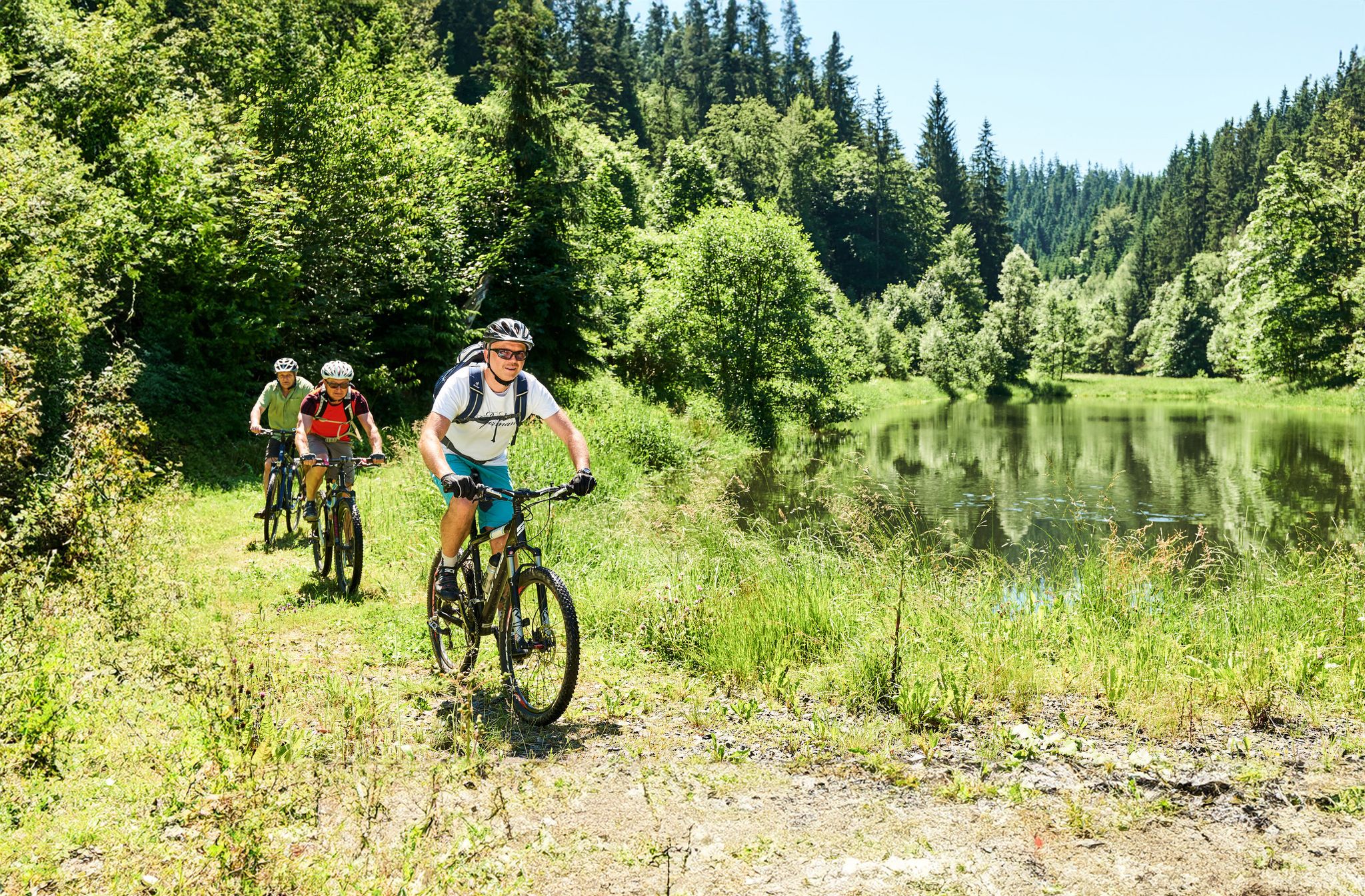
Magical woodland & trails – cycling in Germany’s Franconian Forest
Lehrpfade und Themenwege
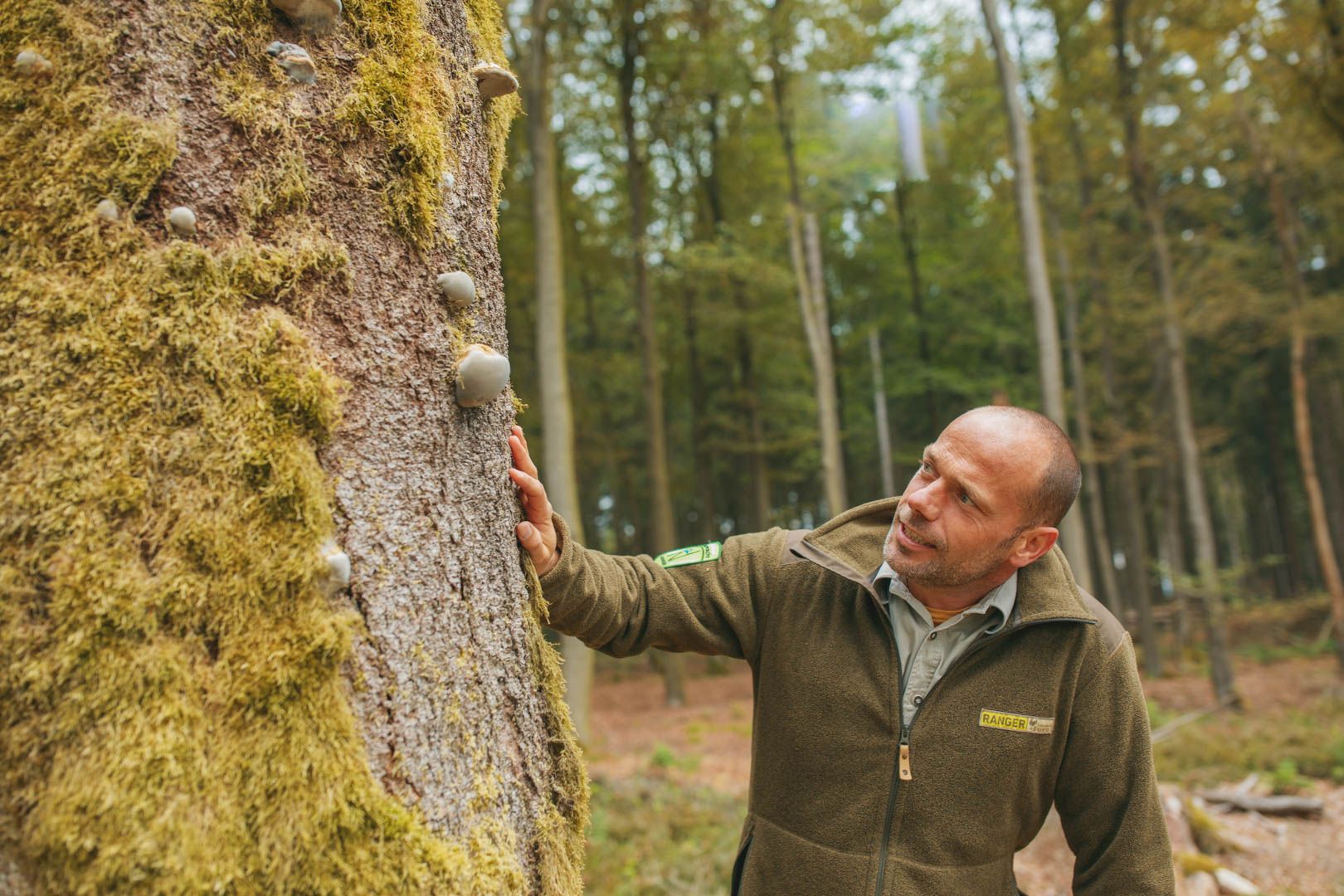
Tipps der Naturpark-Ranger
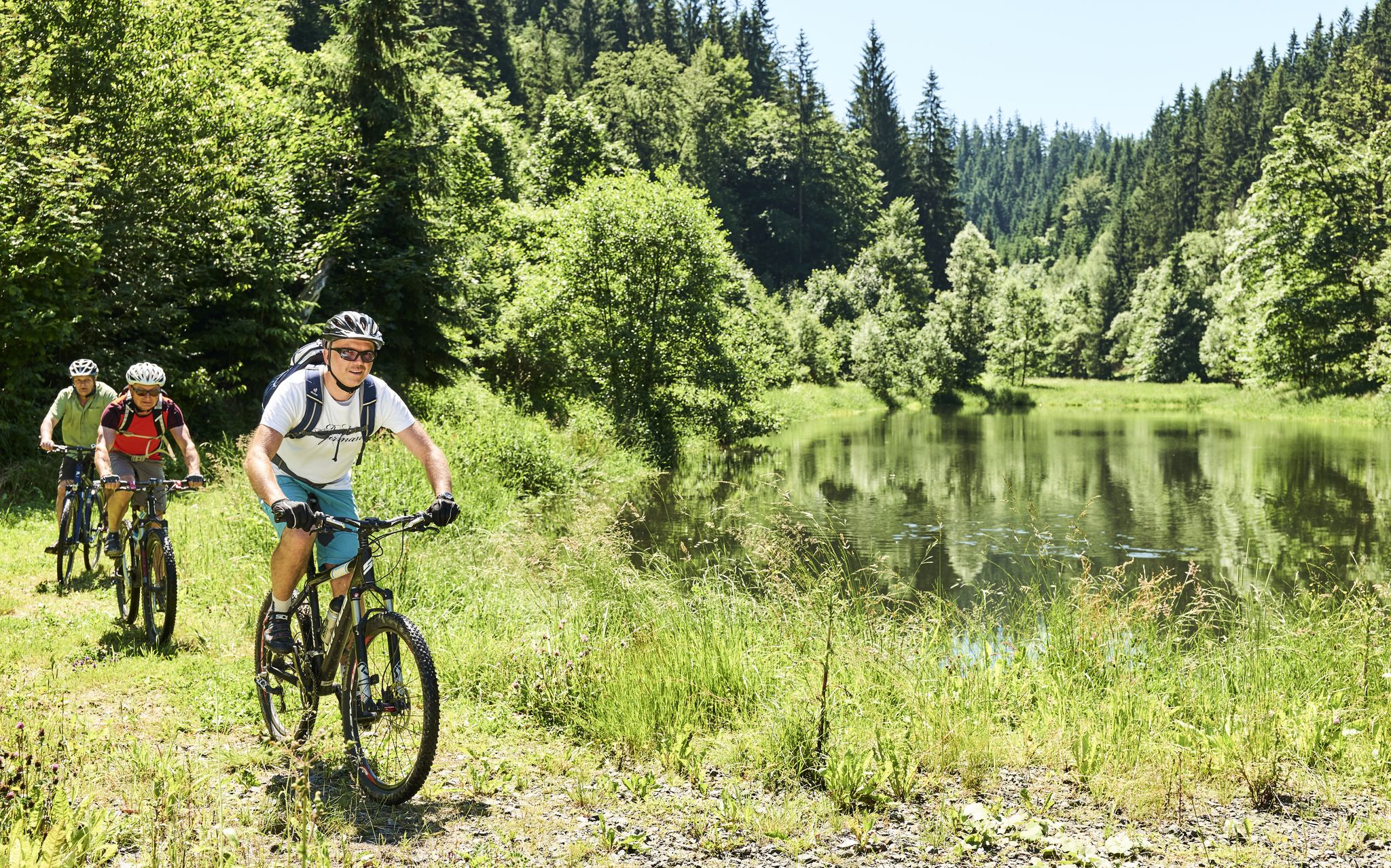
Mountainbiking im Frankenwald
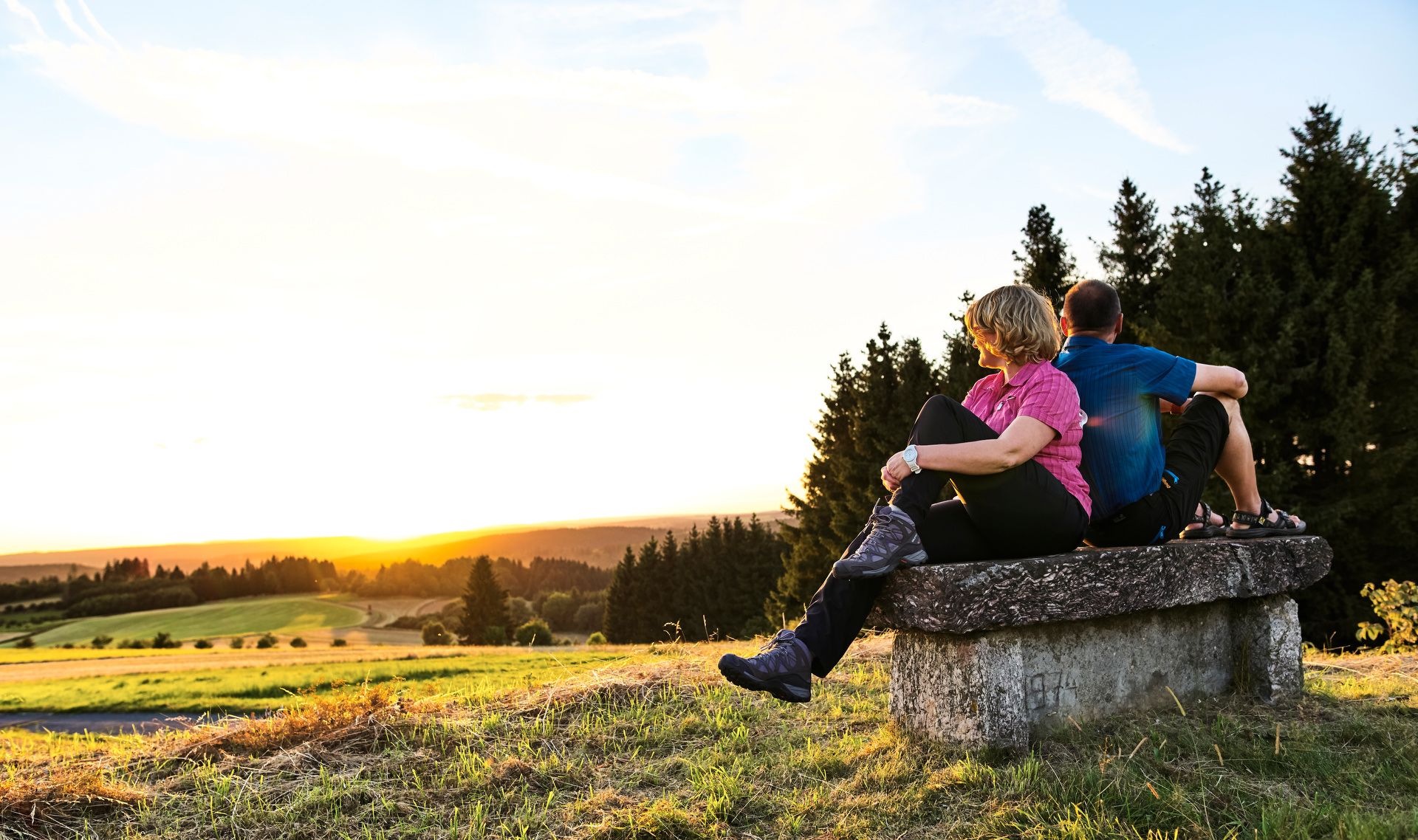
Unsere FrankenwaldSteigla
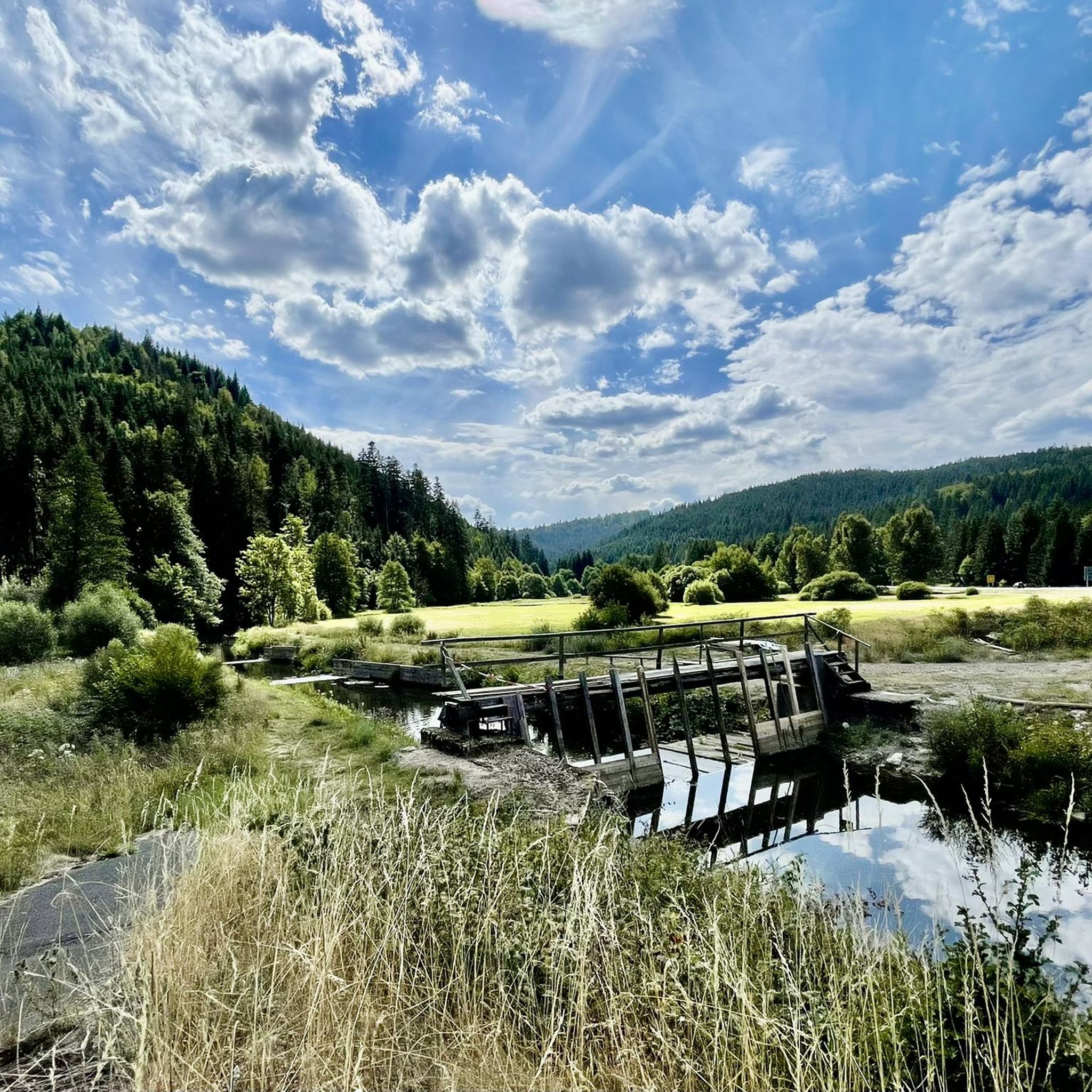
Hiking around Wallenfels
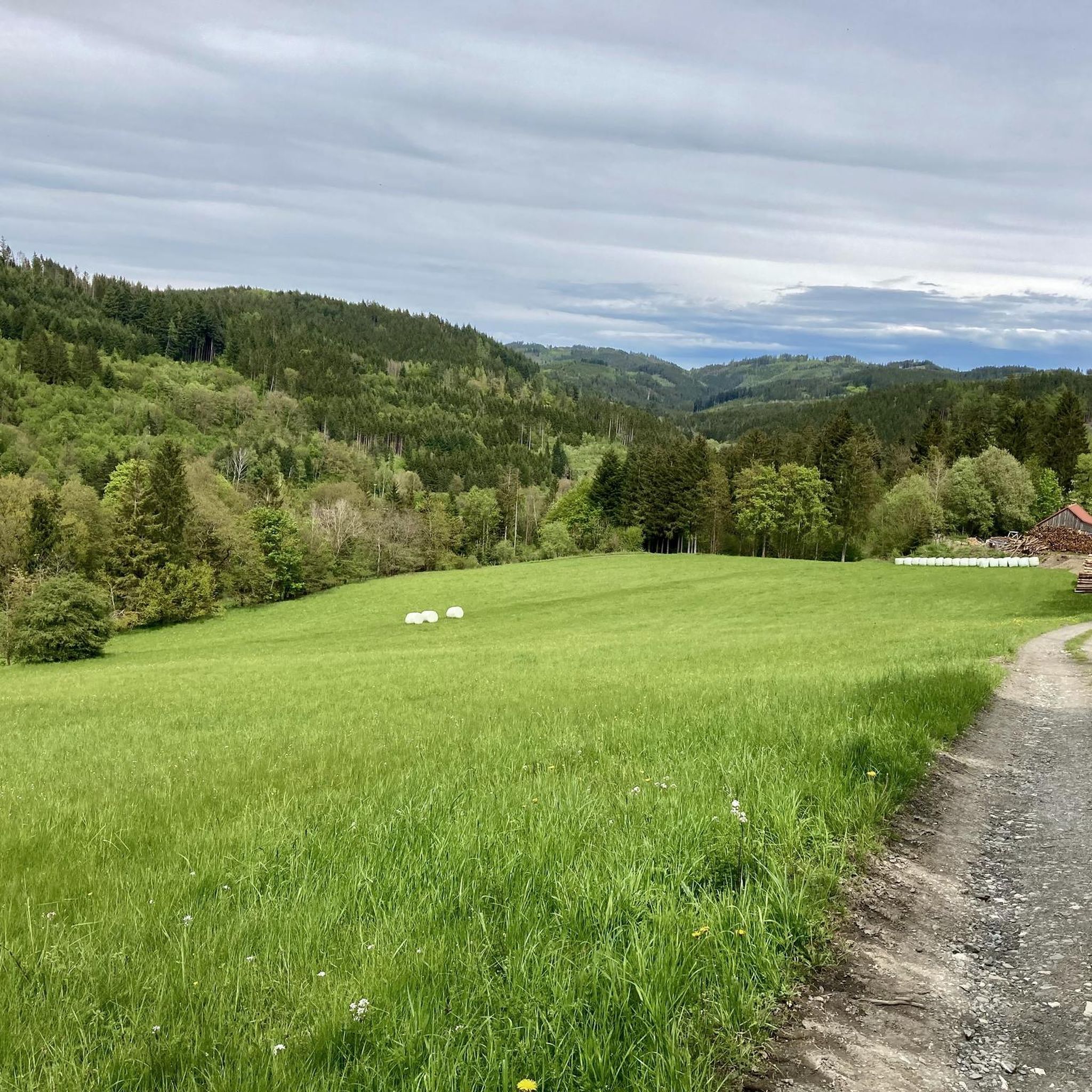
Cycling around Wallenfels
MTB Trails around Wallenfels
Road Cycling Routes around Wallenfels
Running Trails around Wallenfels
Other adventures around Wallenfels


Tips from the Community

The Heinersreuth estate near Presseck, surrounding the former Wildenstein Castle, was a gift from the Bavarian King Maximilian I Joseph to his long-time finance minister, Maximilian Emanuel von Lerchenfeld, in 1823. Maximilian I thus honored his commitment to the adoption of a Bavarian constitution and his keeping of his promise that this would happen even before the German Empire had a constitution. In 1818, Bavaria became a constitutional monarchy with the new constitution, which limited the king's power through the Estates Assembly. It took another 53 years until Bismarck's Imperial Constitution for all of Germany was adopted. The Wildenstein Castle, today Heinersreuth Castle, is a two-story gabled building with a high basement; the upper floor is slated. It was built around 1500 by the Barons von Wildenstein. The tower was probably added at the end of the 17th century. In 1697, the property passed to Carl Friedrich Freiherr Voit von Rieneck zu Trun- und Traustadt, who was subsequently elevated to the rank of count before the fief was granted to Baron von Lerchenfeld in 1823. In 1827, von Lerchenfeld commissioned the famous Darmstadt architect and urban planner to build the "Ministerhaus" (also known as the "New Palace") on his noble estate, right in the middle of the extensive park next to the palace. The property remains in the possession of the von Lerchenfeld family, a member of the ancient Bavarian nobility whose roots can be traced back to 1070.
17
0

Viewpoint on the Schlossberg with a mushroom as a seat with weather protection
1
1

quite overgrown in summer
0
1

Beautiful place, worth it
0
0
The Nordeck castle ruins are picturesquely situated in the beautiful Steinachtal, very close to the "Waldschänke" inn and directly on the Frankenwald-Steigla "Zum Forstmeistersprung". Unfortunately, you no longer have a view from there, as everything has grown over.
19
0
It was never conquered, never subdued: Rosenberg Fortress is one of the most beautiful and largest fortresses in Europe. The former Bamberg bishop's castle and later state fortress rises steeply above the old town of Kronach on the Rosenberg hill. The oldest surviving document mentioning the name "Rosenberg" dates from 1249. The various construction phases are clearly visible, from the medieval keep through the walls and towers of the 15th and 16th centuries to the late Baroque pentagon, illustrating the ever-changing demands of defensive construction throughout the centuries. The juxtaposition of medieval, Renaissance, and Baroque fortification architecture gives the complex its significant place in the history of German military construction. The renowned architects Maximilian von Welsch and Balthasar Neumann were involved in the expansion of the fortress. The fortress was never captured or defeated by enemies. In 1888, the city acquired the castle as a property without military significance. The underground tunnel system, which can be visited as part of the fortress tours, is also of particular interest.
10
0
The early baroque fortress gate, one of the most beautiful in Germany, was probably built by Antonio Petrini.
9
0
This small monument is under monument protection. The Marter, created in the 18th century, was originally located around 50 meters to the south-east at the upper end of Festungsstrasse; it was moved to its current location in 1936 on the occasion of the erection of the war memorial for the fallen of the First World War. The column, made of sandstone, was rotated 90 degrees so that the main side, which once looked south towards the city, now faces west. Philipp Ernst von Redwitz, named in the inscription on the base, was commander of Rosenberg Fortress from 1774 to 1787. He probably had the wayside shrine erected at the original location of the monument as a replacement for an earlier torture.
8
0
Frequently Asked Questions
What is the history of Wallenfels Castle itself?
The original Burg Waldenfels, also known as Wallenfels Castle, was a hilltop castle likely built between 1213 and 1244 by the Bishopric of Bamberg. It served as the ancestral seat of the 'von Waldenfels' family. Unfortunately, it was destroyed in 1525 during the German Peasants' War. Today, visitors can explore the remnants of the former complex, including the Halsgraben (neck ditch) and an impressive Ringgraben (circular moat). A war memorial chapel was also erected on the grounds in the 1920s.
Which castles offer the best historical insights into the region?
For a deep dive into history, the Rosenberg Fortress is unparalleled. It's one of Europe's largest fortresses, never conquered, and showcases medieval, Renaissance, and Baroque fortification architecture. The various construction phases are clearly visible, illustrating centuries of defensive demands. You can also visit its underground tunnel system as part of a tour.
Are there any castle ruins worth visiting near Wallenfels?
Yes, the 🏛️ Nordeck Castle Ruins are picturesquely situated in the Steinachtal. While it's a small medieval ruin, it has been rehabilitated and is walkable. Benches and tables are available for resting with a view of the fortified tower.
What kind of views can I expect when visiting castles around Wallenfels?
Many castle sites offer excellent viewpoints. For instance, the View of Kronach's Old Town and Rosenberg Fortress provides a stunning perspective of Kronach's historical center and the impressive fortress from below. Additionally, the Schloßberg Nordhalben Summit and Mushroom Sculpture, while not a standing castle, offers a great view of Nordhalben from its exposed location.
Are there family-friendly castles or sites to visit?
Yes, several sites are considered family-friendly. The Rosenberg Fortress is a great option, offering tours and a vast area to explore. The View of Kronach's Old Town and Rosenberg Fortress is also family-friendly for enjoying the scenery. Even the Schloßberg Nordhalben Summit and Mushroom Sculpture is suitable for families, providing a natural monument and a unique sculpture.
What outdoor activities can I combine with a castle visit?
The region around Wallenfels is excellent for outdoor activities. You can find numerous hiking trails, such as the 'Dörnach Village Chapel – Hammerschneidmühle loop' or 'Wellesberg – Kreuzschläfer Monument loop'. For mountain biking, consider routes like 'Im schönen Norden des Rodachtals' or 'Ködel Reservoir – Ködel Dam loop'. Running enthusiasts can explore trails like 'Covered bridge over the Rodach River – Village Church in Zeyern loop'. You can find more details on these and other routes in the Hiking around Wallenfels, MTB Trails around Wallenfels, and Running Trails around Wallenfels guides.
What do visitors enjoy most about the castles and historical sites in the Wallenfels region?
Visitors frequently praise the historical significance and impressive architecture, especially at Rosenberg Fortress, noting its unconquered history and well-preserved structures. The scenic views, like those from the View of Kronach's Old Town and Rosenberg Fortress, are also highly appreciated. Many enjoy the opportunity to combine historical exploration with outdoor activities in the picturesque natural surroundings.
Are there any unique sculptures or art installations near the castles?
Yes, near the Rosenberg Fortress, you can find the Gatekeeper sculpture, an interesting figure made of oak wood and iron by Czech sculptor Tom Kus. Additionally, the Schloßberg Nordhalben Summit and Mushroom Sculpture features a renewed red fly agaric sculpture that shines into the Rodachtal.
What is the best time of year to visit the castles around Wallenfels?
While specific seasonal closures are not common for all sites, spring and autumn generally offer pleasant weather for exploring the outdoor ruins and fortresses. The vibrant colors of autumn can be particularly beautiful for walks around sites like the 🏛️ Nordeck Castle Ruins. Summer is also popular, but can be warmer, while winter visits might offer a unique, snow-covered landscape, though some paths could be less accessible.
Are there dining options available at or near the castle sites?
The Rosenberg Fortress itself includes a restaurant, offering a convenient dining option. For other sites, you'll find cafes, pubs, and restaurants in nearby towns like Wallenfels and Kronach. For example, Kronach's old town, visible from the View of Kronach's Old Town and Rosenberg Fortress, is known for its cafes and taverns serving Franconian specialties.
Can I bring my dog to the castle trails and sites?
Many outdoor trails and castle ruins in the region are dog-friendly, especially for walks around the sites. However, specific rules for interior access to fortresses like Rosenberg Fortress may vary. It's always advisable to keep dogs on a leash and check local regulations or specific site policies before your visit.
What are the parking facilities like near the castles?
Parking availability varies by location. For major attractions like Rosenberg Fortress in Kronach, there are usually designated parking areas in the vicinity of the old town or directly at the fortress. For more remote ruins or viewpoints, parking might be less formal, often found at trailheads or small village lots. It's recommended to check specific parking information for each site you plan to visit.
Most popular routes around Wallenfels
Most popular attractions around Wallenfels

Get inspired with the komoot mobile app


Explore more
Looking for the best castles somewhere else? Discover other guides around Wallenfels:
