Top 20 Castles around Weißenbrunn
Best castles around Weißenbrunn are situated in a region rich in history and natural beauty. Weißenbrunn, a district of Ebern, is notable for its historical sites, including Schloss Weißenbrunn, a baroque castle dating back to the early 18th century. The area features a mix of well-preserved castles, moated castles, and castle ruins, often set amidst picturesque natural surroundings. These historical landmarks provide opportunities for exploration and cultural engagement.
Best castles around Weißenbrunn
- The most popular castles is ⚔️ Plassenburg Fortress…
Last updated: May 26, 2026
⚔️ Plassenburg Fortress
Highlight • Castle
Translated by Google •
Tip by

Mitwitz moated castle
Highlight • Castle
Translated by Google •
Tip by

Sign up now to discover places like this
Get recommendations on the best single tracks, peaks, & plenty of other exciting outdoor places.
Sign up for free
⚔️ Festung Rosenberg
Highlight • Castle
Translated by Google •
Tip by

🏛️ Nordeck Castle Ruins
Highlight • Castle
Translated by Google •
Tip by

Strößendorf Castle
Highlight • Castle
Translated by Google •
Tip by

Sign up for free to discover even more castles around Weißenbrunn.
Sign up for free
Already have an account?
Start today with a free account
Your next adventure awaits.
Login or Signup


Tips from the Community

Water castle in Mitwitz. Well-kept outdoor areas and many events characterize this place.
6
0

The four corners of the castle are aligned exactly in the four cardinal directions, otherwise the building is rather irregularly designed from several structures of different sizes and heights. The four main wings enclose a narrow atrium. The maiden building and the Catholic chapel on the ground floor of the former tower are slightly exposed. Inside, architectural styles from all building periods have been preserved. The cellar vaults in the basement are of medieval origin, the other floors have Gothic, lavishly profiled wooden ceilings and walls, such as in the large hall in the northeast wing and in the keep. On the first floor of the west wing there are rooms designed in the Renaissance style, such as the large entrance hall with twisted columns. Numerous rooms with baroque stucco ceilings have been preserved from the last construction phase. Source: https://de.m.wikipedia.org/wiki/Schloss_Str%C3%B6ssendorf/
14
1
Strössendorf Castle is a castle in the Altenkunstadt district of Strössendorf. It is inhabited all year round, owned by the von Seckendorff family and cannot be visited. The castle is listed as a protected monument by the Bavarian State Office for Monument Preservation under the monument number D-4-78-111-81.[1] Due to archaeological findings in the area of the castle, which are related to the medieval core of the building, the complex as a whole also represents an archaeological monument with the number D-4-5833-0151.[1] To the southwest, the castle building ensemble is adjoined by the castle church of St. Katharina and the castle park with former stables. Source: https://de.m.wikipedia.org/wiki/Schloss_Str%C3%B6ssendorf
16
1

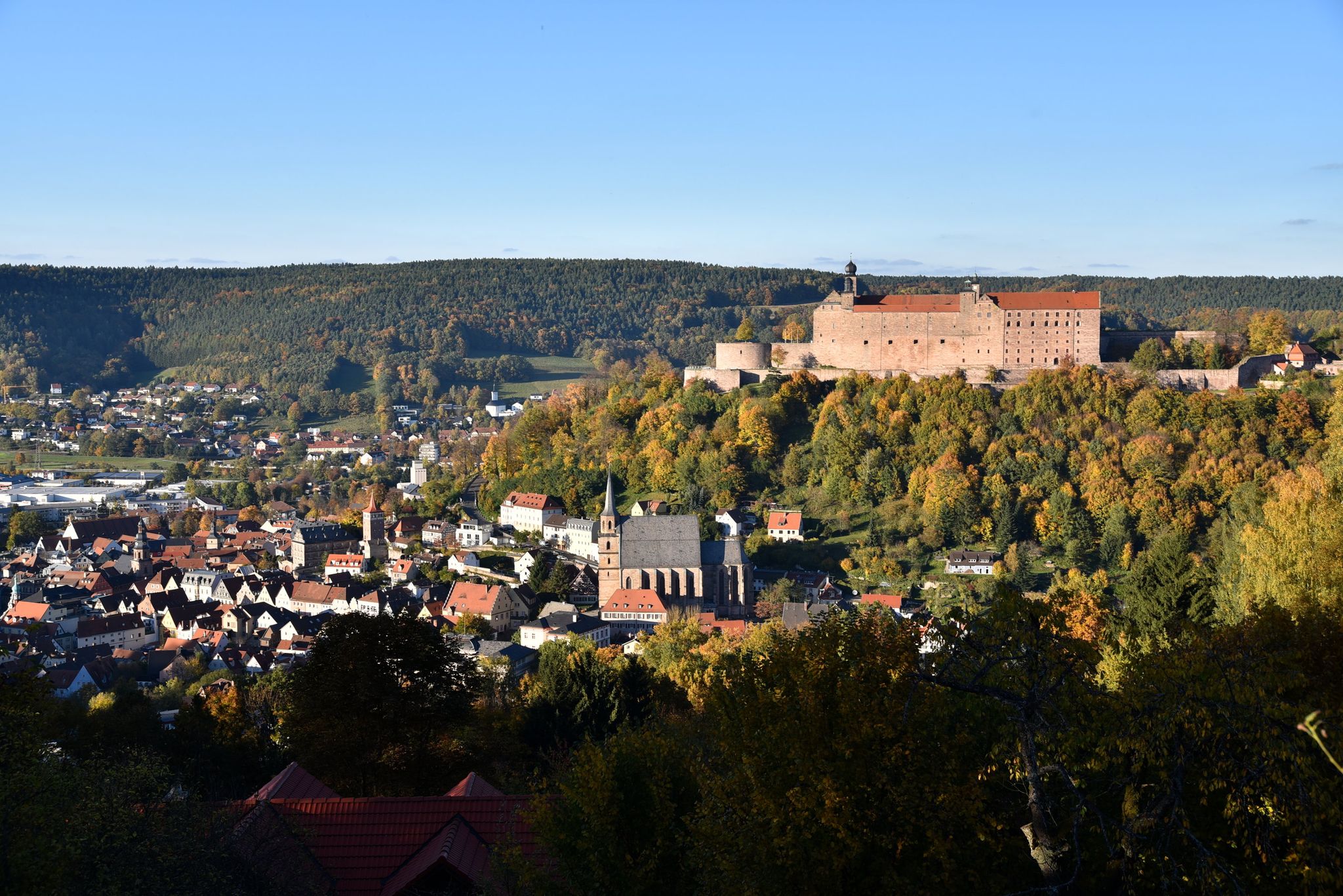
The magnificent complex is characterized by the redesign that Margrave Georg Friedrich had carried out by the architect Caspar Vischer after the destruction in the Second Margrave War in 1557. The wings of the narrow castle, which had been founded by the Counts of Andechs before 1135, were transformed into an impressive four-wing complex and secured against the mountain side with enormous bastions. Today, the Plassenburg, high above Kulmbach, is a cultural center of the Upper Mainland. After the fortifications were destroyed at the behest of Napoleon in 1806, the castle served as a prison and workhouse until 1928 - then exhibition rooms, museums and display collections were set up.
16
0
In the "Schöner Hof" with its richly decorated arcades, the atmosphere of a German princely court of the Renaissance comes to life.
18
0
The Plassenburg was secured against the mountain side with a massive fortification.
17
0

Strössendorf Castle is a castle in the Altenkunstadt district of Strössendorf. It is inhabited all year round, owned by the von Seckendorff family and cannot be visited.
14
1
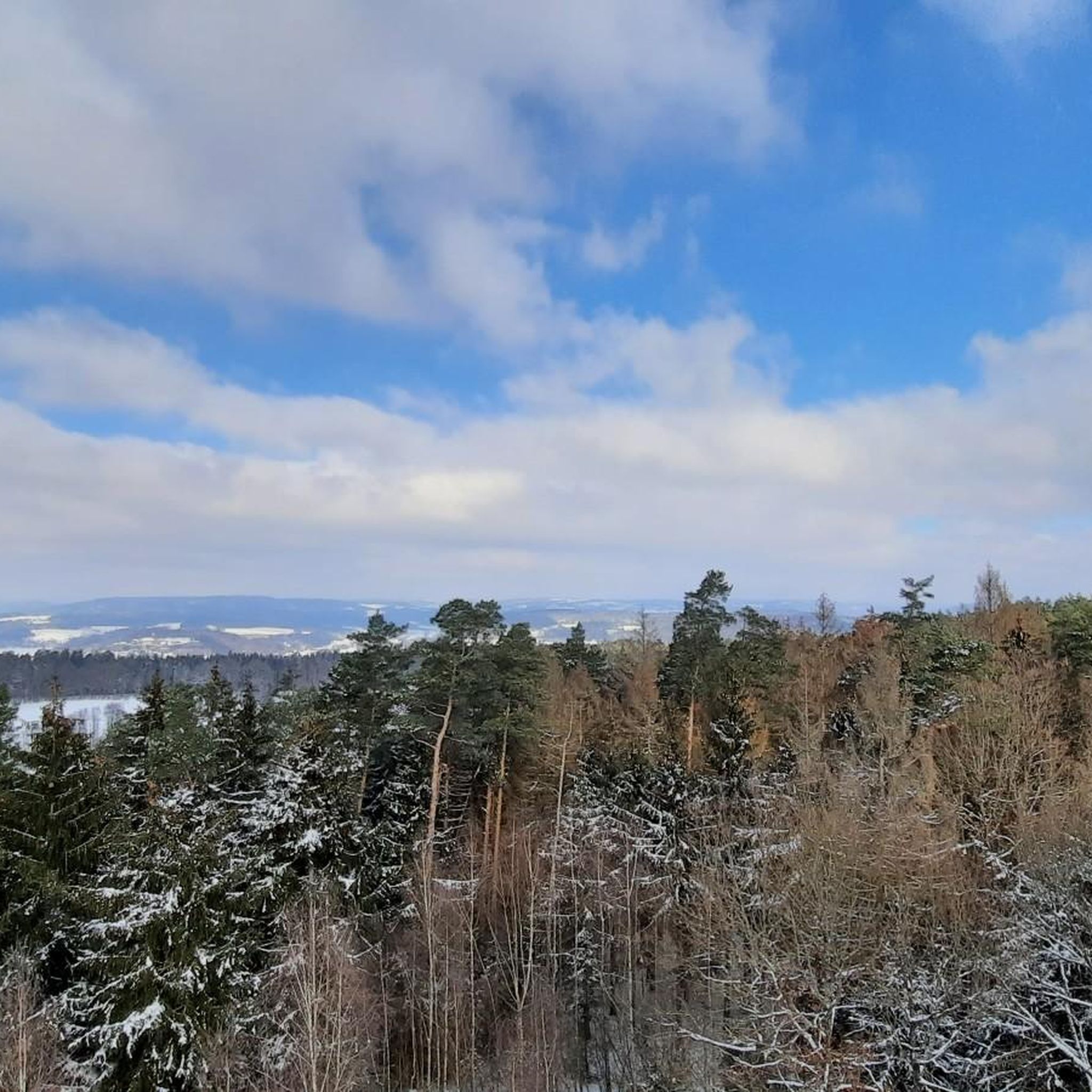
The Nordeck castle ruins are picturesquely situated in the beautiful Steinachtal, very close to the "Waldschänke" inn and directly on the Frankenwald-Steigla "Zum Forstmeistersprung". Unfortunately, you no longer have a view from there, as everything has grown over.
19
0
Frequently Asked Questions
What types of castles can I explore around Weißenbrunn?
The region around Weißenbrunn offers a diverse range of historical fortifications. You can explore imposing hilltop castles like Plassenburg Fortress, unique moated castles such as Mitwitz moated castle, and picturesque castle ruins like Nordeck Castle Ruins, all reflecting centuries of architectural and historical development.
Are there family-friendly castles to visit near Weißenbrunn?
Yes, several castles in the area are considered family-friendly. Plassenburg Fortress, Mitwitz moated castle, and Rosenberg Fortress are all categorized as family-friendly, offering engaging experiences for all ages.
What historical significance does Schloss Weißenbrunn hold?
Schloss Weißenbrunn, a baroque castle, dates back to the early 18th century, with elements from 1723. It was originally the seat of a lower noble family and was damaged during the Peasants' War in 1525 before being restored. Its long history and resilient reconstruction make it a significant cultural landmark in the area.
Can I find hiking trails near the castles around Weißenbrunn?
Yes, the region offers various hiking opportunities. For example, you can find trails like the '🏛️ Lucas Cranach Tower – Sand Pit Pond Weißenbrunn loop' or the 'Wildenberg – Windpark Hain loop' which allow you to explore the natural surroundings near historical sites. You can find more hiking routes in the Hiking around Weißenbrunn guide.
Are there cycling routes that pass by castles in the Weißenbrunn area?
Absolutely. There are several cycling routes, including gravel biking and road cycling, that allow you to see castles. For instance, the 'New Castle Küps – Oberlangenstadt Castle loop from Weißenbrunn' is an easy road cycling route. Explore more options in the Gravel biking around Weißenbrunn and Road Cycling Routes around Weißenbrunn guides.
What cultural events or activities are hosted at castles in the Weißenbrunn area?
Schloss Weißenbrunn serves as a center for art and culture, regularly hosting events such as art and music festivals, 'Weißen Nächte' (White Nights), and classical music concerts. Mitwitz moated castle also hosts cultural events, markets, and festivals, and houses an Ecological Education Center.
Is it possible to visit the interior of all castles?
No, not all castles offer interior access. For example, Schloss Weißenbrunn's interior can only be viewed from the outside. Similarly, Strößendorf Castle is inhabited and cannot be visited internally. However, castles like Mitwitz moated castle and Rosenberg Fortress offer tours and access to their interiors.
What are the best times of year to visit the castles around Weißenbrunn?
The castles and their surrounding areas are enjoyable throughout much of the year. Spring and summer are ideal for exploring gardens and attending outdoor events. Autumn offers beautiful foliage, while winter can provide a unique, serene atmosphere, though some facilities or tours might have reduced hours. Always check specific castle opening times before your visit.
Where can I find viewpoints offering good perspectives of the castles?
Many castles themselves offer excellent viewpoints. Plassenburg Fortress and Rosenberg Fortress are known for their commanding positions. Additionally, the Nordeck Castle Ruins, though overgrown, are picturesquely situated in the Steinachtal.
Are there options for dining or refreshments near the castles?
While specific cafes and restaurants vary by location, larger castles like Rosenberg Fortress often have on-site restaurants. For other castles, you might find inns or eateries in nearby towns. For instance, the 'Waldschänke' inn is very close to the Nordeck Castle Ruins.
What makes Plassenburg Fortress a significant historical site?
Plassenburg Fortress is one of Germany's most imposing and largest Renaissance buildings. It served as a model in fortress construction for a long time and is now the landmark of Kulmbach. Its 'Schöner Hof' with richly decorated arcades brings the atmosphere of a German princely court of the Renaissance to life.
What is unique about Mitwitz moated castle?
Mitwitz moated castle is unique for being surrounded by water and preserving many original furnishings from the 16th to 20th centuries. It also hosts an Ecological Education Center and is a venue for cultural events, markets, and festivals.
Are there any castles that offer unique accommodation?
Yes, Schloss Weißenbrunn offers unique guest rooms with music-inspired designs and furnishings, providing a distinctive accommodation experience within a historical setting.
Most popular routes around Weißenbrunn
Most popular attractions around Weißenbrunn

Get inspired with the komoot mobile app


Explore more
Looking for the best castles somewhere else? Discover other guides around Weißenbrunn:
