Top 20 Castles around Traitsching
Best castles around Traitsching are found within the Upper Bavarian Forest Nature Park, a region known for its historical significance and natural landscapes. This area features several historically significant castles and ruins that offer insights into the region's past. The municipality of Traitsching provides access to these sites, which are often integrated into scenic surroundings. Visitors can explore remnants of medieval architecture and historical sites.
Best castles around Traitsching
- The most popular castles is Schwarzenburg Castle Ruins, a castle…
Last updated: June 24, 2026
Schwarzenburg Castle Ruins
Highlight • Castle
Translated by Google •
Tip by

Wetterfeld Castle Ruins
Highlight • Castle
Translated by Google •
Tip by

Sign up now to discover places like this
Get recommendations on the best single tracks, peaks, & plenty of other exciting outdoor places.
Sign up for free
Runding Castle Ruins
Highlight • Castle
Translated by Google •
Tip by

Sengersberg Castle Ruins
Highlight • Castle
Translated by Google •
Tip by

Buchberg Castle Ruins
Highlight (Segment) • Castle
The first representative of the Puchbergs, who can certainly be referred to this place, was Otto I, first mentioned in 1196. The family originally belonged to the …
Translated by Google •
Tip by

Sign up for free to discover even more castles around Traitsching.
Sign up for free
Already have an account?
Start today with a free account
Your next adventure awaits.
Login or Signup
Tips from the Community

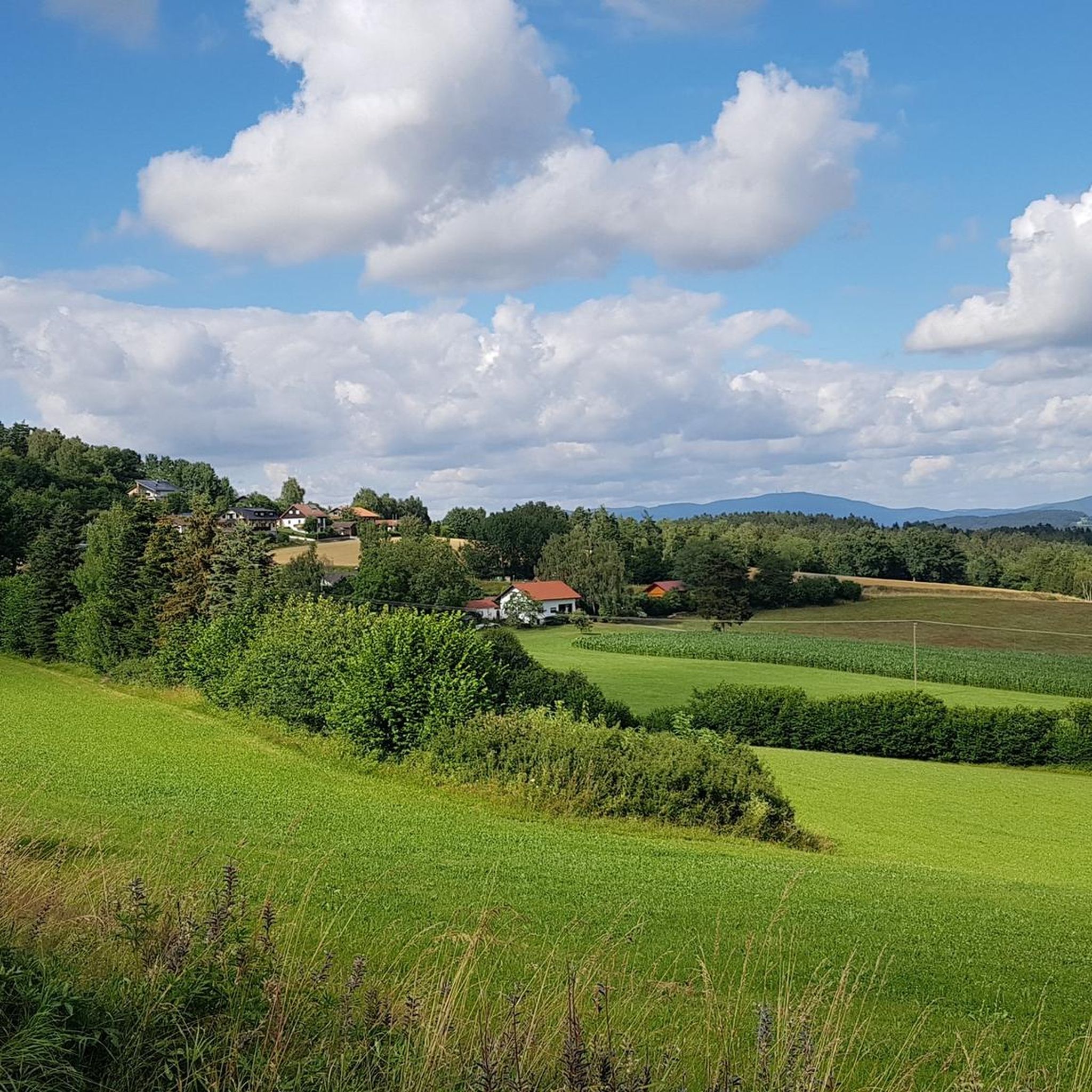
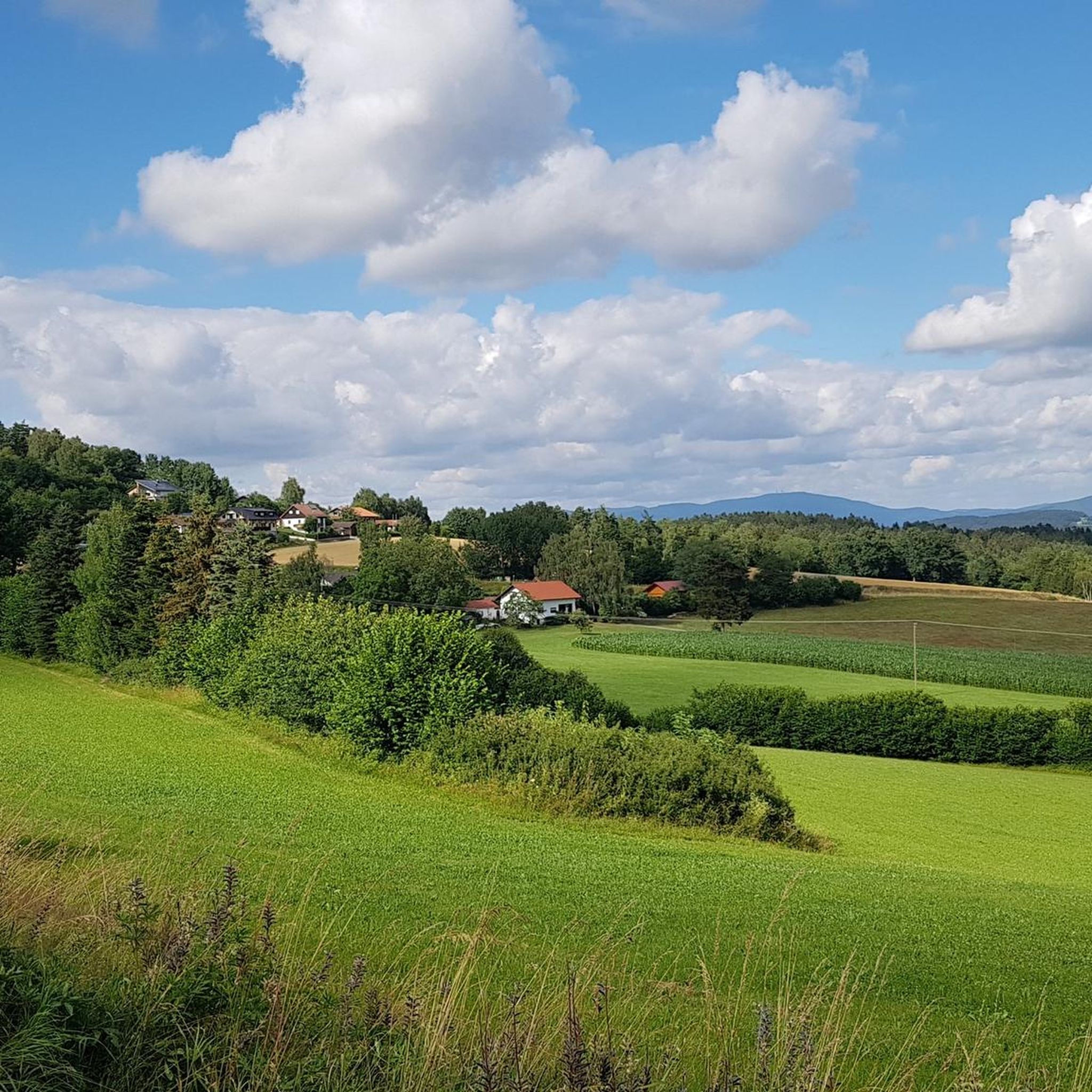
Wetterfeld Castle Ruins As early as 1118, Gottfried von Wetterfeld appears as an influential ministerialis (unfree knight) of the Diepoldings, the powerful Margraves of Cham and Vohburg. He seems to have maintained good relations with many monasteries, especially Reichenbach Abbey—no wonder, since Abbot Reginboto was his brother. Numerous donations to various monasteries by Gottfried are documented, a widespread practice among knights to secure their salvation. In a donation from 1155, Heinrich is even mentioned as an imperial ministerialis, which demonstrates the family's rapid political rise. In 1179, Karl and Heinrich "de Weterinfeld" appear, after which the family disappears from the historical record. It is not until 1268 that we hear of a Deinhardus, who is now subject to the Bavarian dukes; perhaps they lost their independence with the inheritance of the Hohenstaufen dynasty. From 1283 onward, the Wittelsbachs sent judges to Wetterfeld. Ducal ministeriales from the surrounding area succeeded in office: Hauzendorfer, Katzdorfer, Zenger, and others. In 1322, it was pledged to the Chamerau family. In 1329, Wetterfeld came under the control of the Palatine line of the Wittelsbachs, who also appointed judges. In 1410, it passed to the sub-principality of Neumarkt-Neunburg, with the Degenberger, Nothaft, and Zenger families, among others, serving as administrators. During the Hussite raids of 1428 and 1433, the castle was destroyed and subsequently rebuilt. A unique feature of Wetterfeld is the four "castle guards"—four legally independent building complexes within the castle, which were granted separately—making the ownership situation quite complex. In 1621, during the Thirty Years' War, the Upper Palatinate, including Wetterfeld, came under the rule of Duke Maximilian of Bavaria. Later in the war, Wetterfeld was destroyed twice by the Swedes and subsequently rebuilt. But the castle and its buildings continued to deteriorate, and the administrators increasingly relocated their offices outside the castle. In 1812, the administrative office was moved to Roding, the castle grounds were subdivided, and private houses were built over. Wetterfeld is a moated castle—a branch of the Regen River bordered the complex to the northeast. The still clearly visible, deep, walled moat could be filled with sluice gates in case of attack. Essentially, only the large gate tower, built of rubble stone with corner quoins, remains. Its upper, habitable floors make it a variation of the late medieval residential tower. Source: www.burgenseite.de
1
0

The destination isn't worthwhile. The remains of the ruins are completely overgrown. Therefore, you don't get a complete overview and have no long-distance view.
0
0

Great place, in some places you can still see castle walls.
0
0


Magnificent view from up there. Definitely worth a detour.
0
0

This is a fantastic castle ruin with a great view. The ruin is very impressive and has lots of information boards. There are several hiking trails to this ruin, short or long, anything is possible! In the ruin there are several comfortable places to sit and take a break. There is also a wonderful viewing point with a bench. Access is always possible and free!
0
0
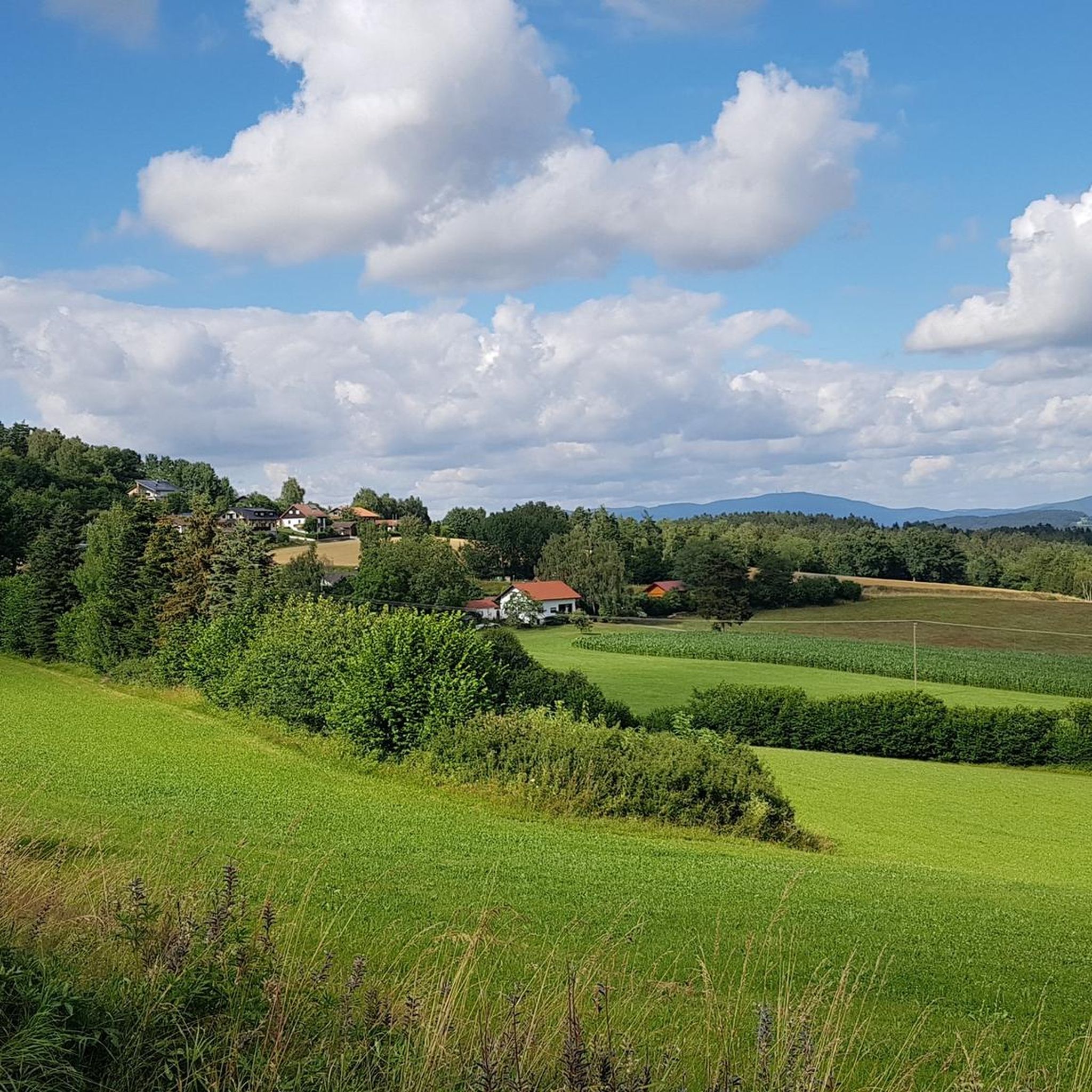
Buchberg Castle Ruins The first representative of the Puchbergs, who can certainly be referred to this place, was Otto I, first mentioned in 1196. The family originally belonged to the Diepoldinger ministeriality, and from 1204 to the Wittelsbacher. Relationships with the Bogeners arose from the widely scattered family property. In 1301, Hildebrand II sold the last remaining share of the castle to Duke Otto III of Lower Bavaria. The focus of the family's possessions now shifted to southern Lower Bavaria. The ancestral castle is said to have been pledged by the dukes to Rudlant Göttlinger in 1320. It was last mentioned in 1331 during the division of Lower Bavaria. It was then possibly used by the Göttlingers as a starting point for raids and destroyed or abandoned by the citizens of Cham. As early as 1347, grazing and usage rights were mentioned on the Buchberg, and in 1470 forests and a former castle. After its abandonment or destruction after 1331, it served as a quarry until recently. The oval complex, with a total length of 150 m and a maximum width of 60 m, is divided into an outer and main castle. The former occupies the highest peak covered with granite blocks at the southern end of the castle hill. To the north-northwest it is secured by a moat up to 12 m wide with an outer rampart, some of which has been preserved. The egg-shaped interior of the main castle measures approx. 50 x 40 m. The lower western part was protected by a ring wall that made clever use of the terrain, a 17 m long section of which has been preserved. The higher part of the castle was surrounded by its own ring wall, some of which can be seen. The southern part of the area was occupied by a large, multi-room building. At the highest point is the base of the keep. To the north-northwest, the main castle is adjoined by a plateau up to 20 m wide. In front of this is a ditch-like structure about 70 m long. It runs into the slope in the east and leaves the access to the main castle free in the west. Overall, the structure of the complex is not easy to understand due to the heavy vegetation. After 1997, the few remaining parts were secured. Source: Extracts from www.ebidat.de
4
0

The Buchberg castle ruins, also known as Schlossberg, are located on a 563-meter-high hill on the Buchberg. The Counts of Bogen built the castle in the 12th century and the Lords of Puchberg joined them later. The castle was destroyed in the 14th century and today only the stump of the keep and the remains of the walls remain.
2
0
Frequently Asked Questions
What are some of the most popular castle ruins to explore near Traitsching?
Visitors frequently enjoy the Schwarzenburg Castle Ruins, known for being one of Bavaria's largest and offering great views. Other popular spots include Buchberg Castle Ruins, a historical site with a viewpoint, and Sengersberg Castle Ruins, which features a summit cross and challenging ascent secured by chains.
Are there any castles around Traitsching that offer cultural events or guided tours?
Yes, the Wasserschloss Loifling, a historic moated castle, now serves as a vibrant municipal cultural center. It hosts cultural events, exhibitions, and courses. Guided tours are available, focusing on the castle's history. It also features a beer garden and is near the Churpfalzpark Loifling amusement park.
Which castles are suitable for families with children?
The Schwarzenburg Castle Ruins and Wetterfeld Castle Ruins are both categorized as family-friendly. Wasserschloss Loifling is also a good option, especially with its proximity to the Churpfalzpark Loifling amusement park, offering a multifaceted destination for families.
Can I combine a castle visit with hiking or other outdoor activities?
Absolutely. Schloss Sattelpeilnstein, though privately owned, is integrated into the 'Schlosspark Sattelpeilnstein' nature reserve, with a hiking trail passing by. You can explore the surrounding natural beauty and geological features. Additionally, many castle ruins like Sengersberg Castle Ruins are part of scenic routes. For more outdoor options, you can find various running trails and cycling routes around Traitsching that often pass by historical sites.
What kind of historical insights do the castles in Traitsching offer?
The castles provide a deep dive into the region's medieval past. Wasserschloss Loifling dates back to the 12th century and showcases architectural evolution through centuries of ownership. Schloss Sattelpeilnstein also has 12th-century origins and was crucial for controlling trade routes. Ruins like Buchberg Castle Ruins and Schwarzenburg Castle Ruins offer glimpses into defensive structures and regional power dynamics from centuries ago.
Are there any castles with good viewpoints or scenic surroundings?
Yes, several castles offer excellent views. Schwarzenburg Castle Ruins is noted for its great views. Buchberg Castle Ruins and Sengersberg Castle Ruins also provide viewpoints, though the latter's view can be partially overgrown. Schloss Sattelpeilnstein, while privately owned, is set within the picturesque 'Schlosspark Sattelpeilnstein' nature reserve, offering a beautiful natural backdrop.
What do visitors particularly enjoy about the castle ruins in the Traitsching area?
Visitors appreciate the historical atmosphere and the scenic beauty. For example, the Schwarzenburg Castle Ruins are praised for their 'beautiful castle ruins with a great view' and being 'definitely worth a visit.' The 'small but nice' Wetterfeld Castle Ruins are also considered 'definitely worth seeing!'
Are there any castles that offer dining options or a place to relax?
Falkenstein – Castle Park, Ruins, and Knight’s Feast is a great option, featuring a restaurant and the possibility of a 'hearty knight's dinner' in its rustic Knight's Hall. You can also relax on the terrace with a drink and enjoy the view. Wasserschloss Loifling also has a beer garden on its premises.
What are the access conditions for castles like Sengersberg Castle Ruins?
For Sengersberg Castle Ruins, the ascent to the summit cross can be quite challenging, requiring good surefootedness and grip. It is secured by stable chains to assist with the climb and descent. While the view to the north is clear, other parts can be overgrown.
Are there any castles that are more about natural beauty than extensive ruins?
Schloss Sattelpeilnstein is a good example. While it has ancient origins and visible remnants of 12th-century walls, it is primarily viewable from the outside as it's privately owned. Its appeal lies significantly in its integration into the 'Schlosspark Sattelpeilnstein' nature reserve, which features a unique blockfield and offers a picturesque setting for hikers.
Can I find cycling routes that pass by castles in the Traitsching region?
Yes, the Traitsching area offers several cycling routes that incorporate castle views. For instance, the 'Danube-Regen Cycle Path – View of Altrandsberg Castle loop from Sattelpeilnstein' is a moderate 39.9 km route. You can explore more options in the Cycling around Traitsching guide.
Most popular routes around Traitsching
Most popular attractions around Traitsching

Get inspired with the komoot mobile app


Explore more
Looking for the best castles somewhere else? Discover other guides around Traitsching:
