Top 12 Castles around Kollnburg
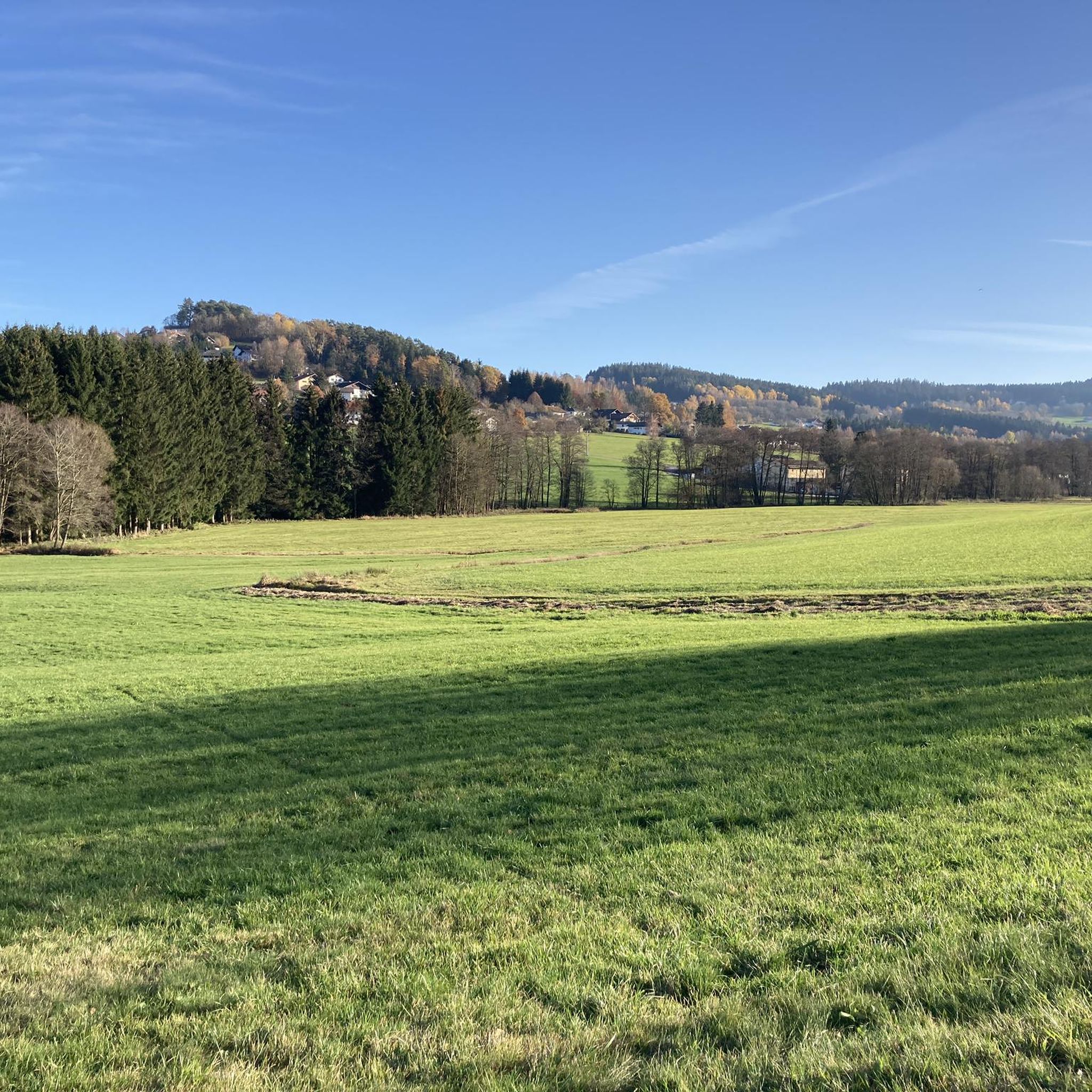
Castles around Kollnburg are situated in the Lower Bavarian Forest, a region characterized by its rolling hills and forested landscapes. The area is known for its historical significance, with numerous medieval castle ruins dotting the terrain. These sites often provide expansive views of the surrounding valleys and peaks of the Bavarian and Bohemian Forests. Kollnburg itself is a state-approved resort, offering a blend of natural beauty and historical exploration.
Best castles around Kollnburg
- The most popular castles is Altnußberg Castle Ruins, a castle that offers a nice area for hiking and mountain biking. It features a beautiful beer garden and is known for smoked trout on certain days.
- Another must-see spot is Kollnburg Castle Tower, a castle and viewpoint. This 11-meter-high tower, also known as "Luginsland," provides panoramic views of the village, surrounding valleys, and the highest peaks of the Bavarian and Bohemian Forests.
- Visitors also love Neunußberg Castle Ruins, a castle with a fantastic all-round view. This small castle ruin is recommended for its scenic outlooks.
- Kollnburg is known for its medieval castle ruins, including those with lookout towers and well-preserved defensive structures. Visitors can explore various types of castles, from those with deep castle wells to those featuring extensive Zwinger systems.
- The castles around Kollnburg are appreciated by the komoot community, with more than 700 upvotes and over 1000 photos shared across the highlights.
Last updated: May 20, 2026
Altnußberg Castle Ruins
Highlight • Castle
Translated by Google •
Tip by

Kollnburg Castle Tower
Highlight • Castle
The castle ruins with their round tower (11 m) and their around 20 meters deep castle fountain are characteristic of the townscape. From the towering castle tower, the “Luginsland”, you not only have a fascinating view of the entire village and the surrounding valleys and mountains, but you can also let your gaze wander to the most distant heights of the Bavarian and Bohemian Forest; Panorama boards provide the necessary information. On the other hand, this striking landmark of the castle village, erected on a “Bald Mountain” created by volcanic forces, is visible from afar, and not only during the day, but especially at night when the illuminated tower breaks through the darkness.
Translated by Google •
Tip by
Sign up now to discover places like this
Get recommendations on the best single tracks, peaks, & plenty of other exciting outdoor places.
Sign up for free
Neunußberg Castle Ruins
Highlight • Castle
Translated by Google •
Tip by
Neurandsberg Castle Ruins
Highlight • Castle
The Ramspergs were originally ministeriales of the Counts of Bogen and were first mentioned in 1190. Their seat was in Altrandsberg, two kilometers north in the Cham district. In 1330, Friedrich the Ramsperg probably built the new castle on his own land. Many Ramspergs entered Bavarian service at the end of the 14th century as stewards, for example, in Saulburg and Mitterfels. In the Hussite Wars around 1430, the Ramspergs fought for the Bavarian duke, but soon became involved in military conflicts with him over compensation. This did not do them any good: in 1436, Duke Ernst had Neuramsperg Castle conquered by Haimeran Heuraus. Unlike nearby castles such as Neunussberg, Neurandsberg was never returned to its owners, but instead became a ducal manor. In 1461, Dukes Sigismund and John visited the castle. The dukes gave the castle to Jörg Heuraus, the guardian of Mitterfels, followed by Sattelbogen, Nussberger, and the Nothaft of Wernberg, among others. In 1582, a prison was established at the castle, but in 1615, it was moved to Mitterfels to serve as the district court. In 1633, the Swedes under Colonel Georg Christoph von Taupadell destroyed the castle, and it was never rebuilt. In 1689, guardian of the castle Erttl of Mitterfels asked Elector Max Emmanuel for permission to rebuild the wooden chapel below the castle, which was threatened by rubble. This was approved, and the castle ruins were used as a quarry.
Upon entering the complex, the first thing that catches your eye is the well-preserved and elaborate Zwinger (mew). The entire castle is surrounded by it, and the walls are topped with several semicircular towers. The north side, opposite the entrance, is particularly elaborately constructed, with three towers and a wall with a battlement. The original access to the complex is no longer immediately recognizable. Access to the inner castle is, in any case, through a simple gateway in the south of the polygonal circular wall made of rubble stone. The interior of the inner castle is difficult to discern, revealing its structural layout. The buildings were likely leaning against the inner wall, some of which are still well preserved. The site is still being secured.
Source: Excerpts from burgenseite.de
Translated by Google •
Tip by

Altrandsberg Castle
Highlight • Castle
The Randsberg/Ramsperger family is documented as ministeriales of the Counts of Bogen from 1165, beginning with Albrecht and Erasmus von Randsberg. The family's connections to the Bishopric of Passau are also documented. After the extinction of the Counts of Bogen in 1242, the family passed into the ministerial sphere of the Wittelsbach dynasty. In 1330, the Neurandsberg line was founded, which led to the gradual naturalization of the name Altrandsberg for the ancestral seat. The family held important offices in ducal service. In the mid-15th century, after disputes with the sovereign, there were several changes of ownership, which ended with the transfer to the Paulsdorf family no later than 1483. It was acquired by Heinrich Nothafft in 1515. Around 1620, Altrandsberg passed to Hans Christoph von Berlichingen, and in 1676, after several interim owners, to Hans Wolf von Leoprechting. Altrandsberg remained in the possession of this family until 1847, then passed into burgher hands and into municipal ownership in 1895.
The construction history of the complex, which was significantly altered, especially in the 17th century, is only broadly understood. The oldest remains are the foundations of the square keep, uncovered in 1987, the curtain wall on three sides, and parts of a multi-part residential building on the east side. These likely date back to the second half of the 12th century. The older enclosure wall, which tightly enclosed the main castle on three sides, was probably also built in the 13th century.
In the 15th century, in addition to alterations to the residential buildings, the chapel, first mentioned in 1483, was built. The conversion to a palace may have already begun under the Nothafft family. Under Hans Wolf von Leoprechting, the new west wing, which still dominates the complex today, and the arcades on the north wing were built. The 19th century led to numerous extensive changes to the interior. The buildings from the 17th and 18th centuries were largely demolished in the 20th century.
Only remnants of the High Medieval structure remain. In the area of the trapezoidal main castle, these include the foundations of the square keep and its round successor, as well as large sections of the curtain wall and the palace, which was later rebuilt many times. The entire complex and the courtyard are largely dominated by the alterations and new buildings of the late 17th and 18th centuries, including arcades behind the former battlements in the north and the then newly built west wing with its restored Baroque façade.
Source: Excerpts from ebidat.de
Translated by Google •
Tip by
Sign up for free to discover even more castles around Kollnburg.
Sign up for free
Already have an account?
Start today with a free account
Your next adventure awaits.
Login or Signup


Tips from the Community

Altrandsberg Castle The Randsberg/Ramsperger family is documented as ministeriales of the Counts of Bogen from 1165, beginning with Albrecht and Erasmus von Randsberg. The family's connections to the Bishopric of Passau are also documented. After the extinction of the Counts of Bogen in 1242, the family passed into the ministerial sphere of the Wittelsbach dynasty. In 1330, the Neurandsberg line was founded, which led to the gradual naturalization of the name Altrandsberg for the ancestral seat. The family held important offices in ducal service. In the mid-15th century, after disputes with the sovereign, there were several changes of ownership, which ended with the transfer to the Paulsdorf family no later than 1483. It was acquired by Heinrich Nothafft in 1515. Around 1620, Altrandsberg passed to Hans Christoph von Berlichingen, and in 1676, after several interim owners, to Hans Wolf von Leoprechting. Altrandsberg remained in the possession of this family until 1847, then passed into burgher hands and into municipal ownership in 1895. The construction history of the complex, which was significantly altered, especially in the 17th century, is only broadly understood. The oldest remains are the foundations of the square keep, uncovered in 1987, the curtain wall on three sides, and parts of a multi-part residential building on the east side. These likely date back to the second half of the 12th century. The older enclosure wall, which tightly enclosed the main castle on three sides, was probably also built in the 13th century. In the 15th century, in addition to alterations to the residential buildings, the chapel, first mentioned in 1483, was built. The conversion to a palace may have already begun under the Nothafft family. Under Hans Wolf von Leoprechting, the new west wing, which still dominates the complex today, and the arcades on the north wing were built. The 19th century led to numerous extensive changes to the interior. The buildings from the 17th and 18th centuries were largely demolished in the 20th century. Only remnants of the High Medieval structure remain. In the area of the trapezoidal main castle, these include the foundations of the square keep and its round successor, as well as large sections of the curtain wall and the palace, which was later rebuilt many times. The entire complex and the courtyard are largely dominated by the alterations and new buildings of the late 17th and 18th centuries, including arcades behind the former battlements in the north and the then newly built west wing with its restored Baroque façade. Source: Excerpts from www.ebidat.de
2
0
Neurandsberg Castle Ruins The Ramspergs were originally ministeriales of the Counts of Bogen and were first mentioned in 1190. Their seat was in Altrandsberg, two kilometers north in the Cham district. In 1330, Friedrich the Ramsperg probably built the new castle on his own land. Many Ramspergs entered Bavarian service at the end of the 14th century as stewards, for example, in Saulburg and Mitterfels. In the Hussite Wars around 1430, the Ramspergs fought for the Bavarian duke, but soon became involved in military conflicts with him over compensation. This did not do them any good: in 1436, Duke Ernst had Neuramsperg Castle conquered by Haimeran Heuraus. Unlike nearby castles such as Neunussberg, Neurandsberg was never returned to its owners, but instead became a ducal manor. In 1461, Dukes Sigismund and John visited the castle. The dukes gave the castle to Jörg Heuraus, the guardian of Mitterfels, followed by Sattelbogen, Nussberger, and the Nothaft of Wernberg, among others. In 1582, a prison was established at the castle, but in 1615, it was moved to Mitterfels to serve as the district court. In 1633, the Swedes under Colonel Georg Christoph von Taupadell destroyed the castle, and it was never rebuilt. In 1689, guardian of the castle Erttl of Mitterfels asked Elector Max Emmanuel for permission to rebuild the wooden chapel below the castle, which was threatened by rubble. This was approved, and the castle ruins were used as a quarry. Upon entering the complex, the first thing that catches your eye is the well-preserved and elaborate Zwinger (mew). The entire castle is surrounded by it, and the walls are topped with several semicircular towers. The north side, opposite the entrance, is particularly elaborately constructed, with three towers and a wall with a battlement. The original access to the complex is no longer immediately recognizable. Access to the inner castle is, in any case, through a simple gateway in the south of the polygonal circular wall made of rubble stone. The interior of the inner castle is difficult to discern, revealing its structural layout. The buildings were likely leaning against the inner wall, some of which are still well preserved. The site is still being secured. Source: Excerpts from www.burgenseite.de
2
0

The castle was the ancestral seat of the Nussbergers, the hereditary marshals of Bavaria. The hereditary marshal organized the defense of Bavaria. He was responsible for the expansion of the castles, the training of men-at-arms and the production of weapons.
9
0

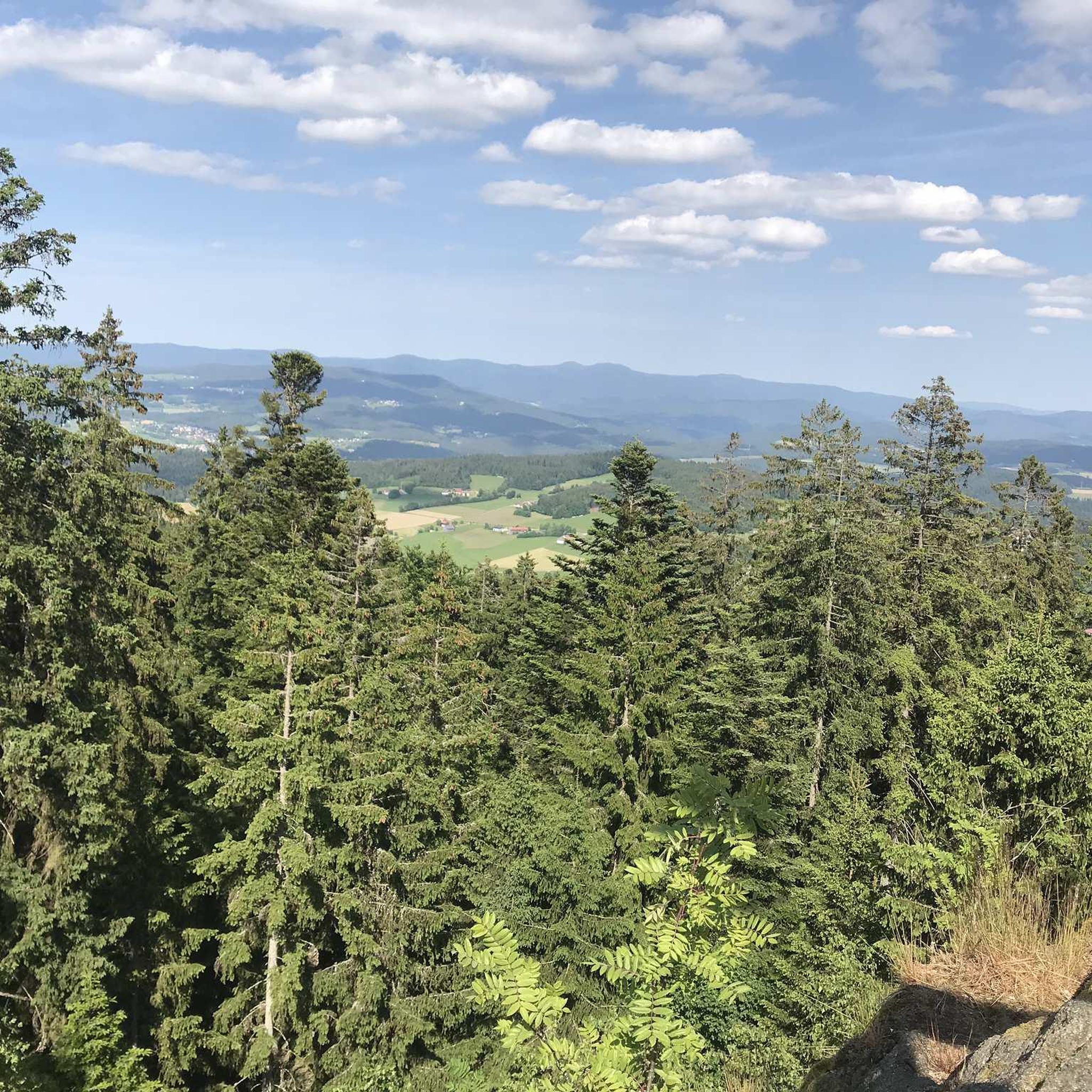
From the 11-meter-high tower of the castle ruins, which lie at an altitude of 660 meters, you have a sweeping view of the Bavarian Forest all the way to the Arber, which rises about 30 km to the east.
2
0

Great area for hiking and biking. Beautiful view from the tower.
12
0

The tower, which is freely accessible for a little obulos, is very pretty! The view is very, very beautiful!
7
1
A very nice place with a beautiful view!
12
0
Frequently Asked Questions
What are some of the most notable castles to visit around Kollnburg?
Among the most notable are the Altnußberg Castle Ruins, known for its hiking and mountain biking opportunities and a beautiful beer garden. The Kollnburg Castle Tower offers panoramic views, while Neunußberg Castle Ruins provides fantastic all-round views from its small ruin.
What historical significance do the castles around Kollnburg hold?
The castles in the Kollnburg region are rich in history, often dating back to medieval times. For example, Neurandsberg Castle Ruins has a history stretching back to 1190, with periods of ducal ownership and destruction during the Thirty Years' War. Altrandsberg Castle, first mentioned in 1165, shows remnants of 12th-century construction and later alterations, reflecting centuries of changing ownership and architectural styles.
Are there any castles with particularly good viewpoints?
Yes, several castles offer excellent views. The Kollnburg Castle Tower, also known as "Luginsland," provides magnificent panoramic views of the entire village, surrounding valleys, and the highest peaks of the Bavarian and Bohemian Forests. Neunußberg Castle Ruins is also highly recommended for its fantastic all-round views.
What makes Kollnburg Castle (Burgruine Kollnburg) a unique visit?
The Kollnburg Castle Tower, the most striking feature of the Burgruine Kollnburg, offers expansive views from its 11-meter-high keep. Visitors can also explore the 17.5-meter-deep castle well and the courtyard, which hosts events. The castle is steeped in local legends, including tales of hidden treasures and ghostly figures, adding an intriguing layer to its historical significance. It's freely accessible and illuminated at night, making it a prominent landmark.
Are the castles around Kollnburg family-friendly?
Many of the castle sites are suitable for families. For instance, both Altnußberg Castle Ruins and the Kollnburg Castle Tower are categorized as family-friendly. Exploring the ruins, climbing towers for views, and imagining medieval life can be an engaging experience for all ages.
What outdoor activities can I combine with a castle visit near Kollnburg?
The region around Kollnburg is excellent for outdoor activities. You can find numerous routes for cycling, road cycling, and mountain hikes. For example, you can explore the cycling routes around Kollnburg or embark on mountain hikes that often lead to or past these historical sites, offering a blend of nature and history.
Are there hiking trails leading to or around the castles?
Yes, hiking is a popular activity in the area. The Altnußberg Castle Ruins are situated in a nice area for hiking, often involving a steep but rewarding climb. Many of the castles are integrated into the local trail network, allowing you to combine historical exploration with scenic walks. You can find various options, including moderate to difficult mountain hikes, in the vicinity.
Can I go cycling near the castles in Kollnburg?
Absolutely. The Kollnburg area offers a variety of cycling opportunities. There are dedicated cycling routes and road cycling routes that allow you to explore the landscape and visit castles. Some routes, like those around Altnußberg, are also suitable for mountain biking.
Are there any castles with amenities like food or drink nearby?
Yes, the Altnußberg Castle Ruins feature a beautiful beer garden. They are also known for serving smoked trout on certain days (Wednesdays and Saturdays outside of July and August, when musical evenings are held on Thursdays). It's a great spot to relax and refuel after exploring the ruins.
How accessible are the castle ruins, and is parking available?
Many of the castle ruins, such as the Kollnburg Castle Tower, are freely accessible to visitors. While specific parking details for each ruin vary, the region is generally well-equipped for tourists, and parking is typically available near popular historical sites or trailheads leading to them.
What do visitors particularly enjoy about the castles around Kollnburg?
Visitors frequently praise the fantastic panoramic views offered by many of the castle ruins, such as those from Kollnburg Castle Tower and Neunußberg Castle Ruins. The historical atmosphere, the opportunity for hiking and mountain biking, and the presence of amenities like beer gardens at places like Altnußberg Castle Ruins are also highly appreciated.
What is the best time of year to visit the castles around Kollnburg?
The castles around Kollnburg are enjoyable throughout much of the year. Spring and autumn offer pleasant temperatures for hiking and exploring the ruins, with beautiful foliage in the fall. Summer is ideal for combining visits with outdoor activities and enjoying amenities like beer gardens. While winter visits can be scenic, some paths might be less accessible, and certain amenities may have reduced hours.
Most popular routes around Kollnburg
Most popular attractions around Kollnburg

Get inspired with the komoot mobile app


Explore more
Looking for the best castles somewhere else? Discover other guides around Kollnburg:
