Top 20 Castles around Hienheimer Forst
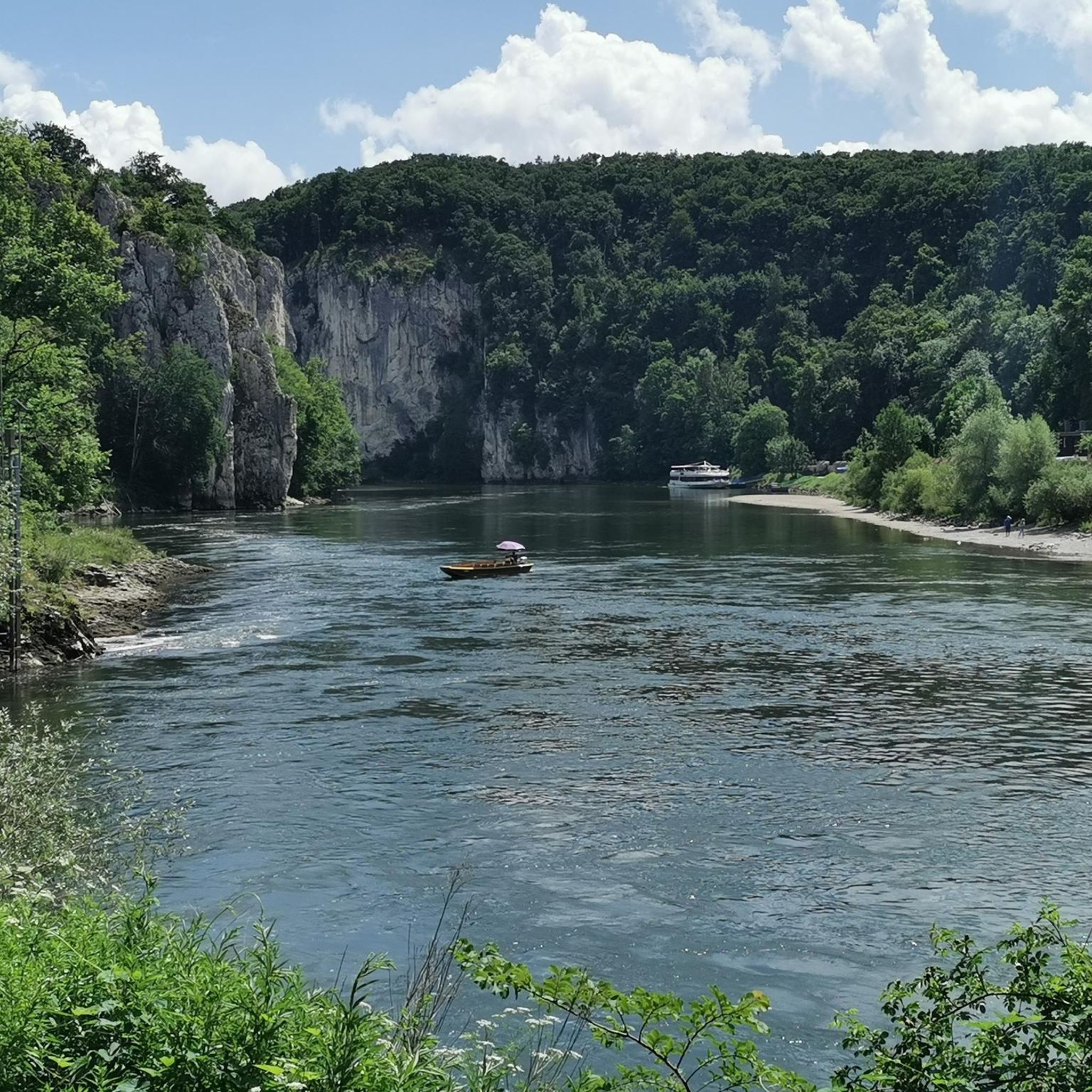
Best castles around Hienheimer Forst are found in the immediate vicinity of this largely forested area, particularly within the scenic Altmühl Valley. These historical sites offer insights into centuries of Bavarian history and Roman military presence. The region features a diverse landscape with dramatic rock formations and river valleys.
Best castles around Hienheimer Forst
- The most popular castles is Randeck Castle, a castle ruin high above the Altmühltal. Its keep offers magnificent panoramic views of the Altmühltal and Essing. …
Last updated: October 9, 2026
View of Prunn Castle
Highlight • Viewpoint
Translated by Google •
Tip by

Prunn Castle
Highlight • Castle
Translated by Google •
Tip by

Sign up now to discover places like this
Get recommendations on the best single tracks, peaks, & plenty of other exciting outdoor places.
Randeck Castle
Highlight • Castle
Showing Translation
Tip by

Rosenburg Castle and Falconry
Highlight • Castle
Translated by Google •
Tip by

Hexenagger Castle
Highlight • Castle
Translated by Google •
Tip by

Sign up for free to discover even more castles around Hienheimer Forst.
Already have an account?
Start today with a free account
Your next adventure awaits.

Tips from the Community

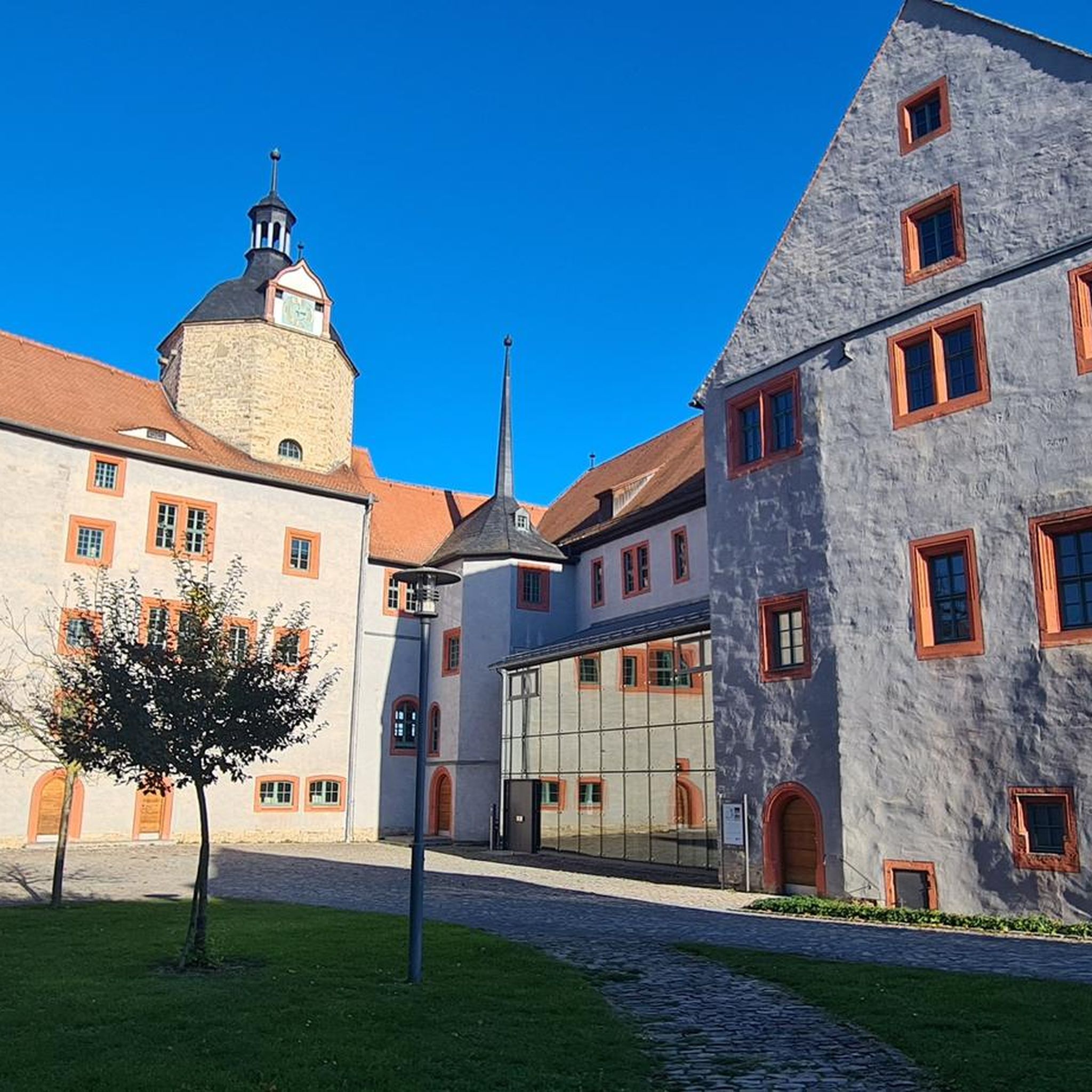
Hexenagger Castle A Dietricus von Haecsenakker is mentioned as early as 928 in a Regensburg document from the St. Emmeram Monastery; further information is scarce. In 1311, Gottfried Hexenacker became Bishop of Freising. He had studied in Bologna and served as dean of the cathedral there for many years. In 1314, he died of an infectious disease while on a tour of inspection in Vienna. In 1485, the castle passed through marriage to the Counts of Helfenstein, who sold the fortress to Duke William of Bavaria in 1528. He gave Hexenagger to the Muggenthal family as a fief. When the castle was destroyed in the Thirty Years' War, the Muggenthal family rebuilt it as a castle. In 1724, the castle was sold to the Bavarian Elector Charles Albert, as the Hexenagger line of the Muggenthal family had died out. In 1731, Elector Karl Albrecht donated the castle to his mistress, Maria Josepha Countess von Morawitzky. Her husband received the castle in 1738, and when he died in 1754, Anton von Kaiserstein became the new owner. Franz Joseph III von Kaiserstein (1792–1893) sold the castle in 1830 and acquired an estate in Sooß (Lower Austria) in exchange. From 1830 to 1951, Hexenagger Castle belonged to the noble family of Weidenbach. Otto Edler von Weidenbach bequeathed it to his niece Ilse von Kalckreuth, who married Wilhelm Leichtfuß, whose son, Eberhard Leichtfuß, owns it today. Hexenagger is a castle between the Renaissance and Baroque periods, built on the foundations of the old castle. In the lower areas and at the corners, ashlars and bossed ashlars, up to several meters high, are still visible on the castle building. The stump of the keep, made of bossed ashlar, is also said to have been preserved, but is not visible from the outside. The defensive character of the complex is best appreciated from the rear, where parts of the curtain wall and wall towers have been preserved. The tall, narrow chapel also still hints at the castle in its form; particularly interesting is the slender, slightly leaning bell tower, which appears to still sit on the older foundations of the medieval chapel tower. The main building itself, with its stepped gable and beautiful garden, presents a romantic sight. The castle is privately owned and not open to the public; the popular Christmas market was relocated to the Wolfgangshof estate near Zirndorf in Middle Franconia in 2023 due to complaints from local residents. Source: www.Burgenseite.de / www.wikipedia.de
2
0

Here you have a beautiful view of the Rosenburg.
4
0
Beautiful complex with the remains of the once proud castle complex from the 11th century. The keep offers a magnificent view of the Altmühltal, the sometimes steeper climb is worth it and the €2 donation is definitely worth it.
6
0

Probably built in the mid-12th century, Rosenburg Castle passed to Duke Ludwig I of Bavaria, the Kelheimer, in 1196 and remained in the possession of the House of Wittelsbach from then on. The extensive complex is essentially Romanesque; after later alterations and destruction in 1525, its present appearance is characterized by the residential buildings with stepped gables, built in the South German Renaissance style. Of particular note is the chapel on the ground floor, with wall paintings dating from around 1560. The castle is used by a privately run falconry center with a hunting and falconry museum; free-flight demonstrations with birds of prey take place in the castle courtyard. https://www.schloesser.bayern.de/deutsch/schloss/objekte/rosenbu.htm
3
0
The Randeck castle ruins were once a notorious “robbing barons’ nest”. Today, the remains of the castle complex are a popular tourist destination, and a wonderful view of the Altmühl valley awaits you from the keep. A visit to the castle ruins is worthwhile, and I can particularly recommend climbing the tower. The views are fantastic. You can even drive up to the castle by car, and the €2 entrance fee as a donation to the castle’s preservation is really well spent. https://www.marktessing.de/sehenswertes/burgruine_randeck-1607/ https://www.sehenswerter-bayerischer-wald.de/besichtigung-burg-randeck-essing-altmuehltal/
6
0

You should definitely take a look at the castle and don't be afraid to climb the tower. You get a great view from up there!
6
0

The tour is also very good and informative! For 6 € not too expensive and up to 18 years free.
19
0
Beautiful castle with well done guide was very informative 👍
17
0
Frequently Asked Questions
What are some of the most historically significant castles in the region?
The area around Hienheimer Forst is rich in history. Prunn Castle is a well-preserved feudal castle known for its Romanesque origins and its connection to the Nibelungenlied. Rosenburg Castle, with its Renaissance architecture, hosts a historic falconry. Randeck Castle is one of Bavaria's oldest castles, offering panoramic views from its ruins. Additionally, the Roman Fort Abusina at Eining provides a glimpse into the Roman Empire's presence along the Limes.
Are there any family-friendly castles to visit near Hienheimer Forst?
Yes, several castles offer engaging experiences for families. Rosenburg Castle and Falconry is particularly popular for its impressive falconry demonstrations featuring birds of prey. Prunn Castle offers guided tours that bring its rich history to life. Exploring the ruins of Randeck Castle and climbing its keep for views can also be an exciting adventure for children.
What kind of views can I expect from the castles in the Altmühl Valley?
The castles in the Altmühl Valley are renowned for their dramatic locations and offer spectacular panoramic views. From the keep of Randeck Castle, you can see sweeping vistas of the Altmühltal and Essing. Prunn Castle, perched on a crag, provides inspiring views of the surrounding landscape. Even from viewpoints like the View of Riedenburg and Rosenburg Castle from Schambachtal Bridge, you get excellent perspectives of the castles and the river valley.
What outdoor activities can I do near these castles?
The region around Hienheimer Forst and its castles is excellent for outdoor activities. You can find numerous routes for gravel biking, mountain biking, and road cycling. For example, explore routes like 'Between Altmühl and Danube - Graveling in the Altmühltal Nature Park' or 'Prunn Castle photo spot – Weltenburg Monastery loop'. You can find more details on these and other routes in our guides for Gravel biking around Hienheimer Forst, MTB Trails around Hienheimer Forst, and Road Cycling Routes around Hienheimer Forst.
Are there guided tours available at the castles?
Yes, guided tours are available at some locations to enhance your visit. Prunn Castle offers guided tours that delve into its history and connection to the Nibelungenlied. These tours typically last around 45 minutes. For specific opening times and tour schedules, it's advisable to check the castle's official website.
Can I visit the castles with my dog?
While the outdoor areas and surrounding trails of many castles are generally dog-friendly, access to interior spaces, museums, or specific attractions like falconry shows may be restricted for dogs. For instance, at Rosenburg Castle and Falconry, it's best to check their specific rules regarding pets before your visit, especially concerning the falconry demonstrations. Always keep dogs on a leash and clean up after them.
What is the best time of year to visit the castles around Hienheimer Forst?
The best time to visit the castles around Hienheimer Forst is generally from spring to autumn (April to October). During these months, the weather is pleasant for exploring the outdoor ruins and enjoying the scenic views. Many castles, like Prunn Castle, have extended opening hours during this period. Winter visits can also be charming, offering a different atmosphere, though some facilities might have reduced hours or be closed.
Are there any cafes or restaurants near the castles?
Yes, you can find dining options near some of the castles. For example, Rosenburg Castle and Falconry has a restaurant, though it's often accessible via the Falkenhof entrance. The towns and villages in the Altmühl Valley, such as Riedenburg and Essing, which are close to castles like Prunn and Randeck, also offer various cafes, restaurants, and pubs.
How long should I plan for a visit to one of these castles?
The duration of your visit depends on the castle and your interest. For a well-preserved castle like Prunn Castle, including a guided tour, you might spend 1.5 to 2 hours. At Rosenburg Castle and Falconry, attending a falconry show and exploring the grounds could take 2-3 hours. For ruins like Randeck Castle, an hour might suffice to explore and enjoy the views, especially if combined with a hike.
Is the Roman Fort Abusina accessible to visitors?
Yes, the Roman Fort Abusina at Eining is an open-air museum and is freely accessible to visitors. You can explore the reconstructed wall remains and learn about its significance as a Roman military outpost on the Limes. It offers a unique historical experience distinct from the medieval castles in the area.
Are there any lesser-known or 'hidden gem' castles in the vicinity?
While the main castles like Prunn, Rosenburg, and Randeck are well-known, the region's charm lies in its historical density. The Roman Fort Abusina, though not a medieval castle, is a significant historical site that might be overlooked by those solely focused on castles. Its unique archaeological importance and free accessibility make it a valuable 'hidden gem' for history enthusiasts.
What makes Prunn Castle special?
Prunn Castle is special for several reasons. It's considered one of Bavaria's best-preserved feudal castles, dramatically perched on a crag above the Altmühl river valley. It's also deeply connected to the Nibelungenlied, as the 'Prunner Codex' (a significant manuscript of the epic) was discovered there. A permanent exhibition explores this connection, making it a cultural highlight.
Most popular routes around Hienheimer Forst
Most popular attractions around Hienheimer Forst

Get inspired with the komoot mobile app


Explore more
Looking for the best castles somewhere else? Discover other guides around Hienheimer Forst:
