The best cycling routes around Günthersbühler Forst
4.5
(8495)
48,673
riders
1,027
rides
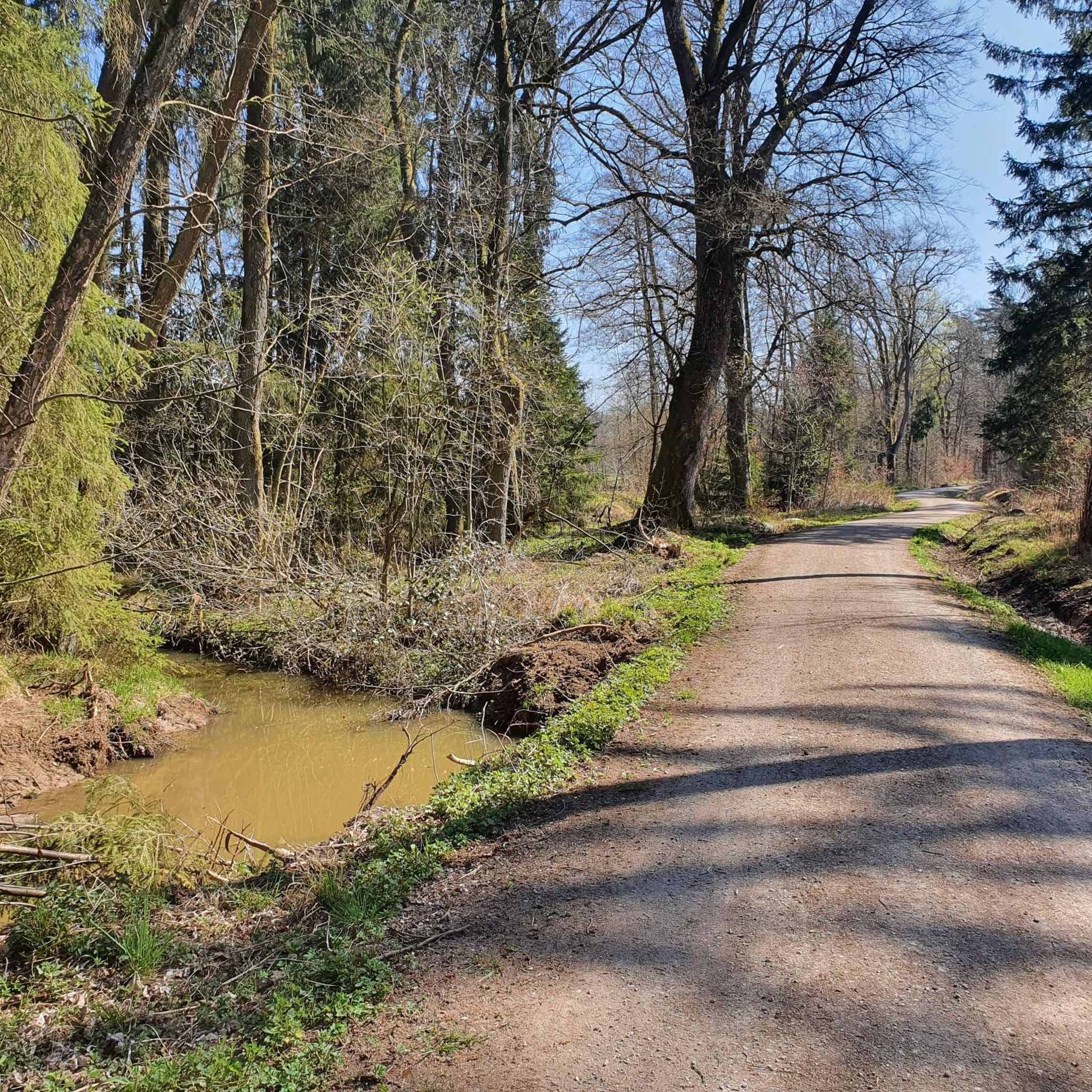
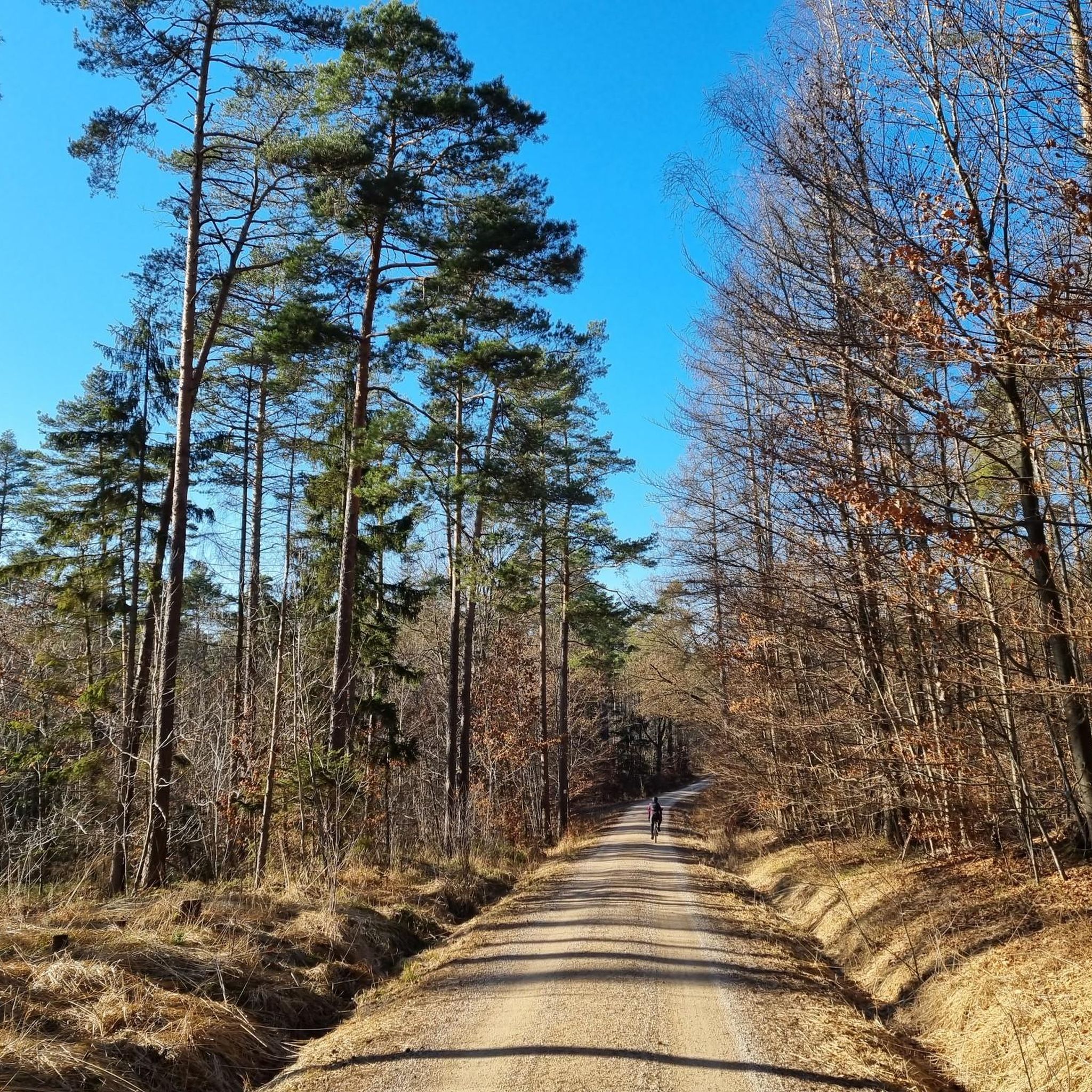
Touring cycling routes around Günthersbühler Forst traverse an extensive forested landscape, part of the larger Sebalder Reichswald in Middle Franconia. The region features varied topography with gentle gradients, making it suitable for diverse cycling experiences. Numerous small waterways, including the Simmelberger Gründlach, contribute to the scenic quality of the routes. This area offers shaded paths through protected natural spaces.
Best touring cycling routes around Günthersbühler Forst
- The most popular touring cycling route is Kombinierte Reichswald-Albtour, a 26.7 miles (43.0…
Last updated: October 1, 2026
4.5
(66)
244
riders
43.0km
03:05
430m
430m
Moderate bike ride. Good fitness required. Mostly paved surfaces. Suitable for all skill levels.
5.0
(3)
39
riders
Hard bike ride. Good fitness required. You may need to push your bike for some segments of this route.

4.0
(3)
36
riders
13.2km
00:50
110m
110m
Easy bike ride. Great for any fitness level. Mostly paved surfaces. Suitable for all skill levels.
5.0
(2)
24
riders
19.1km
01:14
110m
110m
Easy bike ride. Great for any fitness level. Mostly paved surfaces. Suitable for all skill levels.
30
riders
Easy bike ride. Great for any fitness level. Mostly paved surfaces. Suitable for all skill levels.
Get access to more routes and recommendations from other explorers.
Already have an account?
Our route recommendations are based on thousands of hikes, rides, and runs completed by other people on komoot.
Start today with a free account
Your next adventure awaits.

Tips from the Community

Goes along the Pegnitz. Partly meadow path, partly forest path.
0
0

Industrial history bike tour: Hello everyone. I have created a tour of the route and variants with all locations of the information boards and stations in Komoot. Regards Complete with all 26 stations: https://www.komoot.com/de-de/tour/3146362750 Shorter variant https://www.komoot.com/de-de/tour/3154237051 Leinburg loop with run https://www.komoot.com/de-de/tour/3154255681 Have fun
0
0

In the years 1356 - 1360, the then Emperor Charles IV had a stately castle built on the small island on the Pegnitz. It served as a resting place on the way from Nuremberg to the imperial residence in Prague. The coat of arms hall is a stone testament to his power: 112 colorfully painted coat of arms shields of Bohemian noble families are carved into the wall. They were skillfully carved and painted into the sandstone by stonemasons. The coat of arms friezes are among the highest achievements of medieval heraldry.
2
0

A beautifully preserved gate.
2
0

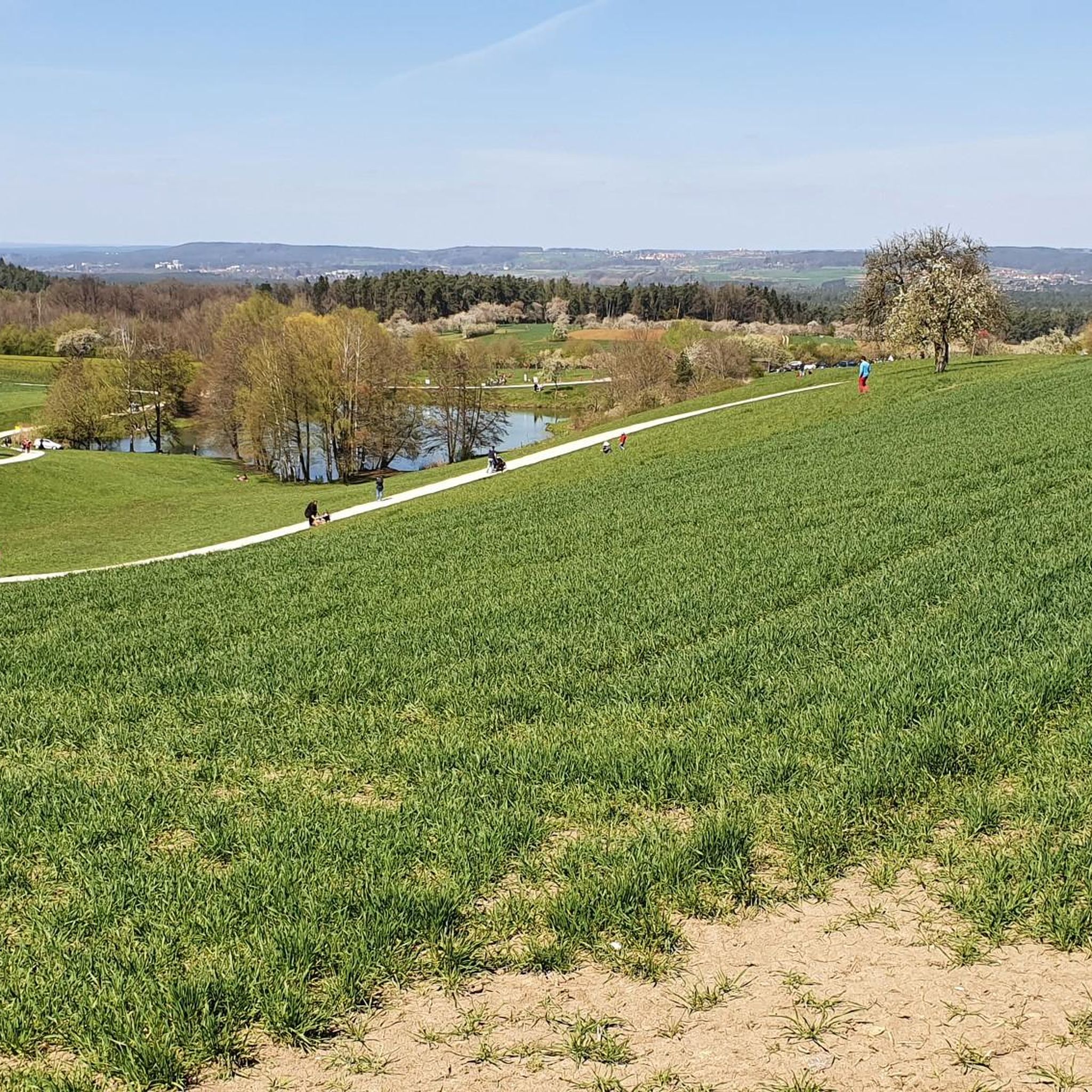
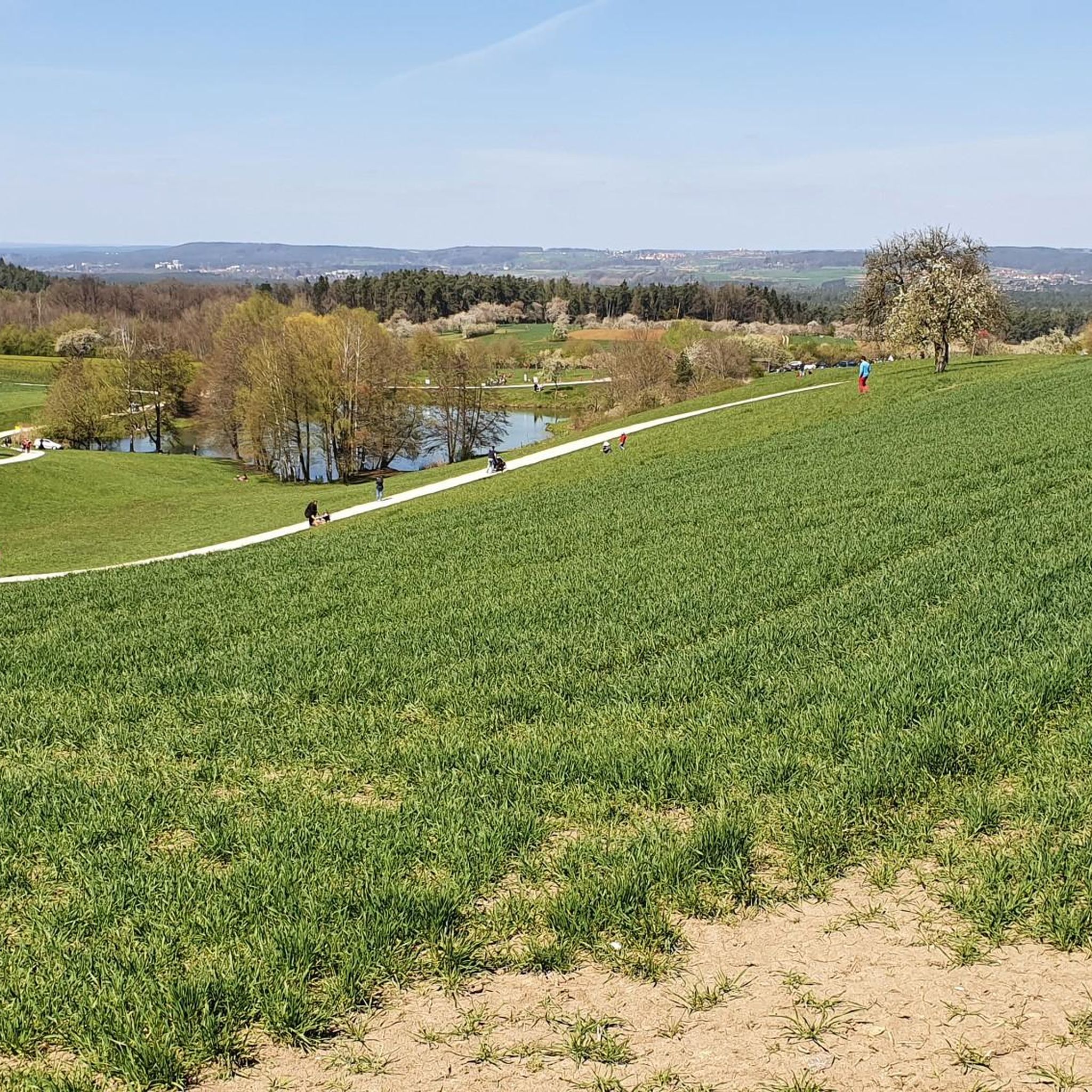
A very beautiful viewpoint on the panoramic trail on the edge of Kalchreuth with a view of, among others, Dormitz, Hetzles and Neunkirchen am Brand.
0
0

The building you see today was built immediately after its destruction in the 2nd Margraves' War. The citizens rebuilt it in record time: Material. Massive sandstone was used, giving the building its characteristic, sturdy appearance to this day. A late Gothic structure with Renaissance influences was created. Particularly striking is the steep timber-framed gable, which was later plastered over. The town hall was much more than just an office for the mayor back then. The open ground floor (the so-called arcades) used to house the bread and meat benches. Bakers and butchers sold their goods here under the protection of the city council. The city council met on the first floor, and justice was administered. The council bell in the turret announced important verdicts or warned of fire. From early on, there was a "council room" in the town hall where the council members were entertained.
9
0
The Nuremberg Gate is the western city gate of Lauf and was part of the medieval city fortifications. It marked the beginning (or end) of the stage on the famous Golden Road in the direction of Nuremberg. The core of the gate dates from the 14th century (approx. 1350), from the time when Emperor Charles IV was also active in Lauf. It is a classic gate tower with a pointed arch passage. The striking half-timbered upper floor and the steep hipped roof give it its typical Franconian appearance.
7
0
The castle was built between 1356 and 1360 by Emperor Charles IV. It was strategically located on the "Golden Road", the important trade route between Nuremberg and Prague. Charles IV used it as a stopover castle and residence to consolidate his claims to power in the region. Today, it houses an external campus of the Nuremberg Academy of Fine Arts.
9
0
Frequently Asked Questions
How many touring cycling routes are available in Günthersbühler Forst?
There are over 1,000 touring cycling routes in Günthersbühler Forst, offering a wide variety of experiences for cyclists of all levels. These routes traverse extensive forested landscapes and varied terrain.
What is the general terrain like for touring cyclists in Günthersbühler Forst?
The terrain in Günthersbühler Forst is characterized by extensive forested areas and varied topography with gentle gradients. You'll find shaded routes, often on well-maintained paths, and picturesque landscapes enhanced by small waterways like the Simmelberger Gründlach. While not overly mountainous, the region includes rolling hills suitable for both leisurely rides and moderate challenges.
What do other cyclists say about the routes in Günthersbühler Forst?
The touring cycling routes in Günthersbühler Forst are highly rated by the komoot community, with an average score of 4.5 stars from over 6,500 reviews. More than 42,000 touring cyclists have used komoot to explore the varied terrain, often praising the extensive wooded areas and the peaceful natural environment.
Are there easy touring cycling routes suitable for beginners?
Yes, Günthersbühler Forst offers over 400 easy touring cycling routes. An excellent option for a relaxed ride is the Stadtkirche Hersbruck – Lauf Castle loop from Günthersbühler Forst, which is 7.9 miles (12.8 km) long and leads through varied terrain.
Are there more challenging routes for experienced touring cyclists?
Absolutely. For those seeking a greater challenge, there are over 220 difficult touring cycling routes available. Consider the View of Gräfenberg and Hetzles – Spectacular view loop from Rückersdorfer Forst, a 17.0 miles (27.3 km) path that offers elevated views over the surrounding landscape.
Can I find circular touring cycling routes in Günthersbühler Forst?
Yes, many of the touring cycling routes in Günthersbühler Forst are designed as loops, allowing you to start and end at the same point. For example, the Scenic Forest Singletrack – New Pegnitz Bridge Rückersdorf loop from Vogelhof is a great circular option, covering 19.3 km (12.0 miles) through scenic forest.
What natural features can I expect to see while cycling?
While cycling through Günthersbühler Forst, you'll experience extensive and protected forest landscapes, gentle undulations of the terrain, and scenic waterways. The area is part of the larger Sebalder Reichswald and includes a 'Naturwald Feuchtwälder im Nürnberger Reichswald,' indicating a rich and varied natural environment with riparian zones and gentle valleys.
Are there any historical or cultural sights to explore along the routes?
Yes, the region offers several points of interest. You can visit View of Wenzel Castle (Lauf Castle), which is incorporated into routes like the Stadtkirche Hersbruck – Lauf Castle loop from Günthersbühler Forst. Additionally, the historical industrial ensemble of Fabrikgut Hammer is freely accessible and offers a cultural diversion amidst the natural scenery.
Are there any waterfalls along the touring cycling routes?
Yes, you can find natural water features in the area. The Klingender Waterfall is a notable highlight within the gorges around Günthersbühler Forst, offering a picturesque stop during your ride.
Are the touring cycling routes in Günthersbühler Forst suitable for families?
Many routes in Günthersbühler Forst are suitable for families, especially the numerous easy-rated tours. The predominantly forested landscape provides shaded paths, and the gentle gradients make for a pleasant experience for all ages. Look for routes with lower difficulty ratings and shorter distances for family-friendly outings.
Can I bring my dog on the touring cycling routes?
Generally, dogs are welcome on trails in Günthersbühler Forst, especially in the extensive forest areas. However, it's always advisable to keep your dog on a leash, especially in protected natural spaces or near wildlife, and to check local regulations for specific routes or nature reserves.
Where can I find parking for touring cycling routes in Günthersbühler Forst?
Given its proximity to municipalities like Lauf an der Pegnitz, Schwaig, and Rückersdorf, you can typically find parking facilities in or near these towns, which serve as common starting points for tours into Günthersbühler Forst. Nuremberg itself also acts as a significant hub with urban cycling routes connecting to the surrounding green areas.
Is Günthersbühler Forst accessible by public transport for cyclists?
Yes, Günthersbühler Forst is well-connected to surrounding towns, which are often accessible by public transport. Nuremberg, a major city nearby, has excellent public transport links that can get you close to the forest's edges, allowing you to start your cycling tour from there. Check local transport schedules for specific connections to towns bordering the forest.
Are there places to stop for refreshments or accommodation near the routes?
Yes, the forest borders municipalities like Lauf an der Pegnitz, Schwaig, and Rückersdorf. These towns offer easy access to amenities, including cafes, restaurants, and accommodation options, perfect for a break or an overnight stay during your touring cycling adventure. The Inn at Oedenberg Castle – View of Günthersbühl loop from Lauf an der Pegnitz, for instance, suggests a route that passes by a potential refreshment stop.
When is the best time of year to go touring cycling in Günthersbühler Forst?
The best time for touring cycling in Günthersbühler Forst is generally from spring through autumn. During these seasons, the weather is mild, and the extensive forested terrain provides pleasant shade. Spring offers blooming nature, while autumn showcases beautiful fall foliage. Summer is also great, but be mindful of warmer temperatures. Winter cycling is possible but may require appropriate gear and awareness of trail conditions.
Most popular routes around Günthersbühler Forst
Most popular attractions around Günthersbühler Forst

Get inspired with the komoot mobile app


Explore more
Browse the best Cycling routes in other regions.
