Attractions and Places To See in Galápagos - Top 20
Attractions and places to see in Galápagos offer a unique blend of natural wonders, diverse wildlife, and significant historical and cultural sites. This UNESCO World Heritage Site is characterized by its volcanic landscapes, including craters, lava tunnels, and dramatic cliffs. The islands' extraordinary ecosystems and unique species were instrumental in Charles Darwin's theory of evolution, solidifying their global scientific importance. Visitors can explore a range of attractions across its many islands.
Best attractions and places to see in Galápagos
- The…
Last updated: July 4, 2026
Charles Darwin Research Station
Highlight • Monument
CDRS) is located in Puerto Ayora on the Galapagos Island of Santa Cruz and
is managed by the international non-profit organization “Charles Darwin
Foundation".
Translated by Google •
Tip by

Morando Art Design Mosaic Garden
Highlight • Monument
Translated by Google •
Tip by

Sign up now to discover places like this
Get recommendations on the best single tracks, peaks, & plenty of other exciting outdoor places.
Sign up for free
Turtle Bay
Highlight (Segment) • Beach
Translated by Google •
Tip by

Playa Brava
Highlight • Beach
Translated by Google •
Tip by

Tijeretas Hill Lookout
Highlight • Viewpoint
Translated by Google •
Tip by

Tintoreras Islet
Highlight • Natural
Translated by Google •
Tip by
Baquerizo Beach
Highlight • Beach
Translated by Google •
Tip by
Marine Iguana Observation Point
Highlight • Viewpoint
Translated by Google •
Tip by
Entrance to Muro de las Lágrimas Wetlands Complex
Highlight • Rest Area
Translated by Google •
Tip by
The Wall of Tears
Highlight • Historical Site
Translated by Google •
Tip by
Sign up for free to discover even more attractions in Galápagos.
Sign up for free
Already have an account?
Start today with a free account
Your next adventure awaits.
Login or Signup
Popular around Galápagos
Tips from the Community

A very quiet beach with lots of wildlife. You can snorkel with iguanas and sea turtles and watch them eating and sunbathing. We were advised to arrive around midday, as that's when the animals are most active on the shore and beach.
0
0

The trail is a bit long and can be strenuous, especially in very hot and humid weather. Bring plenty of water and sunscreen! There's also a seating area halfway along the trail where you can take a break.
0
0

Here, an extremely creative person has apparently left a large number of wonderfully colored, lovingly designed ceramic mosaics on the walls of a tube-like plot of land between the street and the sea. The small open-air gallery is freely accessible through a massive portal; locked doors on the right and left separate the area from private properties; at the end the gallery opens to the sea. Definitely worth a visit!
0
0

Las Tintoreras Islet (also called Tintorera or Villamil) is an island south of Puerto Villamil Bay on Isabela Island, which is part of the Galapagos Archipelago and National Park, including administration in the Galapagos Province. It is accessible by boat ride where iguanas, pugs, penguins and seabirds can be seen. Source: https://en.wikipedia.org/wiki/Las_Tintoreras_Islet
0
0
Tijeras is also used to describe frigate birds that open their tails like scissors (Spanish Tijeras) in flight,
3
0
In contrast to the other beaches after the information center, it is a real natural, nevertheless well-marked hiking trail of one hour from the Mirador for watching the frigate birds, which takes you to the beautiful and relatively lonely beach. Here you can also snorkel and with luck you can also see turtles in the water.
1
0


Super nice view and the national park is also really worth seeing.
1
0
Frequently Asked Questions
What are some of the most striking natural landmarks to visit in Galápagos?
The Galápagos Islands are renowned for their unique natural formations. You can explore iconic sites like Turtle Bay, known for its pristine white sand and abundant wildlife, or the more challenging Playa Brava. Other notable natural features include Pinnacle Rock on Bartolomé Island, the dramatic Kicker Rock near San Cristóbal, the vast Sierra Negra Volcano on Isabela, and the unique lava formations of Los Túneles. Don't miss Las Grietas for crystal-clear swimming pools or Los Gemelos, impressive sinkholes surrounded by Scalesia forests.
Are there family-friendly attractions in Galápagos?
Yes, the Galápagos offers several family-friendly attractions. The Charles Darwin Research Station is an excellent place for all ages to learn about conservation and see giant tortoises. Turtle Bay is also a great spot, though swimming is restricted in some areas due to strong waves. The Morando Art Design Mosaic Garden offers a creative and engaging experience. Many beaches and wildlife observation points are suitable for families, allowing children to witness the unique Galápagos fauna up close.
What historical and cultural sites can I explore in Galápagos?
Beyond its natural wonders, Galápagos has significant historical and cultural sites. The Charles Darwin Research Station in Puerto Ayora is a key site for understanding the islands' scientific importance and conservation efforts. On Isabela Island, you can visit The Wall of Tears, a poignant historical monument built by prisoners. The Interpretation Center on San Cristóbal Island provides detailed insights into the islands' history, geology, and Darwin's impact. Post Office Bay on Floreana Island also offers a unique historical tradition.
Where can I observe marine iguanas and other unique wildlife?
The Galápagos Islands are a prime destination for wildlife observation. The Marine Iguana Observation Point is an excellent spot where these unique reptiles gather to warm up after their sea excursions. You can also see marine iguanas at Turtle Bay and Espinosa Point on Fernandina Island, which is exceptionally rich in wildlife including marine iguanas, penguins, and flightless cormorants. Lobería Bay on San Cristóbal is home to a large sea lion colony, while Suárez Point on Española Island is known for Nazca and blue-footed boobies.
Are there good viewpoints for scenic photography in Galápagos?
Absolutely. The Galápagos offers numerous stunning viewpoints. Tijeretas Hill Lookout provides panoramic views, perfect for capturing the island's beauty. Pinnacle Rock on Bartolomé Island is an iconic, sharply shaped volcanic formation offering stunning photographic opportunities of a lunar-like landscape. Kicker Rock also provides dramatic vistas, especially from the water. Many of the islands' volcanic landscapes, dramatic cliffs, and pristine beaches offer incredible backdrops for photography.
What outdoor activities and hiking trails are available near the attractions?
The Galápagos offers a variety of outdoor activities, particularly hiking. You can find numerous trails for different skill levels. For example, a moderate hike is the "Playa Brava – Turtle Bay loop from Puerto Ayora" (8.1 km). An easier option is the "Tijeretas Hill Lookout – View of Frigatebird Hill loop from Puerto Baquerizo Moreno" (5.9 km). For more detailed information on hiking and running routes, you can explore the Hiking in Galápagos and Running Trails in Galápagos guides.
What is the best time of year to visit Galápagos for wildlife viewing and good weather?
The Galápagos Islands generally have two main seasons, both offering unique wildlife viewing opportunities. The warm and wet season (December to May) brings warmer air and water temperatures, making it ideal for swimming and snorkeling. This is also when many species breed. The cool and dry season (June to November) has cooler temperatures and choppier seas, but it's excellent for seeing marine life like whales and dolphins, and many seabirds are active. There isn't a single 'best' time, as it depends on your priorities for weather and specific wildlife encounters.
Are there any unique geological features to explore?
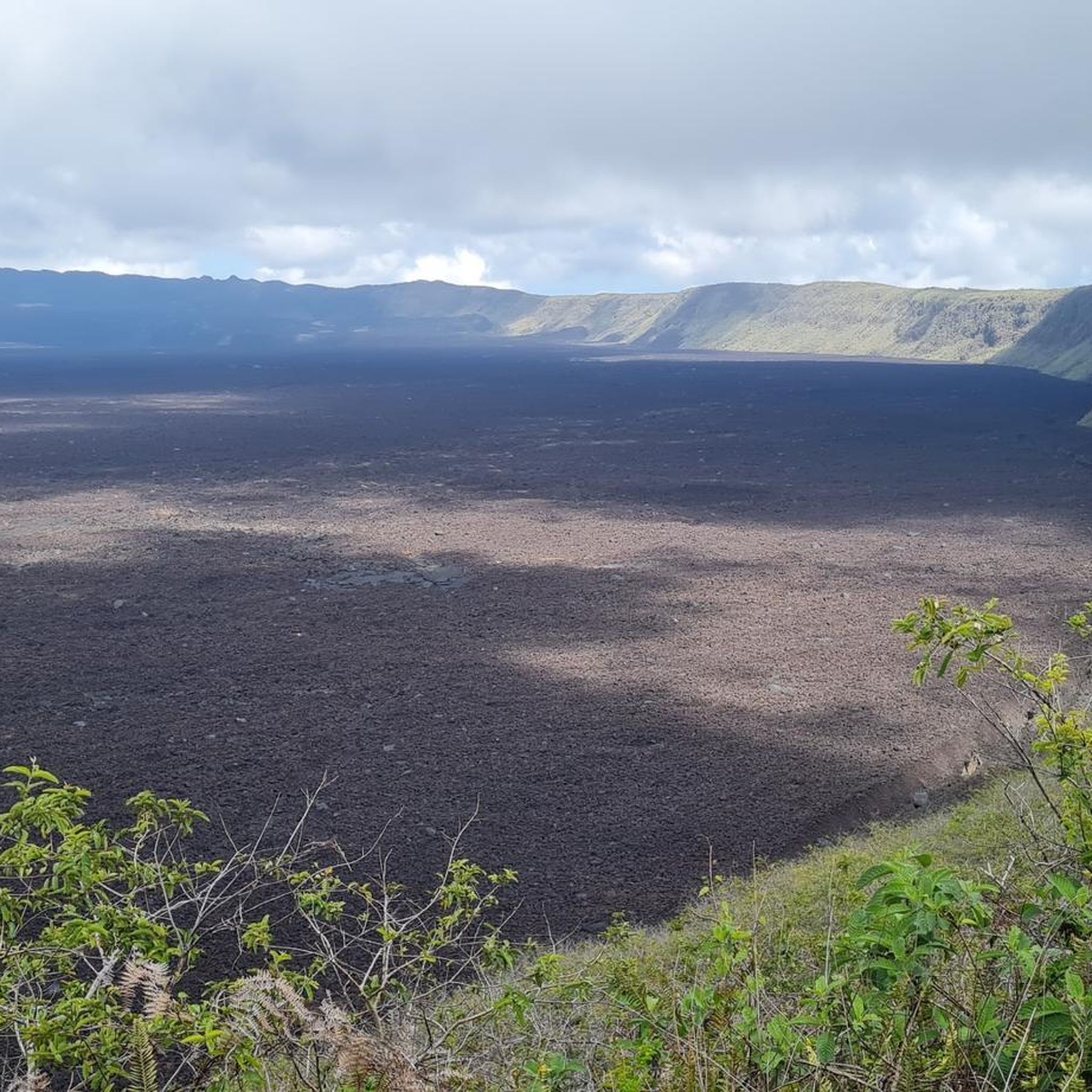
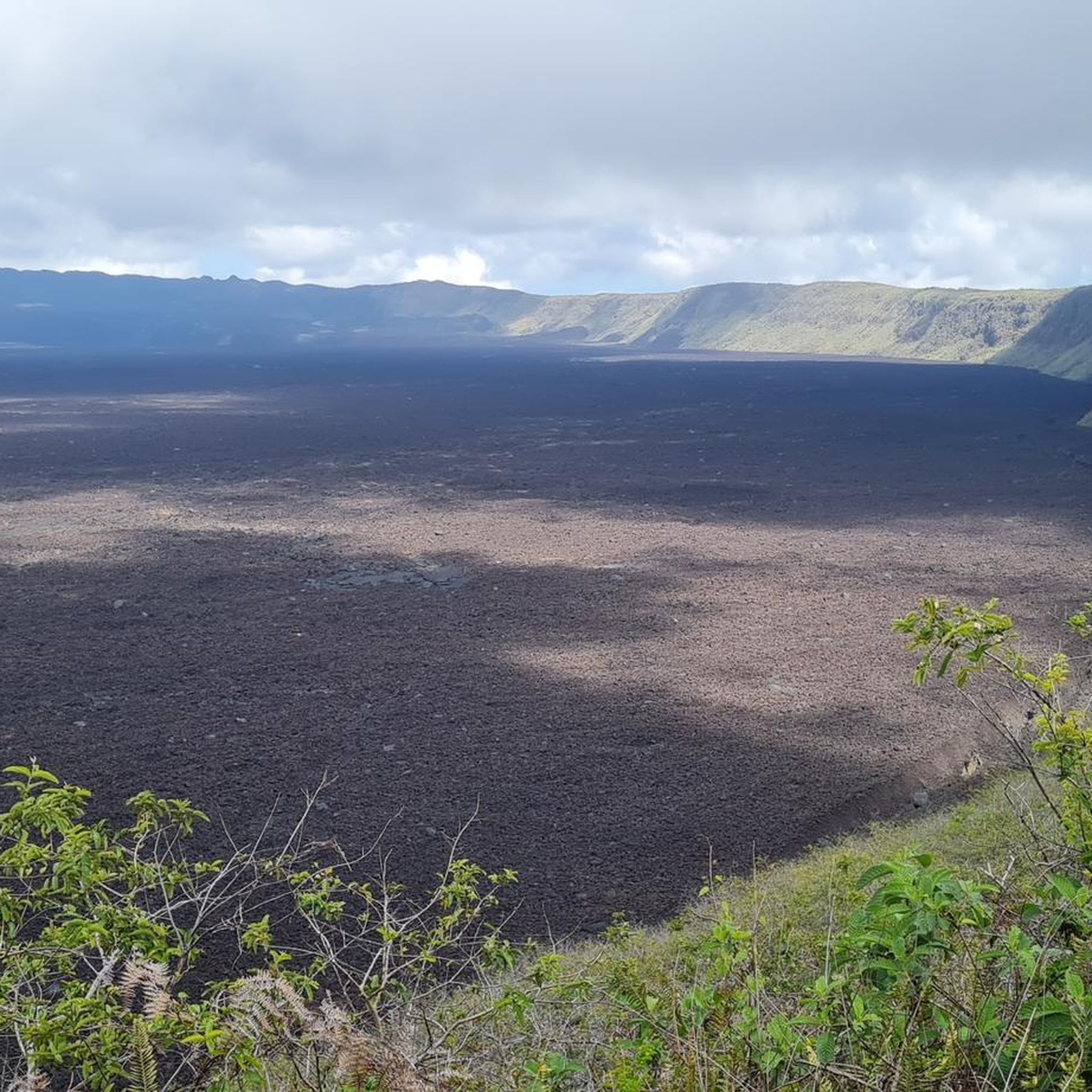
Yes, the Galápagos is a geological marvel. You can explore the second-largest volcanic caldera in the world at Sierra Negra Volcano on Isabela Island, complete with thermal vents. Los Túneles, also on Isabela, features unique lava formations that create natural tunnels and bridges. Las Grietas on Santa Cruz offers a chance to swim in crystal-clear pools formed between volcanic rock. The impressive sinkholes of Los Gemelos, formed by collapsed magma chambers, are another fascinating geological site.
What do visitors enjoy most about the attractions in Galápagos?
Visitors consistently praise the unparalleled wildlife encounters and the pristine natural beauty of the Galápagos. Many highlight the opportunity to see animals like marine iguanas, sea lions, and giant tortoises up close in their natural habitats, often without fear of humans. The unique volcanic landscapes, beautiful beaches like Turtle Bay, and the sense of being in a truly special, untouched environment are frequently mentioned as highlights. The conservation efforts, particularly at the Charles Darwin Research Station, also leave a lasting impression.
Are there any hidden gems or less-known spots worth visiting?
While many sites are well-known, some offer a more secluded experience. Concha Perla on Isabela Island, with its crystal-clear waters, is an ideal spot for swimming and snorkeling with sea lions and turtles, often feeling less crowded. The Bay of Las Tintoreras, a small rocky islet near Puerto Villamil, is a fantastic place to see whitetip reef sharks resting in lava crevices, along with sea lions and marine iguanas. Canal del Amor, or the Love Channel, on Santa Cruz, is a beautiful turquoise channel perfect for spotting marine iguanas in a serene setting.
What permits or regulations should I be aware of when visiting Galápagos attractions?
Visiting the Galápagos Islands requires adherence to specific regulations to protect its unique ecosystem. All visitors must pay a national park entrance fee upon arrival. Additionally, there are strict rules regarding visitor behavior, such as not touching wildlife, not feeding animals, and staying on marked trails. Some areas may require a licensed guide for access. It's advisable to check the latest requirements from the Galápagos National Park Directorate or your tour operator before your trip.
Most popular attractions in Galápagos

Get inspired with the komoot mobile app


Didn’t find what you were looking for?
Are you keen on exploring more awesome places nearby? Browse our guides:
Explore more
Still not found the Highlight you’re looking for? See guides of the top attractions in other regions:
