Attractions and Places To See in Panamá - Top 20
Best attractions and places to see in Panamá include a diverse range of historical sites, engineering marvels, and natural landscapes. The country connects North and South America, featuring the iconic Panama Canal and extensive rainforests. Visitors can explore ancient ruins, colonial architecture, and numerous national parks. Panamá offers a blend of cultural experiences and outdoor activities across its varied terrain.
Best attractions and places to see in Panamá
- The most popular attractions is Plaza de Francia, a man-made monument built in honor of the French workers who lost their lives during the construction of the Panama Canal. This architecturally impressive square features an 18-meter-tall obelisk and offers spectacular views from its promenade.
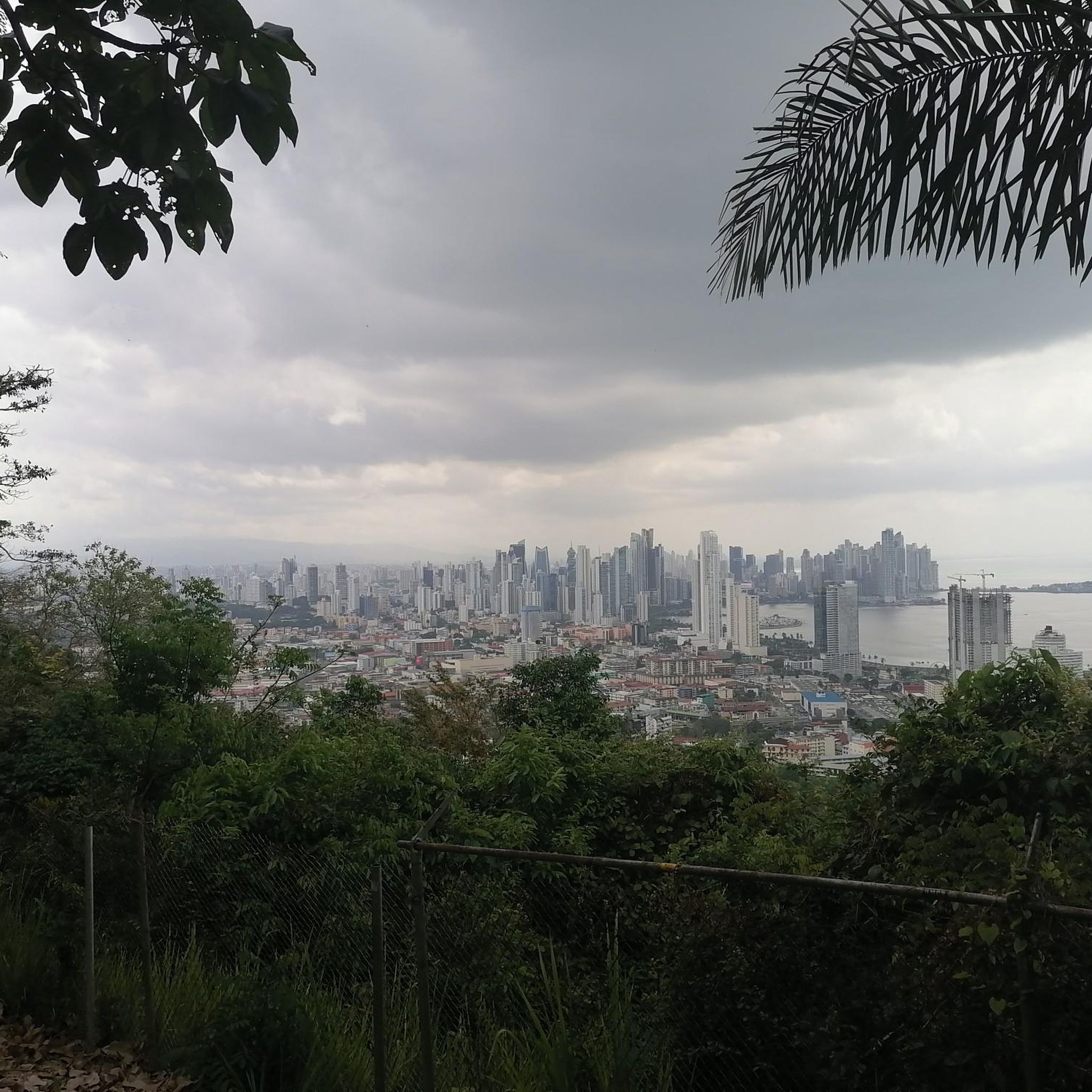
- Another must-see spot is Cerro Cedro, a viewpoint in a national park. From this observation deck, visitors can enjoy views of Panama City and encounter local wildlife like coatis.
- Visitors also love Old Town Promenade, a viewpoint within the historical settlement of Casco Viejo. This promenade provides great views of the Panama City skyline and is an ideal location to watch the sunset.
- Panamá is known for its historical sites, natural parks, and impressive engineering feats. The region offers a variety of attractions, from urban historical districts to lush rainforests and coastal areas.
- The attractions in Panamá are appreciated by the komoot community, with 27 upvotes and 31 photos shared by visitors.
Last updated: July 2, 2026
Plaza de Francia
Highlight • Monument
Translated by Google •
Tip by

Panama Canal Museum
Highlight • Historical Site
Translated by Google •
Tip by

Sign up now to discover places like this
Get recommendations on the best single tracks, peaks, & plenty of other exciting outdoor places.
Sign up for free
Metropolitan Cathedral of Panama
Highlight • Religious Site
Tip by

Metropolitan Natural Park Visitor Center
Highlight • Rest Area
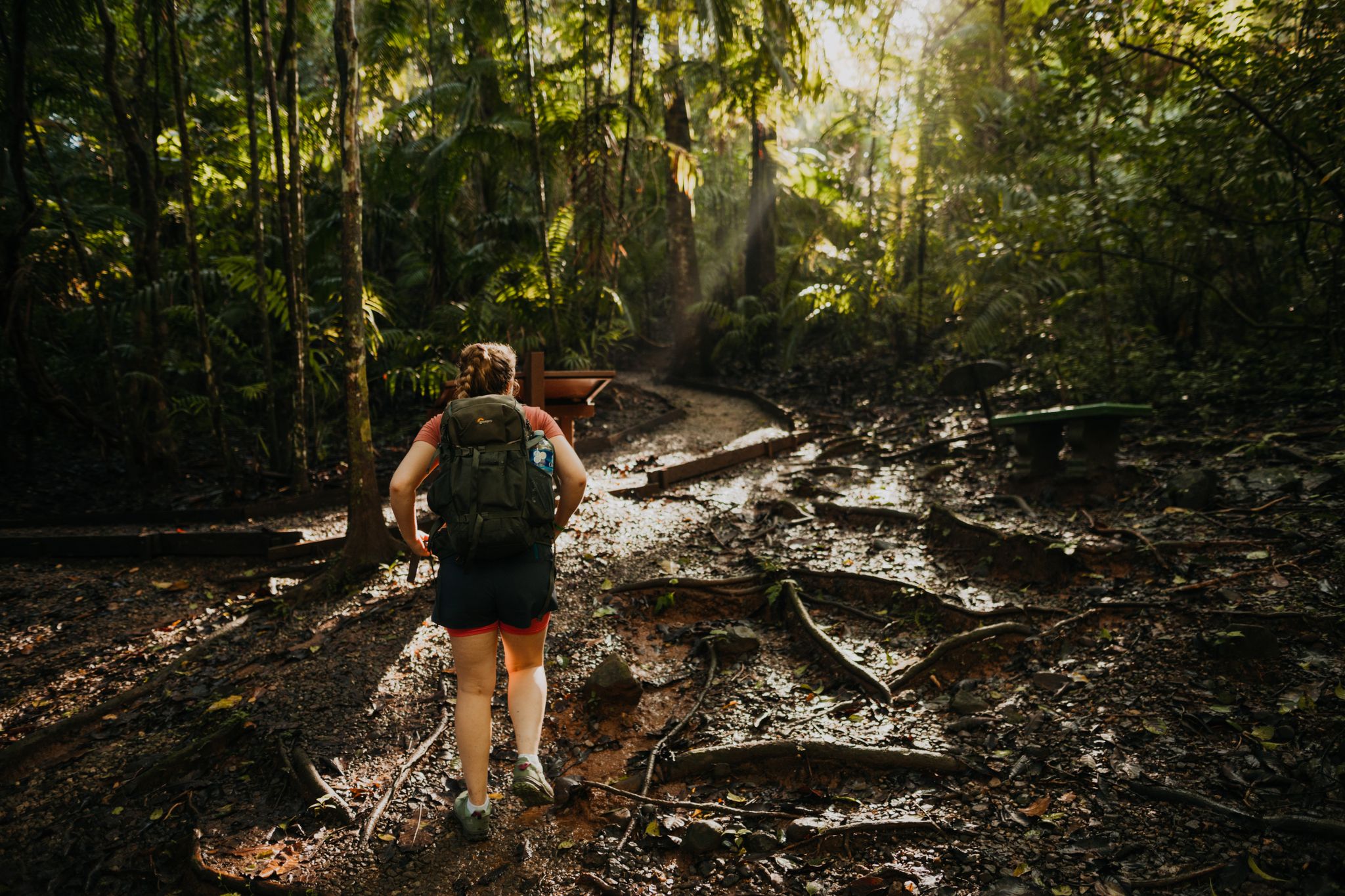
If you feel like it, you can also take a guided tour with a guide who will reveal the secrets of the flora and fauna of this special place. On the way you will definitely see one or the other wild animal, butterflies and much more. For example, we saw a sloth on the hike.
Translated by Google •
Tip by

Biomuseo
Highlight • Monument
Translated by Google •
Tip by

Cerro Cedro
Highlight • Viewpoint
Translated by Google •
Tip by
Cinta Costera Promenade
Highlight (Segment) • Trail
The promenade street with a perfect view of the high-rise buildings of Panama. The adjacent street is closed on Sunday mornings until 12 noon and it is much quieter for pedestrians and cyclists. There is a lot going on in the evenings because many people go for a walk, including many families with children. Young people play sports. Cyclists, skaters and joggers use the wide paths and parks.
If you walk long enough in the direction of Casco Antiguo, you come to the port and can eat delicious fresh fish in the Mercado de Mariscos.
Translated by Google •
Tip by
Old Town Promenade
Highlight • Viewpoint
Translated by Google •
Tip by

Santa Ana Church
Highlight • Religious Site
The church was destroyed by fire in the year 1854 and was completely renovated only in the twentieth century. In 1980, the Iglesia Santa Ana was declared a historic landmark of national importance. Surrounding the church is a park that also goes by the name of the church. The area surrounding the church is far from the main tourist attractions that are in the old part of the city. You can experience a bit of the traditional Panamanian lifestyle with folk festivals, dance and music in a gazebo that is also a national landmark.
Tip by
Mercado de Mariscos (Fish Market)
Highlight • Restaurant
it is of course right in the harbor.
There are numerous stalls, food stalls and restaurants with delicious food prepared from local recipes. Tastes fantastic, in a very good mood and mostly local customers.
A special treat: how the owners outbid each other in order to guide the passing customers precisely into their restaurant. Some salespeople can still learn something ...
Translated by Google •
Tip by
Sign up for free to discover even more attractions in Panamá.
Sign up for free
Already have an account?
Start today with a free account
Your next adventure awaits.
Login or Signup

Other adventures in Panamá

Tips from the Community

The Museo del Canal documents the history, construction, and impact of the Panama Canal. It offers exhibitions on its beginnings, construction, technology, and social effects.
1
0
The church was destroyed by fire in 1854 and completely renovated only in the 20th century. In 1980, the Iglesia Santa Ana was declared a historical landmark of national importance. Around the church, there is a park that also bears the church's name. The surroundings of the church are far from the main tourist attractions, which are located in the old part of the city. In a pavilion, which is also a national landmark, you can experience a piece of the traditional Panamanian lifestyle with folk festivals, dance, and music.
1
0
La Catedral Metropolitana or Catedral de Panamá is one of the largest churches in Central America. Construction is said to have begun in 1668. The baroque architectural style is represented in this structure. It was completed in 1796 and underwent a massive restoration project in 2003. Today, it overlooks Plaza Catedral (Plaza de la Independencia) and is one of the main areas in the historic Casco Viejo district.
0
0
The museum's controversial design is the only one of its kind in the entire region. Designed by the famous architect Frank Gehry in his first foray into Latin America, the Biomuseo opened its doors to the public on October 2, 2014, with five of its eight galleries. This first part of the permanent exhibition's story tells the story of the importance and development of the Isthmus of Panama – both in natural and cultural terms. The last three permanent exhibitions will open in May 2019, completing the construction of the original project. https://biomuseo.org
2
0
The Biomuseo is a natural history museum dedicated to Panama, exploring the relationship between the country's biodiversity and culture. The museum was designed by architect Frank Gehry. Admission costs USD 18.00
2
0

The Monumental Complex of Las Bóvedas forms the walls that surround the Plaza de Francia in the Old Town of Panama. The monumental complex consists of seven vaulted spaces that made up the city's historic defensive system.
2
0
The Biomuseo—a powerful conjunction of science and art—is a natural history museum dedicated to Panama that explores the relationship between its biodiversity and culture. In eight exhibits, it tells the story of the emergence of the Isthmus of Panama 3 million years ago, and how that emergence united continents and divided seas, changing the world forever. The museum's controversial design is the only one of its kind in the entire region. Designed by famed architect Frank Gehry, in his first foray into Latin America, the Biomuseo opened its doors to the public on October 2, 2014, with five of its eight galleries. This first part of the Permanent Exhibition's history tells the story of the importance and evolution, both natural and cultural, of the Isthmus of Panama. The final three permanent exhibitions will be inaugurated in May 2019, completing the construction of the original project. https://biomuseo.org
3
0

It's a strenuous climb, but worth it. Pay a small fee at the visitor center, and then the park is yours to enjoy. Here, too, you'll find a wide variety of plants, animals, and the fruits of human activity. Check the weather radar beforehand to make sure your trip isn't ruined.
1
0
Frequently Asked Questions
What historical and cultural sites can I explore in Panamá?
Panamá offers a rich tapestry of historical and cultural sites. You can visit Plaza de Francia, a monument honoring French workers of the Panama Canal, or explore the UNESCO World Heritage site of Casco Viejo, known for its colonial architecture, ancient churches like the Metropolitan Cathedral of Panama and Santa Ana Church, and vibrant plazas. Don't miss the Panama Canal Museum in Casco Viejo, detailing the canal's history, or the archaeological ruins of Panama Viejo, the original Panama City.
Where can I find the best viewpoints in Panamá City?
For stunning panoramic views, head to Cerro Cedro, an observation deck within a national park offering breathtaking vistas of Panamá City and opportunities to spot local wildlife like coatis. Another excellent spot is the Old Town Promenade in Casco Viejo, which provides great views of the city skyline, especially at sunset. Ancon Hill also offers panoramic views of the city, the Canal, and Casco Viejo.
Are there family-friendly attractions in Panamá?
Yes, Panamá has several family-friendly attractions. Many historical sites like Plaza de Francia and the Metropolitan Cathedral of Panama are suitable for families. The Biomuseo, with its colorful architecture and exhibits on Panama's biodiversity, is also a great option. The Cinta Costera Promenade is perfect for family strolls, cycling, and enjoying the views, especially on Sunday mornings when part of the adjacent street is closed to traffic.
What natural features and outdoor activities can I enjoy near Panamá City?
Near Panamá City, you can explore the Metropolitan Natural Park Visitor Center, which is part of a unique tropical rainforest within the city limits, offering hiking and birdwatching. The Cerro Cedro viewpoint is also located within a national park, providing a natural escape. For more extensive outdoor adventures, consider visiting Parque Nacional Soberanía, known for hiking and birdwatching, or Gatún Lake for kayaking and wildlife spotting.
What are some unique engineering marvels to see in Panamá?
The most iconic engineering marvel is the Panama Canal. While not listed as a highlight here, you can visit the Miraflores Locks Visitor Center near Panama City or the Agua Clara Locks on the Caribbean side to witness massive ships traversing this colossal feat. The Panama Canal Museum in Casco Viejo provides in-depth information about its construction and operation.
Are there any accessible attractions in Panamá City?
Yes, several attractions in Panamá City are noted for their accessibility. Plaza de Francia is wheelchair accessible, offering a pleasant experience. The Biomuseo is also designed to be wheelchair accessible, allowing everyone to enjoy its exhibits on Panama's biodiversity.
What kind of hiking trails are available in Panamá?
Panamá offers a variety of hiking trails, from easy urban walks to more challenging routes in national parks. For an easy urban hike with historical views, you can try the route from Old Town Promenade to Plaza de Francia. For a moderate challenge with rewarding city views, consider the Cerro Cedro loop. You can find more hiking options, including routes like 'Viewpint – Cerro Cedro loop from Curundú' and 'Thorny Tree – Small Shelter in the Forest loop from Hotel Gamboa Rainforest', on the Hiking in Panamá guide.
Can I find cycling routes near the attractions in Panamá City?
Absolutely! Panamá City offers several cycling routes. The Cinta Costera Promenade is a popular spot for cyclists, especially on Sunday mornings. You can find routes like the 'Cinta Costera Cycling Route – Golden frog monument loop from Iglesia del Carmen' or 'Iglesia del Carmen – F&F Tower loop from Santo Tomás'. For more options, check out the Cycling in Panamá guide.
What do visitors enjoy most about the attractions in Panamá?
Visitors frequently praise the stunning views, especially from spots like Old Town Promenade where sunsets over the skyline are a highlight. The historical depth of sites like Panama Canal Museum is highly valued for its informative insights into the country's development. The architectural beauty of places like Plaza de Francia and the opportunity to encounter wildlife at viewpoints like Cerro Cedro also receive positive feedback.
Where can I experience the local culinary scene in Panamá City?
For a taste of local flavors, visit the Mercado de Mariscos (Fish Market). It's a great place to enjoy delicious fresh fish and seafood. The market is conveniently located near the Cinta Costera Promenade, making it an ideal stop after a walk or cycle.
What are some notable natural parks outside of Panamá City?
Beyond the city, Panamá boasts incredible natural parks. Volcán Barú National Park is home to the country's highest peak, offering a chance to see both the Pacific and Atlantic Oceans on a clear day. Coiba National Park, a UNESCO World Heritage Site, is renowned for its pristine coral reefs and diverse marine life. Darién National Park is another UNESCO site, considered one of the last untouched wilderness regions in the Americas, rich in biodiversity and birdwatching opportunities.
Can I find unique indigenous cultural experiences in Panamá?
Yes, Panamá offers unique indigenous cultural experiences. The Guna Yala (San Blas Islands) archipelago is home to the indigenous Guna community, where you can experience their culture amidst stunning white sand beaches and coral gardens. Additionally, the Museo de la Mola in Casco Viejo focuses on the traditional Mola textiles of the Guna people, offering insight into their artistic heritage.

Get inspired with the komoot mobile app


Didn’t find what you were looking for?
Are you keen on exploring more awesome places nearby? Browse our guides:
