Top 20 Castles around Obernhof
Castles around Obernhof are situated in the scenic Lahn and Rhine valleys, a region known for its rich historical sites. The area features a diverse landscape of river valleys and forested hills, providing a natural backdrop for numerous historical structures. Visitors can explore a variety of castles and ruins that dot the surrounding countryside. This region is a significant destination for those interested in historical architecture and outdoor exploration.
Best castles around Obernhof
- The most popular castles is Sporkenburg Castle…
Last updated: October 9, 2026
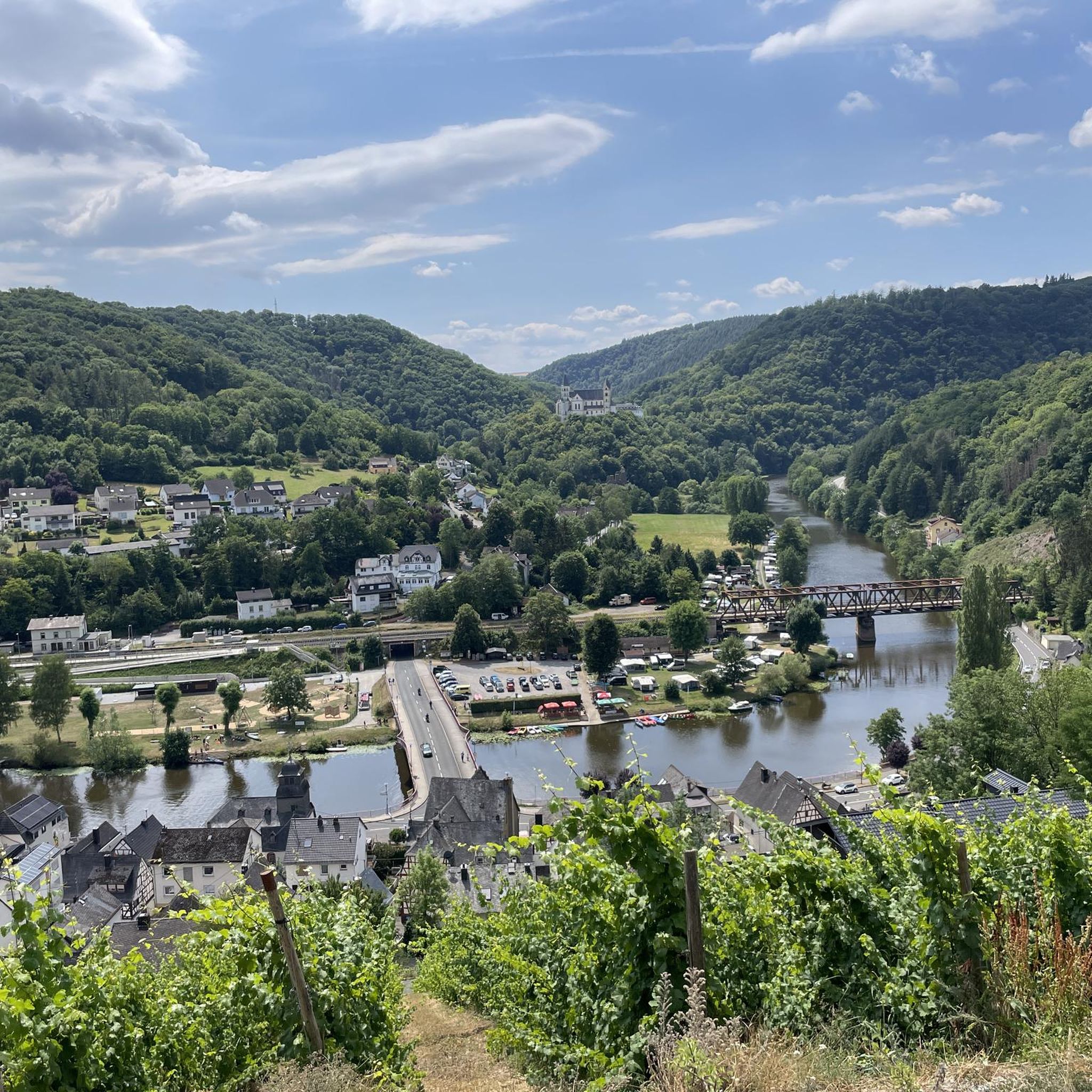
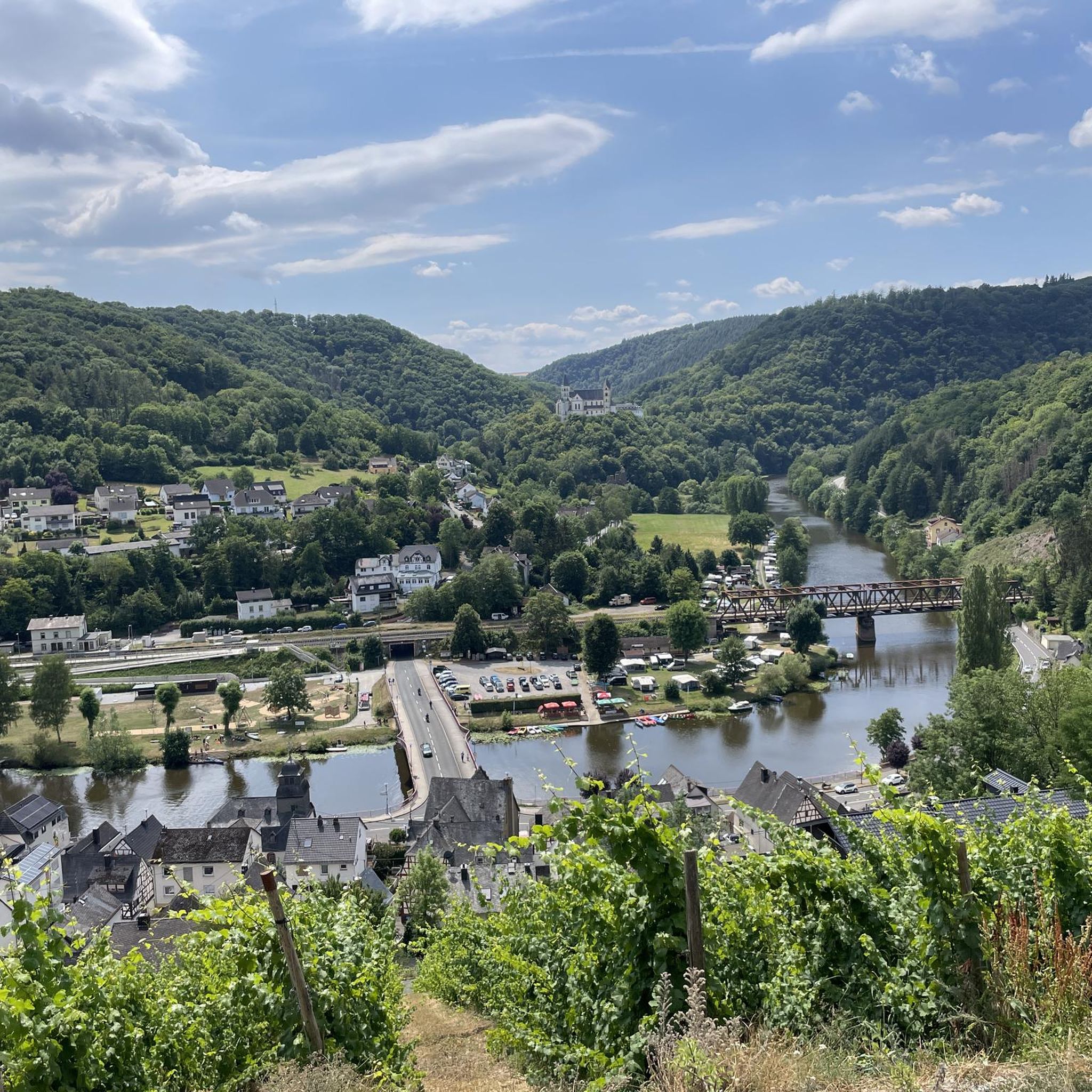
View of Balduinstein
Highlight • Viewpoint
Translated by Google •
Tip by

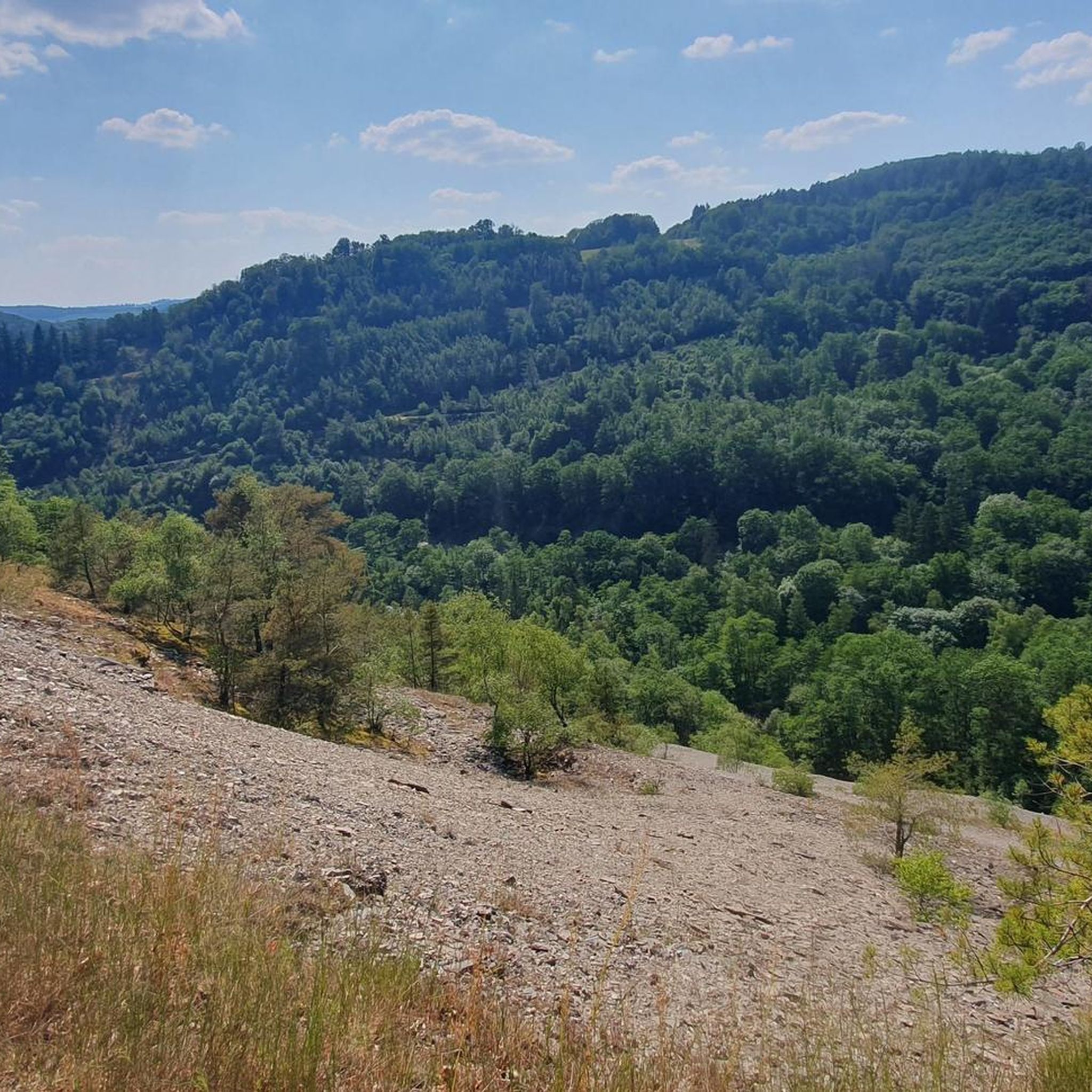
Sporkenburg Castle Ruins
Highlight • Castle
Translated by Google •
Tip by

Sign up now to discover places like this
Get recommendations on the best single tracks, peaks, & plenty of other exciting outdoor places.
Schaumburg Castle
Highlight • Castle
Translated by Google •
Tip by

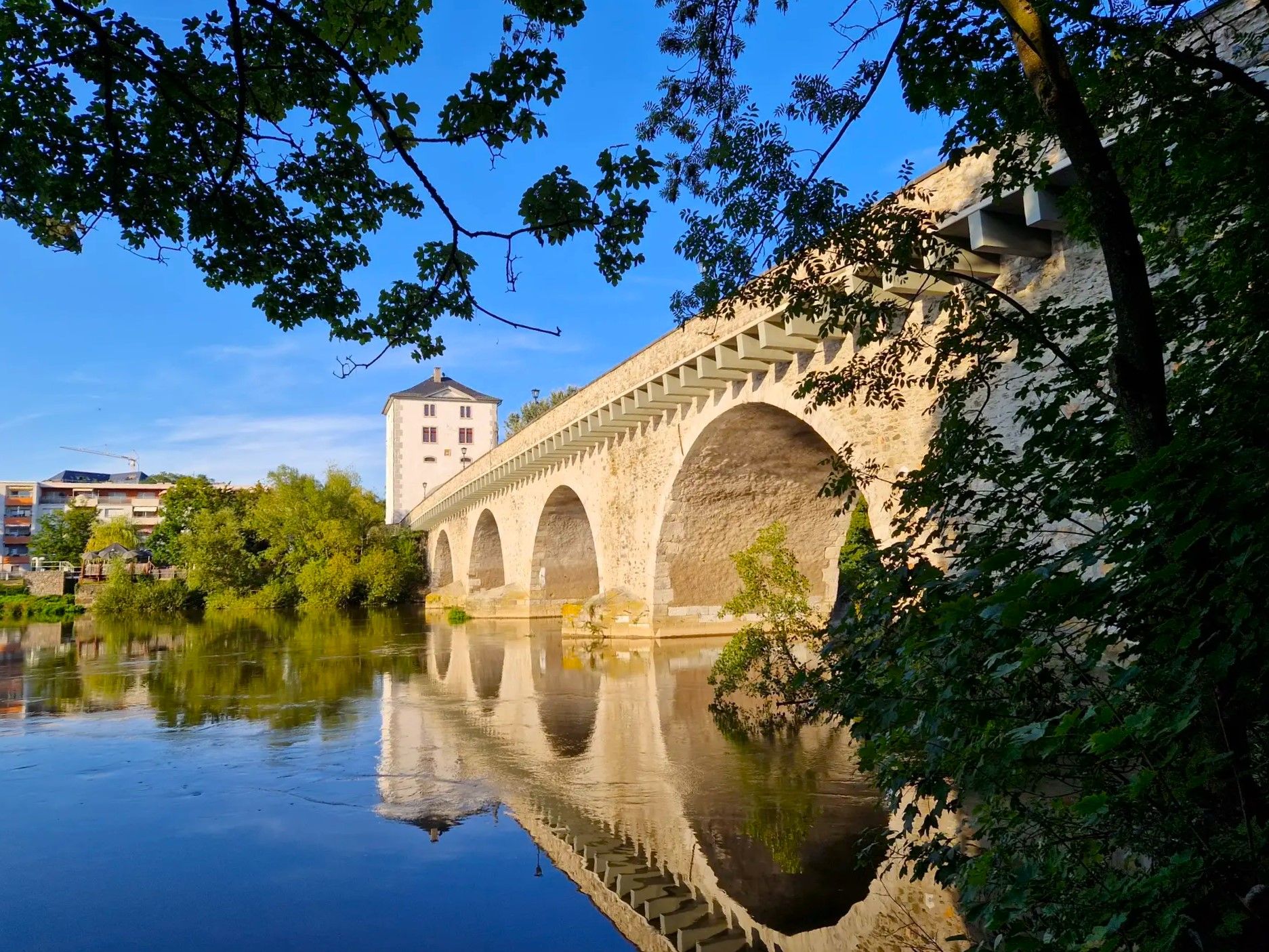
Historic Chain Bridge in Nassau
Highlight • Bridge
Translated by Google •
Tip by

Nassau Old Town
Highlight • Settlement
Translated by Google •
Tip by

Sign up for free to discover even more castles around Obernhof.
Already have an account?


Tips from the Community

It is a small town on the Lahn, but very worth seeing
1
0

The wonderful half-timbered house with great wood carvings was built between 1607 and 1609 as the Adelsheimer Hof and was used as the town hall in 1912. St. John's Church was rebuilt after the fire. A church tower bell from 1480 was preserved. A bronze flute player by the artist Helmut Bourger sits in front of the church. The city palace from around 1300 was the seat of the Imperial Knights of Stein. A famous descendant was the Prussian reform minister Heinrich Friedrich Karl vom und zum Stein. The castle was expanded from 1621 to 1816 with a main house and an octagonal tower.
1
0

Cozy old town with numerous possibilities for a short break
1
0

An absolute eye-catcher and the castle is being restored so we can hope for a reopening to the public.
2
0

Great half-timbered building
1
0

Magnificent half-timbered house
1
0

Nassau impresses with a strikingly beautiful town hall.
6
0
Balduinenstein, a wonderful little place right on the lahn
4
0
Frequently Asked Questions
What are some notable castles and ruins near Obernhof?
The region around Obernhof, particularly the Lahn and Rhine valleys, is rich in historical castles. Key sites include the well-preserved Sporkenburg Castle Ruins, the imposing Schaumburg Castle, and the historic Marksburg. Further afield, you can find Ehrenbreitstein Fortress in Koblenz and Lahneck Castle near Lahnstein.
Are there any hidden gem castles or lesser-known ruins to explore near Obernhof?
Yes, the Sporkenburg Castle Ruins are considered a hidden gem. Tucked away in the forest near Eitelborn, they offer a mystical experience for those who find them. Despite their age, dating back to the 13th century, they are remarkably well-preserved and freely accessible.
What kind of historical significance do the castles around Obernhof hold?
The castles in this region boast a rich history, often dating back to the 12th and 13th centuries. Many, like Schaumburg Castle and Sporkenburg Castle Ruins, have been destroyed and rebuilt multiple times, reflecting centuries of regional conflicts and changing ownership among noble families. Lahneck Castle, for instance, inspired Johann Wolfgang von Goethe's poetry and holds a tragic tale of Idilia Dubb.
Are there family-friendly castles or activities near Obernhof?
Many of the castles and their surrounding areas offer family-friendly experiences. The View of Balduinstein, for example, provides a scenic spot to observe castle ruins, and the nearby Nassau Old Town is also considered family-friendly, offering a pleasant environment to explore.
What outdoor activities can I do near these castles?
The region offers diverse outdoor activities. You can find numerous cycling routes, such as those in the Cycling around Obernhof guide, including routes like the 'Obernhof Vineyards – Kloster Arnstein loop'. For running, the Running Trails around Obernhof guide features paths like the 'Nassau Chain Bridge – View of Nassau Castle loop'. Gravel biking options are also available in the Gravel biking around Obernhof guide.
Are there hiking trails that lead to or past castles near Obernhof?
Yes, many hiking trails in the Lahn Valley incorporate castle views or lead directly to ruins. For instance, the Sporkenburg Castle Ruins are accessed via forest paths, offering a rewarding hike. You can find various running and cycling routes that pass by historical sites in the respective Komoot guides for the area.
What is the best time of year to visit the castles around Obernhof?
The Lahn and Rhine valleys are beautiful year-round. Spring and autumn offer pleasant temperatures for hiking and exploring, with vibrant foliage or blooming landscapes. Summer is ideal for longer days and river activities, while winter can provide a unique, mystical atmosphere for castle walks, especially for ruins like Sporkenburg Castle Ruins.
How accessible are the castles by public transport or car, and is parking available?
Accessibility varies by castle. While some, like Marksburg and Ehrenbreitstein Fortress, are well-connected, others, such as the Sporkenburg Castle Ruins, require a walk through the forest after parking nearby. For specific castles, it's advisable to check local transport options and parking availability in advance. Obernhof itself is located in the Lahn Valley, which has public transport connections.
What can I expect when visiting <a href="https://www.komoot.com/highlight/256186" target="_blank" rel="noopener">Schaumburg Castle</a>?
Schaumburg Castle is an imposing complex with a dominant keep, known as an 'absolute eye-catcher'. It is currently undergoing restoration, with hopes for a reopening to the public. Historically, it was a significant center of dominion and changed hands among various noble families, including the Counts of Leiningen and the House of Nassau.
Can I visit Lahneck Castle, and what makes it unique?
Lahneck Castle is a medieval fortress located in Lahnstein, south of Koblenz. It's notable for its symmetrical plan and the rare pentagonal shape of its *bergfried* (keep). Built in 1226, it stands on a steep rock above the confluence of the Lahn and Rhine rivers. The castle is also associated with the tragic tale of Idilia Dubb and inspired Johann Wolfgang von Goethe's poem 'Geistesgruß'. For visiting information, you may need to check external resources like Wikipedia.
Are there places to eat or stay near the castles in the Lahn Valley?
Yes, towns and villages throughout the Lahn Valley, including Obernhof and Nassau, offer various amenities. You can find cafes, pubs, and accommodation options. Nassau Old Town, for example, is a charming place with options to sit by the Lahn river.
What do visitors enjoy most about the castles around Obernhof?
Visitors particularly appreciate the blend of history and nature. The well-preserved ruins like Sporkenburg Castle Ruins offer a mystical experience, while viewpoints like the View of Balduinstein provide stunning perspectives of the landscape and historical structures. The opportunity to explore these sites amidst the scenic Lahn and Rhine valleys is a major draw, as evidenced by over 1700 upvotes and 260 photos shared by the komoot community.
Most popular routes around Obernhof
Most popular attractions around Obernhof

Get inspired with the komoot mobile app


Explore more
Looking for the best castles somewhere else? Discover other guides around Obernhof:
