Attractions and Places To See around Schlüchtern - Top 20
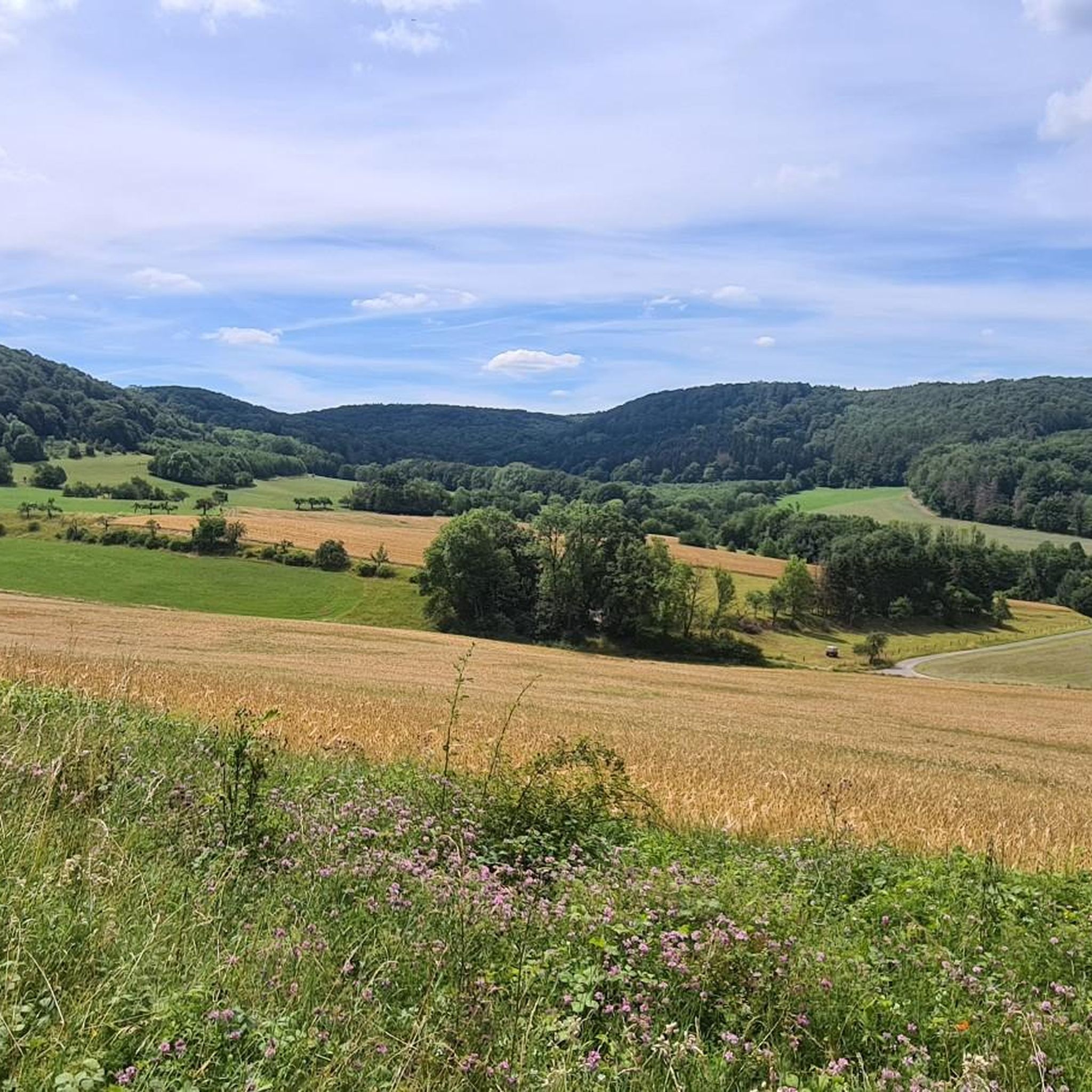
Attractions and places to see around Schlüchtern are found in the Bergwinkel region, surrounded by the low mountain ranges of Vogelsberg, Spessart, and Rhön. This area in the Main-Kinzig district of Hesse, Germany, offers a blend of historical landmarks and natural beauty. The town is situated in the Kinzig valley, providing diverse landscapes for exploration. It serves as a starting point for outdoor activities and cultural experiences.
Best attractions and places to see around Schlüchtern
- The most popular attractions is…
Last updated: September 26, 2026
Kinzig Reservoir
Highlight • Lake
Translated by Google •
Tip by

Bad Brückenau Spa Park
Highlight • Natural Monument
Translated by Google •
Tip by

Sign up now to discover places like this
Get recommendations on the best single tracks, peaks, & plenty of other exciting outdoor places.
Rhönexpress Rail Trail
Highlight • Cycleway
Translated by Google •
Tip by

Brothers Grimm Fairy-Tale Fountain, Steinau an der Straße
Highlight • Monument
Translated by Google •
Tip by

Mottener Haube Observation Tower
Highlight • Viewpoint
Translated by Google •
Tip by

Sign up for free to discover even more attractions around Schlüchtern.
Already have an account?
Start today with a free account
Your next adventure awaits.
Popular around Schlüchtern
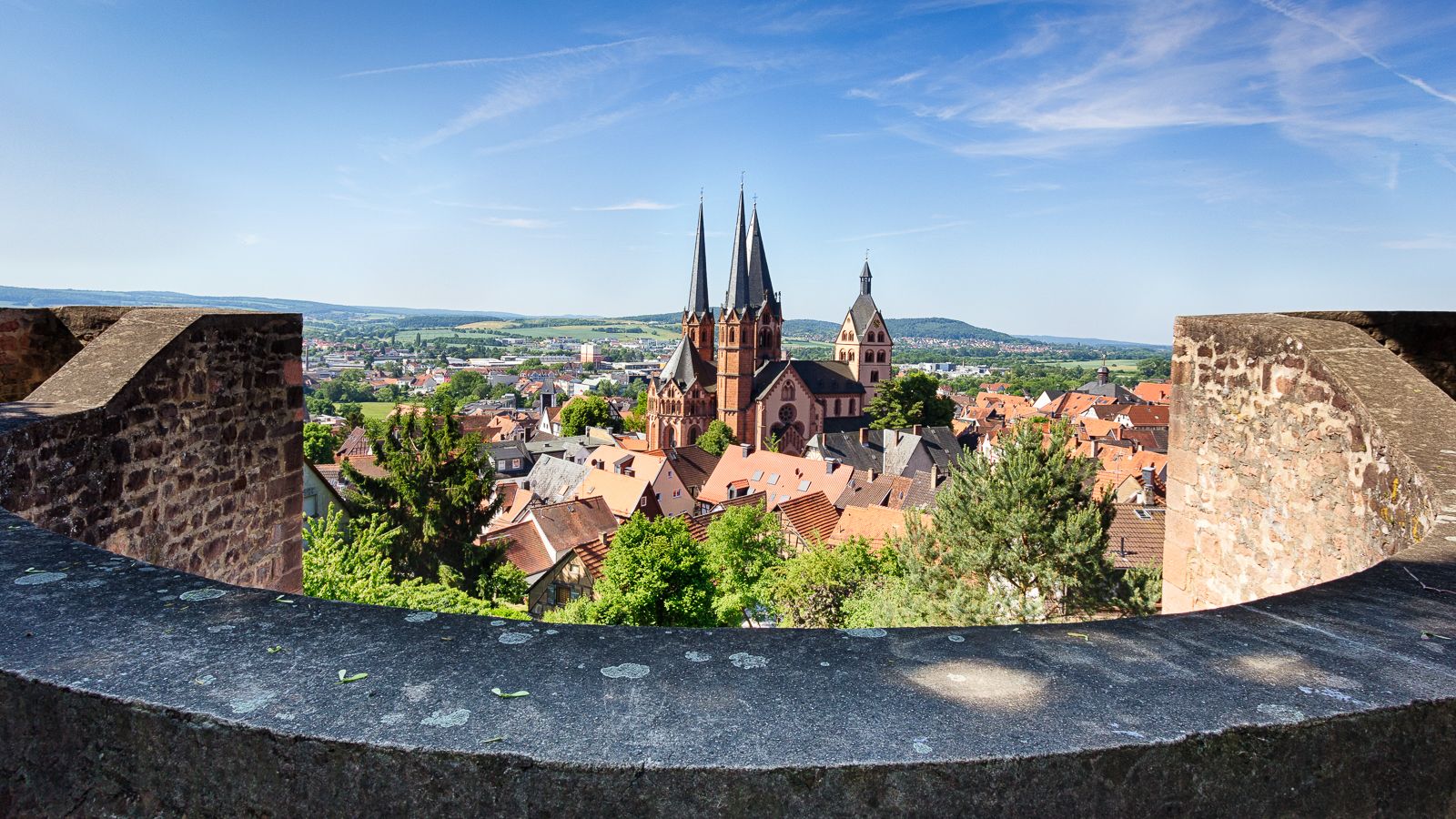
On the Way of St. James through Hesse – from the Fulda to the Main
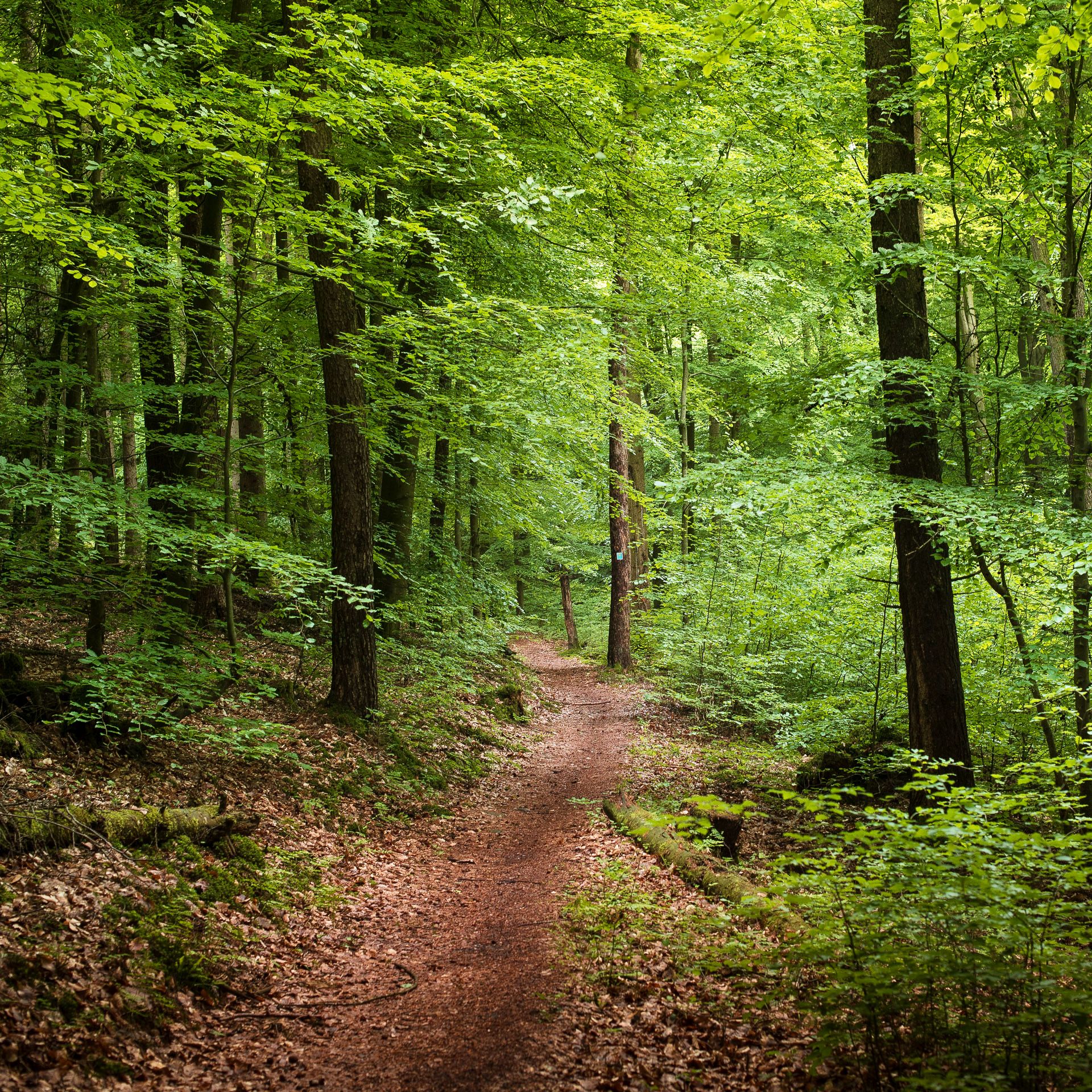
Endless forests, flowing trails – MTB in Germany’s Spessart region
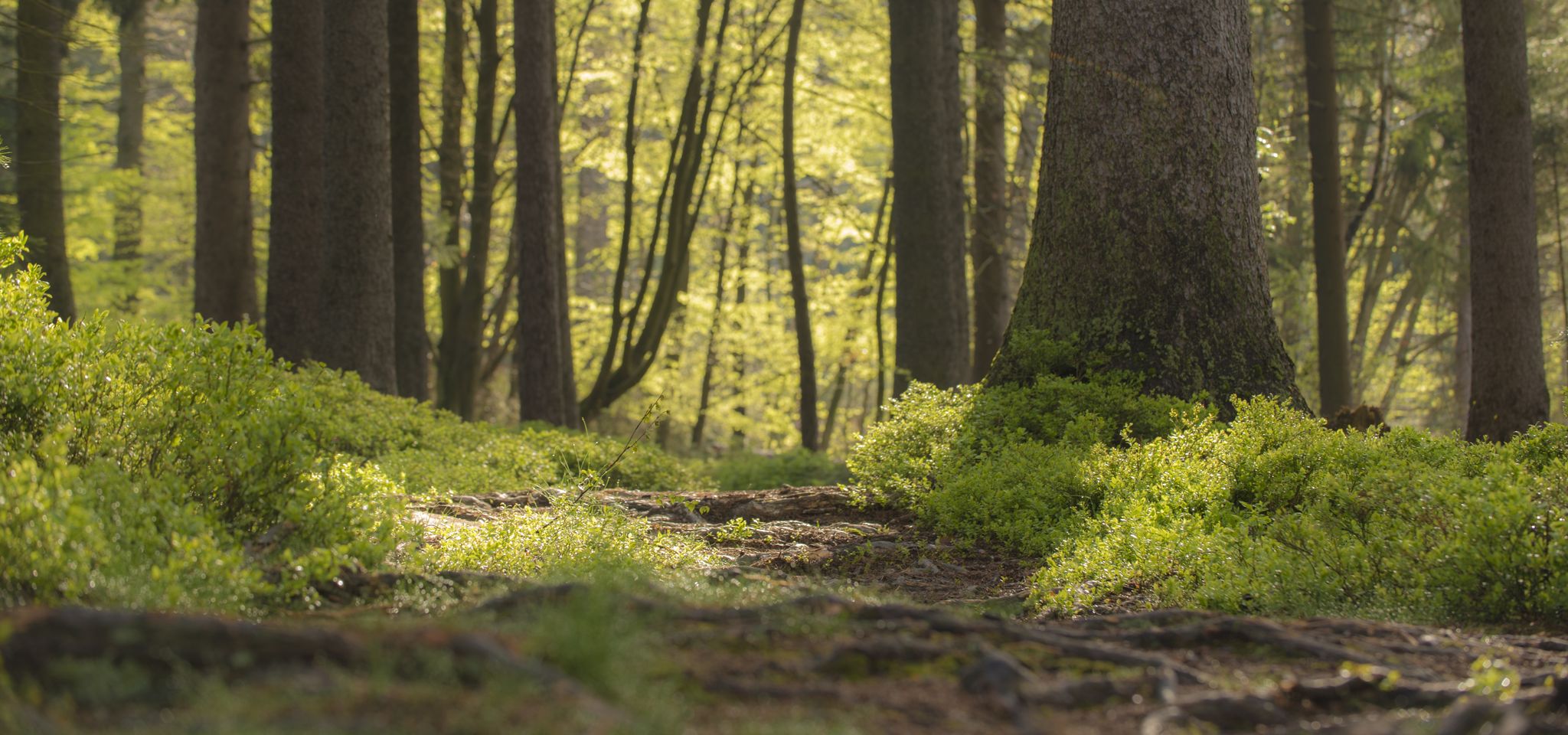
Mountain biking in the Spessart – Awesome trails in Germany
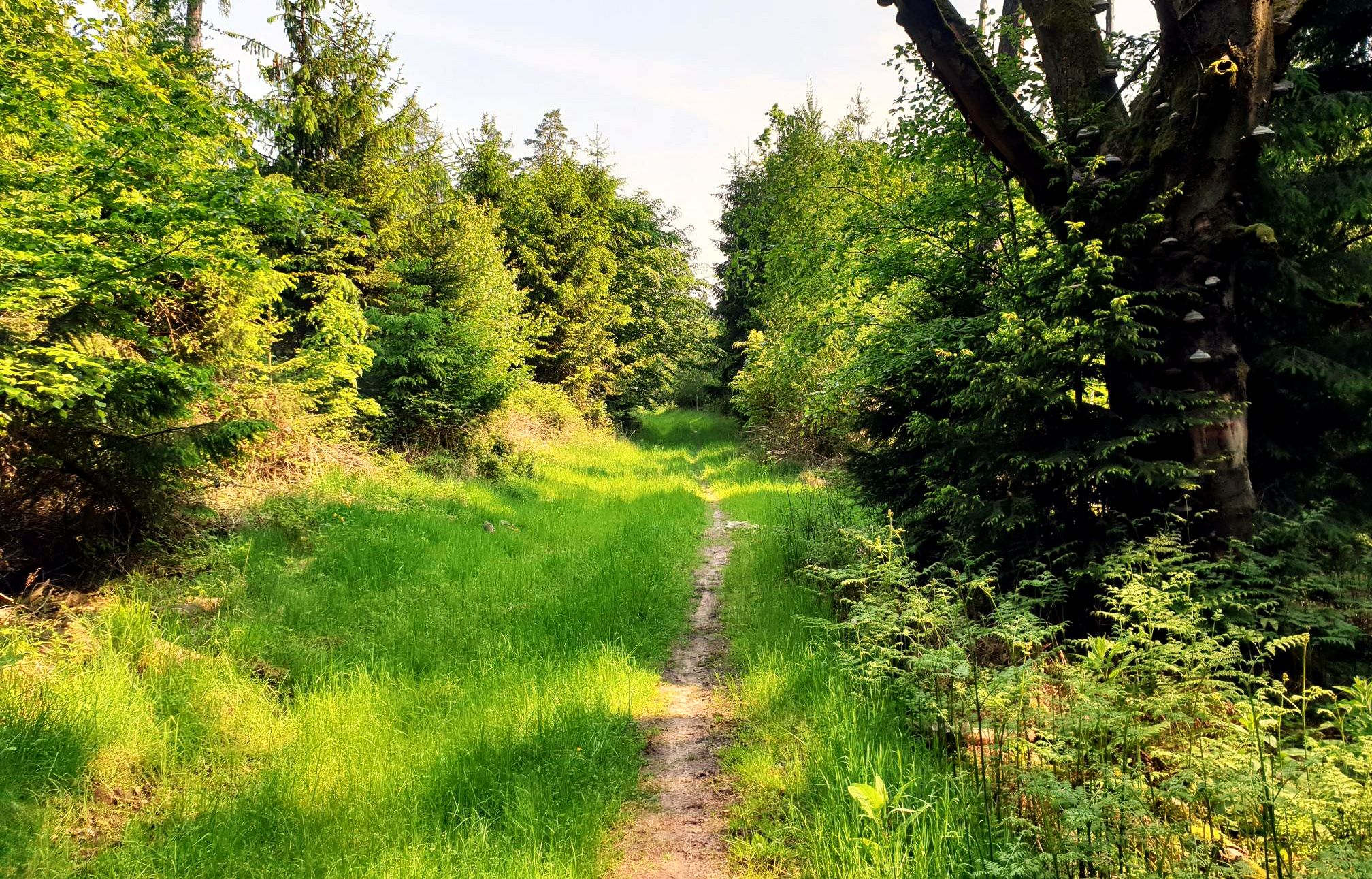
Mountain biking in the Spessart – Awesome trails in Germany
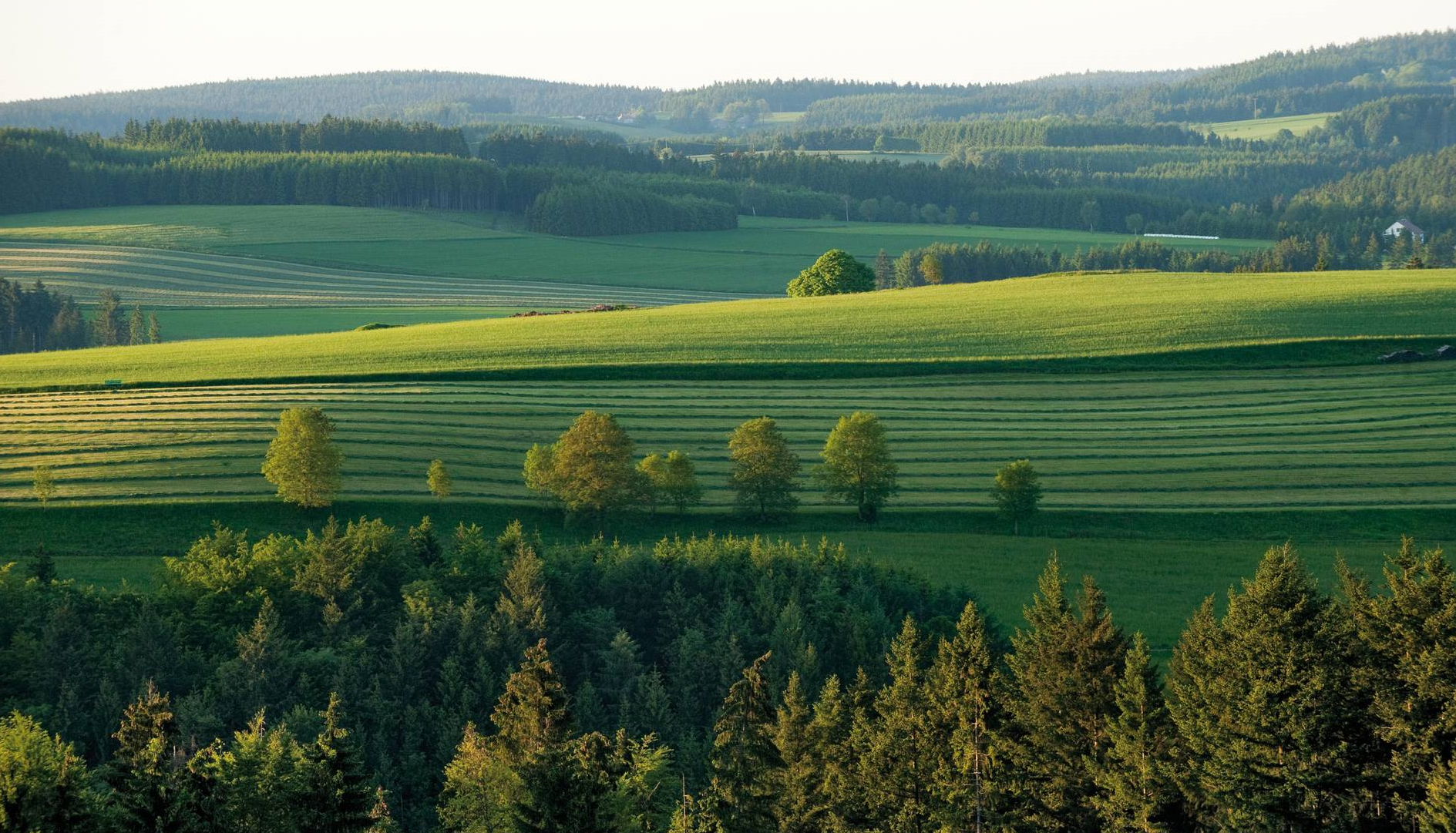
The most beautiful tours for summer and autumn – hiking paradise Franconia
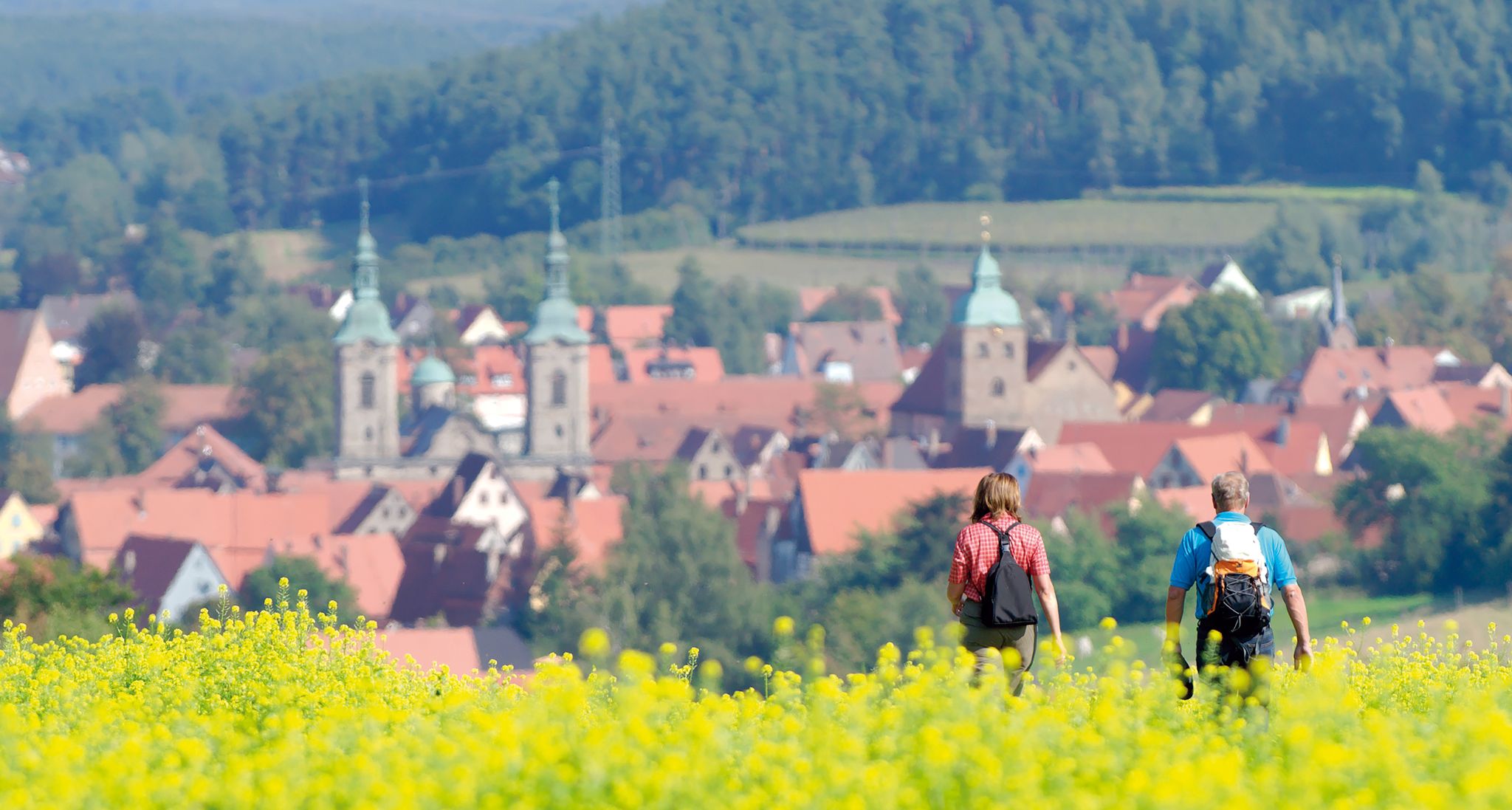
Unforgettable panoramic views — the most beautiful long-distance hikes in Franconia

Rucksack auf und los – Weitwandern mit deuter in Deutschland
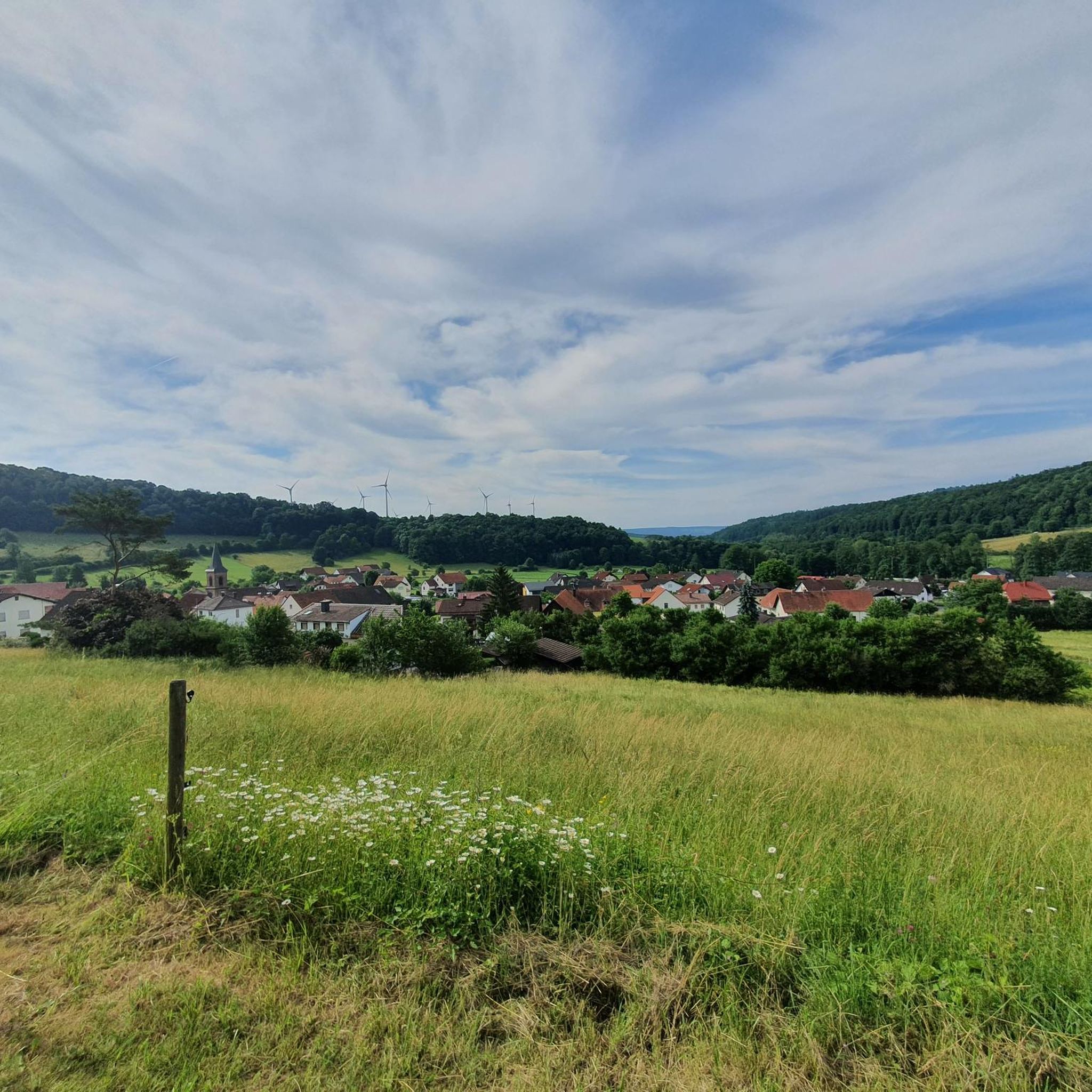
Hiking around Schlüchtern
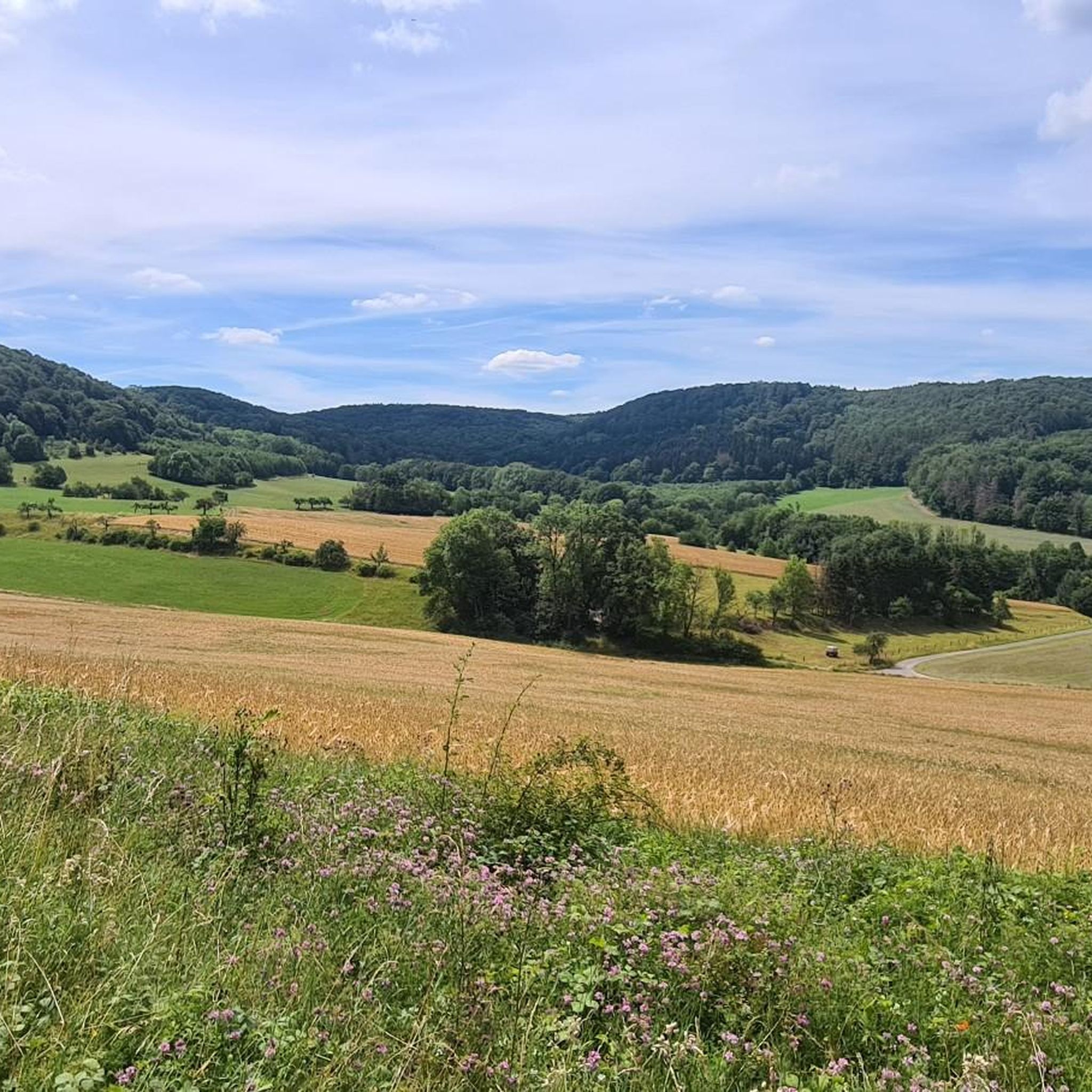
MTB Trails around Schlüchtern
Cycling around Schlüchtern
Other adventures around Schlüchtern


Tips from the Community

The Jossa–Wildflecken railway line, also known as the Sinntalbahn, was a branch line in Hesse and Bavaria. It branched off from the Flieden–Gemünden railway line in Jossa and ran through the Sinntal via Altengronau and Bad Brückenau to Wildflecken. The building permit for the line was granted on March 8, 1888, so that construction work could begin on July 1, 1890. The line was opened on October 9, 1891, and stops along the way began on October 15, 1891. Passenger traffic, which had always been of secondary importance, declined sharply due to competition from private transport. After the German Federal Railway stopped weekend traffic on the line with the 1982 summer timetable and no longer served the Bad Brückenau–Wildflecken section except for a single pair of trains, it stopped passenger traffic on the line completely on May 27, 1988. The last freight train traveled the route on February 4, 2002. On June 26, 2002, the Bad Brückenau-Wildflecken section of the route had to be closed due to a dam slide near the Römershag stop, and the entire route was closed on October 17, 2002. Until the entire route was finally closed by the Federal Railway Authority on March 31, 2005, special trips by railway associations continued. Finally, at the end of 2009, DB Netz submitted an application to dismantle the route. The actual dismantling of the tracks finally took place in October 2016. The dismantling of the tracks began in 2017. The Rhönexpress rail cycle path, which was partially built on the route of the Sinntalbahn, was opened on June 28, 2019. The first section, Zeitlofs - Bad Brückenau-Römershag, was opened on December 1, 2018. Source and further information: https://de.wikipedia.org/wiki/Bahnstrecke_Jossa-Wildflecken Rhönexpress rail cycle path homepage: https://rhoenexpress.bayern
4
0

Very well maintained and sophisticated looking facility, worthwhile.
7
0

2. Today's plantings are based on the structure of the historical model in terms of new planting and care. The chestnut trees on the avenue are cut strictly in a box shape, and the lime tree arcade below the Fürstenhof also corresponds to the historical specifications. Old and rare trees can be admired in the park, including a "thousand-year-old oak" near the herb garden with a circumference of seven meters[1], as well as the ginkgo tree, the cucumber magnolia and the "oak-leaved hornbeam" (a mutation). Around 60 tree species are listed in the tree register created in 1992. Source:https://de.m.wikipedia.org/wiki/Staatsbad_Br%C3%BCckenau
11
0
1. In 1747, the Ticino Andrea Gallasini, court architect to the Prince Abbots of Fulda, designed a strictly symmetrically arranged garden, the main feature of which was the central axis, which still extends across the state spa today. Over the course of time, additions were made to the building ensemble, particularly by King Ludwig I. This also involved enlargements of the gardens. The baroque gardens were partially converted into an English garden. Despite many changing garden trends, the structure has been preserved to this day and is a defining feature of the park. In contrast to the unspoiled nature of the surrounding meadows and forests, it gives the ensemble a special charm. Source:https://de.m.wikipedia.org/wiki/Staatsbad_Br%C3%BCckenau
12
0

The origins of the spa park (more correctly the castle park) go back to the designs of the court architect Andrea Gallasini. According to these plans, a French garden was created between 1747 and 1749 for the prince abbots/prince-bishops of Fulda. After the dissolution of the Fulda monastery and the new borders during and after the Napoleonic era, the Brückenau office became part of the Kingdom of Bavaria in 1816. The Bavarian King Ludwig I, who reigned until 1848, used the site as a summer residence. During this time, numerous buildings flanking the park were built, such as the Kursaal building and the Badhotel.
6
0

From here you can already see on Friday who is coming to visit on Monday...😏... it's amazing that such ideas are still being implemented from time to time... but an engineer did not plan this thing... he would have mentioned all 135 steps that were built here and not typed 122 on the board that describes the tower...☝️😊
13
0

The cycle path is officially called: Rhönexpress Bahn-Radweg
6
1

Now I've managed to get on the hood, I have to say the tower is pretty high, but also a great view of my local mountain Dreistelz. at 2 degrees below zero with sun but very fresh wind, the tower even wobbles a little bit.
9
1
Frequently Asked Questions
What historical landmarks can I explore in Schlüchtern?
Schlüchtern offers a rich history with several notable landmarks. You can visit the Benedictine Abbey of Schlüchtern, which features a Carolingian crypt. The Historic Town Hall, built between 1567 and 1573, is also a significant part of the city center. Additionally, the Lauter'sches Schlösschen, the city's oldest preserved secular building from around 1440, now houses the Bergwinkelmuseum.
Are there any castles or ruins to visit near Schlüchtern?
Yes, the area around Schlüchtern is home to several impressive castles and ruins. You can explore the ruins of Burg Steckelberg, the birthplace of Ulrich von Hutten, which offers beautiful views over the Kinzig valley. Burg Brandenstein is another nearly 750-year-old complex with a museum of wooden tools. While privately owned, the extensive palace garden of Schloss Ramholz is accessible to visitors.
What natural attractions are there around Schlüchtern?
Nature lovers will find plenty to explore. The Kinzig Reservoir features a 6.5 km circular path ideal for walking, cycling, and jogging, with pedal boat rentals available in summer. The Acisbrunnen area, also known as "Die Platte," offers rich forestland with a forest educational path, botanical path, and a Kneipp facility. Schlüchtern is also an excellent starting point for exploring the nearby Spessart Nature Park, Rhön Biosphere Reserve, and Vogelsberg low mountain ranges.
Are there opportunities for hiking around Schlüchtern?
Absolutely! Schlüchtern boasts around 160 km of marked hiking trails. Popular options include the Spessartbogen premium hiking trail, a 90-kilometer route through the Hessian Spessart. You can also find shorter loops like the Steckelberg Castle Ruins – Ramholz Castle Crypt Chapel loop or the Burg Brandenstein loop. For more hiking ideas, check out the MTB Trails around Schlüchtern guide, which also features some scenic routes.
What cycling routes are available near Schlüchtern?
The region is very cyclist-friendly. The Rhönexpress Rail Trail is a 26.3 km route on a former railway line, offering a moderate incline suitable for families. The Hessian long-distance cycle route R3 runs along the northern bank of the Kinzig Reservoir. You can find various cycling tours, including easy and moderate options, in the Cycling around Schlüchtern guide.
Can I go mountain biking in the Schlüchtern area?
Yes, the diverse terrain around Schlüchtern is well-suited for mountain biking. The area offers various trails, including routes like the "Spessart biking 14: 2-Valleys Tour" and the "SpessartBiking Tour 13: Brandenstein loop." For more challenging rides, explore the MTB Trails around Schlüchtern guide, which lists several routes with varying difficulty levels.
Are there any scenic viewpoints worth visiting?
Definitely! The View of the Kinzig Reservoir offers picturesque vistas of the water and surrounding landscape. For a panoramic experience, consider a climb to the Mottener Haube Observation Tower, which provides brilliant views from its nearly 24-meter height after a steep ascent.
Are there family-friendly activities or attractions in Schlüchtern?
Schlüchtern and its surroundings offer several family-friendly options. The Kinzig Reservoir has a circular path and pedal boat rentals, perfect for a family outing. The Rhönexpress Rail Trail is a gentle cycling route suitable for all ages. Additionally, the Brothers Grimm Fairy-Tale Fountain in Steinau an der Straße is a charming spot that children often enjoy.
Where can I learn about the local history and culture of Schlüchtern?
The Bergwinkelmuseum, located in the historic Lauter'sches Schlösschen, is an excellent place to delve into Schlüchtern's history, local castles, and culture. It features modern exhibits, including information about Ulrich von Hutten and the Grimm family. The Synagogue, now a cultural institution, also hosts lectures, concerts, and a cultural cinema, offering insights into the town's Jewish heritage.
What is the best time of year to visit Schlüchtern for outdoor activities?
The spring and autumn months are generally ideal for outdoor activities in Schlüchtern. During these seasons, the weather is pleasant for hiking and cycling, and the natural landscapes of the Spessart, Rhön, and Vogelsberg are particularly beautiful with blooming flowers or vibrant fall foliage. Summer also offers opportunities for water activities at the Kinzig Reservoir, though it can be warmer.
Are there any wheelchair-accessible attractions around Schlüchtern?
Yes, some attractions offer accessibility. The Bad Brückenau Spa Park is noted as wheelchair-accessible, allowing visitors to enjoy its stately grounds and historical buildings. The Brothers Grimm Fairy-Tale Fountain in Steinau an der Straße is also listed as wheelchair-accessible.
Can I bring my dog on trails near Schlüchtern?
While specific dog-friendly trails are not explicitly detailed, many natural areas and general hiking paths around Schlüchtern, such as those in the Spessart Nature Park, Rhön Biosphere Reserve, and around the Kinzig Reservoir, are generally suitable for walks with dogs, provided they are kept on a leash and local regulations are followed. Always check for specific signage or local guidelines.
Most popular routes around Schlüchtern
Most popular attractions around Schlüchtern

Get inspired with the komoot mobile app


Explore more
Still not found the Highlight you’re looking for? See guides of the top attractions in other regions:
