Top 3 Castles around Abergavenny
Castles around Abergavenny are a prominent feature of Monmouthshire, Wales, reflecting the region's historical significance in the Welsh Marches. This market town and its surroundings offer a collection of fortifications, many strategically positioned along the River Usk or within the rolling landscape. These sites provide a factual look into medieval military architecture and local history.
Best castles around Abergavenny
- The most popular castles is White Castle, a historical site that is the best preserved of the Monmouthshire fortresses known as the ‘Three Castles’. It is considered a masterpiece of military engineering.
- Another must-see spot is Crickhowell Castle ruins, a historical site that began as a motte and bailey castle in the 12th century. It dominates the views from the market town of Crickhowell.
- Visitors also love Abergavenny Castle and Museum, a historical site featuring beautiful castle ruins. A museum built into the castle helps visitors understand the town's history.
- Abergavenny is known for its variety of castles, including Norman ruins, motte and bailey structures, and Gothic Revival follies. These sites showcase different eras of fortification and architectural styles.
- The castles around Abergavenny are appreciated by the komoot community, with more than 50 upvotes and 18 photos shared across the highlights.
Last updated: June 20, 2026
Crickhowell Castle ruins
Highlight • Historical Site
Tip by

White Castle
Highlight • Historical Site
The fort was established by the Normans in the wake of the invasion of England in 1066 and would have initially been built from wood and earth. Much of what you see today was built by King Edward I, who took possession of the castles in 1254. His renovations on White Castle are a precursor to the mighty fortresses he would go on to build.
Tip by
Sign up now to discover places like this
Get recommendations on the best single tracks, peaks, & plenty of other exciting outdoor places.
Sign up for free
Abergavenny Castle and Museum
Highlight • Historical Site
Tip by
Clytha Castle
Highlight • Castle
The folly was built in 1790 by William Jones as a memorial to his late wife Elizabeth. It stands proud on Clytha Hill to the backdrop of a grove of chestnut trees.
Tip by

Garn Coch Motte
Highlight • Historical Site
Tip by

Start today with a free account
Your next adventure awaits.
Login or Signup
Popular around Abergavenny
Adventures with a Purpose – our A-TEAMers’ best routes
Beacons Way — Hike the high, emerald spine of South Wales
Usk Valley Walk — A river ramble into the Brecon Beacons
Cambrian Way — Hike the highest, wildest and most beautiful trail in Wales
10 running adventures in the Bannau Brycheiniog (Brecon Beacons)
Walk Britain – 90 car-free adventures in England, Wales and Scotland
Bikepacking the best of British Bothies
Border castles bikepacking — Welsh Marches Way
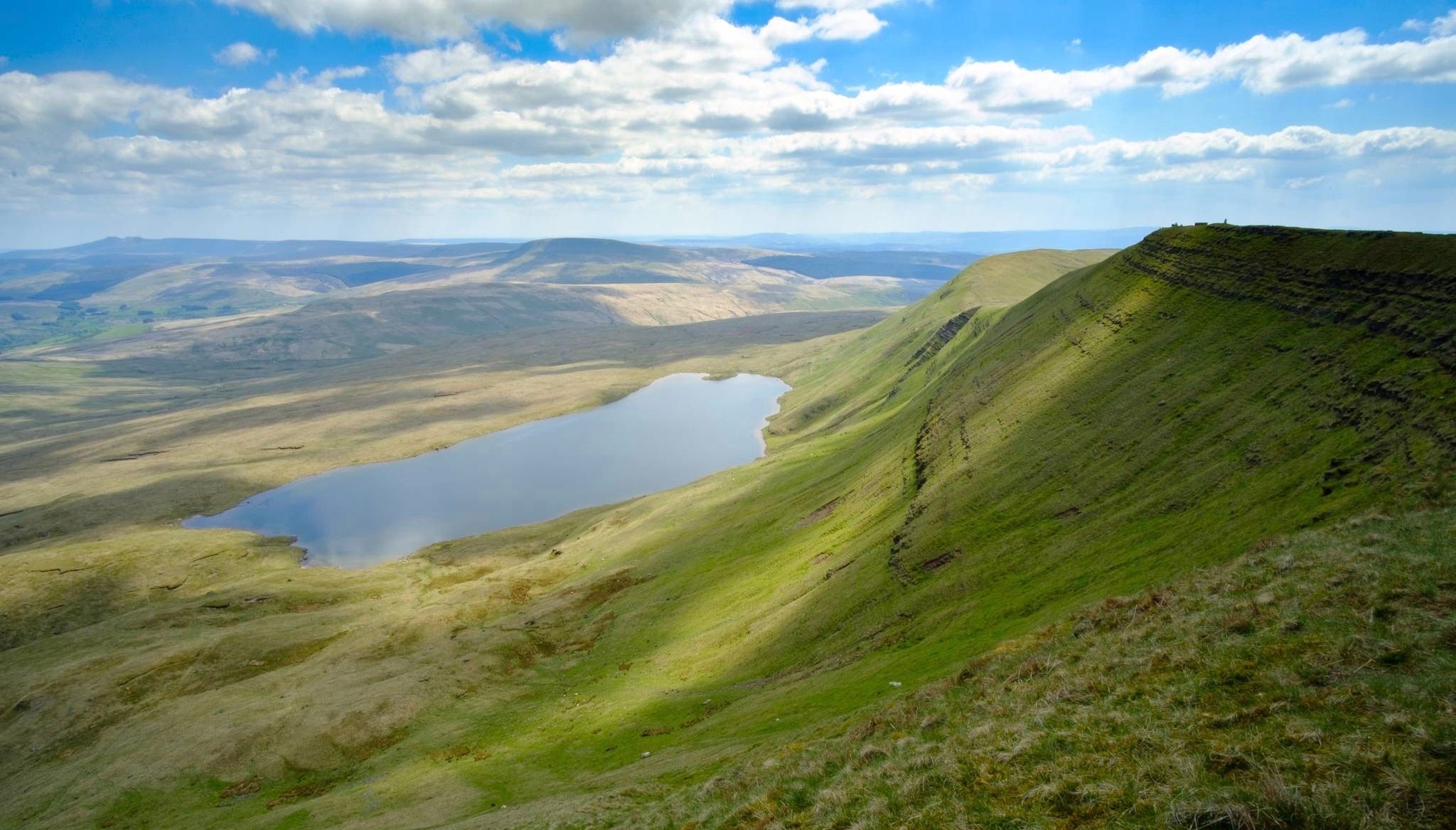
Breathtaking hikes in the Brecon Beacons National Park
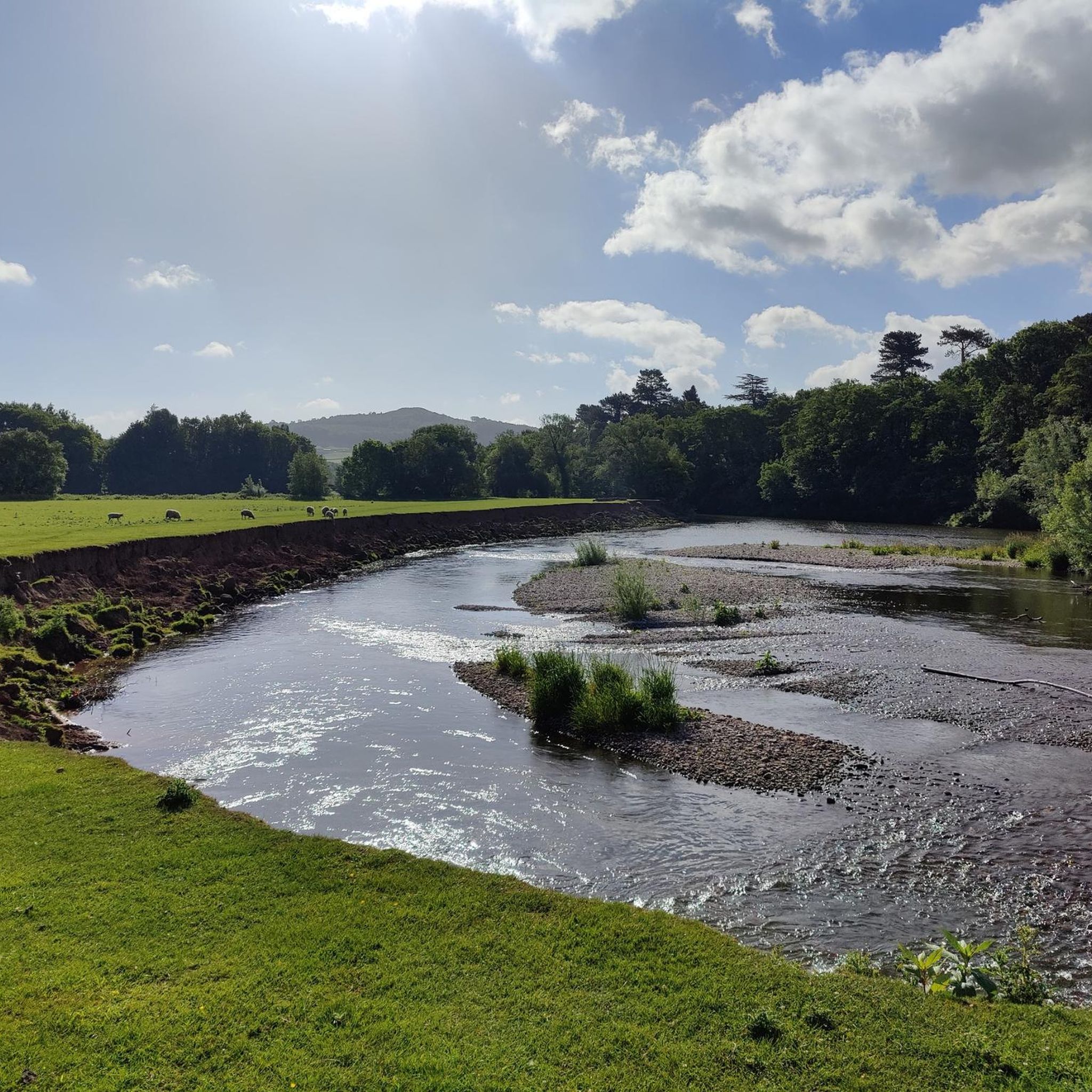
Hiking around Abergavenny
Other adventures around Abergavenny


Tips from the Community

White Castle is a ruined but super nice castle to visit and sits between the villages of Llantilio Crossenny and Llanvetherine. It is part of the 'Three Castles' group, along with nearby Grosmont and Skenfrith. These historic Norman fortresses were built to control the border region, and White Castle is known as the most imposing due to a strong inner and outer ward. It also has an imposing, water-filled, stone-lined moat. It is free to enter and maintained by Cadw.
0
0

Lovely addition to the area a burial ground a memorial area and a park with huge garden areas that leads to the forest at the side.
0
0


800 year old remains of a Norman motte and bailey castle in a pleasant community play park.
1
0

The ruins of Abergavenny Castle (Castell y Fenni) stand testament to a turbulent history. It was said that the castle "has been oftner stain'd with the infamy of treachery, than any other castle in Wales." It's now free and somewhat safer to enter.
1
0
The ruins of Abergavenny Castle (Castell y Fenni) stand testament to a turbulent history. It was said that the castle "has been oftner stain'd with the infamy of treachery, than any other castle in Wales." It's now free and somewhat safer to enter.
1
0

The first castle on this site was timber built probably by the Turberville family after the Norman invasion of the area.It was rebuilt in stone in 1272 by Sir Grimbald Pauncer-fote who married a Turberville heiress and was governor of the castle. Effigies of Sir Grimbald and lady sybil still lie in the parish church. Later the castle was seized by Roger Mortimer.But 1402 it was reverted to Sir John Pauncefote, Sir Grimwalds grand son .Under Royal command he reinforced the castle, but it failed to withstand Owain Glyndwr, s attacks that reduced it to ruin.
4
0
Clytha Castle (Welsh: Castell Cleidda) is a folly near Clytha between Llanarth and Raglan in Monmouthshire, south east Wales. Dating from 1790, the castle was built by William Jones, owner of the Clytha Park estate as a memorial to his wife, Elizabeth, who died in 1787. The castle is an example of the Gothic Revival and comprises three towers, of which two are habitable, and linking, castellated curtain walls. Long attributed to John Nash, recent research has confirmed that the architect was John Davenport of Shrewsbury. The folly has views towards the Sugar Loaf and Skirrid mountains on the easternmost edge of the Brecon Beacons National Park. Described by the architectural historian John Newman as one of the two "outstanding examples of late eighteenth century fanciful Gothic in the county", Clytha Castle is a Grade I listed building.
1
0
Frequently Asked Questions
What are some of the most historically significant castles around Abergavenny?
The region is rich in history. Abergavenny Castle, located in the town, is known for its dramatic past, including a notorious massacre in 1175. The 'Three Castles'—White Castle, Grosmont Castle, and Skenfrith Castle—were crucial Norman fortresses controlling the Welsh Marches. Raglan Castle, a late medieval marvel, endured one of the longest sieges of the English Civil War.
Which castles near Abergavenny are part of the famous 'Three Castles' group?
The 'Three Castles' are White Castle, Grosmont Castle, and Skenfrith Castle. These Norman fortresses are situated a few miles from Abergavenny and were built to control the borderlands between Wales and England. They are linked by a well-marked 'Three Castles Walk'.
Are there any family-friendly castles to visit near Abergavenny?
Yes, several castles are suitable for families. Abergavenny Castle and Museum offers picturesque ruins and grassy areas for picnics, with a museum providing local history. White Castle is also considered family-friendly, offering a clear impression of its original layout and military purpose in a quiet, atmospheric setting.
What kind of outdoor activities can I do near these castles?
The area around Abergavenny offers various outdoor activities. You can find numerous routes for road cycling, gravel biking, and hiking. For example, there are road cycling routes like the 'Four Castles Cycle Route from Abergavenny' and hiking trails such as the 'Sugar Loaf loop'. You can explore more options on the Road Cycling Routes around Abergavenny, Gravel biking around Abergavenny, and Hiking around Abergavenny guide pages.
Which castle is considered the best-preserved of the 'Three Castles'?
White Castle is widely regarded as the best-preserved and most imposing of the 'Three Castles'. It boasts extensive defenses, including a large outer ward and a pear-shaped inner ward protected by a deep, water-filled moat, showcasing it as a masterpiece of military engineering.
Is there a castle near Abergavenny that combines defense with luxurious living?
Raglan Castle, located just north of the village of Raglan, is celebrated for being a 'part castle, part palace'. Built between the 15th and early 17th centuries, it uniquely combines strong military defenses, such as its distinctive hexagonal keep, with Renaissance-influenced comforts like water gardens and luxurious domestic suites.
Are there any castles near Abergavenny that are free to enter?
Yes, White Castle, one of the 'Three Castles', offers free entry. Abergavenny Castle and Museum also offers free entry to its beautiful castle ruins and museum.
What is Clytha Castle and what makes it unique?
Clytha Castle is a fine example of Gothic Revival architecture and one of Wales' outstanding 18th-century follies. Built in 1790 by William Jones as a memorial to his late wife, it features three towers and castellated curtain walls, offering views towards the Sugar Loaf and Skirrid mountains.
What can I expect to see at <a href="https://www.komoot.com/highlight/616090" target="_blank" rel="noopener">Crickhowell Castle ruins</a>?
Crickhowell Castle ruins, also known as Alisby's castle, began as a motte and bailey castle in the 12th century and was rebuilt in stone in 1272. While largely ruined, it still dominates the views from the market town of Crickhowell and is worth a visit if you are in the area, especially before or after a hike.
What is the best time of year to visit the castles around Abergavenny?
While castles can be visited year-round, spring and summer offer pleasant weather for exploring the outdoor ruins and grounds. Autumn provides beautiful foliage, and winter visits can be atmospheric, though some facilities might have reduced hours. Checking specific castle opening times before your visit is always recommended.
Are there any castles near Abergavenny with a museum on site?
Yes, Abergavenny Castle and Museum houses the Abergavenny Museum within its grounds. The museum, located in a 19th-century hunting lodge built on the original motte, offers insights into the castle's history and the local area.
Can I find cafes or pubs near the castles for refreshments?
Yes, many of the castles are located near towns or villages that offer amenities. For instance, Crickhowell Castle ruins are close to several nice pubs. Abergavenny town itself, where Abergavenny Castle is located, has a variety of cafes and pubs.
Most popular routes around Abergavenny
Most popular attractions around Abergavenny

Get inspired with the komoot mobile app


Explore more
Looking for the best castles somewhere else? Discover other guides around Abergavenny:
