Top 20 Natural Monuments around Rosenthal-Bielatal
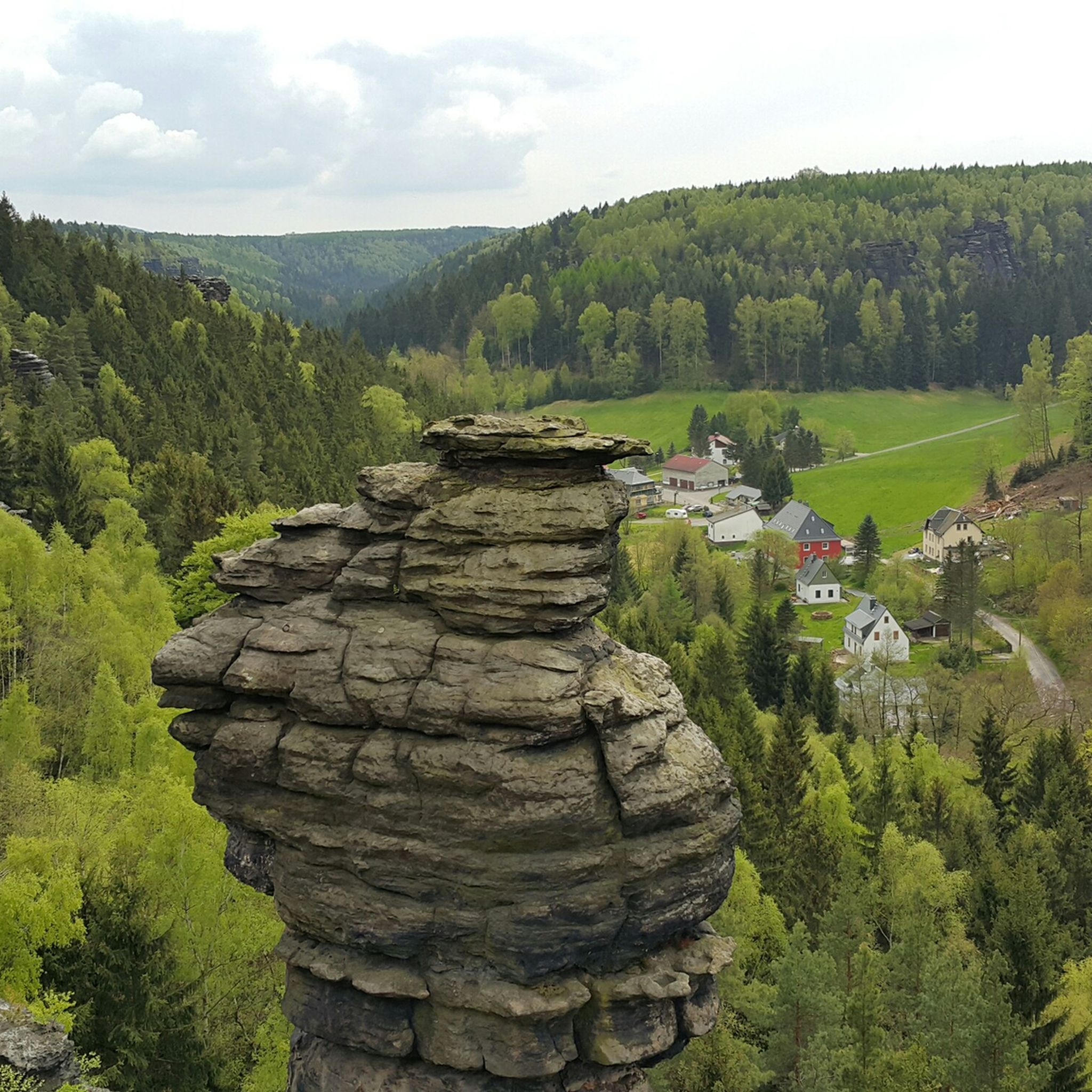
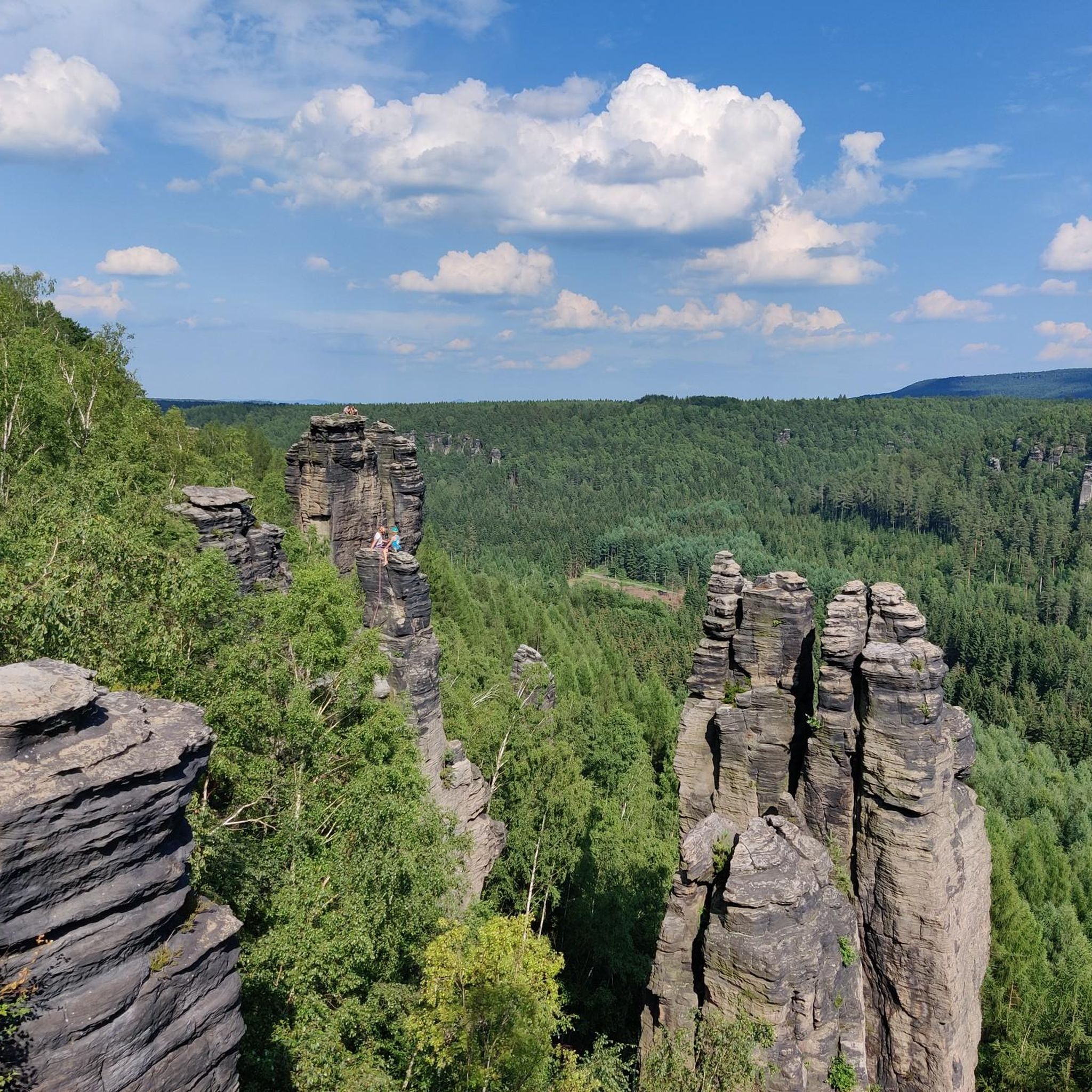
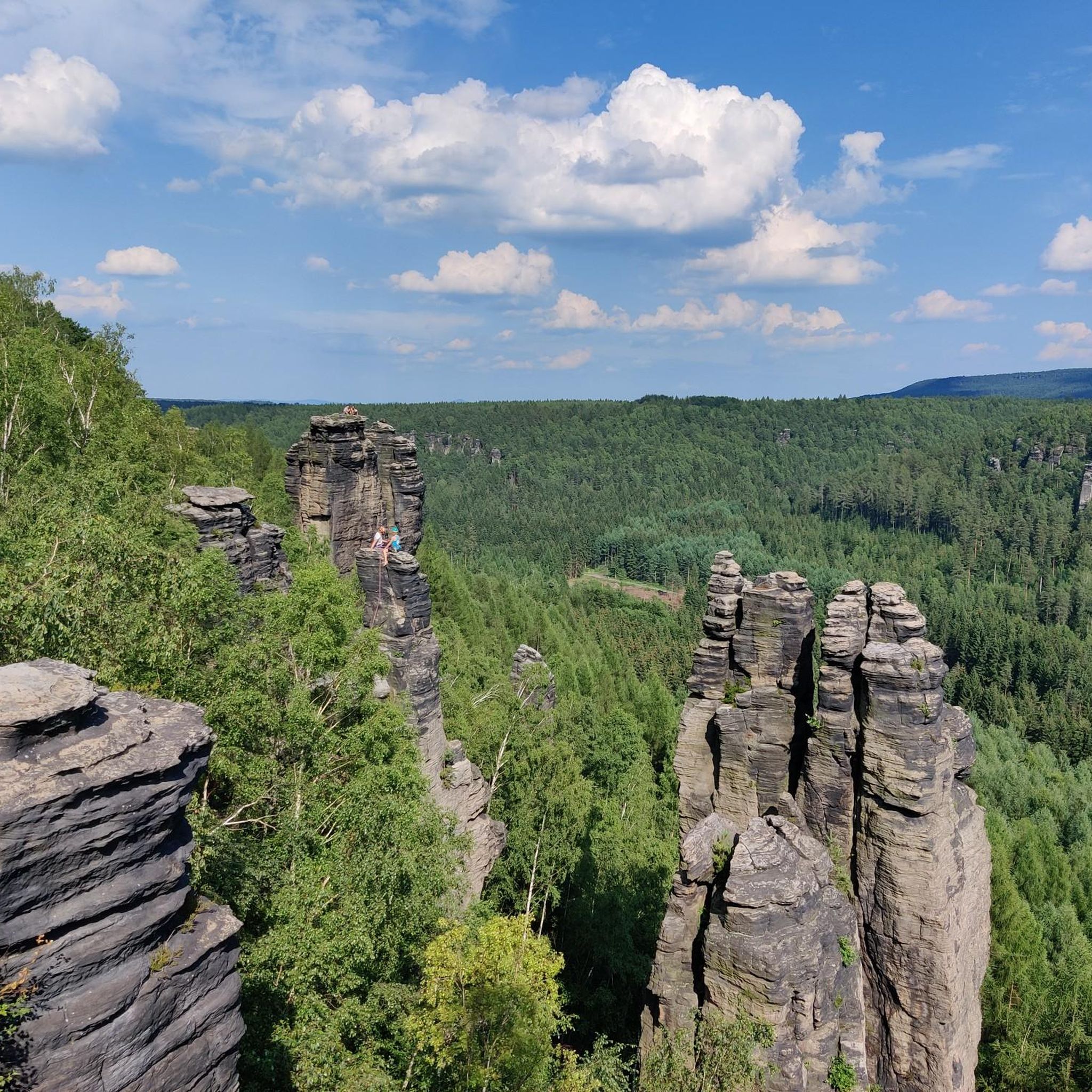
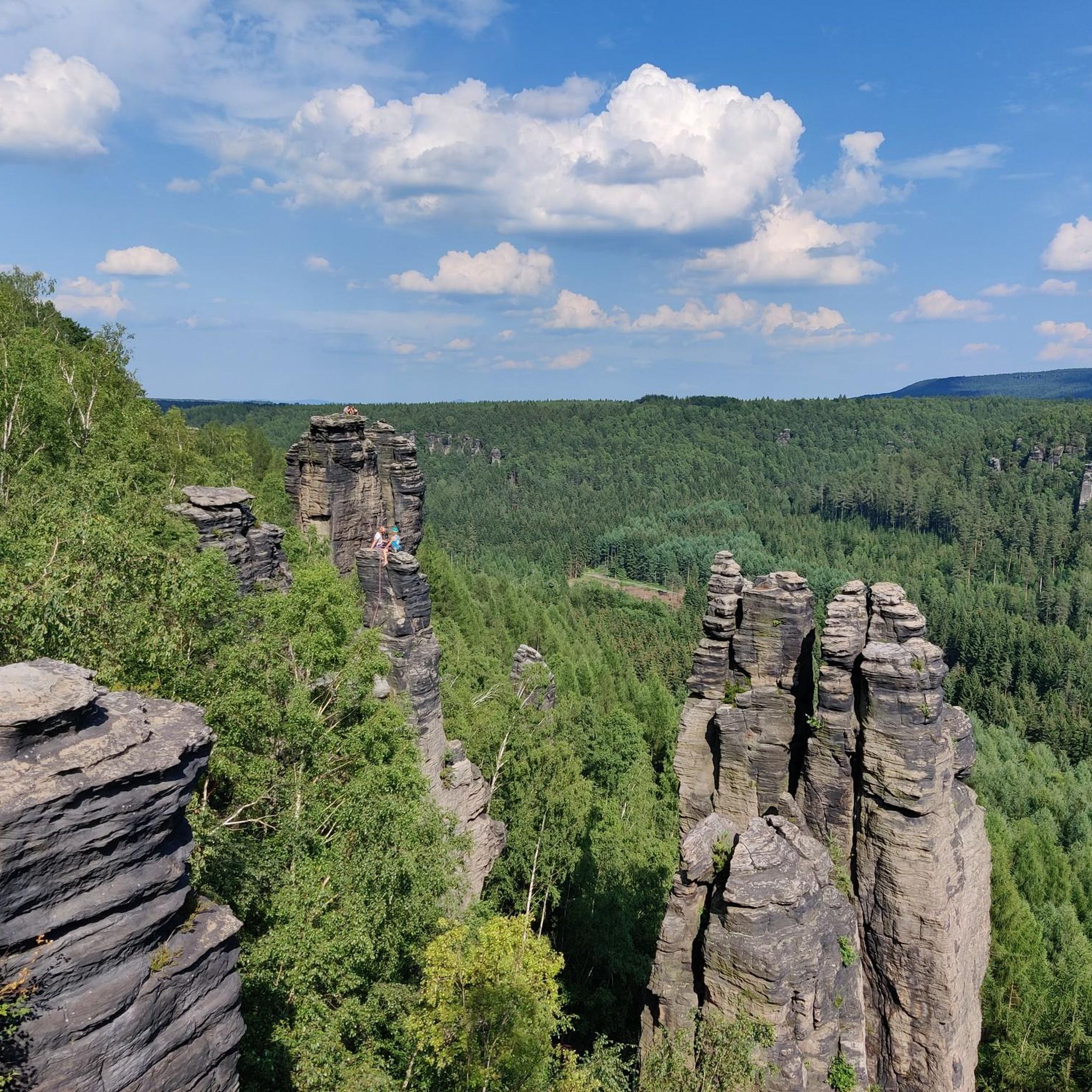
Natural monuments around Rosenthal-Bielatal are characterized by bizarre rock formations and enchanting caves within the Saxon Switzerland-East Ore Mountains. This region offers a blend of hiking and exploration opportunities amidst a natural backdrop. The upper Bielatal, particularly between Schweizermühle and Ottomühle, is known for its distinctive character and numerous rock towers. The area's unique geological features provide a diverse landscape for outdoor activities.
Best natural monuments around Rosenthal-Bielatal
- The most popular natural monuments is Schwedenlöcher, a gorge that is…
Last updated: July 10, 2026
Bastei Bridge
Highlight • Bridge
Translated by Google •
Tip by

View of the Bastei Bridge from Ferdinandstein
Highlight • Viewpoint
Translated by Google •
Tip by

Sign up now to discover places like this
Get recommendations on the best single tracks, peaks, & plenty of other exciting outdoor places.
Sign up for free
Schwedenlöcher
Highlight (Segment) • Gorge
Translated by Google •
Tip by
Felsenburg Neurathen (closed due to dilapidation)
Highlight • Castle
Translated by Google •
Tip by

Bastei Viewpoint
Highlight • Viewpoint
Translated by Google •
Tip by

Sign up for free to discover even more natural monuments around Rosenthal-Bielatal.
Sign up for free
Already have an account?
Start today with a free account
Your next adventure awaits.
Login or Signup
Popular around Rosenthal-Bielatal
Forststeig – 7 days in the wild, remote sandstone mountains
National Park Region Saxon Switzerland: Hiking Recommendations 2023
Winterwanderungen in der Sächsischen Schweiz
Wanderempfehlungen Nationalparkregion Sächsische Schweiz
Hiking around Rosenthal-Bielatal
Gravel biking around Rosenthal-Bielatal
Road Cycling Routes around Rosenthal-Bielatal
MTB Trails around Rosenthal-Bielatal
Cycling around Rosenthal-Bielatal
Mountain Hikes around Rosenthal-Bielatal
Other adventures around Rosenthal-Bielatal


Tips from the Community

A great vantage point over the Elbe valley and the rocky landscape.
19
1

Beautiful, but unfortunately extremely overcrowded. Therefore, it is definitely advisable to be there as early as possible. Around 9 a.m. the first streams of tourists arrive. The early bird catches the worm 😉.
19
2

Sensational views from several vantage points on the bastion
20
2

Great panorama over the Elbe valley.
24
3

The film is quickly filled with photos of the most beautiful view from the Bastei.
26
2

Anyone who has ever stood here, on the stone parapet of the Bastei, knows: Some places need no advertising. They simply stand there, defying wind and centuries, and bring a sense of stillness. Below, the Elbe River meanders – not hastily, not spectacularly, but with that understated elegance that only ancient rivers possess. The valley lies deep, the cliffs rise steeply, and between them stretches a landscape as if sculpted by a painter. On clear days, the water sparkles like polished glass, and the light catches in the sandstone walls as if there were a second sun here. A lone train passes far below through the valley – a tiny reminder of the restless present. But up here, among trees, rocks, and the viewing platform, it's not speed that counts, but the moment. A branch frames the view, a rock intrudes into the picture, and suddenly you understand why people have been coming to this place for centuries: Not for selfies. But because the view from the Bastei does something to you. It puts you back in perspective. In a way that belongs to the landscape – and not to the calendar. Those who wish can come early in the morning. When the light is still soft, the path almost empty, and only your own breath is audible. Or stay until evening, when the valley is shrouded in shadow and the last rays of sunlight gild the rocks. Then a stillness lies over everything, a stillness that is not empty, but full: full of history, full of nature, full of the present.
42
2

You have a very nice view of the Elbe valley from the path between the trees. It is best to take binoculars with you.
20
2

Very nice view from the bastion in the Elbe valley 👍🏻
21
2
Frequently Asked Questions
What unique rock formations can I explore in Rosenthal-Bielatal?
Rosenthal-Bielatal is renowned for its bizarre rock formations. Among the most striking are the Herkulessäulen (Hercules Pillars), comprising the Große and Kleine Herkulessäule, which are prominent sandstone needles reaching around 20 meters high in the upper Bielatal valley. Other unique weathered forms include the Sachsenstein, Johanniswacht, and Kanzelturm, all contributing to the region's dramatic landscape.
Are there any notable caves to visit in the Rosenthal-Bielatal area?
Yes, the region is home to several intriguing caves. The Bennohöhle is one of the larger and more frequently visited caves. The Eisloch, including a specific 'Eishöhle im Bielatal', adds to the geological diversity. Additionally, the impressive Schwedenloch is 19 meters deep and features an ice pit behind the Ottomühle, offering a unique exploration.
What are some of the most scenic viewpoints in Rosenthal-Bielatal?
For breathtaking panoramic views, the Schrammstein Viewpoint is a must-see, offering a mystical atmosphere, especially in fog. The Bastei Viewpoint also provides spectacular vistas of the Elbe valley and the surrounding rocky landscape. The Bastei Bridge itself is a famous highlight, offering views of the Elbe and the surrounding countryside.
Are the natural monuments in Rosenthal-Bielatal suitable for families?
Many natural monuments in Rosenthal-Bielatal are family-friendly. The Bastei Bridge and Bastei Viewpoint are popular choices, though they can be crowded. The Neurathen rock castle is also suitable for families and offers historical insights. The craggy rock labyrinth in Bielatal is particularly appealing to younger visitors.
What historical significance do some of the natural monuments hold?
Several natural monuments in the region have historical ties. The Schwedenlöcher gorge earned its name during the Thirty Years' War when local farmers sought refuge from Swedish soldiers. The Neurathen rock castle is an interesting historical site, showcasing how people utilized the terrain centuries ago. The Fuchsteich (Fox Pond), a natural monument, is a former floater pond dating back to the 16th century, holding water and forestry historical significance.
What outdoor activities can I do near the natural monuments in Rosenthal-Bielatal?
The region offers a variety of outdoor activities. You can enjoy extensive hiking, with routes like 'From the Hercules Columns to the Moor Pond' or 'View of the Hercules Columns – Johanniswacht Viewpoint loop'. For more challenging adventures, there are mountain hikes such as 'Pfaffenstein – Bellohöhle loop'. Cycling is also popular, with well-signposted paths connecting to the Elbe cycle path. You can find more details on routes in the Hiking around Rosenthal-Bielatal, Mountain Hikes around Rosenthal-Bielatal, and MTB Trails around Rosenthal-Bielatal guides.
Are there hiking trails near the Herkulessäulen (Hercules Pillars)?
Yes, the Herkulessäulen are a popular spot for hikers and climbers. A hiking trail marked with a 'yellow dot' leads directly past these impressive rock towers. Several moderate hiking routes, such as the 'View of the Hercules Columns – Johanniswacht Viewpoint loop' and 'View of the Hercules Columns – Grenzplatte Viewpoint loop', start from Rosenthal-Bielatal and explore the surrounding area.
What is the best time to visit the natural monuments in Rosenthal-Bielatal?
The natural monuments can be enjoyed year-round. While the high season from April to October sees more visitors, the winter months offer a chance to experience the breathtaking views, especially from spots like the Bastei Bridge, with fewer crowds and a tranquil atmosphere. Visiting early in the morning or late in the evening can also provide a more serene experience.
What do visitors enjoy most about the natural monuments in Rosenthal-Bielatal?
Visitors consistently praise the stunning panoramic views, the unique and bizarre rock formations, and the mystical atmosphere, especially in places like the Schrammstein Viewpoint. The wild, fairytale-like character of sections like the Schwedenlöcher is also highly appreciated. The blend of natural beauty and historical elements makes for a memorable experience.
Are there any natural monuments that are particularly challenging to access?
Some natural monuments, particularly viewpoints and climbing areas, can be challenging. For instance, accessing the Schrammstein Viewpoint involves narrow paths and can be slippery due to sand, requiring sure-footedness and comfort with heights. Climbing the Herkulessäulen is also a popular activity, with routes ranging from IV to VIIIb on the Saxon scale, indicating varying levels of difficulty.
Can I find information about the geology of the region's natural monuments?
The natural monuments in Rosenthal-Bielatal are characterized by their unique geology, primarily bizarre sandstone formations. The Herkulessäulen, for example, are made of hard labiate sandstone, creating distinctive, overhanging summit heads. The entire upper Bielatal region showcases fantastic weathered forms, hinting at the powerful geological forces that shaped them over millennia. These formations are a prime example of the Elbe Sandstone Mountains' distinctive character.
Most popular routes around Rosenthal-Bielatal
Most popular attractions around Rosenthal-Bielatal

Get inspired with the komoot mobile app


Explore more
Extend your search for the best caves by checking out these guides of the top ones around Rosenthal-Bielatal:
