Attractions and Places To See around Aston Botterell - Top 20
Best attractions and places to see around Aston Botterell include a blend of historical sites and natural features within the Shropshire Hills. Aston Botterell, a village in Shropshire, serves as a base for exploring notable landmarks and cultural sites. The surrounding area offers diverse outdoor pursuits, including several prominent hill summits. Visitors can find a variety of attractions ranging from medieval architecture to Iron Age hillforts.
Best attractions and places to see around Aston Botterell
- The most popular attractions is…
Last updated: July 3, 2026
Abdon Burf Summit (Highest Point of Brown Clee Hill)
Highlight • Viewpoint
Tip by

Titterstone Clee Hill summit
Highlight • Natural Monument
Tip by
Sign up now to discover places like this
Get recommendations on the best single tracks, peaks, & plenty of other exciting outdoor places.
Sign up for free
Bridgnorth War Memorial, Castle Gardens
Highlight • Monument
Tip by

Highley Railway Station
Highlight • Historical Site
Tip by
Highley and Alveley Footbridge
Highlight • River
Tip by
Sign up for free to discover even more attractions around Aston Botterell.
Sign up for free
Already have an account?
Start today with a free account
Your next adventure awaits.
Login or Signup
Tips from the Community

There is the bracket of the original Trig Point cemented into the path that leads to the Toposcope.
0
0

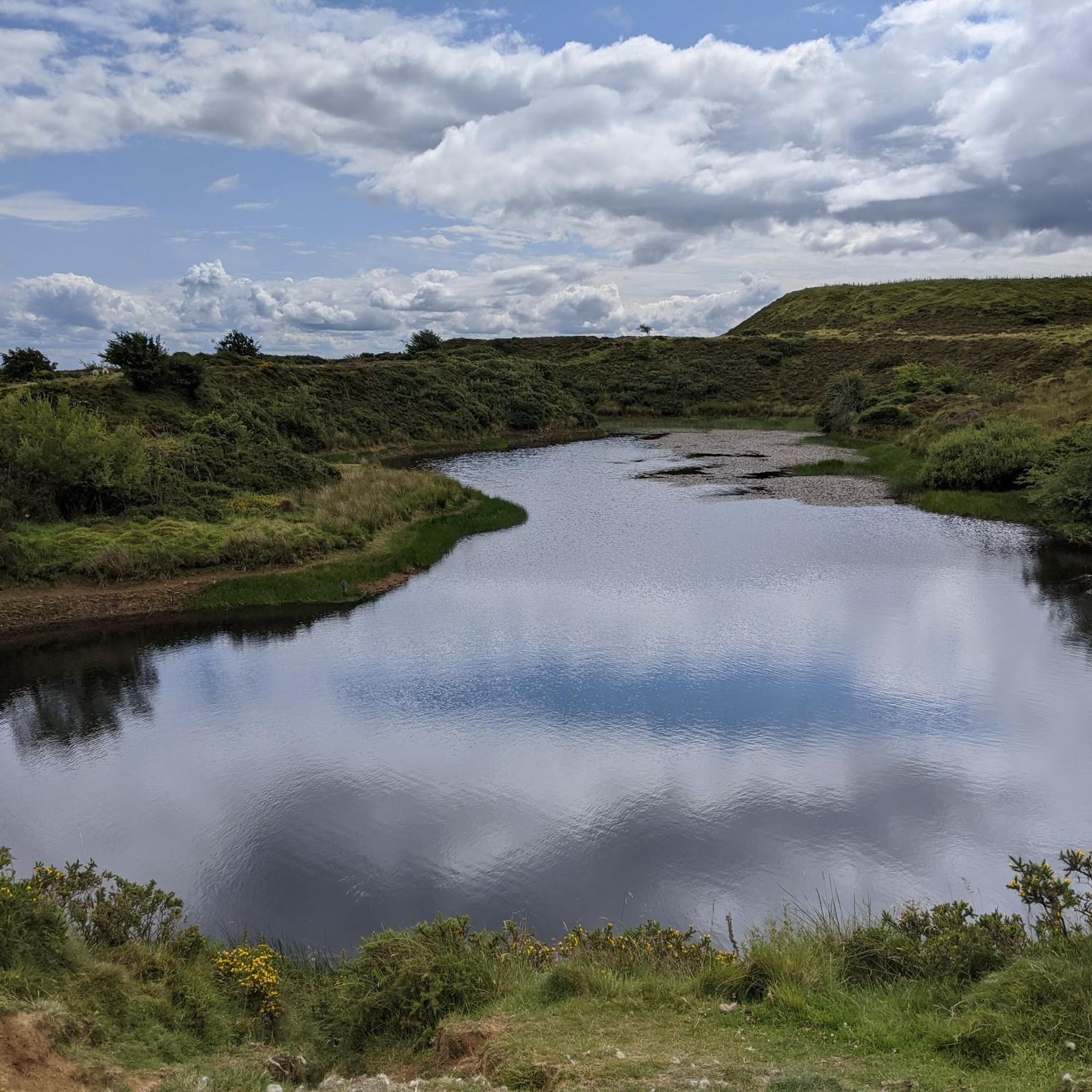
Incredible 360 views all around. A great muddy descent from the top.
0
0

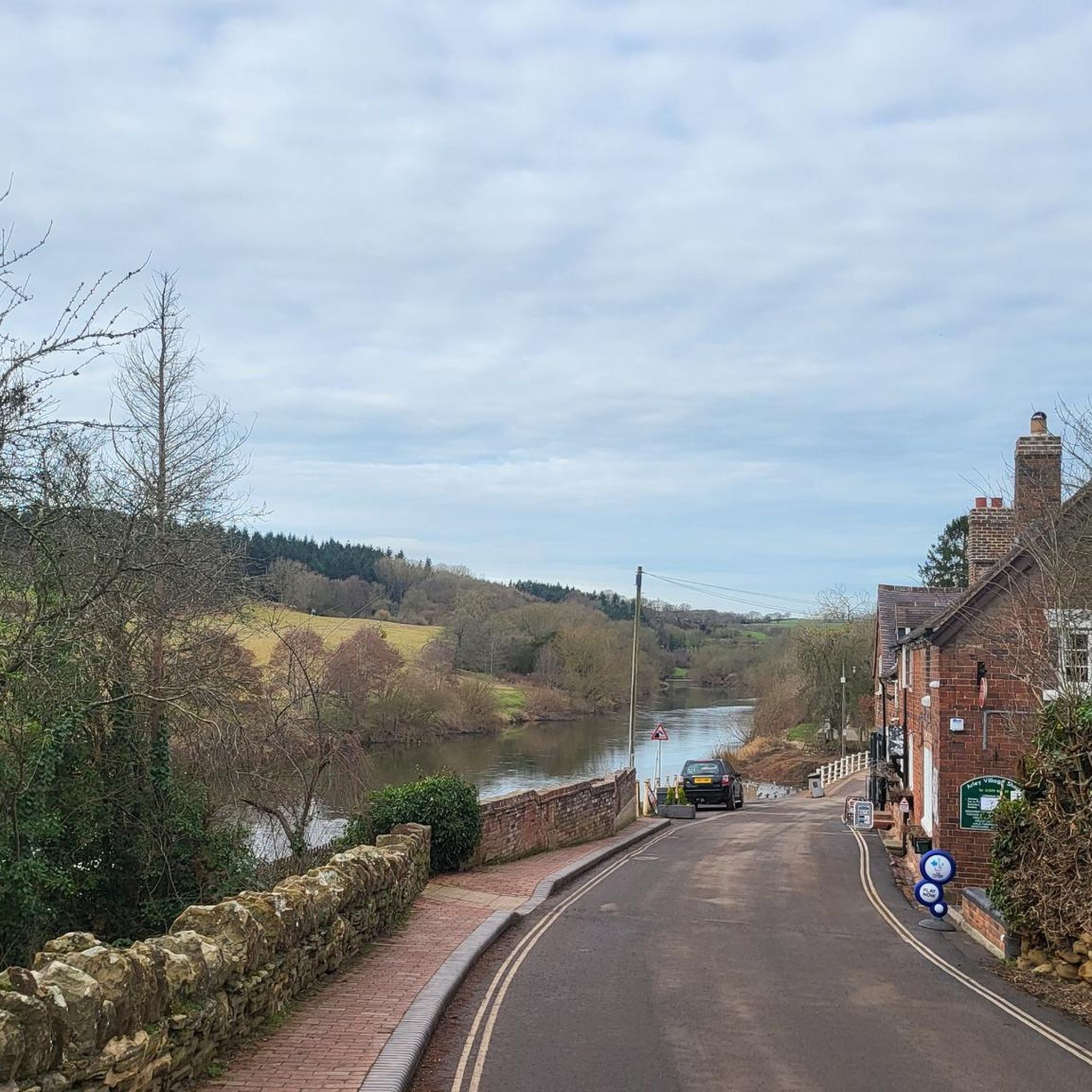
Highley railway station is a station on the Severn Valley Railway heritage line in Shropshire, near the west bank of the River Severn and just under a mile south-east of the village of Highley. Highley is the only staffed single-platform station on the line. Other stops with one platform are unstaffed halts. The only station on the Severn Valley Railway with only one platform! Beautifully restored in traditional GWR style, the station is just a short walk from The Engine House! Highley station opened to the public on 1 February 1862 and closed on 9 September 1963, before the Beeching axe closures. Highley station was important as the transport hub of a colliery district, with four nearby coal mines linked to the Severn Valley line by standard and narrow gauge lines, cable inclines and aerial ropeways . There were extensive sidings along the line, and wagon repair works at Kinlet, half-a-mile south. The station was inconveniently far from Highley so the arrival of a bus service seriously affected use of the station. The signal box opposite the platform remained in use until 1969 when Alveley colliery closed and freight traffic ceased. The station site was disused until preservation.
0
0
The Highley and Alveley footbridge is a replacement bridge crossing over the River Severn between Highley and Alveley in Shropshire. Arup designed the bridge for Mowlem Construction Ltd with Ivor King Piling Ltd installing the piles. The bridge is a three span continuous reinforced concrete footbridge and was completed in 2006. The main central span is approximately 48m with side spans each of 19.5m, skewed at 30° and full height abutments. Piers and abutments are located on the banks of the river. The stratigraphy generally comprised Made Ground (mainly colliery spoil) overlying alluvial sands, silts and clays overlying a thin layer of River Terrace Deposits of clayey sandy gravel. Bedrock comprised interbedded mudstones and siltstones of the Upper Coal Measures. Both piers and the Alveley bank abutment (shown above) are founded on steel piles. However, the Highley abutment is founded on landslipped material which may potentially move, so in order not to attract loads from this material, it was founded at shallow depth.
0
0
Bridgnorth war memorial stands in Castle Gardens on East Castle Street. The bronze figure of a soldier of the Shropshire Light Infantry stands arm outstretched, in the act of throwing a grenade or bomb, atop a plinth with pediment. An inscription and names are found on plaques on the sides of the plinth. Bridgnorth's war memorial is dramatic on at least two counts: its location and its subject. The memorial occupies a prominent site in the Castle Gardens - at the cliff's edge, facing out into the void. The plinth is topped by the figure of a soldier in the battle dress of the Shropshire Light Infantry. He carries a rifle over his shoulder and has his arm stretched out as if he has just thrown a hand grenade. The sculptor was Adrian Jones, a Shropshire artist born in Ludlow. After serving as a veterinary officer in the Royal Horse Artillery, Jones became a full-time sculptor. He was responsible for several prominent national pieces including the sculpture Peace descending on the Quadriga of War which stands on top of the Wellington Arch in Hyde Park as a memorial to King Edward VII. The memorial bears the inscription: Erected in honour of the men of Bridgnorth who served their country in the Great War 1914-1919 and to the ever glorious memory of those who fell. Also to the memory of those who fell in the Second World War 1939-1945. They whose names are recorded hereon were numbered among those who, at the call of King and Country, left all that was dear to them, endured hardness, faced danger & finally passed out of the sight of men by the path of duty and self-sacrifice, giving up their own lives that others might live in freedom. Let those who come after see to it that they be not forgotten. The names and ranks of 143 persons who died in the Great War and 48 who died in the Second World War are listed.
0
0


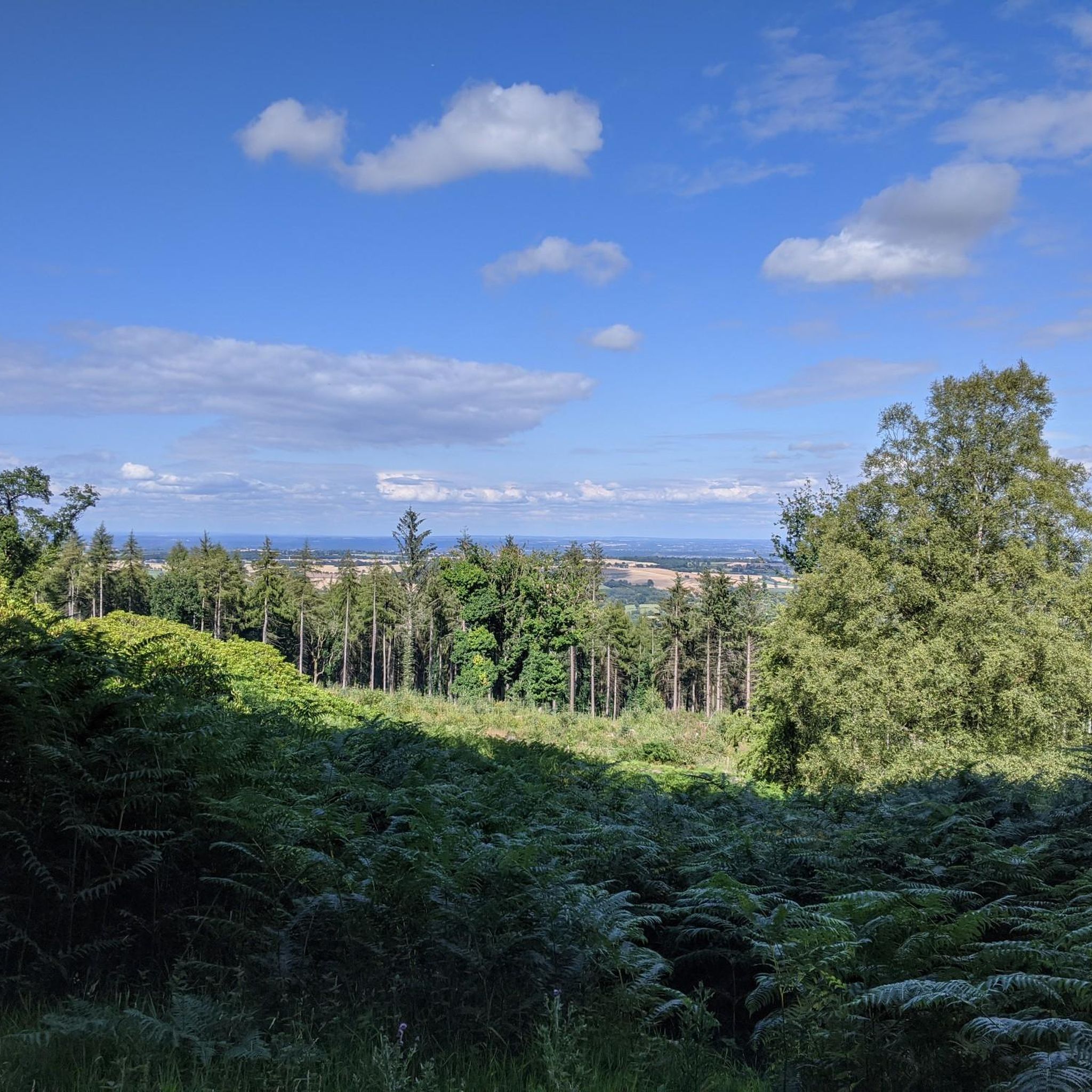
Beautiful views of the Shropshire countryside with views extending to the counties beyond.
2
0
Frequently Asked Questions
What natural features can I explore around Aston Botterell?
The area around Aston Botterell is rich in natural beauty, particularly within the Shropshire Hills. You can visit several prominent summits offering expansive views. These include Abdon Burf Summit, the highest point in Shropshire at 540 meters, known for its fantastic views. Another is Titterstone Clee Hill summit, the third-highest point, which provides exceptional views of the surrounding landscapes. Also, Clee Burf, the second summit of Brown Clee Hill, offers excellent vistas of the Shropshire Hills AONB.
Are there historical sites to visit near Aston Botterell?
Yes, the region boasts several historical sites. Within Aston Botterell itself, you can find St. Michael and All Angels Church, a Grade II* listed building with medieval architecture dating back to the 12th century, featuring historic artifacts and monuments. Nearby, Clee Burf and Titterstone Clee Hill summits both contain remnants of Iron Age hillforts. For railway enthusiasts, Highley Railway Station, part of the historic Severn Valley Line, offers a glimpse into the past with steam trains. Additionally, the dramatic Bridgnorth War Memorial in Castle Gardens is a significant historical monument.
What kind of hiking opportunities are available in the Aston Botterell area?
The Shropshire Hills surrounding Aston Botterell provide an extensive network of paths suitable for hiking. You can find routes ranging from easy to challenging. For example, there's an easy Abdon Burf loop, or more moderate options like the Burwarton & Brown Clee Hill loop. The area is also accessible to long-distance routes like the Shropshire Way for more serious trekkers. Many trails offer fantastic views from the hill summits.
Are there any family-friendly attractions around Aston Botterell?
Absolutely! Families can enjoy a visit to Highley Railway Station, where they can see historic steam trains on the Severn Valley Line. The station also has a visitor center nearby. The Bridgnorth War Memorial in Castle Gardens is also considered family-friendly, offering a historical point of interest in a scenic setting.
Can I go cycling or mountain biking near Aston Botterell?
Yes, the Shropshire Hills offer excellent opportunities for both cycling and mountain biking. There are quiet country lanes and bridleways for general cycling, and dedicated routes for mountain biking. You can explore various MTB trails, including challenging loops around Clee Burf. For road cycling, there are also several cycling routes, such as the Clee Hills loop from Cleobury Mortimer.
What are the best viewpoints in the Aston Botterell area?
The area is renowned for its stunning viewpoints, primarily from its hill summits. Abdon Burf Summit, the highest point in Shropshire, offers panoramic views on clear days. Titterstone Clee Hill summit provides exceptional 360-degree views of the surrounding landscapes. Additionally, Clee Burf offers excellent vistas of the Shropshire Hills Area of Outstanding Natural Beauty.
Are there any notable architectural sites in Aston Botterell?
Yes, St. Michael and All Angels Church in Aston Botterell is a Grade II* listed building, showcasing medieval architecture with parts dating back to the 12th century. It features stained-glass windows, intricate carvings, and historic monuments. Aston Manor, also a Grade II* listed historic building, is another significant architectural structure in the village, though it may not be publicly accessible.
What do visitors enjoy most about the attractions around Aston Botterell?
Visitors frequently praise the spectacular views from the various summits, especially on clear days, describing them as 'fantastic' and 'exceptional'. The historical intrigue of sites like Clee Burf with its Iron Age forts, and the picturesque nature of places like Highley Railway Station, are also highly appreciated. The overall beauty of the Shropshire countryside is a recurring highlight.
What is the highest point in Shropshire near Aston Botterell?
The highest point in Shropshire is Abdon Burf Summit, which is part of Brown Clee Hill. It stands at 540 meters (1,771 feet) and offers extensive views from its open heathland.
Are there any other significant historical landmarks within a short drive of Aston Botterell?
Yes, within a short drive, you can visit Ludlow Castle, a well-preserved medieval castle, and The Iron Bridge, an iconic landmark from the Industrial Revolution. These offer further insights into the region's rich history.
Can I find information about public transport to Aston Botterell attractions?
While specific public transport details for Aston Botterell itself are limited, Highley Railway Station is part of the historic Severn Valley Line, which can be accessed via heritage train services. For broader public transport information to the Shropshire Hills area, you may find details on the Visit Shropshire Hills website.
What are the terrain and difficulty levels for walks around Aston Botterell?
The terrain around Aston Botterell varies, from open heathland on the summits to country lanes and bridleways. Walks can range from easy, such as shorter loops around Abdon Burf, to moderate and difficult, especially when tackling the higher, more exposed summits like Titterstone Clee Hill. Some areas may have been altered by historical quarrying activity, adding to the ruggedness. Always check specific route details for elevation and surface conditions.
Most popular attractions around Aston Botterell

Get inspired with the komoot mobile app


Explore more
Still not found the Highlight you’re looking for? See guides of the top attractions in other regions:
