Attractions and Places To See around Framwellgate Moor - Top 20
Best attractions and places to see around Framwellgate Moor include a blend of historical, cultural, and natural sites. This suburb of Durham offers local points of interest and convenient access to significant attractions within the wider County Durham area. The region features historical buildings, natural reserves, and scenic river walks. Its proximity to Durham City means major attractions are easily accessible.
Best attractions and places to see around Framwellgate Moor
- The most popular attractions is Durham Cathedral (UNESCO World Heritage…
Last updated: August 27, 2026
Penshaw Monument
Highlight • Monument
Tip by

Durham Cathedral (UNESCO World Heritage Site)
Highlight • Religious Site
Tip by

Sign up now to discover places like this
Get recommendations on the best single tracks, peaks, & plenty of other exciting outdoor places.
Sign up for free
Durham Castle
Highlight • Castle
Tip by
Finchale Priory
Highlight • Religious Site
Tip by
The Count's House Folly
Highlight • Structure
Tip by

Sign up for free to discover even more attractions around Framwellgate Moor.
Sign up for free
Already have an account?
Start today with a free account
Your next adventure awaits.
Login or Signup
Popular around Framwellgate Moor


Other adventures around Framwellgate Moor

Tips from the Community

The cathedral was originally constructed to house the relics of St Cuthbert, a beloved Northumbrian saint. His shrine is a significant pilgrimage destination.
0
0


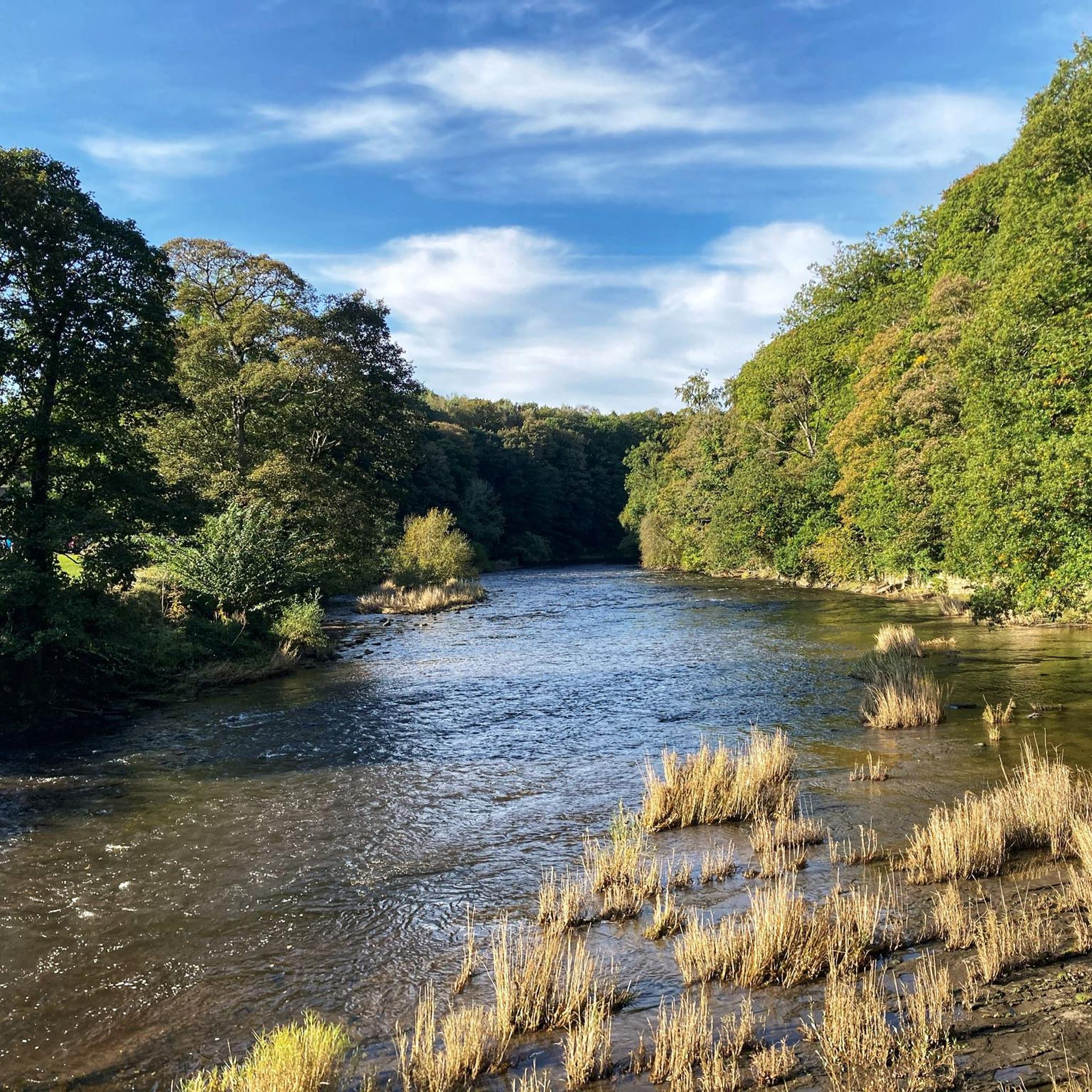
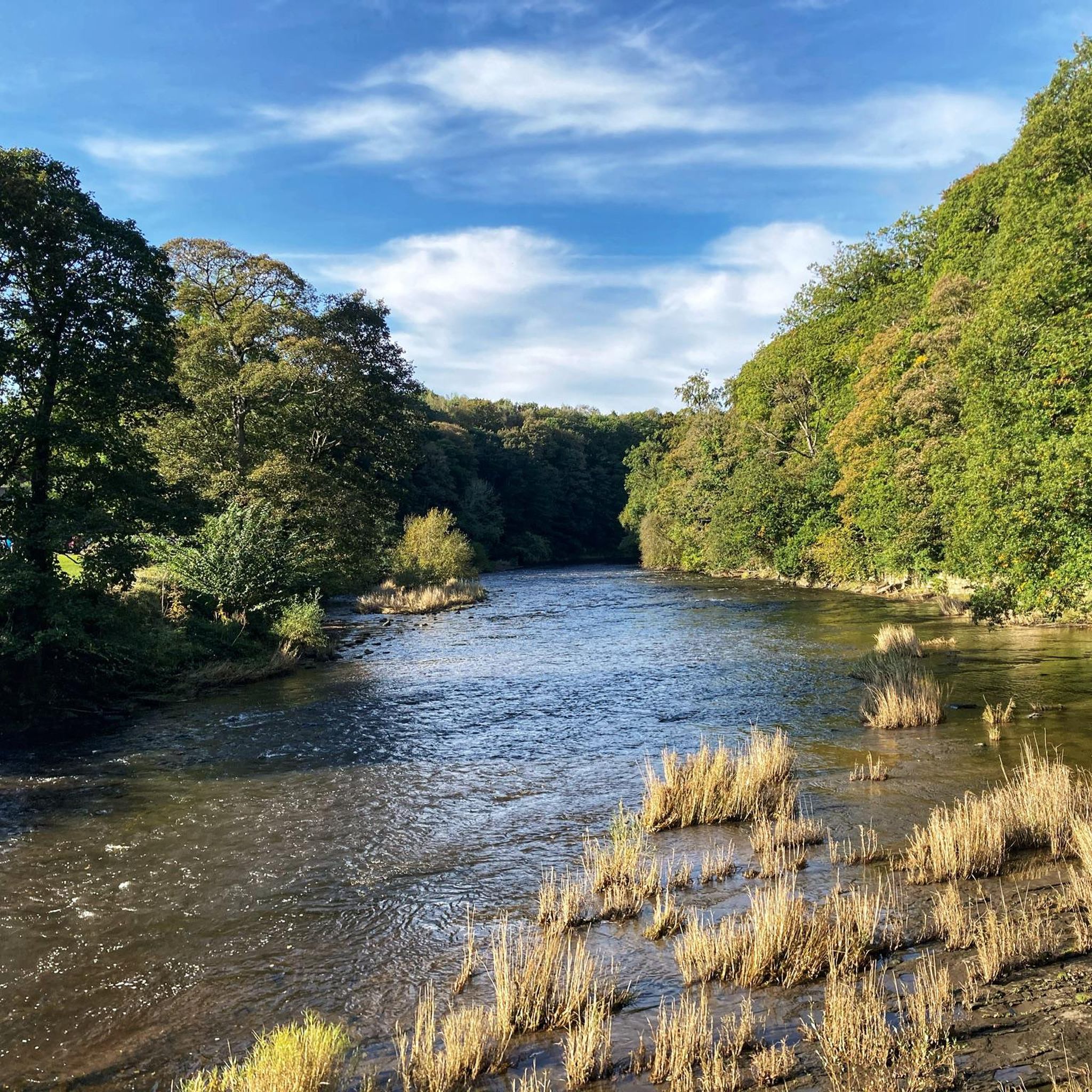
nice easy parking, walk accross the bridge over the river and you can either walk left or right giving you two options to walk up or down the river. quite pleasant but can get a bit boggy when it rains so wear the correct footwear. does get busy in the warmer months
3
0

A television series that I can recommend without reservation presents the culture-loving viewer (in German) with remarkable examples of human creativity from many countries around the world. What they all have in common is that they have been given "world heritage" status by UNESCO. One of the contributions documents: "Like a grey rock, Durham Cathedral, located in the north-east of England near the Scottish border, towers over the roofs of the city. Half church and half bastion, this building is an impressive example of early Romanesque church architecture in England. The three-storey Anglo-Norman cathedral with a 2 m thick arcade wall and Norman castle complex, the later seat of the bishops of Durham, was declared a cultural monument." This film can be found in the ARD media library under the following link: https://www.ardmediathek.de/video/schaetze-der-welt/die-kathedrale-von-durham-grossbritannien-folge-138/3sat/Y3JpZDovL3N3ci5kZS83MTY4ODA2
2
1

Ascend a winding staircase to the summit of Penshaw Hill, where a magnificent 21-meter Victorian folly stands amidst awe-inspiring vistas that stretch across Sunderland and its surrounding countryside. The folly is one of the North East's most prominent landmarks, and can be seen for miles around. Locals are so proud of the monument it even features on the Sunderland Football Club's badge.
1
0

Durham Count's House is actually a folly - a building erected for the sole purpose of looking nice in a rural setting and usually made to look like a forgotten piece of history. The Georgians and Victorians were great ones for building follies, and you'll often find miniature mock medieval ruins and classical temples in the grounds of country houses. The Count's House folly was built by the Dean and Chapter of Durham Cathedral in about the 1820s. Of course, I say that follies have no other purpose, but they did sometimes serve as a place to rest, take tea or as a hunting lodge; the Count's House was sometimes used as a summerhouse. (https://explorar.co.uk/durham/history/who-was-durhams-little-count/)
3
0
Absolutely huge cathedral. The interior is quite special in its plainness - not even the high ceiling is decorated making the gothic architecture even more impressive. As you cannot walk around it takes a bit of going back and forth to take in this building complex from all perspectives.
13
0
Donated to the university and now used as student residence. Therefore opening times are limited, but one can get a glimpse into the inner yard when asking friendly.
12
0
Frequently Asked Questions
What historical sites can I explore near Framwellgate Moor?
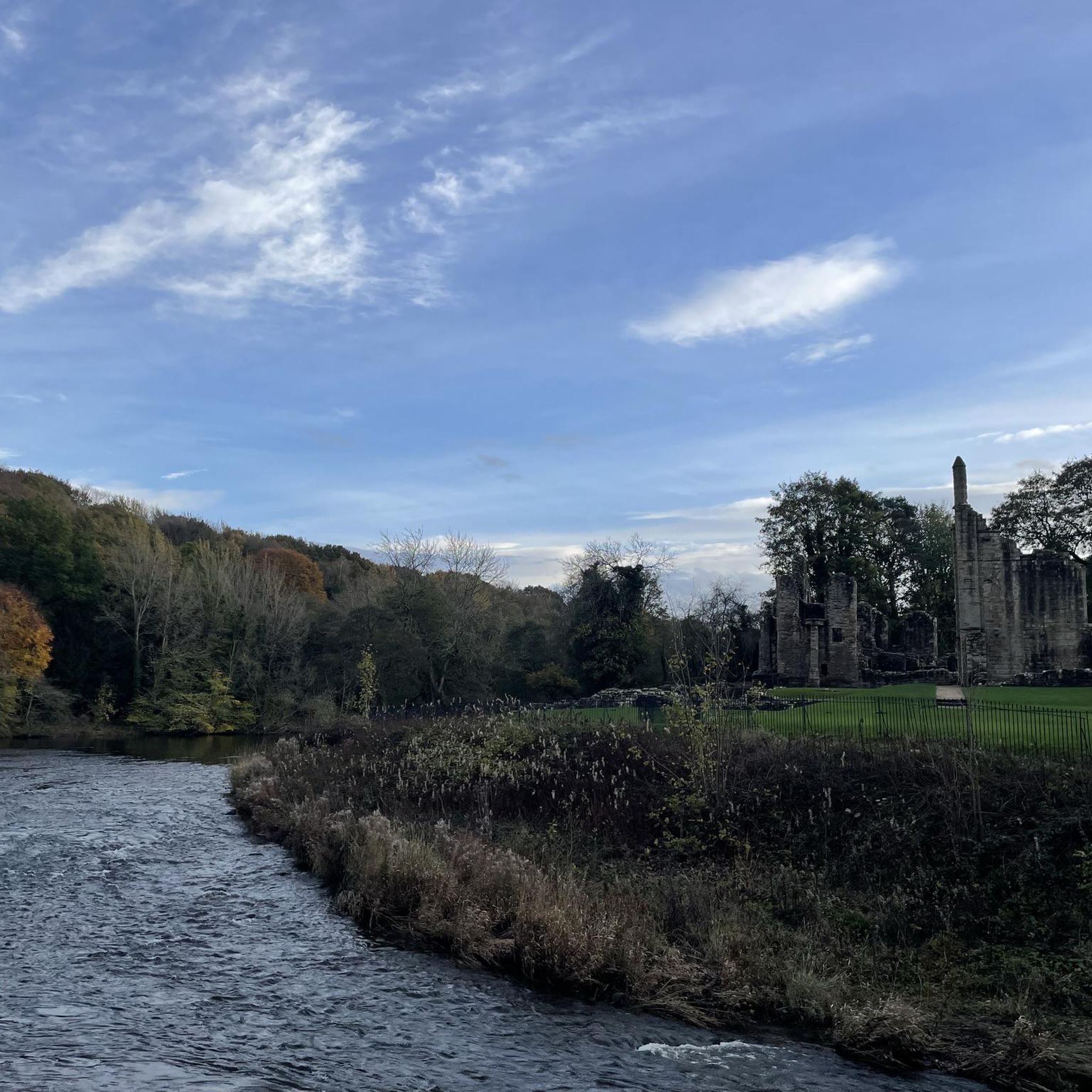
Framwellgate Moor offers access to significant historical sites. You can visit the ruins of Finchale Priory, a Grade I-listed building founded in 1196 on the wooded banks of the River Wear. A short distance away in Durham City, you'll find the UNESCO World Heritage Sites of Durham Cathedral and Durham Castle, both with centuries of history.
Are there any unique landmarks or follies to see?
Yes, Framwellgate Moor and the surrounding area feature some interesting landmarks. You can discover The Count's House Folly, a former summer house dating from around 1820. Further afield, the Penshaw Monument, an 1844 folly built for decorative purposes, offers lovely views and a unique structure to explore.
What natural features and green spaces are there to visit?
The area around Framwellgate Moor boasts several natural features. You can explore Pity Me Carrs Nature Reserve, known for its wetlands and birdlife like lapwings. Brasside Ponds are another haven for waterfowl, created from historical clay deposits. Additionally, scenic walks along the River Wear connect many attractions, offering beautiful views.
Are there family-friendly attractions near Framwellgate Moor?
Many attractions are suitable for families. Both Durham Cathedral and Durham Castle are listed as family-friendly historical sites. The Durham University Botanic Garden, a short distance away, offers 10 hectares of exotic plants and woodlands for families to enjoy. Exploring the ruins of Finchale Priory can also be an engaging historical outing for all ages.
What outdoor activities and routes are available for walking or running?
There are numerous outdoor activities. For running, you can find moderate to difficult trails like the 'Framwellgate Bridge – South Bailey Street loop' or 'Finchale Priory – Finchale Abbey Footbridge loop'. For easy hikes, consider routes such as the 'Brasside Ponds loop' or 'Finchale Priory loop'. You can find more details and routes on the Running Trails around Framwellgate Moor and Easy hikes around Framwellgate Moor guide pages.
Can I go cycling or gravel biking in the area?
Yes, the region offers options for cycling, including gravel biking. Routes range from moderate to difficult, such as the 'View of Durham Cathedral – Sunderland Bridge loop' or the longer 'Derwenthaugh Country Park Pond – Derwent Walk loop'. Explore more routes on the Gravel biking around Framwellgate Moor guide page.
What do visitors enjoy most about the attractions around Framwellgate Moor?
Visitors frequently praise the historical significance and architectural beauty of sites like Durham Cathedral and Durham Castle. The peaceful setting and scenic views from places like Penshaw Monument and Finchale Priory are also highly appreciated, especially when combined with walks along the River Wear.
What is the best time to visit Framwellgate Moor attractions?
The best time to visit depends on your preferences. Spring and summer offer pleasant weather for exploring outdoor sites and walks along the River Wear. Autumn provides beautiful foliage, particularly in wooded areas like those surrounding Finchale Priory. While some attractions like Durham Cathedral are open year-round, checking specific opening times for indoor sites is always recommended.
Are there any viewpoints with scenic vistas?
Absolutely. Penshaw Monument offers lovely views across the countryside. Wharton Park, located on a hill north of Durham city center, provides stunning panoramic views of Durham Cathedral and Durham Castle.
How can I reach the main attractions using public transport?
Framwellgate Moor offers convenient access to Durham City, which is well-served by public transport. Local bus services connect Framwellgate Moor to Durham city center, where major attractions like Durham Cathedral and Durham Castle are within walking distance. For sites further afield, such as Finchale Priory, local bus routes or a short taxi ride from Durham may be necessary.
Are there any hidden gems or lesser-known spots worth discovering?
Beyond the major landmarks, consider exploring Pity Me Carrs Nature Reserve for its unique wetland ecosystem and birdwatching opportunities. Brasside Ponds also offer a tranquil spot for nature lovers. These areas provide a quieter experience away from the more prominent tourist sites.
Most popular routes around Framwellgate Moor
Most popular attractions around Framwellgate Moor

Get inspired with the komoot mobile app


Explore more
Still not found the Highlight you’re looking for? See guides of the top attractions in other regions:
