Attractions and Places To See around Croxdale And Hett - Top 20
Best attractions and places to see around Croxdale And Hett offer a blend of historical landmarks, natural beauty, and cultural sites within County Durham, England. This area is characterized by tranquil rural settings, ancient woodlands, and scenic river valleys. Visitors can explore a variety of sites, from historic churches and viaducts to expansive nature reserves and charming village greens. The region provides opportunities for walking and discovering significant historical and natural features.
Best attractions and places to see around Croxdale…
Last updated: May 22, 2026
Durham Cathedral (UNESCO World Heritage Site)
Highlight • Religious Site
Tip by

Durham Castle
Highlight • Castle
Tip by
Sign up now to discover places like this
Get recommendations on the best single tracks, peaks, & plenty of other exciting outdoor places.
Sign up for free
The Count's House Folly
Highlight • Structure
Tip by

Finchale Priory
Highlight • Religious Site
Tip by
Newton Cap Viaduct
Highlight • Historical Site
Tip by
Sign up for free to discover even more attractions around Croxdale And Hett.
Sign up for free
Already have an account?
Start today with a free account
Your next adventure awaits.
Login or Signup

Tips from the Community

The cathedral was originally constructed to house the relics of St Cuthbert, a beloved Northumbrian saint. His shrine is a significant pilgrimage destination.
0
0


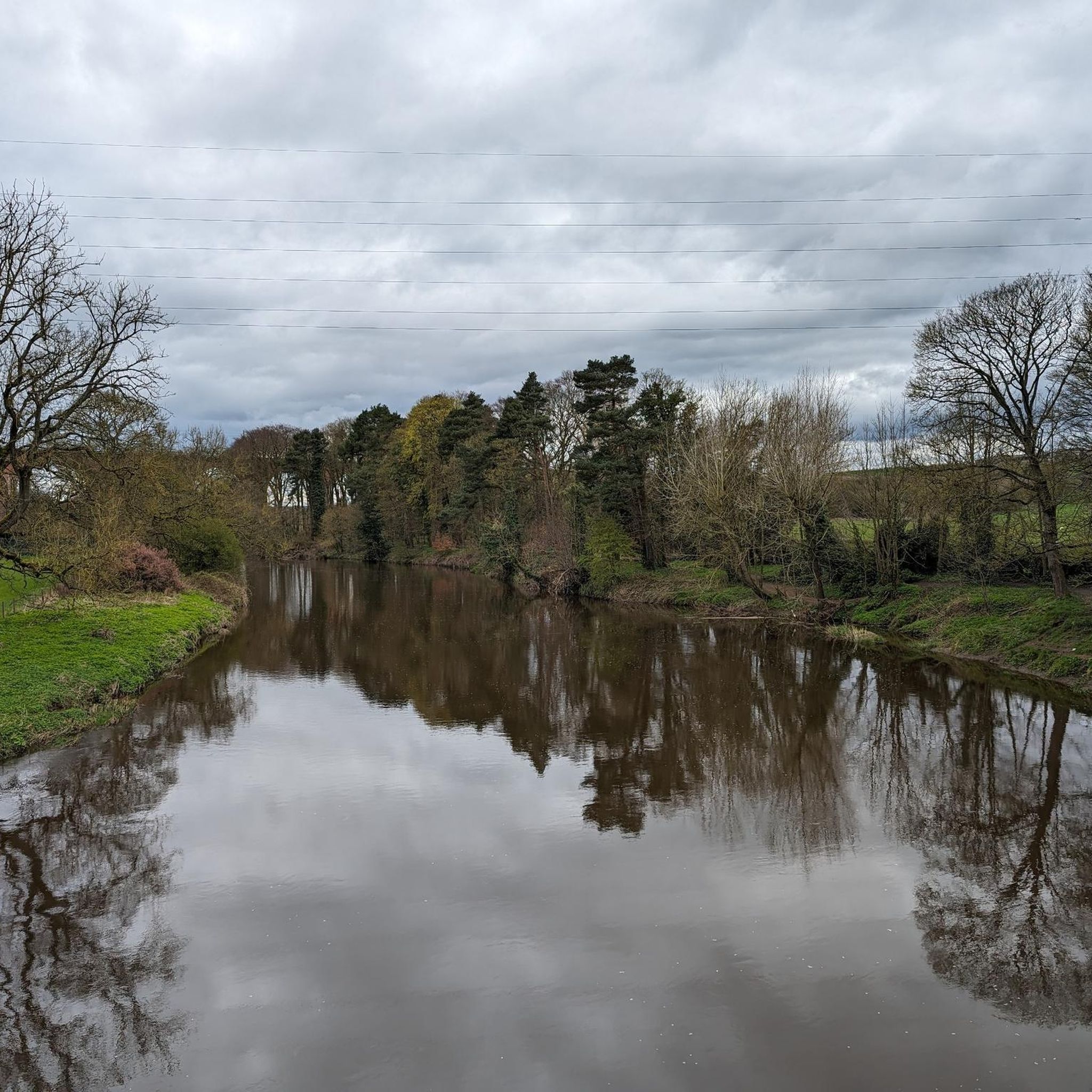
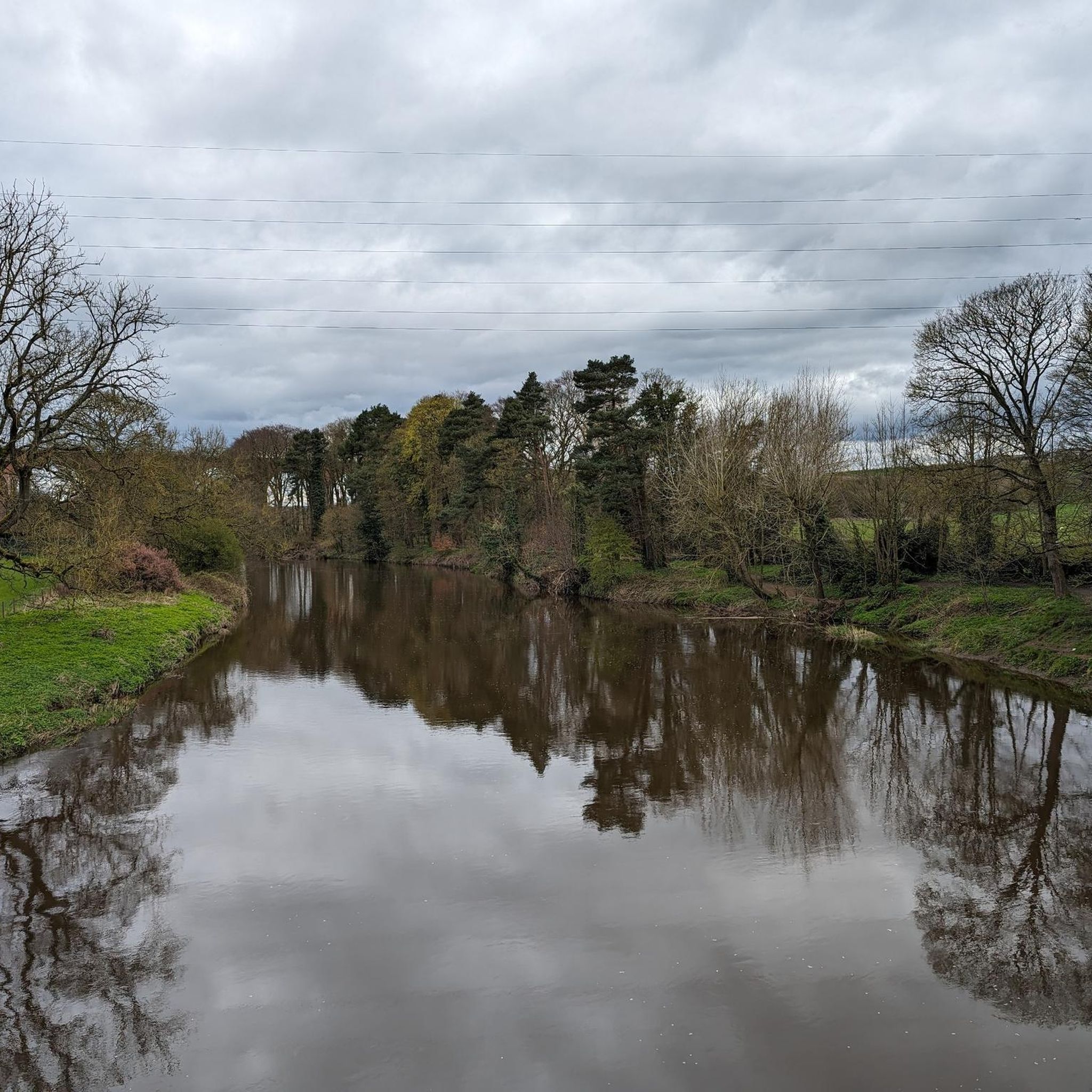
nice easy parking, walk accross the bridge over the river and you can either walk left or right giving you two options to walk up or down the river. quite pleasant but can get a bit boggy when it rains so wear the correct footwear. does get busy in the warmer months
3
0

A television series that I can recommend without reservation presents the culture-loving viewer (in German) with remarkable examples of human creativity from many countries around the world. What they all have in common is that they have been given "world heritage" status by UNESCO. One of the contributions documents: "Like a grey rock, Durham Cathedral, located in the north-east of England near the Scottish border, towers over the roofs of the city. Half church and half bastion, this building is an impressive example of early Romanesque church architecture in England. The three-storey Anglo-Norman cathedral with a 2 m thick arcade wall and Norman castle complex, the later seat of the bishops of Durham, was declared a cultural monument." This film can be found in the ARD media library under the following link: https://www.ardmediathek.de/video/schaetze-der-welt/die-kathedrale-von-durham-grossbritannien-folge-138/3sat/Y3JpZDovL3N3ci5kZS83MTY4ODA2
2
1

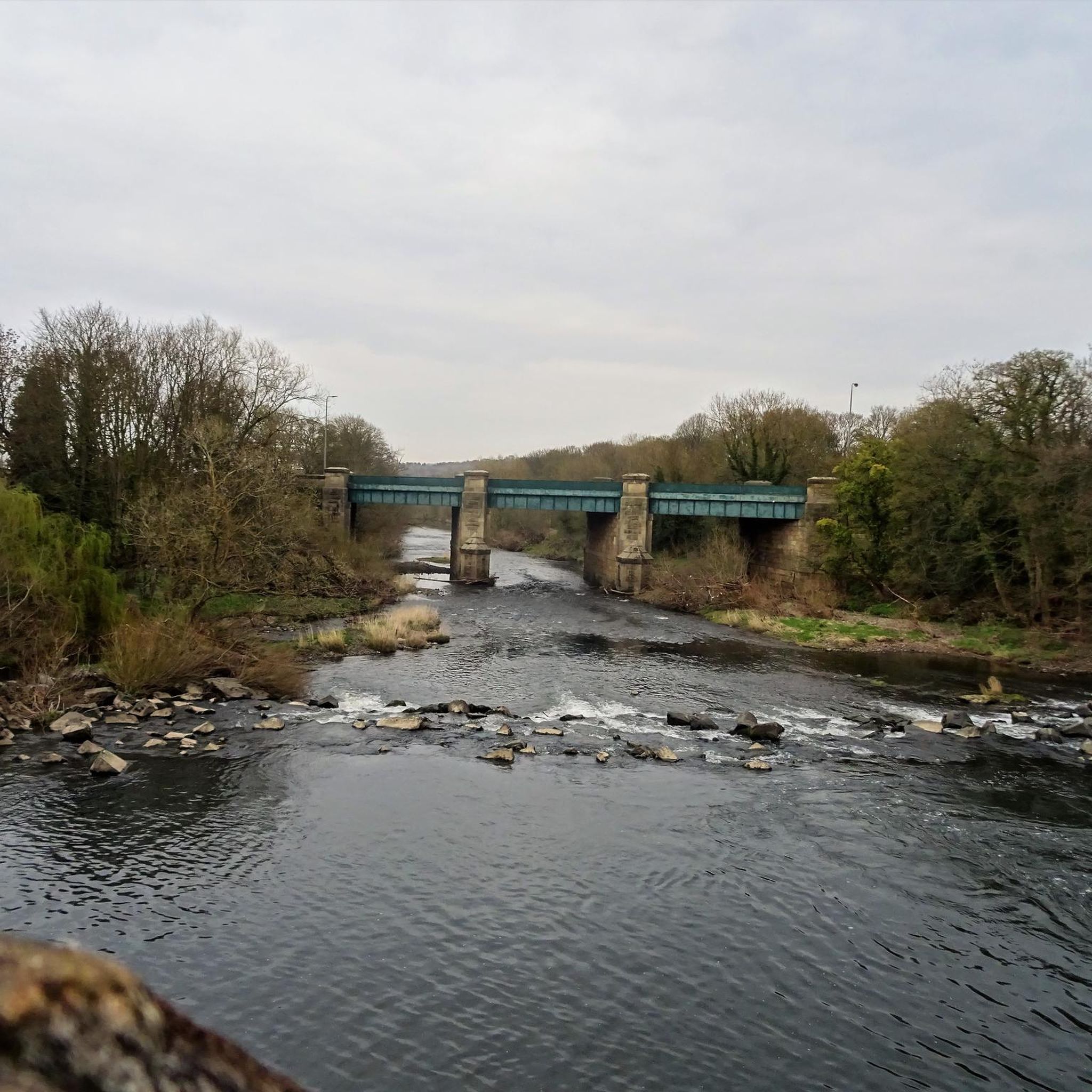
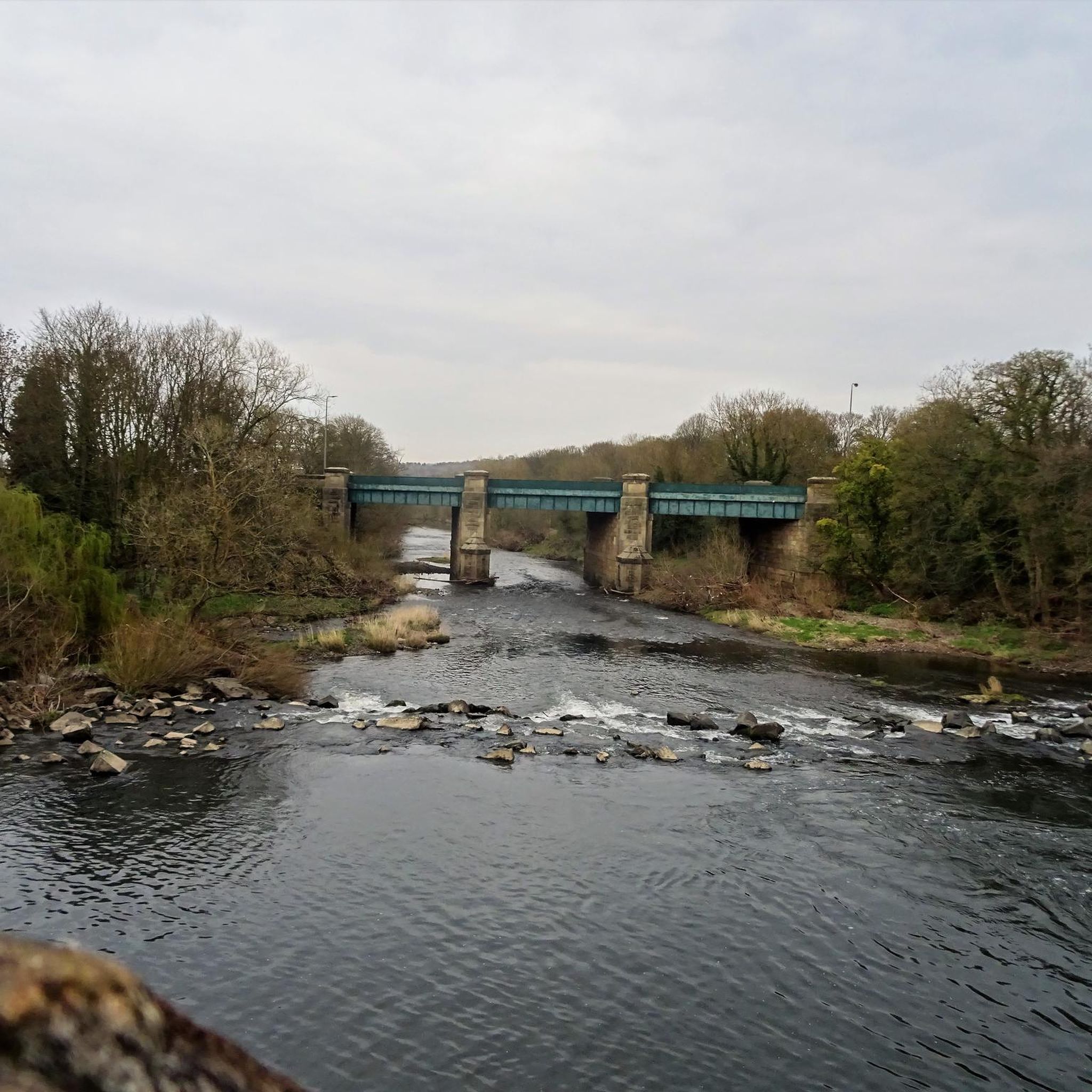
Newton Cap Viaduct is Grade II listed and was built in 1857 to carry the Bishop Auckland to Durham City railway across the River Wear. The viaduct fell into disuse when the railway closed in 1968. However, work began to strengthen the viaduct and convert it for road use. It was completed in 1995 and the busy A689 road was rerouted over the viaduct.
0
0

Durham Count's House is actually a folly - a building erected for the sole purpose of looking nice in a rural setting and usually made to look like a forgotten piece of history. The Georgians and Victorians were great ones for building follies, and you'll often find miniature mock medieval ruins and classical temples in the grounds of country houses. The Count's House folly was built by the Dean and Chapter of Durham Cathedral in about the 1820s. Of course, I say that follies have no other purpose, but they did sometimes serve as a place to rest, take tea or as a hunting lodge; the Count's House was sometimes used as a summerhouse. (https://explorar.co.uk/durham/history/who-was-durhams-little-count/)
3
0
Absolutely huge cathedral. The interior is quite special in its plainness - not even the high ceiling is decorated making the gothic architecture even more impressive. As you cannot walk around it takes a bit of going back and forth to take in this building complex from all perspectives.
13
0
Donated to the university and now used as student residence. Therefore opening times are limited, but one can get a glimpse into the inner yard when asking friendly.
12
0
Frequently Asked Questions
What historical landmarks can I explore around Croxdale And Hett?
The area is rich in history. You can visit the ruins of Finchale Priory, a 13th-century Benedictine priory nestled by the River Wear. Other notable historical sites include the privately owned Croxdale Hall and its disused 12th-century chapel, the historic Sunderland Bridge, and the Croxdale Viaduct built in 1872. In nearby Durham City, you'll find the UNESCO World Heritage Sites of Durham Cathedral and Durham Castle.
Where can I find natural features and scenic walks in the area?
Croxdale And Hett offers several beautiful natural spots for walking. Explore Low Burnhall Woods, a 168-acre woodland with the 2.2-mile Low Burnhall Riverside Trail along the River Wear. Croxdale and Butterby Woods provide stony farm tracks, while Tursdale Wood is known for its steep-sided paths and vibrant bluebells in season. The Weardale Way long-distance footpath also passes through the Croxdale Estate, offering scenic views.
Are there family-friendly attractions around Croxdale And Hett?
Yes, several attractions are suitable for families. The Durham Cathedral and Durham Castle are both listed as family-friendly. The Maiden Castle Footbridge Over the River Wear is a popular crossing for walkers. Additionally, the Hett Village Green and Duck Pond offer a pleasant open space for walks and picnics, and Low Burnhall Woods features 'The Wicker Miner's Wife' sculpture, which can be an engaging sight for children.
What outdoor activities, like hiking or running, are available?
The area is excellent for outdoor activities. You can find numerous hiking trails, including easy walks like the Sunderland Bridge – Croxdale Railway Viaduct loop, or moderate options such as the Low Burnhall Riverside Trail. For running, routes like the 'Duck pond loop' are available. Mountain biking trails are also present, with options like the 'River Deerness – Sunderland Bridge loop'. You can find more details on these activities in the Hiking around Croxdale And Hett, Running Trails around Croxdale And Hett, and MTB Trails around Croxdale And Hett guides.
When is the best time to visit Croxdale And Hett?
The spring and summer months are particularly picturesque for exploring the natural beauty of Croxdale And Hett. Tursdale Wood is especially vibrant during bluebell season, offering a stunning display. Hett Moor also provides beautiful views through fields and hills in spring and summer. Historical sites and landmarks can be visited year-round, but pleasant weather enhances outdoor exploration.
Are there any dog-friendly walks or facilities in the area?
Many of the natural areas and walking trails around Croxdale And Hett are suitable for dogs, including Low Burnhall Woods and the paths around Hett Moor. While specific dog-friendly facilities like cafes or pubs are not detailed, the rural nature of the area generally welcomes well-behaved dogs on leads on public footpaths.
What are some lesser-known historical sites or 'hidden gems' to discover?
Beyond the major landmarks, consider visiting the Old Chapel, Croxdale, a disused 12th-century chapel near Croxdale Hall, which now serves as a mortuary chapel for the Salvin family. The Former St Michael's Church in Hett, though converted to a private residence, still holds historical significance for the village. The charming Gothic Revival 'eyecatcher' of Auckland Castle Deer House, built in 1760, is also a short drive away.
What do visitors enjoy most about the attractions here?
Visitors frequently appreciate the blend of historical significance and natural beauty. For instance, Durham Cathedral is praised for its 'absolutely huge' and 'spectacular' Romanesque architecture. The ruins of Finchale Priory are described as a 'beautiful sight' nestled on the River Wear. The area's tranquil rural settings and opportunities for scenic walks are also highly valued.
Are there any bridges or viaducts of interest?
Yes, the area features several notable structures. The historic Sunderland Bridge, dating from the 14th century, crosses the River Wear and offers lovely views. The Croxdale Viaduct, built in 1872, still carries the railway over the River Wear. Additionally, the modern Maiden Castle Footbridge Over the River Wear is a popular cable-stayed bridge connecting sports facilities.
Can I find any unique sculptures or art installations?
Yes, within Low Burnhall Woods, you can discover 'The Wicker Miner's Wife,' a 15-foot wicker sculpture, and a Stone Spiral, adding an artistic touch to your woodland walk.
What is the significance of Croxdale Hall and its chapel?
Croxdale Hall is a privately owned, Grade I-listed mansion dating back to the 17th century, with 18th-century alterations. Its gardens were landscaped in the mid-18th century. On the estate, the disused 12th-century chapel, also Grade I-listed, is on English Heritage's Buildings At Risk register. Both are visible from sections of the Weardale Way footpath and are historically tied to the Salvin family, whose lineage dates to the Norman Conquest.
Are there any Iron Age sites nearby?
Yes, the site of Maiden Castle, an Iron Age hill fort, is visible during some local walks, offering a glimpse into ancient history.
Most popular routes around Croxdale And Hett
Most popular attractions around Croxdale And Hett

Get inspired with the komoot mobile app


Explore more
Still not found the Highlight you’re looking for? See guides of the top attractions in other regions:
