The best walks and hikes around Fylingdales
4.5
(1810)
15,438
hikers
55
hikes
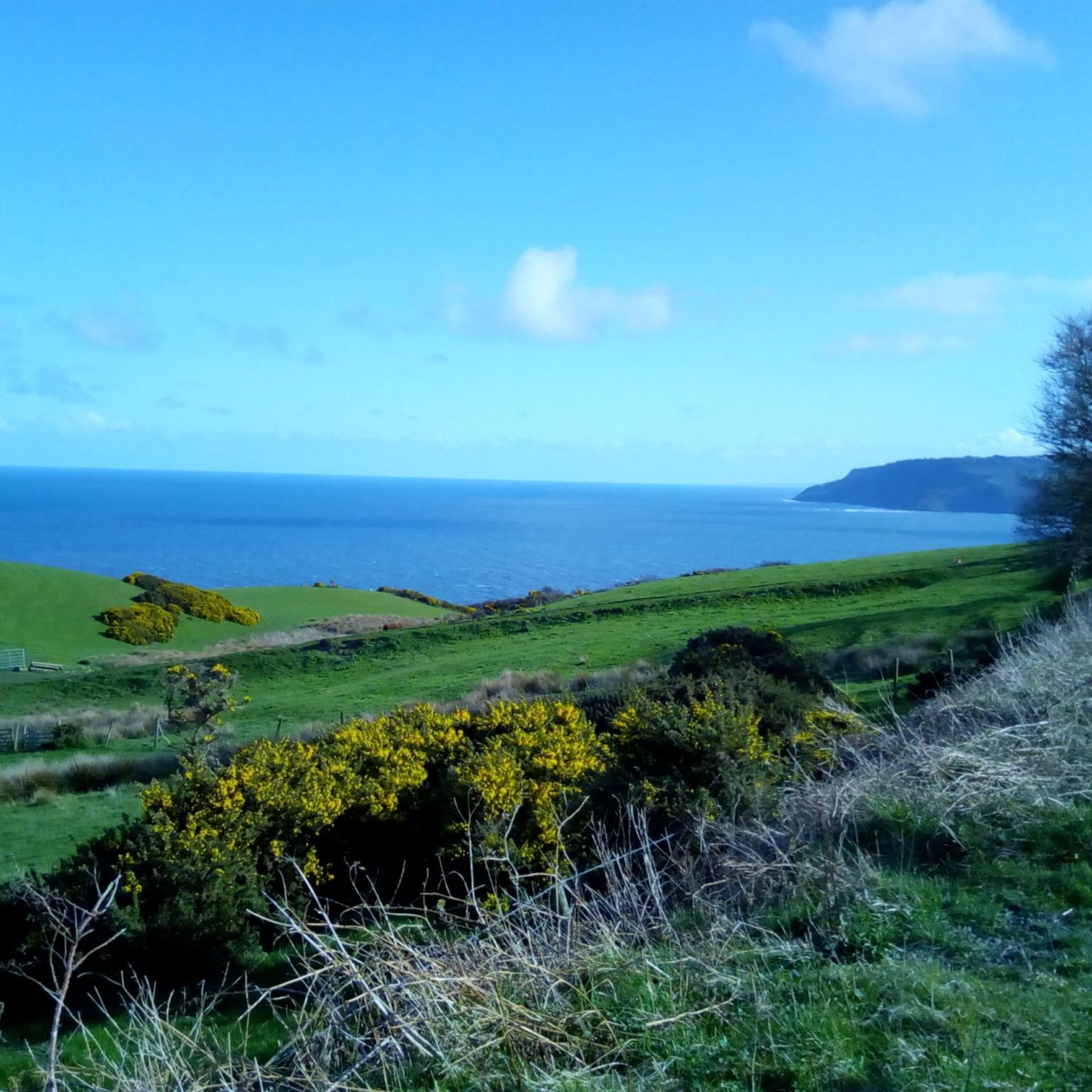
Hikes around Fylingdales explore a landscape of expansive heather moorland and a rugged coastline within the North York Moors National Park. The region's terrain is characterized by coastal cliff paths, ancient moorland tracks, and the former railway line known as the Cinder Track. Routes vary from gentle coastal loops to more demanding moorland hikes.
Best hiking trails around Fylingdales
- The most popular hiking route is the Lilla Cross loop from Fylingdales — North York Moors National Park, a 9.5 mile (15.2 km) trail that takes around 4 hours 10 minutes to complete. This Fylingdales Moor circular walk crosses open moorland to reach the historic Lilla Cross.
- Another top favourite among local hiking enthusiasts is the 199 Steps, Whitby – Whitby Harbour loop from Robin Hood's Bay, a difficult 13.6 mile (21.9 km) path. The route follows the coast from Robin Hood's Bay to Whitby before returning inland.
- Local hiking enthusiasts also love the Robin Hood's Bay coast path loop — North York Moors National Park, a 6.5 mile (10.4 km) trail leading along the clifftops, often completed in about 2 hours 55 minutes.
- Hiking around Fylingdales is defined by coastal paths, heather moorland, and historic tracks. The network of over 50 routes offers options for different ability levels, from easy walks to challenging hikes.
- The routes in Fylingdales are highly rated by the komoot community with an average score of 4.5 stars from over 850 reviews. More than 6,000 hikers have used komoot to explore Fylingdales's varied terrain.
Last updated: August 31, 2026
4.8
(90)
468
hikers
11.7km
03:10
160m
150m
Embark on the Cleveland Way and Cinder Track Loop, a moderate hiking route that spans 7.2 miles (11.7 km) and involves an elevation gain of 538 feet (164 metres). You can expect to complete this diverse journey in about 3 hours and 9 minutes. This trail offers a compelling contrast, taking you along rugged cliff-top sections of the Cleveland Way with expansive sea views before transitioning to the gentler, historic Cinder Track. As you hike, you will experience dramatic coastal panoramas, particularly around the iconic Robin Hood's Bay. The Cinder Track, built on a former Victorian railway line, provides a more relaxed pace and unique perspectives back towards the cliffs.
When planning your hike, be aware that the Cleveland Way sections include steep ascents and descents, so a reasonable level of fitness is helpful. While the Cinder Track offers a less strenuous option, some parts can become quite muddy, especially after rain, so appropriate footwear is recommended. The route is generally accessible, making the Cinder Track portion suitable if you are looking for an easier walk or hiking with family. Consider starting early to enjoy the quieter moments and avoid peak crowds, particularly during warmer months.
This loop uniquely showcases the dramatic geological history of the North Yorkshire coast. You will trace the path of a former Victorian railway line, the Cinder Track, which once served the region's industrial past. This historical route provides a fascinating counterpoint to the natural ruggedness of the Cleveland Way. Keep an eye out for intriguing historical features along the way, such as the ruins of the Peak Alum Works, offering a glimpse into the area's heritage.
4.6
(76)
321
hikers
10.4km
02:54
190m
180m
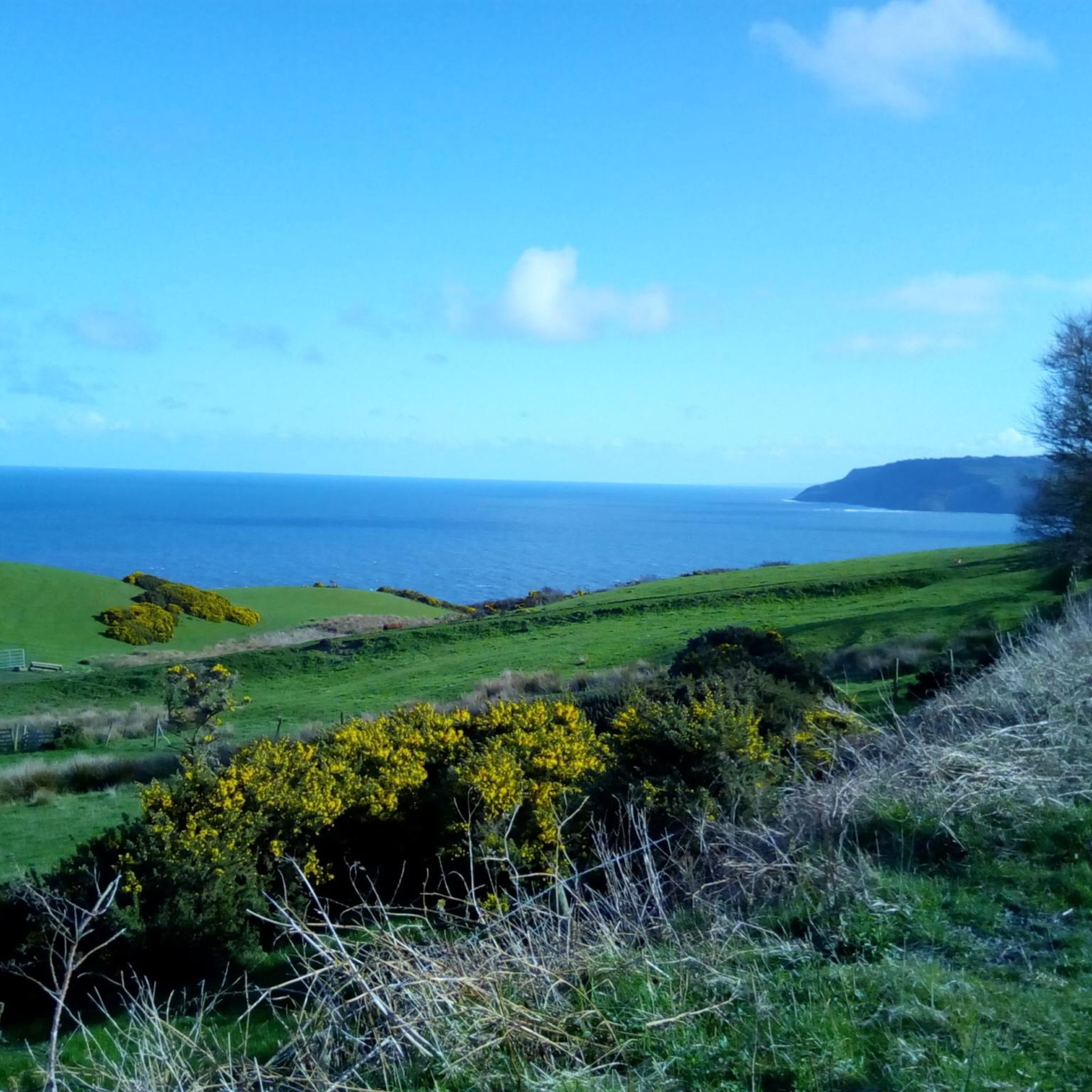
This moderate Robin Hood's Bay coast path loop offers a rewarding hike through dramatic clifftop scenery and rolling pastures. You'll traverse varied terrain, including craggy steps and undulating sections along the coast, with views stretching towards Whitby. The route covers 6.5 miles (10.4 km) and involves a total elevation gain of 619 feet (189 metres), making for a good workout. Expect to complete this loop in about 2 hours and 53 minutes, enjoying the fresh sea air and the unique atmosphere of the North York Moors National Park. The path can be muddy, especially in winter, so come prepared for changing conditions. You'll experience the charm of the village itself, with its steep streets and cobbled alleyways, a true highlight.
When planning your visit, be aware that coastal paths can be muddy, particularly during winter months, so appropriate footwear is essential. The village of Robin Hood's Bay has steep streets, which add to its character but also mean some climbs within the village itself. While the research doesn't specify trailhead access or parking details for this exact loop, many routes in the area start from the village. Consider starting your hike earlier in the day to fully enjoy the views and avoid crowds, especially in peak season. There are no mentions of permits or fees in the research.
This loop is part of the Cleveland Way National Trail, a well-established path known for its spectacular coastal walking experiences. The Jurassic-era cliffs and shoreline offer unique opportunities for fossil hunting, with rocky outcrops and pools visible along the beach. Robin Hood's Bay itself holds historical significance, particularly known for its smuggling past, with tales of contraband passed through linked cellars. The area's diverse ecosystems support rare plants and birds, and you might even spot seals or dolphins along the coast.

Sign up for free
4.6
(21)
65
hikers
11.1km
03:00
150m
150m
Hike the moderate 6.9-mile Robin Hood’s Bay and Maw Wyke loop for dramatic coastal views and tranquil countryside in North York Moors Nation
1.0
(2)
8
hikers
15.2km
04:09
220m
220m
Moderate hike. Good fitness required. Mostly accessible paths. Sure-footedness required.
4.8
(86)
884
hikers
21.9km
06:01
370m
370m
Hard hike. Very good fitness required. Easily-accessible paths. Suitable for all skill levels.
Get access to more routes and recommendations from other explorers.
Sign up for free
Already have an account?
Our route recommendations are based on thousands of hikes, rides, and runs completed by other people on komoot.
Start today with a free account
Your next adventure awaits.
Login or Signup
Other adventures around Fylingdales

Tips from the Community

Robin Hood’s Bay lies in the old parish of Fylingdales. It is thought that the name itself is derived from the Old English word ‘Fygela’, meaning ‘marshy ground’. The first recorded mention of Robin Hoods Bay is now found in a letter from Louis Count of Flanders to Edward III, pleading for the return of his ship, which was brought to "Robin Oode Bay" by the people of England. By 1540 the village is said to have had fifty cottages on the shore (a large settlement at that time), leading to speculation that the present-day village originated somewhere in the 15th century. The actual origin of the name remains a mystery. There is no evidence that Robin Hood visited the bay from Sherwood Forest folklore. The name has rather grown out of legends with local origins and probably more than one legend. Robin Hood was the name of an old wood spirit, resembling Robin Goodfellow, and the use of the name for such an elf or spirit was widespread in the country. What is certain is that Robin Hood's Bay was reputedly the busiest smuggling community on the Yorkshire coast in the 18th century. Its natural isolation, protected on three sides by marshy moorland, offered a natural assistance to this well-organised business. Despite its dangers, fishing was probably more lucrative. https://www.robin-hoods-bay.co.uk/about-rhb/history
0
0


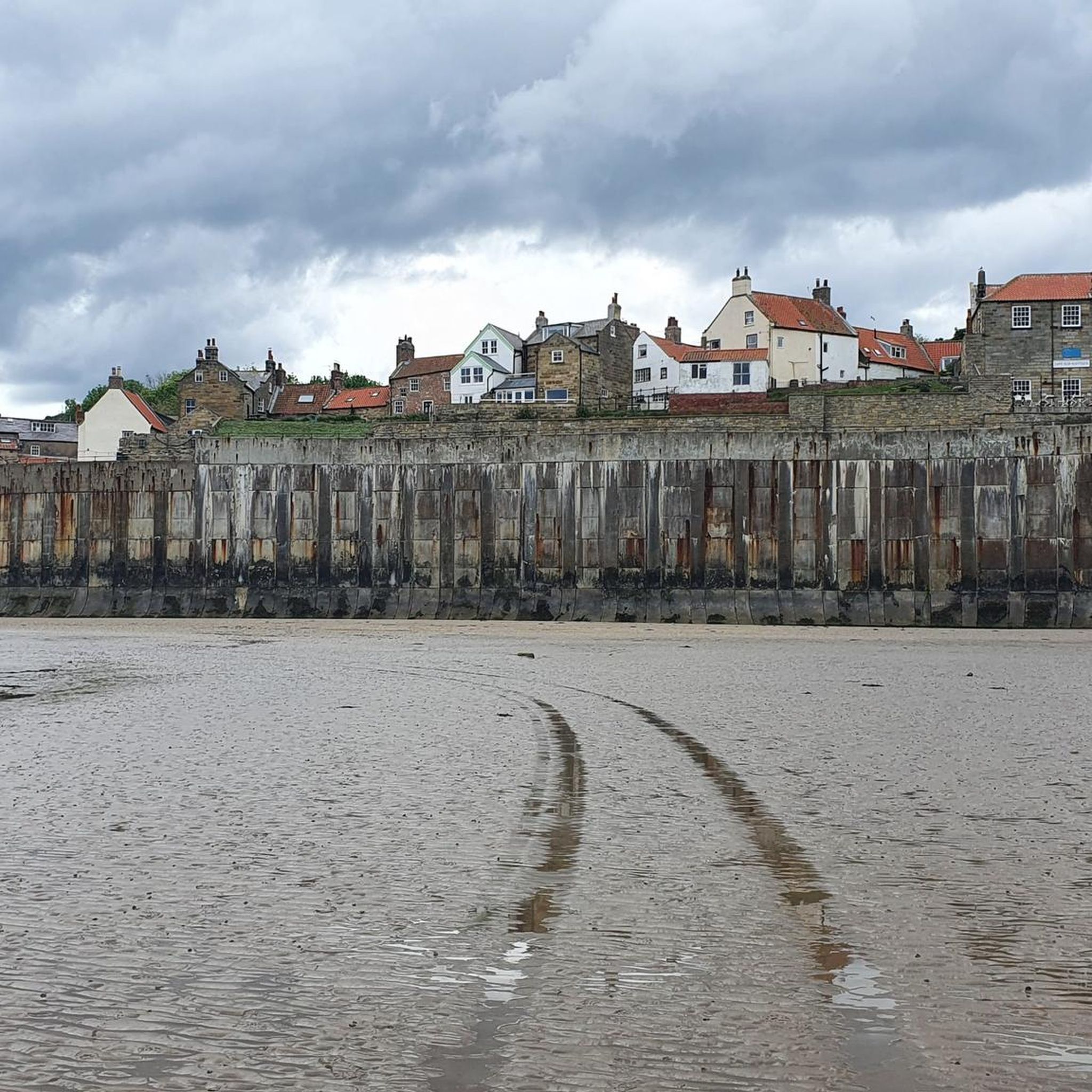
Whitby Harbour is a historic and bustling port at the mouth of the River Esk in North Yorkshire, offering a various attractions, shops, and dining places.
0
0

Soak up the view of this magical, tucked away village.
0
0
Head on out to either of the 2 main piers and experience an epic sunrise or sunset!
0
0

Standing in a very prominent position, this small sacred monument – visible from afar – towers over the Scarborough landscape. Including the predecessor of today's ancient cross, the almost incomprehensible age of 14 centuries since a cross first stood here comes to the almost incomprehensible. The plateau on which the stone (presumably granite) cross stands is surrounded by a ring of rocks, the significance of which, however, is no longer clear to today's hiker. '@Dan Hobson' and '@RichD' have already commented on the very distant history of the local landmark known as "LILLA CROSS," which, given the purpose of its erection, can be classified as a memorial cross.
0
0

Frequently Asked Questions
What is the terrain like for hiking in Fylingdales?
The hiking terrain is varied, featuring a mix of dramatic coastal cliff paths, expansive heather moorland, and gentle trails along former railway lines like the Cinder Track. You can expect rolling hills and some steep sections, especially along the coast, but also many flatter, more accessible paths.
How many hiking trails are available around Fylingdales?
There are over 50 hiking routes to explore around Fylingdales. The network includes everything from short, easy walks to challenging all-day hikes, catering to all fitness levels.
Are there any easy, family-friendly walks in the area?
Yes, there are several options perfect for families. A popular choice is the short 1.5-mile walk from Robin Hood's Bay to Boggle Hole, where you can explore the coastline and visit the local YHA cafe. The Cinder Track also offers a gentle, relatively flat path suitable for all ages.
What are the options for circular walks?
Circular walks are very common in the region. You can find loops that explore both the coast and inland paths. For a moderate route with great views, consider the Robin Hood's Bay & Boggle Hole loop, which combines coastal scenery with a return journey along quieter tracks.
Are dogs allowed on the hiking trails?
Dogs are generally welcome on trails in Fylingdales. However, it's essential to keep them on a lead, especially on Fylingdales Moor, which is a Site of Special Scientific Interest and may have ground-nesting birds or grazing livestock. Caution is also advised near the unfenced cliff edges on coastal paths.
When is the best time of year to see the heather in bloom?
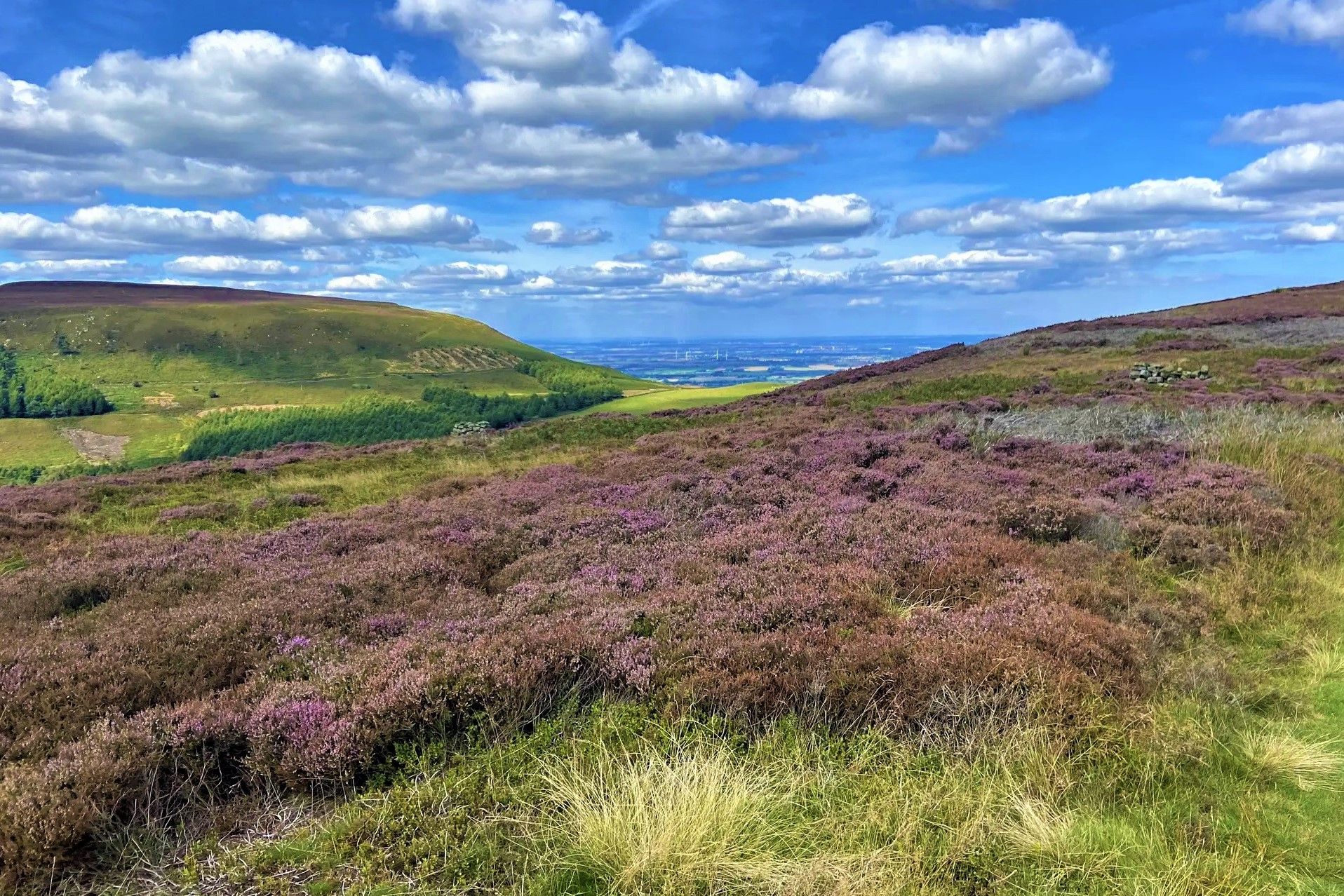
To see the heather in its full glory, plan your hike on Fylingdales Moor for late summer, typically from mid-August to early September. During this time, the moorland is transformed into a stunning sea of purple.
What is the historical significance of Lilla Cross?
Lilla Cross is the oldest Christian memorial in the North of England, dating back to the 10th century. It is believed to mark the grave of Lilla, a loyal thegn who sacrificed himself to save King Edwin of Northumbria from an assassination attempt in 626 AD. The cross also served as an ancient boundary marker for several parishes.
Are there any pubs or cafes on the walking routes?
Many routes are conveniently located near villages with excellent pubs and cafes. Robin Hood's Bay has numerous options for refreshments after a coastal walk. If you're walking to Boggle Hole, the YHA cafe is a popular stop. For moorland walks, you may need to drive to a nearby village after your hike.
Where is the best place to park for hikes around Fylingdales?
For coastal walks, the main public car parks are located at the top of the bank in Robin Hood's Bay, as the lower village is pedestrianised. For moorland hikes, there are often small, informal lay-bys and parking areas near the trailheads, such as those for walks starting towards Lilla Cross.
Can I see any waterfalls on a hike near Fylingdales?
Yes, the nearby Mallyan Spout Waterfall near Goathland is a popular attraction for hikers. It's a beautiful spot, though the walk down to the falls and back can be challenging with some clambering over rocks. It's a short drive from the Fylingdales area and well worth a visit.
What do other hikers think of the trails in Fylingdales?
The trails are highly regarded by the komoot community, with an average rating of 4.5 out of 5 stars. Hikers often praise the stunning combination of wild moorland and dramatic sea views, as well as the sense of history found along the ancient tracks.
What kind of wildlife might I see while hiking?
The area is rich in wildlife. On Fylingdales Moor, you might spot birds like meadow pipits, skylarks, and buzzards. The rugged coastline provides nesting sites for seabirds including kittiwakes and cormorants. Keep an eye out for common lizards and various butterfly species in the warmer months.
Most popular routes around Fylingdales
Most popular attractions around Fylingdales

Get inspired with the komoot mobile app


Explore more
Browse the best Hikes in other regions.
