The best mountain hikes around Lakes
4.7
(28)
337
hikers
46
hikes
Mountaineering routes around Lakes are found in a region characterized by rugged fells, deep valleys, and expansive lakes, primarily within the Lake District. This dramatic landscape, carved by glaciers, features iconic peaks and numerous crags suitable for climbing and scrambling. The terrain offers a variety of challenges, from high fells to adventurous gorges, making it a prime location for mountain activities.
Best mountaineering routes around Lakes
- The most popular mountaineering route is Slate Bridge Over Stream – Jack's Rake loop from Great Langdale, a 4.8 miles (7.7 km) trail that takes 3 hours 18 minutes to complete. This difficult route includes the famous Jack's Rake scramble, offering a challenging ascent.
- Another top favourite among local mountaineers is Bowfell Summit – Esk Pike Summit loop from Great Langdale, a difficult 8.8 miles (14.1 km) path. This route traverses high fells, providing expansive views across the Lake District.
- Local mountaineers also love the Vertical Rock Face Climb – Gunson Knott (822 m) loop from Great Langdale, a 8.3 miles (13.3 km) trail leading through high mountain terrain, often completed in about 5 hours 45 minutes.
- Mountaineering around Lakes is defined by rugged fells, deep valleys, and crags for climbing. The network offers options for moderate to difficult ability levels, with 5 moderate and 9 difficult routes available.
- The routes in Lakes are highly rated by the komoot community with an average score of 4.8 stars from over 20 reviews. More than 280 mountaineers have used komoot to explore Lakes's varied terrain.
Last updated: September 28, 2026
5.0
(1)
14
hikers
11.5km
05:03
840m
840m
Hard mountaineering route. Very good fitness required. Mostly accessible paths. Sure-footedness required.
3.0
(1)
8
hikers
6.10km
02:56
610m
610m
Hard mountaineering route. Good fitness required. Sure-footedness, sturdy shoes and alpine experience required.

5
hikers
12.3km
05:06
740m
740m
Hard mountaineering route. Very good fitness required. Sure-footedness, sturdy shoes and alpine experience required.
4.0
(1)
7
hikers
11.9km
04:28
680m
680m
Moderate mountaineering route. Good fitness required. Mostly accessible paths. Sure-footedness required.
5
hikers
14.3km
05:46
890m
890m
Hard mountaineering route. Very good fitness required. Mostly accessible paths. Sure-footedness required.
Get access to more routes and recommendations from other explorers.
Already have an account?
Our route recommendations are based on thousands of hikes, rides, and runs completed by other people on komoot.
Start today with a free account
Your next adventure awaits.
Popular around Lakes
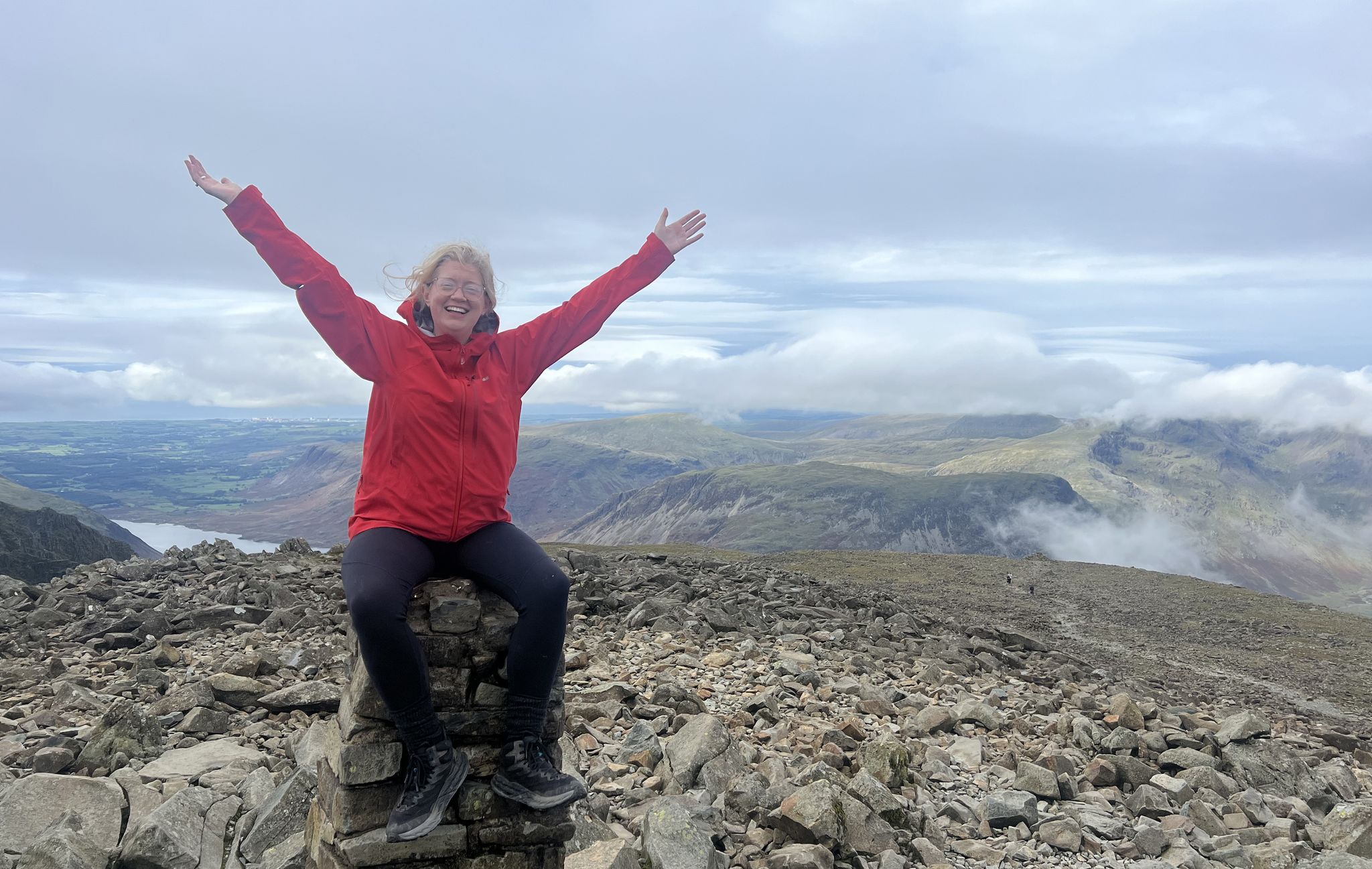
Lake District National Park – A Walk in the Parks
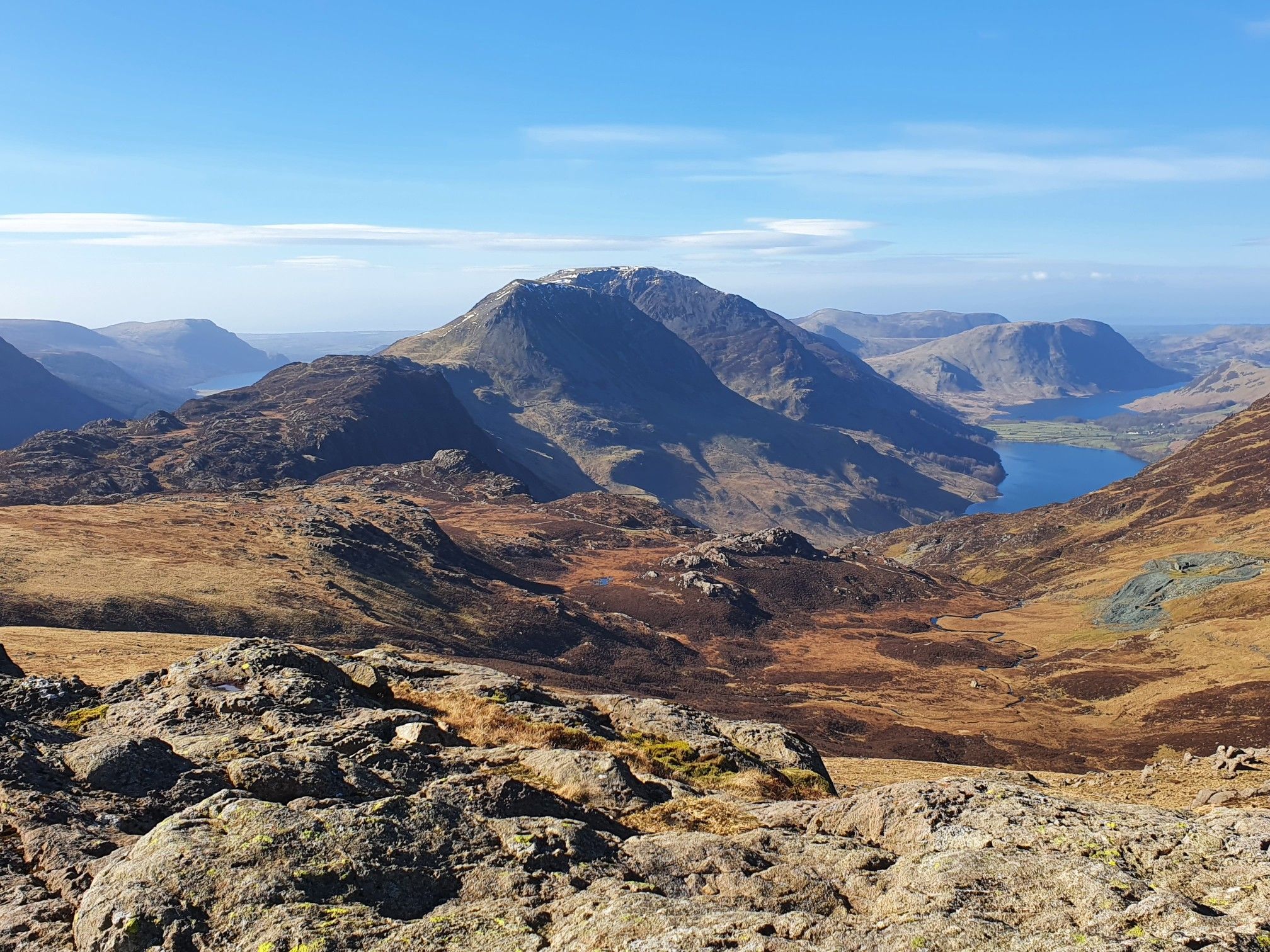
Cumbrian Traverse – A sublime high-level hike across Lakeland
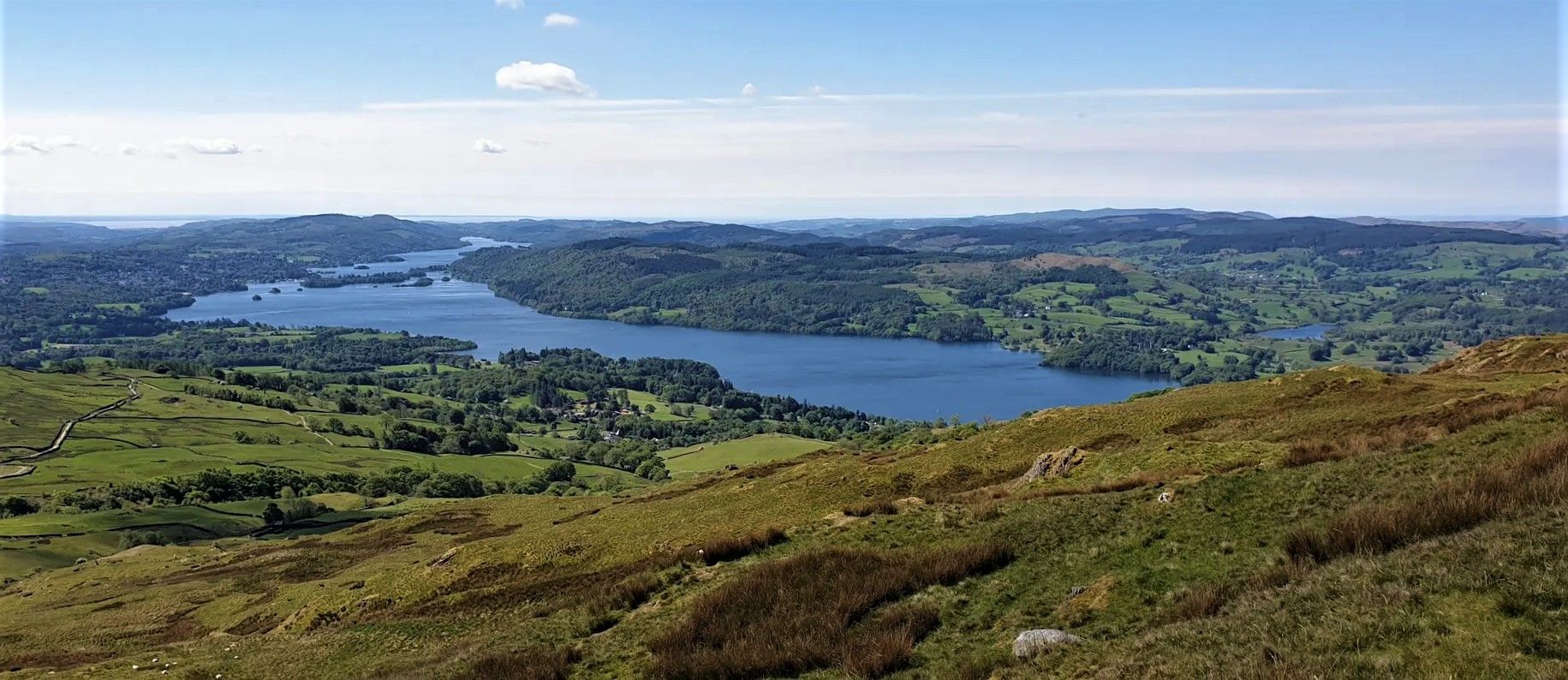
Windermere Way — Hike a poetic loop of a Lakeland legend
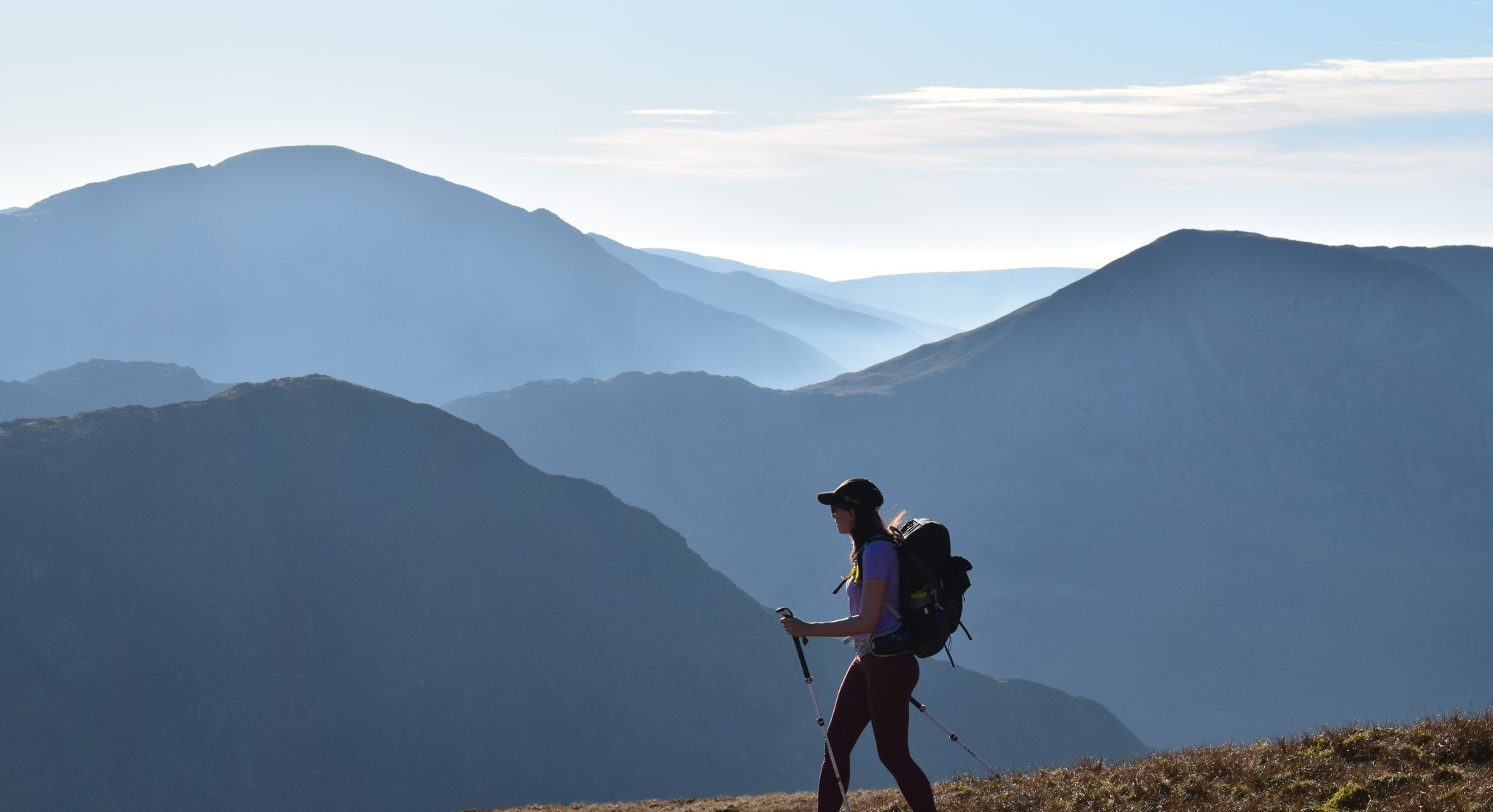
All the Wainwrights in seven weekends — a book by book adventure
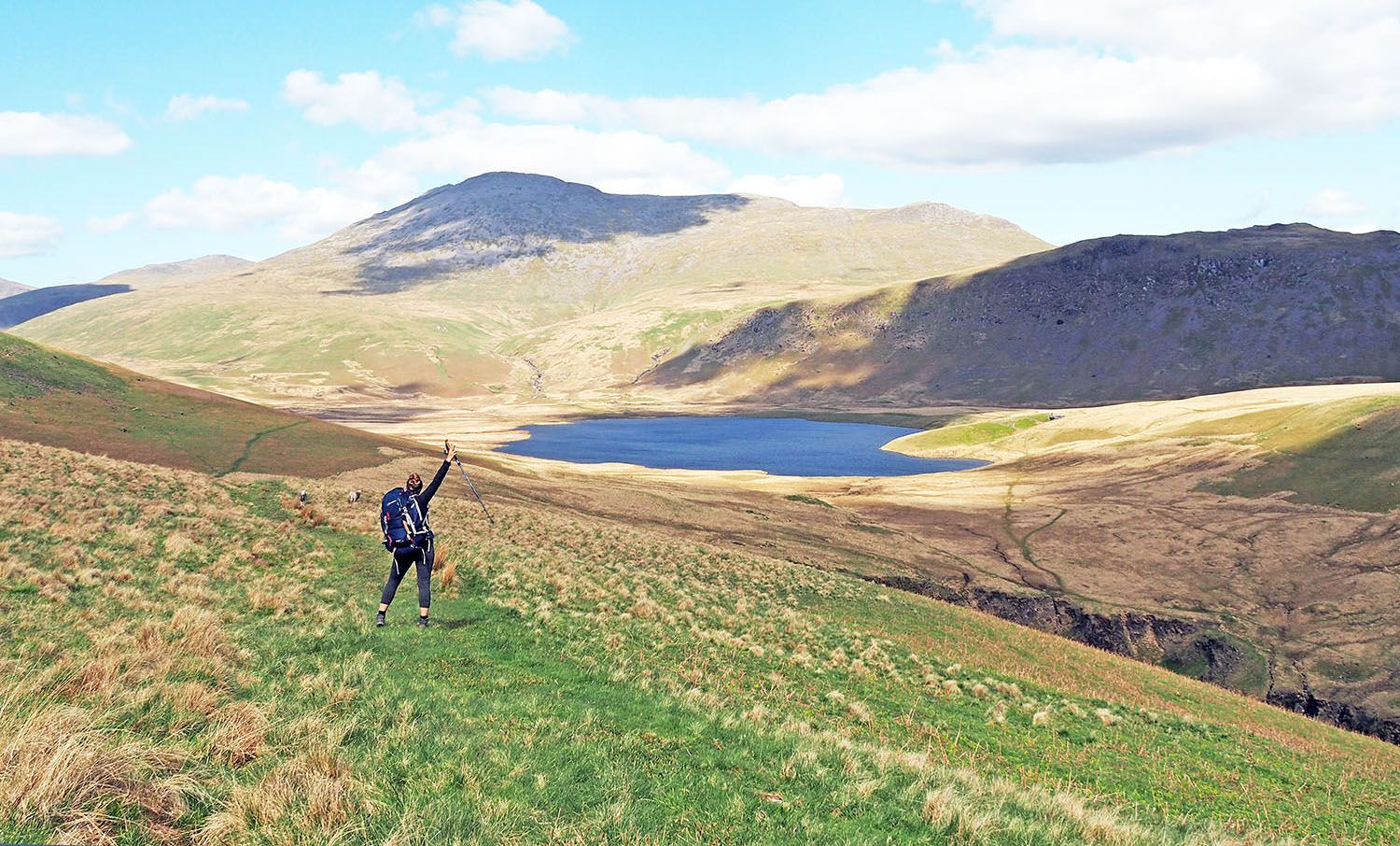
An English hiking dream – 8 days through the Lake District
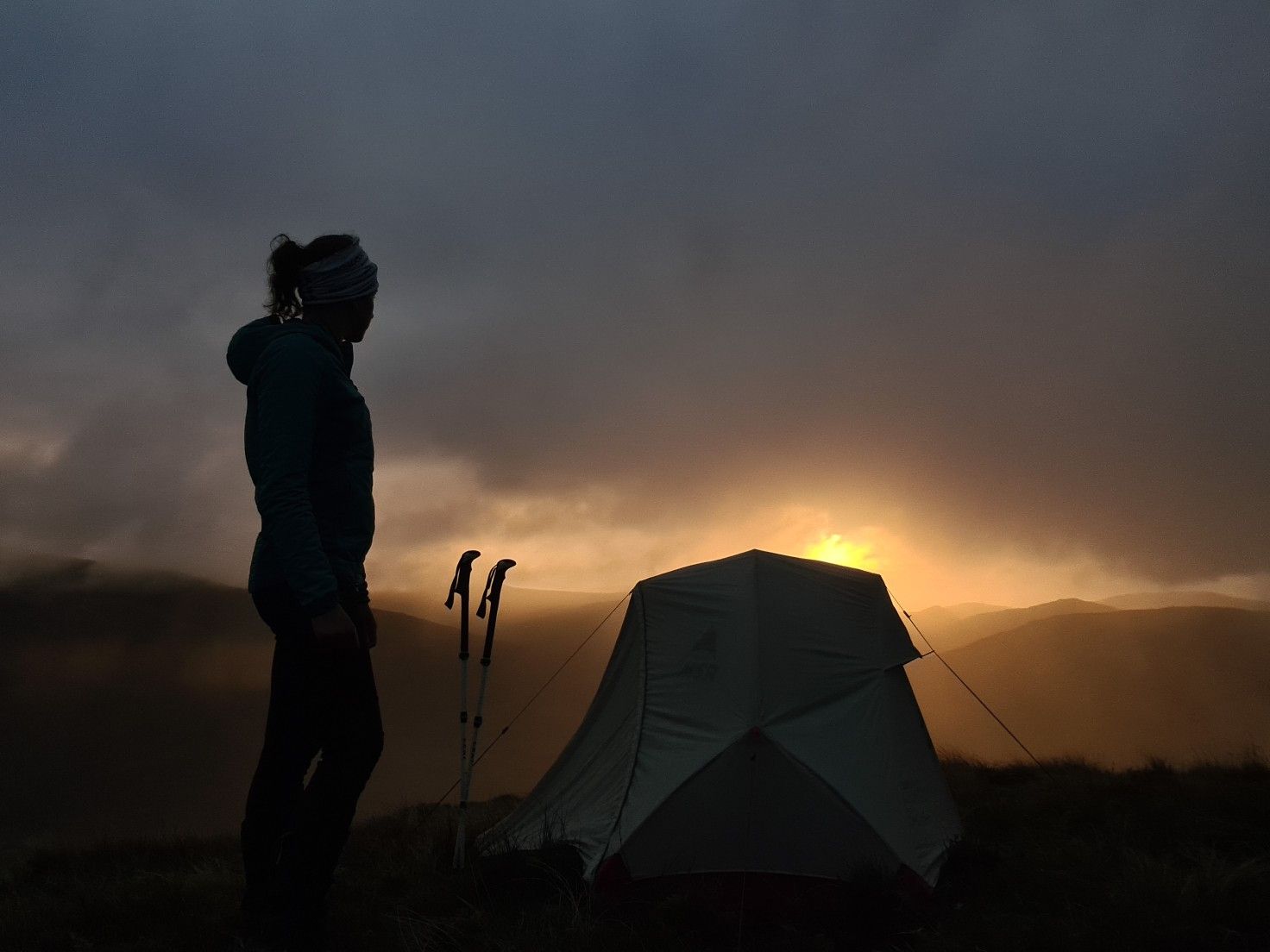
#WalkHome2020 — Sheffield to Cockermouth in 15 days
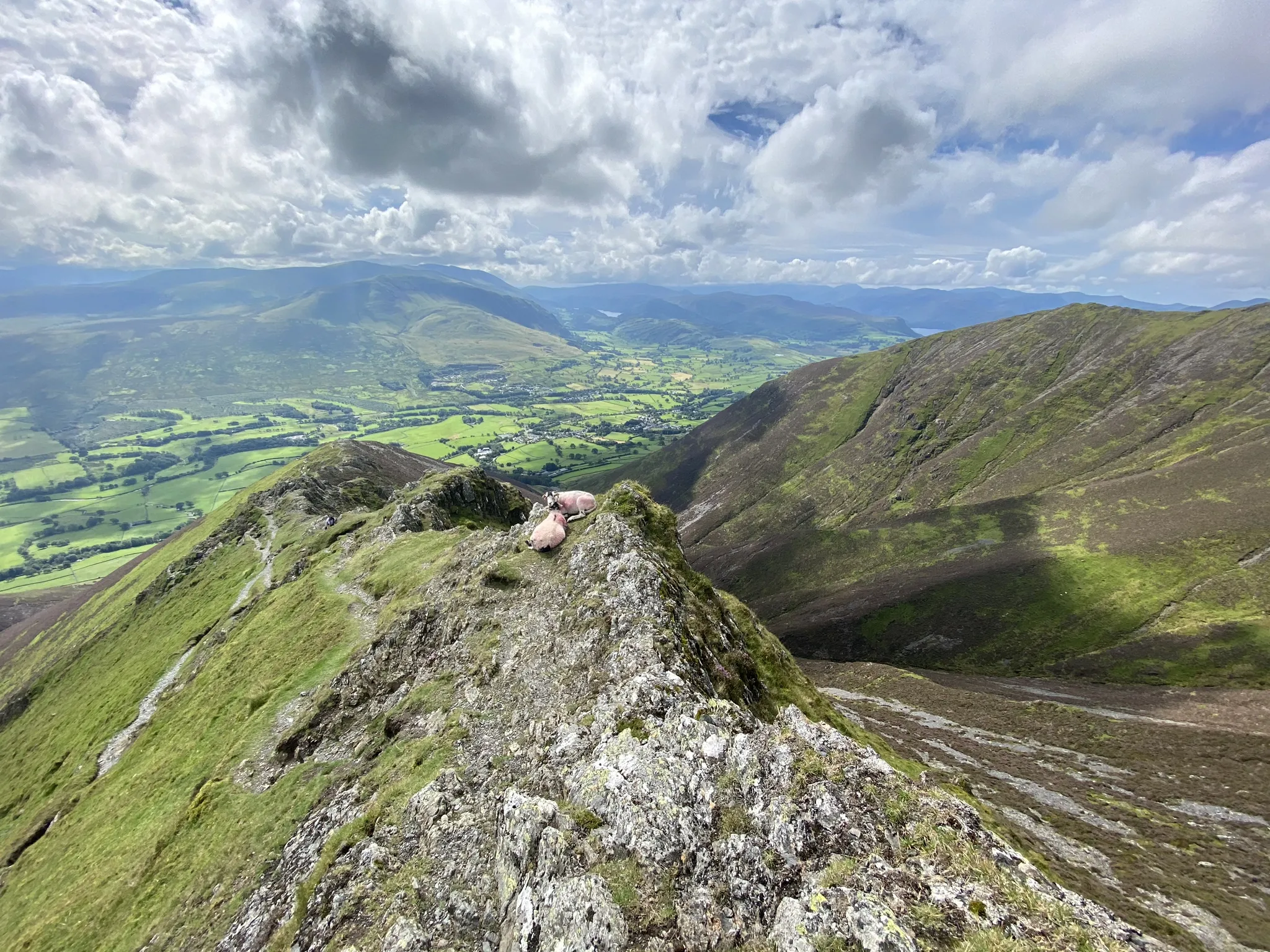
Hiking the Bob Graham Round – Following fellrunning's legends
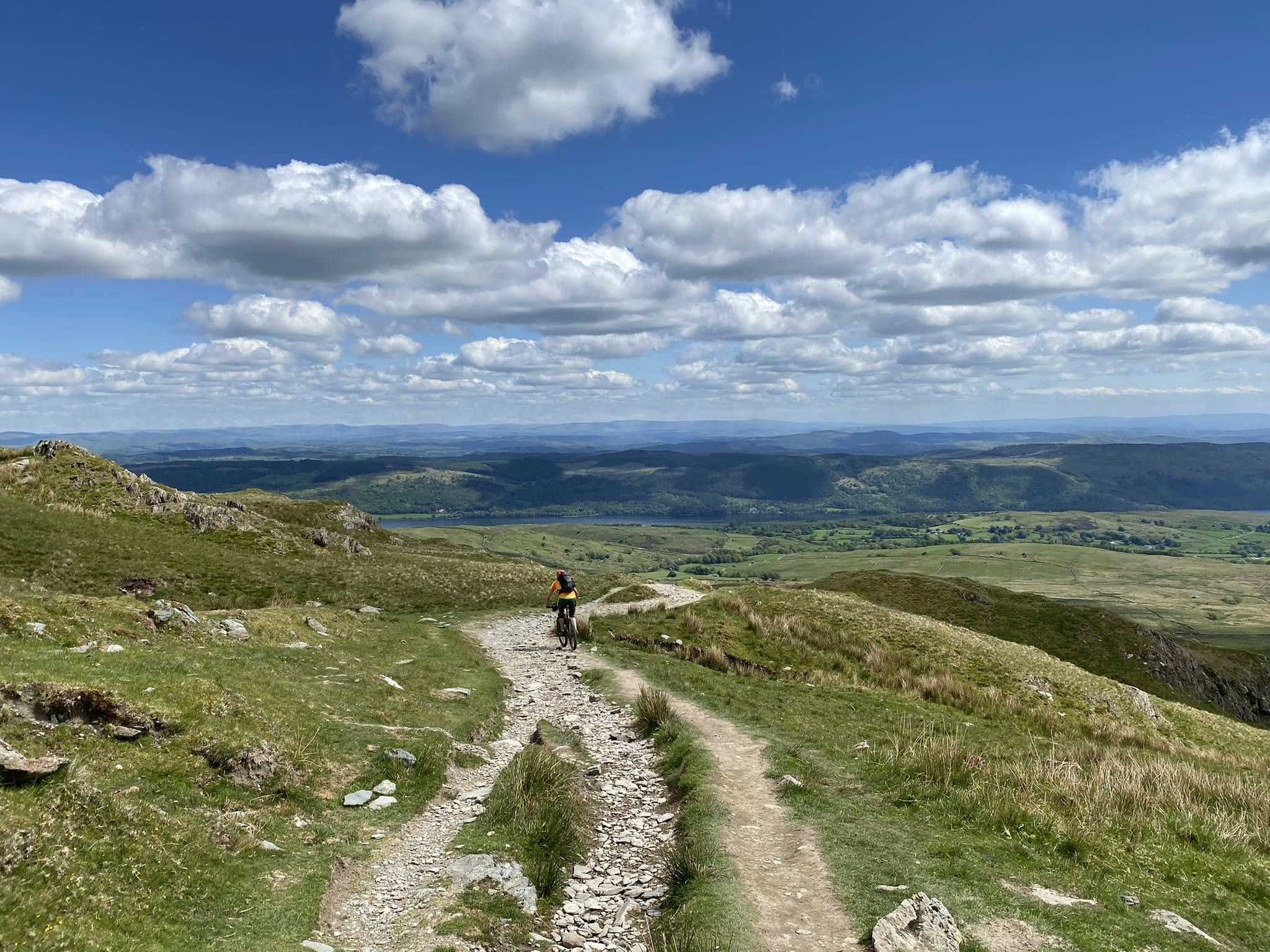
Tim Woodcock's Coast to Coast off-road route – Lakes, Dales and Moors
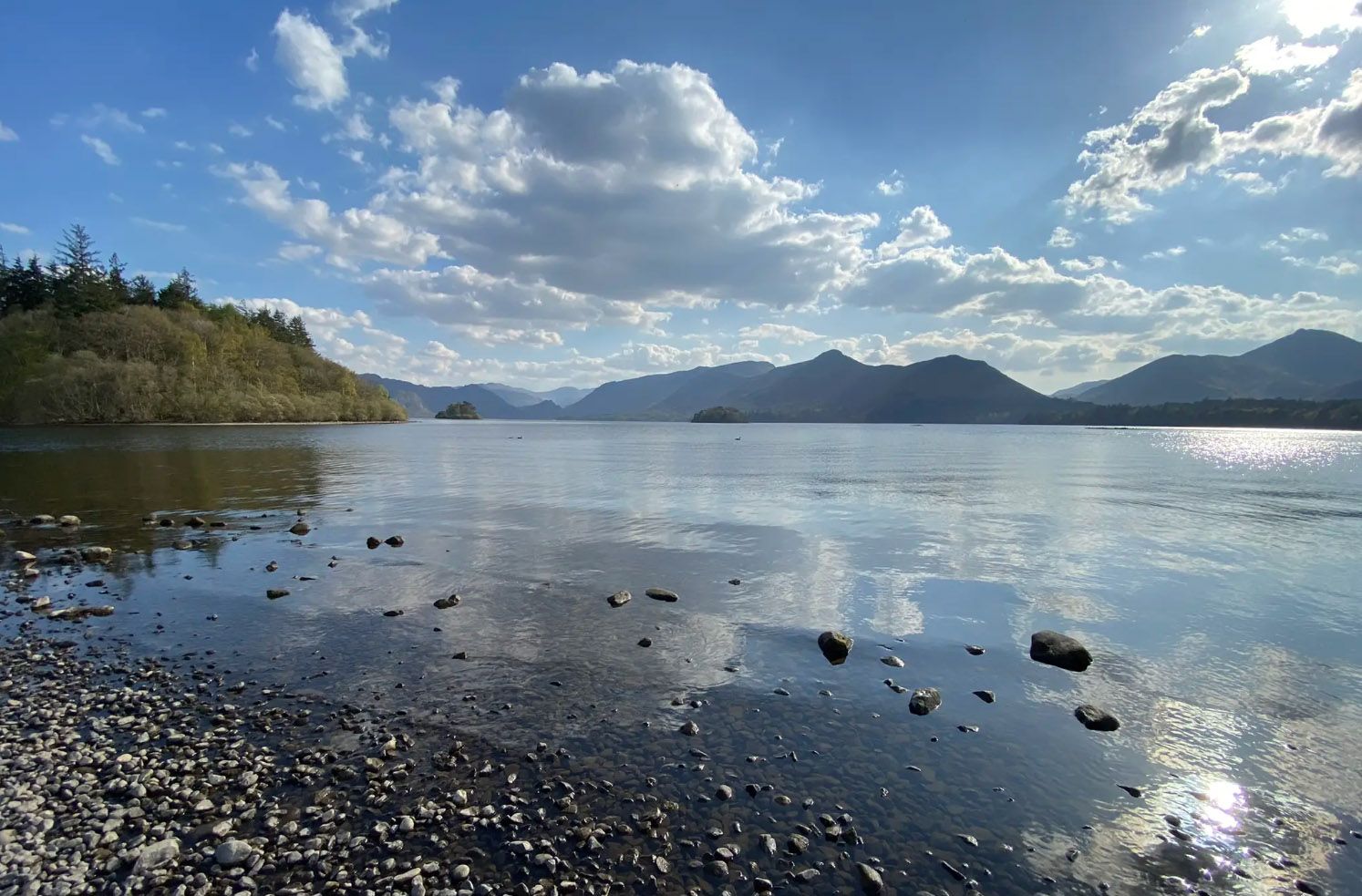
Cumbria Way — An epic hike through the beating heart of Lakeland
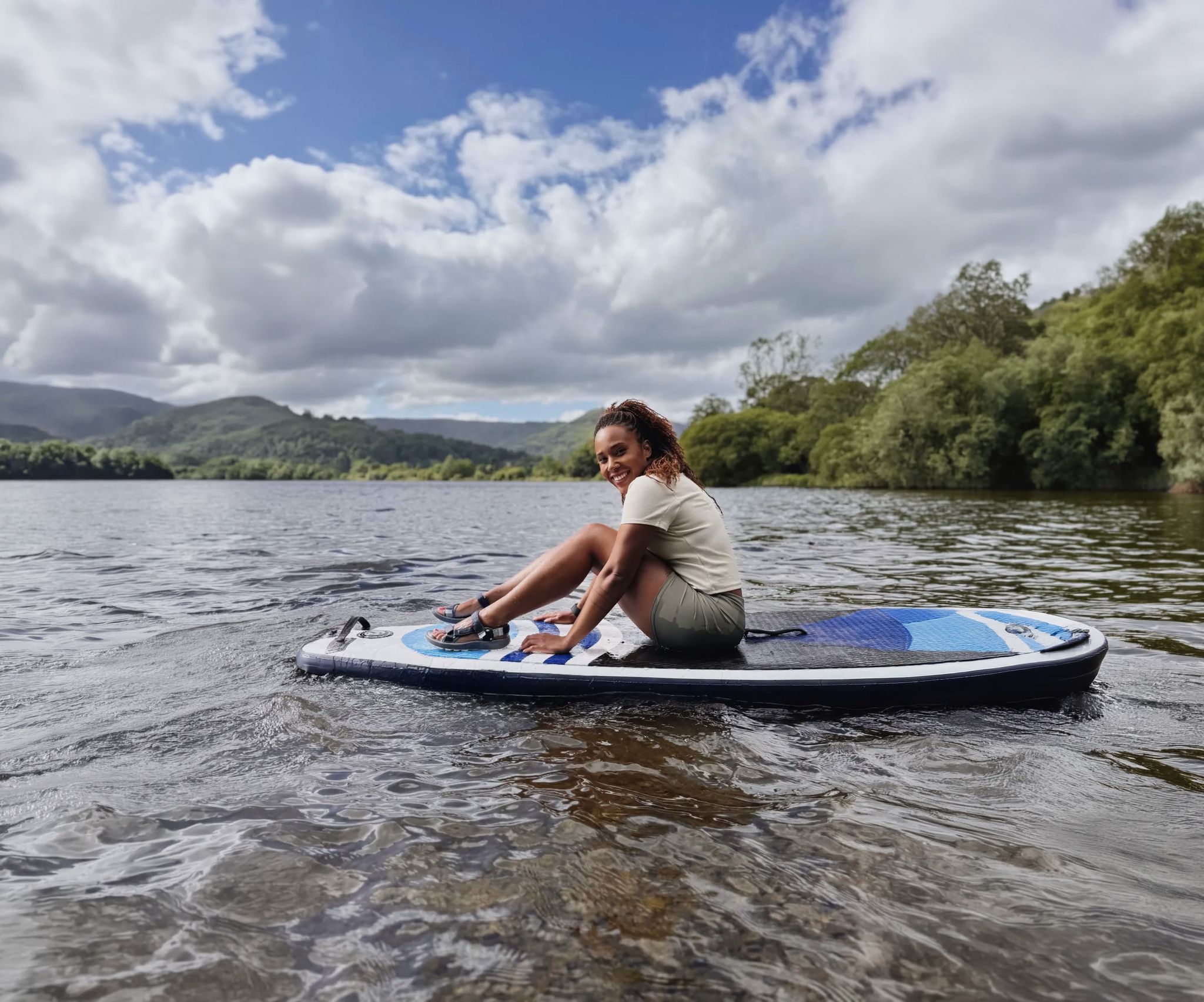
Scenic hikes to stand-up paddleboarding locations in the UK
Other adventures around Lakes


Tips from the Community


Crinkle Crags is a proper, rugged, craggy, undulating 859-metre mountain summit. The actual summit section is referred to as the 'Long Top'. The mountain massif itself has a series of five rocky undulations that create a number of other distinct tops, and they are all great little scrambly outings in their own way. There is also the 'Bad Step' on the southern approach to Long Top. This is a short but infamous rocky micro-scramble. If you like rock, Crinkle Crags is your place to be.
0
0
Great Knott is a 696-metre (2,283 feet) peak that sits on the ridge connecting Bowfell to Esk Pike. Its position on this rugged and dramatic ridgeline gives you outstanding views of the Langdale Valley and up towards Crinkly Crags. It is one of the UK's designated Nuttalls.
1
0

Great Langdale is a spectacular, U-shaped glacial valley in the heart of the Lake District National Park, renowned for its dramatic fells, waterfalls, and world-class hiking trails. Dominated by the iconic Langdale Pikes, it is the ultimate playground for outdoor enthusiasts.
6
0

We did the loop from Hartsop over The Knott, High Street, Thornthwaite Crag and back through the Pasture Beck valley. (12 km)
0
0
We added Seat Sandal to our loop that took in Helvellyn, Nethermost Pike and Dollywagon Pike. You drop down to Grisedale Tarn and have a steep climb to the top of Seat Sandal, where there is a shelter and a small nearby summit cairn. The views are super nice over towards St Sunday Crag, Gavel Pike, Cofa Pike and Fairfield.
0
0
Dollywaggon Pike is a great summit, and it is the southernmost peak on the Helvellyn Ridge. You have Nethermost Pike immediately to the north of you. There is a subsidiary top between Nethermost and Dollywaggon Pikes named High Crag. You have great views from the small cairn at the summit and see down the Grisedale Valley and the peaks of Fairfield and St Sunday Crag.
0
0
Mardale III Bell is a 760-metre (2,490 ft) Wainwright summit that sits just in between High Street and Harter Fell. It makes for a good vantage point to look down at Haweswater, and it has a small stone cairn on its broad top. It can be walked in a number of ways, including the Kentmere Horseshoe or the Mardale Loop, both excellent walks.
0
0
Frequently Asked Questions
How many mountaineering routes are available in the Lakes region?
The Lakes region offers a diverse range of mountaineering experiences, with over 14 routes documented on komoot. These routes cater to various skill levels, including 5 moderate and 9 difficult options, ensuring there's a challenge for most mountaineers.
Are there routes suitable for beginners or families in the Lakes region?
While many routes in the Lakes region are rated moderate to difficult, some of the moderate trails can be suitable for those with some hiking experience looking to try mountaineering. For example, the Grisedale Tarn – Dollywaggon Pike loop from Seat Sandal offers a challenging yet rewarding experience without the extreme technicality of some other routes. Always assess the specific route details and your group's capabilities before setting out.
What kind of challenges can I expect on more advanced mountaineering routes in the Lakes?
Advanced mountaineering routes in the Lakes region often involve significant elevation gains, rugged terrain, and technical sections. For instance, the Slate Bridge Over Stream – Jack's Rake loop from Great Langdale includes the famous Jack's Rake scramble, demanding good scrambling skills and a head for heights. Other difficult routes, like the Bowfell Summit – Esk Pike Summit loop from Great Langdale, traverse high fells with sustained ascents and descents.
Are there any circular mountaineering routes in the Lakes region?
Yes, many of the mountaineering routes in the Lakes region are designed as loops, allowing you to start and finish at the same point. Examples include the challenging Vertical Rock Face Climb – Gunson Knott (822 m) loop from Great Langdale and the moderate Wansfell Pike – Stock Ghyll Woods loop from Ambleside.
What are some notable natural features or attractions I might see along these routes?
The Lakes region is rich in natural beauty and historical landmarks. Along your mountaineering routes, you might encounter stunning summits like Old Man of Coniston summit, Helvellyn Summit, or Scafell Pike summit. The region is characterized by its dramatic fells, deep valleys, and expansive lakes, offering picturesque views and unique geological formations carved by glaciers.
What do other mountaineers say about the routes in the Lakes region?
The mountaineering routes in the Lakes region are highly regarded by the komoot community, with an average rating of 4.8 stars from over 20 reviews. Mountaineers often praise the challenging terrain, breathtaking natural beauty, and the diverse array of adventure opportunities available, from scrambling to high fell traverses.
What is the typical duration for mountaineering routes in the Lakes?
The duration of mountaineering routes in the Lakes varies significantly depending on the distance, elevation gain, and difficulty. For example, a difficult route like the Slate Bridge Over Stream – Jack's Rake loop from Great Langdale, which is 4.8 miles (7.7 km), typically takes around 3 hours 18 minutes. Longer, more strenuous routes such as the Bowfell Summit – Esk Pike Summit loop from Great Langdale, at 8.8 miles (14.1 km), can take over 5 hours.
When is the best time of year to go mountaineering in the Lakes?
The Lakes region offers mountaineering opportunities year-round, but the best time largely depends on your preferences and skill level. Spring and autumn provide pleasant temperatures and stunning scenery, especially the vibrant fall foliage. Summer offers longer daylight hours, while winter presents a different challenge with potential for snow and ice, requiring specific winter skills training and equipment.
Are there opportunities for winter mountaineering in the Lakes?
Yes, the Lakes region is known for offering winter skills training and challenging winter mountaineering routes. The rugged fells and crags transform under snow and ice, providing a unique and demanding experience for those with appropriate skills, equipment, and experience in winter conditions.
Where can I find parking for mountaineering trails in the Lakes?
Many mountaineering routes in the Lakes region start from popular trailheads or charming towns. While specific parking details vary by route, areas like Great Langdale and Ambleside, which serve as starting points for several komoot routes, typically offer designated parking facilities. It's advisable to check local parking information for your chosen trailhead in advance, especially during peak seasons.
Are there any routes that offer a chance for wild swimming or pass by notable water features?
The Lakes region is defined by its numerous lakes and waterways, making wild swimming a popular activity. While specific mountaineering routes might not directly lead to designated wild swimming spots, many trails offer views of or pass close to lakes and tarns. The region is also known for ghyll scrambling (gorge scrambling) and canyoning, utilizing its natural waterways for adventurous activities.
What should I wear for summer mountaineering in the Lakes?
For summer mountaineering in the Lakes, it's crucial to be prepared for changeable weather. Layers are key: a moisture-wicking base layer, a warm mid-layer (fleece), and a waterproof and windproof outer shell. Sturdy hiking boots with good ankle support are essential. Don't forget sun protection (hat, sunglasses, sunscreen), a map and compass (or GPS device), sufficient water, and snacks. Even in summer, conditions can change rapidly in the mountains.
Can you recommend a less-trafficked or 'hidden gem' route?
While the Lakes region is popular, some routes offer a sense of solitude. The komoot community highly rates all routes, but exploring areas slightly off the main tourist hubs or choosing routes during off-peak times can lead to a more tranquil experience. Look for routes that might not be explicitly mentioned in general tourist guides but are well-regarded by local mountaineers.
Most popular routes around Lakes
Most popular attractions around Lakes

Get inspired with the komoot mobile app


Explore more
Browse the best Mountain Hikes & Routes in other regions.
