Dunnerdale-With-Seathwaite
Dunnerdale-With-Seathwaite
Top 6 Caves around Dunnerdale-With-Seathwaite
Best caves around Dunnerdale-With-Seathwaite are primarily man-made caverns, remnants of historical slate mining within the Lake District. This region is known for its natural beauty and industrial heritage, offering unique exploration opportunities. While extensive natural limestone cave systems are not prevalent, the area features impressive former quarries transformed into accessible caverns. These sites provide insights into the area's past and offer distinct experiences for visitors.
Best caves around Dunnerdale-With-Seathwaite
- The most popular caves is View of Rydal Water from Rydal…
Last updated: July 3, 2026
Rydal Cave
Highlight • Cave
Translated by Google •
Tip by

Cathedral Cavern
Highlight • Historical Site
Showing Translation
Tip by
Sign up now to discover places like this
Get recommendations on the best single tracks, peaks, & plenty of other exciting outdoor places.
Sign up for free
Black Moss Pot
Highlight • Gorge
Tip by

Tilberthwaite Quarry Tunnel Entrance
Highlight • Structure
Tip by

Start today with a free account
Your next adventure awaits.
Login or Signup
Popular around Dunnerdale-With-Seathwaite
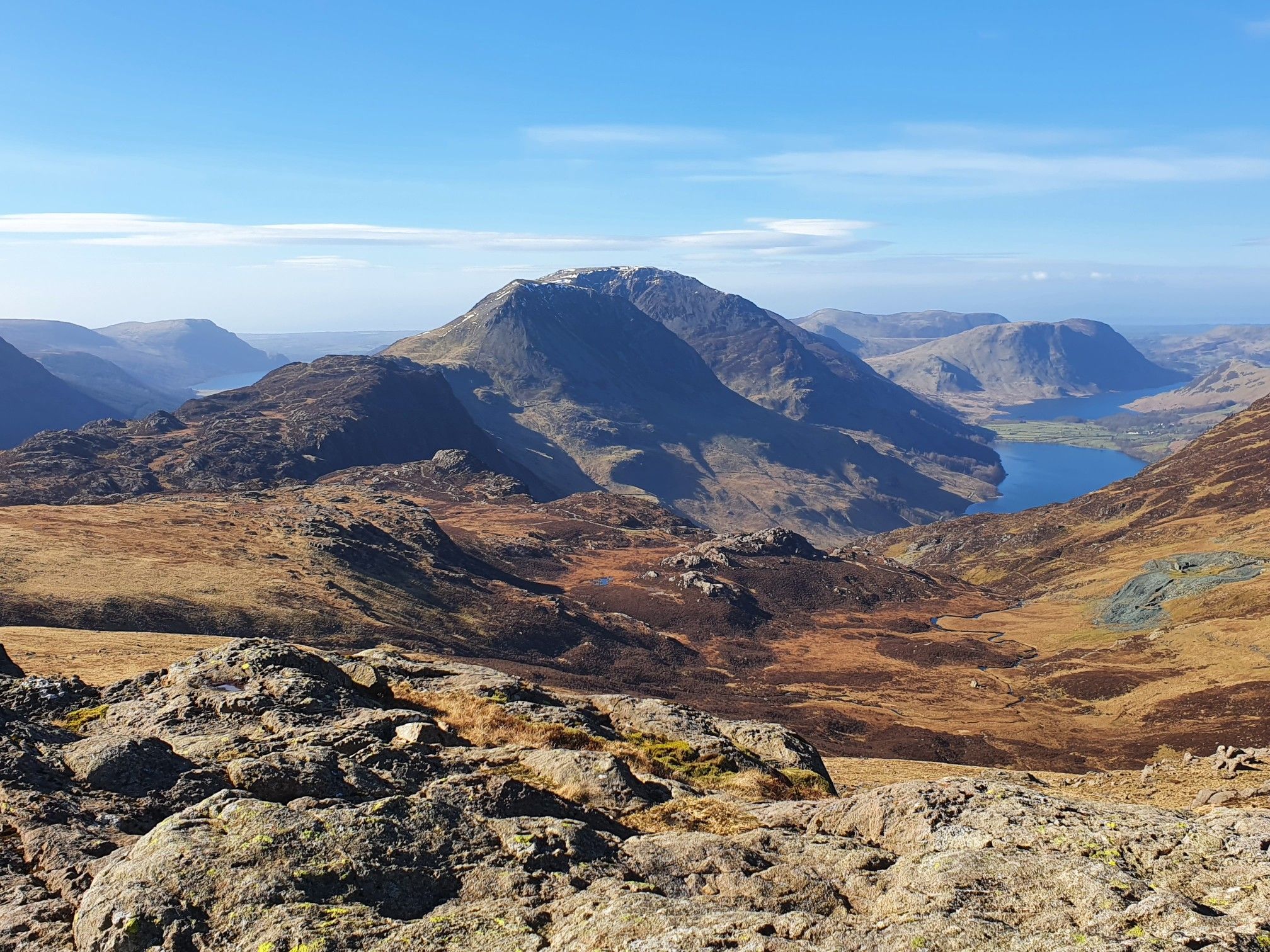
Cumbrian Traverse – A sublime high-level hike across Lakeland
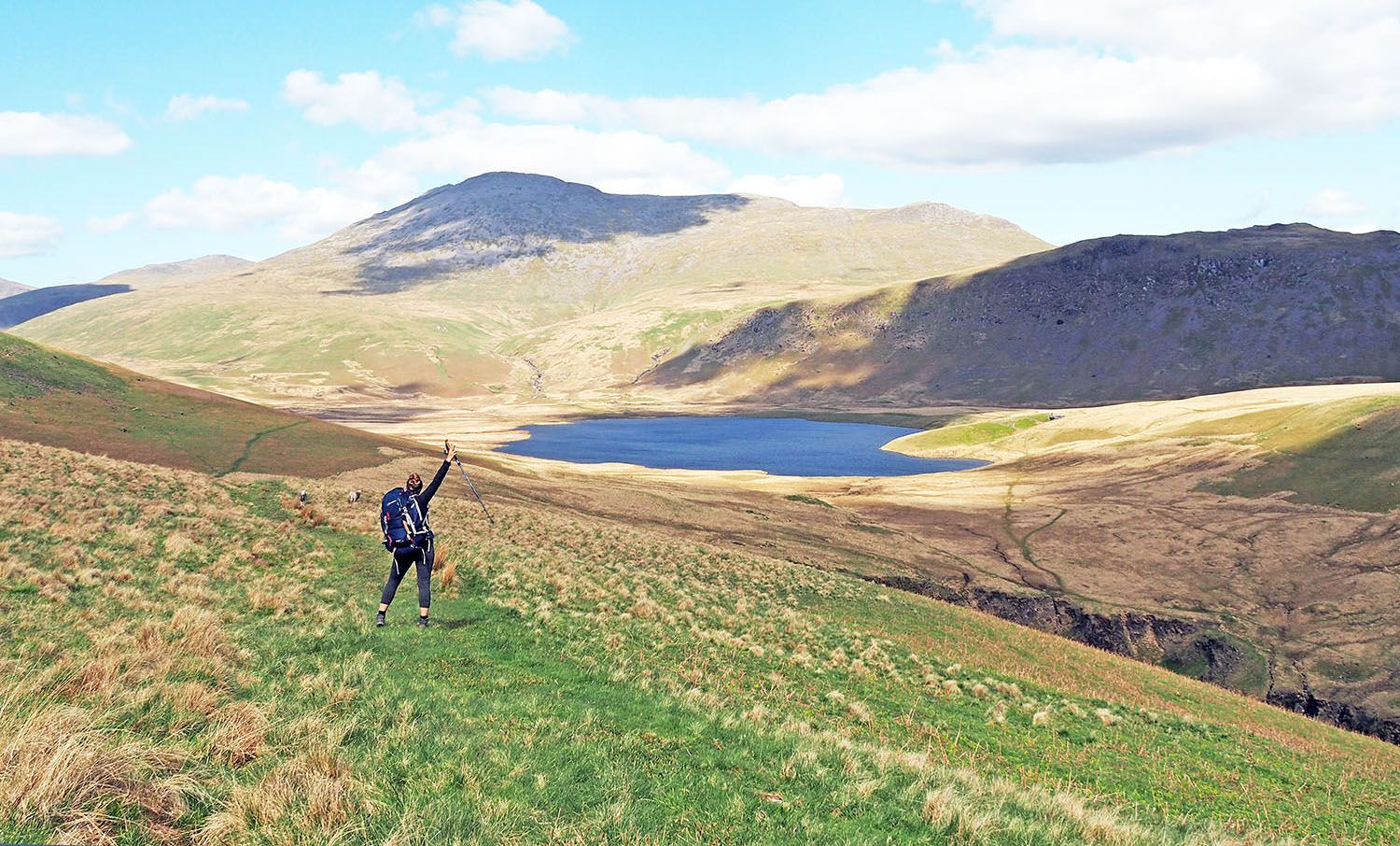
An English hiking dream – 8 days through the Lake District
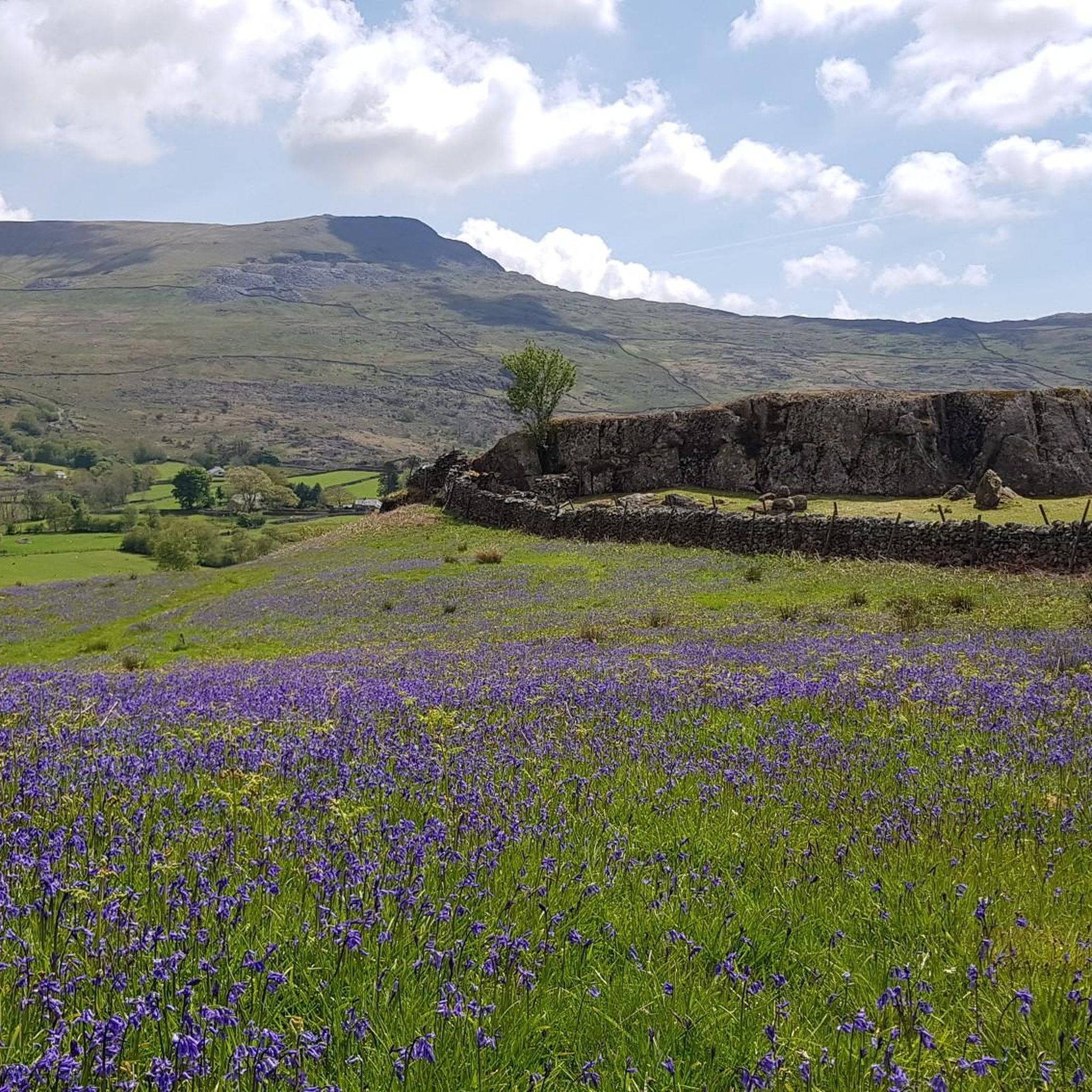
Hiking around Dunnerdale-With-Seathwaite

Gravel biking around Dunnerdale-With-Seathwaite
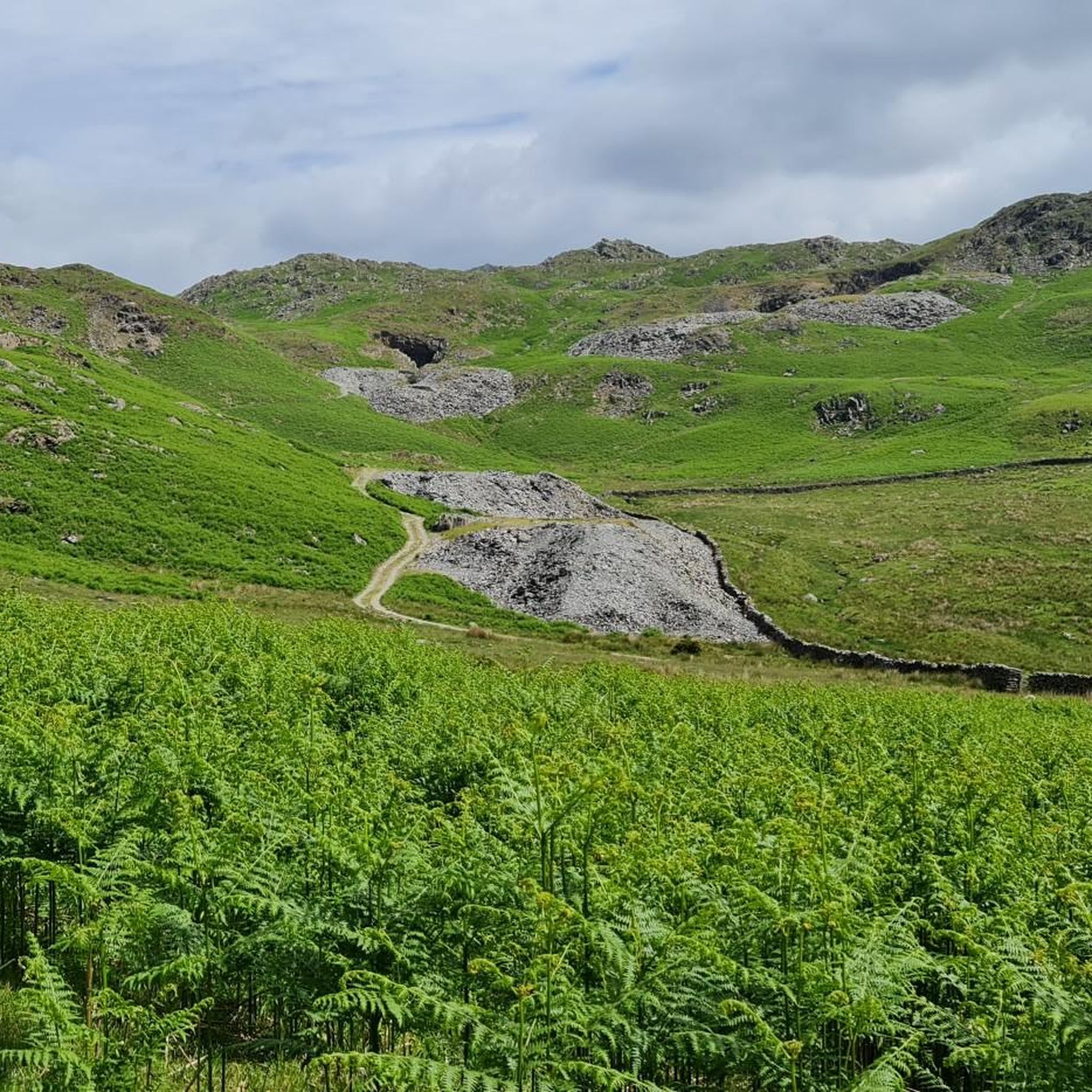
Road Cycling Routes around Dunnerdale-With-Seathwaite
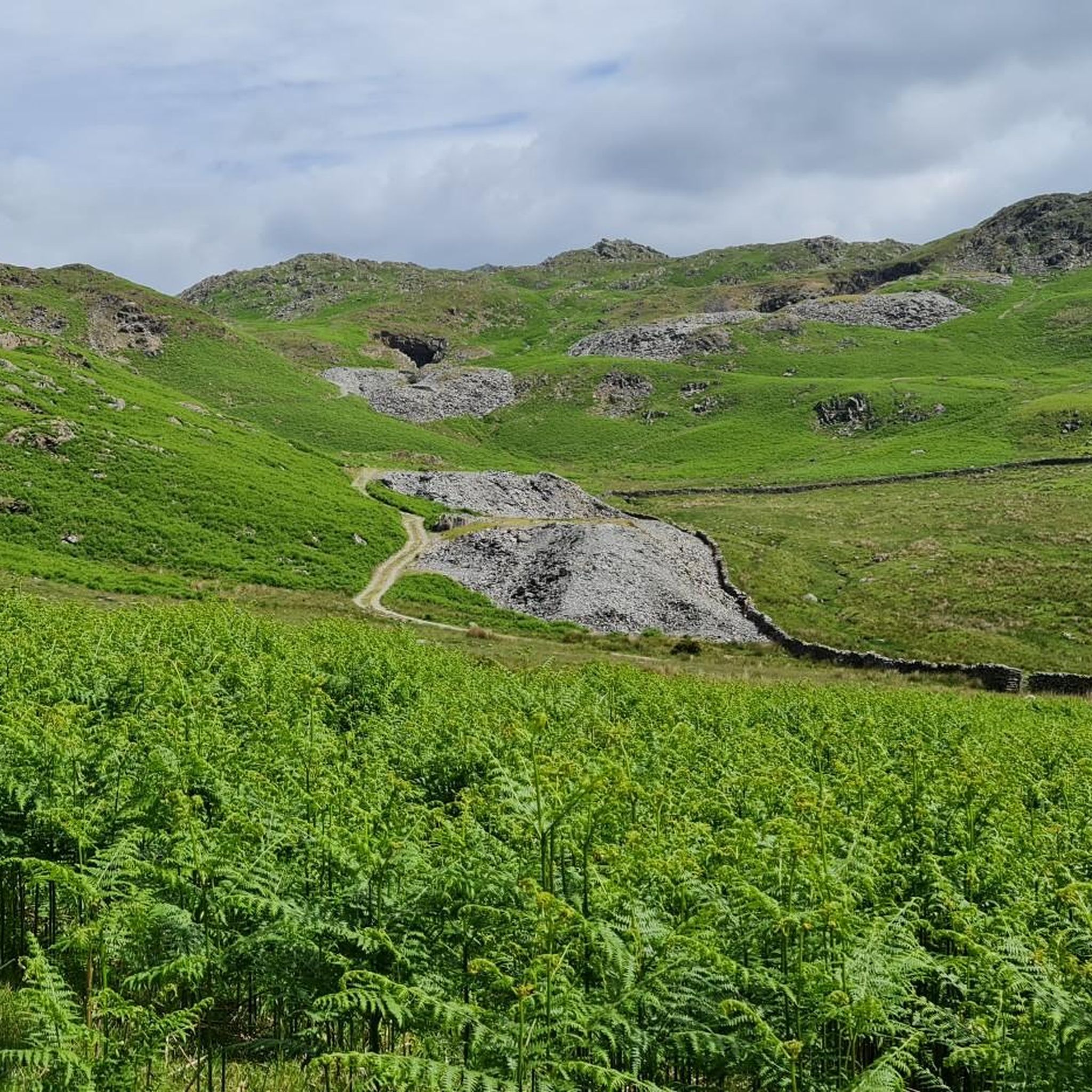
MTB Trails around Dunnerdale-With-Seathwaite
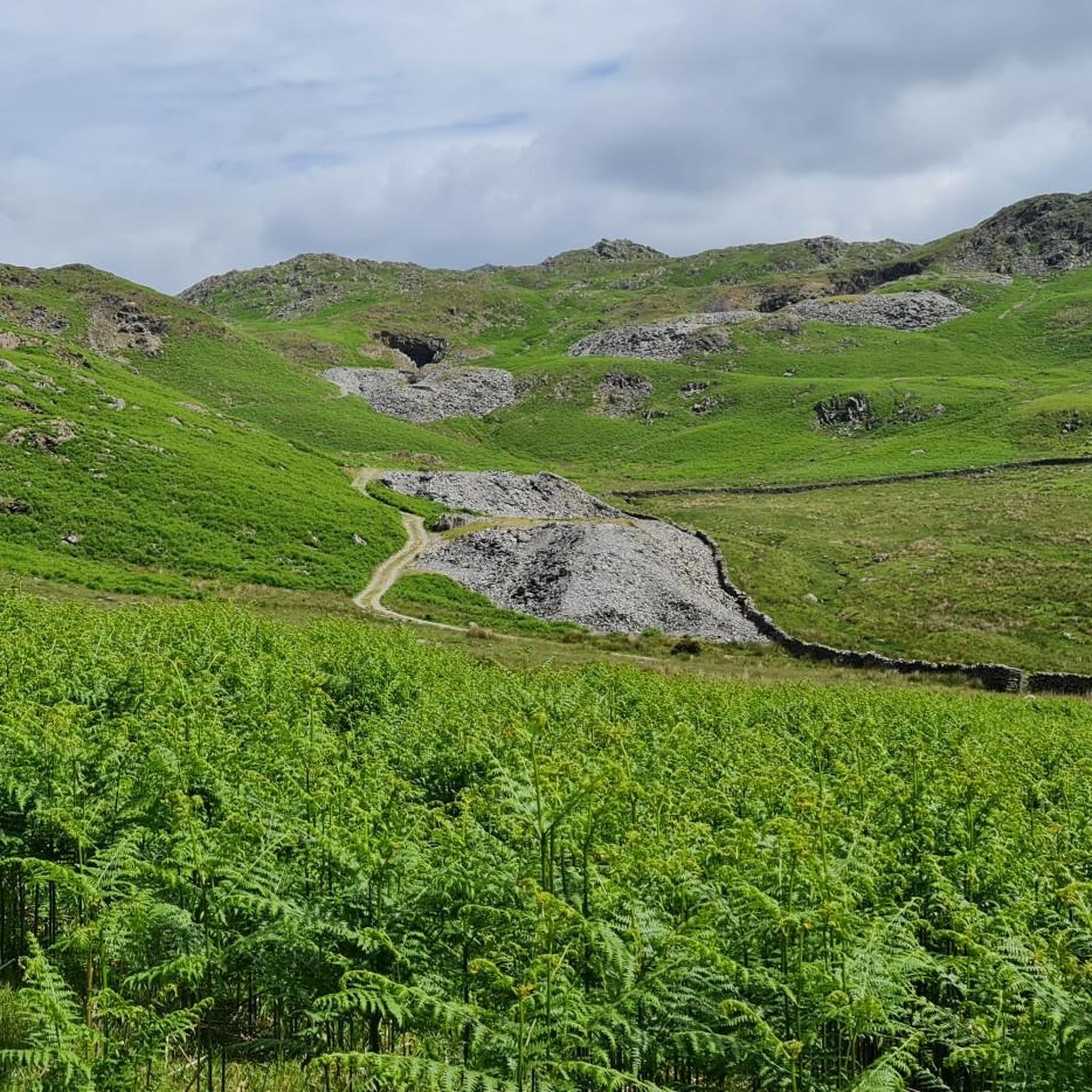
Running Trails around Dunnerdale-With-Seathwaite
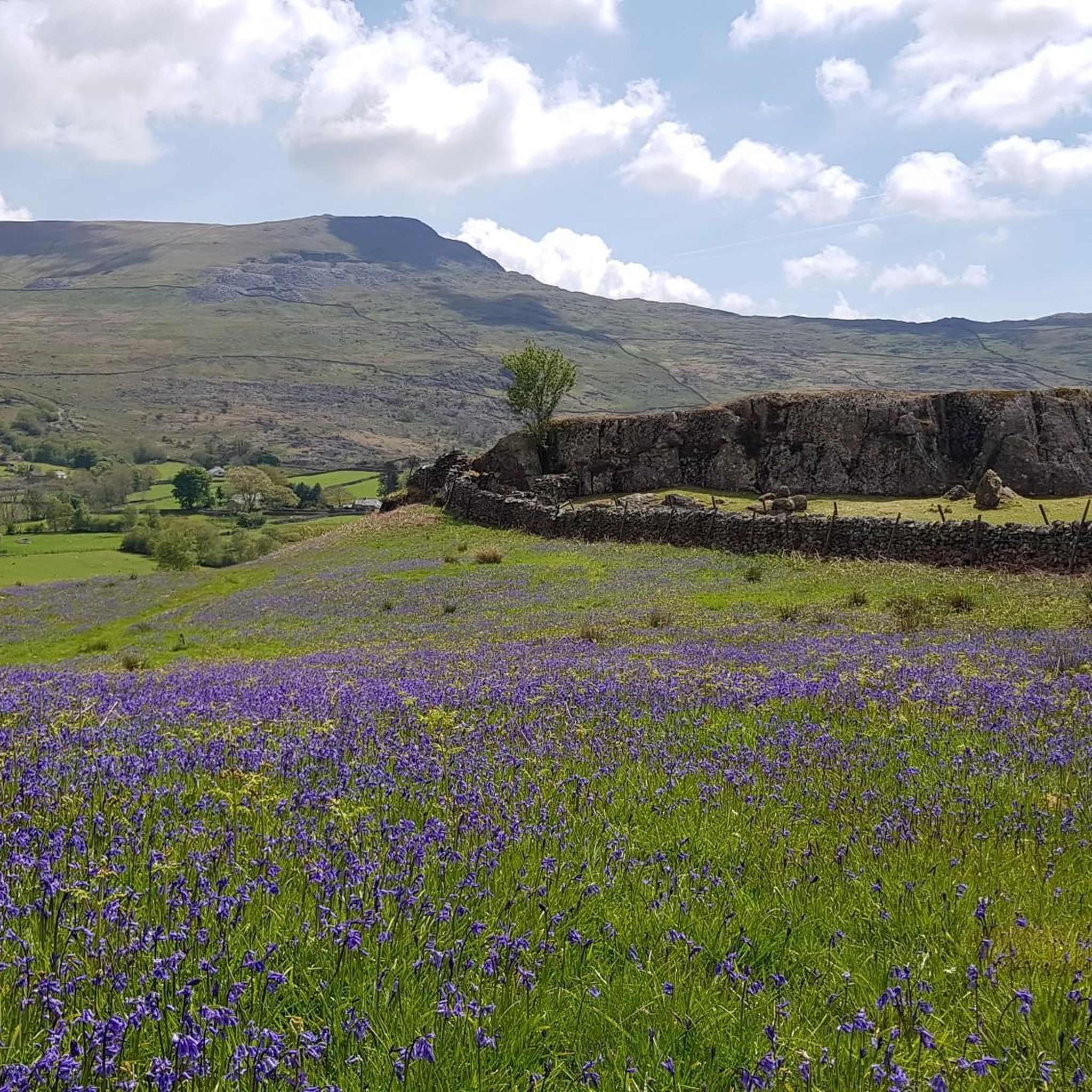
Cycling around Dunnerdale-With-Seathwaite
Mountain Hikes around Dunnerdale-With-Seathwaite
Other adventures around Dunnerdale-With-Seathwaite


Tips from the Community

An abandoned slate quarry, gifted to the National Trust by Beatrix Potter. The site is a relic of the area's quarrying past, shaped by man and now slowly being reclaimed by nature. As it is an abandoned quarry, the site has unprotected steep drops, deep water and there is a risk of falling rocks. If you decide to visit the quarry, make sure you are well prepared. (National Trust)
10
0

Mega little walk make sure you have good waterproof boots the water is a little deep in a few spots in the cave and a good torch head light for exploring the caves you could spend hour exploring great for the kids
3
0
Take your time visiting Rydal Cave. It is a large cave on the north side of Loughrigg Fell, above Rydal Water. This cave is actually man-made, as a result of slate mining. Take the stepping stones through the shallow water at the entrance to the drier part of the cave. A torch is not really necessary.
10
1

Take wellies if you want to escape out through the tunnels. And torches if you want to do the longer one.
2
0

Cathedral Quarry's history dates back to the 16th century. It used to be known as the Little Langdale Quarries but often referred to as Cathedral Quarries nowadays the site was used to extract green slate. This slate is still used today to build walls and roofs in the area. In 1929 the quarry was bought by Beatrix Potter who later gave it to the National Trust.
1
0

Cathedral Cave is the largest cave in this old mine complex. You can explore the main chambers and venture deeper into the system. This area is owned by the National Trust, but entry is at your own risk and the site is not managed as an attraction. Remember to bring a torch, or you won't be able to get far.
3
0

Impressive, We were really lucky as we exited had two American fighter jets banking around spectacular
1
0

Fantastic walk but quite well known go early and avoid weekends if you can to get the place to yourself
0
0
Frequently Asked Questions
What kind of caves can I expect to find in Dunnerdale-With-Seathwaite?
The caves in Dunnerdale-With-Seathwaite are primarily man-made caverns, remnants of historical slate mining. While not natural limestone cave systems, they offer unique exploration opportunities and insights into the region's industrial heritage. Notable examples include Rydal Cave and Cathedral Cavern.
What are the most impressive historical cave sites to visit in the area?
Two of the most impressive historical sites are Cathedral Cavern and Rydal Cave. Cathedral Cavern, a former slate quarry, features a massive central pillar and a dark pool, offering a dramatic atmosphere. Rydal Cave is a large man-made cavern from slate mining, accessible via stepping stones at its entrance.
Are there any natural caves or geological features to explore in Dunnerdale-With-Seathwaite?
While the prominent 'caves' in Dunnerdale-With-Seathwaite are man-made, the region does offer natural geological features. For instance, Black Moss Pot is a natural gorge with a deep pool and cascading water, popular for swimming and enjoying natural rock formations.
How long does it typically take to explore the main cave attractions?
Exploring Rydal Cave itself doesn't take long, but the scenic walk to it adds to the experience. For Cathedral Cavern, you can spend anywhere from 30 minutes to an hour exploring the main chambers and deeper sections, especially if you bring a torch. Allow extra time for the approach walks to both sites.
Are the caves around Dunnerdale-With-Seathwaite suitable for families?
Yes, some caves are family-friendly. Rydal Cave is particularly accessible and popular with families, offering a unique experience without requiring a torch for basic exploration. Cathedral Cavern can also be explored by families, but caution is advised as there are no safety features inside, and a torch is recommended for deeper exploration.
Can I bring my dog to the caves in this area?
Many outdoor areas in Dunnerdale-With-Seathwaite are dog-friendly, including the paths leading to the caves. While dogs are generally welcome, it's always best to keep them on a lead, especially in areas with livestock or other visitors. Inside the caverns themselves, exercise caution and ensure your dog is comfortable with the environment.
Do I need special equipment like a torch for exploring the caves?
For Rydal Cave, a torch is not strictly necessary as there's enough light. However, for deeper exploration into Cathedral Cavern or the Tilberthwaite Quarry Tunnel Entrance, a torch or headlamp is highly recommended to navigate the darker sections safely.
What are the parking options for visiting the caves?
Parking options vary by cave. For Rydal Cave, parking is available in nearby villages like Rydal or Grasmere, requiring a walk to the cave. For Cathedral Cavern, parking can be found in Little Langdale, also involving a walk. Always check local signage for parking restrictions and fees.
When is the best time of year to visit the caves in Dunnerdale-With-Seathwaite?
The caves can be visited year-round. Spring and autumn offer pleasant walking weather and fewer crowds. Summer is popular, but can be busier. Winter visits are possible, but paths may be muddy or icy, and daylight hours are shorter. Always check local weather conditions before your visit.
What outdoor activities or trails are available near the caves?
The area around Dunnerdale-With-Seathwaite offers numerous outdoor activities. You can find excellent hiking routes, such as the 'Great Stickle, Stickle Pike & The Knott loop' or 'Swirl How – Grey Friar loop'. There are also gravel biking routes like the 'Elterwater Cycle Path'. For more options, explore the hiking guide or the gravel biking guide for the region.
Are there easy hiking routes near the caves for beginners?
Yes, there are several easy hiking routes suitable for beginners near the caves. Options include the 'Turner Hall Campsite – Duddon River Stone Bridge loop' or the 'Duddon River Stone Bridge – Newfield Inn loop'. These routes offer gentle terrain and scenic views. You can find more details in the easy hikes guide for Dunnerdale-With-Seathwaite.
Where can I find refreshments or accommodation near the caves?
Villages surrounding the cave areas, such as Rydal, Grasmere, and Little Langdale, offer various options for refreshments and accommodation. You'll find local pubs, cafes, and guesthouses that cater to visitors exploring the Lake District. It's advisable to book accommodation in advance, especially during peak season.
What do visitors appreciate most about the caves in Dunnerdale-With-Seathwaite?
Visitors frequently appreciate the unique historical aspect of these man-made caverns, offering a glimpse into the region's slate mining past. The dramatic scale of places like Cathedral Cavern and the accessible adventure of Rydal Cave are often highlighted. The scenic walks to these sites, with views of the surrounding fells and lakes, also add significantly to the overall experience.
Most popular routes around Dunnerdale-With-Seathwaite
Most popular attractions around Dunnerdale-With-Seathwaite

Get inspired with the komoot mobile app


Explore more
Extend your search for the best caves by checking out these guides of the top ones around Dunnerdale-With-Seathwaite:
