Attractions and Places To See around Swinton And Ladykirk - Top 20
Best attractions and places to see around Swinton And Ladykirk include a variety of historical, cultural, and natural sites within the Scottish Borders. This region, encompassing the villages of Swinton and Ladykirk, is characterized by its rich agricultural land known as The Merse and its proximity to the River Tweed. Visitors can explore significant landmarks and enjoy the scenic countryside. The area offers opportunities to engage with local history and natural landscapes.
Best attractions and places to see around Swinton…
Last updated: May 22, 2026
Berwick Town Walls
Highlight • Historical Site
Tip by

Norham Castle Ruins
Highlight • Historical Site
Tip by

Sign up now to discover places like this
Get recommendations on the best single tracks, peaks, & plenty of other exciting outdoor places.
Sign up for free
Heatherslaw Cornmill
Highlight • Monument
Tip by

Ford Castle
Highlight • Other
Tip by
Union Bridge (Tweed)
Highlight • Monument
The bridge was opened …
Tip by
Sign up for free to discover even more attractions around Swinton And Ladykirk.
Sign up for free
Already have an account?
Start today with a free account
Your next adventure awaits.
Login or Signup
Tips from the Community


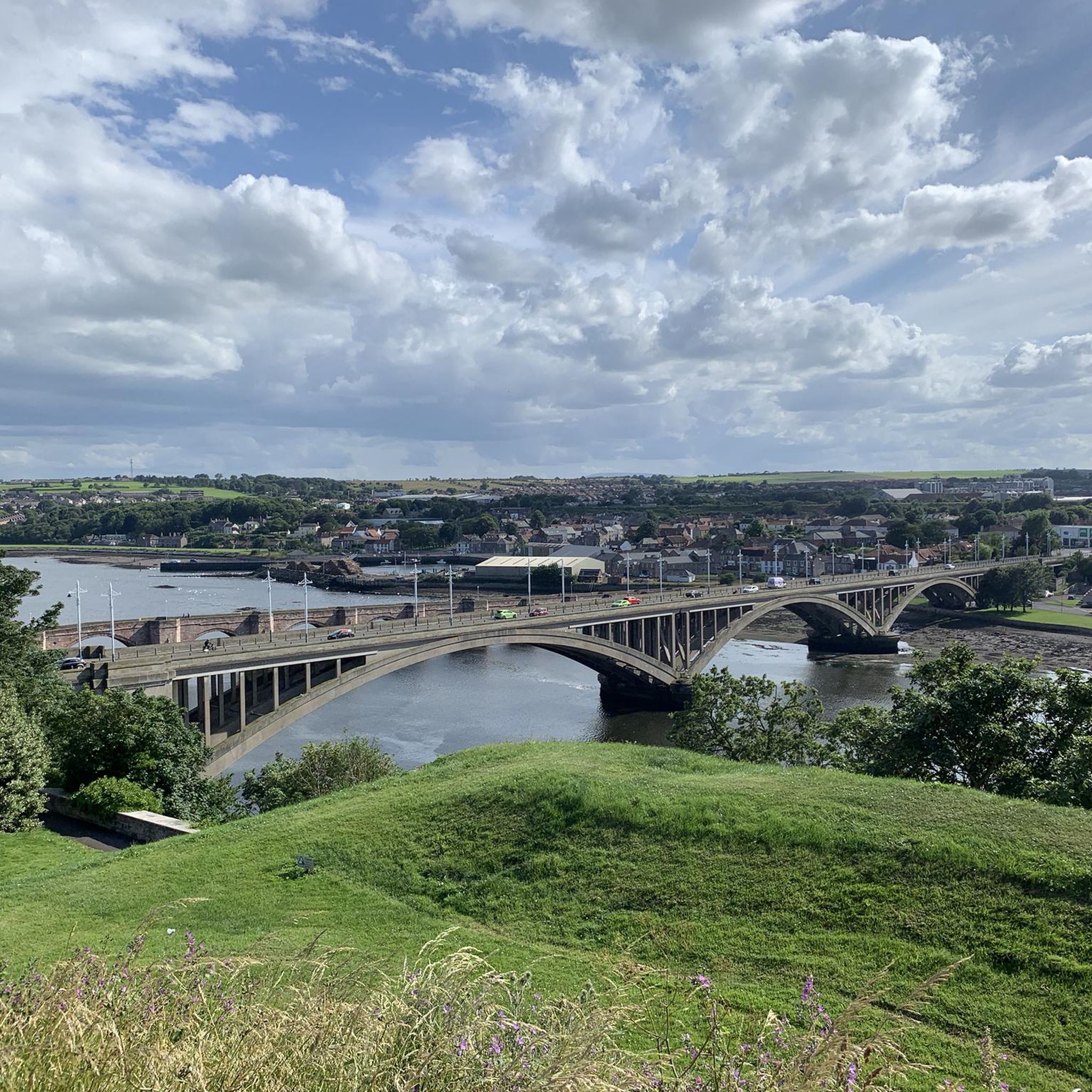
The Berwick walls are absolutely fantastic to walk – one of the best-preserved examples of Elizabethan defences in the country. You can do a full circuit in under an hour, and it gives you brilliant views over the town, the River Tweed and out to the North Sea. Along the way there are bastions, gun emplacements and plaques explaining the history, so you really get a feel for why Berwick was so strategically important. It’s all free to access and very easy walking on well-kept paths. A must-do if you’re visiting the town, whether you’re into history or just want a pleasant stroll with great views.
0
0

Harnessing the power of moving water to drive a mill wheel is an ancient invention of human discovery, whose origins can be traced back to ancient times. Thanks to such a design, a watercourse – natural or artificial – made it possible to simply replace human or animal muscle power with the power of natural elements, for example, to grind grain into corn or press oil from fruit. There are essentially two drive variants for watermills: * Either the flowing water simply hits the blades of the water wheel from below to set it in motion; or * the water is guided above the wheel – usually through a so-called "mill channel" – and falls onto the blades. This design, thanks to natural gravity, ensures greater efficiency.
0
0

Ford Castle in Northumberland is a historic Grade I listed building with a stormy past. Built around 1278, it served as a border stronghold for centuries, witnessing battles and even hosting the Scottish King James IV before his final fight. The castle changed hands throughout history, from the Heron family to the Joiceys. Today, it's no longer a private residence. Instead, it functions as an outdoor activity center for schools and youth groups, offering a unique blend of history and adventure.
0
0

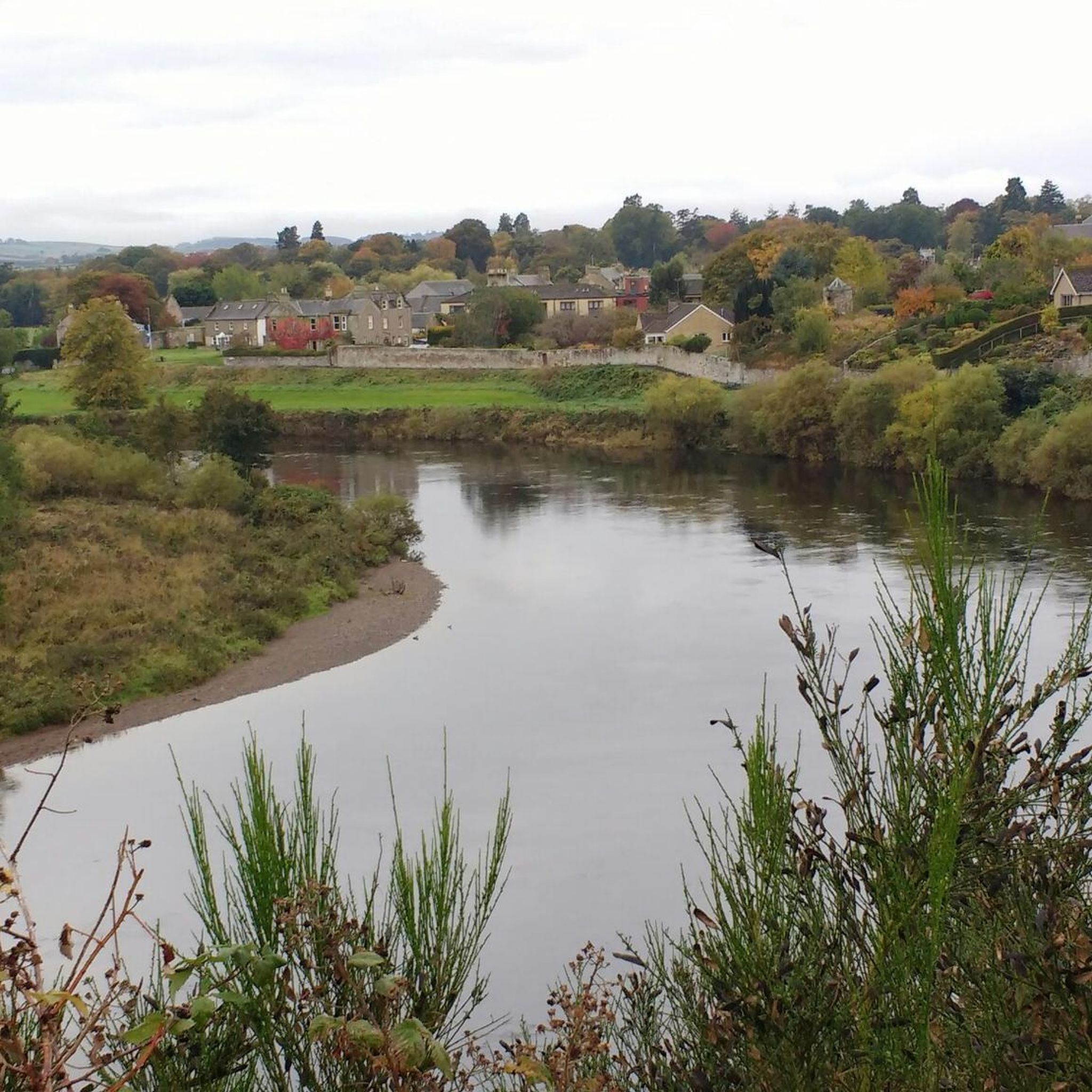
Norham stands as one of the most captivating sights in the border region. Perched atop a lush hillock, it commands a crucial ford over the River Tweed, having held immense significance as a formidable stronghold in this historically turbulent area. It endured frequent assaults from the Scots, facing no less than 13 sieges, including a nearly year-long encirclement led by Robert Bruce. Despite the strength of its robust 12th-century keep and imposing towered bailey walls, it ultimately succumbed to the might of James IV's formidable cannons in 1513, just prior to his fateful defeat at Flodden Field. The extensive reconstruction during the 16th century, tailored to accommodate artillery, still bears evident marks, showcasing the fortress's adaptation to changing times.
0
0

Berwick's Elizabethan Walls are the only example of bastioned town walls in Britain and one of the best preserved examples in Europe. When built in 1558 - designed to keep out the marauding Scots who regularly laid claim to the town - it was the most expensive undertaking of England's Golden Age.
1
0

A restored and working 19th century water powered corn mill. Visit and view the wooden water mill which drives the gears that turn the grind stones. The cafe sells cakes and bread made using the flour ground here. Adults £4 (Dec 2022) open 10:00 - 16:00 every day.
0
0
Frequently Asked Questions
What historical landmarks can I explore in Swinton and Ladykirk?
The area is rich in history. You can visit Swinton Kirk, which features parts of its walls over 1,000 years old, the famous 'Flodden Bell', and ancient Swinton family armorial bearings. Another significant site is Ladykirk Church, known for its unique vaulted stone roof and its role in the 1559 Treaty of Upsettlington. Don't miss the Norham Castle Ruins, a Grade-I listed castle with a long history of border conflicts.
Are there any unique natural features to see around Swinton and Ladykirk?
Yes, both villages are nestled in The Merse, a fertile agricultural region between the Lammermuir Hills and the River Tweed. The River Tweed itself is a significant natural boundary and offers tranquil riverside paths, particularly around Ladykirk. The surrounding Scottish Borders countryside provides scenic views of woodlands, meadows, and rolling plains.
What family-friendly attractions are available in the area?
Families can enjoy several attractions. The Heatherslaw Cornmill is a restored 19th-century water-powered mill where you can see the milling process and enjoy cakes and bread made with local flour. Ford Castle, while primarily a residential centre, has a rich history that can be explored from the outside. The Berwick Town Walls also offer an engaging walk with historical plaques and great views.
What kind of outdoor activities can I do near Swinton and Ladykirk?
The region offers various outdoor activities. For cycling enthusiasts, there are routes like the 'Paxton and Duns loop' or the 'Norham Castle Ruins – Union Bridge (Tweed) loop'. Mountain biking options include the 'Norham Castle loop from Duns'. If you prefer running, consider the 'Duns Castle Estate & Duns Law loop' or the 'Union Bridge (Tweed) loop'. You can find more details on these and other routes on the Cycling around Swinton And Ladykirk, MTB Trails around Swinton And Ladykirk, and Running Trails around Swinton And Ladykirk guide pages.
Are there any notable bridges or man-made monuments in the vicinity?
Absolutely. The Union Bridge (Tweed) is a must-see, as it's the oldest suspension bridge in the world still carrying road traffic and marks the border between England and Scotland. You can also find the Swinton Market Cross, erected in 1769, symbolizing Swinton's historical commercial status.
What is the significance of Swinton Kirk and Ladykirk Church?
Swinton Kirk is historically significant with parts of its structure dating back over 1,000 years, housing the 'Flodden Bell' and some of Britain's oldest stone armorial bearings. Ladykirk Church, also known as 'Kirk of Steill', was built around 1500 by King James IV and is unique for its vaulted stone roof designed to withstand fire or flood. It was also the site where the last peace treaty between England and Scotland was agreed upon in 1559.
Can I find any unique village features in Swinton?
Yes, Swinton boasts one of only two village greens in the Scottish Borders. On this green, you'll find a monument dedicated to the last wild boar killed in The Merse, affectionately known as 'Swinton's Twelfth Man'.
What do visitors particularly enjoy about the attractions around Swinton and Ladykirk?
Visitors often praise the rich history and scenic beauty of the area. The Berwick Town Walls are highlighted for their well-preserved Elizabethan defenses and the fantastic views they offer over the town and River Tweed. The Union Bridge (Tweed) is appreciated for its historical significance and the unique experience of cycling across it.
Are there any specific historical residences or estates to note?
Yes, Swinton House, located a mile west of Swinton village, is a notable residence dating to 1800 in its current form. Both the house and its 18th-century dovecote are protected as Category A listed buildings, reflecting their historical importance.
What is the best time to visit Swinton and Ladykirk for outdoor activities?
While the region is beautiful year-round, many outdoor attractions and sites, such as the Norham Castle Ruins, are typically open daily from April to October. This period generally offers more favorable weather for exploring the walking trails, cycling routes, and historical sites.
Where can I find information about local pubs or cafes?
The Heatherslaw Cornmill includes a cafe that sells cakes and bread made with flour ground on-site. While specific pubs aren't detailed in the attractions data, the region's countryside walks often lead to or pass by local establishments, offering opportunities to experience traditional Scottish hospitality.
Are there any easy walking trails suitable for a leisurely stroll?
The area around the River Tweed, particularly near Ladykirk, offers tranquil riverside paths perfect for leisurely walks. Many trails in the Scottish Borders countryside are characterized by woodlands and meadows, providing pleasant walking opportunities. For specific routes, you can explore the Running Trails around Swinton And Ladykirk guide, which includes easy options like the 'Duns Castle Estate & Duns Law loop'.
Most popular attractions around Swinton And Ladykirk

Get inspired with the komoot mobile app


Explore more
Still not found the Highlight you’re looking for? See guides of the top attractions in other regions:
