Attractions and Places To See around Ancrum - Top 20
Attractions and places to see around Ancrum offer a blend of historical landmarks, natural landscapes, and cultural insights within the Scottish Borders. The village is situated near the Ale Water and River Teviot, with elevated positions like Garrison Law providing scenic views. The area holds significance from the Iron Age, Roman period, and medieval times, including the site of the Battle of Ancrum Moor. Visitors can explore ancient ruins, prominent hills, and historical structures.
Best attractions and places to see around Ancrum
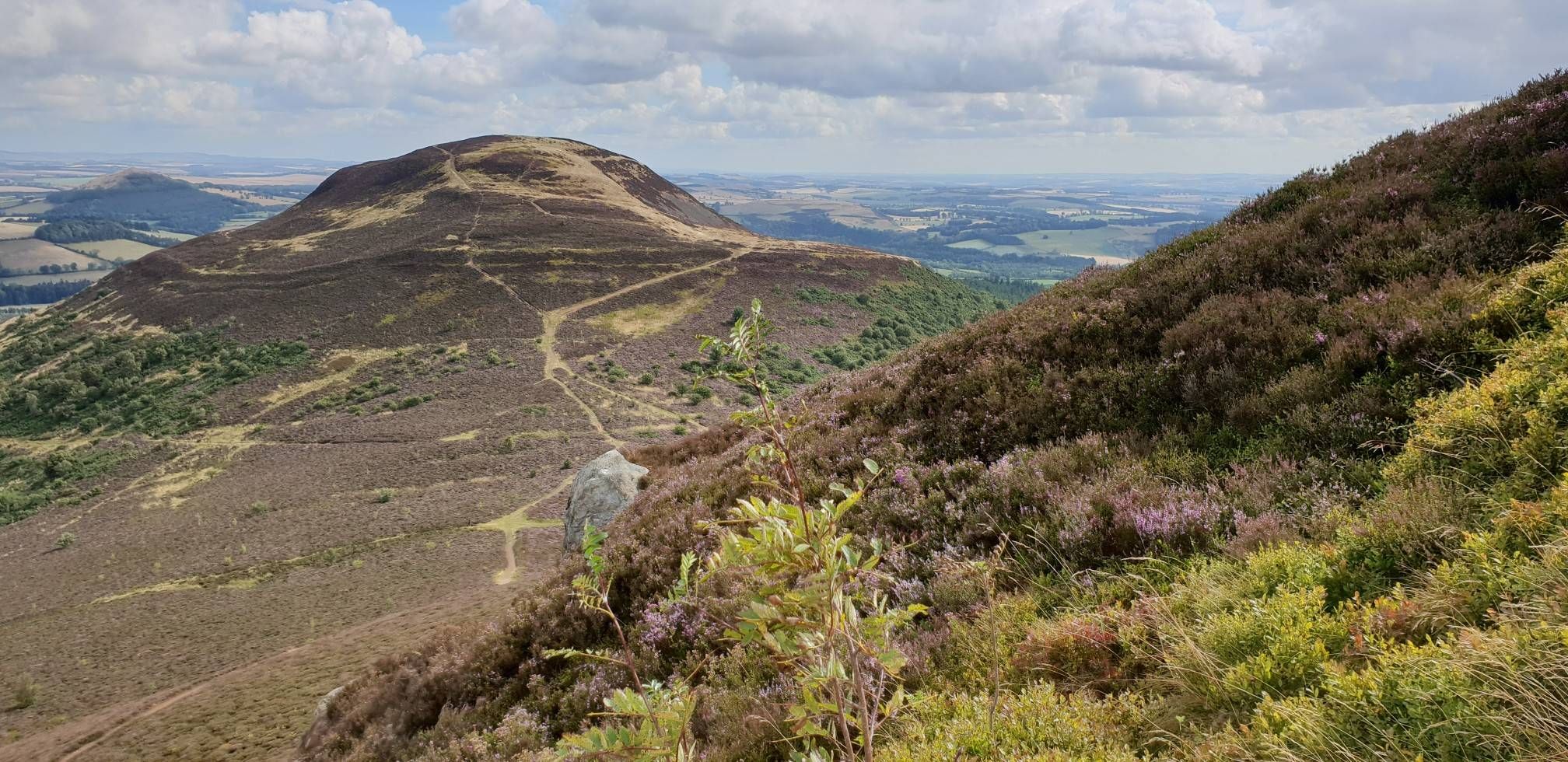
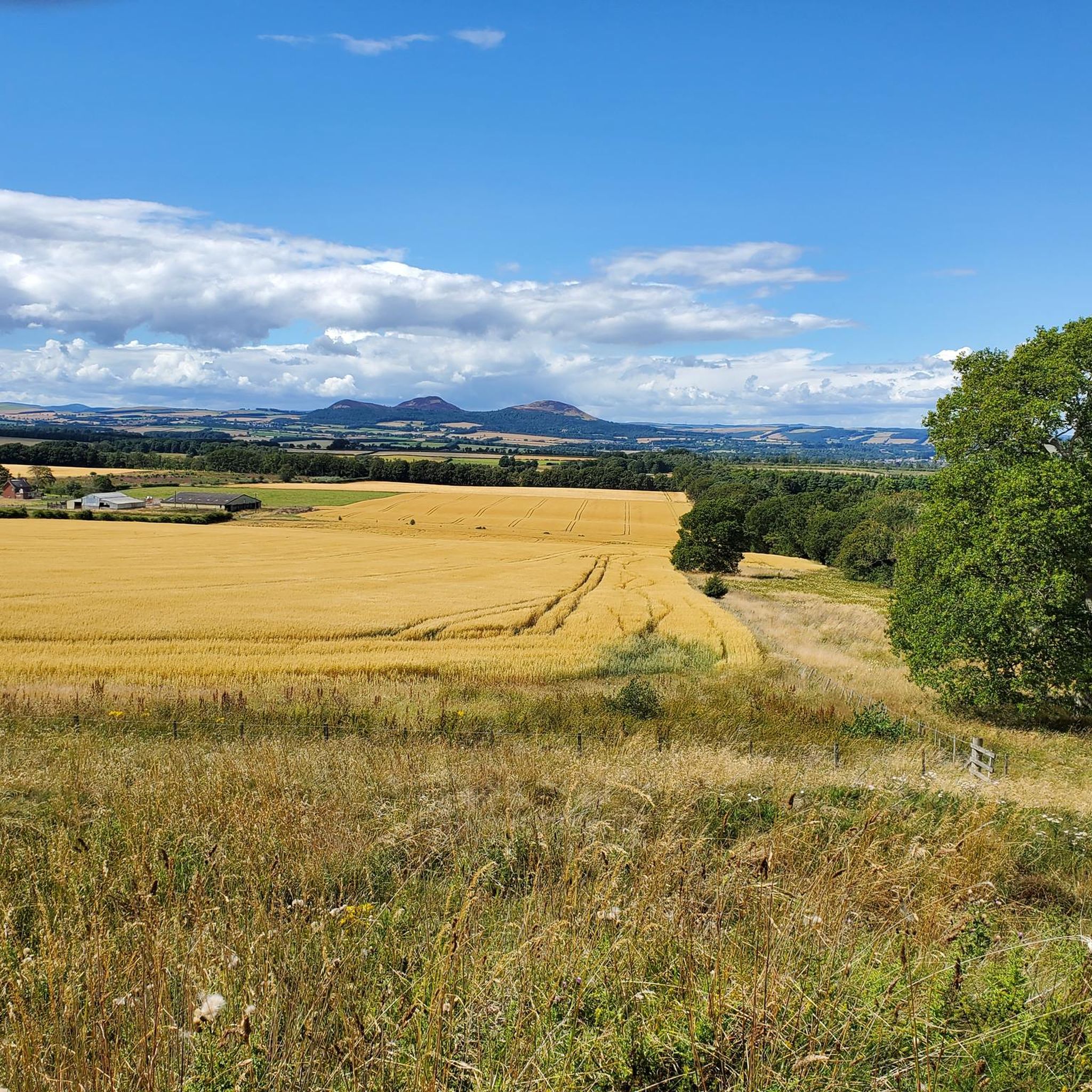
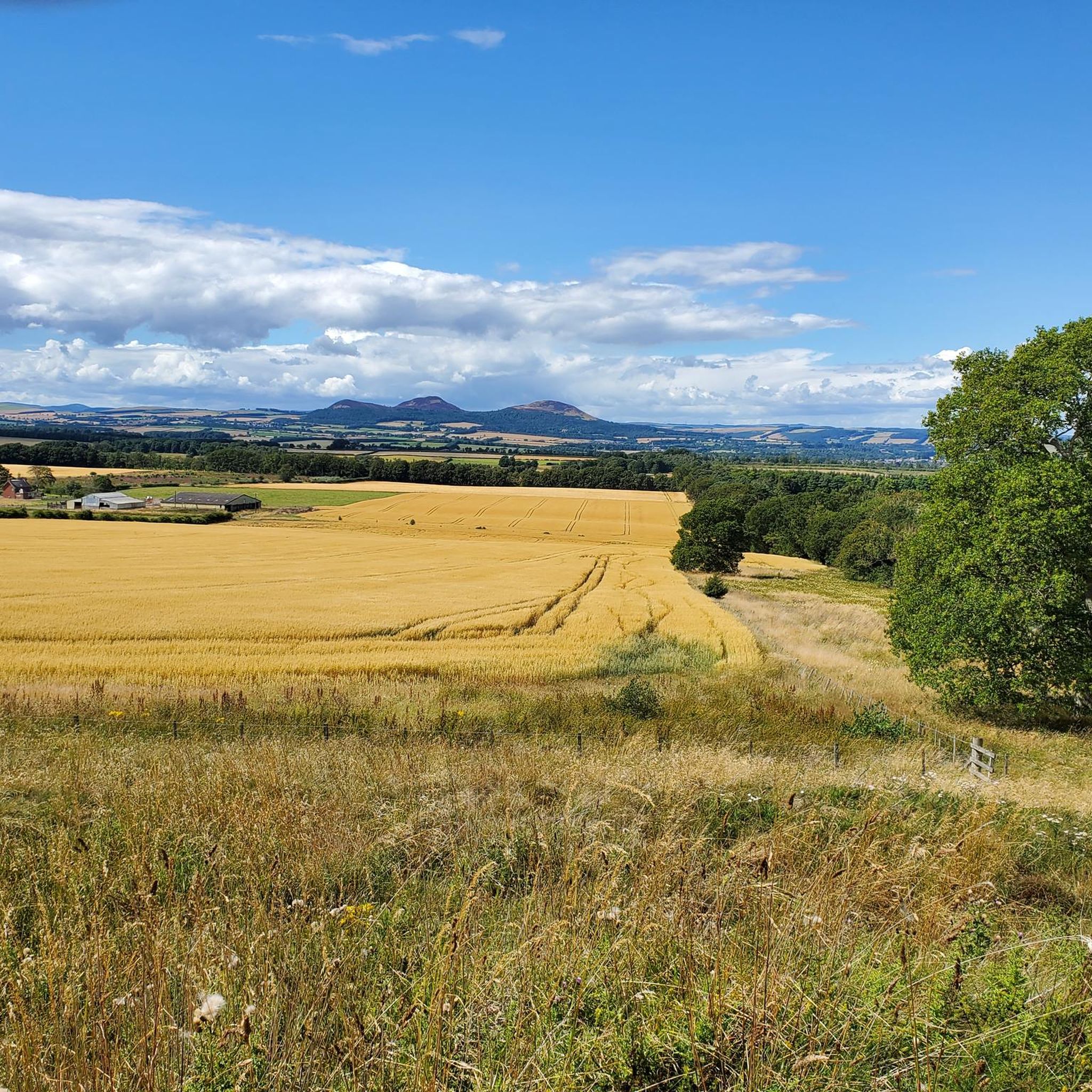
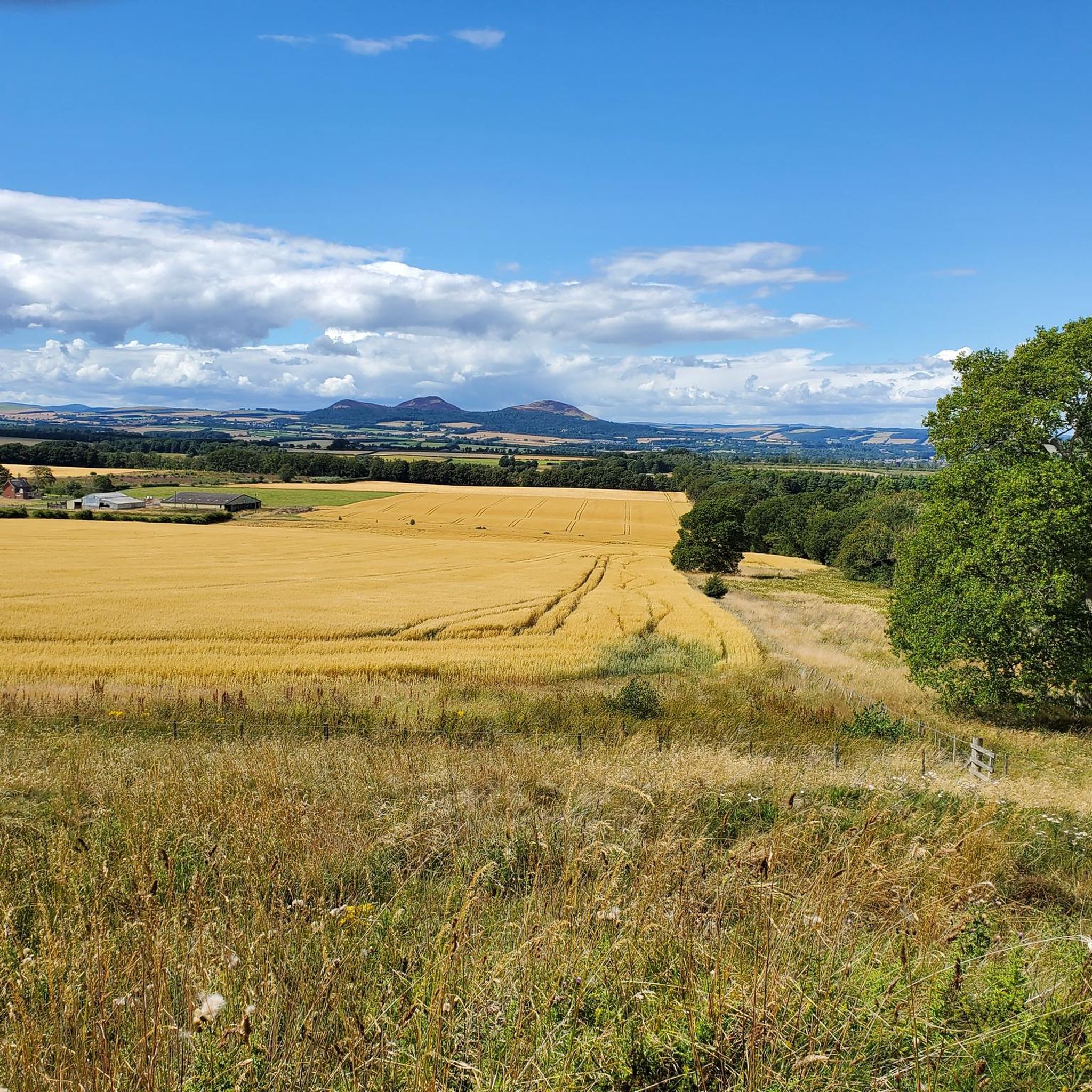
- The most popular attractions is Eildon Hill North, a summit that was the site of Scotland's largest Iron Age hill fort and a Roman signal station. This peak offers views of the surrounding area and is part of the St Cuthbert's Way.
- Another must-see spot is Eildon Mid Hill Summit, a viewpoint standing at 422 meters. It provides expansive views of the surrounding countryside, including the towns of Melrose, Tweedbank, and Galashiels.
- Visitors also love Jedburgh Abbey, a historical site featuring an impressive ruined Augustinian abbey from the 12th century. Located in the center of Jedburgh, it showcases a mix of Romanesque and early Gothic architecture.
- Ancrum is known for its historical sites, natural viewpoints, and ancient structures. The region offers a variety of attractions to see and explore, from Iron Age forts to medieval abbeys and scenic hilltops.
- The attractions around Ancrum are appreciated by the komoot community, with over 180 upvotes and 130 photos shared by visitors.
Last updated: August 27, 2026
Melrose Abbey
Highlight • Historical Site
Tip by

Eildon Hill North
Highlight • Summit
Tip by

Sign up now to discover places like this
Get recommendations on the best single tracks, peaks, & plenty of other exciting outdoor places.
Sign up for free
Eildon Mid Hill Summit
Highlight • Viewpoint
The true origin of these charismatic mini-mountains has more to do with geological wizardry. The Eildon Hills' foundations are the eroded remnants of a suite of igneous trachytic and rhyolitic sills. In other words, places where magma worked its way between sedimentary layers and solidified some 350 million years ago.
Eildon Mid Hill is the summit of the massif, standing proud at 1,385 feet (422 m) and rewarding your efforts with sumptuous views of the surrounding countryside.
Tip by

Leaderfoot Viaduct
Highlight • Bridge
Opened in October 1865, this bridge for trains has 19 arches, each with a span of 13 meters.
As a building material served bricks, which have blocks of red sandstone as a foundation.
A flood interrupted the train traffic in 1948 and 1965 he was completely set. Thanks to extensive renovations in the years 1992-1995 by Historic Scotland, the viaduct is in very good condition.
For some time now, people have been thinking about including the bridge over the River Tweed in the local hiking trail system, but so far this has not come to a definitive conclusion. Although the building is officially not open to visitors, it is easy to get very close - we do not recommend crossing over, as the railings are not designed for public transport.
Good views of the viaduct can be obtained from the Drygrange Bridge and the River Tweed Bridge, which travelers pass on the nearby A68.
Translated by Google •
Tip by

Jedburgh Abbey
Highlight • Historical Site
Tip by

Sign up for free to discover even more attractions around Ancrum.
Sign up for free
Already have an account?
Start today with a free account
Your next adventure awaits.
Login or Signup
Popular around Ancrum


Tips from the Community


Eildon Hill North is an historic, photogenic and widely visible landmark in the Scottish Borders. At 1325 feet (404 m) this peak is the second highest of the three Eildon (pronounced ‘Eeldon’) Hills located just south of Melrose. The significance of Eildon Hill North was recognised by Bronze Age and Iron Age peoples and by the Romans. This peak was the site of the largest Iron Age hill fort in Scotland. Up to 2000 people are thought to have lived here at the same time. Today the pockmarks from hundreds of roundhouse platforms and nearly 1-mile of defences are still visible. When the Romans came in about 80 AD they built their mighty garrison fort called ‘Trimontium’ (named after the three Eildon peaks) immediately below Eildon Hill North and also placed a signal station on this summit. Trimontium was the largest Roman settlement north of Hadrian’s Wall. The short but steep climb up Eildon Hill North is well worth the effort! On a clear day you will be rewarded with stunning views. The popular St Cuthbert’s Way that runs from Melrose Abbey to Holy Island in Northumberland climbs over the col in the Eildon Hills and provides a pleasant way up Eildon Hill North.
2
0

Nice gardens in the town, honesty box for purchase of fruit and veg. Apples are good
1
0

This is a truly superb and impressive ruined Augustinian abbey from the 12th century. Right in the centre of the town of Jedburgh, it is an absolute must, particularly if you are a history buff!
1
0

Behold the awe-inspiring sight of the weathered ruins of Melrose Abbey. This impressive structure, founded by David I in 1136 for the esteemed Cistercian Order, stands as a testament to the early mastery of masonry. Sadly, in 1385, Richard II's army ravaged much of the abbey, but its remnants remain a captivating sight to behold. The abbey is open daily between 9:30am-5:30pm and charges a fee of £6.
2
0
When passing through the town, the striking silhouette of Jedburgh Abbey is impossible to overlook. Dating back to the 12th Century, this remarkable structure stands as one of the four abbeys established in the Scottish Borders during that era. What sets it apart is its unique blend of Romanesque and early Gothic architectural styles. Jump off your bike and take a look inside.
1
0

Famous old abbey that can be visited for a fee. However, the building is also beautiful to view from the street.
1
1

Some lovely winding roads near the river. Lovely post office too before Kelso.
0
0
Frequently Asked Questions
What historical sites can I explore in Ancrum?
Ancrum and its surroundings are rich in history. You can visit the Ancrum Village Green with its 16th-century Market Cross, the remains of the Ancrum Old Parish Church, and the impressive Monteith Mausoleum on Garrison Law. Don't miss Lilliard's Stone, marking the Battle of Ancrum Moor, and the historic Ancrum Bridge over the River Teviot. For more information on the village's heritage, you can visit the Border Archaeology website.
Where can I find ancient Roman or Iron Age sites near Ancrum?
The area around Ancrum has significant ancient history. Castle Hill is the site of an Iron Age fort with two standing stones. Most notably, Eildon Hill North was the site of Scotland's largest Iron Age hill fort and a Roman signal station, part of the larger Roman settlement known as Trimontium.
What prominent abbeys are located near Ancrum?
Two magnificent ruined abbeys are within easy reach of Ancrum. Melrose Abbey, a Cistercian abbey founded in 1136, is believed to be the final resting place of Robert the Bruce's heart. Jedburgh Abbey is an impressive ruined Augustinian abbey from the 12th century, showcasing a mix of Romanesque and early Gothic architecture.
What natural viewpoints offer the best scenery around Ancrum?
For breathtaking views, head to the Eildon Hills. Eildon Hill North and Eildon Mid Hill Summit (at 422 meters) both provide expansive panoramas of the Scottish Borders countryside, including towns like Melrose, Tweedbank, and Galashiels. Garrison Law and Down Law also offer elevated positions with scenic vistas.
What outdoor activities are available near Ancrum's attractions?
The area around Ancrum is perfect for outdoor enthusiasts. You can find numerous hiking, cycling, and gravel biking routes. For hiking, explore trails like the 'Waterloo Monument and Monteviot House loop' or the 'Monteviot Suspension Bridge loop from Ancrum'. Cyclists can enjoy routes such as the 'Leaderfoot Viaduct – Melrose Abbey loop'. Discover more options on the hiking guide, cycling guide, and gravel biking guide for Ancrum.
Are there family-friendly activities or walks around Ancrum?
Yes, many attractions and walks around Ancrum are suitable for families. The historical sites like Melrose Abbey and Jedburgh Abbey are listed as family-friendly. For walks, easy routes like the 'Monteviot Suspension Bridge loop from Ancrum' (3.8 km) are great for all ages. The broader countryside offers gentle paths along the Ale Water and River Teviot.
What is Ancrum village famous for?
Ancrum is famous for its rich history and picturesque setting. It's known for the historic Battle of Ancrum Moor (1545), marked by Lilliard's Stone. The village also boasts the 16th-century Market Cross on the Village Green, the ancient Ancrum Bridge, and the nearby Monteith Mausoleum. Its location on a bend of the Ale Water, near the River Teviot, adds to its charm.
What do visitors enjoy most about the attractions around Ancrum?
Visitors frequently praise the stunning views from the Eildon Hills, describing them as 'breathtaking' and 'sumptuous'. The historical depth of sites like Melrose Abbey and Jedburgh Abbey is also highly appreciated, with many finding the ruins 'superb and impressive'. The blend of natural beauty and historical significance makes the area particularly appealing.
Can I visit the Leaderfoot Viaduct near Ancrum?
The Leaderfoot Viaduct, an impressive 19-arch railway bridge built around 1863, is a notable landmark. While the structure itself is not officially open to visitors for crossing, you can get very close and enjoy excellent views from the nearby Drygrange Bridge and the River Tweed Bridge on the A68. It's a popular spot for photography and appreciating historical engineering.
Are there any hidden gems or lesser-known spots to discover in Ancrum?
Beyond the main attractions, Ancrum offers several intriguing spots. The Monteith Mausoleum, with its panoramic views and intricate carvings, is a unique find. The Baron's Folly, an octagonal summerhouse on Down Law, provides a quiet retreat. The submerged remains of an even older medieval Ancrum Bridge in the River Teviot represent Scotland's earliest dated in-situ bridge remains, though these are not always visible.
What is the best time of year to visit Ancrum's attractions?
While Ancrum's attractions can be enjoyed year-round, the warmer months from spring to early autumn (April to September) generally offer the most pleasant weather for exploring outdoor sites and walking trails. August is particularly beautiful when the heather is in bloom on the hillsides, enhancing the 'beautiful hillside walk' experience mentioned by visitors.
Are there any specific cultural or heritage organizations in Ancrum?
Yes, the Ancrum and District Heritage Society is actively involved in preserving and enhancing the village's historical and archaeological environment. They conduct archaeological digs, develop heritage trails, and work on restoring local artifacts, demonstrating a strong community commitment to the area's rich past.
Most popular attractions around Ancrum

Get inspired with the komoot mobile app


Explore more
Still not found the Highlight you’re looking for? See guides of the top attractions in other regions:
