Attractions and Places To See around Gretna And Rigg - Top 20
Best attractions and places to see around Gretna And Rigg encompass a rich blend of historical significance, cultural landmarks, and natural beauty. Situated in Dumfries and Galloway, Scotland, the area is notable for its border location and unique heritage. Visitors can explore ancient sites, significant historical monuments, and expansive natural features. The region offers diverse points of interest, from Roman-era remains to vast salt marshes.
Best attractions and places to see around Gretna And Rigg
- The most popular attractions is St Michael's Church, Burgh by Sands, a historical site built with stones from the Roman fort of Aballava, part of Hadrian's Wall. King Edward I died near this site in 1307, and it is one of only three surviving fortified churches in Cumbria.
- Another must-see spot is Hadrian's Wall Path Pavilion and Stamping Station, a significant historical site and trail facility. This location serves as a starting or finishing point for the Hadrian's Wall trail and offers a stamping station for passport trail books.
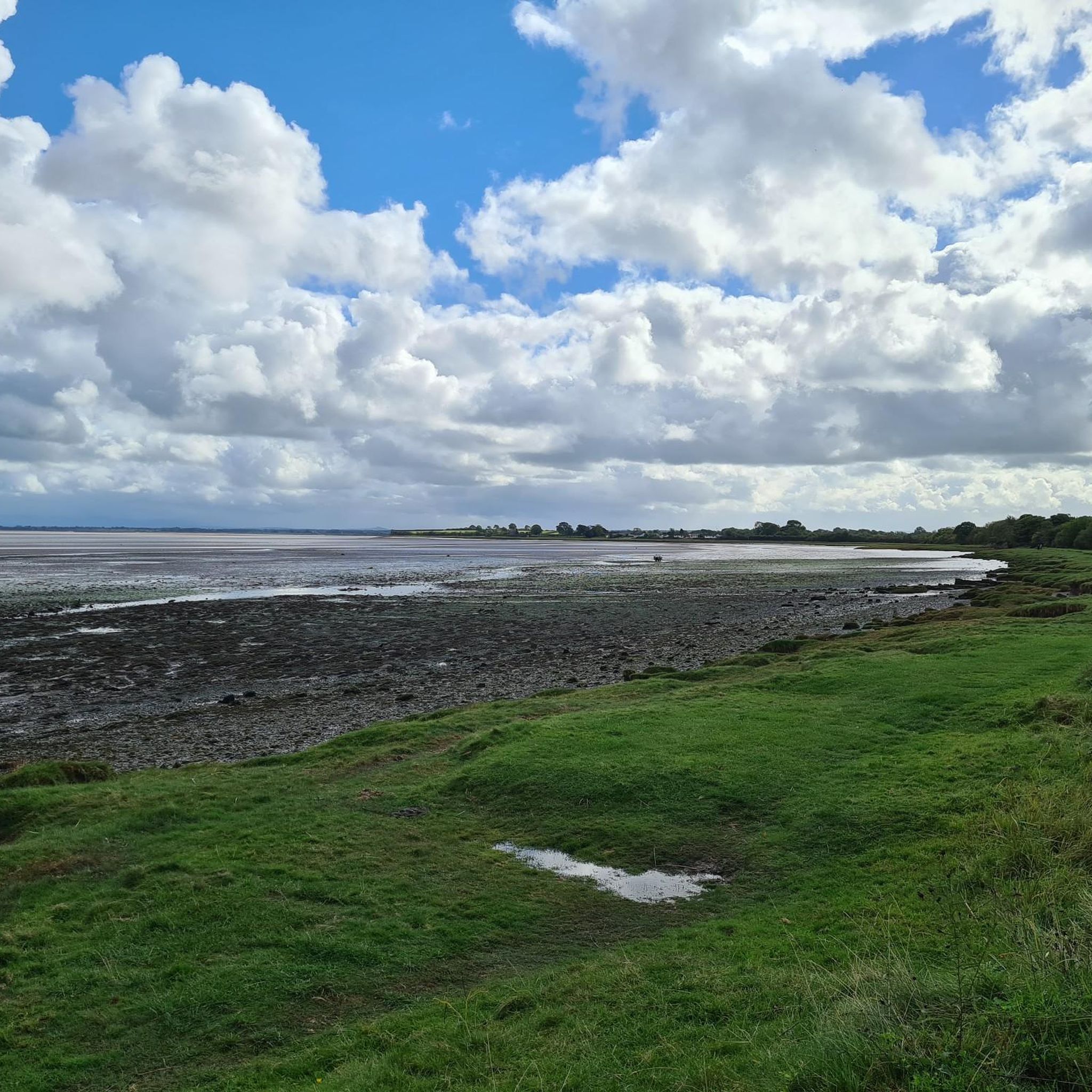
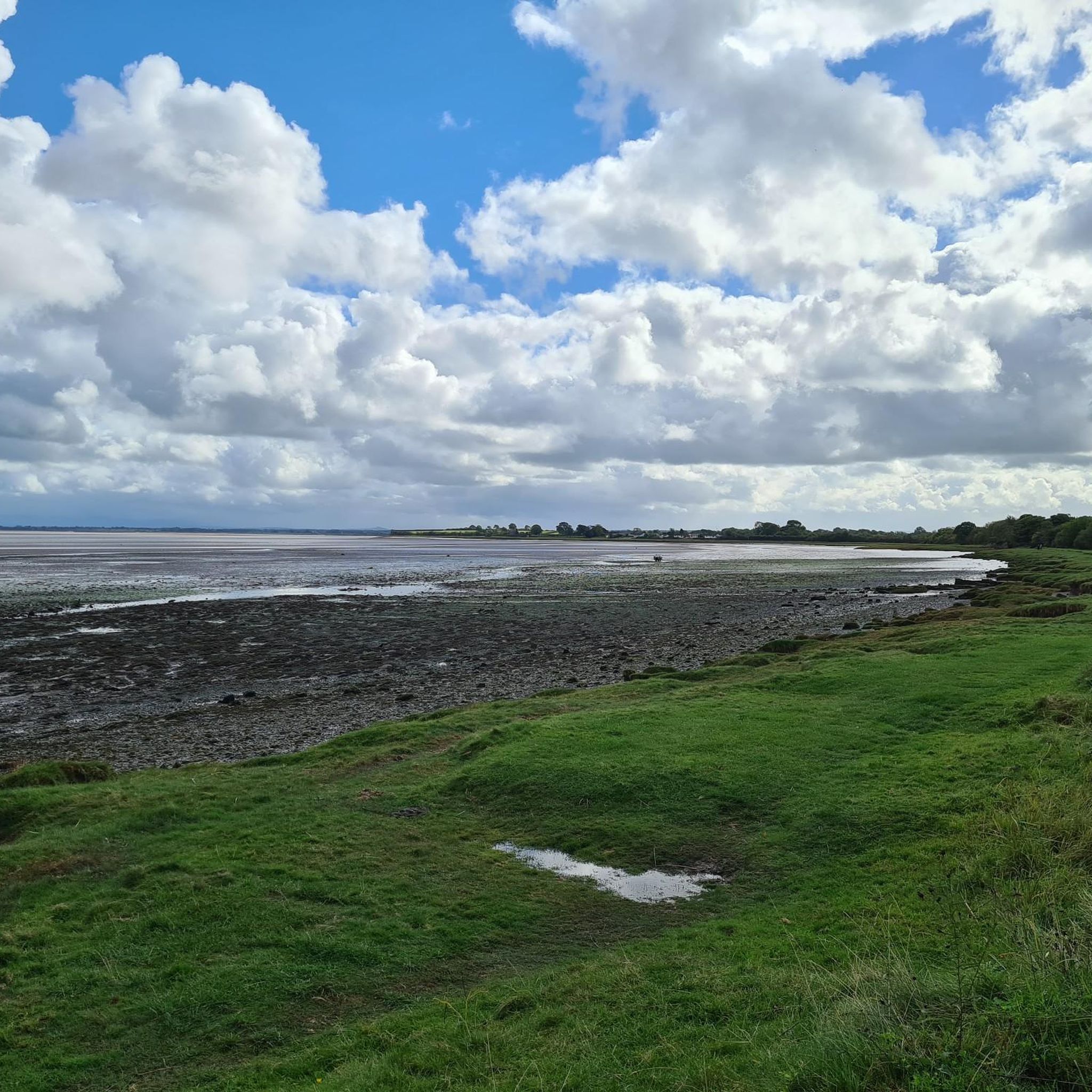
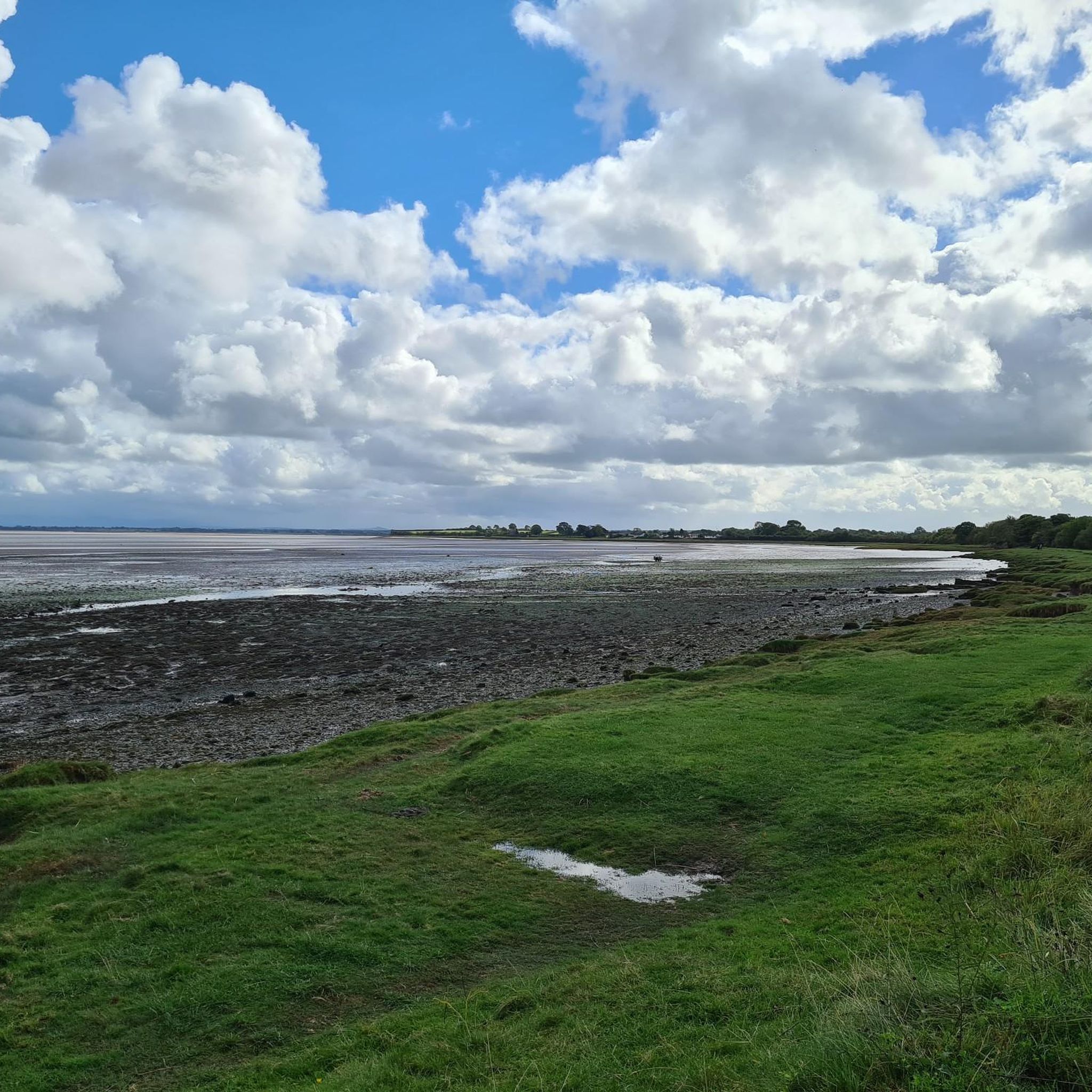
- Visitors also love Burgh Marsh, a vast salt marsh on the Solway Firth. This area combines natural beauty with historical significance, marking where King Edward I died in 1307 and bearing traces of Roman presence.
- Gretna And Rigg is known for its historical sites, natural landscapes, and unique cultural heritage. The area provides a variety of attractions to see and explore, from ancient Roman connections to significant border history.
- The attractions around Gretna And Rigg are appreciated by the komoot community, with 77 upvotes and 44 photos shared by visitors.
Last updated: October 5, 2026
St Michael's Church, Burgh by Sands
Highlight • Historical Site
It is one of only three surviving fortified churches in Cumbria and has two towers:
The west tower has wrought-iron gates, arrow slits, and a crenellated roof—originally built as a shelter during border conflicts.
The east tower was later lowered and served as a schoolroom in the 18th century.
The architecture is a mix of Norman and Gothic. A decorated entrance features beakhead motifs (a rare Romanesque detail). Stained glass windows depict northern saints and King Edward I. A Roman corbel is set into the wall.
Translated by Google •
Tip by

Burgh Marsh
Highlight • Cycleway
Translated by Google •
Tip by
Sign up now to discover places like this
Get recommendations on the best single tracks, peaks, & plenty of other exciting outdoor places.
Statue of Edward I
Highlight • Monument
The statue was unveiled by the Duke of Kent in 2007 and stands proud in the village by the roadside and the playing fields.
Tip by

Bowness-on-Solway
Highlight • Natural Monument
Tip by

Hadrian's Wall Path Pavilion and Stamping Station
Highlight • Rest Area
Tip by

Sign up for free to discover even more attractions around Gretna And Rigg.
Already have an account?
Start today with a free account
Your next adventure awaits.
Tips from the Community

This is the place where one of the most formidable English monarchs died when he developed fever during a campaign against the Scots in 1307. This is where Edward the First died, and being an iconic historical figure, this small, quaint monument was erected in his honour in 2007.
0
0
A noteworthy fact about Burgh Marsh is that it was the place where Edward the First, one of the most formidable English monarchs, died when he developed fever during a campaign against the Scots. Where he is supposed to have died on the Marsh is marked by a rarely visited monument that is well worth a visit. It is a tranquil and peaceful place.
1
0
Bowness-on-Solway is best known as being the western end of the iconic Hadrian's Wall. There is a small shelter here to mark the start of this national trail. You will not see much of the wall until after Carlisle, but the wall did originally start at the village with even more forts further down the coast. Being an estuary, this area is also a haven for wildlife and birdwatching.
0
0

Burgh Marsh is a vast salt marsh on the Solway Firth, where nature, history, and mystery converge. Located near Burgh by Sands, the area forms a key part of the Solway Coast Area of Outstanding Natural Beauty. King Edward I died here in 1307 during his campaign against Scotland, an event marked by a monument in the middle of the marsh. Bordering the western section of Hadrian's Wall, Burgh Marsh also bears traces of the Roman presence. Today, Burgh Marsh stands as a silent witness to centuries of frontier history, with a landscape that invites reflection and exploration.
10
0
Originally built in the 12th century on the remains and with stones from the Roman fort of Aballava, part of Hadrian's Wall, King Edward I died near this site in 1307. His body lay in state here before being transferred to Westminster Abbey. It is one of only three surviving fortified churches in Cumbria and has two towers: The west tower has wrought-iron gates, arrow slits, and a crenellated roof—originally built as a shelter during border conflicts. The east tower was later lowered and served as a schoolroom in the 18th century. The architecture is a mix of Norman and Gothic. A decorated entrance features beakhead motifs (a rare Romanesque detail). Stained glass windows depict northern saints and King Edward I. A Roman corbel is set into the wall.
12
0
The statue of King Edward I is located in Burgh by Sands—the place where he died in 1307 during a military campaign against Scotland. Created in 2007 by artist Christopher Kelly, the statue depicts Edward I, also known as Longshanks, in a stately pose wearing medieval armor.
11
0

As well as this modern statue there is also a monument for Edward I north of the village.
2
0
The church dates from the late 12th century. Edward I died in Burgh by Sands in 1307and then lay in state in the church.
2
0
Frequently Asked Questions
What historical sites can I explore around Gretna And Rigg?
The region is rich in history. You can visit the iconic Gretna Green Famous Blacksmiths Shop, known for its romantic elopements, or explore the historic St Michael's Church, Burgh by Sands, which was built with stones from Hadrian's Wall. Other notable sites include Gretna Hall, The Old Toll Bar, and the Devil's Porridge Museum in Eastriggs, which tells the story of a WWI munitions factory.
Are there any natural attractions or scenic viewpoints in the area?
Yes, the area offers natural beauty, particularly along the Solway Coast. Burgh Marsh is a vast salt marsh on the Solway Firth, offering scenic views and a glimpse into the region's natural and historical landscape. You can also find the Gretna Green Courtship Maze and Sculpture Garden for outdoor enjoyment.
What outdoor activities are available near Gretna And Rigg?
The area provides opportunities for various outdoor activities. You can find numerous routes for cycling, running, and hiking. For example, there are easy hiking trails like the River Esk Riverside Walk loop from Gretna, and moderate cycling routes such as the Scottish Border Loop & Annan Harbour from Gretna Green. You can explore more options on the dedicated guides for hiking, cycling, and running around Gretna And Rigg.
Are there family-friendly attractions in Gretna And Rigg?
Absolutely. Many attractions are suitable for families. The Hadrian's Wall Path Pavilion and Stamping Station is a fun stop, especially for those interested in history or starting a trail. St Michael's Church, Burgh by Sands and Burgh Marsh also offer engaging experiences for all ages. The Gretna Green Courtship Maze provides a playful outdoor activity.
Where can I see remnants of Hadrian's Wall near Gretna And Rigg?
You can encounter the legacy of Hadrian's Wall at several points. St Michael's Church, Burgh by Sands was constructed using stones from the Roman fort of Aballava, part of the wall. The Hadrian's Wall Path Pavilion and Stamping Station is a key site for those exploring the wall's path. Additionally, Burgh Marsh, bordering the western section of Hadrian's Wall, bears traces of the Roman presence.
What is the significance of the England–Scotland Border at Gretna Green?
The England–Scotland Border at Gretna Green is historically significant as a place where young couples from England would elope to marry after the 1754 Marriage Act. It's marked by a 'Scotland welcomes you' sign and is central to Gretna Green's identity as a romantic wedding destination. The area between the River Sark and River Esk was historically known as 'the Debatable Land'.
Are there any unique man-made structures to see?
Beyond the historic buildings, you can find the Solway Junction Railway Viaduct Remains. This site offers a glimpse into Victorian engineering, where a railway bridge once spanned the Solway Firth. You can still see remnants of the ironwork on both the English and Scottish sides, telling the story of a railway line that played a role in WWI munitions transport.
What do visitors enjoy most about the attractions in Gretna And Rigg?
Visitors particularly appreciate the rich historical context and the unique blend of cultural and natural sites. Many enjoy the opportunity to step back in time at places like the Famous Blacksmiths Shop and St Michael's Church. The scenic beauty of Burgh Marsh and the Solway Coast also receives high praise, offering peaceful exploration and stunning views.
Is there shopping available in the Gretna And Rigg area?
Yes, for those interested in shopping, Caledonia Park (formerly Gretna Gateway Outlet Village) is a popular designer outlet village nearby. It offers a variety of brand-name stores for visitors to explore.
What is the history behind the Gretna Green Famous Blacksmiths Shop?
The Gretna Green Famous Blacksmiths Shop, dating back to 1712, became renowned as the original site where 'anvil priests' conducted marriages for eloping couples from England. It served as a haven for young lovers bypassing strict English marriage laws. Today, it functions as a living museum, wedding venue, and visitor center, preserving its storied past and continuing to host weddings over the traditional anvil.
Are there any ancient historical sites besides Roman remains?
Yes, the region also holds much older historical traces. The Lochmaben Stone, situated near the Sark mouth on the Solway Firth, is a megalith that is all that remains of a stone circle dating back to around 3000 BC, reflecting the area's ancient history.
Can I find places to eat or drink near the attractions?
While specific cafes and pubs are not detailed for every attraction, the town of Gretna itself offers various amenities, including places to eat and drink. Many of the popular tourist spots, like the Gretna Green Famous Blacksmiths Shop, also have facilities for visitors.
Most popular routes around Gretna And Rigg

Get inspired with the komoot mobile app


Explore more
Still not found the Highlight you’re looking for? See guides of the top attractions in other regions:
