The best cycling routes in Staatsforst Burgjoß
4.6
(1332)
6,427
riders
341
rides
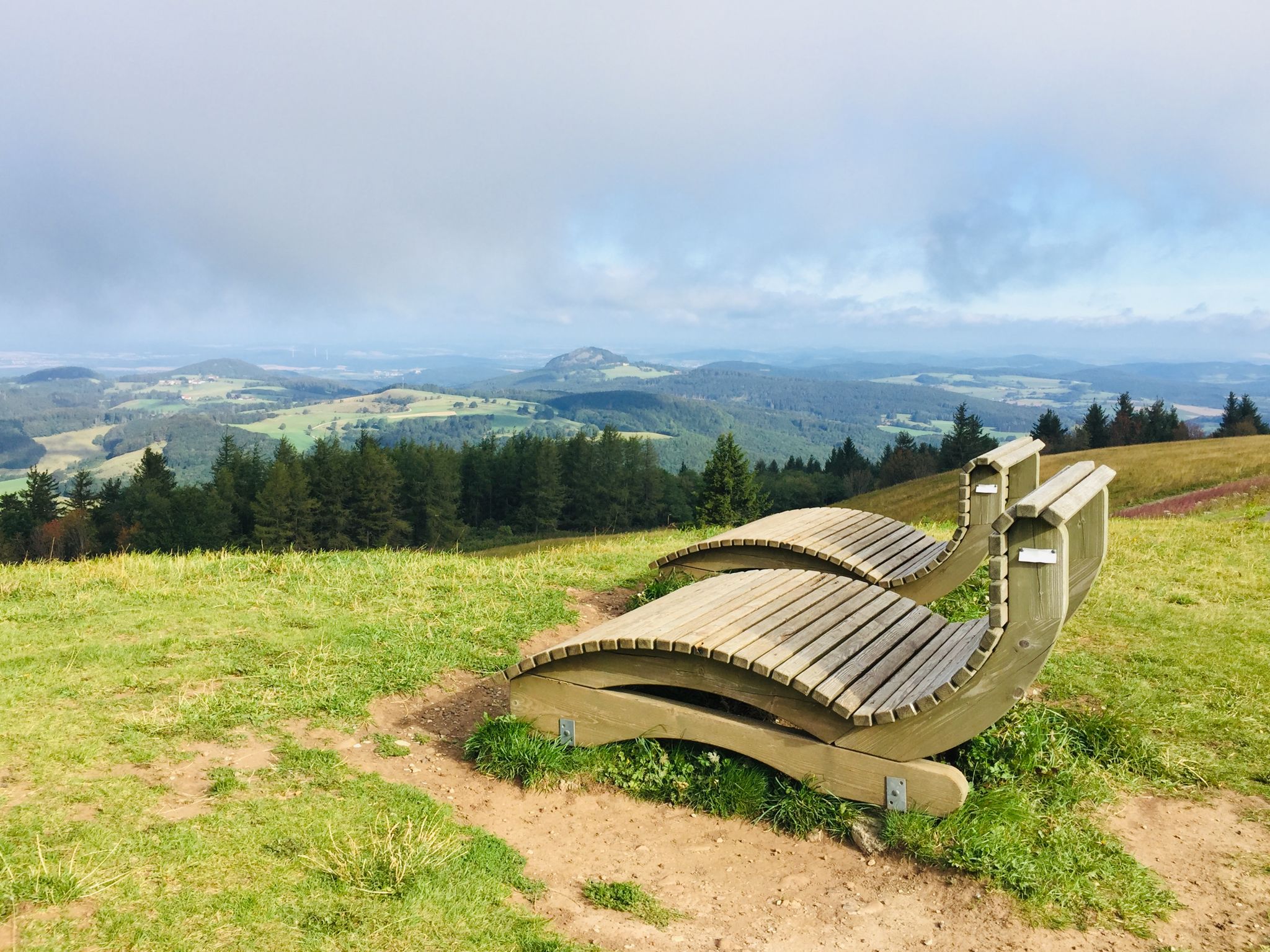
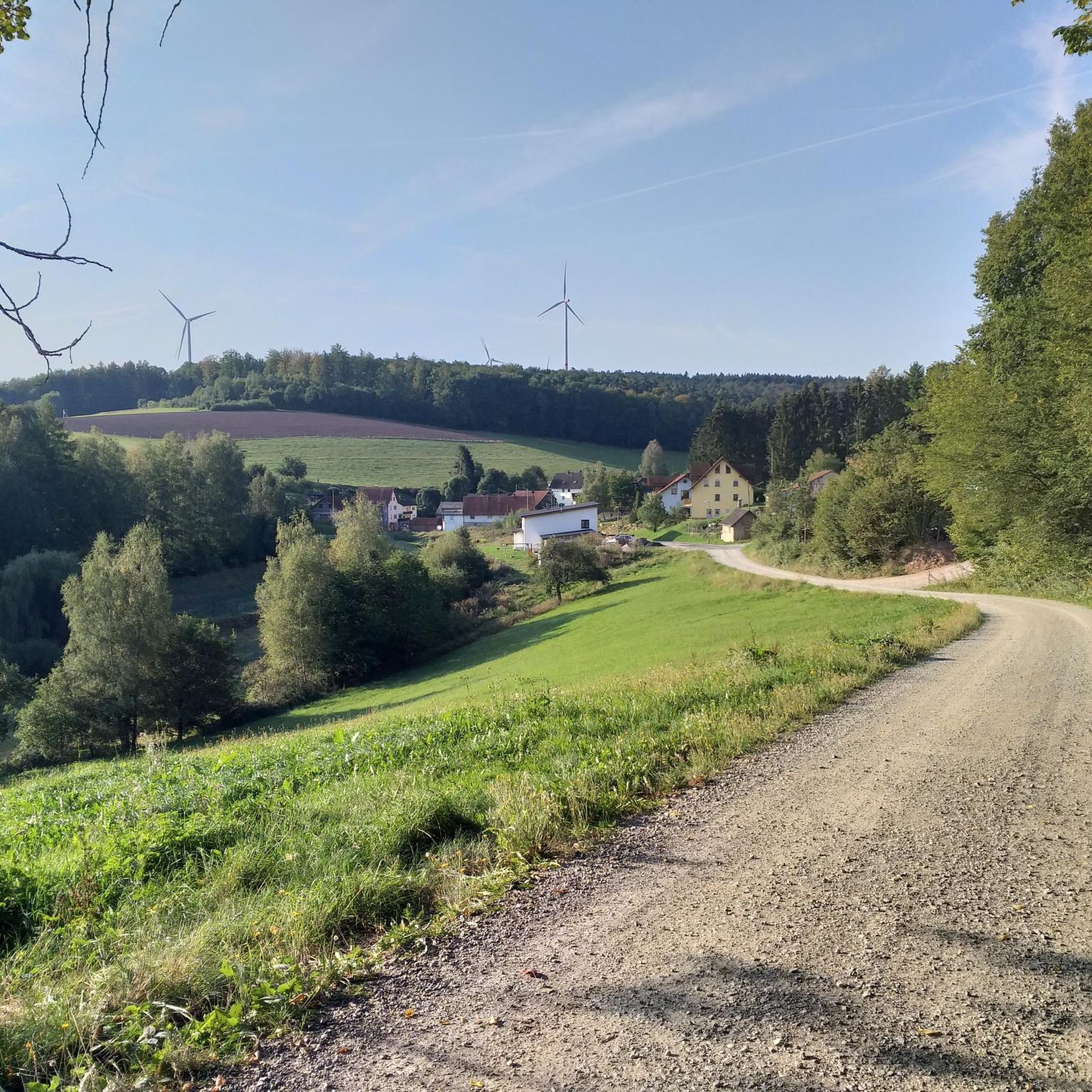
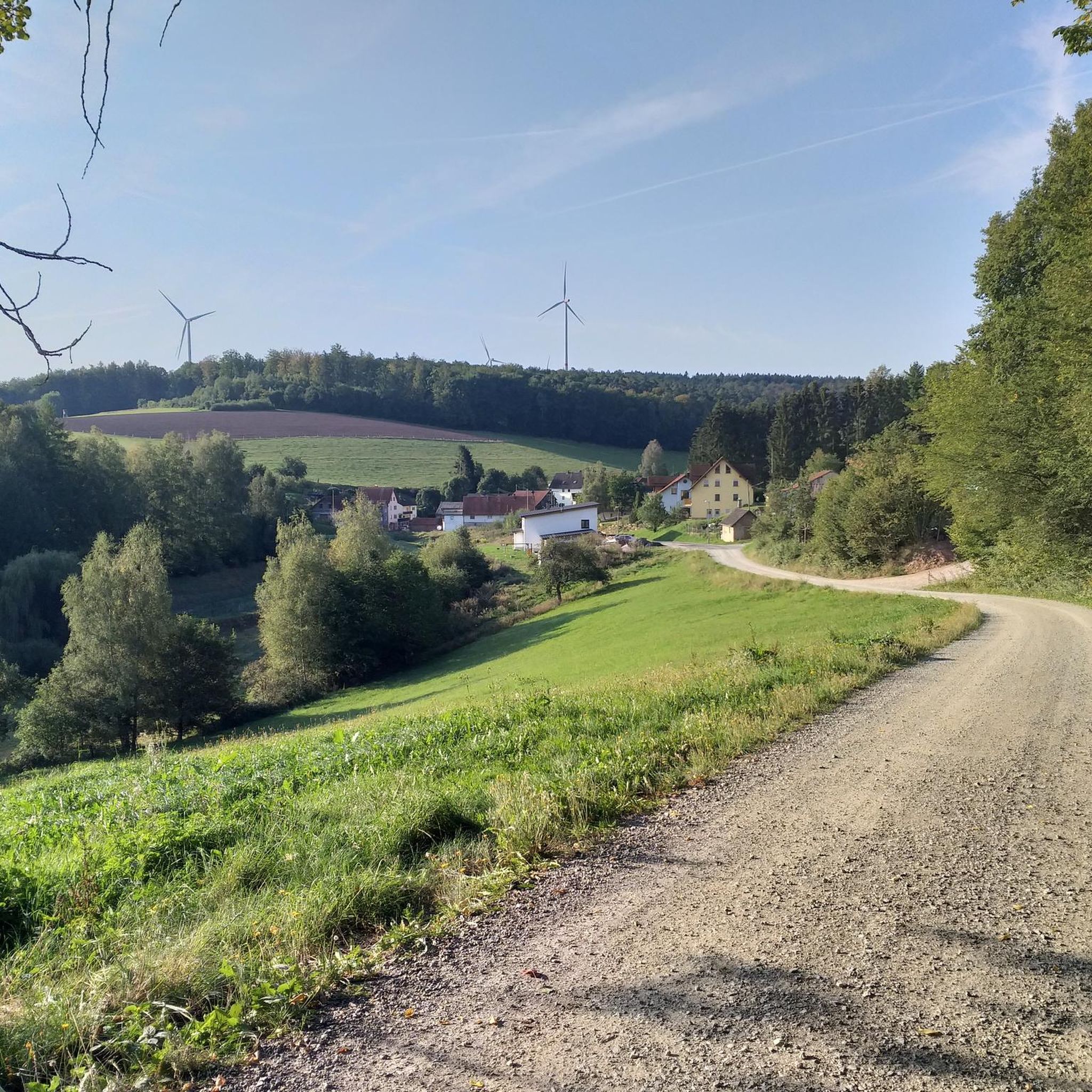
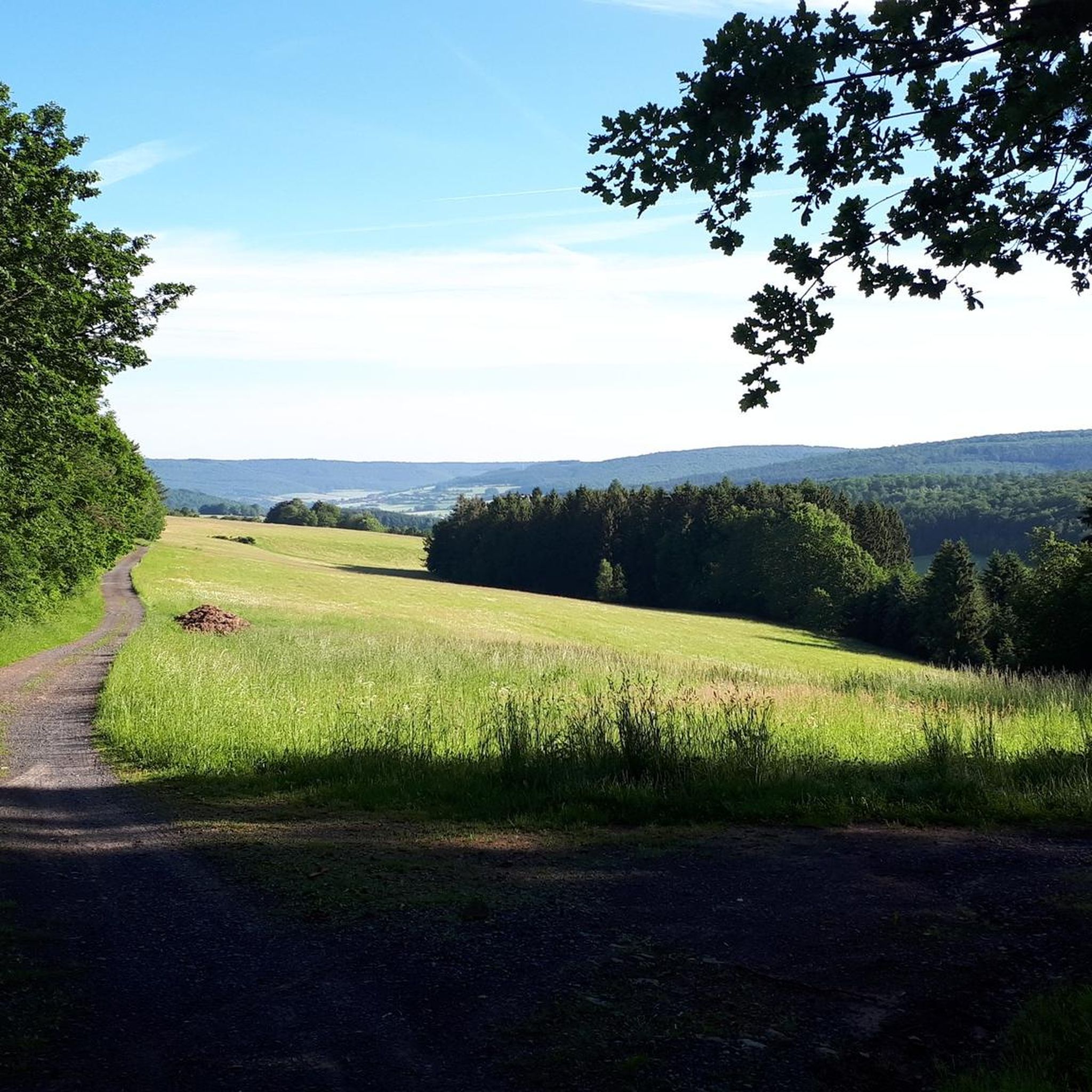
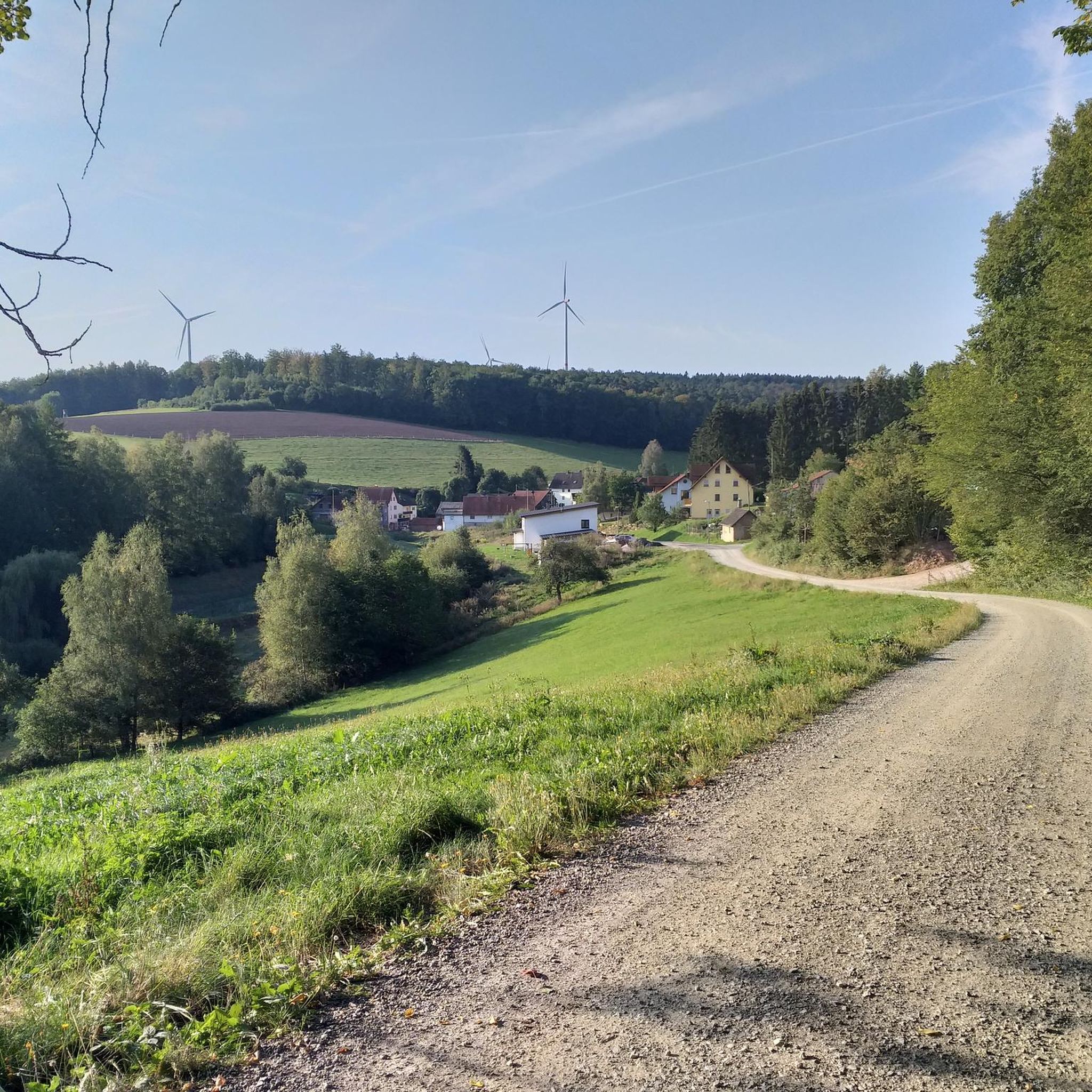
Touring cycling in Staatsforst Burgjoß offers a diverse landscape characterized by dense woodlands and hilly terrain, providing varied riding experiences. The region features numerous rivers and their valleys, including the Jossa, which contribute to scenic routes. Paths predominantly follow well-maintained forest and field tracks, suitable for touring bikes and e-bikes. From higher elevations, views of the surrounding natural environment can be enjoyed.
Best touring cycling routes in Staatsforst Burgjoß
- The most popular touring cycling route is Kinzigtal Cycle Path –…
Last updated: July 1, 2026
4.8
(9)
76
riders
62.3km
04:03
580m
580m
Hard bike ride. Very good fitness required. Mostly paved surfaces. Suitable for all skill levels.
4.5
(2)
31
riders
11.1km
00:45
90m
90m
Easy bike ride. Great for any fitness level. Mostly paved surfaces. Suitable for all skill levels.

Sign up for free
4.3
(3)
17
riders
29.2km
02:24
440m
440m
Moderate bike ride. Good fitness required. Mostly paved surfaces. Suitable for all skill levels.
4.7
(7)
14
riders
32.2km
02:34
500m
500m
Hard bike ride. Very good fitness required. Mostly paved surfaces. Suitable for all skill levels.
4.6
(5)
8
riders
55.2km
04:27
730m
730m
Hard bike ride. Very good fitness required. Mostly paved surfaces. Suitable for all skill levels.
Get access to more routes and recommendations from other explorers.
Sign up for free
Already have an account?
Our route recommendations are based on thousands of hikes, rides, and runs completed by other people on komoot.
Start today with a free account
Your next adventure awaits.
Login or Signup
Other adventures in Staatsforst Burgjoß

Tips from the Community

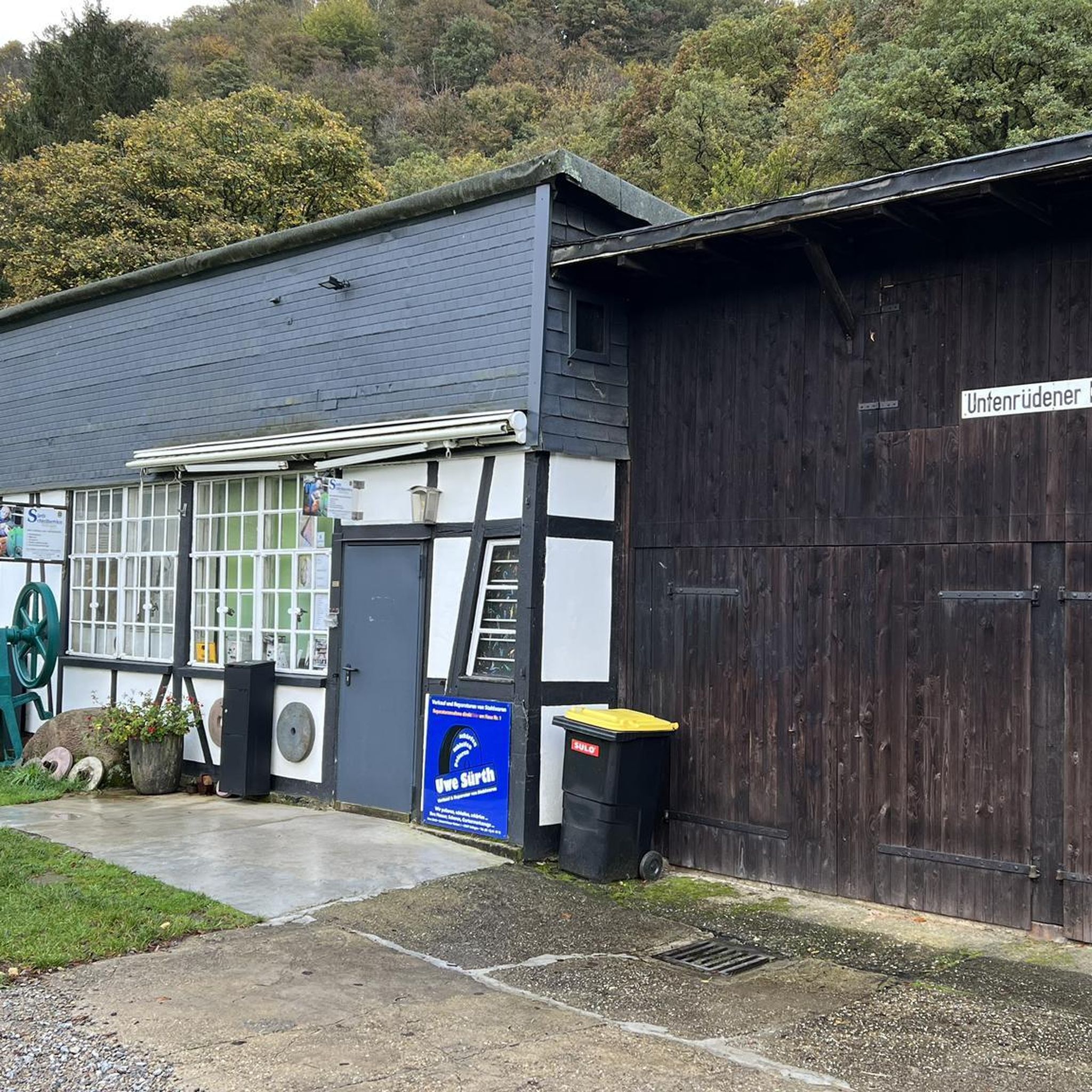
The water wheel still works.
0
0
Beautiful small pond in Burgjoß.
0
0

Bad Orb is indeed a chic little town.
0
0

The historic market square forms the vibrant heart of the old town of Bad Orb and is lined with magnificent half-timbered buildings such as the Salzgrafenhaus. In its center is the market fountain, which once played a central role in the water supply for the citizens as one of several public running fountains. Today, the fountain and the spacious square invite visitors to linger and serve as a backdrop for town festivals, markets, and events.
0
0

Even invites you to swim on hot days ;)
1
0

Storks can often be observed!
1
0

Discover via panoramic tour: https://maps.app.goo.gl/eKZqWX8zdq9DMpWaA
0
0

Pretty castle on the edge of the historic town center
0
0
Frequently Asked Questions
How many touring cycling routes are available in Staatsforst Burgjoß?
Staatsforst Burgjoß offers a comprehensive network of over 330 touring cycling routes. These routes cater to various preferences, with 46 easy, 154 moderate, and 136 difficult options available for exploration.
What kind of terrain can I expect on touring cycling routes in Staatsforst Burgjoß?
The region is characterized by its densely wooded environment and hilly terrain, offering varied riding experiences. Routes predominantly follow well-maintained forest and field paths, with some sections being paved. You'll also encounter scenic river valleys, including those of the Kinzig and Jossa rivers, and from higher elevations, you can enjoy spectacular views of the surrounding nature.
What do other touring cyclists say about the routes in Staatsforst Burgjoß?
The touring cycling routes in Staatsforst Burgjoß are highly regarded by the komoot community, boasting an average rating of 4.6 stars from over 1300 reviews. More than 6500 touring cyclists have used komoot to explore the area, often praising the diverse terrain and well-maintained paths.
Are there any circular touring cycling routes in Staatsforst Burgjoß?
Yes, many routes in Staatsforst Burgjoß are designed as loops, offering convenient circular tours. For example, the Kinzigtal Cycle Path – Auen Valley near Bad Orb loop from Jossgrund is a popular option, traversing river valleys and open landscapes. Another is the Burgwiesenpark Burgjoss – Burgjoß Stream Playground loop from Burgjoß, which explores local parks and stream areas.
What interesting sights or landmarks can I discover along the touring cycling routes?
While cycling, you can encounter several historical and cultural landmarks. Notable attractions include the legendary Stone of the Saints, the historically significant Three Boundary Stones at the European Cultural Trail Pearls of the Jossa, and the Historic Border Stone Between Prussia and Bavaria. You might also pass through small, historical towns.
Are there any natural monuments to see while cycling?
Yes, the region features several natural monuments. You can visit the Ziegelbrunnen at Ziegelhütte, the Ziegelhütte Historic Well, and the Ziegelschlag Well. Additionally, keep an eye out for the unique rock formation known as the Hessian Devil.
Are there family-friendly touring cycling routes in Staatsforst Burgjoß?
Yes, the extensive network includes routes suitable for families. Many paths follow forest and field tracks without extreme inclines, making them accessible for recreational cyclists. For a shorter, easier option, consider the View of Mernes – Burgwiesenpark Burgjoss loop from Burgjoß, which is rated as easy.
What is the best time of year to go touring cycling in Staatsforst Burgjoß?
The densely wooded environment of Staatsforst Burgjoß provides abundant shade, making it particularly pleasant for cycling during warmer months. Spring and autumn also offer beautiful scenery with comfortable temperatures, while the varied terrain ensures enjoyable rides throughout much of the year.
Are there places to eat or stay near the touring cycling routes?
The broader Spessart region, which includes Staatsforst Burgjoß, provides amenities such as cafes and restaurants for breaks during your ride. For multi-day tours, there are also 'Bett+Bike' accommodations available, catering specifically to cyclists. One option for a break is the Waldesruh Inn Emmerichsthal.
Is parking available for touring cyclists in Staatsforst Burgjoß?
While specific parking areas for each route are not detailed, the region is generally well-equipped for visitors. Given the popularity of cycling, you can typically find designated parking spots near trailheads or in the small towns and villages that serve as starting points for many routes.
Are there routes suitable for beginners or less experienced touring cyclists?
Absolutely. Staatsforst Burgjoß offers 46 easy-rated touring cycling routes. These paths often follow gentle forest and field tracks, avoiding extreme inclines. An example of an easy route is the View of Mernes – Burgwiesenpark Burgjoss loop from Burgjoß, which is just over 11 km long with minimal elevation gain.
How long are the touring cycling routes typically in Staatsforst Burgjoß?
The touring cycling routes in Staatsforst Burgjoß vary significantly in length to suit different preferences. You can find shorter routes, such as the View of Mernes – Burgwiesenpark Burgjoss loop from Burgjoß at around 11 km, to longer, more challenging tours like the Kinzigtal Cycle Path – Auen Valley near Bad Orb loop from Jossgrund, which spans over 62 km.
Most popular routes in Staatsforst Burgjoß
Most popular attractions in Staatsforst Burgjoß

Get inspired with the komoot mobile app


Explore more
Browse the best Cycling routes in other regions.
