The best road cycling routes around Blackhouse Forest
4.7
(19)
1,434
riders
5
rides
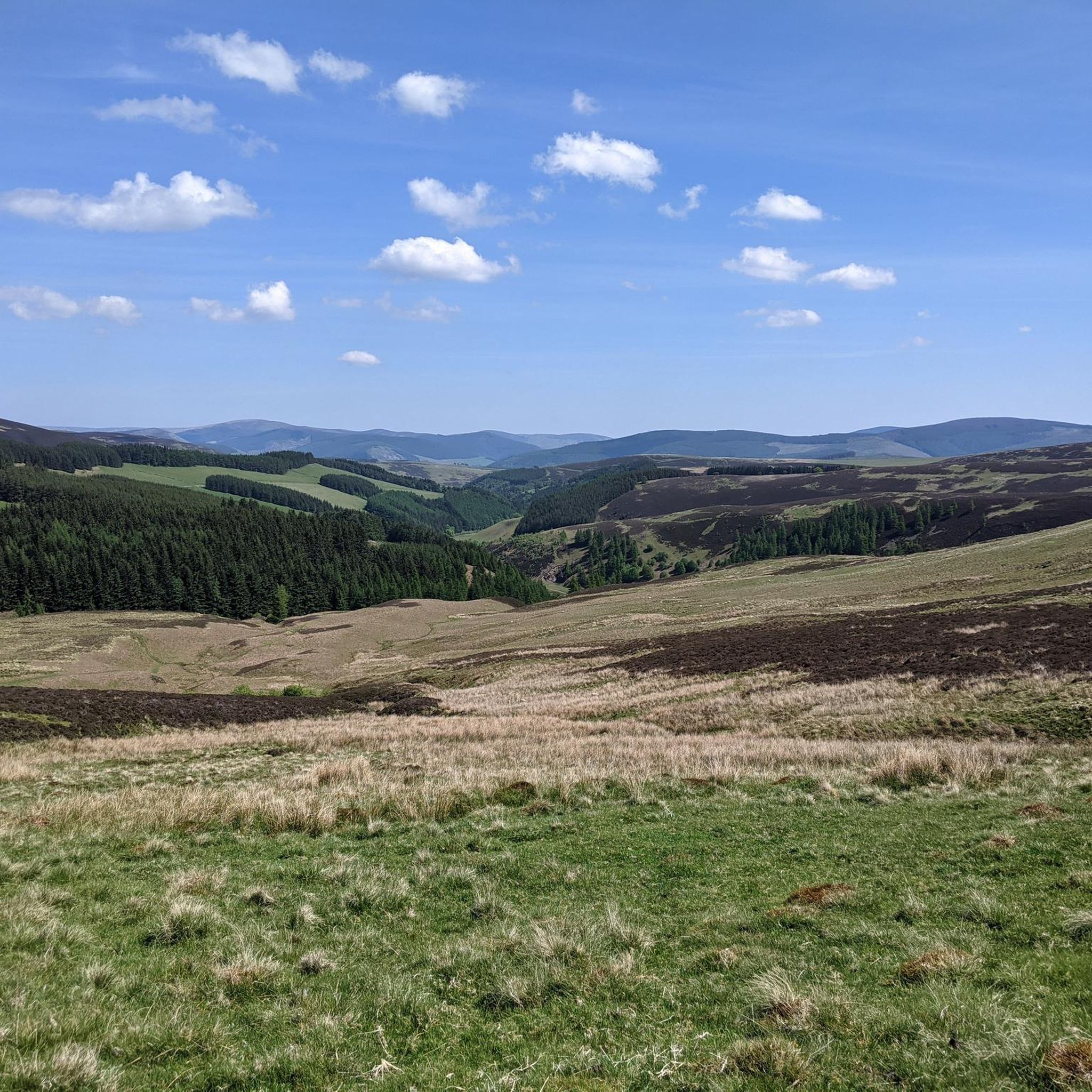
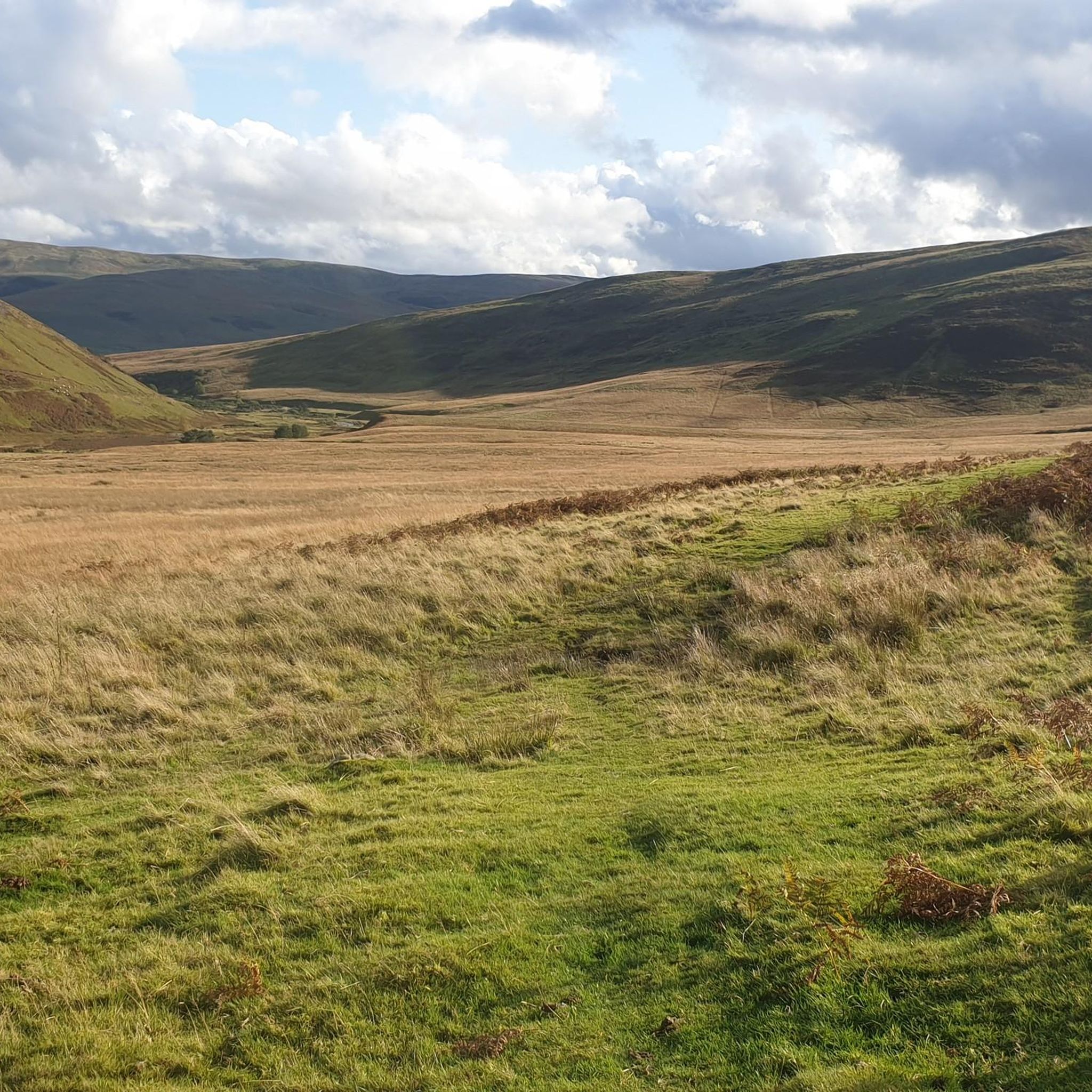
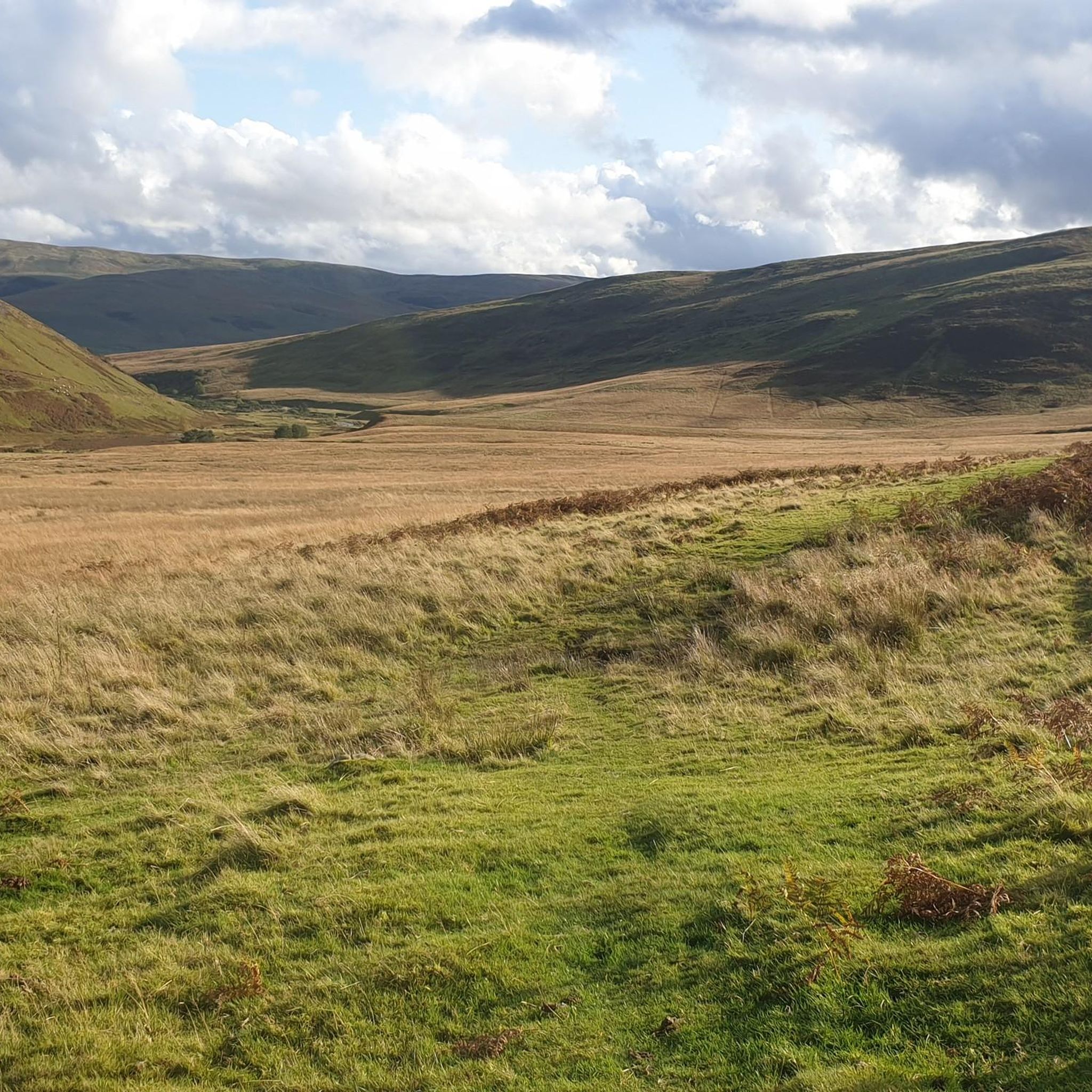
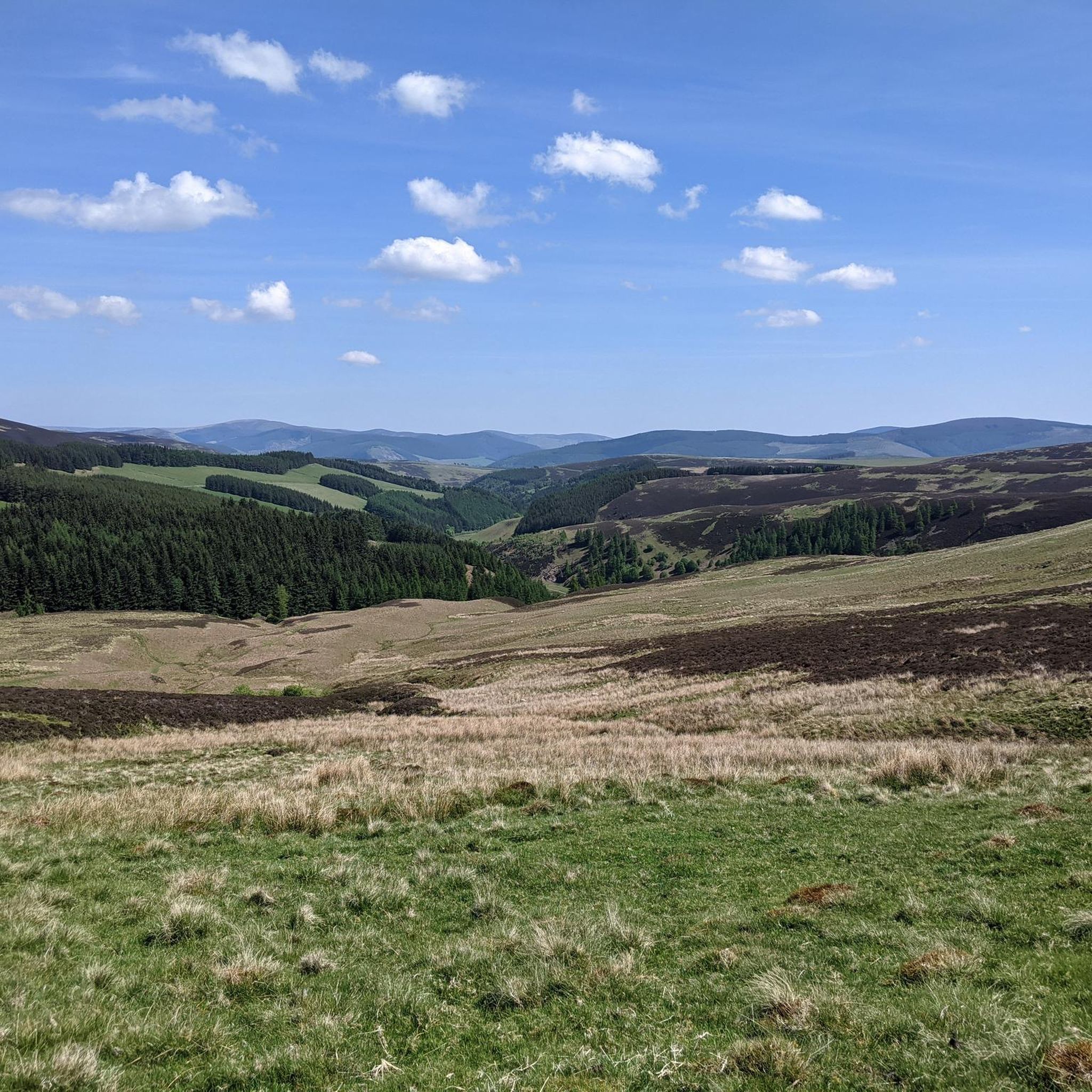
Road cycling around Blackhouse Forest offers diverse landscapes within the Yarrow Valley in the Scottish Borders. The region features a mosaic of mixed woodlands, fields, and forest, with picturesque hills and a river. Roads like the A708 are known for being quiet and provide scenic views of the surrounding natural features. Cyclists can expect varied terrain, from undulating sections to more significant climbs.
Best road cycling routes around Blackhouse Forest
- The most popular road cycling route is Berry Knowe Climb…
Last updated: June 28, 2026
26
riders
40.4km
01:52
460m
460m
Moderate road ride. Good fitness required. Mostly well-paved surfaces and easy to ride.
72
riders
Moderate road ride. Good fitness required. Mostly well-paved surfaces and easy to ride.

Sign up for free
48
riders
49.4km
02:21
480m
480m
Moderate road ride. Good fitness required. Mostly well-paved surfaces and easy to ride.
5.0
(1)
63
riders
70.6km
03:46
650m
650m
Moderate road ride. Good fitness required. Some segments of this route may be unpaved and difficult to ride.
4.0
(2)
42
riders
31.9km
01:26
320m
320m
Moderate road ride. Good fitness required. Mostly well-paved surfaces and easy to ride.
Our route recommendations are based on thousands of hikes, rides, and runs completed by other people on komoot.
Start today with a free account
Your next adventure awaits.
Login or Signup
Tips from the Community


The tarmac cycle path following the river Tweed from Glentress makes Innerleithen super accessible which in turn provides you with free range to pedal the ‘old’ XC & DH trails, it also provides easy access to the current ‘trendy’ gravity orientated hot spot of Golfie, named so, as it’s situated above the golf course. First off the Old XC, (starts from the carpark over the bridge by the river) it was very sad to see the current trashed & sorry state of what appears to be the forgotten XC Trail, after having ridden it many times since the early eighties! The long climb at the start is currently cut short & diverted with no access up to the top from what I could see? The remainder of the trails are just trashed with the mighty Caddon Bank DH a shadow of its former self. Golfie is an easy pedal across the village with some great coffee stop opportunities enroute. One in particular Findra on the high st deserves a Big shout out, it’s stylish, MTB rider (muddy bum) friendly, sells fantastic coffee & food has uber cool curated music. Oh it also sells very cool artisan made clothing. There are others in the village which all look fab but Findra was the one we stopped at. The Findra staff ride mountain bikes, are super friendly & great for local riding knowledge 😉👍 Golfie is a short pedal through the village towards the Golf club & then a longish pedal up a Forest road with ‘natural’ trails spilling off the side of the hill in varying degrees of difficulty. Be prepared for full on gnar, chunder, roots, very steep drop offs & lots n lots of muddy gloop if the weather has not been kind. No manicured trails here! If you keep pedalling you’ll eventually reach the old reservoir where the views are magnificent & several trail go off in several directions. My advice, if it’s your first time riding Golfie try & take someone who’s ridden it before as some of the trails start off very benign but then transform like Dr Jekyll & Mr Hyde! Wear body armour that allows you to pedal, but all the same wear body armour😜👍
1
0

The A708 follows the northern shore of St Mary's Loch, the largest natural body of water in the Scottish Boarders. It's an A road and people do drive fast, but it's never that busy, so It's a fun ride with great views. The loch takes its name from the chapel that once stood on the northern shore. The chapel has gone, but the graveyard remains.
1
0

Beautiful loch and there's a cafe nearby.
0
0

Nice cafe over looking St Mary's Loch
0
0

Elibank was formerly known as Eliburn and overlooks the River Tweed from a commanding position high on its steep right bank. The late 16th century fortress is rudely built without any dressings and comprises an oblong main-block, with a square wing attached to the east corner. The remains are in a dilapidated state. In 1511 Elibank, or Eliburn as it was then, was in the hands of the Liddale family. However the ruined building that we see today was probably built by Sir Gideon Murray of Glenpoit who acquired Elibank from John Liddell of Halkerstone in 1594-5. The castle was already a ruin in 1722. Elibank is reputed to be the home of “Muckle Mouth Meg”. In the waning years of the 16th century, the Laird of Eliburn despaired of finding his daughter Meg a husband as she was no beauty and was not called “muckle mouth” without reason. One moonless night towards the turn of the old year the laird and his household were alerted by cries and a shot from the darkness beyond the castle. The laird, careful of his cattle and goods, and being no stranger to the ways of Reivers himself, kept a watch who had surprised a band of rogues that had forced a way into his barnekin and were attempting to drive off his livestock. In the ensuing confusion the laird’s men captured one of the thieves and flung him into the dank dungeon below the castle floor. In the morning the prisoner was brought before the laird, who evidently thought the lad worthwhile, and offered him a choice. He could hang or he could marry Meg. Horrified at the prospect of marrying Meg, for her fame was widespread, the lad chose the gallows. Meg’s father was not to be cheated of a husband for his daughter however, so he returned the unwilling suitor to the evil prison cell to reconsider. The lad, who it turned out, was Walter Scott from nearby Ettrick eventually reconsidered his choice and he and Meg were married. Surprisingly enough it seems that he and Muckle Mouth Meg got along well, she mellowed and he settled down and the marriage was something of a success in the end.
0
0

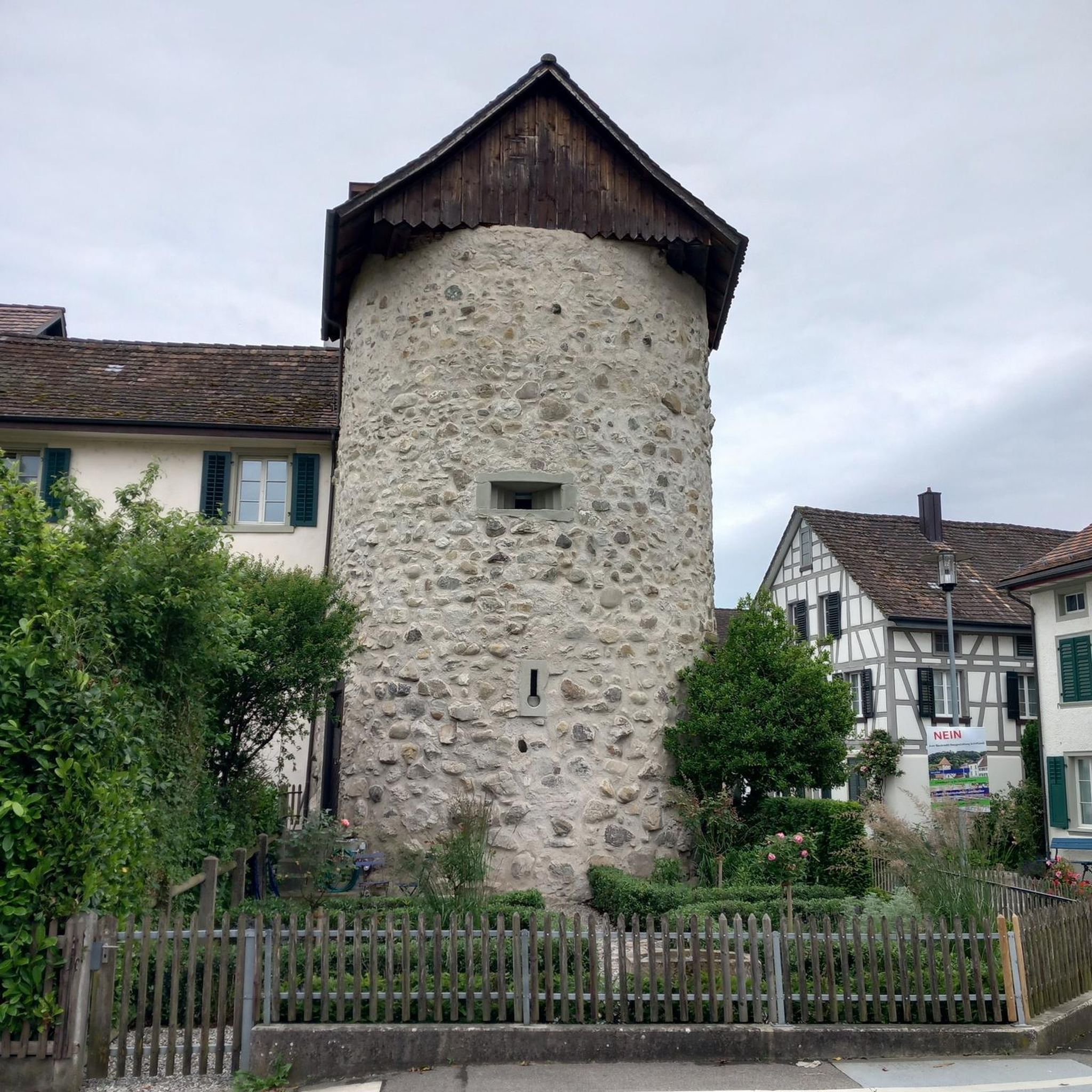
Traquair House is the oldest continually inhabited house in Scotland. It proudly states on a sign outside that it has been visited by 27 Scottish kings and queens since it was built in 1107. It's a magnificent building with equally magnificent gardens. You can access the house from the road here, but do keep in mind it is only open to the public seasonally, between March and October. You can find information on prices and daily opening times here https://www.traquair.co.uk/visitor-information/
1
0
There is reputed to have been a religious establishment at Traquair since 1116, in the See of St. Kentigern of Glasgow. It was dedicated to St. Bride whose holy well was in the glebe. The present church building was built in 1778 on top of those ancient and historic foundations.[7]
0
0
Frequently Asked Questions
What kind of terrain can I expect when road cycling around Blackhouse Forest?
The road cycling routes around Blackhouse Forest, situated in the Yarrow Valley, offer a diverse range of terrain. You'll encounter a mosaic of mixed woodlands, open fields, and forest, with picturesque hills and a river. While some sections are undulating, routes can also feature significant climbs, providing varied experiences from moderate rides to more challenging ascents. The A708, a key road in the valley, is known for being quiet and offering beautiful views.
Are there challenging road cycling routes for experienced riders?
Yes, the Blackhouse Forest area provides options for experienced riders seeking a challenge. While all listed routes are rated moderate, some feature significant elevation gains. For example, the Peebles to Eddleston Bike Path – The Meldons Road loop from Cademuir Hill is the longest route at 70.6 km and includes over 640 meters of ascent, requiring very good fitness. The region has even hosted stages of the 'Tour of Britain' and the 'Tour o' the Borders', indicating its suitability for demanding cycling.
Are there easy or beginner-friendly road cycling routes?
The routes around Blackhouse Forest are generally rated as moderate, meaning they are suitable for cyclists with some experience. While there aren't specific 'easy' or 'beginner' rated routes in the immediate selection, the Yarrow Valley offers a range of experiences. The A708 through the valley is known for being quiet and pleasant, which can make for a more relaxed ride on flatter sections, though elevation gains are common.
What notable landmarks or scenic viewpoints can I discover on road cycling routes?
Road cycling routes in the Blackhouse Forest area offer numerous scenic highlights. You can expect stunning views of the Yarrow Valley, its picturesque hills, and the river. Routes like the Manor Sware Viewpoint – View of Peebles from The Sware loop from Whitelaw Hill specifically include notable viewpoints. The region is also celebrated for its wild, remote landscape and 'incredible dark sky nights', offering unique natural attractions.
Are there circular road cycling routes available?
Yes, many of the road cycling routes around Blackhouse Forest are designed as loops, allowing you to start and finish at the same point. Examples include the popular Berry Knowe Climb – Swire Climb loop from Dryhope and the Loch of the Lowes – Paddy Slacks Climb loop from St Mary's Loch, which takes you through scenic lochs.
What are the parking options for road cyclists in the Blackhouse Forest area?
While specific parking locations for each trailhead are not detailed, the Blackhouse Forest Estate itself offers facilities for visitors. Given the rural nature of the Yarrow Valley and the Scottish Borders, parking is generally available near villages or designated visitor areas that serve as starting points for routes. It's advisable to check local signage or specific route descriptions for the most convenient parking spots.
Is public transport available to access road cycling routes near Blackhouse Forest?
Public transport options directly to the more remote parts of Blackhouse Forest and the Yarrow Valley can be limited. While larger towns in the Scottish Borders may have bus services, accessing specific trailheads often requires personal transport. Cyclists planning to use public transport should research specific bus routes and schedules to see if they align with desired starting points.
When is the best time of year to go road cycling in Blackhouse Forest?
The Scottish Borders, including Blackhouse Forest, offers beautiful cycling conditions during the warmer months, typically from spring through early autumn (April to October). During this period, the weather is generally milder, and the natural landscape is at its most vibrant. However, the region's wild and remote character means weather can be unpredictable, so it's always wise to check forecasts and be prepared for changing conditions.
Are there family-friendly road cycling options around Blackhouse Forest?
The road cycling routes around Blackhouse Forest are generally rated as moderate, which may be challenging for very young children or inexperienced family members. However, the quiet roads, particularly the A708, can be suitable for families with older children or those comfortable with longer distances and some elevation. For gentler, off-road cycling, the estate and surrounding areas also offer dedicated cycling trails and mountain biking options.
Are there places to eat or stay near the road cycling routes?
Yes, the Yarrow Valley and surrounding Scottish Borders offer various amenities for cyclists. While Blackhouse Forest Estate itself has an eco-friendly lodge, nearby villages and towns will have cafes, pubs, and accommodation options. The region is accustomed to outdoor enthusiasts, so you'll find places to refuel and rest after your rides.
What do other road cyclists say about the routes in Blackhouse Forest?
The road cycling routes around Blackhouse Forest are highly rated by the komoot community, with an average score of 4.8 stars from more than 10 reviews. Over 1,400 road cyclists have used komoot to explore the varied terrain, often praising the quiet roads, picturesque hills, and mixed woodlands that define the area's cycling experience.
How many road cycling routes are available in the Blackhouse Forest area?
There are 5 curated road cycling routes available around Blackhouse Forest, all of which are rated as moderate difficulty. These routes offer a range of distances and elevations, providing diverse options for exploring the Yarrow Valley.
What makes the Yarrow Valley a good place for road cycling?
The Yarrow Valley, where Blackhouse Forest is located, is renowned for its superb cycling options. It features stunning natural scenery with woodlands, heather hills, and a captivating lochan. The roads, particularly the A708, are exceptionally quiet and offer beautiful views. The region's suitability for road cycling is further highlighted by its history of hosting events like the 'Tour of Britain' and the 'Tour o' the Borders'.
Most popular routes around Blackhouse Forest

Get inspired with the komoot mobile app


Explore more
Browse the best Road cycling routes in other regions.
