Top 20 Castles around Gessertshausen
Castles around Gessertshausen offer insights into the region's medieval past. The area features historical castle sites, primarily archaeological remnants, which provide a glimpse into former defensive structures. These sites are often located on natural elevations, showcasing the strategic importance of the landscape. Visitors can explore these remnants and learn about the historical evolution of the local architecture.
Best castles around Gessertshausen
- The most popular castles is Hammel Castle, a castle with a core dating from the 16th century. This…
Last updated: July 1, 2026
Elmischwang Castle
Highlight • Castle
Translated by Google •
Tip by

Hammel Castle
Highlight • Castle
Translated by Google •
Tip by

Sign up now to discover places like this
Get recommendations on the best single tracks, peaks, & plenty of other exciting outdoor places.
Sign up for free
Guggenberg Castle
Highlight • Castle
Translated by Google •
Tip by

Seyfriedsberg Castle Park
Highlight • Castle
Translated by Google •
Tip by

Hainhofen Castle
Highlight • Castle
Translated by Google •
Tip by

Sign up for free to discover even more castles around Gessertshausen.
Sign up for free
Already have an account?
Start today with a free account
Your next adventure awaits.
Login or Signup
Popular around Gessertshausen
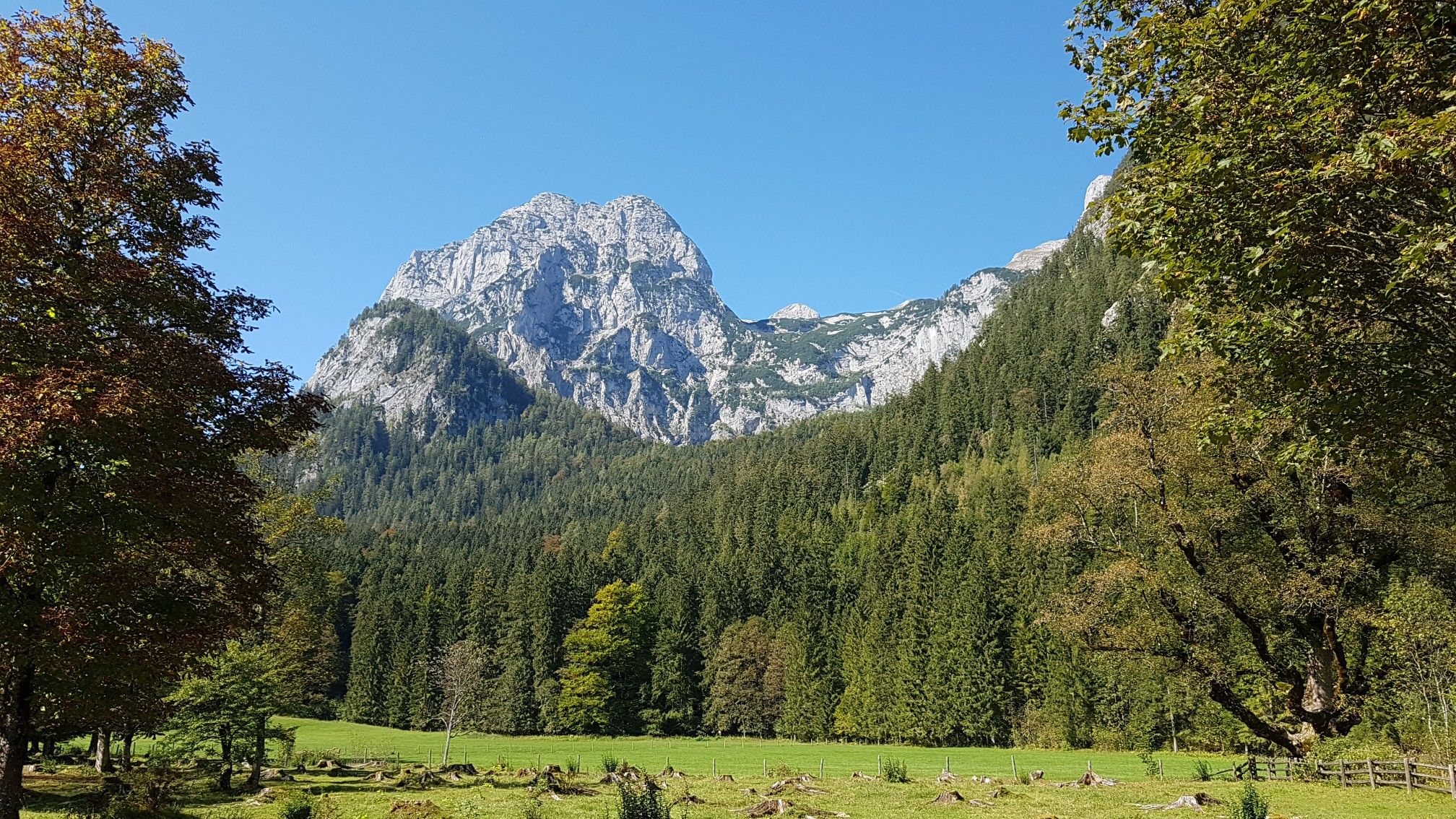
The National Natural Landscapes in Bavaria
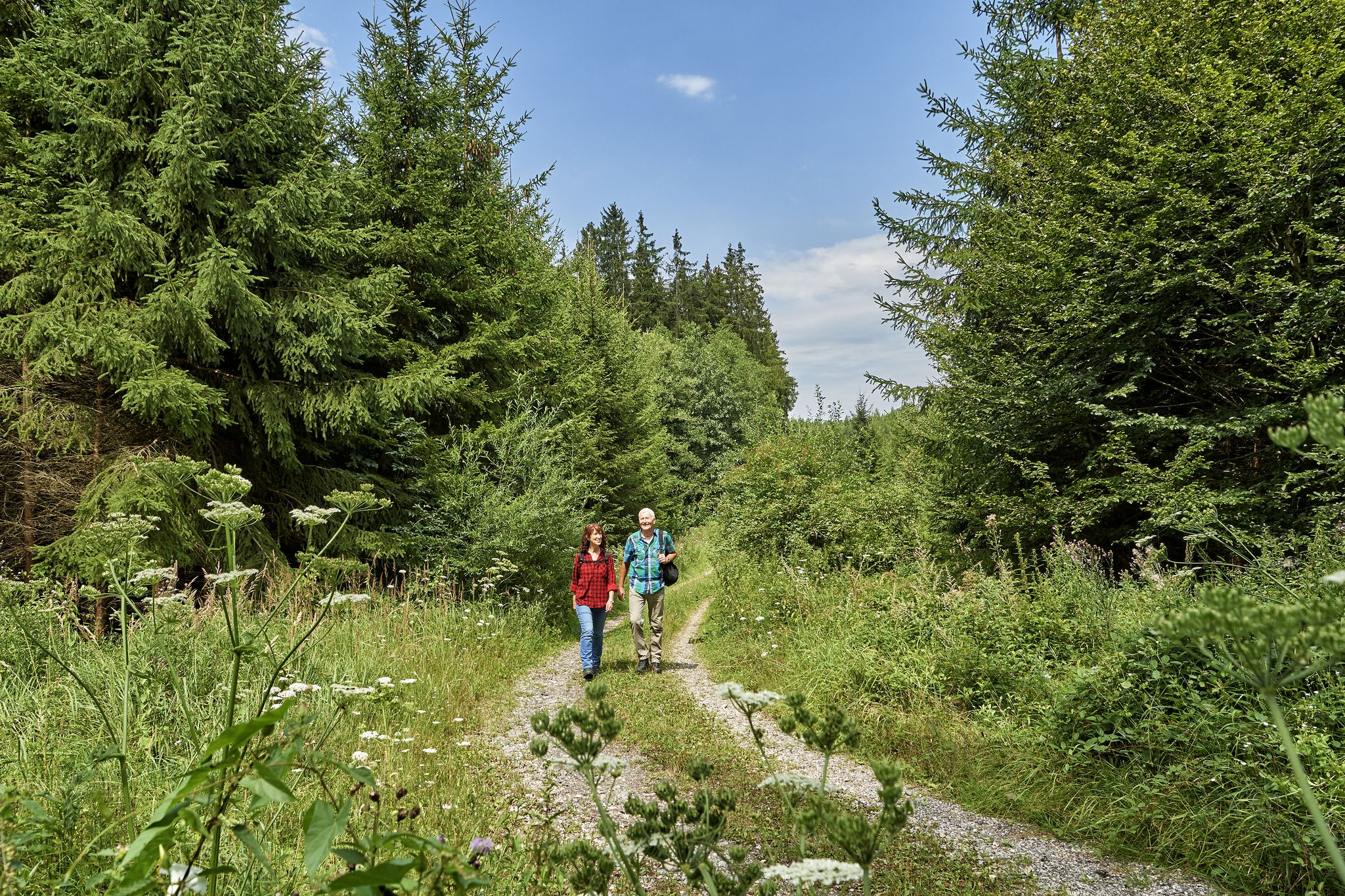
Mindful and meditative walks in Augsburg’s countryside
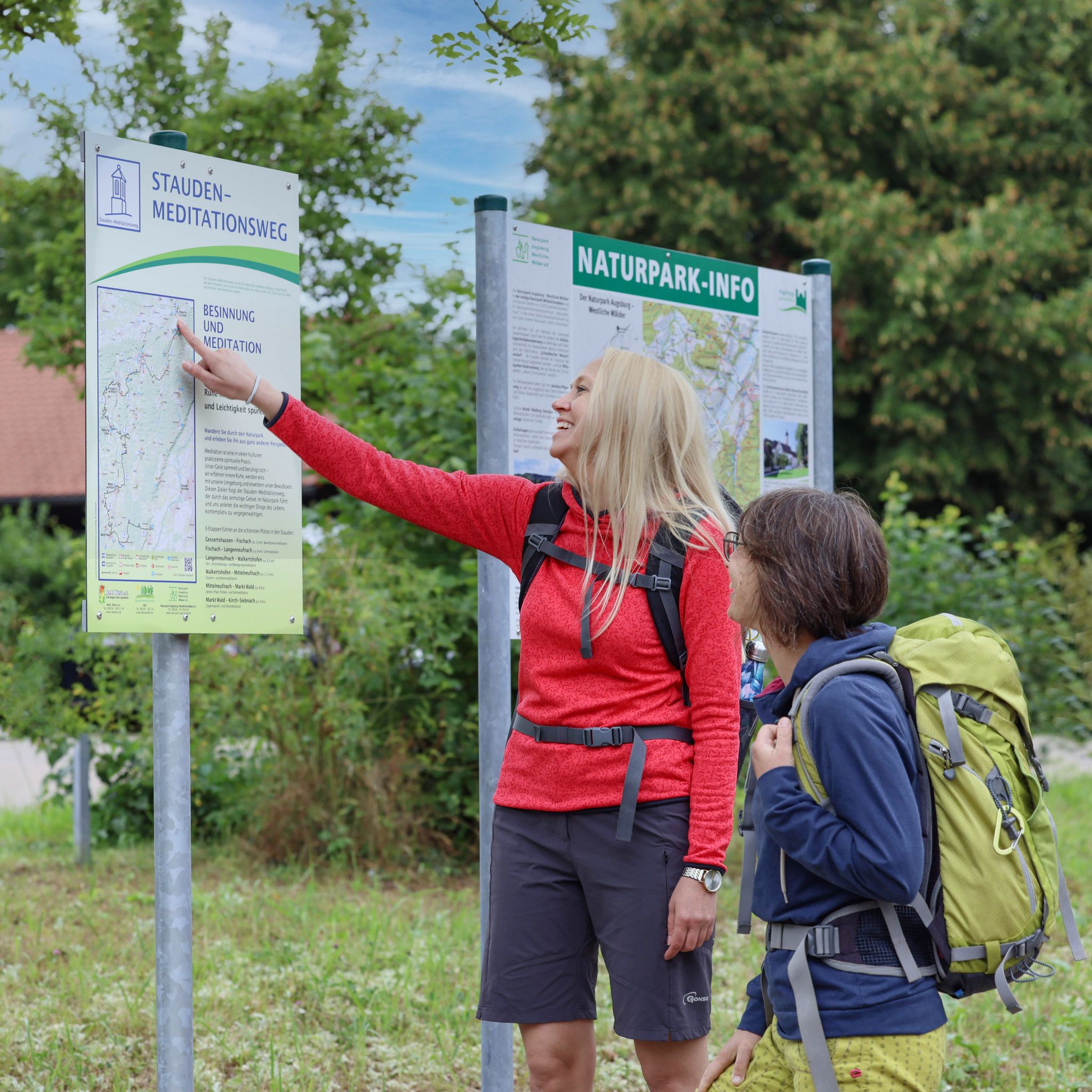
Stauden-Meditations-Weg – Achtsamkeit im Fokus
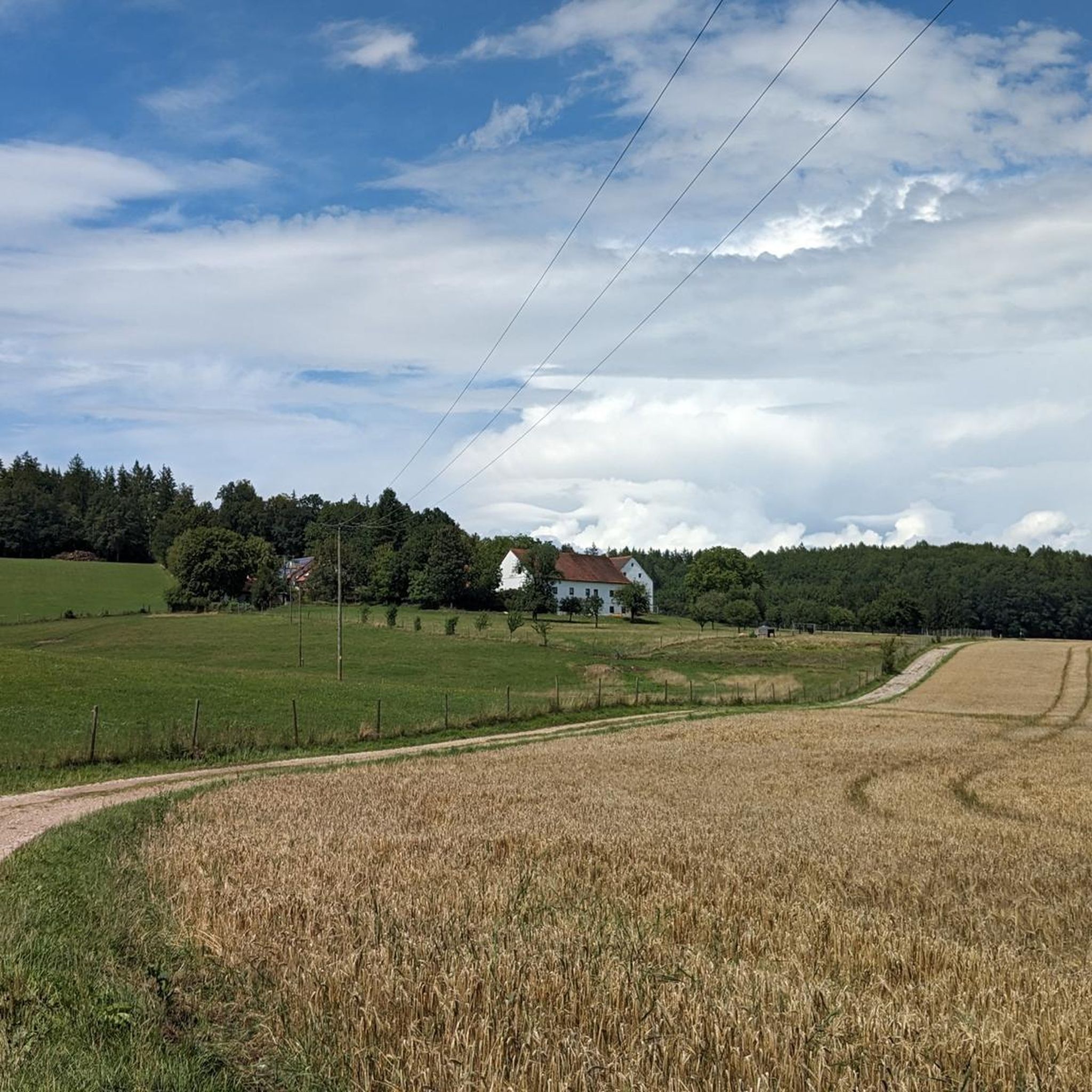
Hiking around Gessertshausen
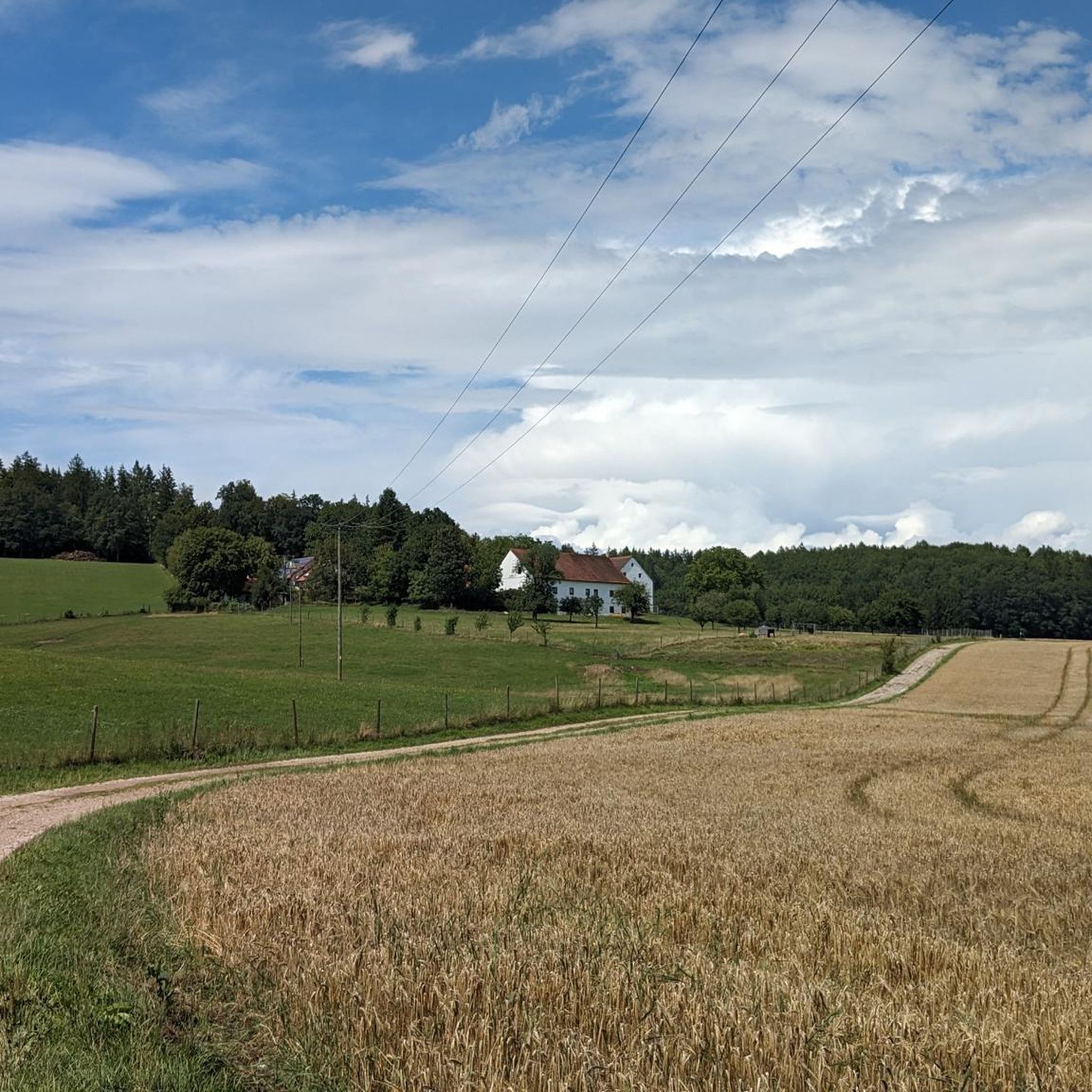
Cycling around Gessertshausen
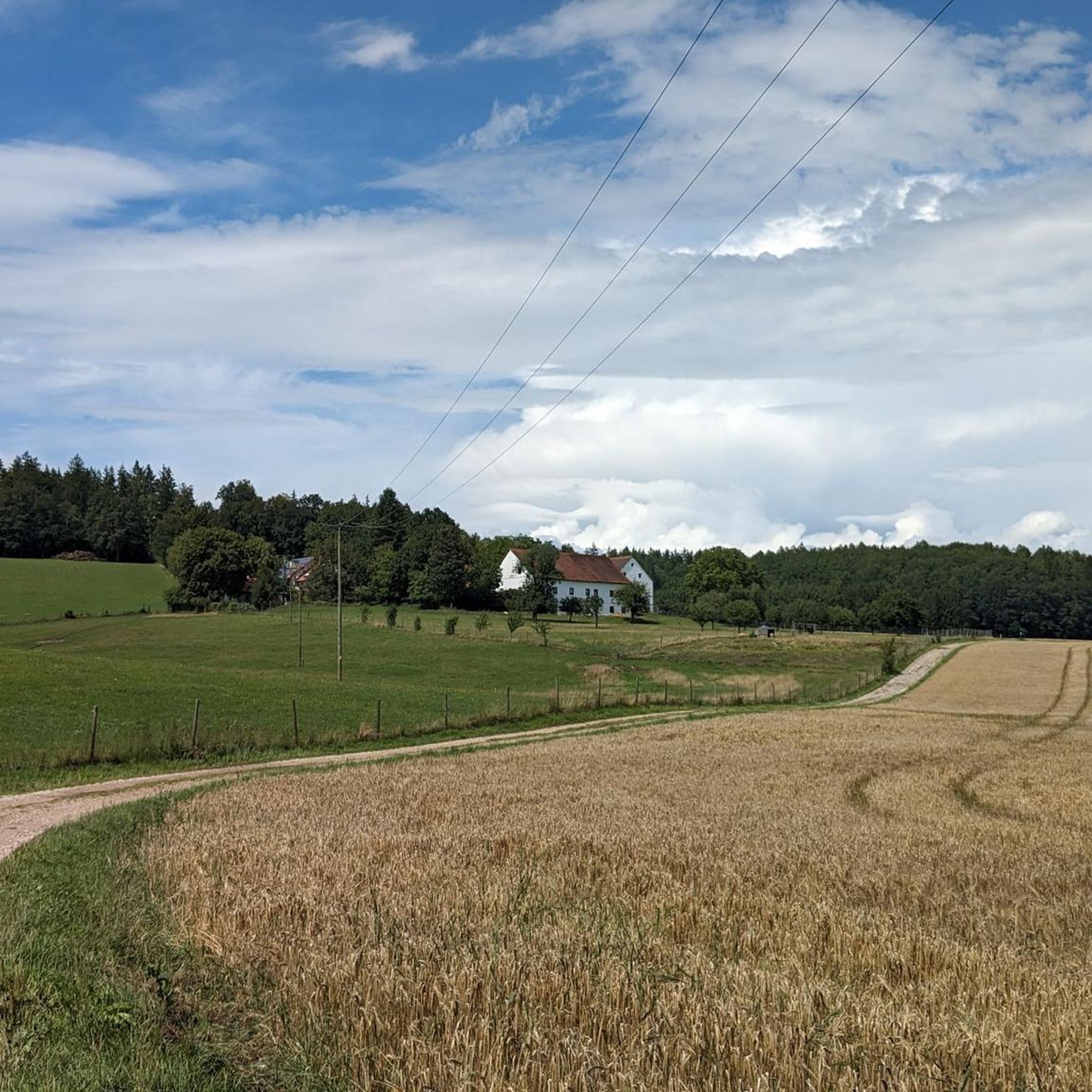
Road Cycling Routes around Gessertshausen
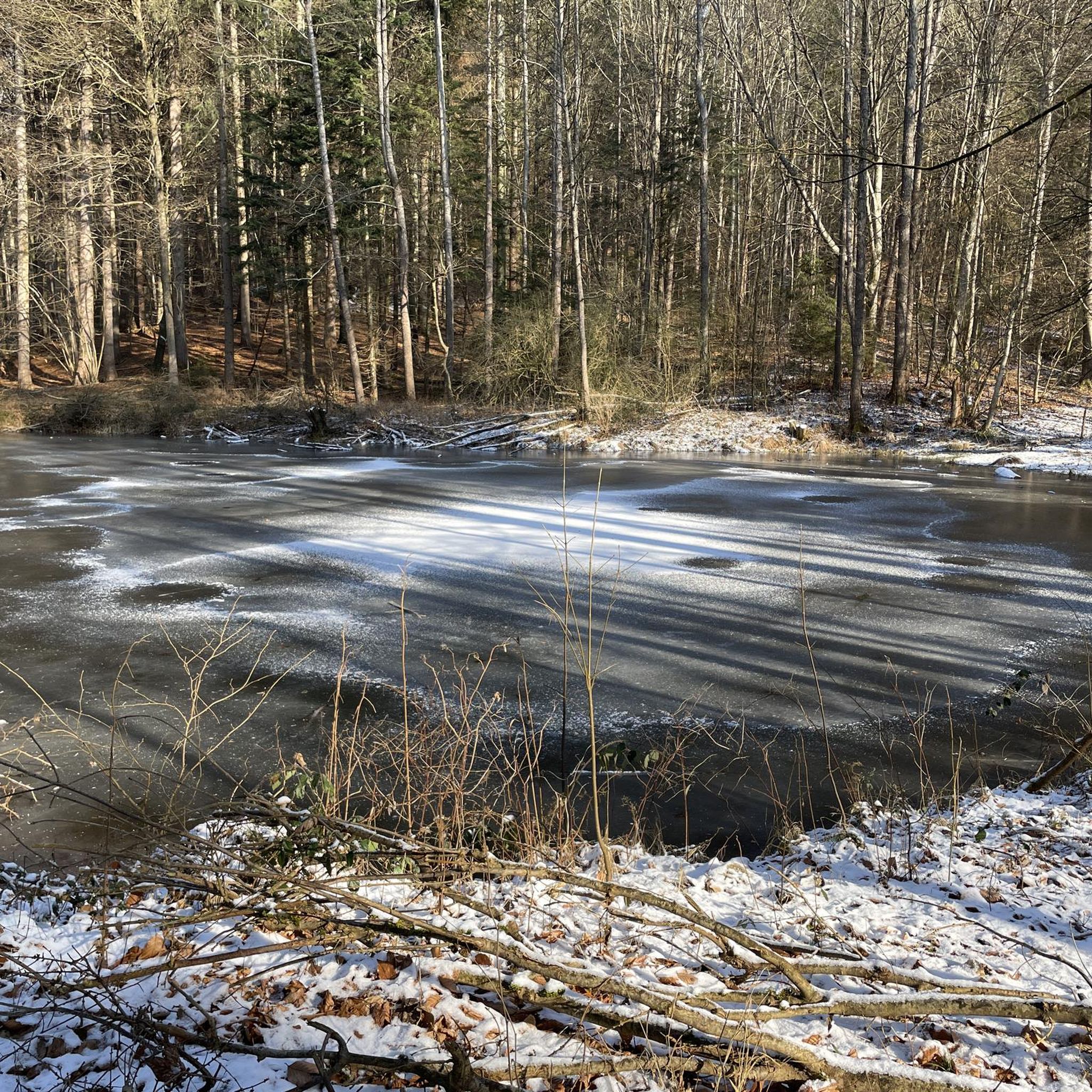
MTB Trails around Gessertshausen
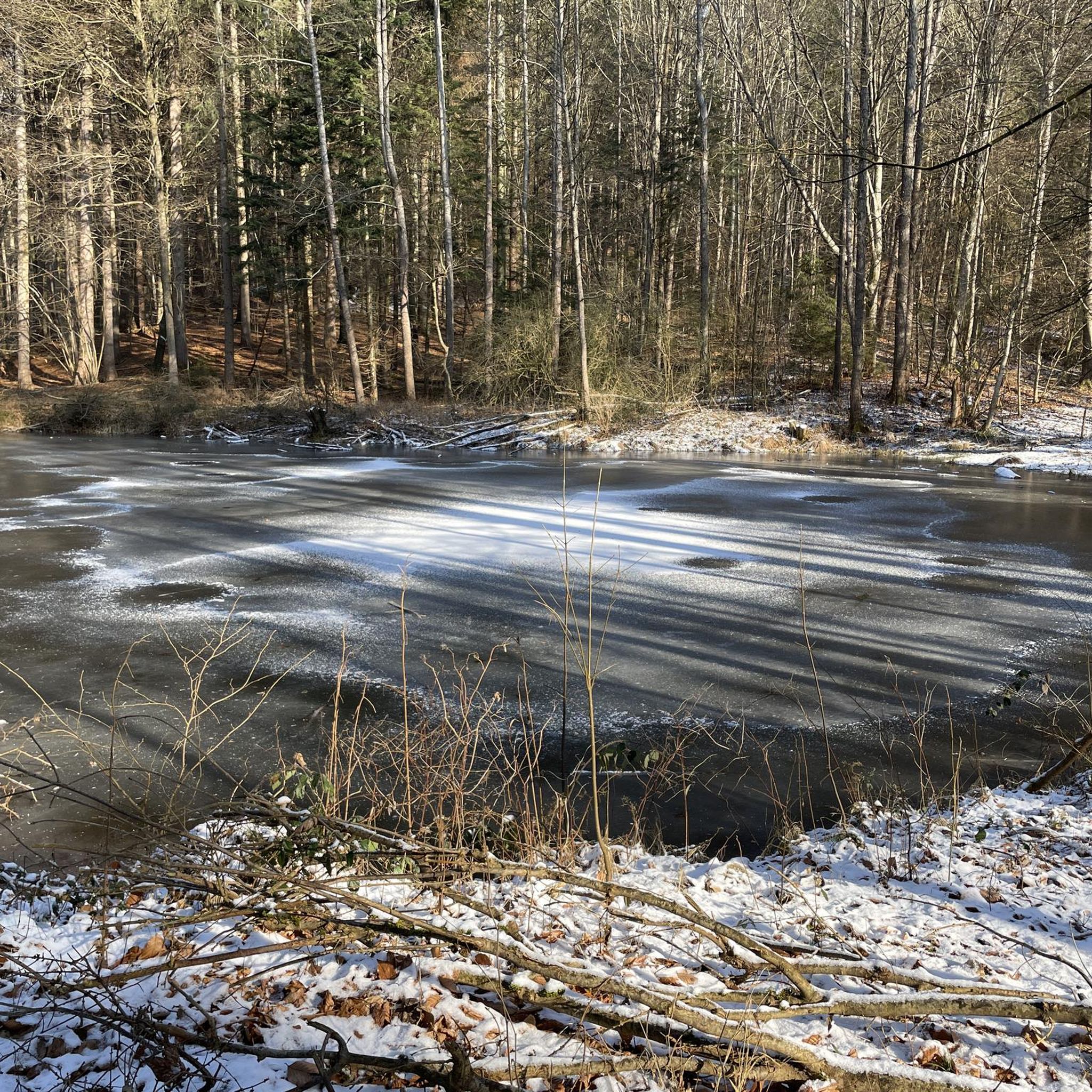
Running Trails around Gessertshausen

Gravel biking around Gessertshausen
Other adventures around Gessertshausen


Tips from the Community

In the 19th century, a comprehensive redesign was carried out by the architect Jean Keller, who also designed the magnificent grand hall.
1
0

Built in 1550, in 1700 the castle came into the possession of the Augsburg patrician family von Stetten through marriage
0
0

Originally a moated castle, a rectangular structure built under Anton Fugger, individual sections of the walls are medieval, the core dates from the end of the 16th century, renovated around 1730, and remodeled in the last quarter of the 18th century.
2
0
Wolfgang von Paler the Elder was granted sheep in 1550. He commissioned the construction of a new palace around 1550/60. The building was presumably destroyed by the Swedes in 1648. The new owner, Raimund Egger, had the palace rebuilt.
2
0

Hainhofen Castle is located in the Hainhofen district of the town of Neusäß in the Augsburg district of Bavaria. The property consists of two main buildings: the baroque high castle, a four-story hipped roof building that was built in 1730, and the classicist long castle, which was built between 1760 and 1780 by the von Rehlingen family. The castle originally served as the seat of various patrician families, including the Fuggers and the von Rehlingens. Today it is privately owned and has been extensively restored. In 2013, the owners received the Swabia District Monument Prize for this exemplary renovation. The castle is picturesquely located on the western edge of the town in the Schmutter lowlands and is a protected architectural monument. Although it is not open to the public, it remains an important testimony to regional history and architectural development in Swabia. Near the castle is the Catholic parish church of St. Stephanus, which was built in 1718/19 by Johann Holzapfel. This church is also worth a visit and complements the historical ensemble of Hainhofen. For hikers and nature lovers, the area around the castle offers attractive routes that include the Schmuttertal and the Lohwald. A highlight is certainly the castle in Hainhofen, which was built in 1582 by Anton Fugger.
1
0
Hammel Castle is located in the Hammel district of the town of Neusäß in the Augsburg district, Bavaria. The castle is owned by the von Stetten family. History: • 1550: Wolfgang von Paler the Elder is granted Hammel and initiates the construction of the new castle around 1550/60. • 1648: The building is probably destroyed by Swedish troops during the Thirty Years' War. • After 1648: The new owner, Raimund Egger, has the castle rebuilt. • 1700: Through marriage, two thirds of the castle becomes the property of the Augsburg patrician family von Stetten; later the family also acquires the remaining share. • Mid-19th century: Extensive renovation work is carried out. • 1891: Under the planning of the Augsburg architect Jean Keller, the east-west wing is extended and the facade structure is renewed and the south gable is decorated with neo-Gothic battlements. Architecture: The castle consists of two three-story wings. The shorter "old building" has a gable roof and a facade structure with neo-Gothic battlements. The surrounding wall is equipped with four defensive towers, including the so-called Malakow Tower on the southeast corner, which was provided with a balustrade and an arbor-like structure made of wood in 1856. Current use: Hammel Castle is still owned by the von Stetten family and is not open to the public. However, the historic complex is an important cultural monument in the region and an example of the architecture and history of Augsburg's patrician families.
3
0
Guggenberg Castle, often referred to as Guggenberger Castle, is a historic property near Schwabmünchen in the Swabian district of Augsburg, Bavaria. It is located on a hill above the Wertach Valley in the Augsburg - Western Forests Nature Park. The three-storey building with a steep gable roof dates back to the late Gothic period and was first mentioned in documents in 1441. It was originally owned by the Augsburg patrician family Langenmantel, who built the castle as a fortified manor house. In the 18th century, the castle served as a farm under various owners before it was temporarily converted into a cotton spinning mill. It later came into the possession of the Counts of Neubronner, who restored the castle in the 19th century and keep it in the family to this day. Today the castle is not open to the public, but there are always private events and exclusive tours by appointment. The area around Guggenberg Castle offers attractive hiking opportunities through the “Stauden,” a scenic region in the nature park characterized by rolling hills, forests and ponds.
1
0
Guggenberg Castle is located in the Klimmach district and belongs to the town of Schwabmünchen in the Swabian district of Augsburg, Bavaria. It is located above the Wertach Valley in the Augsburg - Western Forests Nature Park. The castle is a three-story, three-winged structure with a steep gable roof and its core dates back to the late Gothic period. It was first mentioned in 1441, when it was built by the Langenmantel family. Over the centuries it served various purposes, including as a forestry farm for the Bishopric of Augsburg and as a cotton spinning mill in the 18th century. Today the castle is owned by the noble Neubronner family. It is not open to the public, but can be viewed from the outside. The area around the castle is ideal for hikes and bike rides, for example along the Eggertalteich and through the Stauden.
1
0
Frequently Asked Questions
What kind of historical castle sites can I expect to find around Gessertshausen?
The Gessertshausen area is rich in historical castle sites, though many are archaeological remnants known as 'Burgställe' rather than fully preserved castles. These sites, like Burgstall Obergessertshausen and Burgstall Moosburg, offer visible earthworks and defensive structures that provide a glimpse into the region's medieval past. You can also find later manor structures, such as the site of Burg Windach, where the historic St. Gallus Chapel still stands.
Are there any castles near Gessertshausen that are open to the public for visits?
While some castles like Hammel Castle and Guggenberg Castle are privately owned and not open to the public, you can visit Seyfriedsberg Castle Park. This site features a botanical garden with impressive, ancient trees and rhododendron bushes. Additionally, the Wellenburg Castle Restaurant offers a chance to experience a historic setting while enjoying a meal.
Which castle sites offer opportunities for walking or exploring nature?
For nature exploration, Seyfriedsberg Castle Park is an excellent choice with its botanical garden and forest setting. The archaeological sites like Burgstall Obergessertshausen and Burgstall Moosburg also provide interesting walks through historical landscapes, allowing you to explore well-preserved earthworks and imagine the former structures.
Are there family-friendly castle locations in the Gessertshausen area?
Yes, Seyfriedsberg Castle Park is considered family-friendly, offering a botanical garden for strolls. Elmischwang Castle is also noted as family-friendly and is located directly on bike paths, making it accessible for a family outing. The Wellenburg Castle Restaurant is another family-friendly option for dining in a historic atmosphere.
What outdoor activities can I do near these castle sites?
The Gessertshausen area offers various outdoor activities. You can find numerous hiking routes, such as the 'Oberschönenfeld Monastery Pond loop' or the 'Scheppach Chapel loop'. For cycling, there are options like the 'Elmischwang Castle – Schmuttertal loop'. You can explore more options for hiking, cycling, and road cycling routes around Gessertshausen.
Are there any specific historical facts or legends associated with the castle sites?
Yes, the region is rich in history and folklore. For example, Burg Windach was believed to have been destroyed in 1308, with its remnants used to build Deubacher Schloss, whose chapel, St. Gallus, still stands. Burgstall Moosburg has local legends of 'Moosburg knights,' telling tales of robber knights who once inhabited the castle, adding intrigue to the well-preserved earthworks.
What is the best time of year to visit the castle sites around Gessertshausen?
Visiting during spring (May-June) is particularly rewarding for places like Seyfriedsberg Castle Park, as the ancient rhododendron bushes are in full bloom. Generally, spring through autumn offers pleasant weather for exploring the outdoor archaeological sites and enjoying the surrounding nature.
Are there any cafes or restaurants near the castle sites?
Yes, the Wellenburg Castle Restaurant is a notable option, offering Austrian and German cuisine with a nice beer garden. It's a great place to stop for a meal or refreshment in a historic setting.
Can I bring my dog to any of the castle-related locations?
The Wellenburg Castle Restaurant is listed as dog-friendly, making it a good option if you're traveling with your canine companion. For outdoor archaeological sites, dogs are generally welcome if kept on a leash, but always check local signage.
What makes <a href="https://www.komoot.com/highlight/2822151" target="_blank" rel="noopener">Elmischwang Castle</a> a notable site?
Elmischwang Castle is a very nice historical building that is conveniently located directly on popular bike paths. Its accessibility and picturesque setting make it a favored spot for cyclists and those exploring the area by bike.
What are the most popular castle-related highlights according to the komoot community?
The komoot community highly appreciates Hammel Castle, known for its romantic appearance and historical significance, even though it's not publicly accessible. Seyfriedsberg Castle Park is also very popular for its botanical garden and natural beauty. The area's castle sites collectively have received 494 upvotes and 50 photos shared by visitors.
Most popular routes around Gessertshausen
Most popular attractions around Gessertshausen

Get inspired with the komoot mobile app


Explore more
Looking for the best castles somewhere else? Discover other guides around Gessertshausen:
