Attractions and Places To See in Forstmühler Forst - Top 20
Best attractions and places to see in Forstmühler Forst include a diverse range of natural features and historical sites within this largely forested area in Bavaria, Germany. The region is characterized by extensive woodlands, varied terrain, and numerous hiking and cycling opportunities. It offers diverse forest communities, valleys, and quiet paths, primarily catering to hikers and nature enthusiasts. The area is part of the Fürstlicher Thiergarten and provides a tranquil environment for exploration.
Best attractions and places to see in…
Last updated: October 5, 2026
Otterbach Stream
Highlight • River
The trail is easy to drive, even for inexperienced drivers.
For professionals, the way could be a bit boring, with the sporadically placed small bridges are well worth seeing.
Translated by Google •
Tip by

Danube cycle path near Demling
Highlight • Viewpoint
Translated by Google •
Tip by

Sign up now to discover places like this
Get recommendations on the best single tracks, peaks, & plenty of other exciting outdoor places.
Otterbach Valley Forest Inn (Der Korea Wirt)
Highlight • Restaurant
Translated by Google •
Tip by

Otterbach Valley
Highlight • Gorge
Translated by Google •
Tip by

Nepal-Himalaya Pavilion and Stupa, Wiesent
Highlight • Religious Site
Translated by Google •
Tip by

Sign up for free to discover even more attractions in Forstmühler Forst.
Already have an account?
Start today with a free account
Your next adventure awaits.
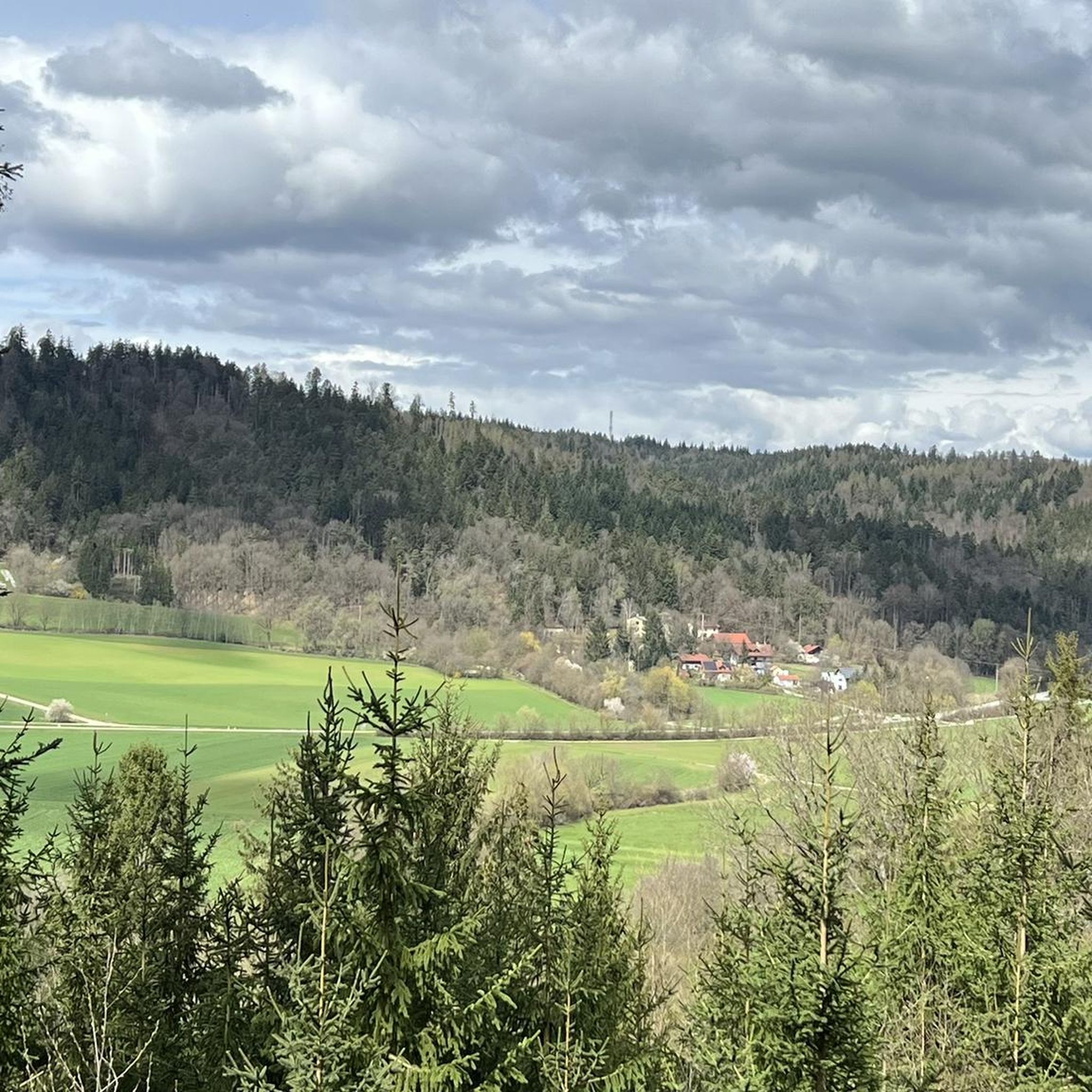
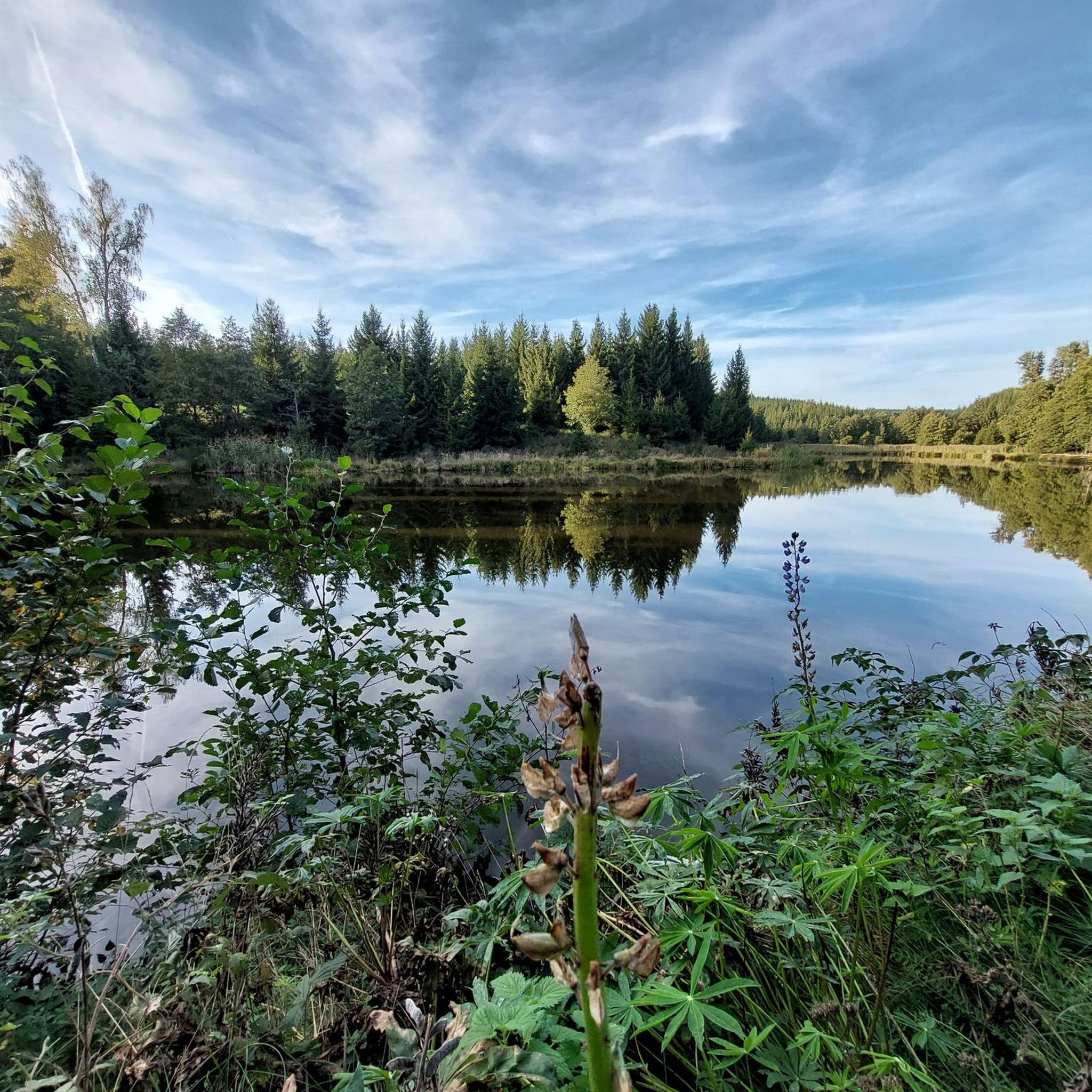
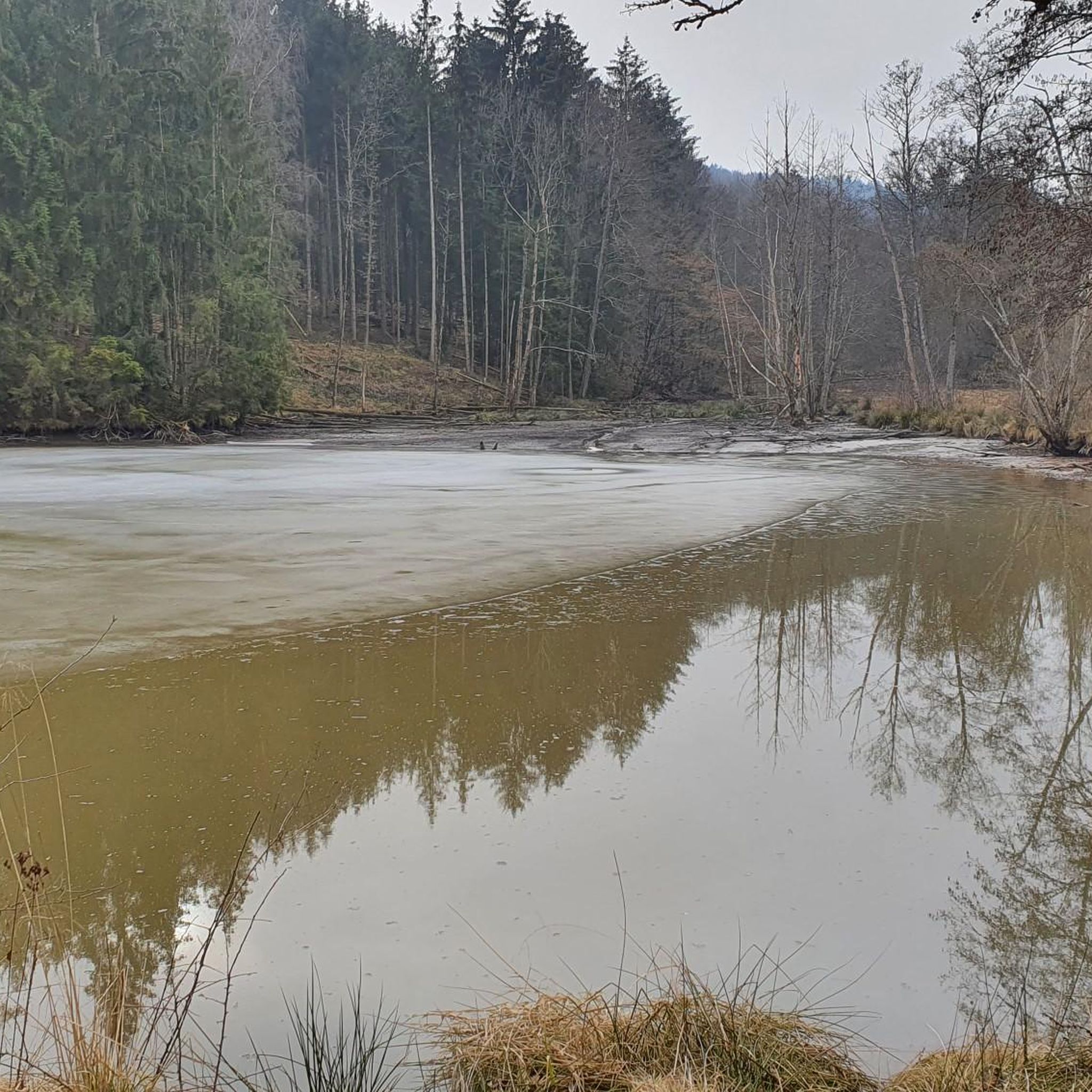
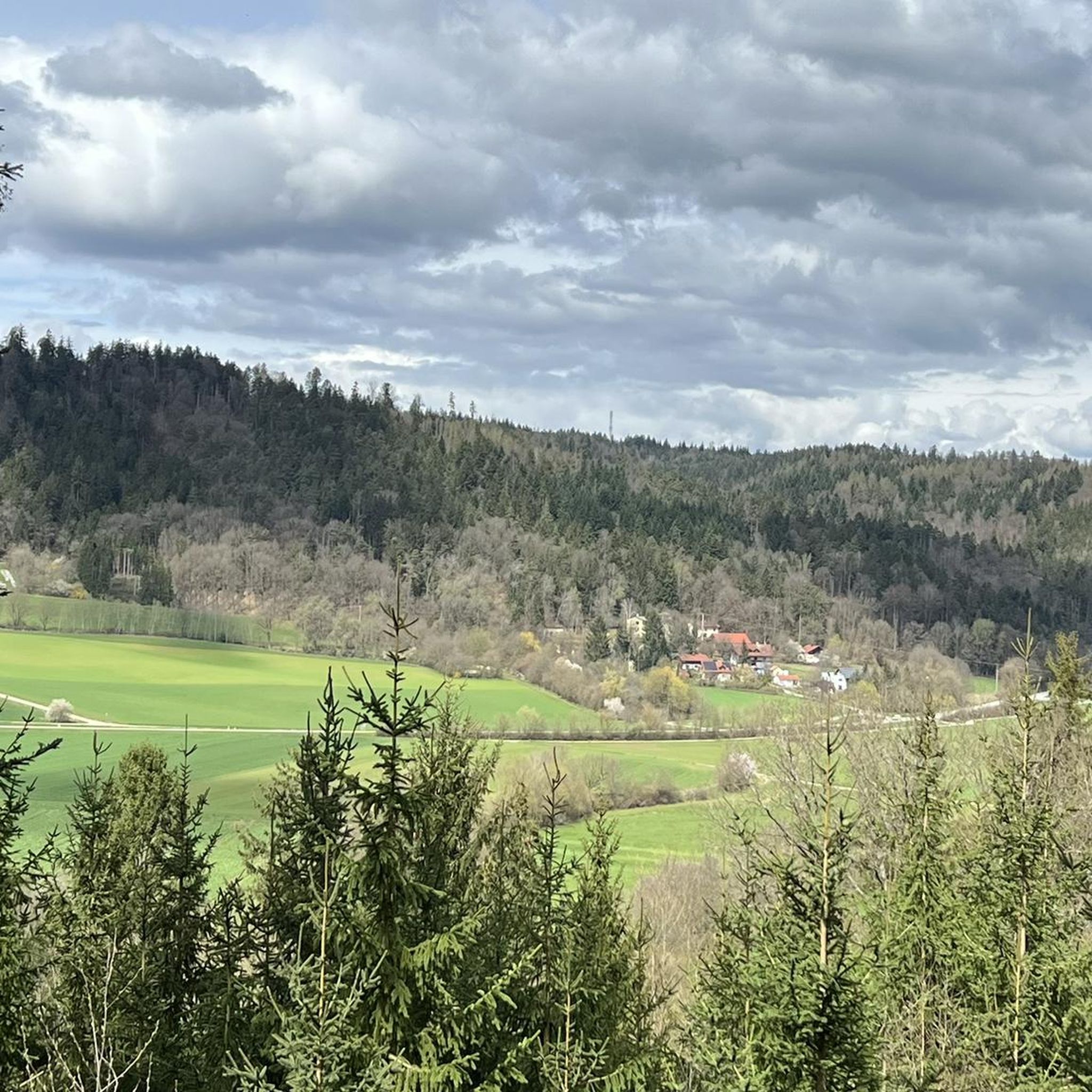
Tips from the Community

From above you have a great view of the Otterbach stream and the rock formations below.
1
0

The width of the Danube is increasing rapidly
2
0


The view of the Danube is beautiful, but the view of the flora and fauna next to it is usually even better. There are also some great paths.
4
0


Nice beer garden with friendly hosts and fair prices👍🏼
2
0

Visiting the Nepal Himalaya Pavilion is a really great experience. Away from the main paths, you can always find places where you can relax and simply enjoy the park atmosphere.
1
0
Good inn in great surroundings and basically in the middle of the forest
1
0
Frequently Asked Questions
What natural features can I explore in Forstmühler Forst?
Forstmühler Forst is rich in natural beauty. You can explore the scenic Otterbach Valley, known for its granite rocks and opportunities to refresh yourself. The Otterbach Stream itself offers a popular hiking trail along its banks, great for families. The area also features diverse forest communities, including mixed mountain forests and alluvial forests, along with bogs and quiet paths perfect for observing wildlife.
Are there any historical sites or landmarks in Forstmühler Forst?
Yes, Forstmühler Forst has several historical points of interest. You can visit the Heilsberg Castle Ruins, an enchanted ruin where only a few wall remains are preserved, but it's still a notable destination. Other historical sites include the Drei Martern, a group of three memorials, and the Forsthaus Scherbatzen, an enclosed forester's house with a pond.
What outdoor activities are popular in Forstmühler Forst?
The region is ideal for various outdoor activities. Hiking is very popular, especially along the Otterbach Stream and through the diverse forest landscape. You'll also find numerous cycling trails. For specific routes, you can explore options like the Running Trails in Forstmühler Forst, Road Cycling Routes, and general Cycling routes available on komoot.
Are there family-friendly attractions or activities in the area?
Absolutely! The Otterbach Valley and Otterbach Stream are considered family-friendly, with paths suitable for children and opportunities to refresh in warm temperatures. The Otterbach Valley Forest Inn (Der Korea Wirt) is also family-friendly, featuring a pond and small animal enclosures, making it a pleasant stop for all ages.
Where can I find places to eat or drink near the attractions?
For a pleasant break, visit the Otterbach Valley Forest Inn (Der Korea Wirt). It offers a nice beer garden, delicious food, and a cozy atmosphere. It's a great spot to relax after exploring the Otterbach area.
What is the best time to visit Forstmühler Forst?
Forstmühler Forst is beautiful year-round, but the best time depends on your preferred activities. Spring and autumn offer pleasant temperatures for hiking and cycling with vibrant foliage. Summer is great for enjoying the natural features and outdoor dining. The quiet paths and forest environment provide a tranquil experience in any season.
Are there any viewpoints offering scenic panoramas?
Yes, several spots offer great views. The Otterbach Valley is noted for its scenic beauty, and the Danube cycle path near Demling provides beautiful views over the Danube, including a striking church tower in Friesling. The Altweiberhöhe, an elevation within the forest, also offers expansive views.
What is the terrain like for hiking in Forstmühler Forst?
The terrain in Forstmühler Forst is predominantly natural forest with diverse communities. You'll find quiet paths, some leading through valleys like the Otterbach Valley, which features granite rocks. Hiking routes can range from relaxed sections suitable for easy walks to more intermediate trails, often involving varied forest paths and some elevation changes.
Can I bring my dog to the trails in Forstmühler Forst?
Forstmühler Forst is generally dog-friendly, offering many natural trails for walks with your canine companion. However, it's always recommended to keep dogs on a leash, especially in areas where wildlife might be present or near private properties like the Forsthaus Scherbatzen. Always respect local regulations and other visitors.
What makes the Otterbach Stream a popular attraction?
The Otterbach Stream is popular because a well-loved hiking trail runs along both its sides, making it accessible for exploration. It's also considered a great place for children due to its natural setting and opportunities for refreshing breaks. The stream originates in Süssenbach and flows through the region, creating a picturesque route.
Is there anything unique about the Forstmühler Forst's natural environment?
Forstmühler Forst is unique as an uninhabited and largely forested area, part of the Fürstlicher Thiergarten (Princely Game Park). It features diverse forest communities, including mixed mountain forests and alluvial forests, along with bogs and former high pastures. This rich biodiversity provides a tranquil environment and opportunities to observe wildlife in its natural habitat.
Most popular routes in Forstmühler Forst
Most popular attractions in Forstmühler Forst

Get inspired with the komoot mobile app


Explore more
Still not found the Highlight you’re looking for? See guides of the top attractions in other regions:
