Attractions and Places To See in Königsforst - Top 20
Best attractions and places to see in Königsforst include a sprawling forest east of Cologne, recognized as a nature reserve and bird sanctuary. This area features extensive oak-beech forests, remnants of moorland, and numerous natural stream courses. Königsforst offers a robust network of paths, making it suitable for hiking, cycling, and other outdoor activities. It serves as a significant natural and recreational area for visitors.
Best attractions and places to see in Königsforst
- The most popular attractions is Königsforst Forest Trail, a forest that offers many small and large paths for relaxation. This area is known as "Cologne's green lungs" and features kilometers of cycling and hiking trails.
- Another must-see spot is Mount Troodelöh — Cologne's Highest Point, a summit at 118 meters above sea level. This location features a summit stone and a summit book, marking the highest point within Cologne's city limits.
- Visitors also love Kneipp Pool in Königsforst, a well-maintained water-treading basin. Situated on the city boundary from Cologne to Rösrath, it offers picnic areas and a refuge nearby.
- Königsforst is known for its diverse natural features, historical sites, and recreational facilities. Visitors can explore ancient burial mounds, wildlife enclosures, and repurposed railway lines.
- The attractions in Königsforst are appreciated by the komoot community, with more than 140 highlights and over 1900 upvotes.
Last updated: October 5, 2026
Königsforst Forest Trail
Highlight • Forest
Showing Translation
Tip by

Mount Troodelöh — Cologne's Highest Point
Highlight • Summit
Showing Translation
Tip by

Sign up now to discover places like this
Get recommendations on the best single tracks, peaks, & plenty of other exciting outdoor places.
Water-treading spot at the Giesbach
Highlight • Rest Area
Translated by Google •
Tip by

Shelter at the Rather Weiher
Highlight • Rest Area
Translated by Google •
Tip by

Kneipp Pool in Königsforst
Highlight • Rest Area
Translated by Google •
Tip by

Sign up for free to discover even more attractions in Königsforst.
Already have an account?
Start today with a free account
Your next adventure awaits.
Popular around Königsforst
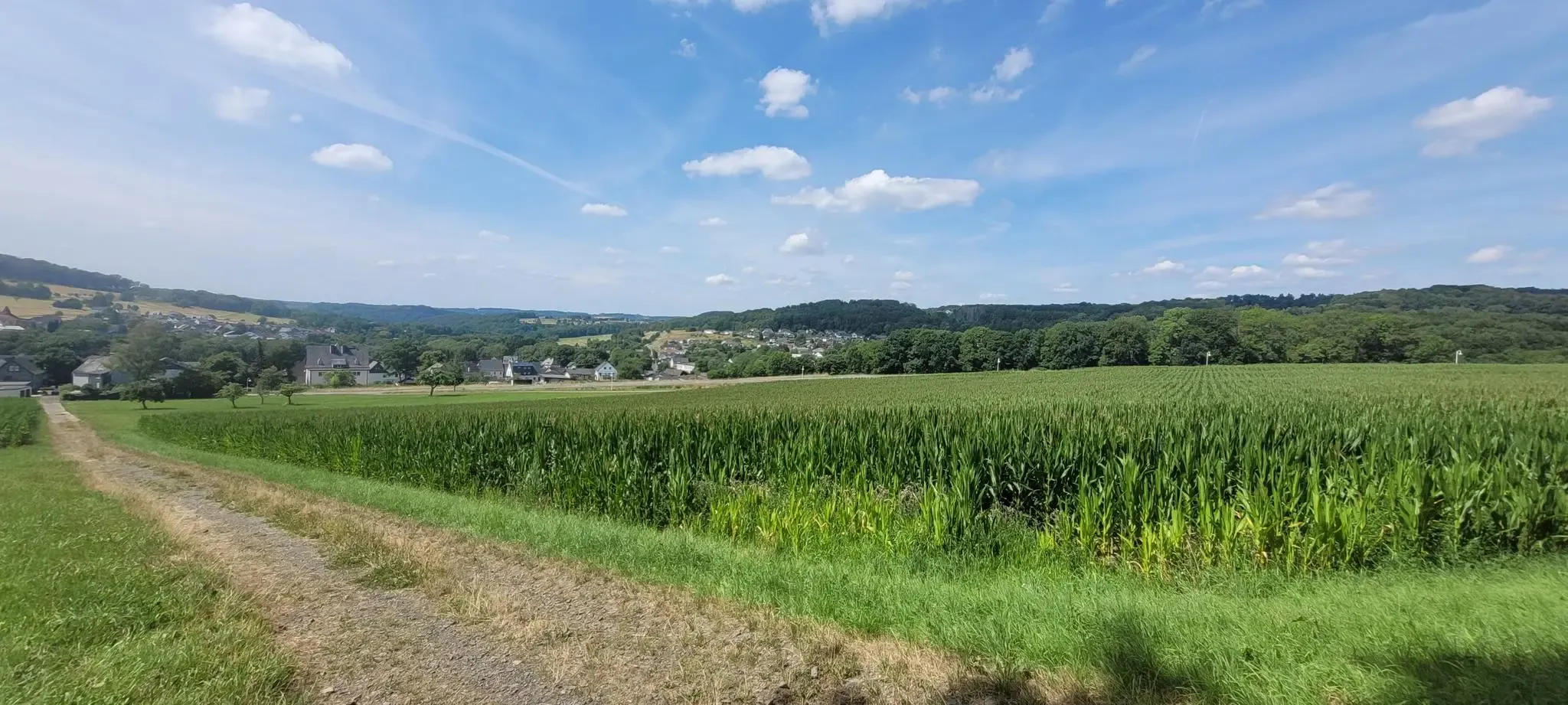
Hiking on the Cologne Trail – Discover nature close to the city
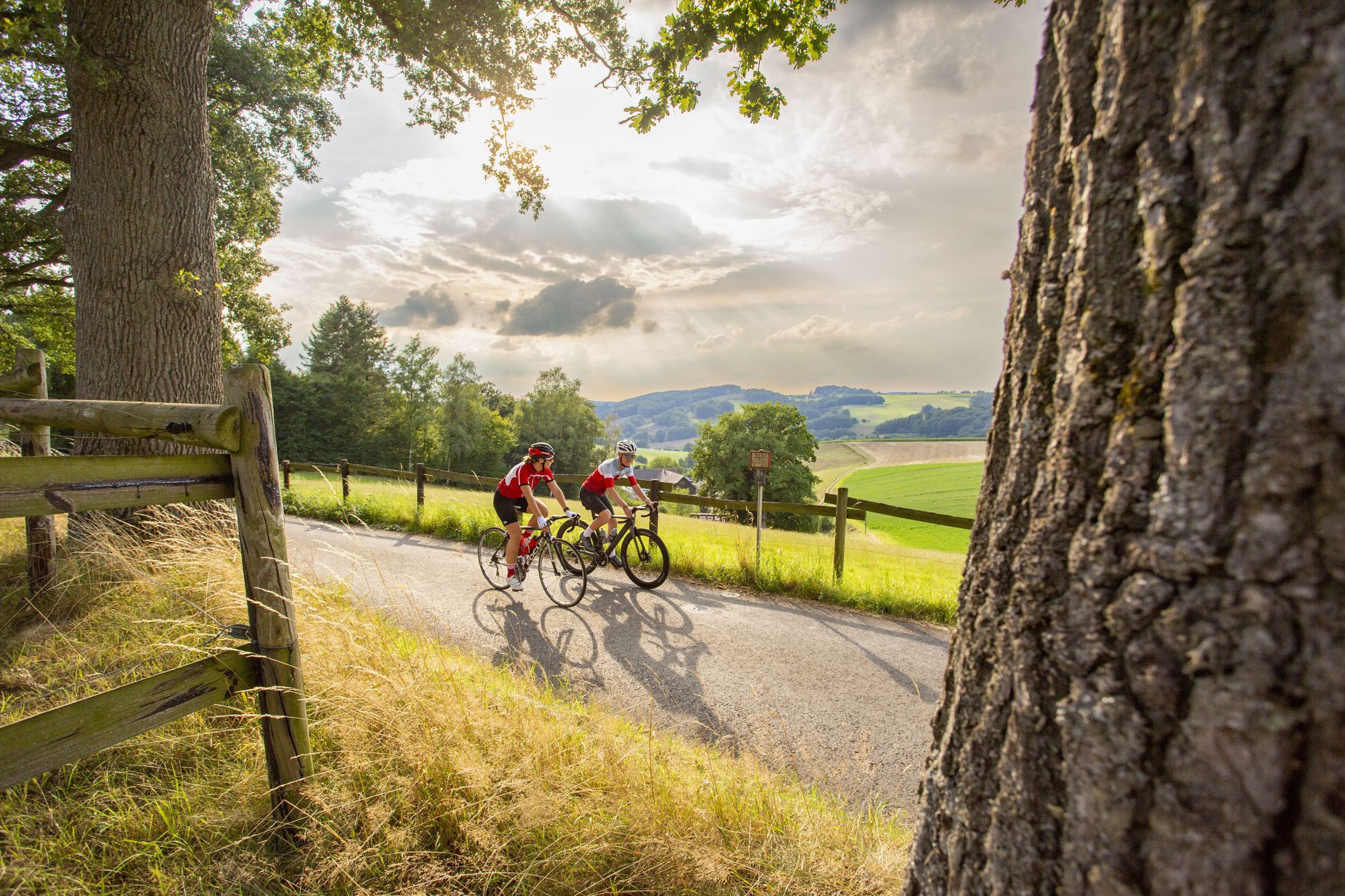
Road bike Tours in the Bergisches Land – endless hills and forests
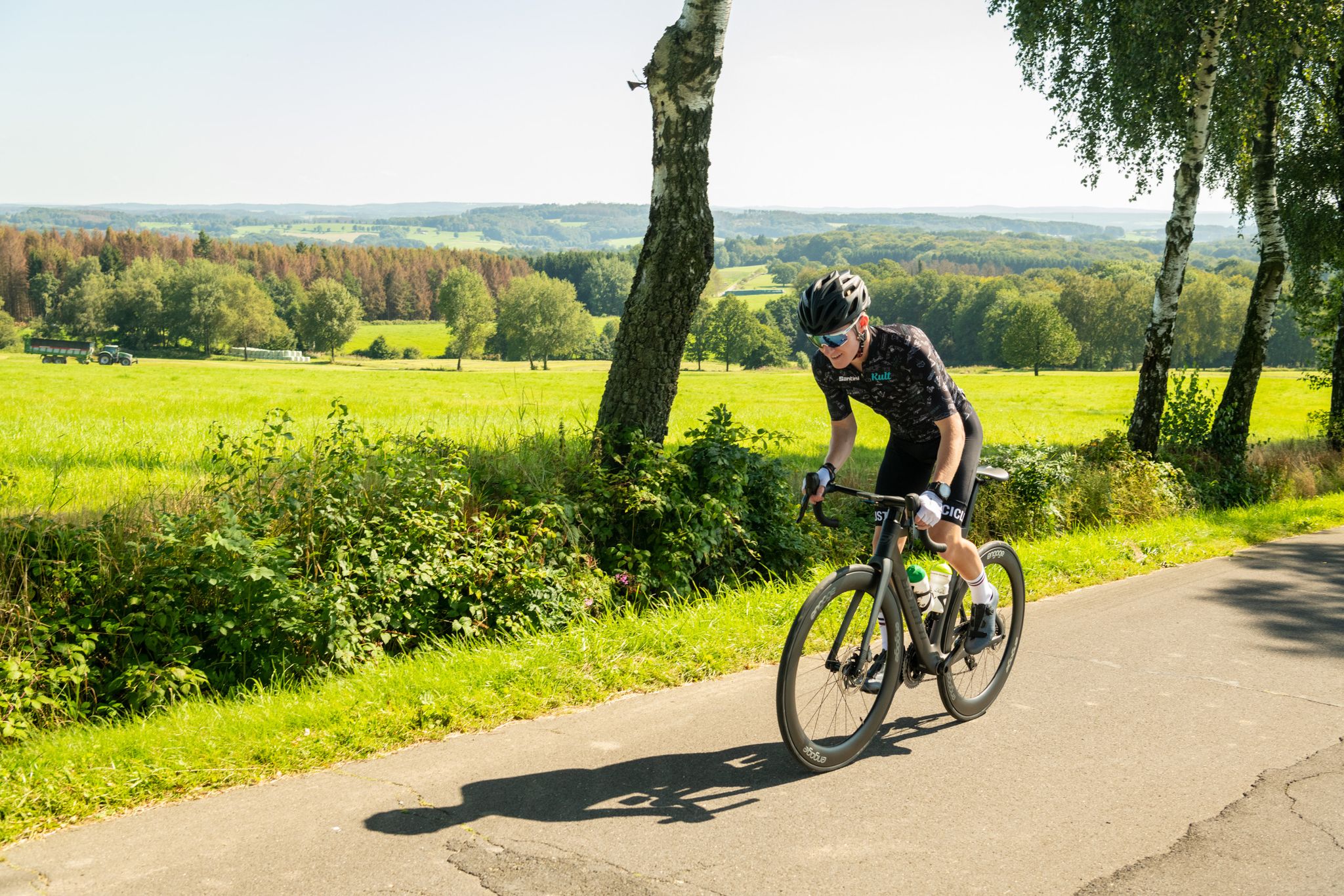
On the trails of Rund um Köln – road cycling routes in the Bergisches Land
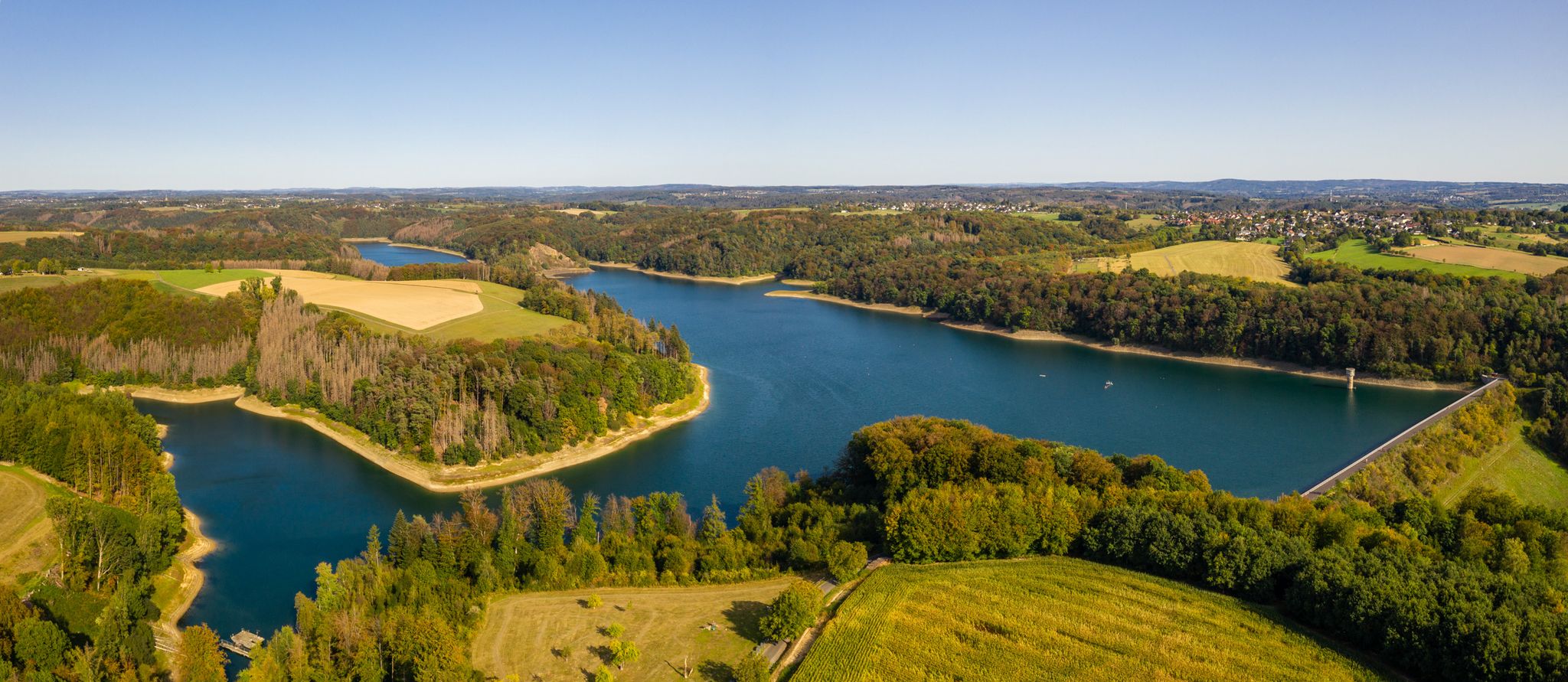
The Bergische Weg - Germany's most beautiful hiking trail 2024
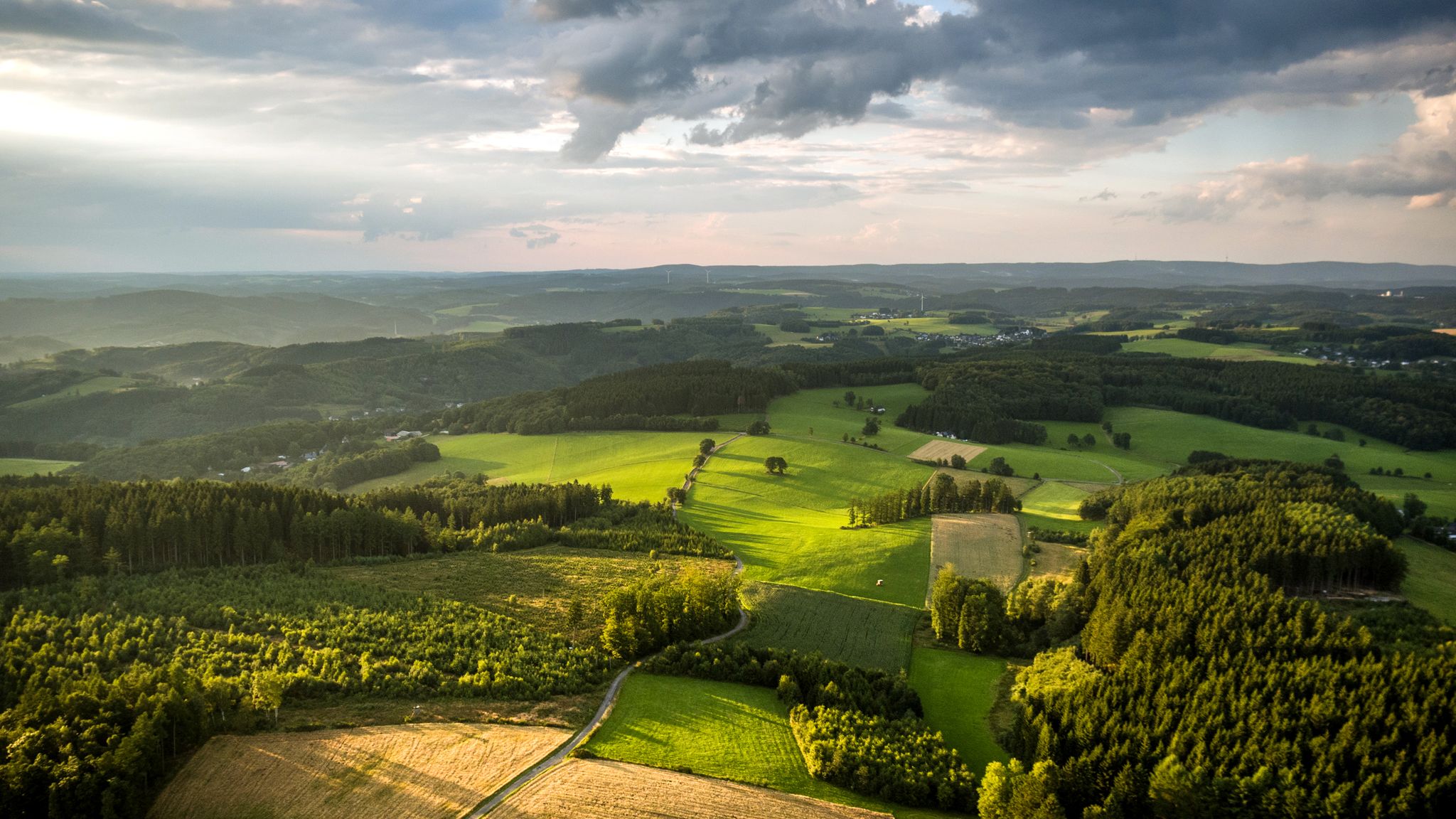
Panoramic adventures — explore Germany’s Bergisches Land
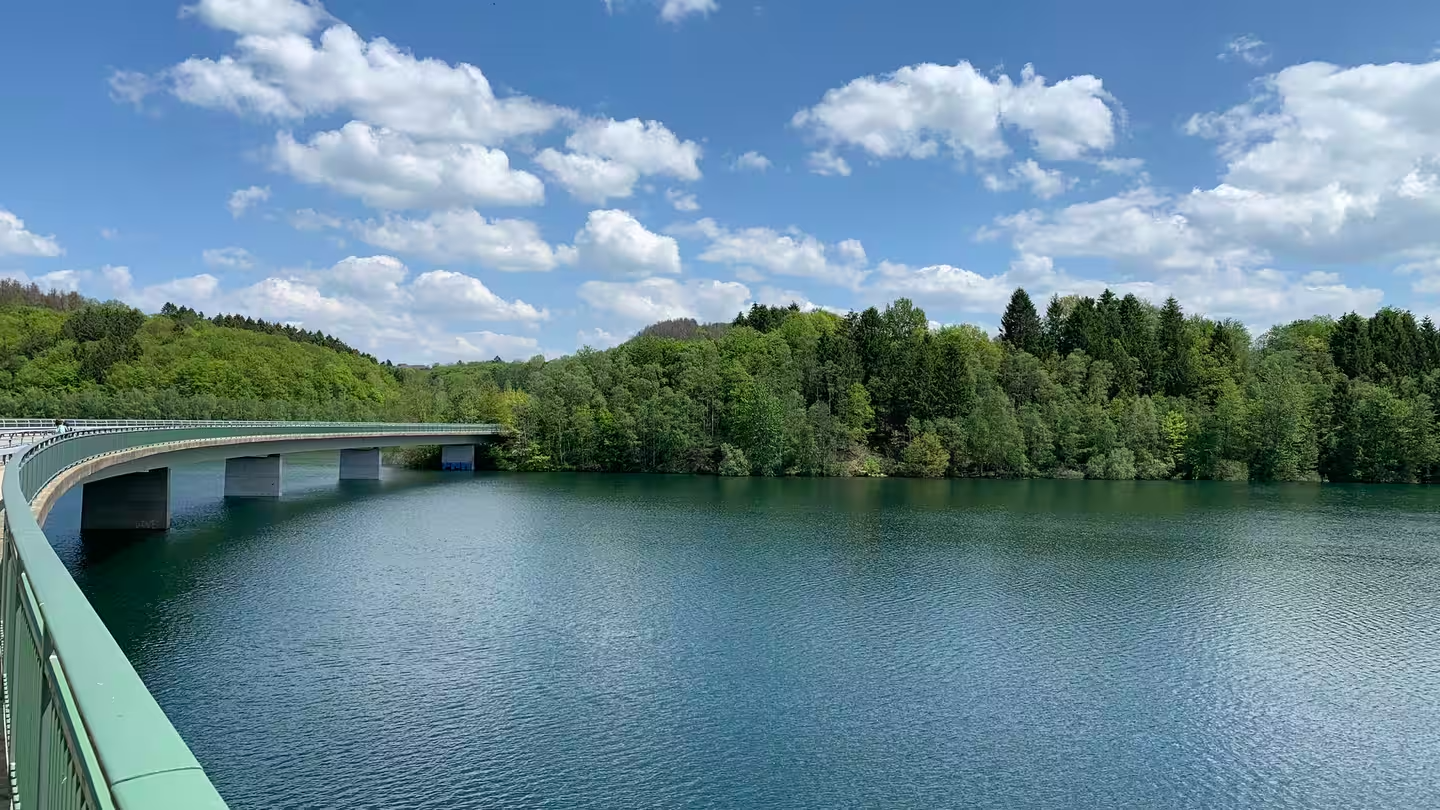
Zwischen Seeblick und Waldbaden – Mikroabenteuer in NRW
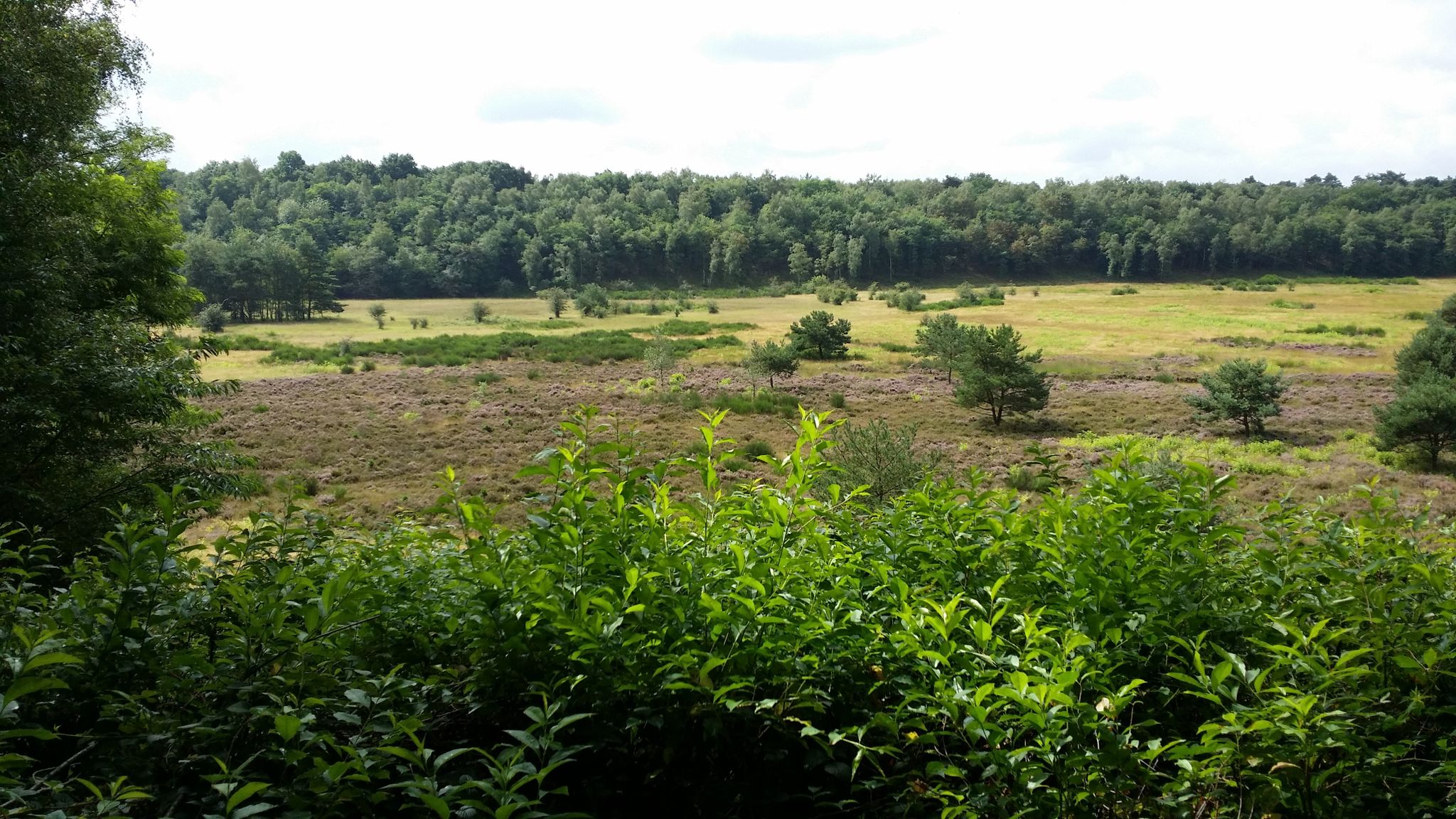
Audiotouren im DBU-Naturerbe Wahner Heide
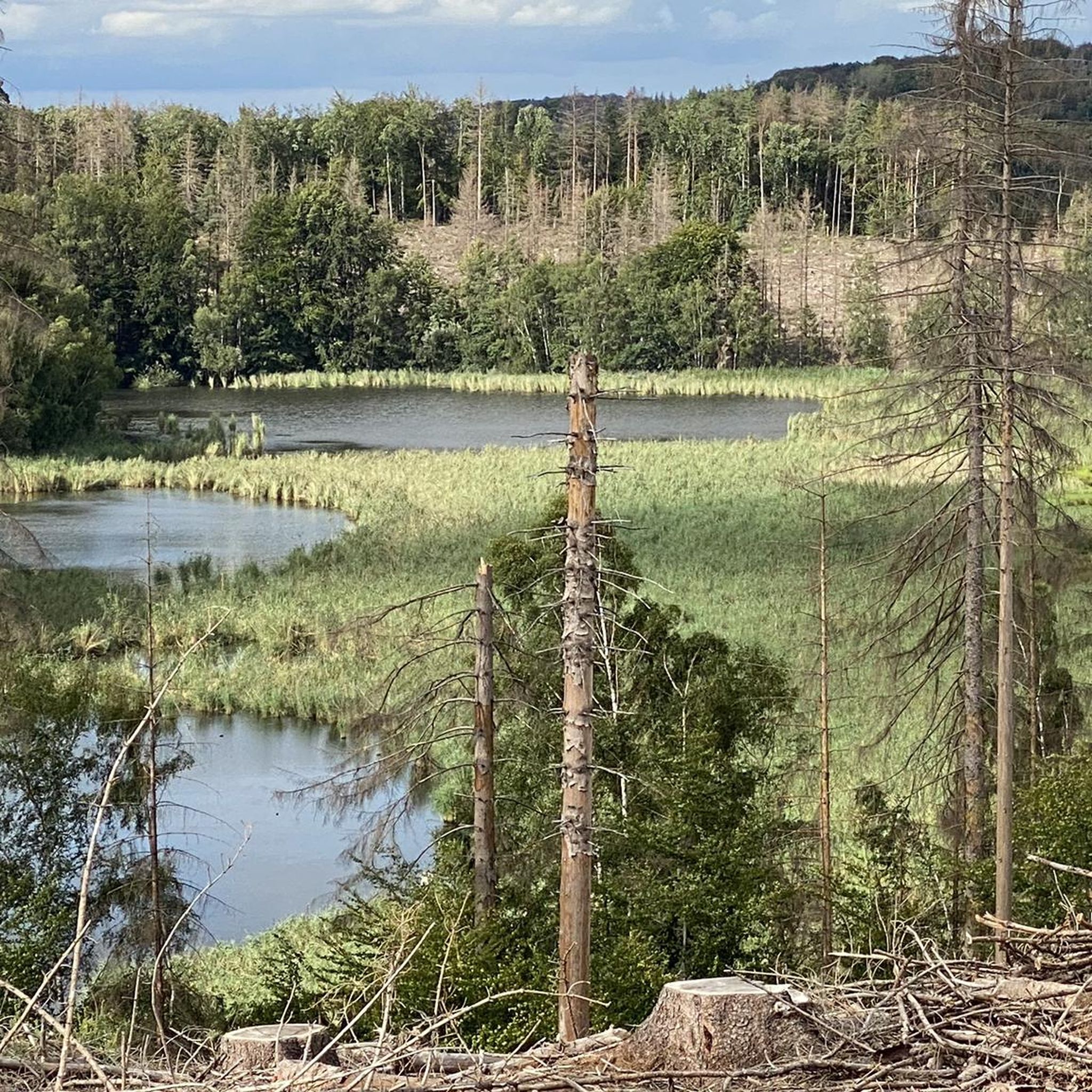
Hiking in Königsforst
Road Cycling Routes in Königsforst
MTB Trails in Königsforst
Other adventures in Königsforst


Tips from the Community

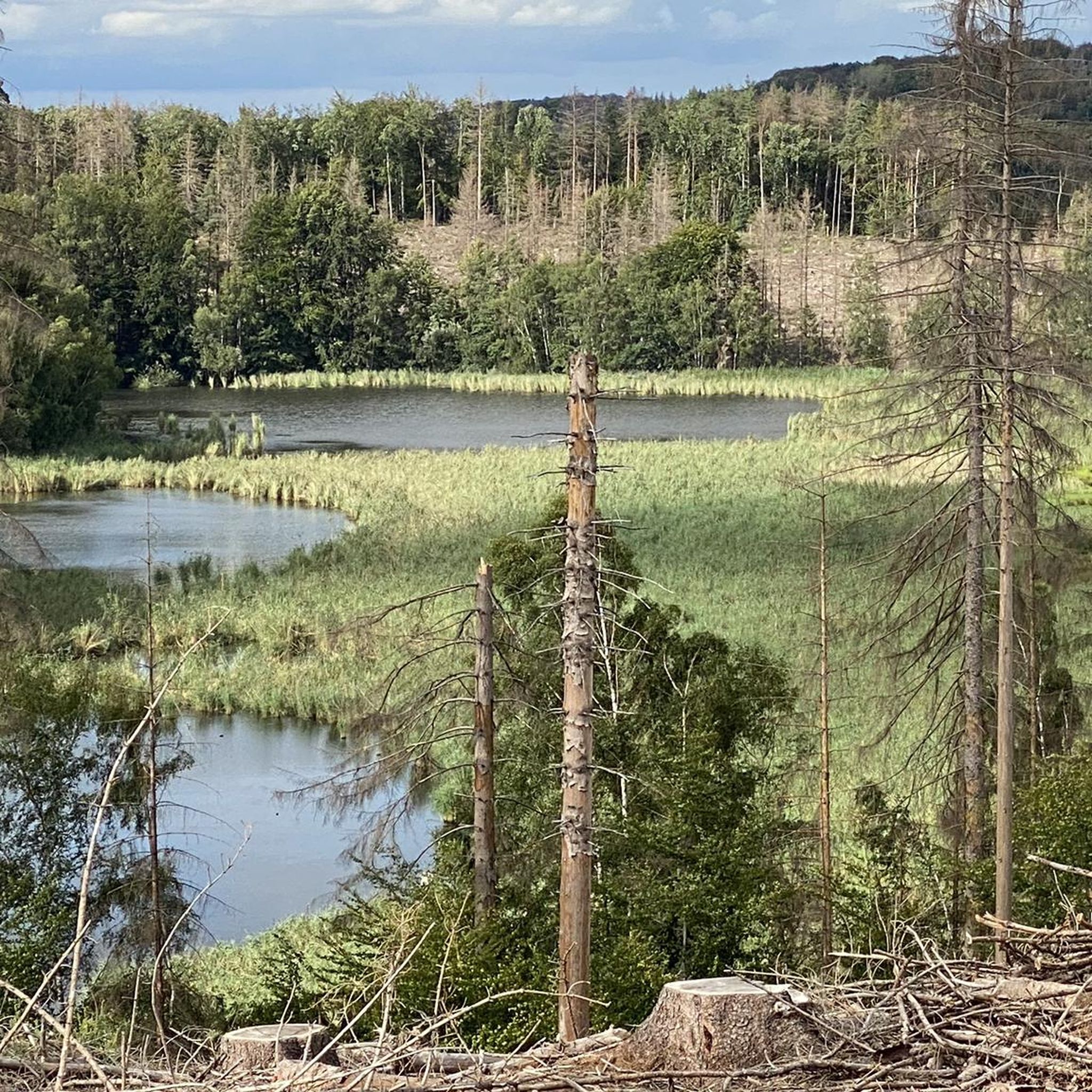
No spectacular panoramic views are to be expected on a hike through the Königsforst, but a body of water like this offers a nice little change in the forest. Especially when blue sky and white clouds are reflected on the surface.
12
0
On the way through the Königsforst, a forest area in the south of the city, which is particularly suitable as a shady hiking area in summer, depending on the route you take, you will also come to the highest point within the city of Cologne, the so-called Monte after its "discoverers". Troodelöh (Troost, Dedden & Löhmer). The fact that the forestry administration has removed the summit cross placed here can be classed as sacrilegious... a stone boulder now marks the - in itself unspectacular - measuring point.
19
0
For everyone who wants to refresh their feet at this trail spider in the Königsforst (even if it's not "real Cologne water" ...)
17
0

A very beautiful forest with idyllic places to linger.
13
0

There are also benches to sit down
11
1
This seating area has been standing there a little longer
11
1
nice opportunity to cool off your feet
17
0

The Königsforst offers a lot of well-marked hiking trails that are easy to walk from young to old. In addition to information boards, Wikipedia also has a lot of information about life in and with the forest on the subject of the royal forest. But the use of the forest from a military point of view is also very well described here and by historical societies. Naturally, there are also educational forest trails, etc. There is plenty of material for themed hikes.
15
0
Frequently Asked Questions
What are some family-friendly attractions in Königsforst?
Königsforst offers several family-friendly options. You can visit the Wildgehege Brück (Wildlife enclosure Brück) to observe native wild animals like red deer and wild boars. The Kneipp Pool in Königsforst is also a popular spot for families, featuring a well-maintained water-treading basin with picnic areas nearby. Exploring the forest trails, such as the Königsforst Forest Trail, is also a great activity for all ages.
What natural features and scenic spots can I explore in Königsforst?
Königsforst is known for its diverse natural environment, including extensive oak-beech forests, remnants of moorland, numerous springs, and natural stream courses. You can visit Mount Troodelöh — Cologne's Highest Point for a unique summit experience, or enjoy the tranquility of the Shelter at the Rather Weiher, a small pond perfect for a break.
Are there any historical sites or landmarks in Königsforst?
Yes, Königsforst has a rich history. You can find ancient burial mounds (Hügelgräber) dating back to the Iron Age, particularly east of Rath-Heumar. There's also a disused section of the Sülztalbahn railway, now repurposed as a scenic path, offering a glimpse into the region's past. The forest itself was historically a "Bannwald" belonging to Frankish kings, and traces of 18th and 19th-century mining activities can still be found.
What outdoor activities can I do near the attractions in Königsforst?
Königsforst is ideal for various outdoor activities. You can enjoy extensive hiking on trails like those found in the Hiking in Königsforst guide, or explore the forest by bike with routes detailed in the Cycling in Königsforst guide. The robust network of paths is also suitable for running and horseback riding.
Where is the highest point in Cologne located?
The highest point within Cologne's city limits is Mount Troodelöh — Cologne's Highest Point, situated in Königsforst. It stands at 118 meters above sea level and features a summit stone and a summit book for visitors.
Can I observe wildlife in Königsforst?
Yes, Königsforst offers opportunities for wildlife observation. The Wildgehege Brück (Wildlife enclosure Brück) allows visitors, especially families, to see native wild animals such as red deer and wild boars in a natural setting.
What is the terrain like for hiking and cycling in Königsforst?
Königsforst features a robust network of paths suitable for hiking and cycling. While not known for dramatic elevation changes, the terrain is generally moderate, offering many small and large paths through extensive oak-beech forests. Some areas may have remnants of moorland and natural stream courses.
Are there any unique wellness or relaxation spots in Königsforst?
Yes, the Kneipp Pool in Königsforst is a unique spot for wellness and relaxation. This well-maintained water-treading basin, located on the city boundary, is believed to possess healing properties and offers picnic areas and a refuge nearby for a peaceful break.
Where can I find information about the ecology and significance of Königsforst?
You can visit the Infoportal Wahner Heide/Königsforst at Steinhaus. This information portal features an interactive exhibition that educates visitors about the ecological importance and significance of the Königsforst nature reserve, which is recognized as a nature reserve, bird sanctuary, and Flora-Fauna-Habitat.
Are there places to eat or get refreshments in Königsforst?
Yes, the Schmitzebud is a well-known and frequently visited snack bar located at the western edge of Königsforst, popular among visitors looking for refreshments after exploring the forest.
What makes Königsforst a significant natural area?
Königsforst is recognized as the "green lung" of Cologne and holds protected status as a nature reserve, bird sanctuary, and Flora-Fauna-Habitat. It boasts a diverse natural environment, including extensive oak-beech forests, remnants of moorland, numerous springs, and natural stream courses, making it a vital ecological area.
Most popular routes in Königsforst
Most popular attractions in Königsforst

Get inspired with the komoot mobile app


Explore more
Still not found the Highlight you’re looking for? See guides of the top attractions in other regions:
