Top 14 Castles around Olbernhau
Best castles around Olbernhau offer a journey through the region's rich history in the German state of Saxony. The area is characterized by its scenic landscapes, including the Flöha Valley, and historic settlements. These sites provide insights into medieval life, regional folklore, and architectural evolution. Visitors can explore various historical structures, from well-preserved castles to ancient ruins, set within the natural beauty of the Ore Mountains.
Best castles around Olbernhau
- The most popular castles is Purschenstein Castle, a castle…
Last updated: May 9, 2026
Purschenstein Castle
Highlight • Castle
Translated by Google •
Tip by

Rauenstein Castle
Highlight • Castle
Translated by Google •
Tip by

Sign up now to discover places like this
Get recommendations on the best single tracks, peaks, & plenty of other exciting outdoor places.
Sign up for free
Niederlauterstein Castle Ruins
Highlight • Castle
Translated by Google •
Tip by

Niederforchheim Manor
Highlight • Castle
Translated by Google •
Tip by

Jezeří Castle
Highlight • Castle
Translated by Google •
Tip by

Sign up for free to discover even more castles around Olbernhau.
Sign up for free
Already have an account?
Start today with a free account
Your next adventure awaits.
Login or Signup
Popular around Olbernhau
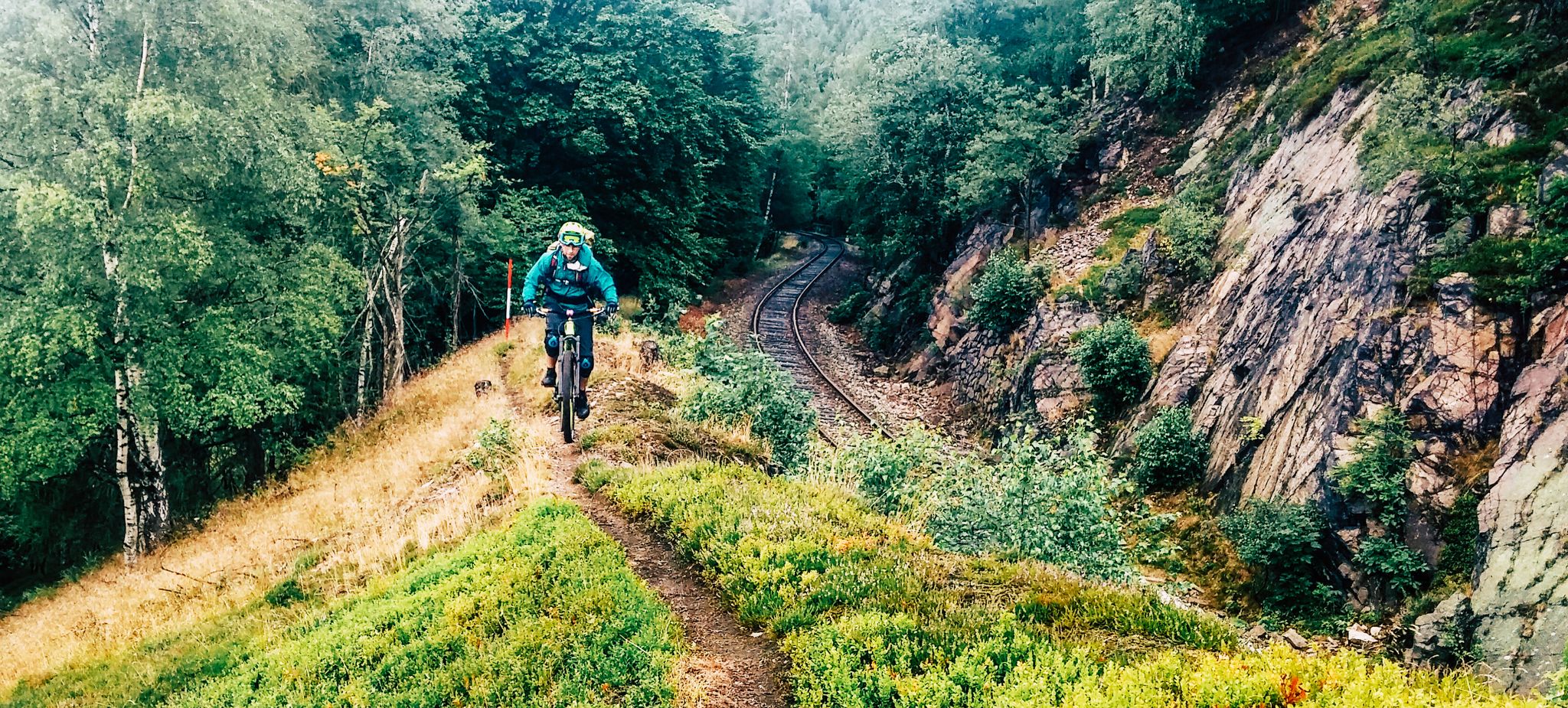
Kammweg Erzgebirge – Border adventure along the Ridgeway
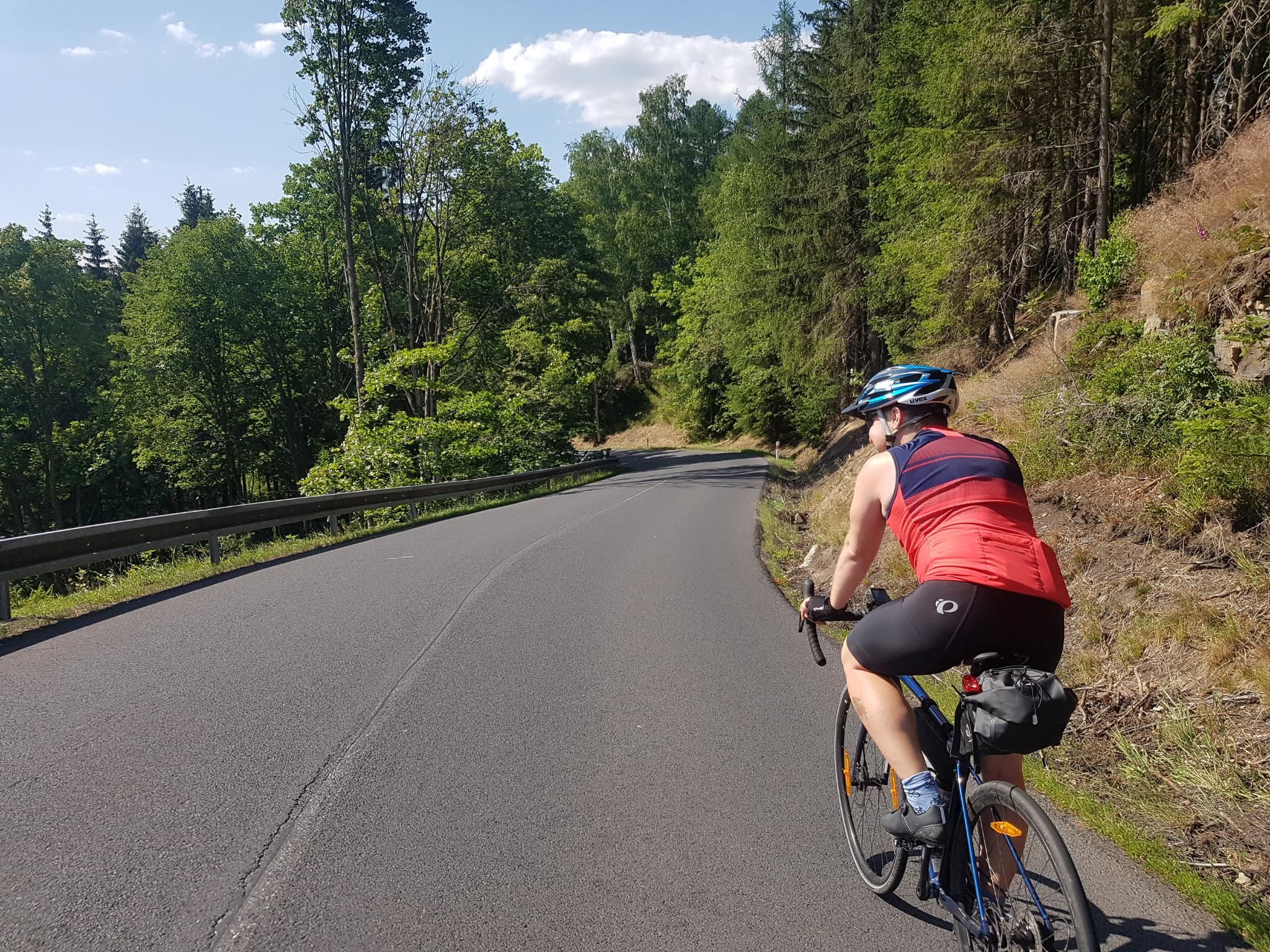
3 days in the countryside – Easter Ore Mountains and Eger Valley by road bike
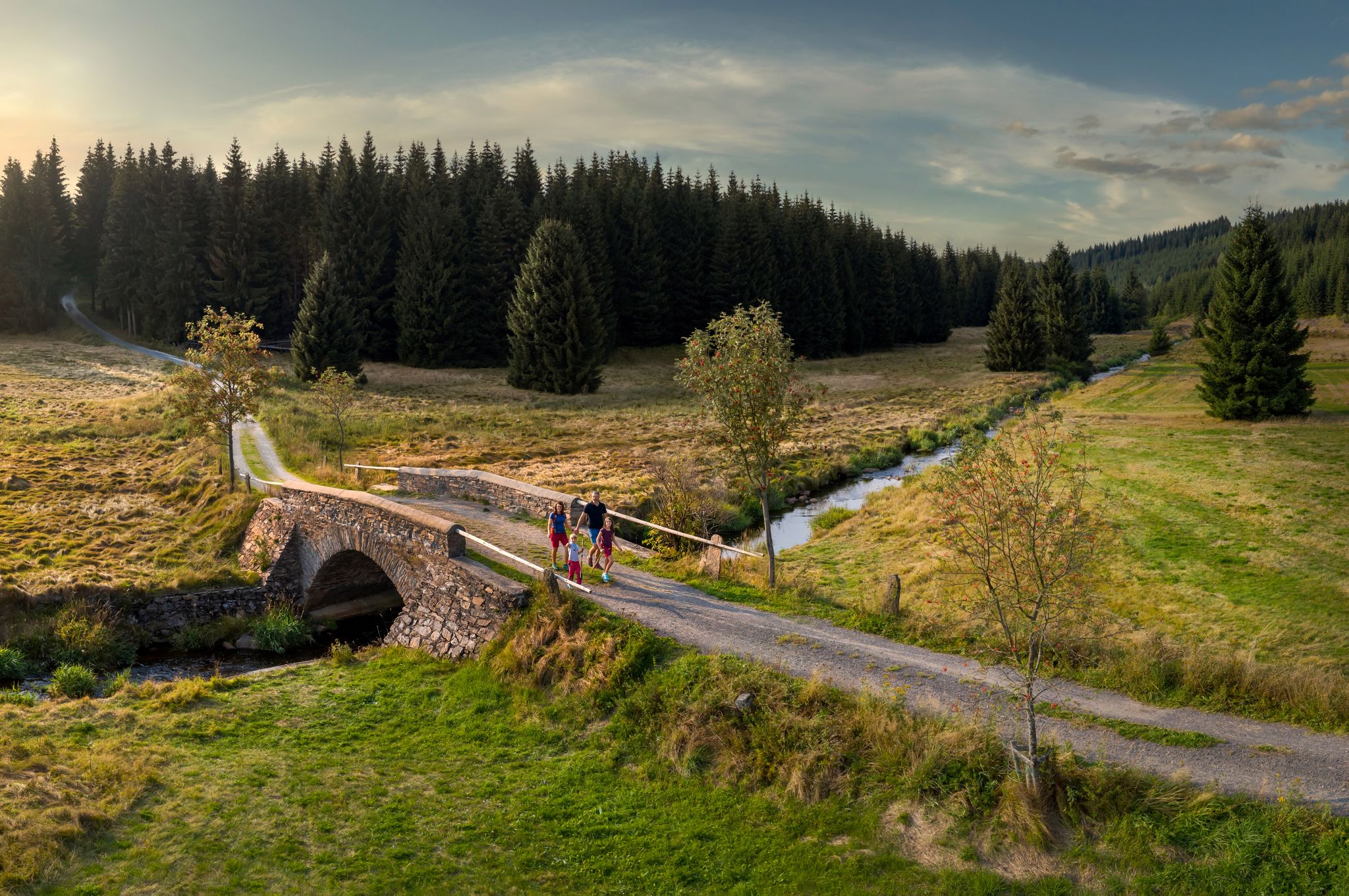
‘Good luck’ in the hiking paradise of the Ore Mountains
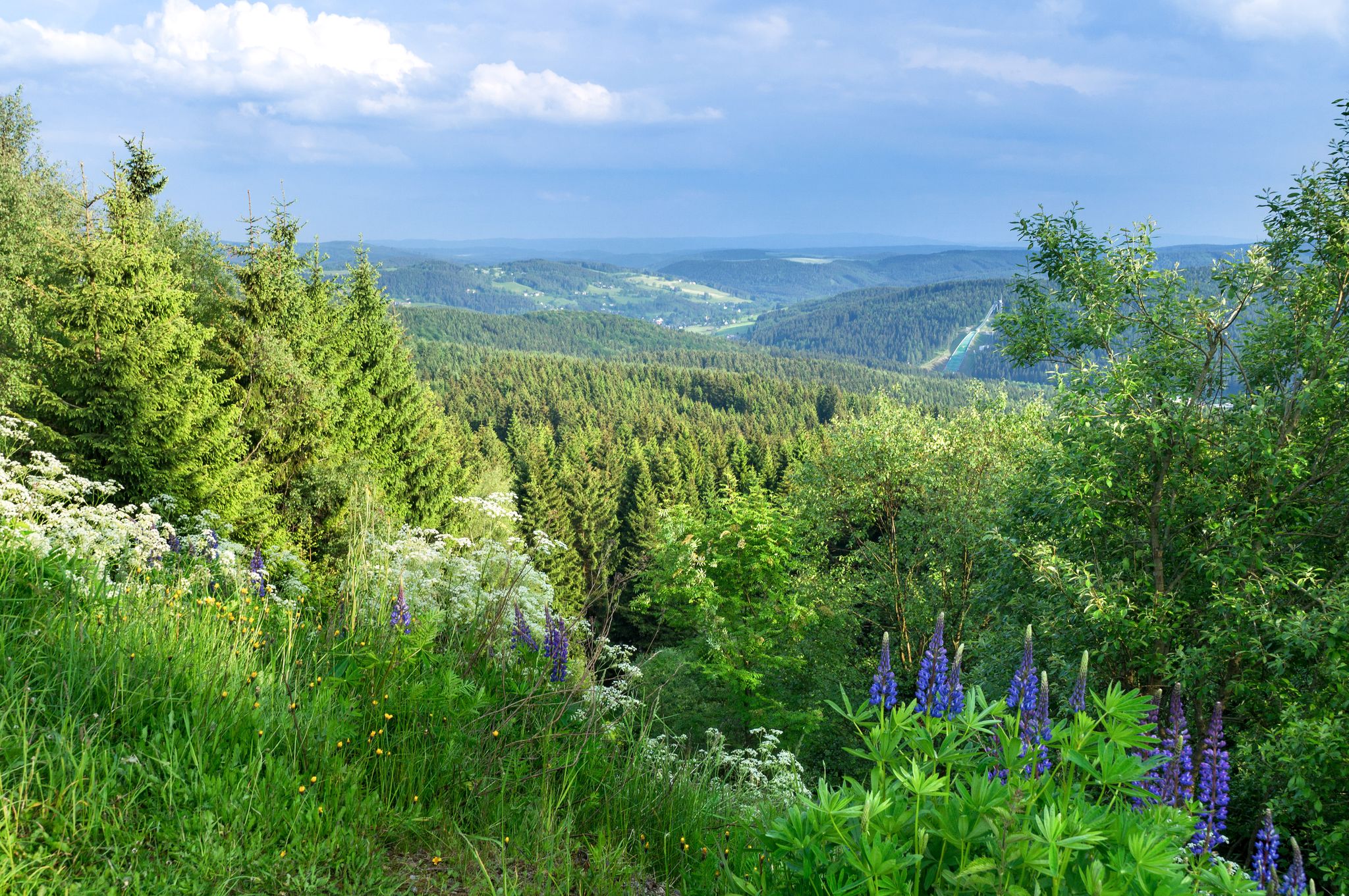
History meets nature – Erzgebirge-Vogtland Ridge Trail
Erzgebirge: On the tracks of the Stoneman-Miriquidi
Wandertouren - Für kleine Wanderfreunde
Wandertouren - Gipfelglück
BLOCKLINE – Dein Bike-Abenteuer im Erzgebirge
Hiking around Olbernhau
MTB Trails around Olbernhau
Other adventures around Olbernhau


Tips from the Community


Forchheim Castle was built in 1558 for Christoph von Berbisdorf. The city of Chemnitz acquired the castle in 1912, as it did with other manors and properties in the area. It needed large areas to build the Saidenbach Dam. Construction was delayed until well after the end of the First World War. The castle was used by the forestry administration and as a children's convalescent home. It later served as the hunting lodge of the notorious Martin Mutschmann. From 1953, Niederforchheim Castle was used as a kindergarten. The outbuildings were demolished in the 1970s. The kindergarten moved out in 1999. The previous year, the castle was purchased privately. Since then, the castle has been renovated and surrounded by a high wall. Source:https://sachsens-schloesser.de/pockau-lengefeld-schloss-forchheim/
0
0

The location, appearance and the fact that the road leads through a tunnel in the rock below the castle never cease to fascinate.
2
0

The castle is now located about 0.5 km away, directly above a huge brown coal opencast mine. It is a listed building and is externally accessible to the public. The interior can be visited on special dates. Source: https://de.wikipedia.org/wiki/Schloss_Jeze%C5%99%C3%AD
1
0

It's fascinating, this castle on a hillside, even if it's in dire need of renovation! It is open once a year, in this 2023 it was September 30th - October 1st, it was not possible to find out when it would be next year.
1
0

The Lauterstein, like the other castles in the area, the Neidberg, the Liebenstein and the nameless complex at Nonnenfelsen, were local bases for the expansion of the country in the 12th and 13th centuries. Century, which was carried here by the Reich Ministerials of the Pleißenland. The colonizers of the area around Zöblitz/Niederlauterstein were the Lords of Erdmannsdorf, whose relative Werner built Neidberg Castle on the Pockau (on the Lion's Head Rock) in the 12th century. In the 13th century, probably before the middle of the century, the area was included in the imperial rule of Schellenberg. Source: display board
13
0

The stone castle complex was the center of power and served to protect the medieval trade and pass road from Leipzig over the Ore Mountains to Prague. Archaeological investigations in the 1970s proved that it was created in the second half of the 12th century. It was first mentioned in a document in 1304. After the Schellenberg feud and the loss of power by the lords of Schellenberg (today Augustusburg), Margrave Frederick the Freed of Meissen enfeoffed the Burgrave Albrecht von Altenburg and Otto von Leisnig with Lauterstein Castle and the town of Zcobelin (Zöblitz). At that time the lords of Schellenberg were in charge of the castle.
6
0

The Jezeří Castle is one of the most important symbols of the Ore Mountains. The originally medieval castle, the first mention of which dates back to 1363, was rebuilt into a Renaissance chateau in 1549, which was acquired by the Lobkowicz family. The castle experienced two fires, after which it was rebuilt in its current form. The end of the 18th and beginning of the 19th century marked the peak of the building and cultural history of the castle. From 1820 the palace theater was also open. Many important visitors came here, for example J. W. von Goethe. During World War II the castle was administered by the Nazis. Other events were no longer particularly favorable for the castle. After the war, the castle became state property. It was occupied by the army for some time, which is a major contributor to its current poor condition. You can only get into the castle for paid tours... it's best to inform yourself beforehand
1
0
Frequently Asked Questions
What historical castles can I visit in the Olbernhau region?
The Olbernhau region offers a variety of historical castles. Notable sites include Purschenstein Castle, one of Saxony's oldest, and Rauenstein Castle, situated above the Flöha river. You can also explore the dramatic history of Jezeří Castle, or the medieval Scharfenstein Castle, known for its regional folklore and museums.
Are there any castles with museums or special exhibitions?
Yes, Scharfenstein Castle houses a Christmas and Toy Museum, offering insights into regional folk art, nutcrackers, and traditional craftsmen. The former Olbernhau Manor, located in the town center, has been converted into the Museum Olbernhau, showcasing the town's history.
Which castles offer a glimpse into medieval life?
Scharfenstein Castle is an excellent choice for experiencing medieval life. It features an outdoor medieval village with wooden huts, a knight's course, and a fire pit, where adventure days for families are held from spring to autumn. Its authentic architecture also showcases life from the medieval 'primal castles'.
Can I stay overnight in a castle near Olbernhau?
Yes, Purschenstein Castle in Neuhausen has been transformed into a 4-star castle hotel. While the interior is primarily for guests, the outdoor areas are accessible to the public, and it also features the exclusive 'Remise' restaurant.
Are there any castle ruins to explore in the area?
Yes, the Niederlauterstein Castle Ruins are a significant historical site. This medieval hilltop castle has been a ruin since the Thirty Years' War, offering a fascinating place for exploration and a glimpse into the region's past.
What is the history behind Jezeří Castle?
Jezeří Castle has a dramatic history, dating back to 1363. It was once owned by Kunz von Kauffungen, known for kidnapping Saxon princes, and later became a Baroque palace. Despite being destroyed during the Thirty Years' War and facing threats from brown coal mining, it was saved by a citizens' initiative and is now publicly accessible externally, with interior viewings on special dates.
Which castles are suitable for families with children?
Scharfenstein Castle is ideal for families, offering a Christmas and Toy Museum, interactive exhibitions, and a medieval village with adventure days. Niederforchheim Manor also serves as an entrance to a nature trail, providing outdoor activities for families.
Are there hiking or walking trails around the castles?
Yes, the region around Olbernhau offers numerous hiking and walking opportunities. For example, you can find routes like the 'Lauterstein Castle Ruins – Saigerhütte Olbernhau-Grünthal loop' which is a moderate MTB trail, or various easy hikes around Olbernhau. You can explore more options on the Easy hikes around Olbernhau guide.
What outdoor activities can I do near the castles?
Beyond castle visits, the area provides excellent opportunities for outdoor activities. You can find various MTB Trails around Olbernhau, including routes near reservoirs. There are also Running Trails around Olbernhau and Easy hikes around Olbernhau, many of which pass by or offer views of historical sites.
Are there castles with good viewpoints?
Yes, Rauenstein Castle is known for its location above the Flöha river, offering scenic views. The Niederlauterstein Castle Ruins also provide a viewpoint over the surrounding landscape.
What is the best time of year to visit the castles in the Erzgebirge?
The castles in the Erzgebirge can be visited year-round. Spring and autumn offer pleasant weather for exploring the outdoor areas and surrounding nature. Summer is ideal for family adventure days at places like Scharfenstein. Even in winter, the region's castles, especially those with indoor museums, provide a cozy historical experience.
Are any castles in the region wheelchair accessible?
Due to their historical nature, many castles in the region may have limited wheelchair accessibility, especially within older structures or ruins. However, the outdoor areas of Purschenstein Castle, which operates as a hotel, are generally accessible. It's advisable to check specific accessibility details directly with each castle before your visit.
Can I bring my dog to the castle ruins?
Generally, castle ruins like Niederlauterstein Castle Ruins are more accommodating for dogs in their outdoor areas, often requiring them to be on a leash. For other castles, especially those with museums or operating as hotels, it's best to verify their specific pet policies beforehand.
How long should I plan for a visit to a castle like Scharfenstein?
For a comprehensive visit to Scharfenstein Castle, including its Christmas and Toy Museum, interactive exhibitions, and the medieval village, you should plan for at least 2-3 hours. If you participate in special events or adventure days, your visit could extend for half a day or more.
Most popular routes around Olbernhau
Most popular attractions around Olbernhau

Get inspired with the komoot mobile app


Explore more
Looking for the best castles somewhere else? Discover other guides around Olbernhau:
