The best cycling routes around Glücksburg
4.6
(1947)
9,868
riders
107
rides
Touring cycling routes around Glücksburg offer diverse landscapes, from the Baltic Sea coast to inland forests and lakes. The region features a well-developed network of cycling paths, including routes along the Flensburg Fjord and through the Holnis nature reserve. Cyclists can explore rolling hills, dense woodlands like the Glücksburg Forest, and serene lakes. This varied terrain provides options for different preferences and skill levels.
Best touring cycling routes around Glücksburg
- The most popular touring cycling route is Holnis Beach – Holnis Peninsula loop from Glücksburg, a 12.2 miles (19.6 km) easy trail that takes 1 hour 12 minutes to complete. This route offers views of the Baltic Sea and the unique dune landscapes of the Holnis Peninsula.
- Another top favourite among local touring cyclists is Schausende Lighthouse – View of Glücksburg Castle loop from Halbinsel Holnis, an easy 10.7 miles (17.2 km) path. This route provides scenic vistas of Glücksburg Castle and the surrounding coastal areas.
- Local touring cyclists also love the View of Glücksburg Castle – Langballigau Harbour loop from Schloss Glücksburg, a 42.4 miles (68.2 km) trail leading through the Flensburg Fjord area, often completed in about 4 hours 20 minutes.
- Touring cycling around Glücksburg is defined by coastal paths along the Baltic Sea, routes through extensive forests, and trails around picturesque lakes. The network offers options for different ability levels, from easy coastal rides to more challenging routes through rolling hills.
- The routes in Glücksburg are highly rated by the komoot community with an average score of 4.6 stars from more than 2,300 reviews. More than 11,000 touring cyclists have used komoot to explore Glücksburg's varied terrain.
Last updated: August 18, 2026
4.6
(628)
2,391
riders
37.2km
02:28
270m
270m
Moderate bike ride. Good fitness required. Mostly paved surfaces. Suitable for all skill levels.
4.7
(117)
609
riders
16.0km
00:58
80m
80m
Easy bike ride. Great for any fitness level. Mostly paved surfaces. Suitable for all skill levels.

Sign up for free
4.7
(55)
322
riders
23.1km
01:26
160m
160m
Moderate bike ride. Good fitness required. Mostly paved surfaces. Suitable for all skill levels.
4.4
(43)
279
riders
9.96km
00:35
50m
50m
Easy bike ride. Great for any fitness level. Mostly paved surfaces. Suitable for all skill levels.
4.9
(47)
213
riders
10.3km
00:38
40m
40m
Easy bike ride. Great for any fitness level. Mostly paved surfaces. Suitable for all skill levels.
Get access to more routes and recommendations from other explorers.
Sign up for free
Already have an account?
Our route recommendations are based on thousands of hikes, rides, and runs completed by other people on komoot.
Start today with a free account
Your next adventure awaits.
Login or Signup
Popular around Glücksburg
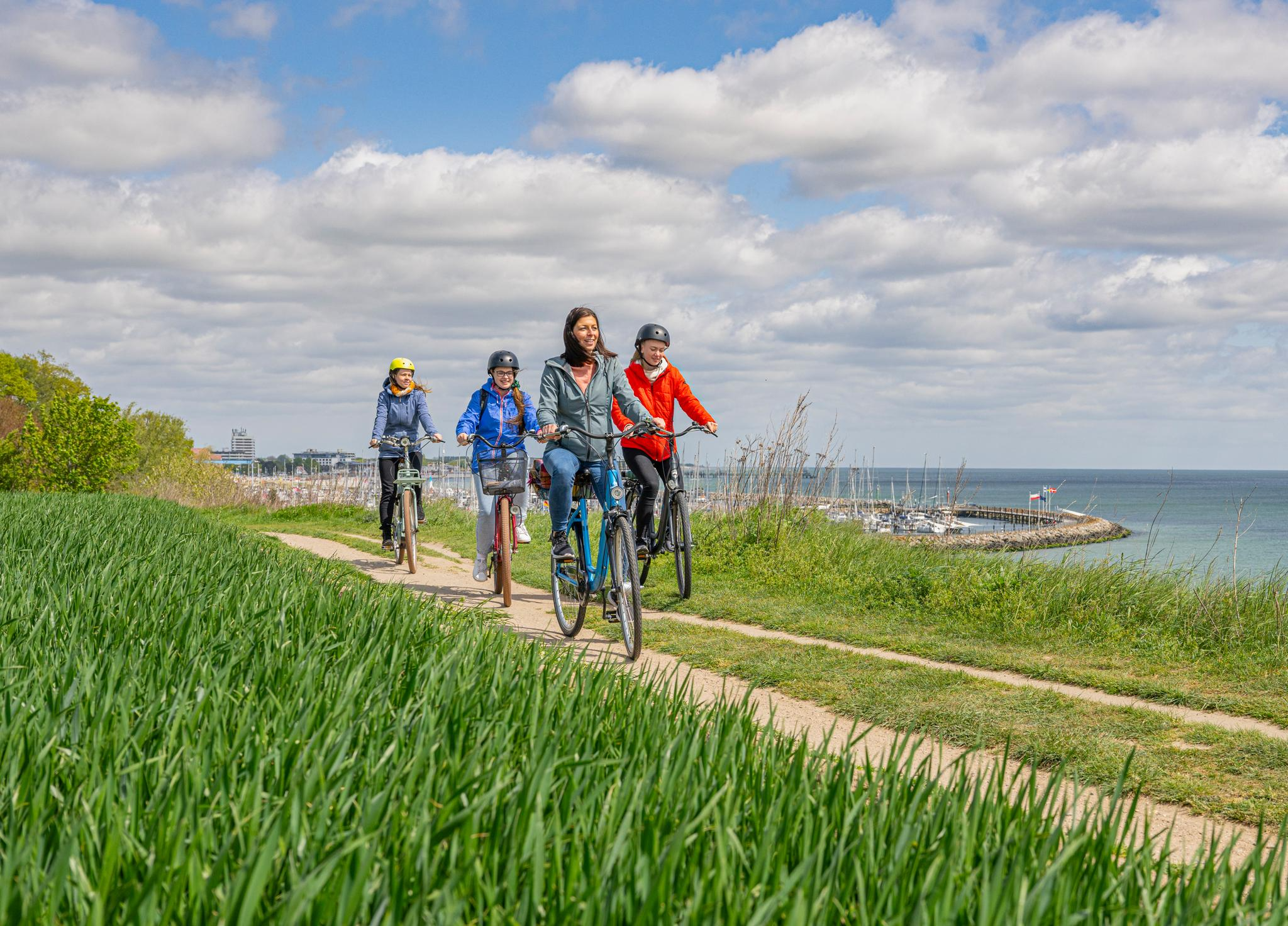
Baltic Sea Coast Cycle Route – Schleswig-Holstein's most popular long-distance cycle route
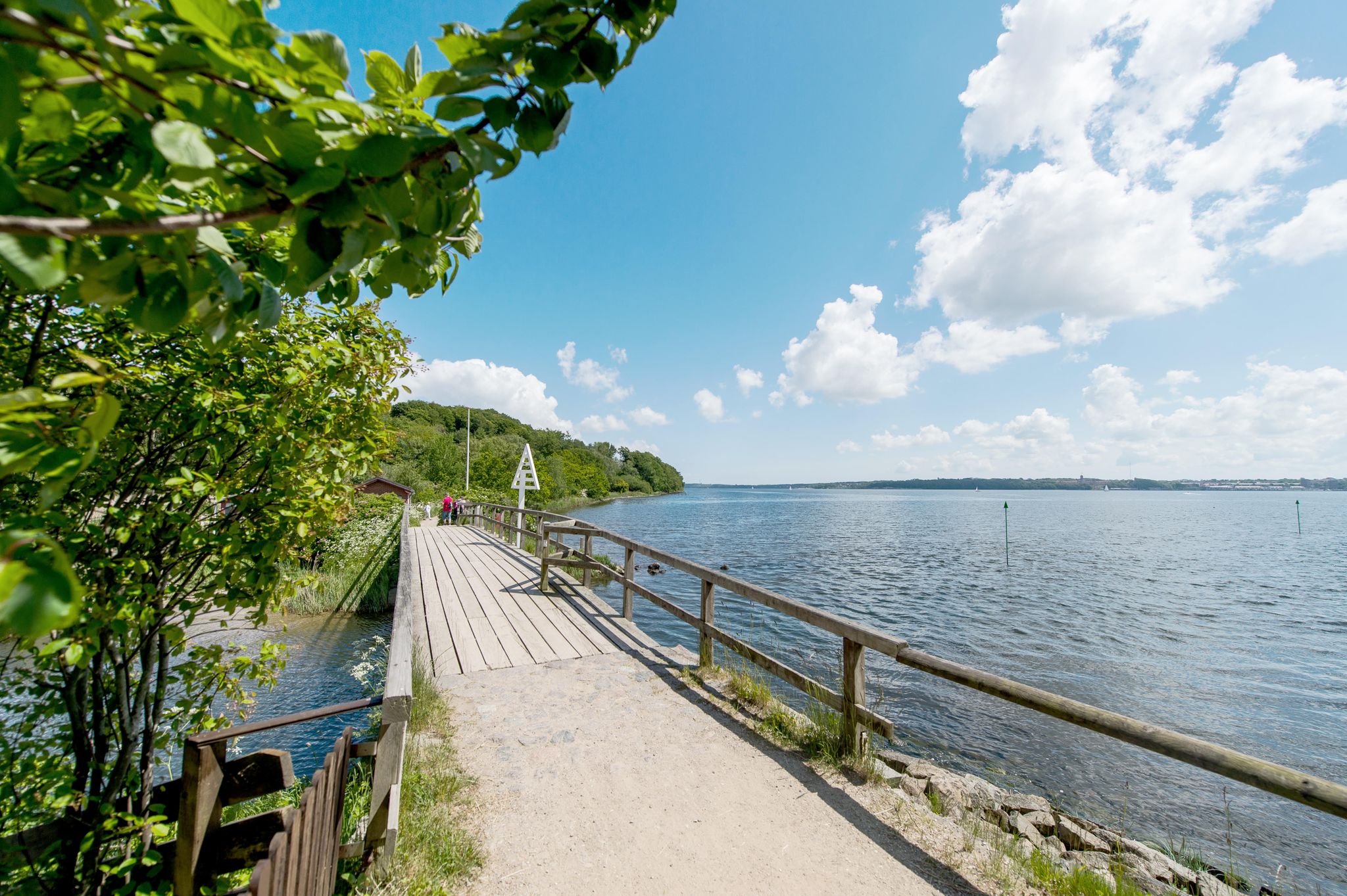
Two countries, one region – cycling Tours on the Flensburg Fjord
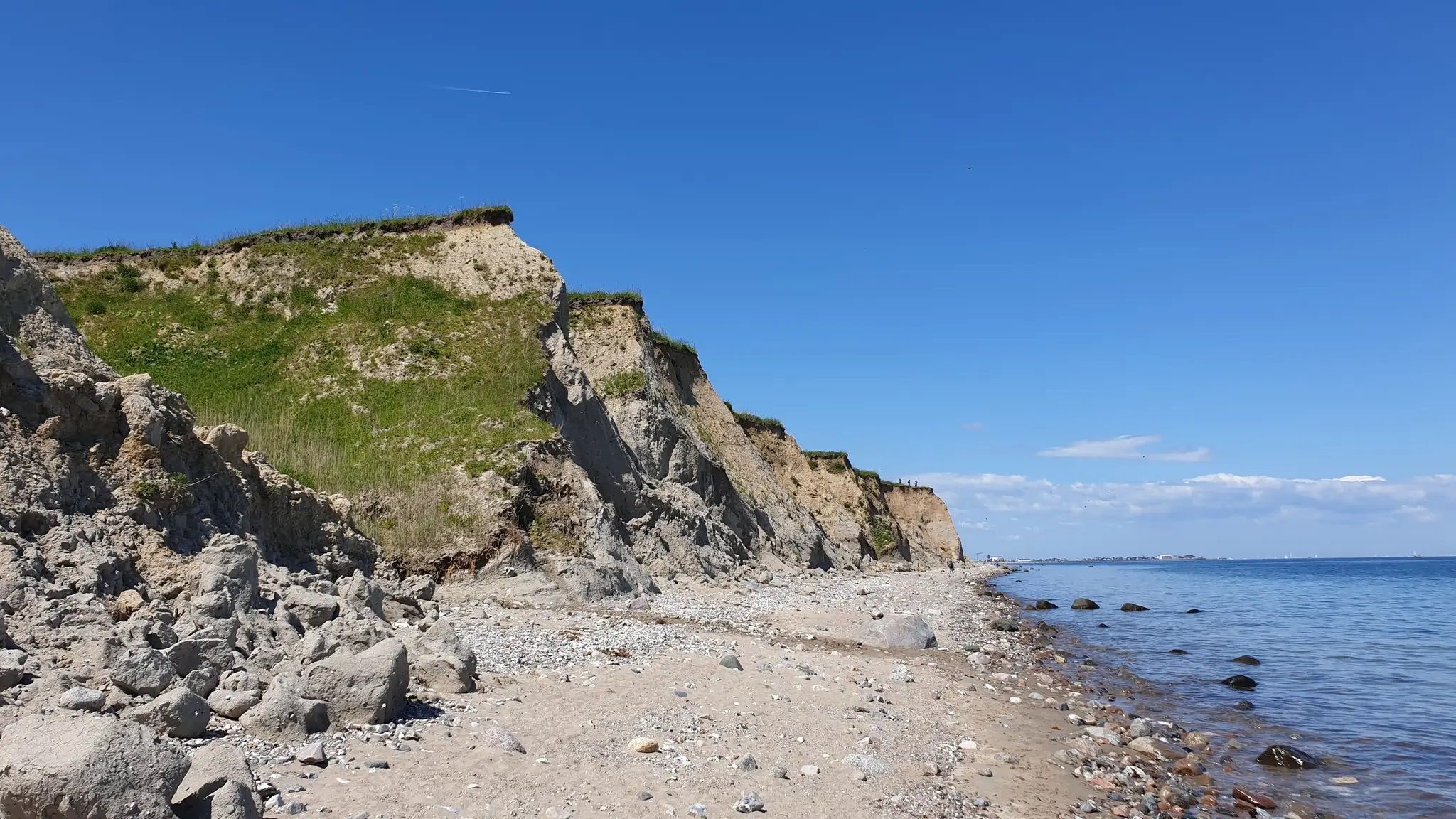
Baltic Sea – wanderlust by the coast
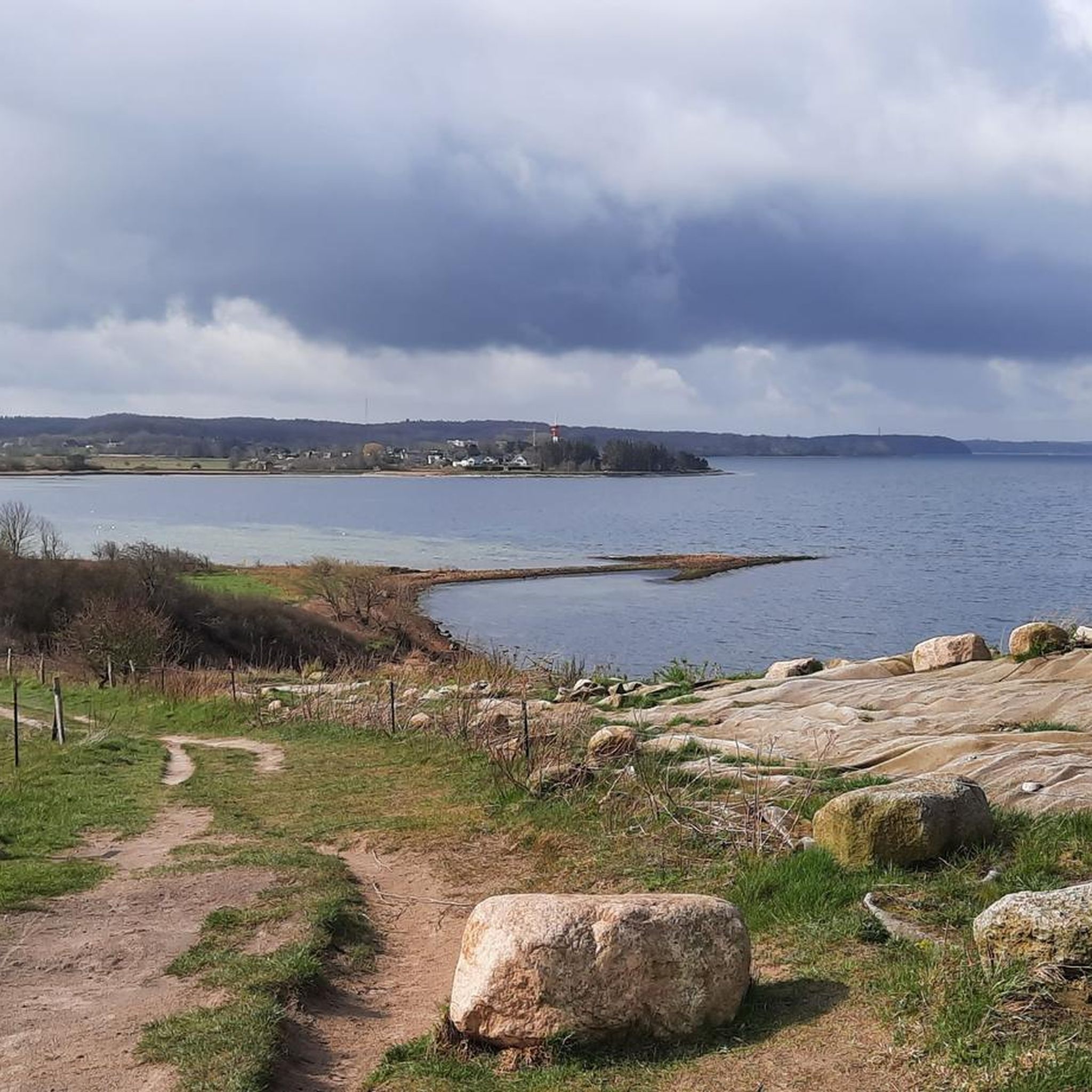
Hiking around Glücksburg
Running Trails around Glücksburg
Road Cycling Routes around Glücksburg
MTB Trails around Glücksburg

Gravel biking around Glücksburg
Other adventures around Glücksburg


Tips from the Community


Located directly on the water, you'll enjoy a magnificent view of the Flensburg Fjord and can watch sailboats, some of which depart from the nearby base of the German Offshore Sports Association HANSA (DHH). The waterfront promenade invites you to take a leisurely picnic break or visit a café before continuing on toward Glücksburg or Flensburg city center. A visit to the DHH's long-established yacht schools, where sailors from all over the world have been trained for almost 100 years, is particularly worthwhile.
1
0

Solitüde in Flensburg is a picturesque district on the eastern shore of the Flensburg Fjord in the Mürwik district, combining nature, history, and relaxation in a very special way. The name "Solitüde" comes from the French (solitude) and means "solitude" – a term that aptly describes the original atmosphere of the place when Baron Schack von Brockdorff had his secluded country estate built here in the mid-19th century. This naming was granted with royal approval and reflects the secular-romantic longing for seclusion at the time. Today, Solitüde is a popular local recreation area with a fine sandy beach, flat dunes, a bathing area with a jetty, and a protected forest garden nestled among forests and steep cliffs. In summer, the DLRG (German Lifesaving Association) ensures safety, and access is free. Historically, Solitüde came alive as a beach destination in the 1920s: After the First World War and the separation of the northern shore of the fjord by referendum, many Flensburg residents surprisingly turned to the southern shore. This marked the beginning of Solitüde's rise as a popular beach – aided by the enormous dredging of several hundred thousand cubic meters of sand between 1922 and 1923.
3
1
The Flensburg Fjord (Danish: Flensborg Fjord) is an approximately 40 to 50-kilometer-long inlet of the western Baltic Sea and forms the border between Germany (Schleswig-Holstein) and Denmark along its northern and southern sides. Geologically, it was formed by the indentation of a glacial tongue in the inland ice during the Weichselian glaciation. It is classified as a fjord rather than a fjord because its flanks are relatively low. The fjord is divided into two sections: the inner fjord toward Flensburg and the outer fjord, separated by the Holnis peninsula. At its western end, in Flensburg, it flows inland—the westernmost point of the Baltic Sea also lies along this line. Today, the region is an important sporting area, especially for sailors, and hosts major regattas such as the Flensburg Fjord Regatta and the Rum Regatta. Fjord Week, with events for classic yachts, is also part of the regular schedule. The Flensburg Fjord is also attractive for its landscape and tourism. It offers charming shorelines with beaches, steep coastlines, and moraine cliffs, nestled among gentle sandy areas. Nature and culture lovers will find a wealth of destinations along both shores: Flensburg with its historic old town and museum harbor, Glücksburg Castle, the Holnis peninsula with its protected salt marshes and lighthouses, as well as the Geltinger Birk nature reserve and the towns along the northern shore with the Gendarmenpfad (Gendarmen Trail) – a former border path along the Danish border. For centuries, the fjord has been shaped by passenger and freight traffic – historic steamers connected Flensburg with towns on both sides. Today, leisure boating, excursion boats, traditional yachts and marine activities dominate in Mürwik.
2
0
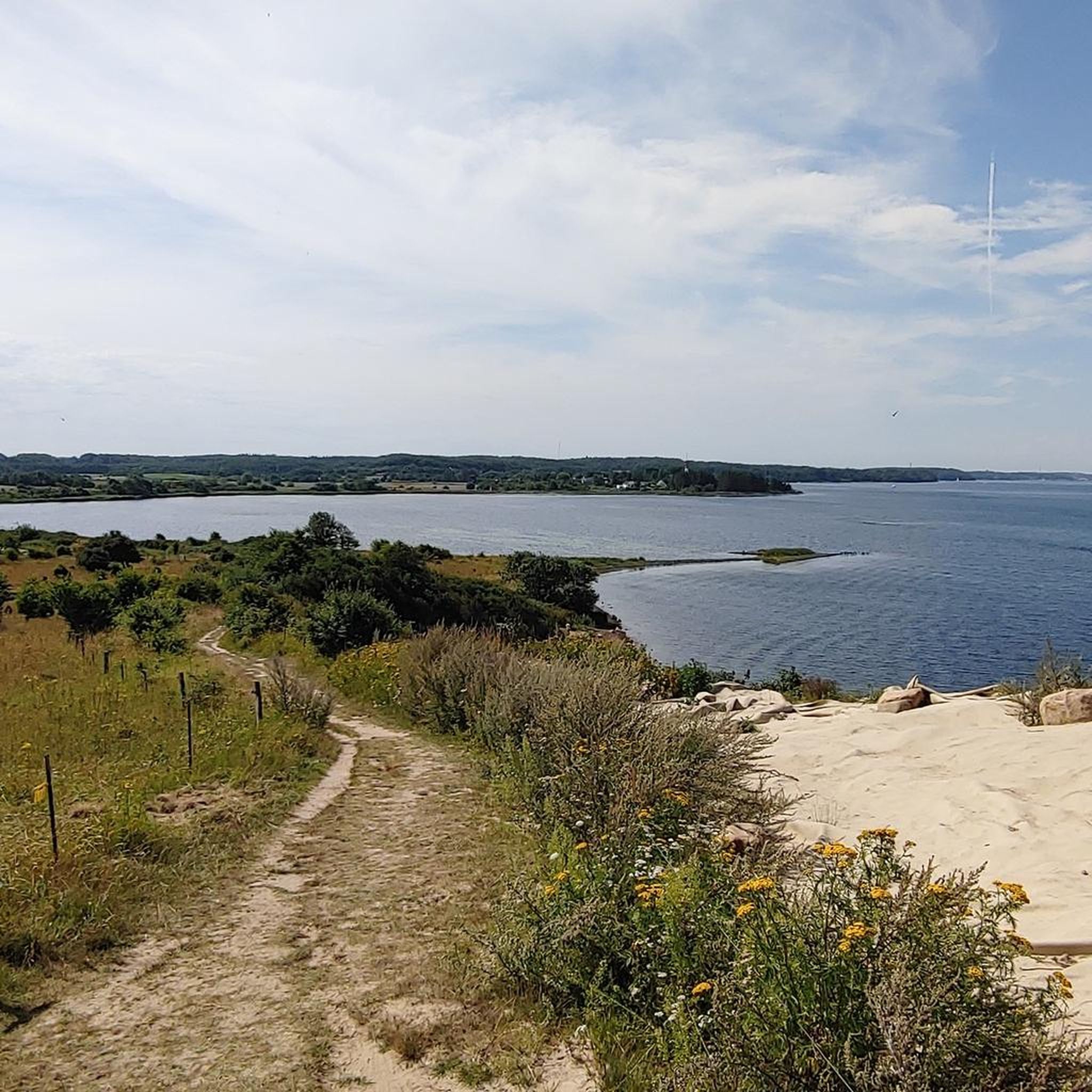
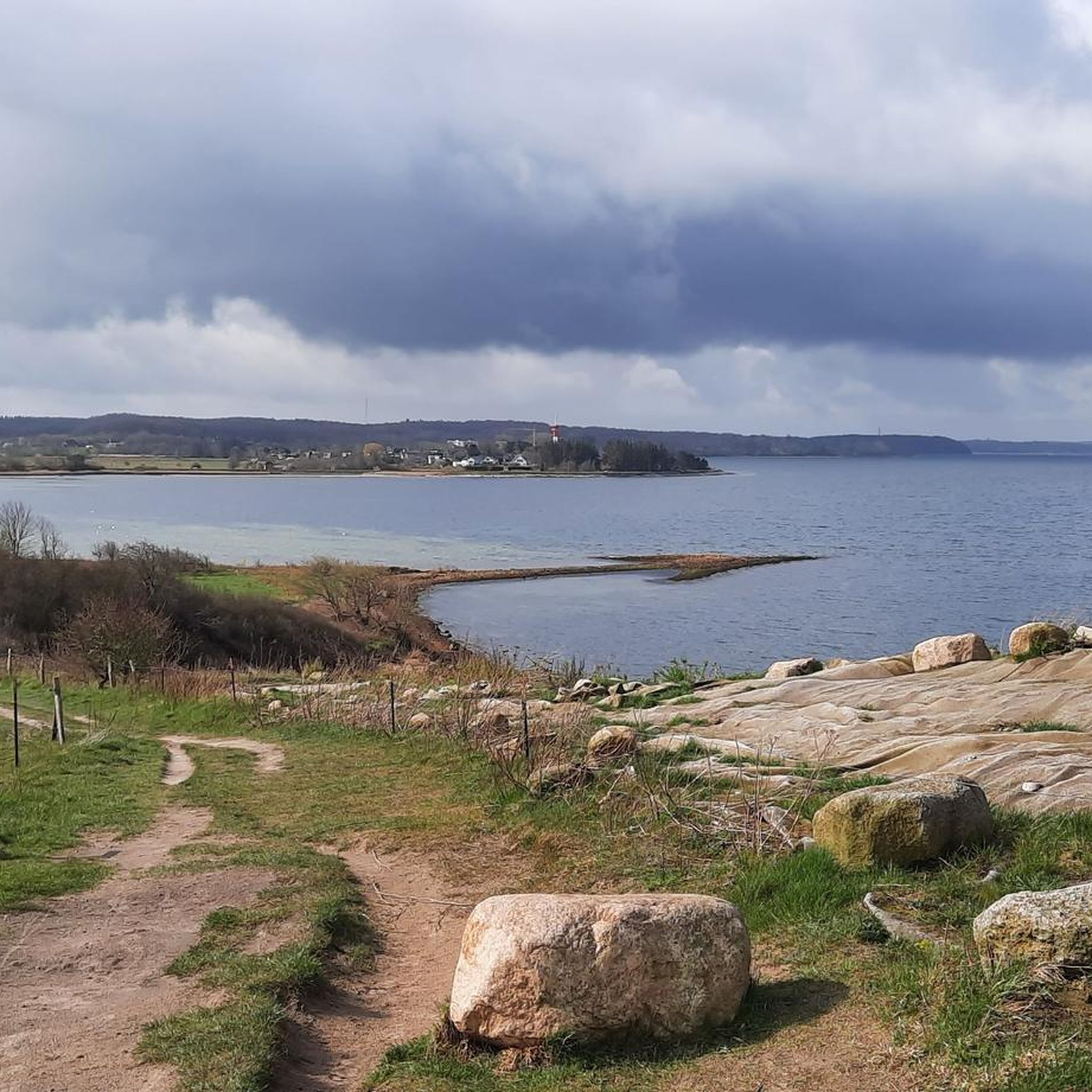
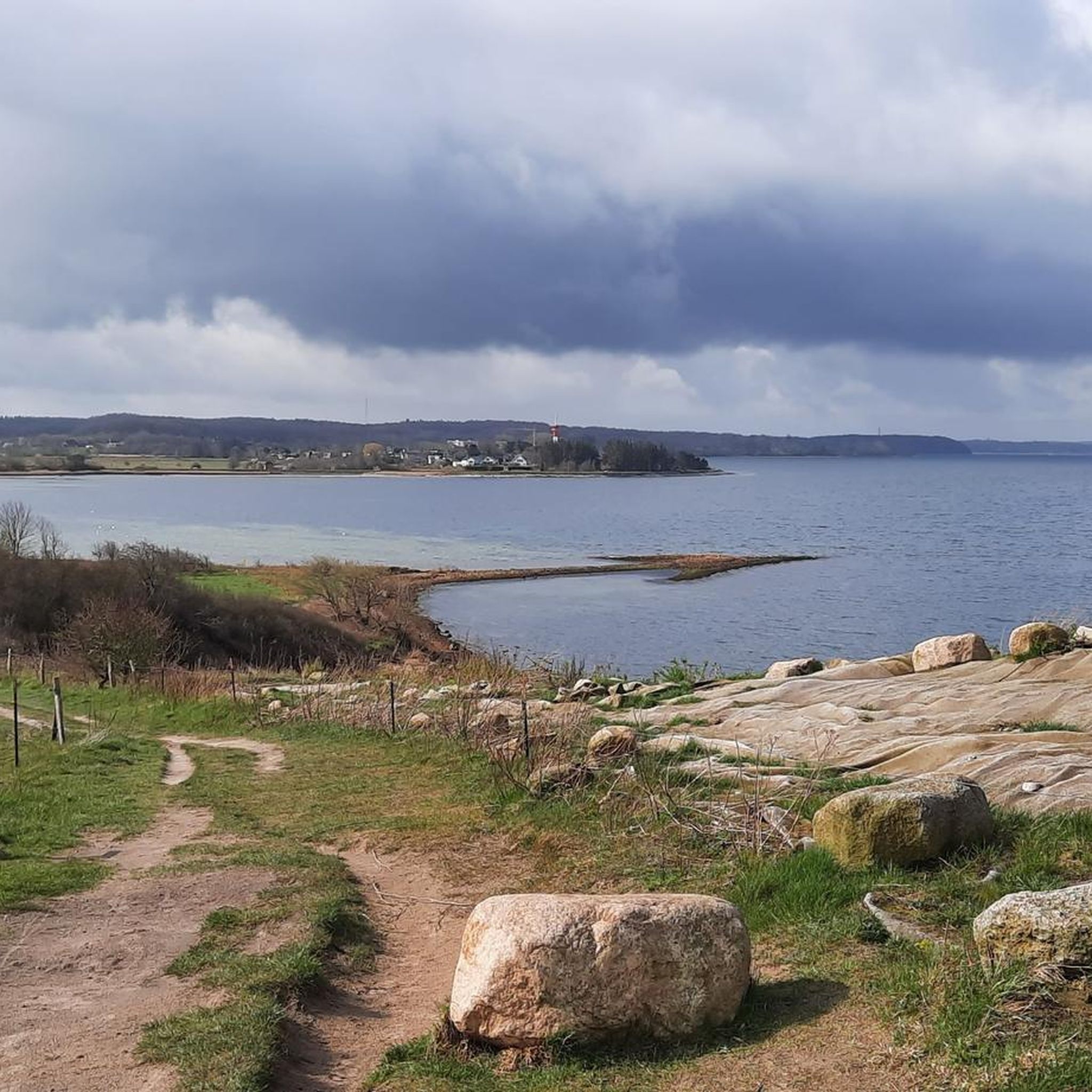
The Holnis peninsula in northeastern Schleswig-Holstein, northeast of Glücksburg and located in the Flensburg Fjord, is a diverse nature reserve of great ecological importance. Since April 30, 1993, an approximately 360-hectare section – under protection number 155 – has been protected. The landscape is characterized by impressive diversity: secluded cliffs, former coastal lakes (Großes Noor and Kleines Noor), salt marshes, spit ridges, beach ridges, and reed beds characterize the area. Some of these landscape forms were created by embankments and rewetting, such as the Kleines Noor, which has been reconnected to the fjord via a dike cut in 2002 and has developed into a valuable brackish water biotope. The peninsula is of national ornithological importance: Around 65 breeding bird species use the salt marshes and shore areas as their habitat, including shelducks, oystercatchers, lapwings, ringed plover, and terns. Numerous duck species and waders rest here in winter. In addition, the small nature station (NABU hut) not only provides information but also imparts ecosystem knowledge to visitors through weekly bird counts. The vegetation is equally fascinating: salt marsh species such as samphire, sea aster, sea plantain, and common centaury dominate the landscape, complemented by typical plants such as broad-leaved marsh orchid, marsh sow thistle, and curly dock. The cliffs are home to a colony of sand martins. The area is part of the FFH (Farmland Conservation Area) "Coastal Areas of the Flensburg Fjord from Flensburg to Geltinger Birk" and is also an EU bird sanctuary. It has been managed by NABU Schleswig-Holstein since 1993, implementing conservation measures and maintenance programs (e.g., grazing with Scottish Highland cattle), and operating a visitor information center. For those seeking recreation, Holnis offers walks along designated hiking trails—such as the approximately 5.2 km long "Noor Circular Trail"—from vantage points and information stations, where flora and fauna can be experienced in a gentle and informative manner.
2
0
The Glücksburg Fjord Promenade runs along the Sandwig spa beach to the southern marina and offers a direct view across the Flensburg Fjord to the Danish coast. It is designed as a wide, barrier-free waterfront promenade and connects the beach area with restaurants, seating areas, and beach chairs. The promenade is used by both pedestrians and cyclists and is part of several regional cycling and hiking trails. Historically, this section of the fjord was a central part of the seaside resort as early as the 19th century. Today's promenade incorporates modern design elements while retaining the traditional character of the town. A striking feature is the Sandwig pier, built in 1902, later renovated, and now used as a mooring for excursion boats. The promenade is accessible year-round and serves both as a recreational area and as a connecting route for tourism and local leisure traffic.
3
0

Holnis is a great place with a beautiful beach in the middle of nature, there are also many options for eating and doing something 👍
2
0

Lake Roikier was formed in the 13th century from a moorland cleared by monks from Glücksburg. At that time, Glücksburg housed a Cistercian monastery, and the lake was probably used by the monks for water supply and fish farming.
2
0
Frequently Asked Questions
How many touring cycling routes are available around Glücksburg?
There are over 110 touring cycling routes available around Glücksburg, offering a wide variety of experiences. These include 65 easy routes, 42 moderate routes, and a few more challenging options.
What kind of terrain can I expect on touring cycling routes in Glücksburg?
Glücksburg's touring cycling routes offer diverse terrain. You'll find invigorating paths along the Baltic Sea coast with fresh sea air, as well as routes through idyllic mixes of forests, fields, and lakes inland. Expect well-maintained cycle paths, some rolling hills, and dense woodlands like the Glücksburg Forest.
When is the best time of year for touring cycling in Glücksburg?
The ideal time for touring cycling in Glücksburg is during spring and summer. The mild temperatures and vibrant landscapes during these seasons significantly enhance the cycling experience, making it perfect for exploring the coast and hinterland.
Are there easy touring cycling routes suitable for families or beginners in Glücksburg?
Yes, Glücksburg offers many easy touring cycling routes perfect for families and beginners. For instance, the Schausende Lighthouse – Holnis Peninsula loop from Schloss Glücksburg is an easy 8.3-mile (13.4 km) path that provides scenic views without significant elevation changes.
What natural attractions can I see along the touring cycling routes in Glücksburg?
Many routes will take you past significant natural features. You can explore the breathtaking dune landscapes, cliffs, beaches, and salt marshes of the Holnis nature reserve. Other routes traverse the extensive Glücksburg Forest with its majestic oaks and beeches, and pass by picturesque lakes such as Pugumer See and Westerwerker See.
Are there any historical landmarks or points of interest to visit while cycling in Glücksburg?
Absolutely. A prominent landmark is the iconic Glücksburg Moated Castle, a 16th-century fortress that is a popular stop on many routes. You might also encounter the King's Oak at Glücksburg Castle or the Friedrichstal Hunting Lodge.
What do other touring cyclists enjoy most about cycling in Glücksburg?
The touring cycling routes in Glücksburg are highly rated by the komoot community, with an average score of 4.6 stars from over 2,300 reviews. Cyclists often praise the diverse landscapes, from the refreshing Baltic Sea coast to the tranquil inland forests and lakes, as well as the well-maintained paths and the variety of routes suitable for all skill levels.
Are there any circular touring cycling routes in Glücksburg?
Yes, many touring cycling routes in Glücksburg are designed as loops, allowing you to start and end at the same point. An example is the Holnis Lighthouse – Langballigau Harbour loop from Glücksburg, a moderate 20.5-mile (32.9 km) route offering coastal views and a journey through the region.
Can I find cafes or places to rest along the cycling routes?
Yes, the region has various spots where you can take a break. For example, you might find places like Ben's Fischhütte, which is listed as a highlight, or other local cafes and restaurants, especially in towns and villages along the routes. The well-developed network often passes through areas with amenities.
Are there any long-distance touring cycling routes that pass through Glücksburg?
Glücksburg is integrated into several notable long-distance cycling routes. These include sections of the Baltic Sea Coast Cycle Route (D-Route 2), the international Flensburg Fjord Route connecting Germany and Denmark, and the historic Ochsenweg (Ox path), offering extensive touring opportunities.
Where can I park my car when starting a touring cycling route in Glücksburg?
Parking is generally available at common starting points for routes, particularly near popular attractions like Glücksburg Castle or in the vicinity of the Holnis Peninsula. Specific parking information can often be found on individual route descriptions or local tourist information.
Are there any routes that offer views of Glücksburg Castle?
Yes, several routes provide excellent views of Glücksburg Castle. The Schausende Lighthouse – View of Glücksburg Castle loop from Halbinsel Holnis is a popular easy route that specifically highlights scenic vistas of the castle and the surrounding coastal areas.
Most popular routes around Glücksburg
Most popular attractions around Glücksburg

Get inspired with the komoot mobile app


Explore more
Browse the best Cycling routes in other regions.
