Attractions and Places To See around Geisenheim - Top 20
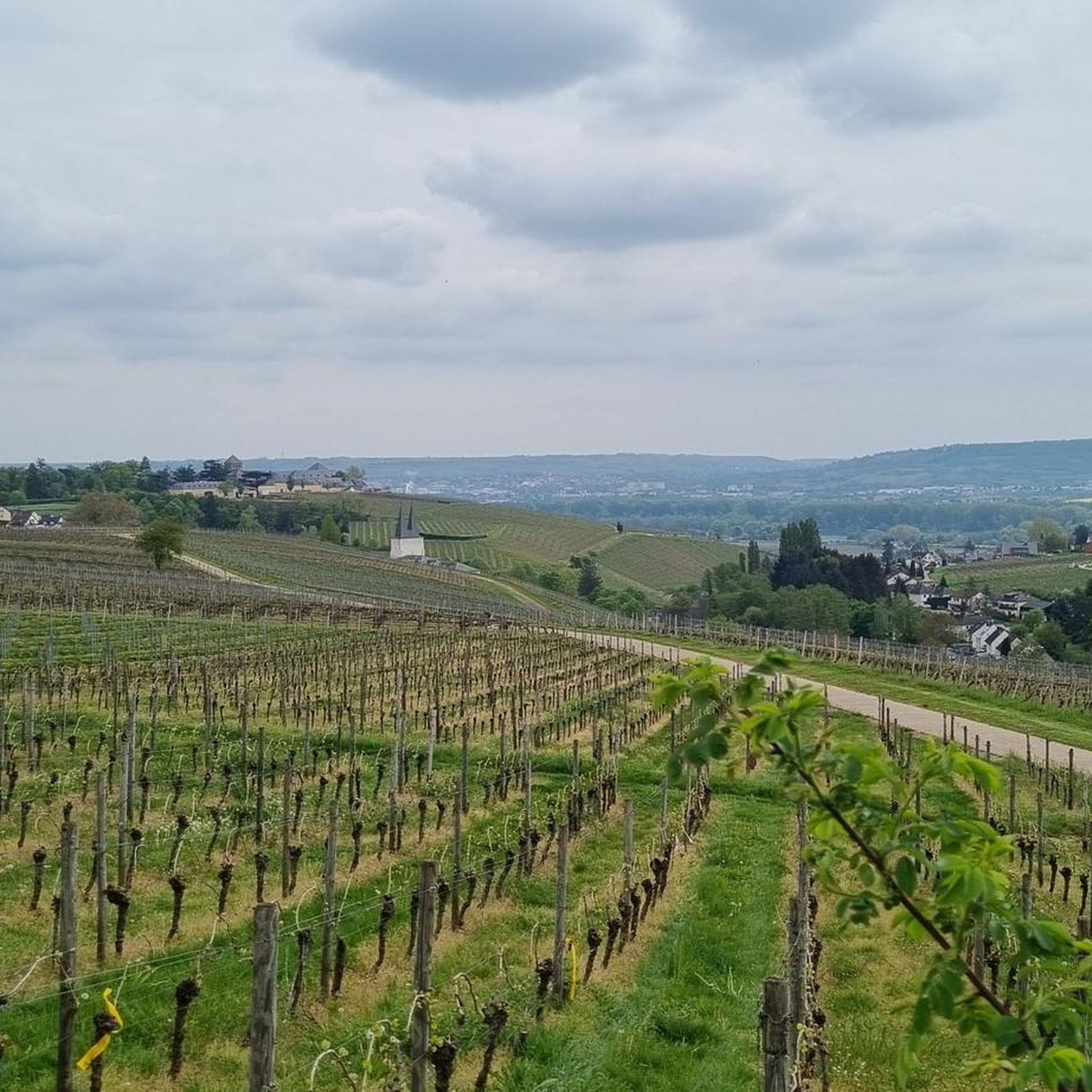
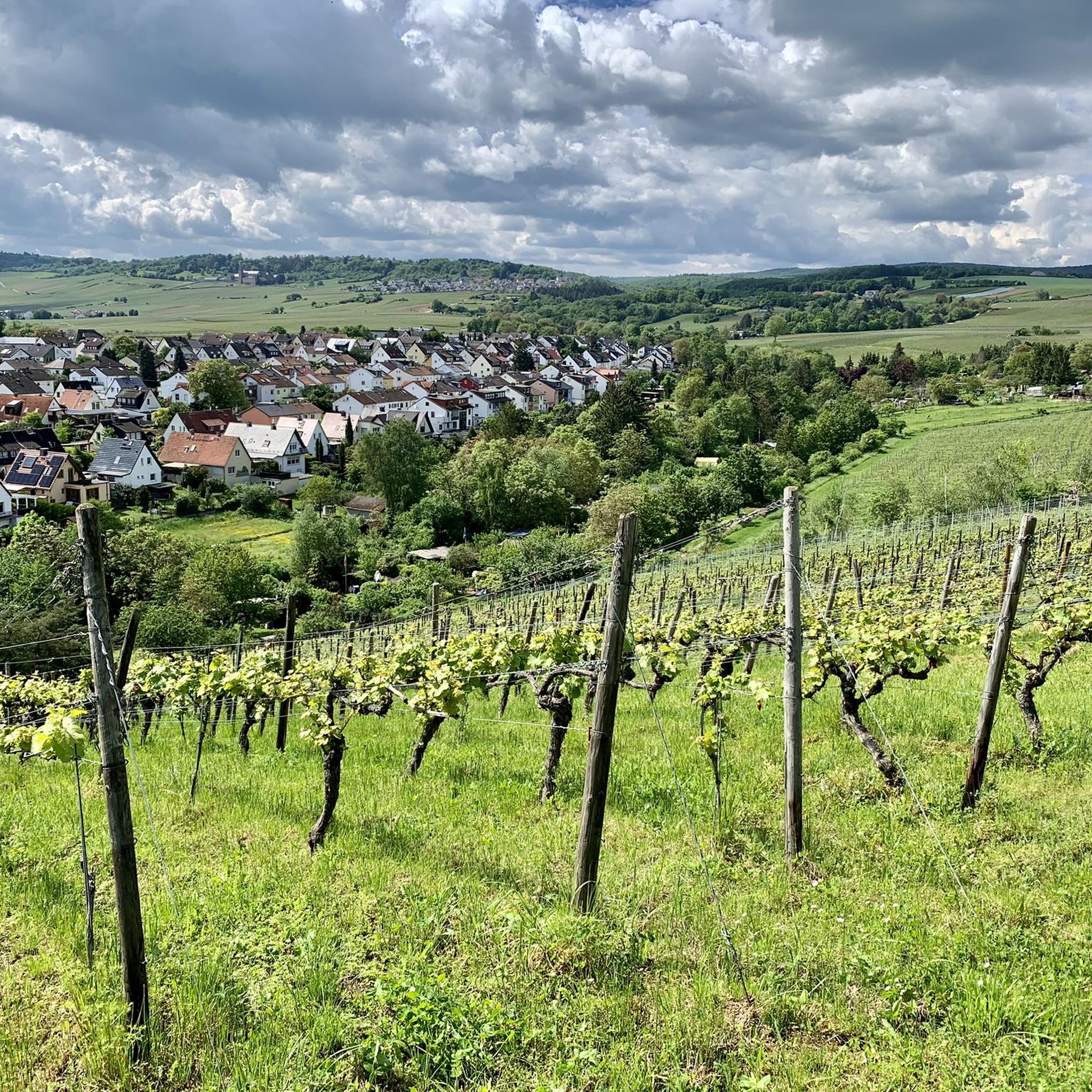
Best attractions and places to see around Geisenheim are found in the Rheingau region of Germany, situated directly on the Rhine River. This area is characterized by extensive vineyards, historical sites, and natural features. Geisenheim offers a blend of cultural heritage and picturesque landscapes, making it a destination for exploring both history and nature.
Best attractions and places to see around Geisenheim
- The most popular attractions is Niederwald monument, a viewpoint that commemorates the unification of Germany in 1871. It offers expansive views of the Rheingau and the Rhine River.
- Another must-see spot is Steckeschlääferklamm — Tree Spirits (Baumgeister) Trail, a gorge featuring over 60 carved forest spirits along the Hasselbach. Visitors can discover witches, goblins, and elves carved into trees throughout the trail.
- Visitors also love Eberbach Abbey, a religious building and one of the most important monasteries in Europe. It is also the largest winery in Germany, offering tours, wine tastings, and concerts.
- Geisenheim is known for its historical sites, natural features like vineyards and the Rhine River, and cultural attractions. The region offers a variety of places to see and explore, from ancient monasteries to scenic viewpoints.
- The attractions around Geisenheim are appreciated by the komoot community, with over 5000 upvotes and more than 4000 photos shared.
Last updated: September 25, 2026
Niederwald monument
Highlight • Viewpoint
Translated by Google •
Tip by

Kreuzbach Suspension Bridge
Highlight • Bridge
Translated by Google •
Tip by

Sign up now to discover places like this
Get recommendations on the best single tracks, peaks, & plenty of other exciting outdoor places.
Steckeschlääferklamm — Tree Spirits (Baumgeister) Trail
Highlight (Segment) • Gorge
Translated by Google •
Tip by

Eberbach Abbey
Highlight • Religious Site
More information can be found here: kloster-eberbach.de/de.
Showing Translation
Tip by

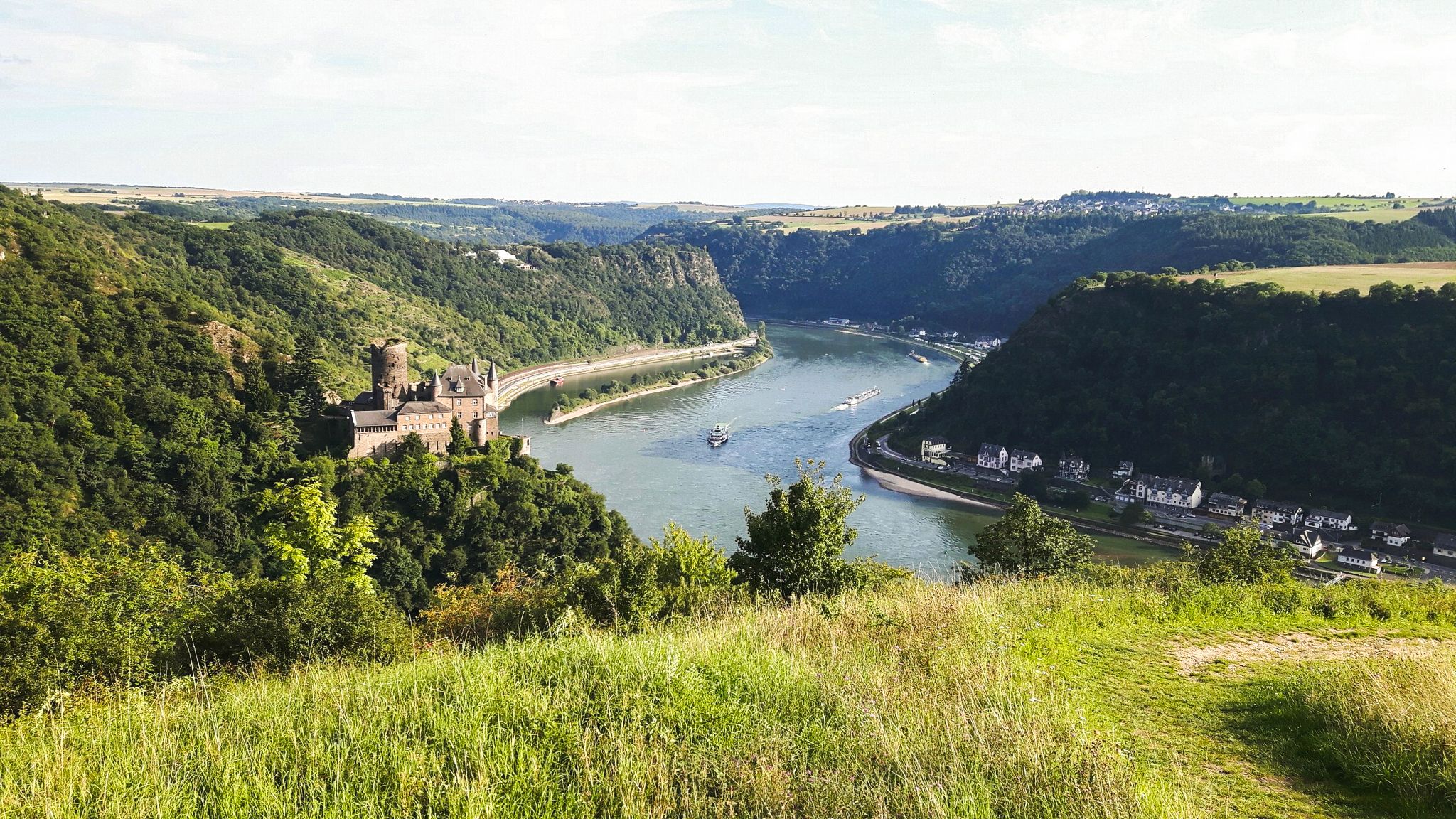
View of Burg Reichenstein
Highlight • Castle
Translated by Google •
Tip by

Sign up for free to discover even more attractions around Geisenheim.
Already have an account?
Start today with a free account
Your next adventure awaits.
Popular around Geisenheim
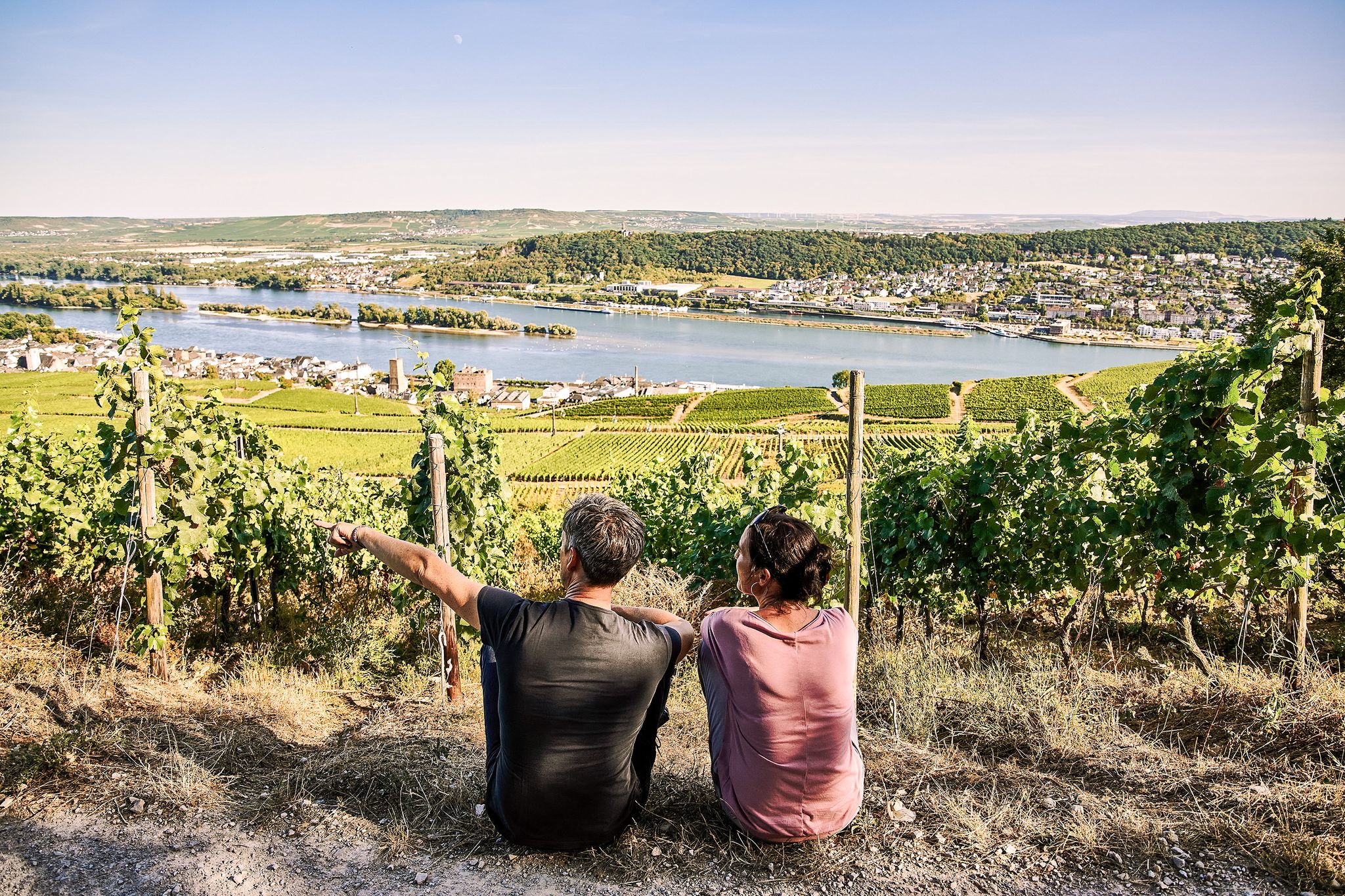
Rheinsteig Trail – The 21 stages along the Rhine
Riesling Loops – 14 routes rich in wine and history
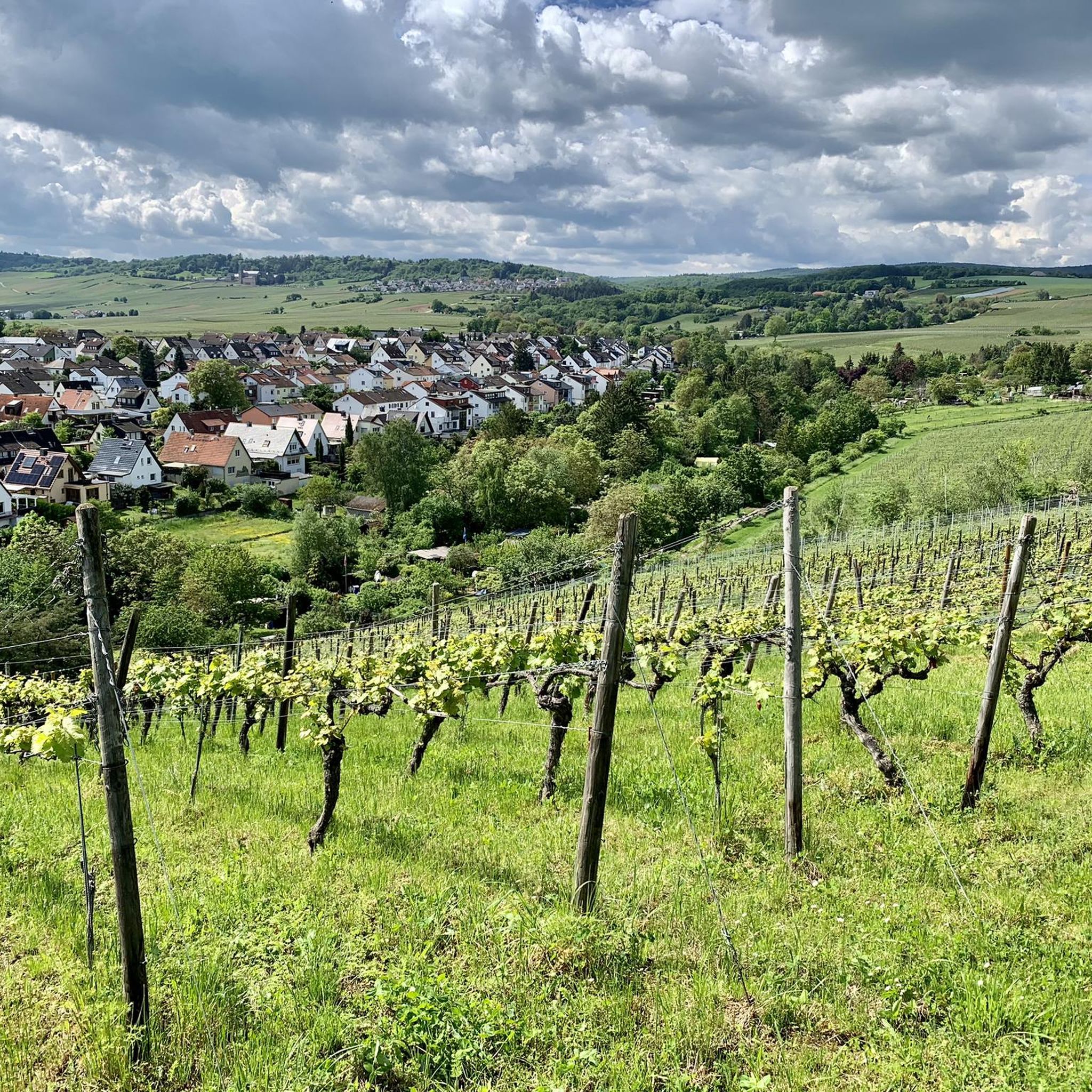
Hiking around Geisenheim
Cycling around Geisenheim
MTB Trails around Geisenheim
Road Cycling Routes around Geisenheim
Running Trails around Geisenheim
Gravel biking around Geisenheim
Mountain Hikes around Geisenheim


Tips from the Community

Eberbach Monastery, famous from the film adaptation of the novel "In the Name of the Rose," is one of the most beautiful monasteries in Germany.
11
0
The prices are moderate, coffee and cake taste good.
13
1
The gardens are very well maintained and not overcrowded, so the monastery and its individual buildings are the visual focal point.
12
0

The first documented mention of the hilltop castle dates back to 1213, when the Imperial Abbey of Kornelimünster near Aachen appointed Philipp III von Bolanden as "castellanus" and governor. Experts partly doubt or reject the first conquest in 1253. What is certain is the siege, conquest and destruction by King Rudolph of Habsburg in 1282. The castle was banned from being rebuilt. From 1290 onwards, the ruins were owned by the Counts Palatine, who gave them up in favour of the Electorate of Mainz in 1344. A new building was then quickly constructed. A double ring wall enclosed a rectangular residential tower and an inner courtyard of the main castle. A forecourt was located to the north. In 1397, after the Pope had appointed John II of Nassau Archbishop of Mainz, ignoring the election of the Mainz Cathedral Chapter the previous year, Archbishop Gottfried von Leiningen, elected in 1396, barricaded himself in the castle. Only after tough negotiations did he give up the bishop's seat and was instead given the office of provost of Mainz Cathedral. His concession prevented another attack on the castle and possible further destruction. The castle had been left to decay since the 16th century. The remains were blown up in 1689 during the War of the Palatinate Succession. In 1834 Franz Wilhelm von Barfus bought the ruins and converted a tower into his residence. His heirs sold the castle to Baron von Rehfuß in 1877 and he sold it to Consul Chosodowsky in 1889. The castle was given its current appearance by Baron Nikolaus von Kirsch-Puricelli, a wealthy industrialist and owner of the Rheinböllerhütte. From 1899 to 1902, Kirsch-Puricelli had the castle rebuilt into a neo-Gothic residential castle in the Tudor style according to plans by the Regensburg architect Strebel. Additional residential buildings and an observation tower were built on the site of the outer castle. Reichenstein was the last castle in the Upper Middle Rhine Valley to be rebuilt in the spirit of Rhine Romanticism. After the castle was sold by the family in the 1990s, media entrepreneur Lambert Lensing-Wolff, a descendant of the Kirsch-Puricelli family, acquired Reichenstein Castle in 2014 as a weekend residence and also runs a museum and a hotel with a restaurant here.
5
0

One of the most significant monasteries in Europe and, at the same time, Germany's largest winery invites you to explore. Here you can book guided tours, enjoy wine tastings, listen to concerts, and do many other wonderful things. And then, of course, there is the gastronomic offer for young and old and the many activities for children. Great. More information can be found here: https://kloster-eberbach.de/de.
7
2

Beautiful view from the bike path up to the castle
7
1

Great view of the castle which is still well preserved.
4
0

A very impressive castle complex. Reichenstein Castle, also known as Falkenburg, is a castle in the UNESCO World Heritage Upper Middle Rhine Valley. It stands on a ledge on the eastern slope of the Binger Forest above the Rhineland-Palatinate municipality of Trechtingshausen.
8
0
Frequently Asked Questions
What historical landmarks can I explore in Geisenheim?
Geisenheim and its surroundings are rich in history. You can visit the impressive Rheingauer Dom, a Gothic church with a history dating back to the 16th century. Another significant site is Eberbach Abbey, one of Europe's most important monasteries and Germany's largest winery, offering tours and tastings. Don't miss Schloss Johannisberg, the world's first Riesling wine estate, or Kloster Marienthal, a centuries-old pilgrimage site.
Are there any unique natural attractions or viewpoints near Geisenheim?
Yes, Geisenheim offers several unique natural spots and viewpoints. The Steckeschlääferklamm — Tree Spirits (Baumgeister) Trail is a gorge featuring over 60 carved forest spirits, a truly magical experience. For panoramic views, head to the Niederwald monument, which offers expansive vistas of the Rheingau and the Rhine River. You can also find a stele marking the 50th parallel of north latitude amidst the vineyards below Schloss Johannisberg.
What family-friendly activities are available around Geisenheim?
Families will enjoy the Steckeschlääferklamm — Tree Spirits (Baumgeister) Trail, where children can search for carved forest spirits. The Kreuzbach Suspension Bridge is a small highlight for kids on the RheinBurgenWeg. The Rhine Meadows (Rheinwiesen) recreational area along the Rhine River features a playground and café, perfect for a relaxed family outing. Eberbach Abbey also offers activities for children alongside its tours and concerts.
Where can I find scenic hiking trails near Geisenheim?
Geisenheim is an excellent starting point for hiking. The renowned Rheinsteig trail offers stunning views of the Rhine and vineyards. You can also explore numerous nature trails through the forests and hills of the Rheingaugebirge. For more specific routes, consider exploring the running trails around Geisenheim, which include scenic paths like the 'Johannisberg Castle – View of Johannisberg Monastery loop'.
Are there opportunities for cycling around Geisenheim?
Yes, the region around Geisenheim is very cyclist-friendly. A pedestrian and European long-distance cycle path runs parallel to the Rhine River along the Rhine Meadows. You can find various routes for different skill levels, such as the 'Rhein Riverside Path Near B42 – Schierstein Harbour loop' or the 'View of Schloss Johannisberg – Towpath on the Rhine loop'. Explore more options on the cycling guide for Geisenheim.
What is the best time of year to visit Geisenheim?
Geisenheim is charming throughout the year, but the best time often depends on your interests. The summer months are ideal for enjoying the Rhine Meadows and outdoor activities. Mid-July brings the annual Lindenfest, centered around the 700-year-old Linden Tree. Autumn is perfect for wine enthusiasts, as it's harvest season, offering opportunities for vineyard walks and wine tastings at local wineries like Schloss Johannisberg.
Can I visit a winery or taste local wines in Geisenheim?
Absolutely. Geisenheim is known as the 'Wine Town' and is at the heart of the Rheingau wine region. Schloss Johannisberg is famous as the world's first Riesling wine estate, where you can enjoy wine tastings and purchase wines. Eberbach Abbey is also Germany's largest winery and offers wine tastings. Many local wineries throughout the extensive vineyards also welcome visitors.
What is the significance of the 700-year-old Linden Tree in Geisenheim?
The 700-year-old Linden Tree, located in the town center's marketplace, is a cherished symbol of Geisenheim. It gives the town its nickname 'Lindenstadt' and serves as the focal point for the annual Lindenfest held in mid-July, bringing the community together.
Are there any historical castles or ruins to see?
Yes, Geisenheim and its vicinity feature several historical castles and ruins. Besides Schloss Johannisberg and Schloss Schönborn, you can visit the Rossel Ruins, built in 1774 by Count Ostein, which offer a wonderful view of the Nahe estuary and the Binger Loch. Schloss Kosakenberg, a 17th-century complex, now functions as a winery, restaurant, and music school.
What do visitors enjoy most about the attractions around Geisenheim?
Visitors particularly enjoy the stunning views from places like the Niederwald monument and Rossel Ruins, which offer a magnificent perspective of the Rhine and its surroundings. The unique charm of the Steckeschlääferklamm — Tree Spirits (Baumgeister) Trail and the historical significance of sites like Eberbach Abbey are also highly appreciated. Many also love the combination of hiking and cultural experiences, often combining trails with cable car rides and boat trips.
Are there any unique bridges or structures to discover?
Yes, you can discover the Kreuzbach Suspension Bridge, a well-maintained bridge spanning a valley, which is a small highlight along the RheinBurgenWeg. Additionally, the historical site of Pfefferzoll marks the only place in the Rheingau, besides Ehrenfels Castle, where tolls were once collected from passing ships.
What is the Geisenheim Grape Breeding Institute and its connection to the area?
The Geisenheim Grape Breeding Institute, now a globally recognized research institution for viticulture, fruit growing, and horticulture, has deep roots in the town. It was founded by Eduard von Lade, who built Villa Monrepos. The orchards of Villa Monrepos later formed the basis for this renowned institute, highlighting Geisenheim's long-standing importance in wine and agricultural research.
Most popular routes around Geisenheim
Most popular attractions around Geisenheim

Get inspired with the komoot mobile app


Explore more
Still not found the Highlight you’re looking for? See guides of the top attractions in other regions:
