The best running trails around Loch Spynie
4.1
(9)
1,747
runners
134
runs
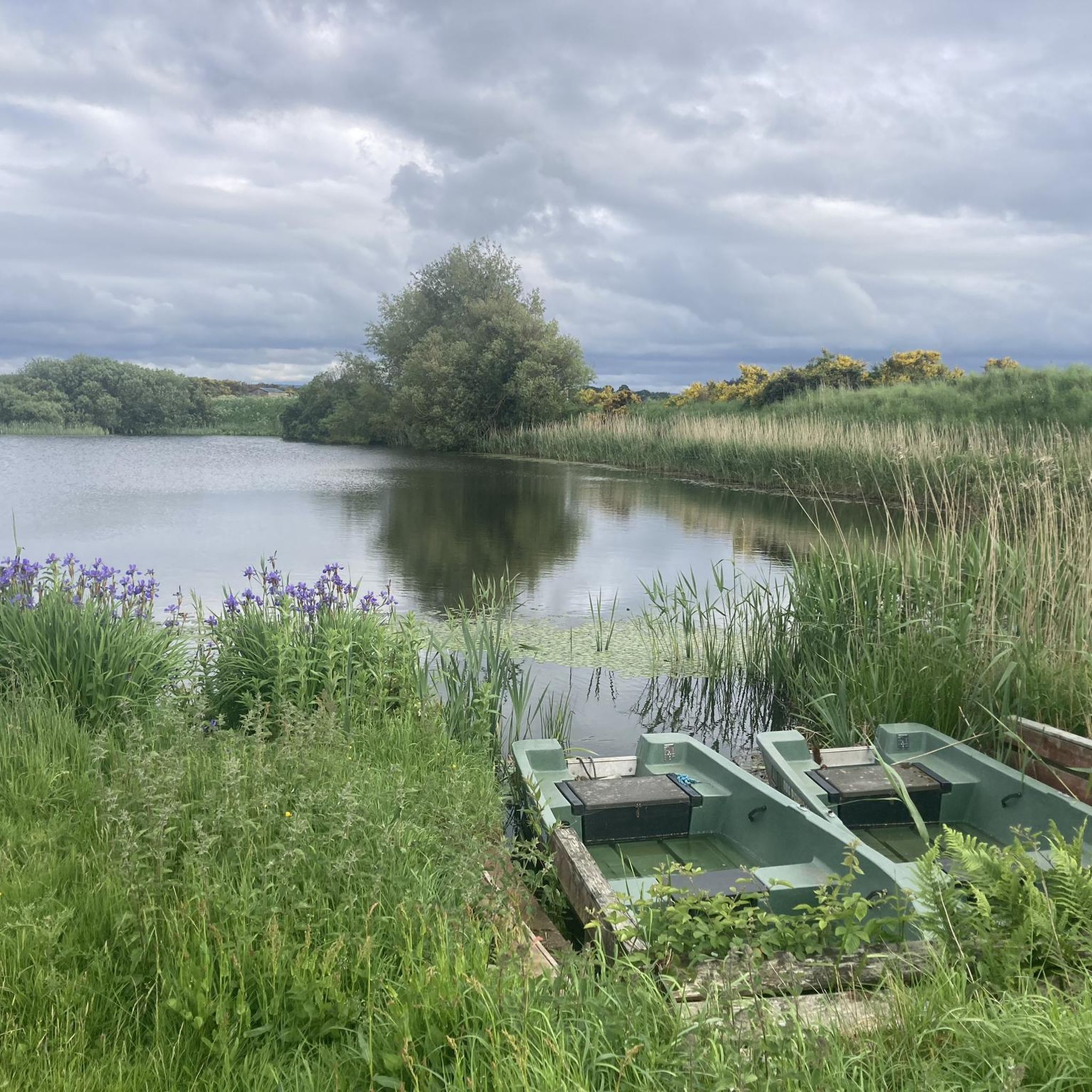
Jogging around Loch Spynie offers a variety of running routes, primarily characterized by waterside paths and gentle terrain. The region features a mix of open landscapes around the loch itself, alongside historical sites and cultivated areas near towns like Elgin. Elevation changes are generally minimal, making many trails suitable for a relaxed pace.
Best jogging routes around Loch Spynie
- The most popular jogging route is Running loop from Spynie Palace, a 4.4 miles (7.1 km) trail that takes 44…
Last updated: June 26, 2026
4
runners
7.07km
00:44
60m
60m
Moderate run. Good fitness required. Mostly paved surfaces. Suitable for all skill levels.
4
runners
6.86km
00:45
30m
30m
Moderate run. Good fitness required. Mostly paved surfaces. Suitable for all skill levels.

Sign up for free
8
runners
12.3km
01:17
40m
40m
Moderate run. Good fitness required. Mostly paved surfaces. Suitable for all skill levels.
56
runners
10.2km
01:04
40m
40m
Moderate run. Good fitness required. Mostly paved surfaces. Suitable for all skill levels.
27
runners
6.75km
00:49
10m
10m
Moderate run. Good fitness required. Mostly paved surfaces. Suitable for all skill levels.
Get access to more routes and recommendations from other explorers.
Sign up for free
Already have an account?
Our route recommendations are based on thousands of hikes, rides, and runs completed by other people on komoot.
Start today with a free account
Your next adventure awaits.
Login or Signup

Tips from the Community

Worth a visit: From here you have a beautiful view over Elgin and, in good weather, you can even see the Speyside River. The few remaining remains of Old Elgin Castle are still there.
5
0

Elgin Cathedral, a historic ruin in northeast Scotland, was dedicated to the Holy Trinity. It was established in 1224 on land granted by King Alexander II and stood outside the burgh of Elgin, close to the River Lossie. It replaced the cathedral at Spynie located 3 kilometres (2 mi) to the north, which was served by a small chapter of eight clerics. By 1226, the new and developing cathedral was staffed with 18 canons, a number that increased to 23 by 1242. A damaging fire in 1270 led to significant enlargement. It remained unscathed during the Wars of Scottish Independence but suffered extensive fire damage in 1390 when attacked by Robert III's brother Alexander Stewart, Earl of Buchan, also known as the Wolf of Badenoch. In 1402, the cathedral precinct faced another incendiary attack by the Lord of the Isles followers.
0
0
The River Lossie (Scottish Gaelic: Uisge Losaidh) is a river in north east Scotland. The river originates in the hills above Dallas, in Moray, and has its source 400 metres (1,300 ft) above sea-level. It enters the sea at Lossiemouth on the Moray Firth.
0
0
Not sure why someone is saying there's a charge. It's 100% free to enter. The Biblical Garden sits between the medieval Elgin Cathedral dating back to the 13th century and Cooper Park which was gifted to Elgin by Colonel George A Cooper in 1903. This wonderful garden has 110 stunning plants with Biblical references.
0
0
Didn't go into the grounds of the cathedral but was pretty satisfied with the views afforded from the paths around it. Plenty of street parking around the Cathedral.
0
0


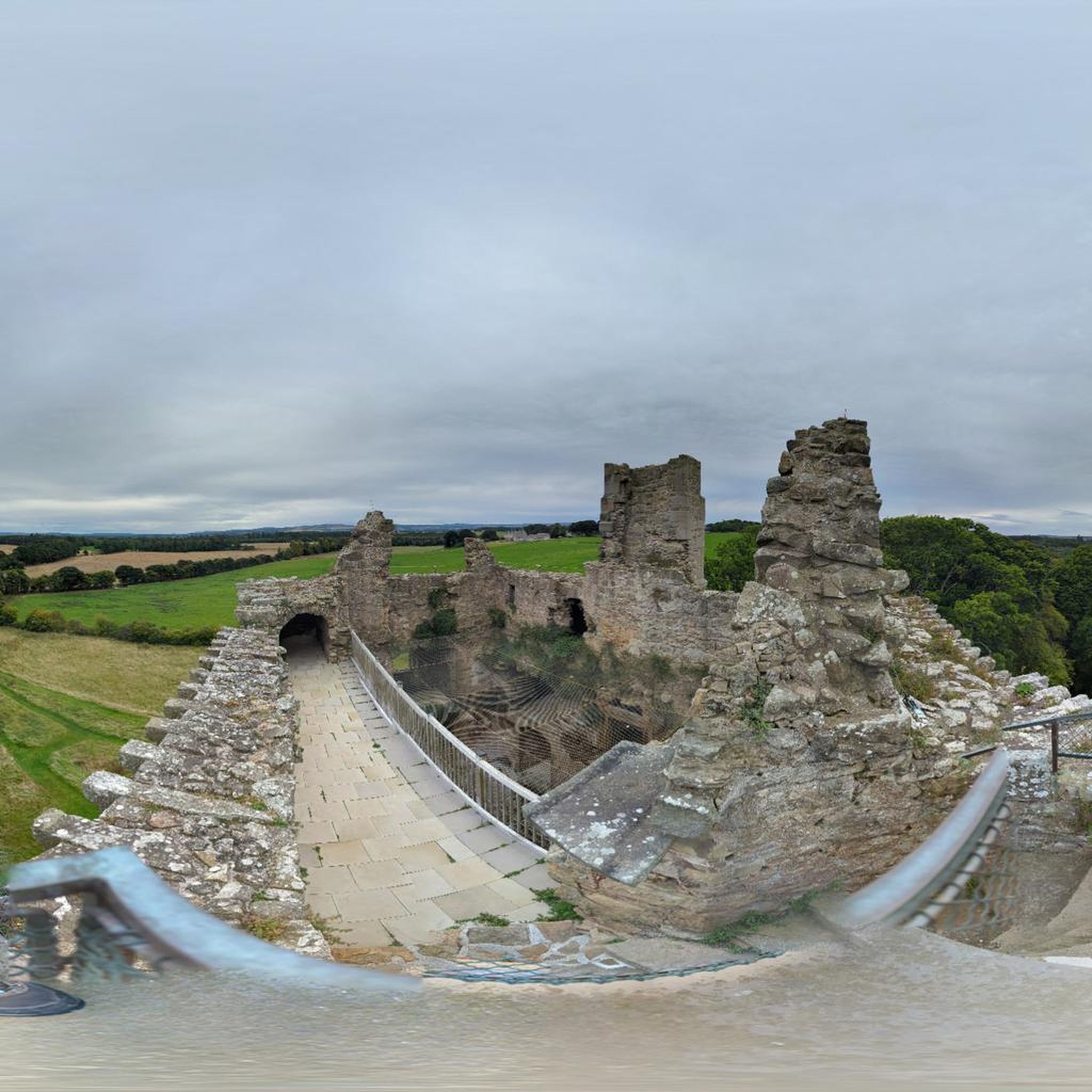
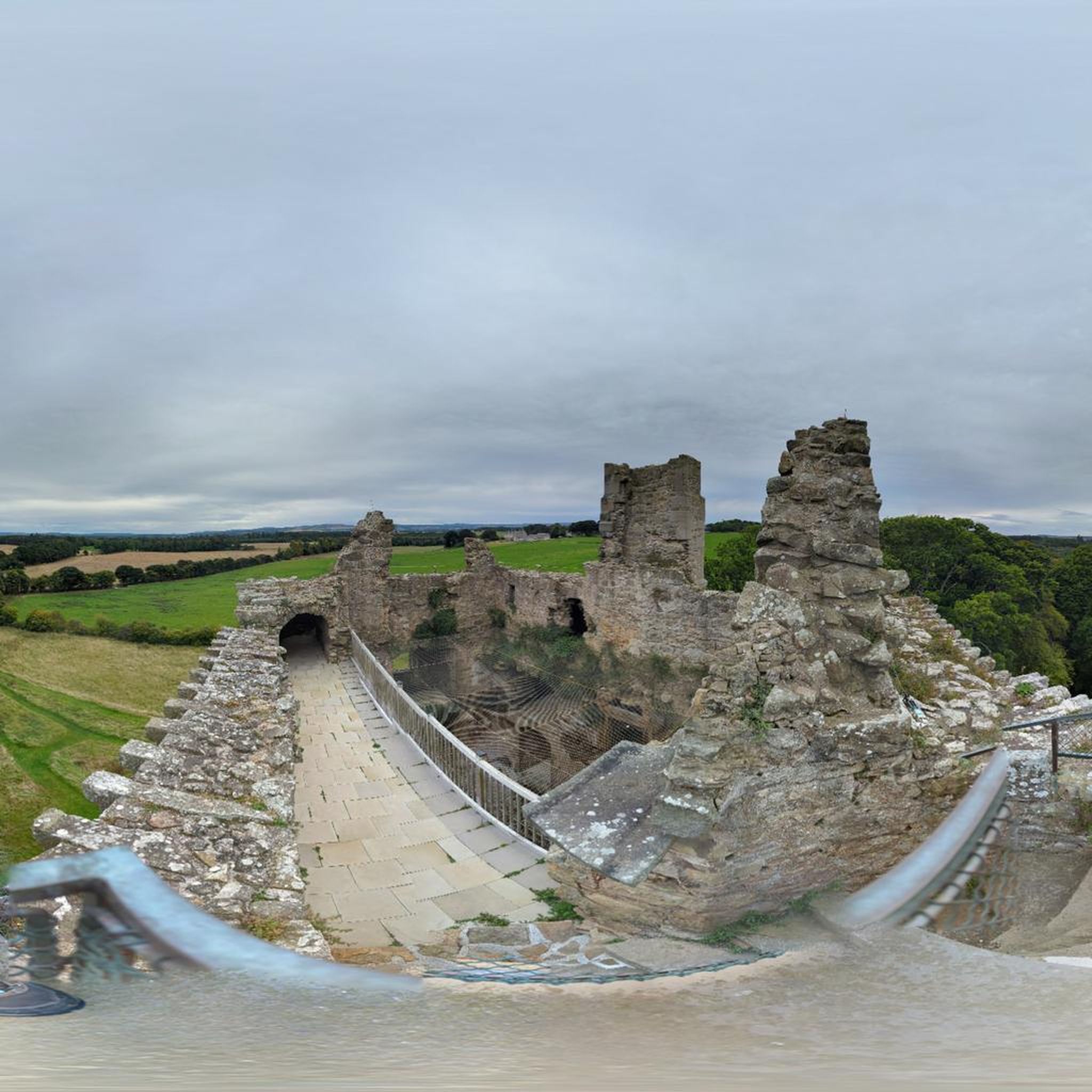
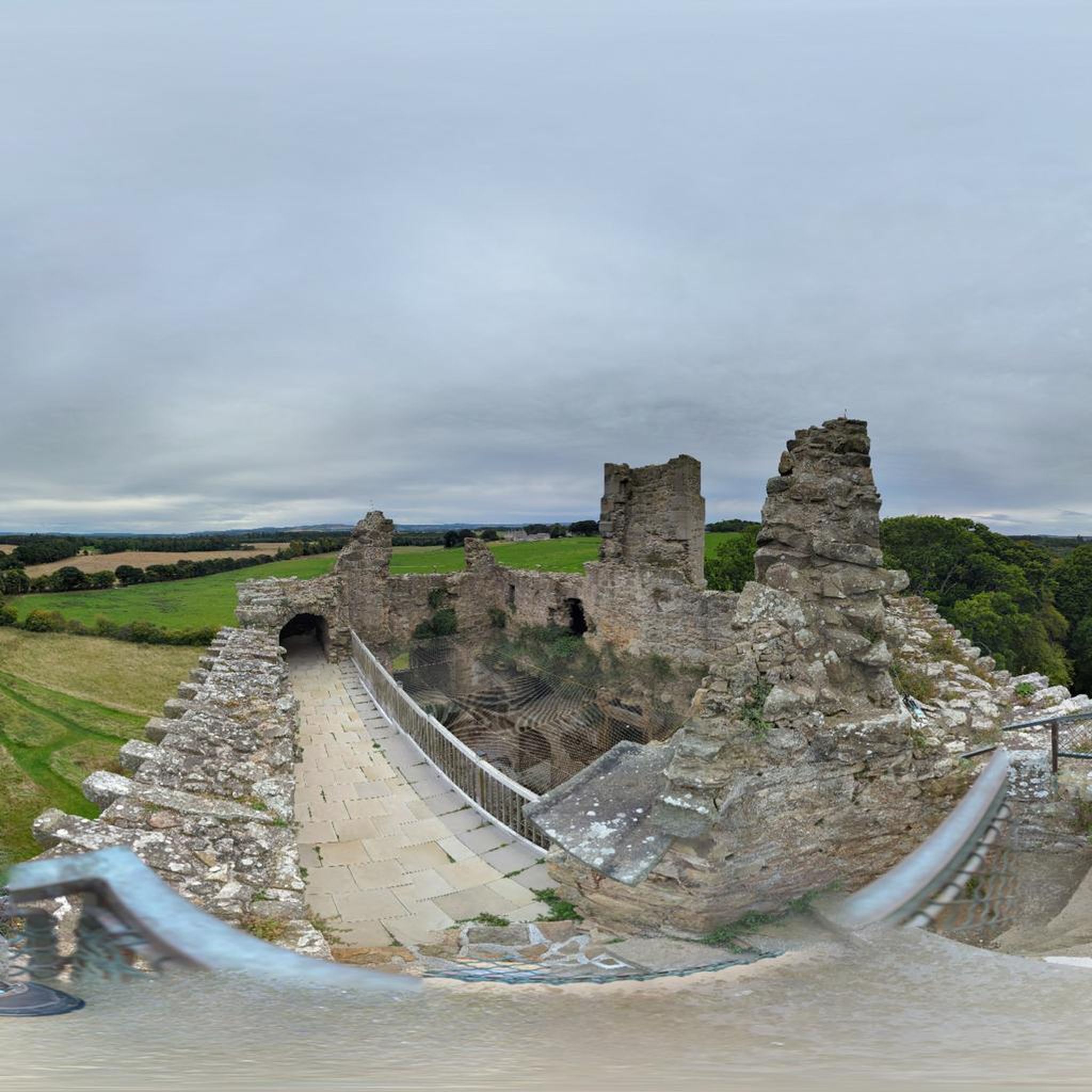
Spynie Palace, also known as Spynie Castle, was the fortified seat of the Bishops of Moray for about 500 years in Spynie, Moray, Scotland. The founding of the palace dates back to the late 12th century. It is situated about 500 m from the location of the first officially settled Cathedral Church of the Diocese of Moray, Holy Trinity Church in present-day Spynie Churchyard. For most of its occupied history, the castle was not described as a palace — this term first appeared in the Registry of Moray in a writ of 1524
0
0
The cathedral, dedicated to the Holy Trinity, was established in 1224 on land granted by King Alexander II outside the burgh of Elgin and close to the River Lossie. It replaced the cathedral at Spynie, 3 kilometres (2 mi) to the north, which was served by a small chapter of eight clerics. By 1226, the new and developing cathedral was staffed with 18 canons increasing to 23 by 1242. A damaging fire in 1270 resulted in a significantly enlarged building. It remained unaffected by the Wars of Scottish Independence, but again suffered extensive fire damage in 1390 when attacked by Robert III's brother Alexander Stewart, Earl of Buchan, also known as the Wolf of Badenoch. In 1402 the cathedral precinct again suffered an incendiary attack by the followers of the Lord of the Isles.
0
0
Frequently Asked Questions
How many running routes are available around Loch Spynie?
There are over 130 running routes around Loch Spynie, catering to various skill levels. You'll find a good selection of easy, moderate, and more challenging trails to explore.
Are there easy running trails suitable for beginners in the Loch Spynie area?
Yes, Loch Spynie offers several easy running trails perfect for beginners. There are 17 routes specifically categorized as easy, characterized by gentle terrain and waterside paths, making them ideal for a relaxed pace.
What are the typical lengths of running routes around Loch Spynie?
The running routes vary in length. For example, the popular Running loop from Spynie Palace is 4.4 miles (7.1 km), while the Wooden Bridge – Johnstons of Elgin loop from Spynie Palace extends to 7.6 miles (12.3 km).
Are there circular running routes around Loch Spynie?
Many of the running paths around Loch Spynie are designed as loops, offering convenient circular routes. Examples include the Running loop from Spynie Palace and the Running loop from Inchbroom, allowing you to start and finish in the same location.
What kind of scenery can I expect on the running trails near Loch Spynie?
Runners can enjoy a diverse landscape featuring waterside paths around the loch, open countryside, and historical sites. Routes often pass by landmarks like Spynie Palace and the Elgin Cathedral Ruins, offering a blend of natural beauty and cultural interest.
Are the running routes around Loch Spynie suitable for families?
Given the generally gentle terrain and minimal elevation changes, many of the routes around Loch Spynie are suitable for families. The easier trails provide a pleasant experience for all ages, allowing for a relaxed pace.
Can I bring my dog on the running trails in the Loch Spynie area?
Most outdoor trails in Scotland are dog-friendly, provided dogs are kept under control, especially around livestock or wildlife. It's always best to check local signage for any specific restrictions, but generally, your dog can join you on a lead.
What are the best times of year to go running around Loch Spynie?
Spring and autumn often offer the most pleasant conditions for running around Loch Spynie, with milder temperatures and beautiful scenery. Summer can be lovely, but be prepared for potential midges, especially near water. Winter runs are possible but require appropriate gear for colder, potentially wetter conditions.
Are there any notable landmarks or points of interest along the running routes?
Yes, several routes incorporate historical landmarks. For instance, the Elgin Cathedral Ruins – Biblical Garden Elgin loop from Elgin takes you past significant historical ruins and a cultivated garden. Other routes offer views of Spynie Palace and the loch itself.
Where can I find parking for the running trails around Loch Spynie?
Starting points for many routes, such as those from Spynie Palace or the town of Elgin, typically offer parking facilities. It's advisable to check specific route details for the most convenient parking options near your chosen starting point.
What do other runners say about the trails in Loch Spynie?
The running trails in Loch Spynie are highly rated by the komoot community, with an average score of 4.0 stars from over 7 reviews. Runners often praise the scenic waterside paths, the historical points of interest, and the variety of routes available for different abilities.
Are there any cafes or pubs near the running routes for refreshments?
The nearby town of Elgin, which serves as a starting point for some routes like the Elgin Cathedral Ruins – Biblical Garden Elgin loop from Elgin, offers a selection of cafes, pubs, and shops where you can find refreshments before or after your run.
Most popular routes around Loch Spynie

Get inspired with the komoot mobile app


Explore more
Browse the best Running Trails & Routes in other regions.
