The best walks and hikes around Loch Spynie
4.6
(69)
1,239
hikers
95
hikes
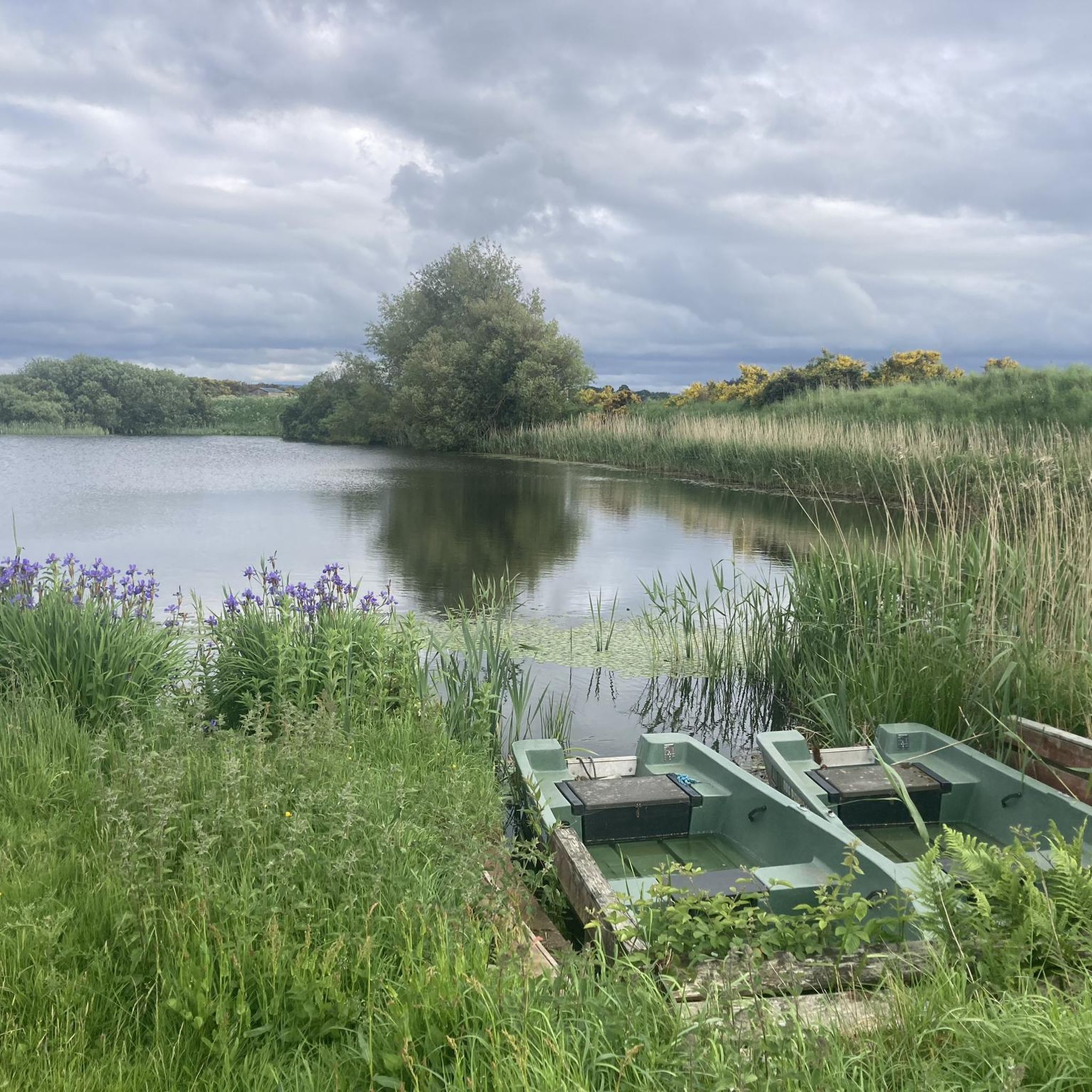
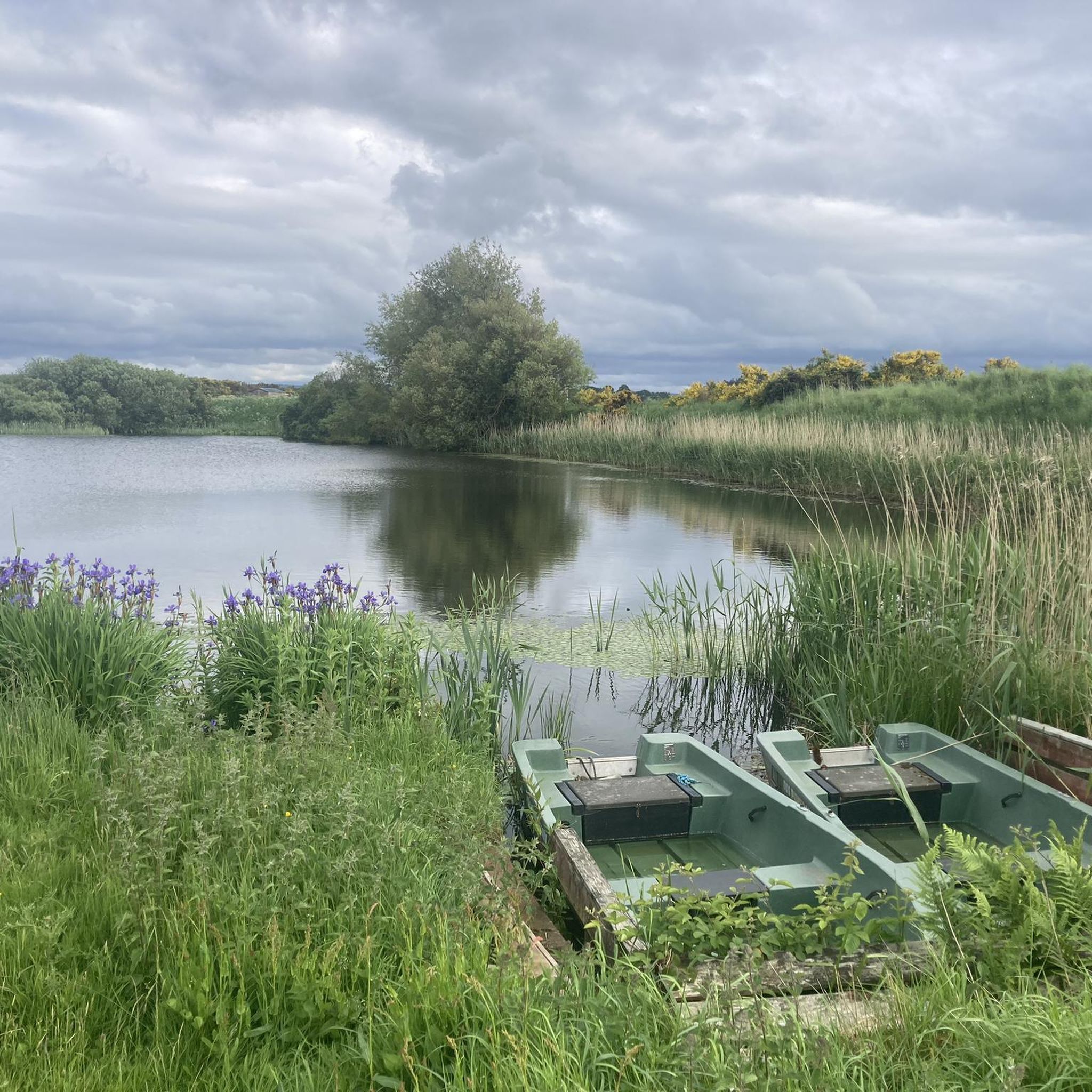
Hikes near Elgin and Loch Spynie explore a landscape shaped by a large freshwater loch, extensive reedbeds, and wet woodlands. The area is a designated nature reserve, with generally level terrain making it suitable for gentle walks. The routes navigate through a mosaic of habitats including fen meadows and Scots Pine plantations, offering opportunities for wildlife spotting.
Best hiking trails around Loch Spynie
- The most popular hiking route is Fishing Station loop from Seatown, a 4.1 mile (6.6 km) trail that takes about 1 hour 40 minutes to complete. This is a level walk with minimal elevation change.
- Another top favourite among local hiking enthusiasts is The Elgin Drummer Statue – Elgin Cathedral Ruins loop from Bishopmill, a moderate 5.7 mile (9.2 km) path. This route includes historical points of interest within the town of Elgin.
- Local hiking enthusiasts also love the World War II Pillbox loop from Seatown, a 4.7 mile (7.5 km) trail leading through the coastal landscape, often completed in about 1 hour 55 minutes.
- Hiking around Loch Spynie is defined by lochside paths, extensive reedbeds, and woodland trails. The network of walking trails offers options for different ability levels, with most routes being easy and relatively flat.
- The routes in Loch Spynie are highly rated by the komoot community with an average score of 4.6 stars from more than 60 reviews. More than 1,100 hikers have used komoot to explore Loch Spynie's varied terrain.
Last updated: June 25, 2026
18
hikers
6.55km
01:39
10m
10m
Easy hike. Great for any fitness level. Easily-accessible paths. Suitable for all skill levels.
5.0
(1)
14
hikers
7.49km
01:54
10m
10m
Easy hike. Great for any fitness level. Easily-accessible paths. Suitable for all skill levels.

Sign up for free
5.0
(1)
8
hikers
11.6km
02:55
20m
20m
Moderate hike. Good fitness required. Easily-accessible paths. Suitable for all skill levels.
5
hikers
7.68km
01:57
20m
20m
Easy hike. Great for any fitness level. Easily-accessible paths. Suitable for all skill levels.
5
hikers
4.94km
01:17
30m
30m
Easy hike. Great for any fitness level. Easily-accessible paths. Suitable for all skill levels.
Get access to more routes and recommendations from other explorers.
Sign up for free
Already have an account?
Our route recommendations are based on thousands of hikes, rides, and runs completed by other people on komoot.
Start today with a free account
Your next adventure awaits.
Login or Signup

Tips from the Community

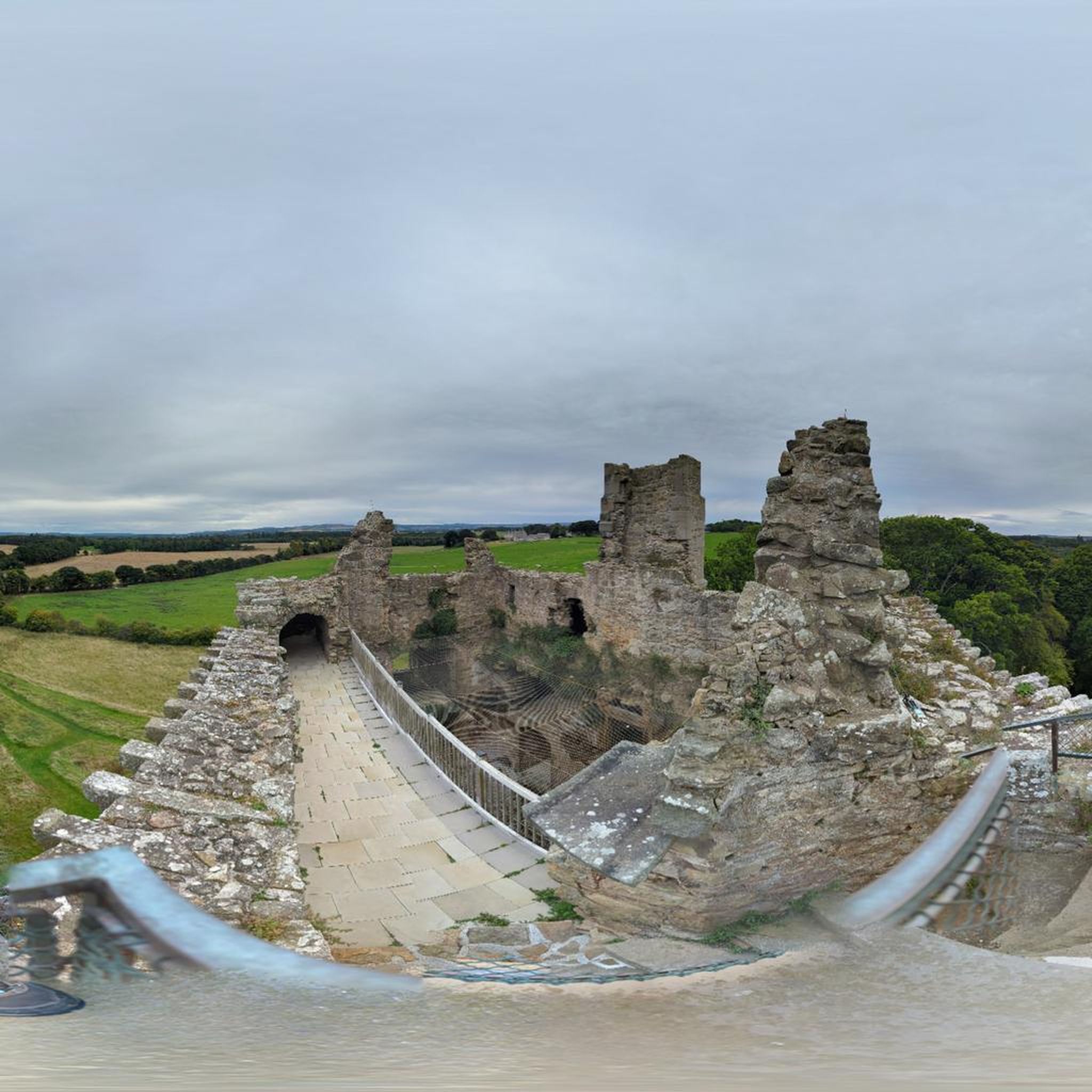
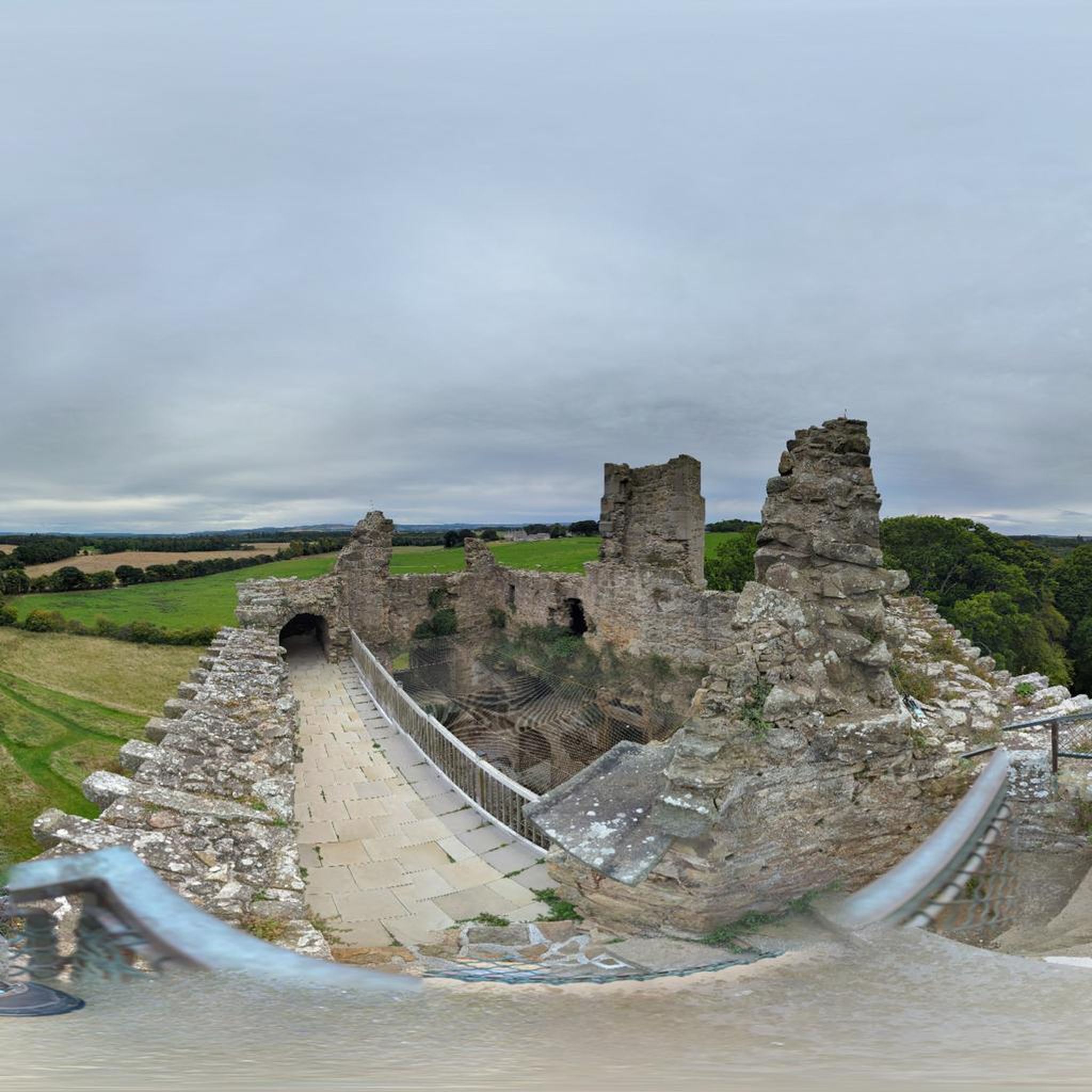
Elgin Cathedral, a historic ruin in northeast Scotland, was dedicated to the Holy Trinity. It was established in 1224 on land granted by King Alexander II and stood outside the burgh of Elgin, close to the River Lossie. It replaced the cathedral at Spynie located 3 kilometres (2 mi) to the north, which was served by a small chapter of eight clerics. By 1226, the new and developing cathedral was staffed with 18 canons, a number that increased to 23 by 1242. A damaging fire in 1270 led to significant enlargement. It remained unscathed during the Wars of Scottish Independence but suffered extensive fire damage in 1390 when attacked by Robert III's brother Alexander Stewart, Earl of Buchan, also known as the Wolf of Badenoch. In 1402, the cathedral precinct faced another incendiary attack by the Lord of the Isles followers.
0
0
The River Lossie (Scottish Gaelic: Uisge Losaidh) is a river in north east Scotland. The river originates in the hills above Dallas, in Moray, and has its source 400 metres (1,300 ft) above sea-level. It enters the sea at Lossiemouth on the Moray Firth.
0
0
Not sure why someone is saying there's a charge. It's 100% free to enter. The Biblical Garden sits between the medieval Elgin Cathedral dating back to the 13th century and Cooper Park which was gifted to Elgin by Colonel George A Cooper in 1903. This wonderful garden has 110 stunning plants with Biblical references.
0
0
Didn't go into the grounds of the cathedral but was pretty satisfied with the views afforded from the paths around it. Plenty of street parking around the Cathedral.
0
0


The cathedral, dedicated to the Holy Trinity, was established in 1224 on land granted by King Alexander II outside the burgh of Elgin and close to the River Lossie. It replaced the cathedral at Spynie, 3 kilometres (2 mi) to the north, which was served by a small chapter of eight clerics. By 1226, the new and developing cathedral was staffed with 18 canons increasing to 23 by 1242. A damaging fire in 1270 resulted in a significantly enlarged building. It remained unaffected by the Wars of Scottish Independence, but again suffered extensive fire damage in 1390 when attacked by Robert III's brother Alexander Stewart, Earl of Buchan, also known as the Wolf of Badenoch. In 1402 the cathedral precinct again suffered an incendiary attack by the followers of the Lord of the Isles.
0
0
The grounds of Grant Lodge, Cooper Park was gifted to the town of Elgin by Colonel George A Cooper for use as a public park alterations to the layout of the park were made by architect Marshall Mackenzie in 1902. The opening ceremony took place in August 1903.
0
0

Frequently Asked Questions
Are the walking trails at Loch Spynie suitable for families and children?
Yes, the area is well-suited for family outings. The terrain is generally level, and there are many easy walks. Of the more than 100 routes around the loch, over 70 are rated as easy. The RSPB reserve has established short, gentle trails perfect for little legs.
Can I bring my dog on the trails around Loch Spynie?
Dogs are welcome on the paths around Loch Spynie, but they must be kept under close control, especially within the RSPB nature reserve. The area is a vital habitat for ground-nesting birds and other wildlife, so it's important to be a responsible dog owner to minimize disturbance.
What is the best time of year to visit Loch Spynie for wildlife watching?
Loch Spynie is a fantastic year-round wildlife destination. In spring and summer, you might see ospreys fishing in the loch. Autumn and winter are spectacular for birdwatching, as thousands of migrating geese, including a significant portion of the world's Icelandic greylag goose population, arrive. Year-round residents include red squirrels and otters.
Where are the best spots for birdwatching?
The entire area is a birding hotspot, designated as a Special Protection Area. For a dedicated viewpoint, head to the bird hide managed by the RSPB at the main reserve. It's accessible via a ramp and offers excellent views over the open water, where you can spot a variety of ducks, geese, and swans.
Are there any circular walks available?
Yes, there are several circular routes. For a walk that combines history with nature, consider the World War II Pillbox loop from Seatown. This easy 4.7-mile (7.5 km) trail takes you through the coastal landscape near the loch.
What kind of difficulty should I expect from the hikes?
Most hikes around Loch Spynie are easy and suitable for all fitness levels. The landscape is predominantly flat, with well-maintained paths through woodlands and along the lochside. While there are a few moderate options, the vast majority of trails are gentle walks rather than strenuous climbs.
Where can I park to access the walking trails?
The main car park for the area is at the RSPB Loch Spynie nature reserve, located between Elgin and Lossiemouth. This provides the most direct access to the bird hide and the main lochside trails. Other routes in the wider area may have different starting points with their own parking.
Are any of the trails accessible for wheelchairs or pushchairs?
The main trails within the RSPB reserve are generally level and well-maintained, making them suitable for pushchairs. The bird hide is also accessible via a ramp. For a specifically designated 'all-abilities path', the Spynie Trail in the nearby Quarrelwood is a good option, featuring a level gravel surface.
What do other hikers say about the trails at Loch Spynie?
The routes in this area are highly regarded by the komoot community, with an average rating of 4.6 stars. Hikers often praise the peaceful atmosphere, the excellent opportunities for birdwatching, and the variety of habitats, from the extensive reedbeds to the quiet woodlands.
Are there any routes that explore the history of the area?
Yes, you can easily combine hiking with history. The The Elgin Drummer Statue – Elgin Cathedral Ruins loop from Bishopmill is a moderate 5.7-mile (9.2 km) route that takes you past significant historical sites within the nearby town of Elgin, including the impressive cathedral ruins.
How many hiking trails are there to choose from around Loch Spynie?
There is a wide selection of over 100 different hiking routes in the Loch Spynie area. These range from short, easy strolls within the nature reserve to longer, more moderate walks that connect to path networks in the surrounding woodlands and towns.
What kind of scenery can I expect on a walk?
Walks around Loch Spynie offer a diverse and gentle landscape. You'll experience paths that run alongside the large freshwater loch, pass through the largest reedbeds in Scotland, and wind through wet woodlands and fen meadows. The scenery is defined by its rich natural habitats rather than dramatic hills.
Most popular routes around Loch Spynie

Get inspired with the komoot mobile app


Explore more
Browse the best Hikes in other regions.
