The best road cycling routes around Općina Udbina
4.6
(9)
95
riders
7
rides
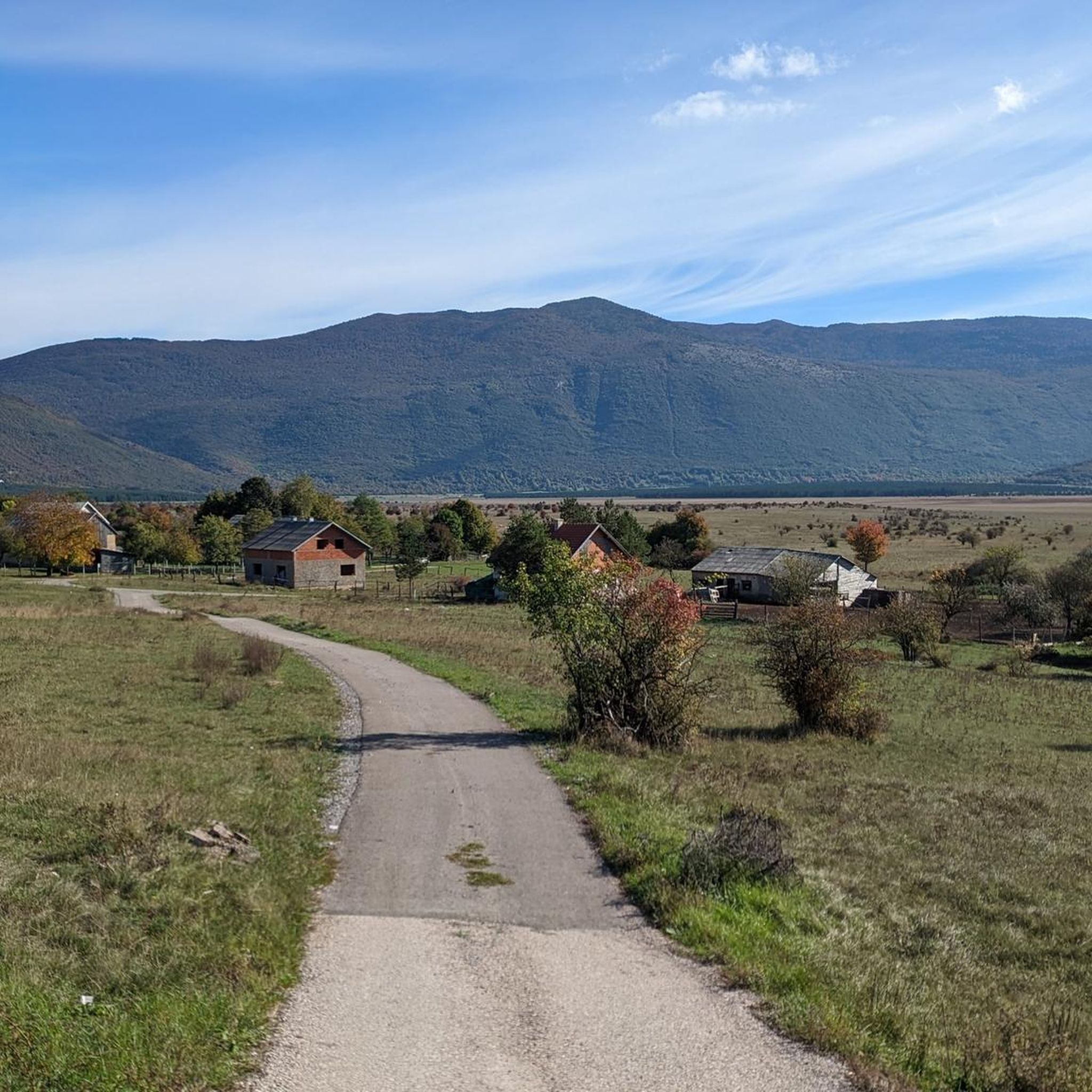
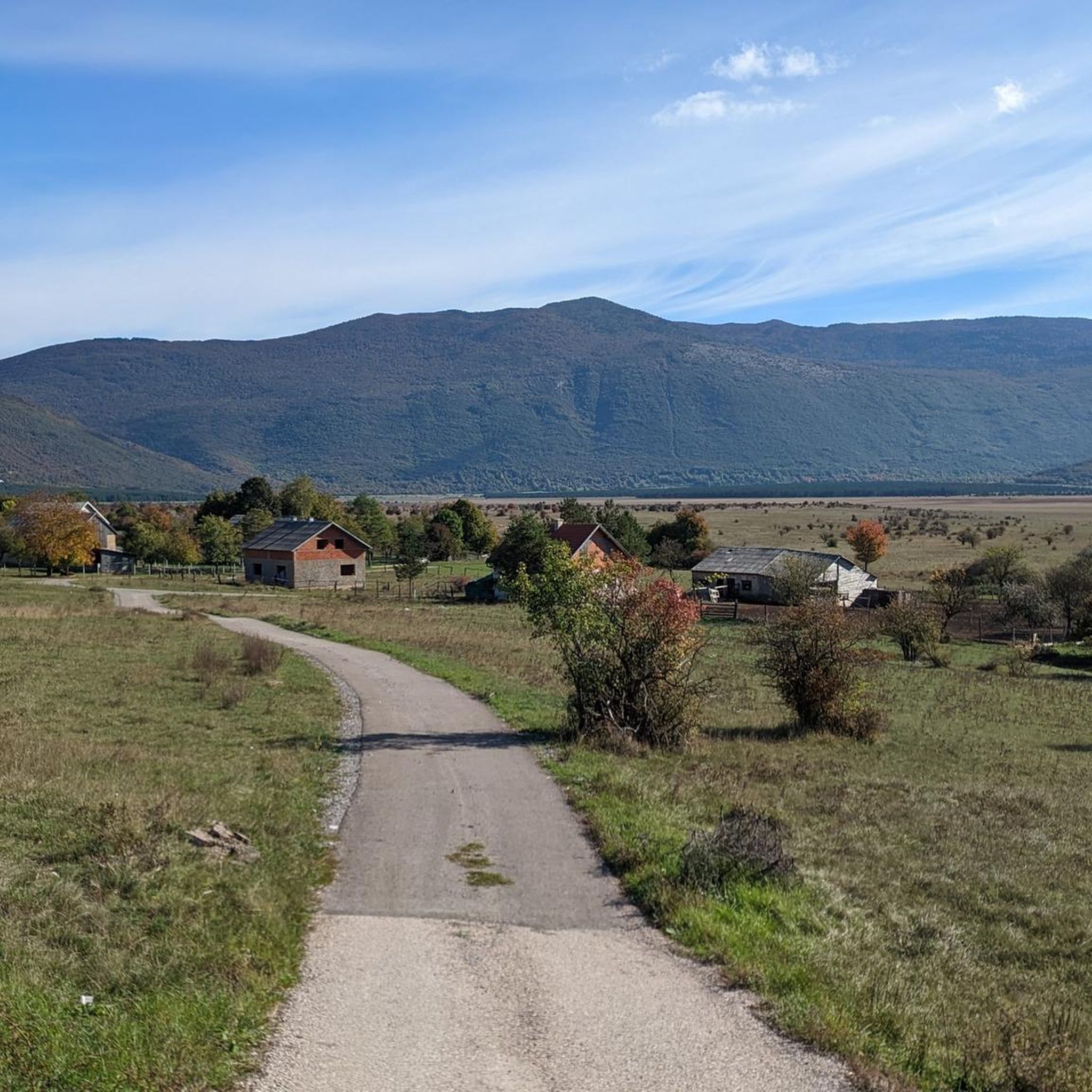
Road cycling around Općina Udbina offers diverse terrain, from the expansive, relatively flat Krbavsko Polje at 830 meters above sea level to the surrounding mountainous peaks of the Dinaric Alps. The region features a mix of paved roads suitable for various cycling abilities, providing both leisurely rides and challenging ascents. Cyclists can experience open spaces, scenic views, and dramatic landscapes, including gorges and forested areas. This area of the Lika region provides a picturesque backdrop for road cycling routes.
Best…
Last updated: October 4, 2026
11
riders
92.2km
04:04
920m
920m
Hard road ride. Very good fitness required. Mostly well-paved surfaces and easy to ride.
5.0
(2)
11
riders
43.4km
02:02
440m
440m
Moderate road ride. Good fitness required. Mostly well-paved surfaces and easy to ride.

5.0
(4)
10
riders
23.3km
01:05
130m
130m
Easy road ride. Great for any fitness level. Mostly well-paved surfaces and easy to ride.
4.0
(1)
5
riders
65.0km
02:34
300m
300m
Moderate road ride. Good fitness required. Mostly well-paved surfaces and easy to ride.
5.0
(1)
1
riders
33.2km
01:30
370m
370m
Moderate road ride. Good fitness required. Mostly well-paved surfaces and easy to ride.
Get access to more routes and recommendations from other explorers.
Already have an account?
Our route recommendations are based on thousands of hikes, rides, and runs completed by other people on komoot.
Start today with a free account
Your next adventure awaits.
Tips from the Community

Fethija džamija jedan je od najposebnijih sakralnih objekata u Bihać, sa izuzetno zanimljivom i slojevitom historijom. Prvobitno je podignuta sredinom 13. stoljeća kao gotička crkva posvećena sv. Antunu. Dolaskom Osmanlija, po naredbi Hasan-paše Predojevića, objekat je otkupljen od lokalnih katolika i preuređen u džamiju, kada dobija ime Fethija, prema kur’anskoj suri koja znači „Pobjeda“. Iako je prilagođena islamskoj vjerskoj funkciji, građevina je sačuvala brojne elemente svoje prvobitne gotičke arhitekture. Prepoznatljiva rozeta iznad glavnog ulaza i danas svjedoči o njenom crkvenom porijeklu, dok je unutrašnjost prilagođena postavljanjem mihraba na mjestu nekadašnjeg oltara. Tokom preuređenja, pojedini prozori su zazidani, a novi otvori formirani u skladu s potrebama džamije. Nekadašnji zvonik opstajao je sve do 1863. godine, kada je zbog dotrajalosti uklonjen i zamijenjen minaretom izgrađenim od lokalnog kamena bihacita. U podnožju minareta i danas se nalaze očuvani natpisi na arapskom jeziku koji svjedoče o ovoj značajnoj transformaciji. Fethija džamija danas predstavlja jedinstven spoj gotičke i osmanske arhitekture, te jedan od najvrijednijih kulturno-historijskih spomenika Bosne i Hercegovine. Izvor: https://go-bosnia.com/entitet/dzamija-fethija/
3
3
And, Miki, did that only happen in Bihac in the history of mankind?!
3
3
The Smaragdni bridge connects the right bank of the Una with Gradski otok, the largest island on the Una in this city.
4
2
Dolaskom austrougarskih vlasti u Bihać 1878.godine Kapetanova kula je adaptacijom unutrašnjeg prostora 1889.godine pretvorena u zatvor. Na osnovu podataka može se konstatovati da je u njoj na tri sprata moglo biti smješteno 50 zatvorenika, koji su tu izdržavali kaznu zbog težih krivičnih djela. Kapetanova kula je sve do 1959. godine služila kao Okružni zatvor. Zgrada je u potpunosti adaptirana u muzejski prostor, gdje su smještene stalne postavke, i značajna je u turističkoj ponudi Bihaća. Izvor: https://www.kulturnonaslijedjeusk.ba/bs/clanak/historijska-gradevina-kapetanova-kula-u-bihacu/19
4
2
The Captain's Tower is built of finely cut limestone. It was built on several floors; originally it had a ground floor and three upper floors, but the last restoration involved internal modifications and additions, so now, in addition to the ground floor, it has four more floors. Its external appearance has not been changed. The tower has a square base (10 x 10) and the shape of a four-sided truncated pyramid, which makes it unique compared to other towers in Bosnia and Herzegovina. It is covered with a 'tent' roof (hipped roof) with an opening. It has several openings. Source: https://www.kulturnonaslijedjeusk.ba/bs/clanak/historijska-gradevina-kapetanova-kula-u-bihacu/19
4
2
Kapetanova kula is part of the former fortress in Bihać. It has been declared a national monument of Bosnia and Herzegovina. It is located in the lower part of the city, on the left bank of the Una River. Based on available historical maps of the city and its surroundings, it can be determined that it was built before 1697. Some historians believe that Kapetanova kula was built around 1205 and that it was one of the four towers of Bihać. According to popular tradition, Hungarian King Béla IV stayed in the tower during the Tatar invasion. Source: https://sh.wikipedia.org/wiki/Kapetanova_kula_u_Biha%C4%87u
4
2
Turbe – mauzolej u Bihaću potiče iz perioda austrougarske uprave u Bosni i Hercegovini i izgrađeno je da bi se iskazao pijetet prema braniocima grada koji su hrabro poginuli u borbama protiv austrougarskih trupa. Odlukom Berlinskog kongresa, juna 1878. godine, Austro-Ugarska je dobila pravo da anektira Bosnu i Hercegovinu. Prilikom ulaska austrougarskea vojske bilo je potrebno nekoliko mjeseci da se uguši otpor, naročito muslimanskog stanovništva Bosne i Hercegovine. Borbe pod zidinama Bihaća počele su od 7. septembra, a tek 19. septembra branioci su predali grad Bihać. Turbe je bilo od drveta. Na mjestu turbeta tokom 1890 izgrađena je crkva, a austrougarska vlast, da bi odobrovoljila muslimansko stanovništvo Bihaća, sagradila je sadašnje turbe o svom trošku. Ovaj sakralni spomenik bio je teže oštećen u toku posljednjeg rata, ali je popravljen i danas predstavlja veliku vrijednost bošnjačke duhovne kulture na ovim krajiškim prostorima. Izvor: https://bs.wikipedia.org/wiki/Turbe_-_Mauzolej_u_Biha%C4%87u
4
2
Turbe se nalazi na samom uglu Gazi-Husrev begove ulice i ulice Pape Pavla II preko puta Kapetanove kule. Malo dalje u pravcu Gradskog trga nalaze se i ostaci Crke sv. Ante Padovanskog sa zvonikom, te Grobnica bihaċkog plemstva, što ovaj mali dio prostora u srcu Bihaċa čini jedinstvenim kulturno-istorijskim kompleksom.
4
2
Frequently Asked Questions
How many road cycling routes are available in Općina Udbina?
There are over 15 road cycling routes around Općina Udbina, offering a diverse range of experiences for cyclists. These routes are highly rated by the komoot community, with an average score of 5.0 stars from over 17 reviews.
What kind of terrain can I expect when road cycling around Općina Udbina?
Općina Udbina offers a varied landscape for road cycling. You'll find expansive, relatively flat sections across the Krbavsko Polje at 830 meters above sea level, contrasted with challenging ascents into the surrounding mountainous peaks of the Dinaric Alps, such as Ozeblin, Rudi Lisac, and Kremen. This mix provides opportunities for both leisurely rides and more demanding climbs.
Are there road cycling routes suitable for all skill levels in Općina Udbina?
Yes, Općina Udbina caters to various cycling abilities. You can find easy routes, such as the View of Izačić Mosque loop from Bihać, which is 35.9 km long. There are also moderate options like the Fethija Mosque, Bihać loop from Bihać (88.8 km), and more difficult routes with significant elevation gain, such as the Kulen Vakuf War Memorial – Kulen Vakuf Bridge loop from Bihać (79.6 km).
What is the best time of year for road cycling in Općina Udbina?
Općina Udbina is known for a high number of sunny days annually, making it an attractive destination for outdoor activities for much of the year. Spring and autumn generally offer pleasant temperatures for cycling, while summer provides long daylight hours. Always check local weather forecasts before heading out.
What natural features and landmarks can I see along the road cycling routes?
Cyclists can enjoy diverse natural beauty, including the vast open spaces of the Krbavsko Polje and dramatic landscapes within the Nature Park Lička Plješevica. You might also encounter the historic Udbina Castle ruins overlooking the field, or the serene Laudon's Grove with its ancient oak trees. The region's mountainous backdrop provides numerous scenic viewpoints.
Are there circular road cycling routes available in Općina Udbina?
Yes, many of the routes around Općina Udbina are designed as loops, allowing you to start and end at the same point. Examples include the Pogledalo loop from Korenica and the Borići loop from Bihać, offering convenient circular journeys through the region's diverse landscapes.
Is there parking available for cyclists in Općina Udbina?
While specific dedicated cyclist parking areas are not detailed, Udbina is a municipality with established road infrastructure. It's advisable to look for general public parking in Udbina village or near the starting points of specific routes. Many routes originate from nearby towns like Bihać or Korenica, where parking facilities are typically available.
Can I find places to eat or drink along the road cycling routes in Općina Udbina?
Udbina and surrounding villages offer some local cafes and pubs where you can refuel. Given the rural nature of some areas, it's always a good idea to carry sufficient water and snacks, especially on longer routes. Planning your stops in advance, particularly in smaller settlements, is recommended.
Are the road cycling routes in Općina Udbina family-friendly?
While some routes feature challenging climbs, there are easier, shorter options suitable for families. For instance, the Roadbike loop from Bihać is an easy 21.8 km ride. When planning a family outing, look for routes marked as 'easy' or those with minimal elevation gain, often found in the flatter sections of the Krbavsko Polje.
What do other road cyclists enjoy most about cycling in Općina Udbina?
The road cycling routes in Općina Udbina are highly rated by the komoot community, with an average score of 5.0 stars. Cyclists often praise the diverse terrain, from the expansive Krbavsko Polje to the scenic mountain roads, and the overall natural beauty of the Lika region. The mix of challenging ascents and leisurely rides also contributes to its appeal.
Can I use public transportation with my bike to reach Općina Udbina?
Općina Udbina is located on an old transport route, suggesting good road connections. However, public transport options for carrying bikes can vary. It's best to check with specific bus or train operators in Croatia regarding their policies for transporting bicycles, especially if you're coming from larger cities like Zagreb or Split.
Are there any specific cultural or historical sites to visit while cycling in the region?
Beyond the natural landscapes, you can explore the ruins of Udbina Castle, a medieval fortified structure with a rich history. The Church of Croatian Martyrs in Udbina is also a significant national shrine. These sites offer a glimpse into the region's past and can be interesting stops during your cycling tour.

Get inspired with the komoot mobile app


Explore more
Browse the best Road cycling routes in other regions.
