Top 10 Castles around okres Chomutov
Castles around okres Chomutov offer a glimpse into the region's rich history and strategic importance in the Czech Republic. This area, situated in the Ore Mountains, features historical fortifications and chateaus that reflect centuries of development. The landscape provides a backdrop for exploring these historical sites, many of which are set amidst natural surroundings. The region's past as a trade and military point has shaped its architectural heritage.
Best castles around okres Chomutov
- The most popular castles is Hasištejn Castle…
Last updated: July 1, 2026
Ruins of Königsmühle (Králův Mlýn)
Highlight • Historical Site
Translated by Google •
Tip by

Egerberk Castle Ruins
Highlight • Castle
Translated by Google •
Tip by

Sign up now to discover places like this
Get recommendations on the best single tracks, peaks, & plenty of other exciting outdoor places.
Sign up for free
Hasištejn Castle Ruins
Highlight • Castle
It is a ruined castle and is one of the oldest in the Ore Mountains
Translated by Google •
Tip by

Kadan Castle
Highlight • Castle
Translated by Google •
Tip by

Šumburk Castle Ruins
Highlight • Castle
Translated by Google •
Tip by

Ruins of the Old Castle Tower
Highlight • Castle
Translated by Google •
Tip by

Červený Hrádek Castle
Highlight • Castle
Translated by Google •
Tip by

Údlice Chateau
Highlight • Castle
Translated by Google •
Tip by

Poláky Castle
Highlight • Castle
It will be rebuilt from 2020, but it is work for many years and for a lot of money.
Translated by Google •
Tip by
Vičice Baroque Castle
Highlight • Castle
Translated by Google •
Tip by
Start today with a free account
Your next adventure awaits.
Login or Signup
Popular around okres Chomutov
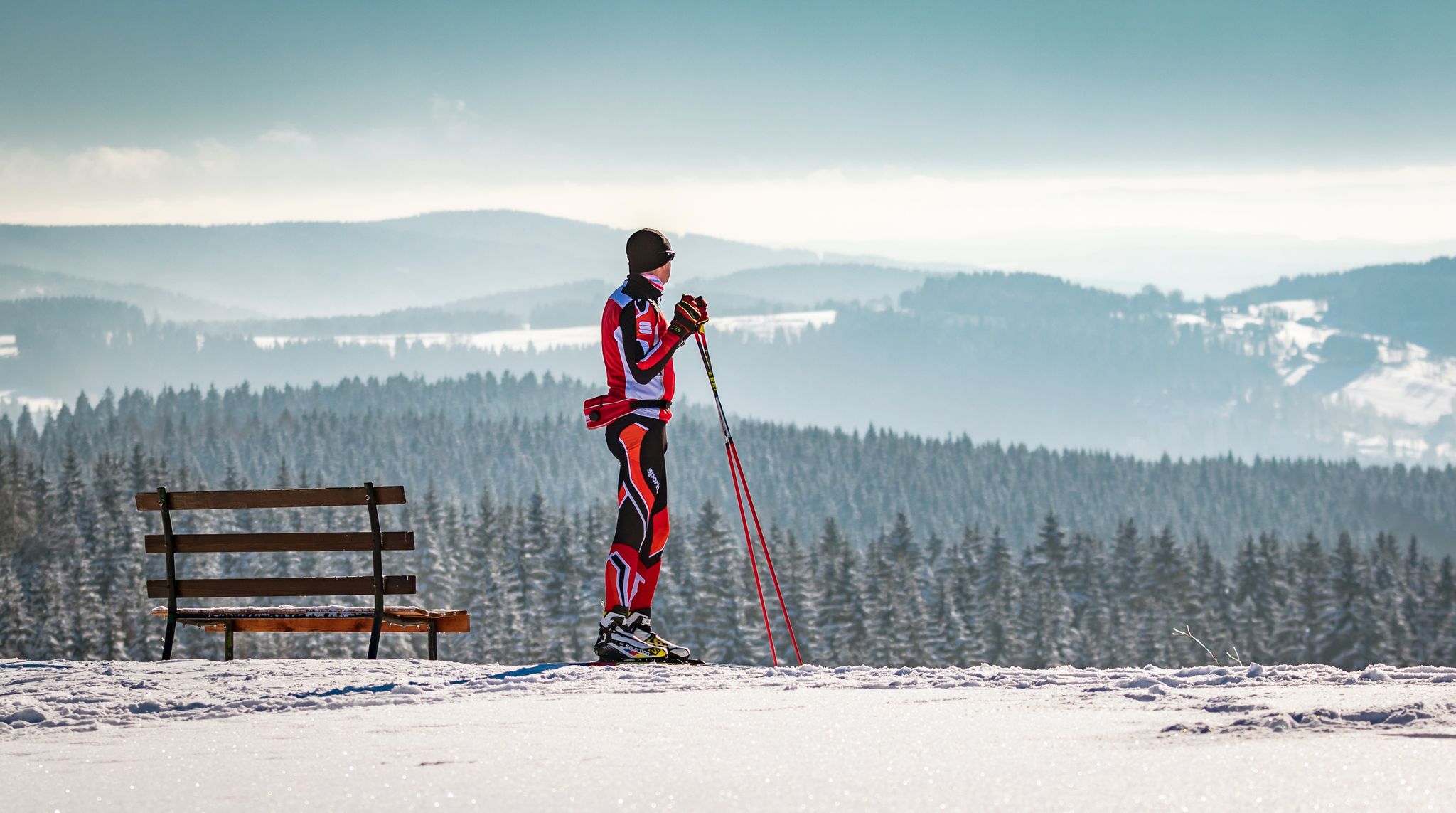
Let it flow! Cross-country skiing in the Ore Mountains

The Stoneman Trail in the Ore Mountains
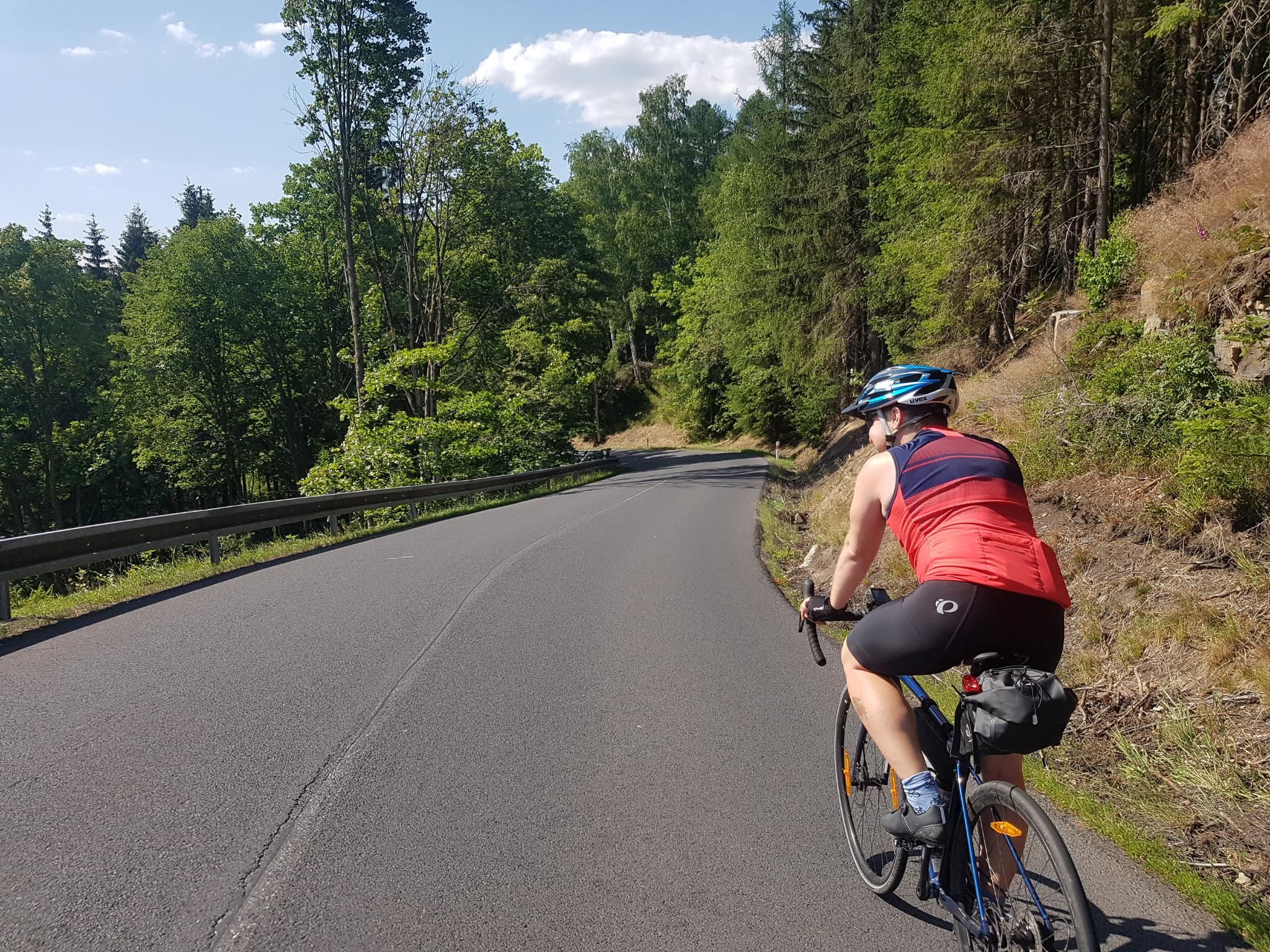
3 days in the countryside – Easter Ore Mountains and Eger Valley by road bike
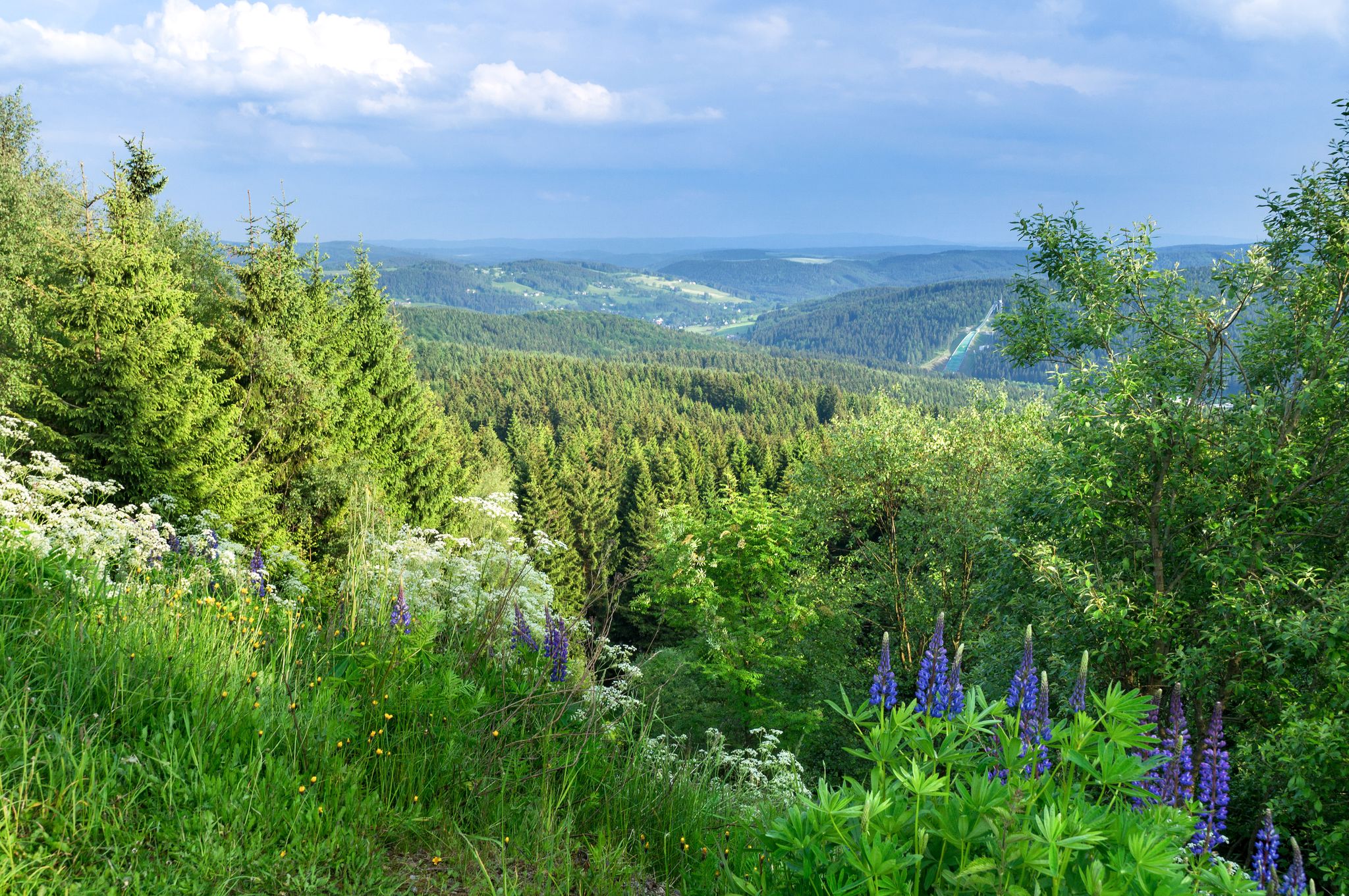
History meets nature – Erzgebirge-Vogtland Ridge Trail
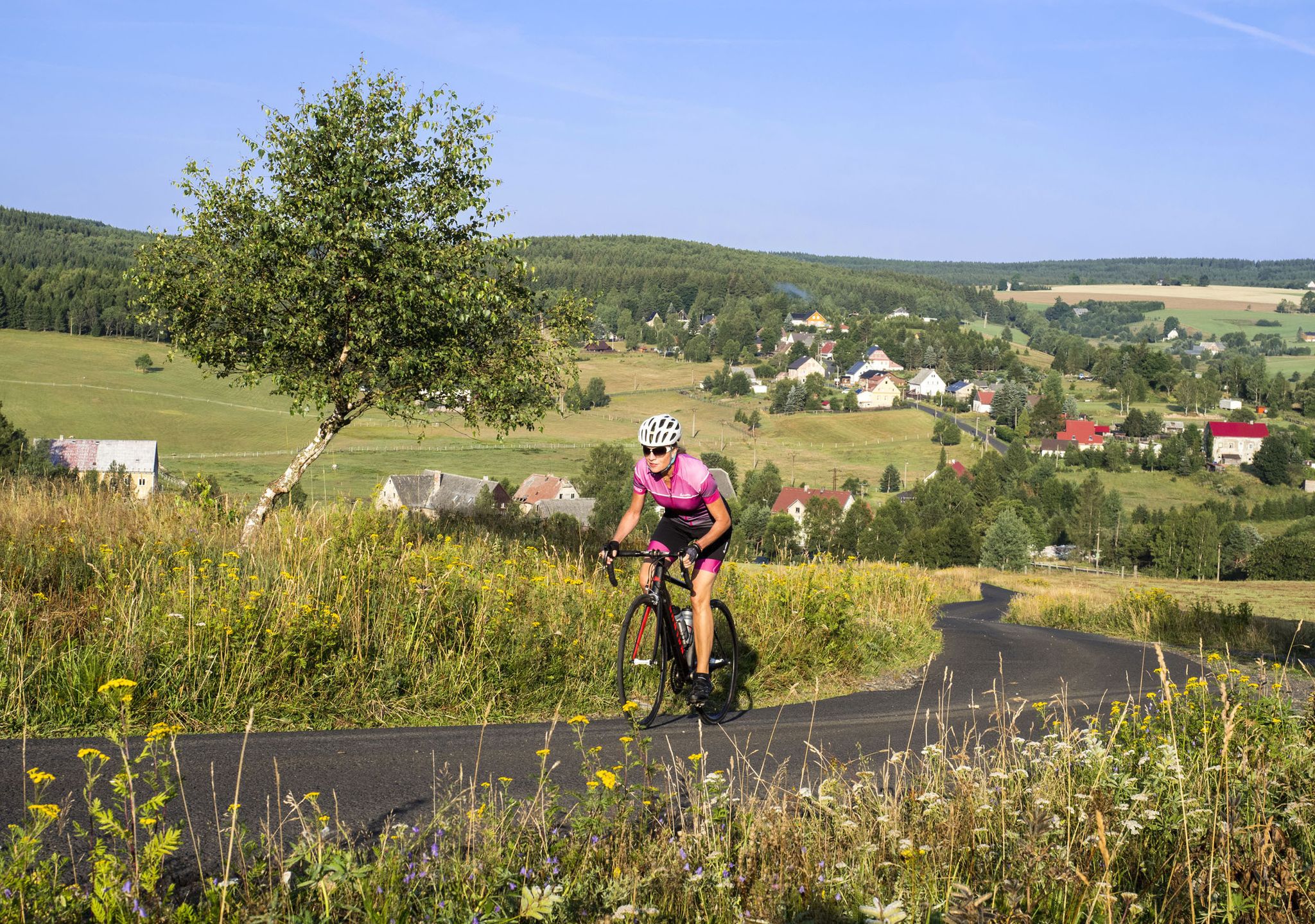
Erzgebirge: On the tracks of the Stoneman-Miriquidi
Hiking around okres Chomutov
MTB Trails around okres Chomutov
Cycling around okres Chomutov
Road Cycling Routes around okres Chomutov
Running Trails around okres Chomutov
Other adventures around okres Chomutov


Tips from the Community

"The Vitzthum family ruled the castle until 1557, when it was acquired by Bohuslav Felix Hasištějnský von Lobkowicz, who built the Renaissance Felixburg Castle below the castle in the village of Rašovice. In 1581, he achieved the castle's liberation from its feudal dependence. His son, Bohuslav Joachim Hasištejnský von Lobkowicz, sold the castle to Linhart Stampach von Stampach (-+-1609) in 1591. In 1622, his son Matthias had the estate confiscated for his participation in the Estates Revolt. In 1623, the royal chamber sold the estate to Christoph Simon von Thun, who also purchased the neighboring Klösterle estate and added Egerberg to it. The castle was left to its fate and fell into disrepair."
0
0
Information panel: History of the castle "The castle was built around 1300 by Odolen von Hustopeč. His descendants, the Lords of Egerberg, owned it until the mid-14th century. In 1352, the brothers Albrecht, Friedrich, and Dietrich von Schönburg received the castles of Püirstein and Egerberk as fiefs from the king. Before 1386, the castle was acquired by Heinrich Škopek von Dubá (-d. 1395), who extensively rebuilt it. His son, Heinrich the Younger, sold the castle to Nicholas Augustin of Prague, who probably hosted John Hus here around the turn of the year 1412/13. Nicholas soon sold the castle to Wend von Eulenburg. Around 1439, Wilhelm von Schönburg, the lord of nearby Neu Schönburg, seized the castle, captured Wend, and left him to starve to death in the cellar. Wilhelm sold the castle to the famous Hussite warrior Jakoubek of Viesovice. In 1457, the Lords of Eulenburg received the castle through a court ruling and sold it to BoS Vitzthum.
0
0
☆ The Egerberg/Egerburg castle ruins are located on the northern flank of the Duppauer Mountains. 》Free access - donations welcome
1
0
☆ Hassenstein Castle Ruins on the southern slopes of the Bohemian Ore Mountains 》80 Crowns admission per adult (as of July 25)
0
1

The abandoned settlement of Königsmühle (Königův Mlýn) is only one and a half kilometers from the village of Háj (Stolzenhain), but is shielded by a hill between them. Until their expulsion in the fall of 1946, 57 Sudeten Germans lived here in six houses, five of which were used as homes for the Fohrmann, Siegel, Giebert, Pöschl, and Siegel families. The sixth building was the mill. Grain from Bohemia was milled in Königsmühle, and the flour was then transported further to Saxony. This trade route (also for ore and timber) has sunk into the landscape about three meters deep due to centuries of heavy wagon traffic. After the end of the war, the ethnic German population was expelled from Czechoslovakia; approximately three million people were forced to flee, and around 3,000 communities, villages, and hamlets disappeared. Königsmühle is one of the few sites that can serve as a memorial to this aftermath of World War II. At the initiative of Czech cultural scientist and photographer Petr Mikšíček, the DoKrajin association has conserved the remains of the buildings, created informative display panels, and decorated the grounds with land art. The decline of Königsmühle has been halted, and the memory of its former residents is now kept alive.
21
5

You can also stay overnight and enjoy excellent food at Červený Hrádek Castle. This 18th-century Baroque complex is located on a hill on the southern slope of the Ore Mountains, nestled in a castle park. On the south-facing side of the castle is a monumental external staircase. It's well worth a visit.
0
0

The early 15th-century Sumburg Castle, also known as Schönburg Castle, near Perštejn (Pürstein) towers above the Ohře River. Past the ruins of the Meierhof, a Baroque estate, the climb is quite steep. Once at the top, you can explore the castle ruins and enjoy a fantastic panoramic view of the Ohře Valley, Kadaň, and the Kupferberg.
2
0

Nice excursion destination. Can be easily reached on foot, by bike or even with your own vintage car.
0
2
Frequently Asked Questions
Which castles in okres Chomutov offer the best historical insights?
For a deep dive into history, Hasištejn Castle Ruins is a prime example, dating back to the 14th century and once home to the renowned scholar Bohuslav Hasištejnský z Lobkovic. Its well-preserved ruins and tower offer a captivating glimpse into the past. The Chomutov Château, located in the city center, also has roots in the 13th century and is integral to the city's heritage. Additionally, Egerberk Castle Ruins, built around 1300, provides fascinating historical context through its information panels.
Are there family-friendly castles to visit in the region?
Yes, Klášterec nad Ohří Castle is specifically noted as family-friendly. It's a significant historical site and a man-made monument that can be enjoyed by all ages. Červený Hrádek Castle also offers family-friendly amenities, including a restaurant.
What kind of castle ruins can I explore in okres Chomutov?
The region is rich in atmospheric castle ruins. Besides the prominent Hasištejn Castle Ruins, you can visit Šumburk Castle Ruins, which offers a fantastic panoramic view of the Ohře Valley. Egerberk Castle Ruins are also accessible, providing a nice destination with beautiful views. For a more unique experience, the Ruins of Königsmühle, a former settlement, offers a blend of historical ruins and natural beauty.
Are there hiking opportunities near the castles in okres Chomutov?
Absolutely. The region offers various hiking trails, many of which can be combined with castle visits. For example, the area around Hasištejn Castle is suitable for walks. You can find numerous routes, including those with moderate difficulty, in the broader area. Explore more options on the Hiking around okres Chomutov guide.
Can I find cycling routes that pass by castles in the region?
Yes, there are cycling routes that incorporate some of the region's historical sites. For instance, a moderate cycling route connects Klášterec nad Ohří Castle with a bike bridge in Kadaň. You can discover more cycling adventures in the Cycling around okres Chomutov guide.
What kind of views can I expect from the castles in okres Chomutov?
Many castles and ruins in the region offer stunning panoramic views. From Hasištejn Castle Ruins, you can enjoy expansive vistas of the surrounding landscape. Šumburk Castle Ruins provides a fantastic panoramic view of the Ohře Valley, Kadaň, and the Kupferberg. Even the Egerberk Castle Ruins are noted for their beautiful views.
Is there parking available at the castles?
While specific parking details for every castle are not always available, major sites like Hasištejn Castle typically have visitor parking. For other locations like Klášterec nad Ohří Castle and Červený Hrádek Castle, parking is generally accessible, especially for those arriving by car.
Are dogs allowed at the castles or on nearby trails?
While specific rules for each castle vary, the Ore Mountains region, where okres Chomutov is located, generally offers dog-friendly hiking trails. It's advisable to check individual castle policies before visiting, but you'll likely find plenty of opportunities for walks with your dog in the natural areas surrounding the castles.
What makes Hasištejn Castle unique?
Hasištejn Castle stands out for its rich history, dating back to the 14th century, and its association with Bohuslav Hasištejnský z Lobkovic, a renowned poet and traveler. It offers a unique glimpse into medieval architecture with its well-preserved ruins and panoramic views. Visitors can also experience special events like knight fights, adding to its charm. More historical context can be found on Wikipedia.
What are some lesser-known castle sites in the region?
Beyond the more prominent castles, you can explore sites like Údlice Chateau and Poláky Castle. While perhaps not as extensively documented, these offer a chance to discover more local historical structures and enjoy a quieter experience.
What is the best time to visit the castles in okres Chomutov?
The best time to visit the castles and explore the surrounding region is generally during the spring, summer, and early autumn months. The weather is more favorable for outdoor activities like hiking and cycling, and the castles are typically open for visitors. During these seasons, you can fully appreciate the natural beauty and historical sites.
Most popular routes around okres Chomutov
Most popular attractions around okres Chomutov

Get inspired with the komoot mobile app


Explore more
Looking for the best castles somewhere else? Discover other guides around okres Chomutov:
