The best walks and hikes around Szczecin
4.6
(687)
7,851
hikers
497
hikes
Hiking around Szczecin offers diverse natural landscapes, including extensive forests, numerous lakes, and river valleys. The region is characterized by glacial moraine formations, such as the Wzgórza Bukowe (Beech Hills), which contribute to varied terrain and numerous water features. These natural elements provide a range of environments suitable for different hiking preferences.
Best hiking trails in Szczecin
- The most popular hiking route is Around the Deep Lake, a 3.4 miles (5.5 km) trail that takes 1 hour 24 minutes…
Last updated: August 29, 2026
4.8
(90)
809
hikers
5.49km
01:25
20m
20m
Easy hike. Great for any fitness level. Easily-accessible paths. Suitable for all skill levels.
4.0
(1)
8
hikers
7.41km
02:02
120m
120m
Moderate hike. Good fitness required. Easily-accessible paths. Suitable for all skill levels.

Sign up for free
4.4
(14)
293
hikers
3.82km
00:58
10m
10m
Easy hike. Great for any fitness level. Easily-accessible paths. Suitable for all skill levels.
4.4
(87)
442
hikers
Moderate hike. Good fitness required. Easily-accessible paths. Suitable for all skill levels.
4.6
(33)
137
hikers
Moderate hike. Good fitness required. Easily-accessible paths. Suitable for all skill levels.
4.6
(14)
152
hikers
Easy hike. Great for any fitness level. Easily-accessible paths. Suitable for all skill levels.
4.5
(11)
135
hikers
6.97km
01:58
150m
150m
Easy hike. Great for any fitness level. Easily-accessible paths. Suitable for all skill levels.
4.6
(5)
155
hikers
Easy hike. Great for any fitness level. Easily-accessible paths. Suitable for all skill levels.
5.0
(5)
101
hikers
Easy hike. Great for any fitness level. Easily-accessible paths. Suitable for all skill levels.
5.0
(6)
145
hikers
8.57km
02:14
60m
50m
Moderate hike. Good fitness required. Easily-accessible paths. Suitable for all skill levels.
Get access to more routes and recommendations from other explorers.
Sign up for free
Already have an account?
Our route recommendations are based on thousands of hikes, rides, and runs completed by other people on komoot.
Start today with a free account
Your next adventure awaits.
Login or Signup
Popular around Szczecin
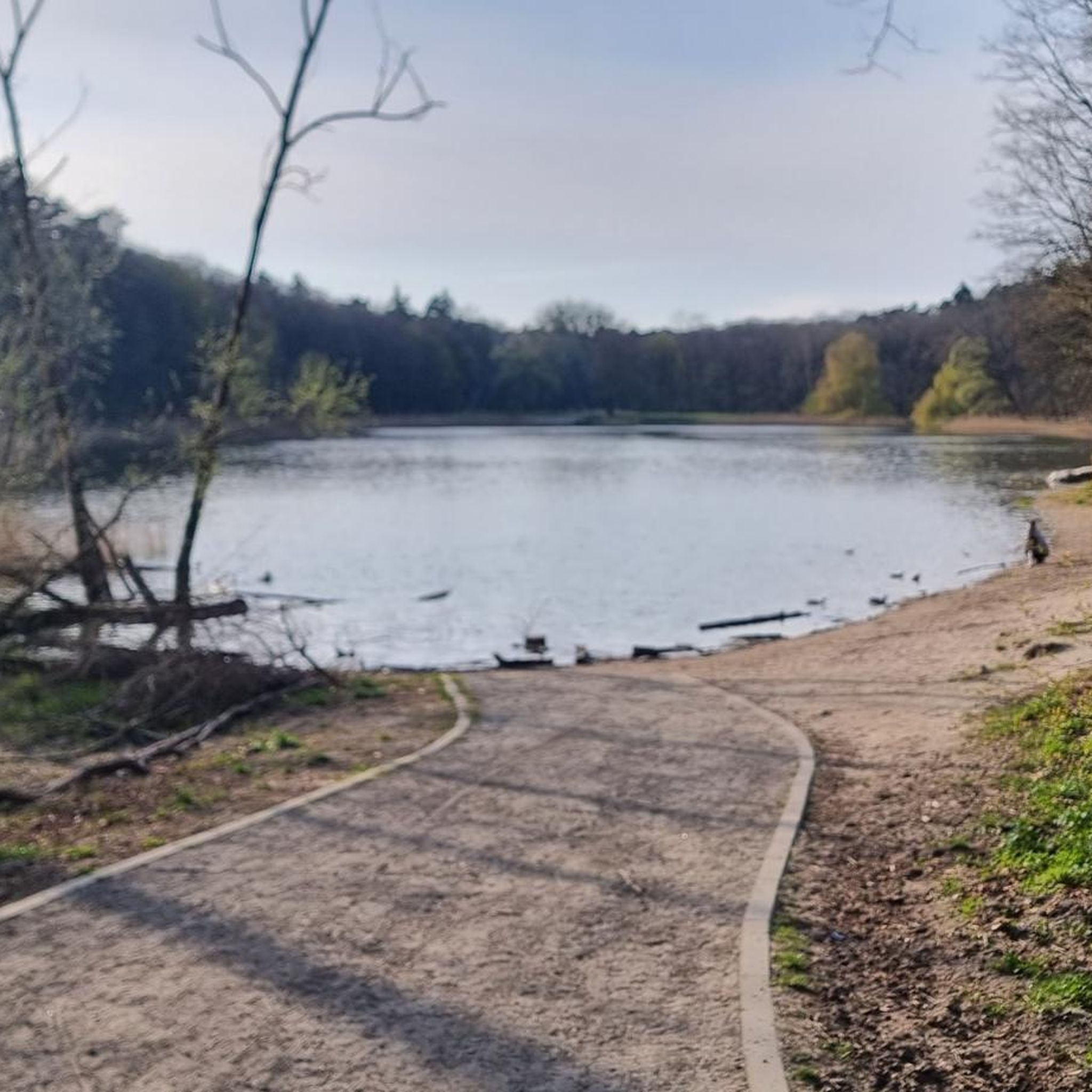
Hiking around Szczecin
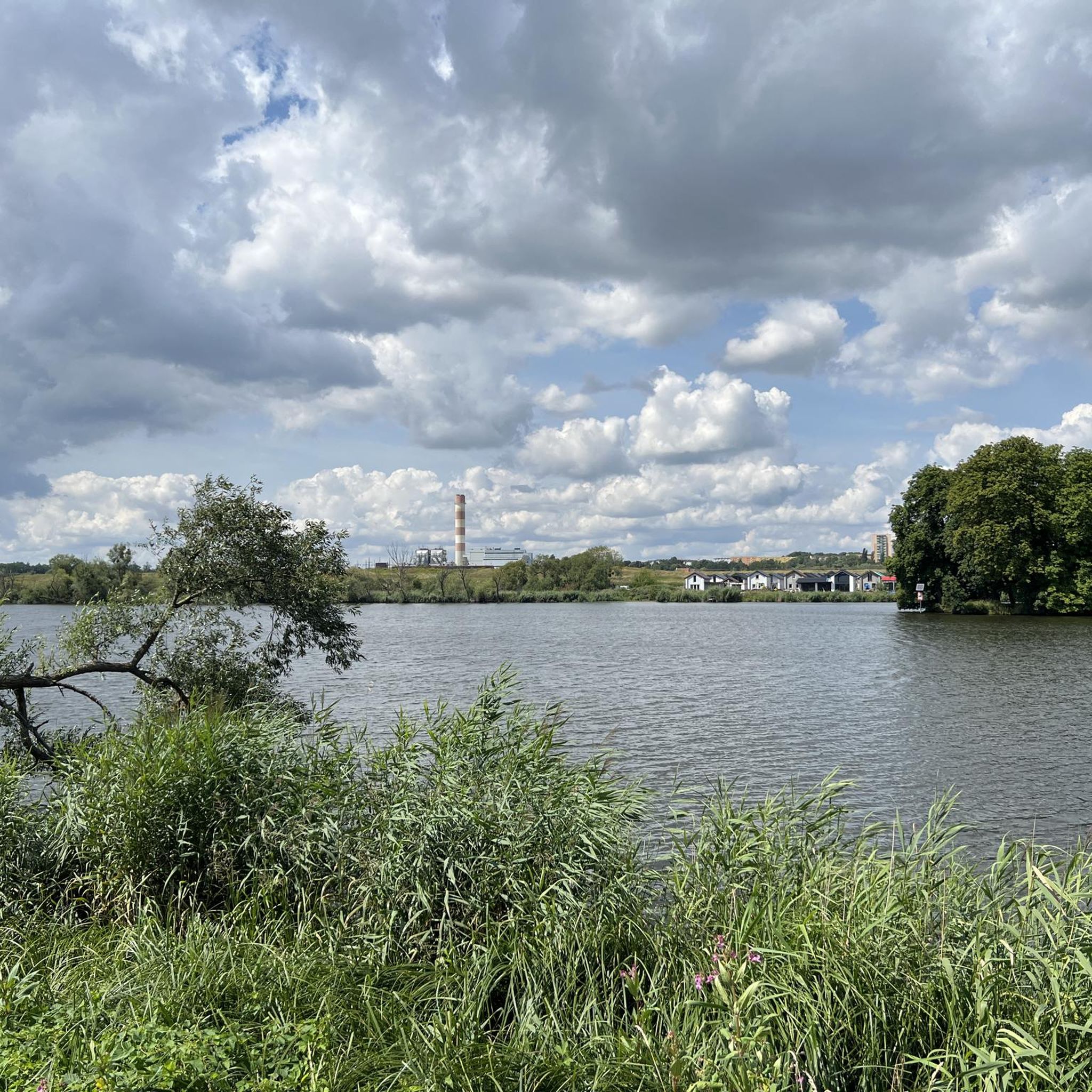
Hiking around Lake Portowe
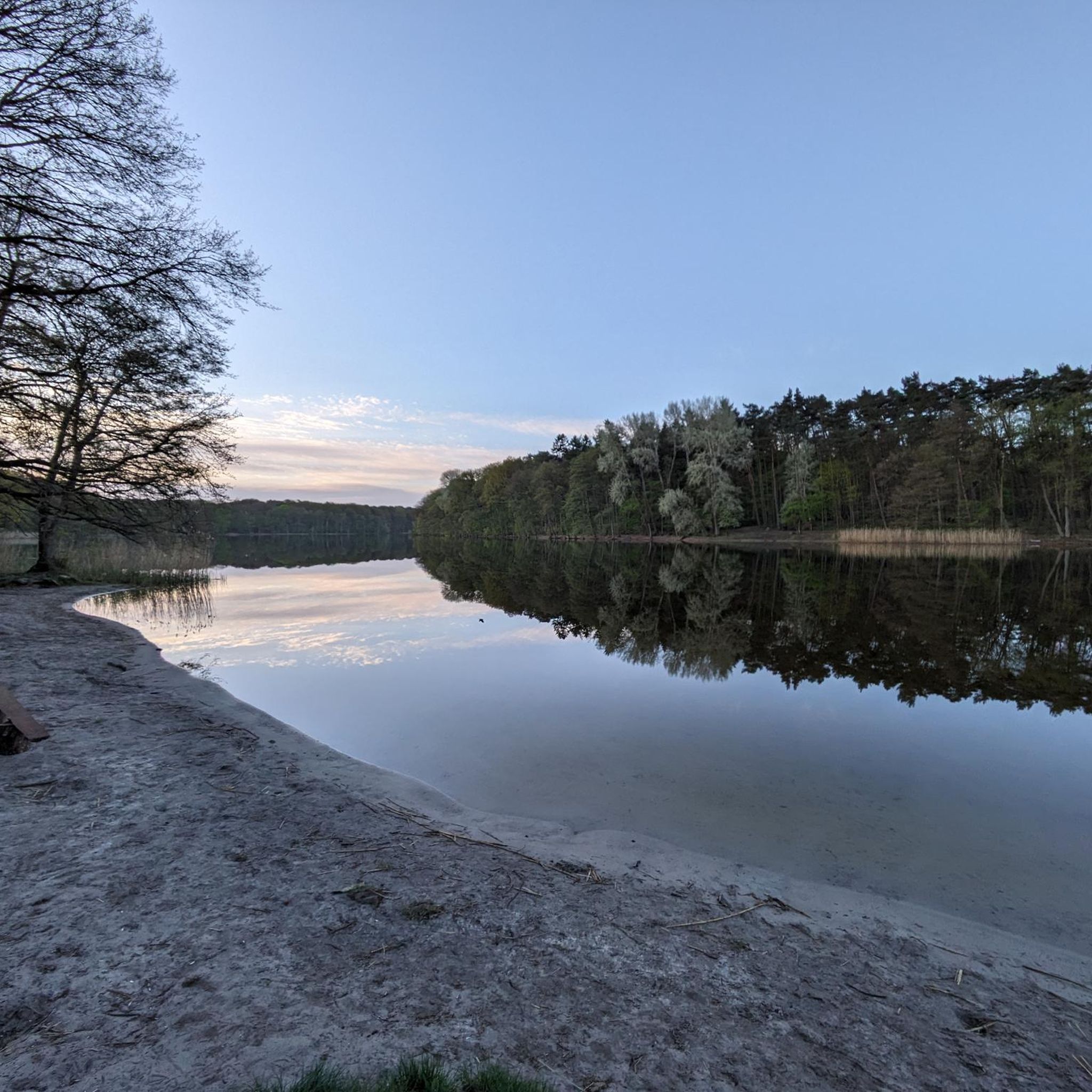
Hiking around Lake Głębokie
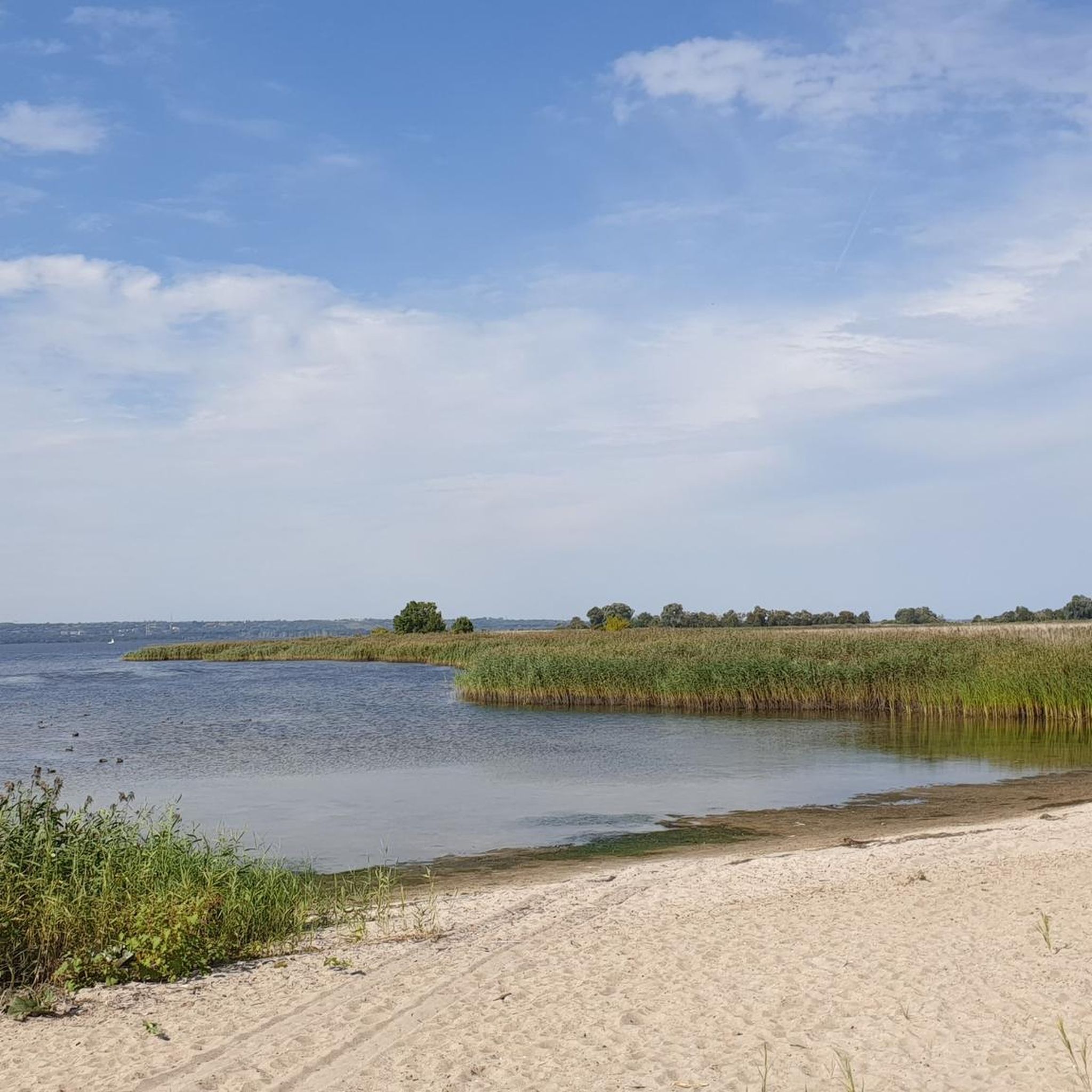
Hiking around Dąbie
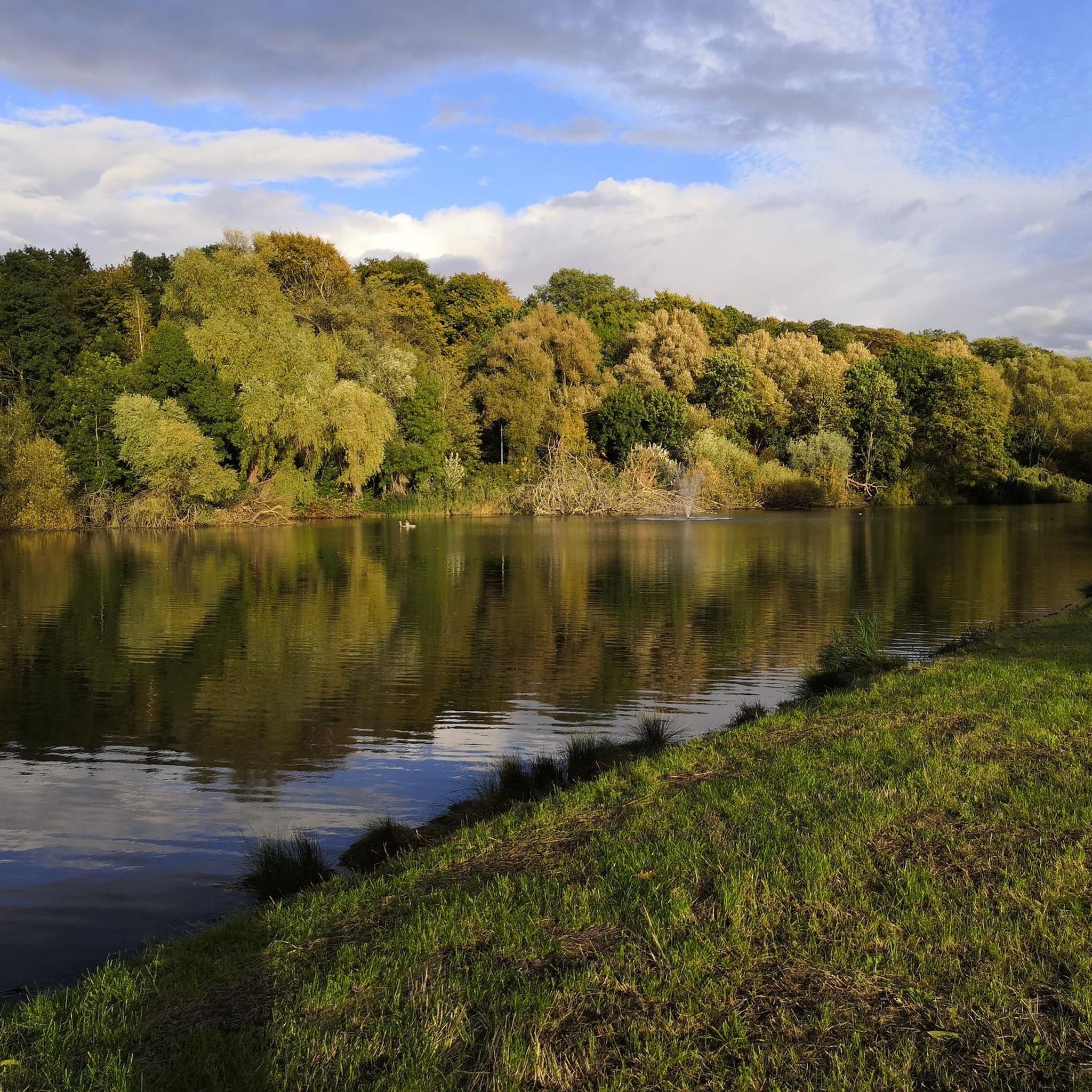
Hiking around Puszcza Wkrzańska
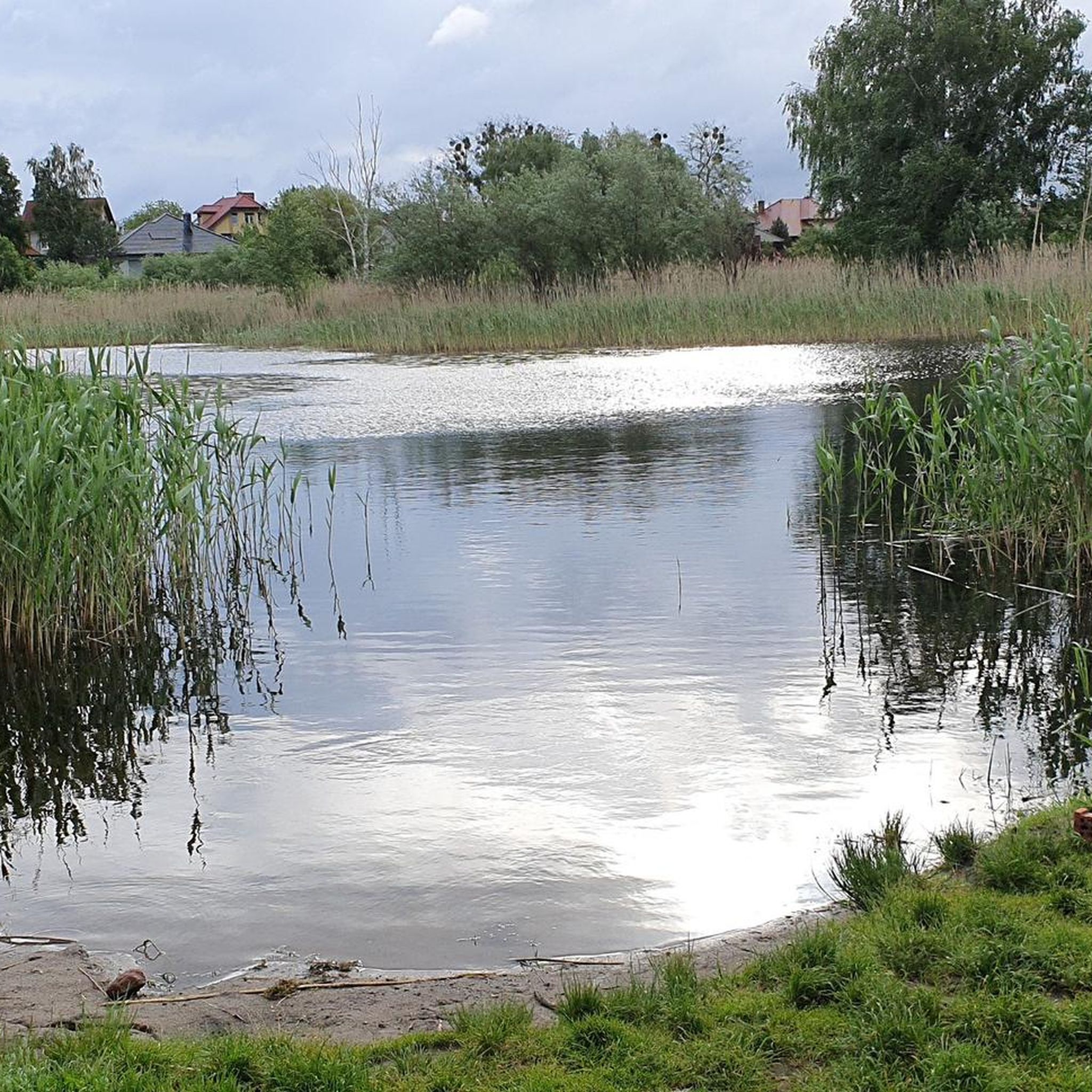
Hiking in Park Leśny Dąbie
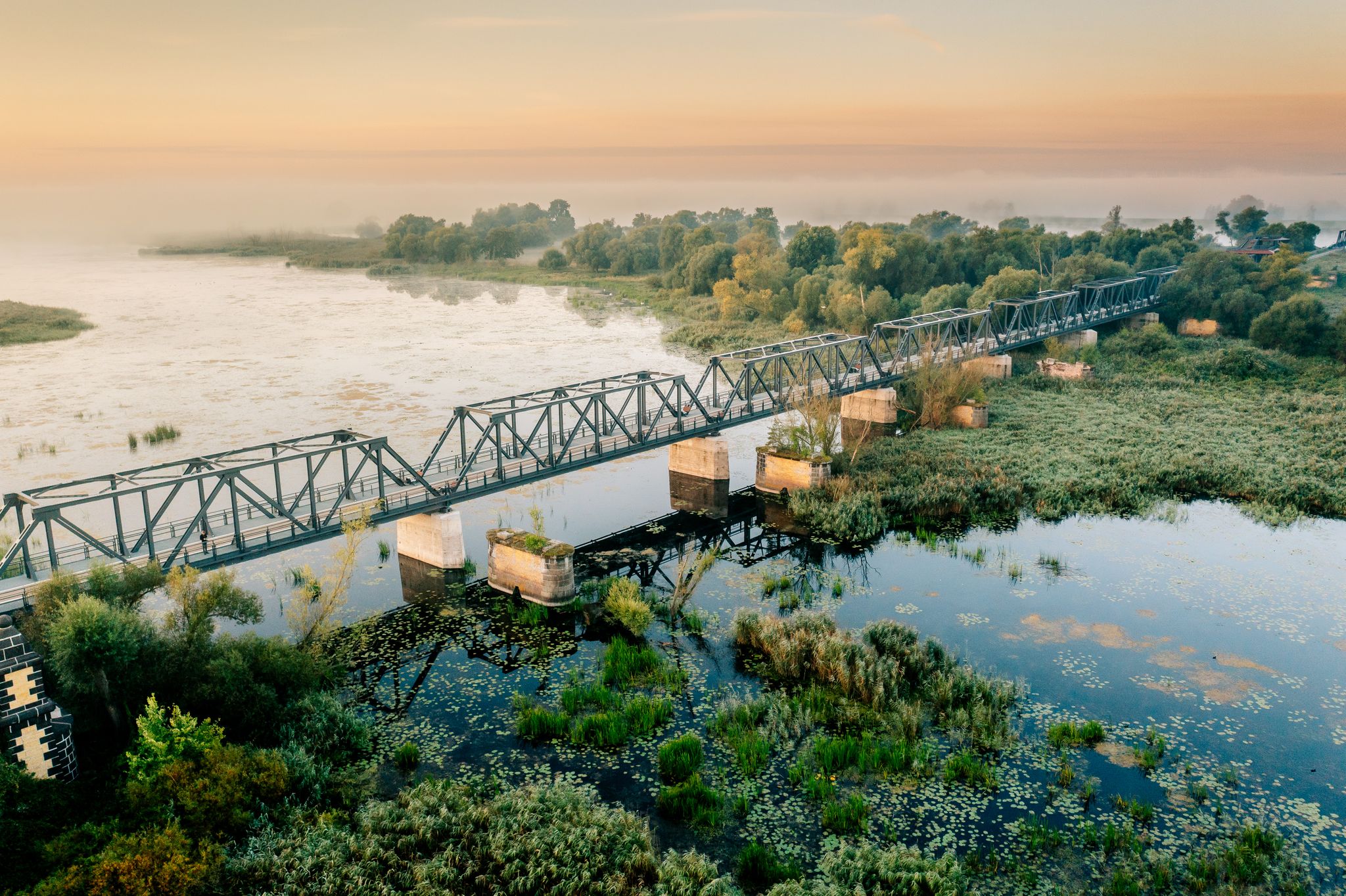
Outdoor Poland Part 1 – cycling in West Pomerania
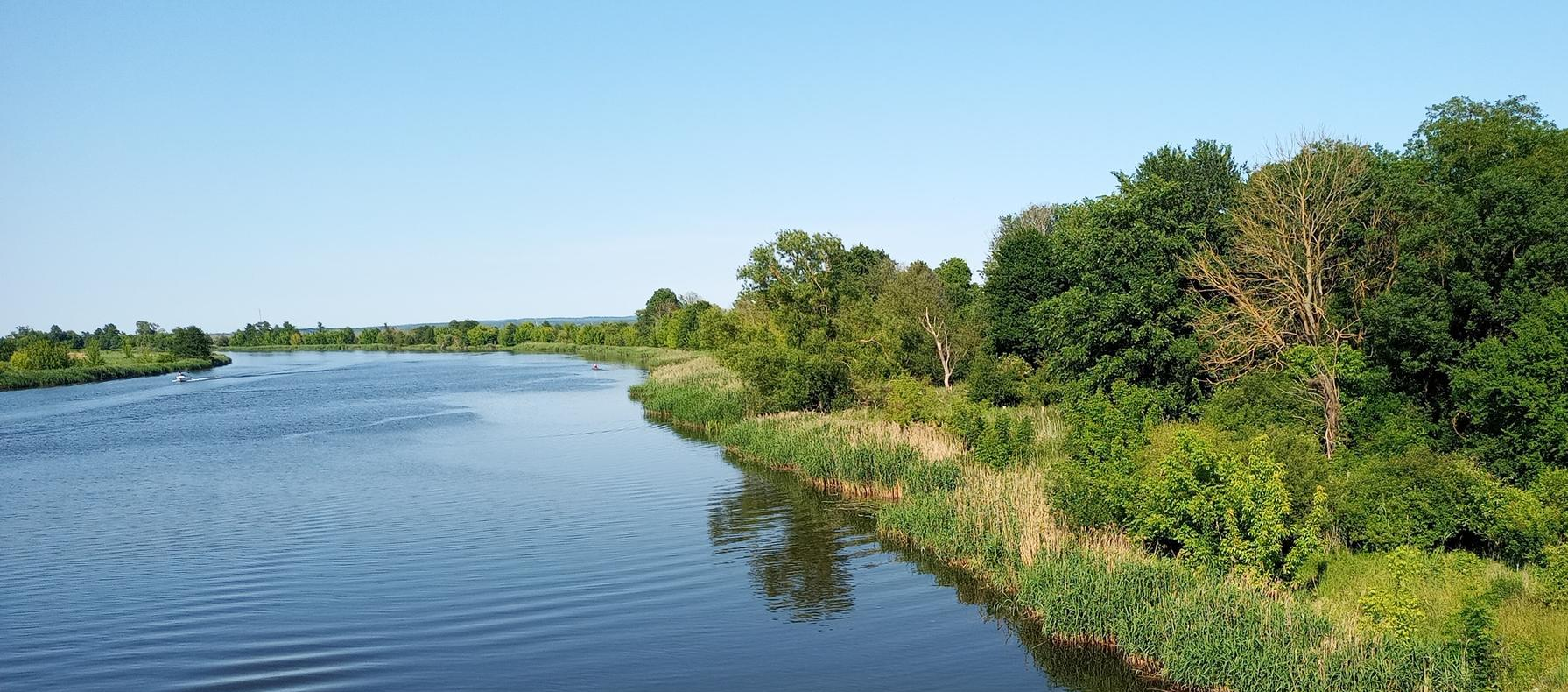
From The Baltic to The Oder River – Blue Velo
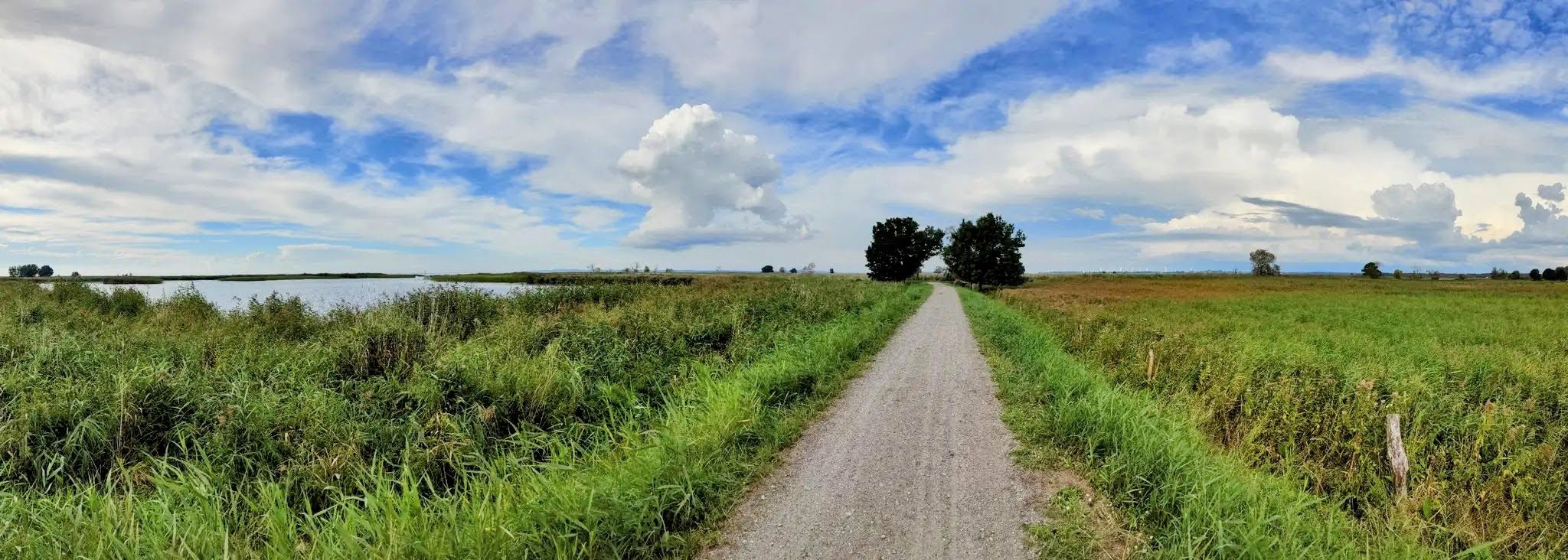
Relax amidst waters, forests and silence – Route Around the Szczecin Lagoon
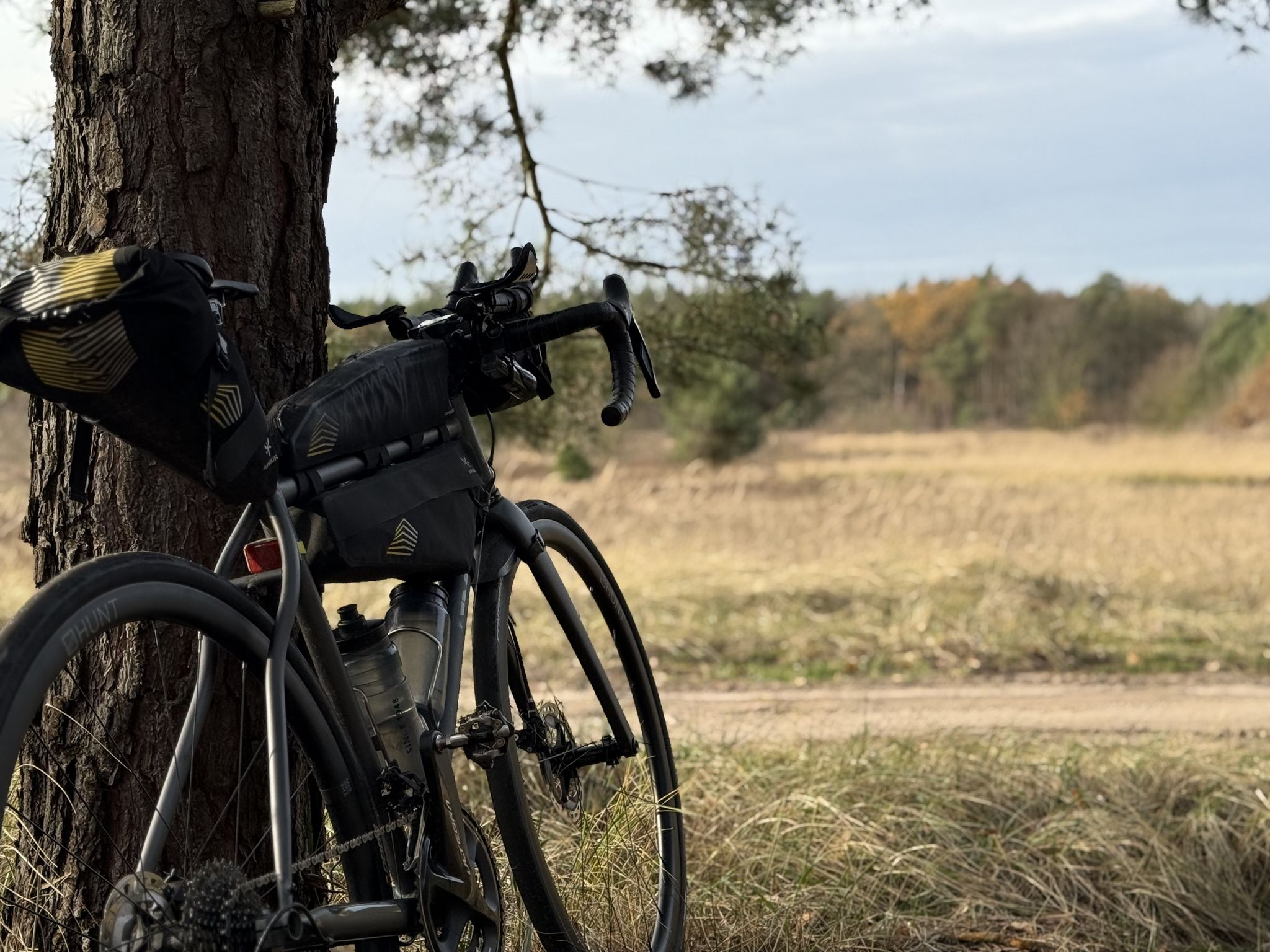
Winter bikepacking along the Pommersche Küste
Other adventures around Szczecin


Tips from the Community

Uroczysko Szwedzki Młyn is a charming, historic place in the Szczecin Landscape Park „Puszcza Bukowa”, located within the „Bukowe Zdroje” nature reserve. It is situated in the picturesque valley of the Chojnówka stream, south of the Szczecin housing estate Klęskowo. Today, it is a popular destination for walks, hidden amidst a dense beech forest.
3
0
Głaz Grońskiego is an impressive erratic boulder, a natural monument, located in the heart of the Szczecin Landscape Park "Puszcza Bukowa". Although it lies right on the administrative border of Szczecin (near the Bukowe Estate), geographically it is located within the Stare Czarnowo commune. It is one of the most recognizable landmarks and tourist stops in this part of the forest.
3
0

An unusual, massive structure stands out in the landscape of Szczecin's center
0
0
Szwedzki Kamień is a large erratic boulder and a natural monument in Puszcza Bukowa. It has a circumference of 9.7 meters and a height of 1.7 meters. It lies in the northwestern part of the Landscape Park, near Droga Chojnowska (Szwedzki Bruk). It is built of pinkish-grey gneiss.
3
0
Grodzisko Chojna (known in scientific literature as grodzisko Klęskowo) is an early medieval Slavic fortified settlement from the 9th–12th century, located in the northern part of the Szczecin Landscape Park "Puszcza Bukowa". It is situated on the flat summit of the Chojna hill, 74 m above sea level.
3
0

Church of the Sacred Heart of Jesus in Szczecin – a modernist church with a reinforced concrete structure, featuring elements of Neo-Baroque and Neo-Romanesque styles. It is located at Victory Square in Szczecin.
0
0

Nice building. Worth seeing
0
0
Frequently Asked Questions
How many hiking trails are available around Szczecin?
Szczecin offers a wide variety of hiking opportunities, with over 400 routes recorded on komoot. These trails cater to all skill levels, from easy strolls to more challenging treks through diverse landscapes.
Are there easy hiking trails suitable for beginners or families?
Yes, Szczecin has over 260 easy hiking routes. A great option for a relaxed walk is Around the Deep Lake, an easy 5.5 km path that takes about 1 hour 24 minutes. Another family-friendly choice is the View of Emerald Lake (Jezioro Szmaragdowe) loop from Rezerwat Zdroje, which is 7 km long and offers beautiful scenery.
Where can I find more challenging hikes in the Szczecin area?
For those seeking a more challenging experience, Szczecin offers 16 difficult routes and 129 moderate ones. The extensive Szczecin Landscape Park "Beech Forest" (Puszcza Bukowa) is an excellent area for this. Consider the Mountain Trail to Beechwood, a moderate 7.4 km path with varied elevations through the Beech Forest.
Are there any circular hiking routes around Szczecin?
Many of Szczecin's trails are circular, allowing you to start and end at the same point. For example, the St. James Cathedral, Szczecin – Post Directorate Building loop from Szczecin Główny is a 7.2 km route through urban and green areas. Another popular circular option is the View of Emerald Lake (Jezioro Szmaragdowe) – Groński Boulder loop, a moderate 11.8 km trail.
What natural attractions or viewpoints can I discover while hiking?
Szczecin's hiking trails lead to many natural highlights. The picturesque Emerald Lake (Jezioro Szmaragdowe), formed in an old chalk mine, is a must-see. You can also visit the Wodozbiór Observation Platform for panoramic views, or explore the unique Siren Ponds. The Beech Forest itself offers a viewing tower on Wzgórz Bukowych.
Can I hike with my dog in Szczecin?
Many of Szczecin's natural areas, particularly the extensive forests like Puszcza Bukowa and Wkrzańska Forest, are generally dog-friendly. Always keep your dog on a leash, especially in nature reserves, and be mindful of local regulations and wildlife. The varied terrain and numerous trails provide ample space for you and your canine companion to explore.
What is the best time of year to go hiking in Szczecin?
Szczecin offers enjoyable hiking experiences throughout the year. Spring brings blooming flora, while autumn showcases vibrant fall colors in the Beech Forest. Summer is ideal for longer days and exploring lakes, though trails can be busy. Winter hiking is also possible, with the snow-covered landscapes offering a unique, tranquil beauty, especially in areas like the Szczecin Lagoon Nature Park.
Are there any trails that feature water elements like rivers or lakes?
Absolutely. Szczecin is rich in water features. The Around the Deep Lake trail offers a pleasant walk along its perimeter. The Odra River Trail provides gentle paths with panoramic river views. The Puszcza Bukowa also features countless waterways, springs, and picturesque lakes such as Glinna Lake, Binowskie Lake, and Piasecznik Wielki Lake.
How accessible are the hiking trails by public transport?
Many hiking areas around Szczecin are well-connected by public transport. For instance, trails within the Puszcza Bukowa are often reachable by city buses. For urban routes like the Oder River Promenade loop from Szczecin Główny, public transport access is excellent, as they start directly from the city center or major transport hubs.
Is there parking available at the trailheads?
Yes, parking is generally available near popular trailheads, especially for larger natural parks like the Szczecin Landscape Park "Beech Forest." Specific parking information can often be found on local tourism websites or within komoot tour descriptions. It's advisable to check for designated parking areas before your hike.
What do other hikers say about the trails in Szczecin?
The hiking trails in Szczecin are highly regarded by the komoot community, with an average rating of 4.6 out of 5 stars from over 500 reviews. Hikers often praise the diverse landscapes, the well-maintained paths, and the accessibility of nature close to the city. Many appreciate the variety, from tranquil forest walks to scenic lake loops.
Are there any historical sites or ruins to explore on the trails?
Yes, the region has some interesting historical remnants. Within the Beech Forest, you can find the remains of German bunkers and underground tunnels of a former chalk mine. Some trails might also lead past historical landmarks, such as the Ruins of the Toepffer Palace, which is part of a loop near Emerald Lake.
Most popular routes around Szczecin
Most popular attractions around Szczecin

Get inspired with the komoot mobile app


Didn’t find what you were looking for?
Check out more Hikes throughout Szczecin below and find the perfect route in your destination.
Explore more
Browse the best Hikes in other regions.
