Top 14 Castles around Heigenbrücken
Castles near Heigenbrücken are situated within the Spessart forest, a region known for its historical sites and natural landscapes. The area offers a variety of historical structures, from well-preserved castles to ancient ruins. This geographic setting provides a backdrop for exploring cultural heritage. The region's terrain features forests and valleys, contributing to the secluded nature of some sites.
Best castles around Heigenbrücken
- The most popular castles is Miniature castle at the Feldkahl spring, an other_man_made structure that is lovingly…
Last updated: May 1, 2026
Rothenbuch Castle
Highlight • Castle
Translated by Google •
Tip by

Schöllkrippen Castle
Highlight • Castle
Translated by Google •
Tip by

Sign up now to discover places like this
Get recommendations on the best single tracks, peaks, & plenty of other exciting outdoor places.
Sign up for free
Miniature castle at the Feldkahl spring
Highlight • Structure
Translated by Google •
Tip by

Ruins of the Birklergrund Glassworks
Highlight • Historical Site
Translated by Google •
Tip by

Wiesen Castle
Highlight • Castle
Translated by Google •
Tip by

Sign up for free to discover even more castles around Heigenbrücken.
Sign up for free
Already have an account?
Start today with a free account
Your next adventure awaits.
Login or Signup
Popular around Heigenbrücken
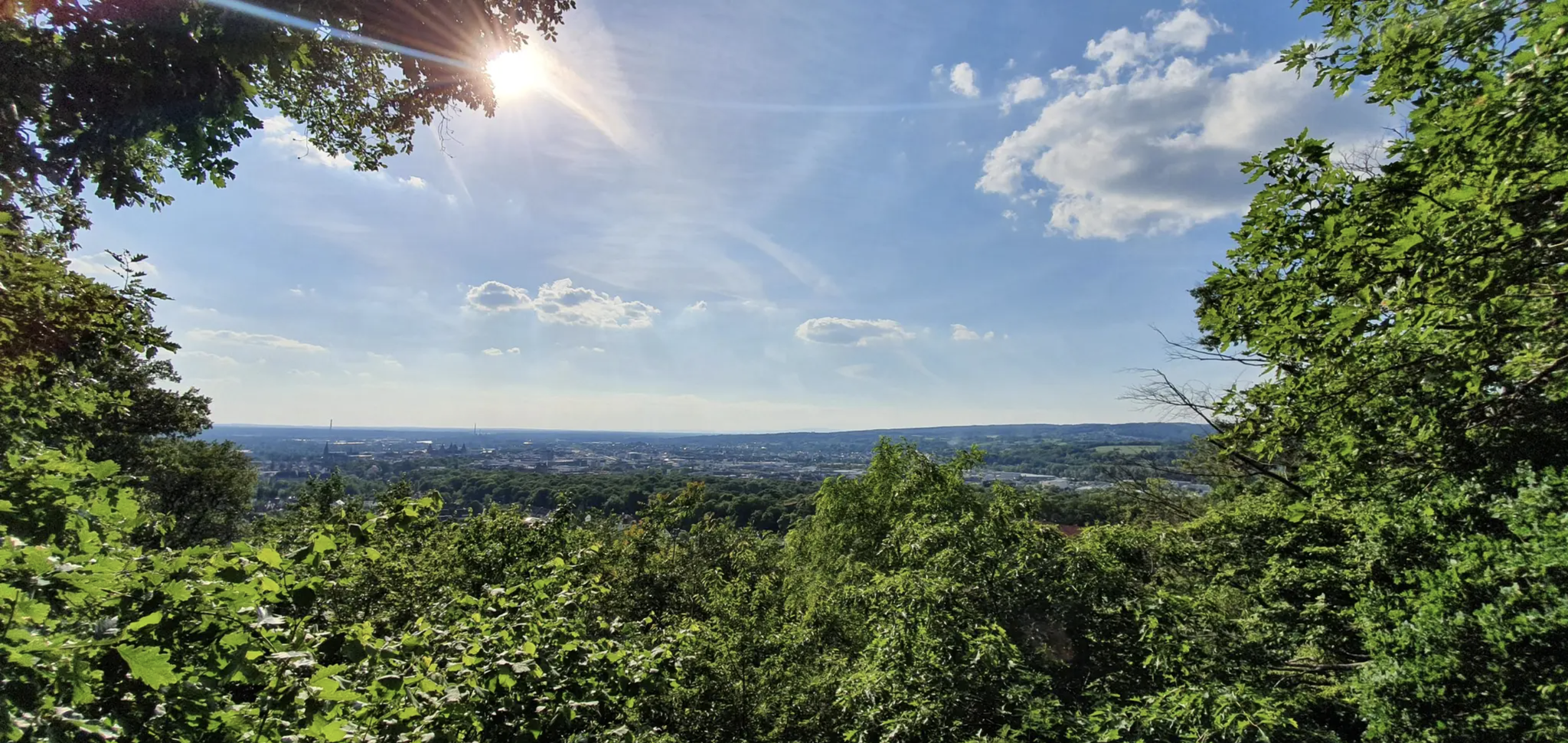
Germany's Spessart Trail – Free as a bird
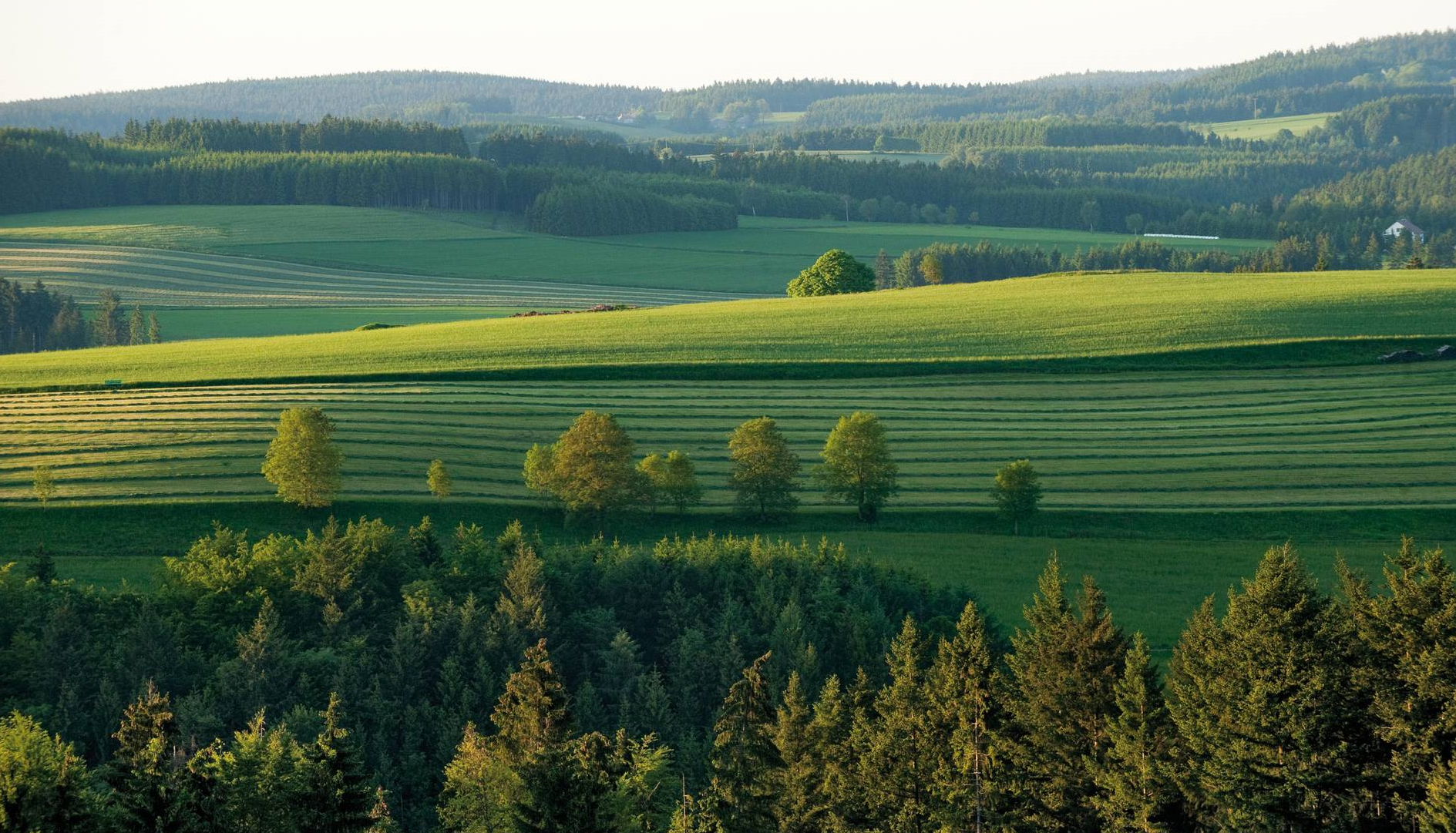
The most beautiful tours for summer and autumn – hiking paradise Franconia

Wildlife parks — safari in Germany
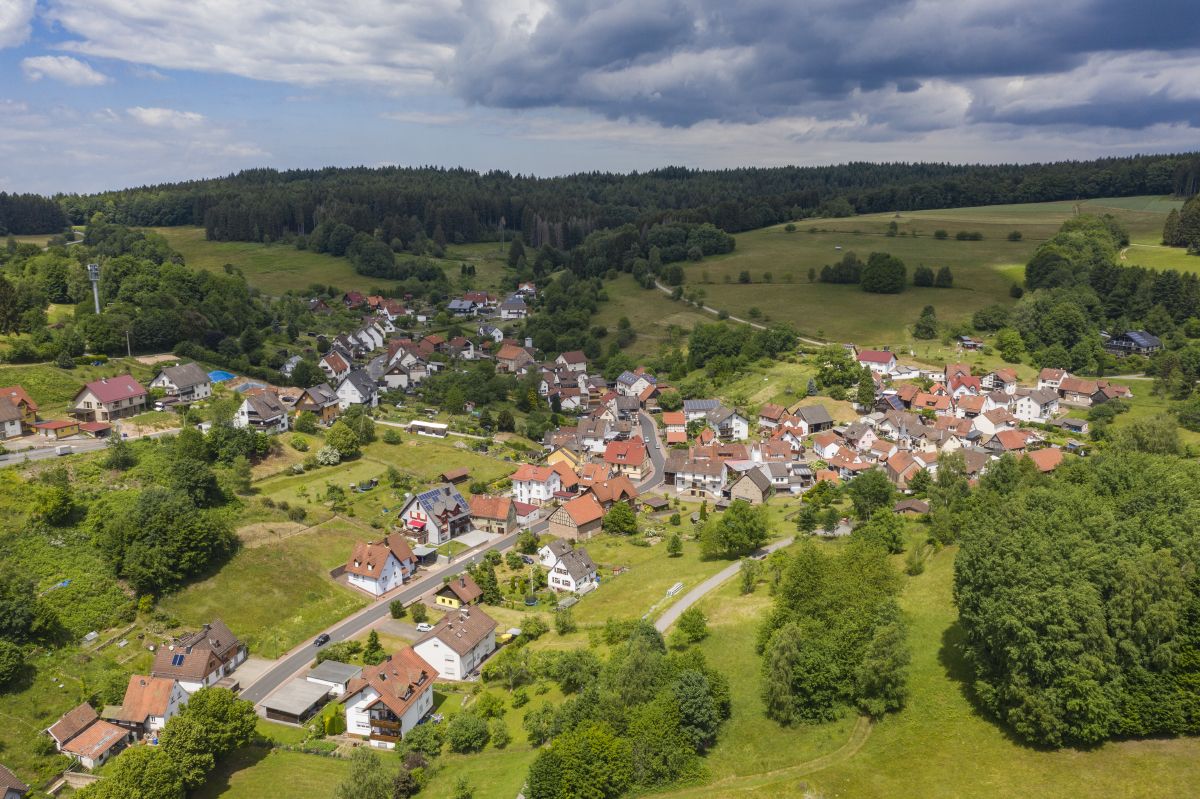
Wandern auf dem Spessartweg 2
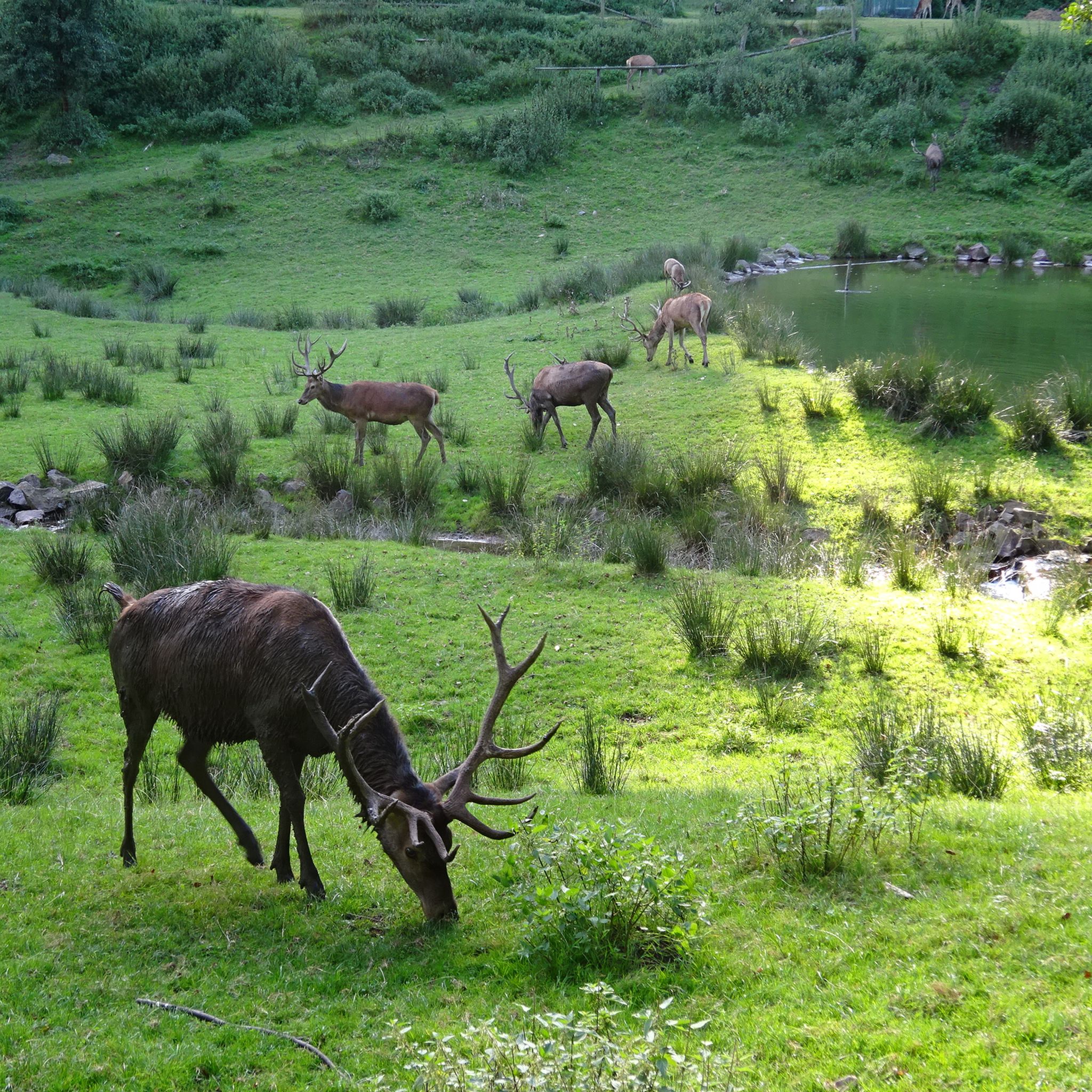
Hiking around Heigenbrücken
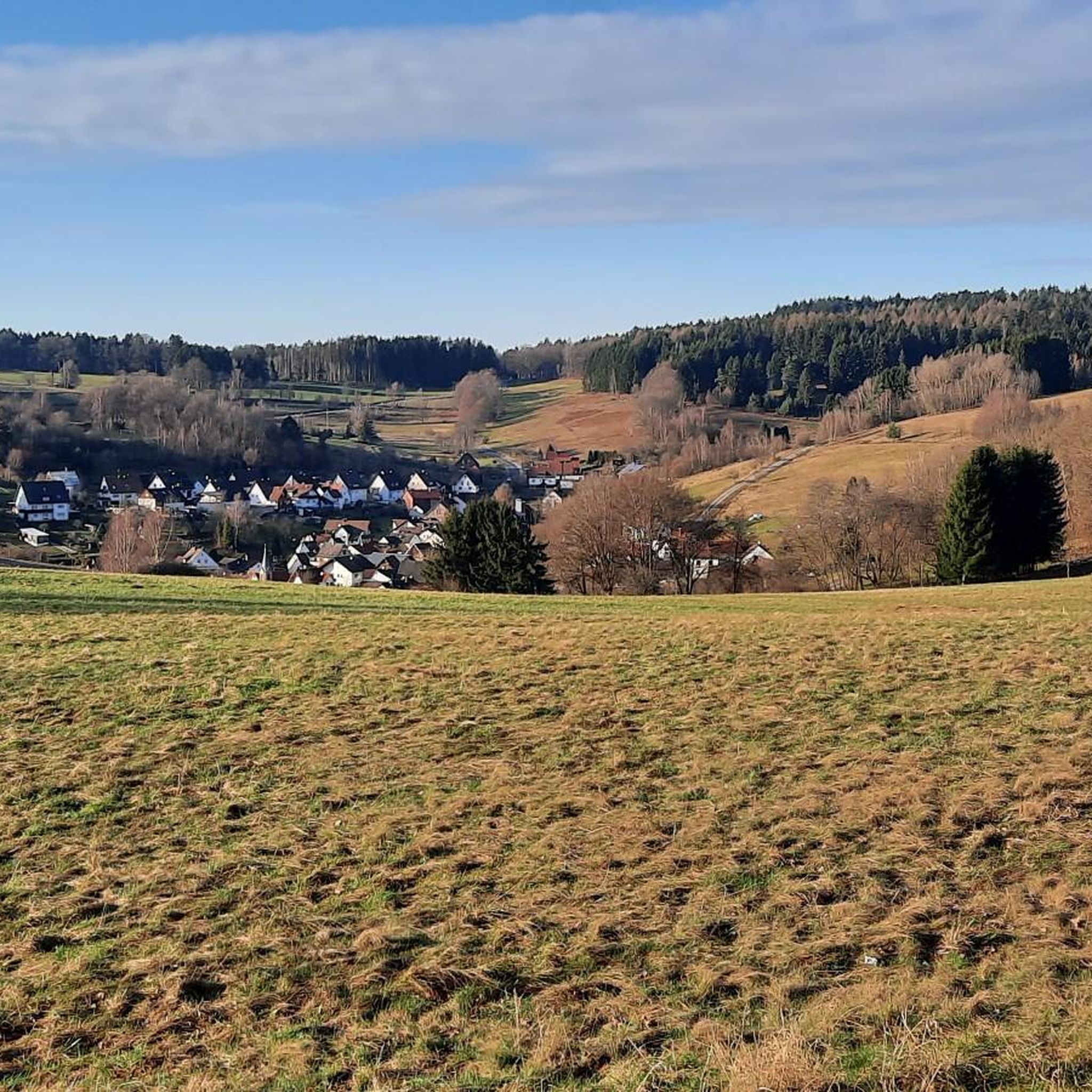
Road Cycling Routes around Heigenbrücken
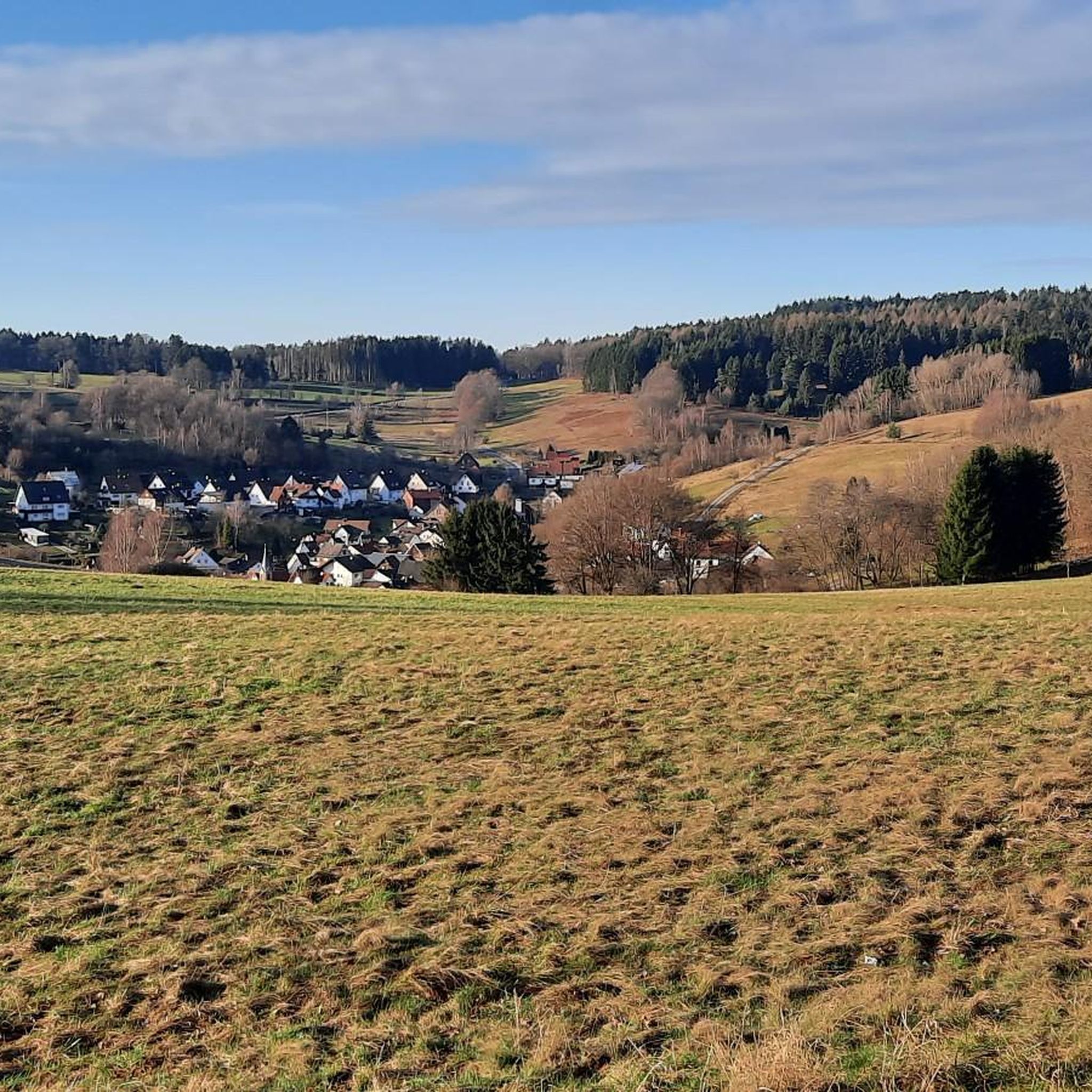
Cycling around Heigenbrücken
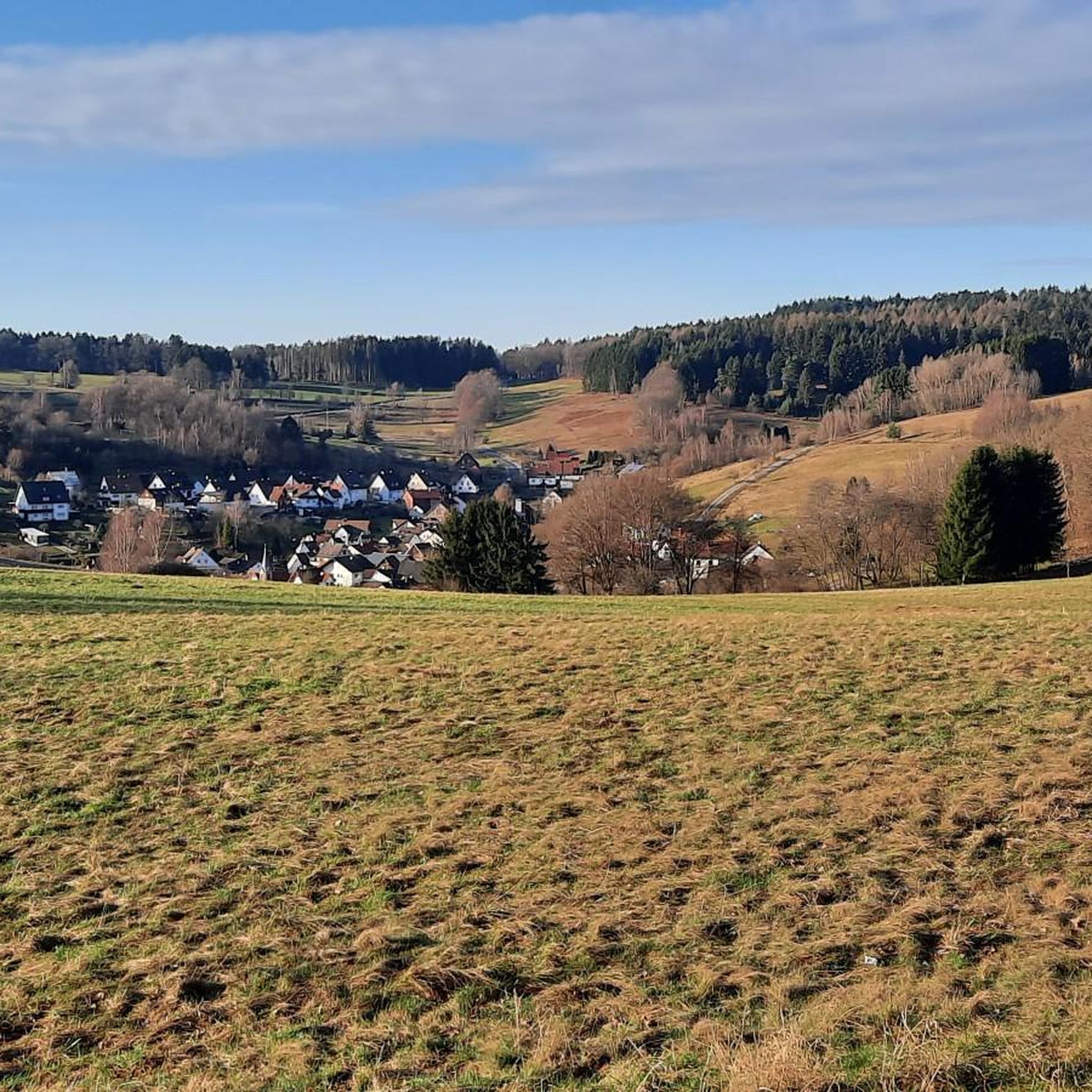
MTB Trails around Heigenbrücken
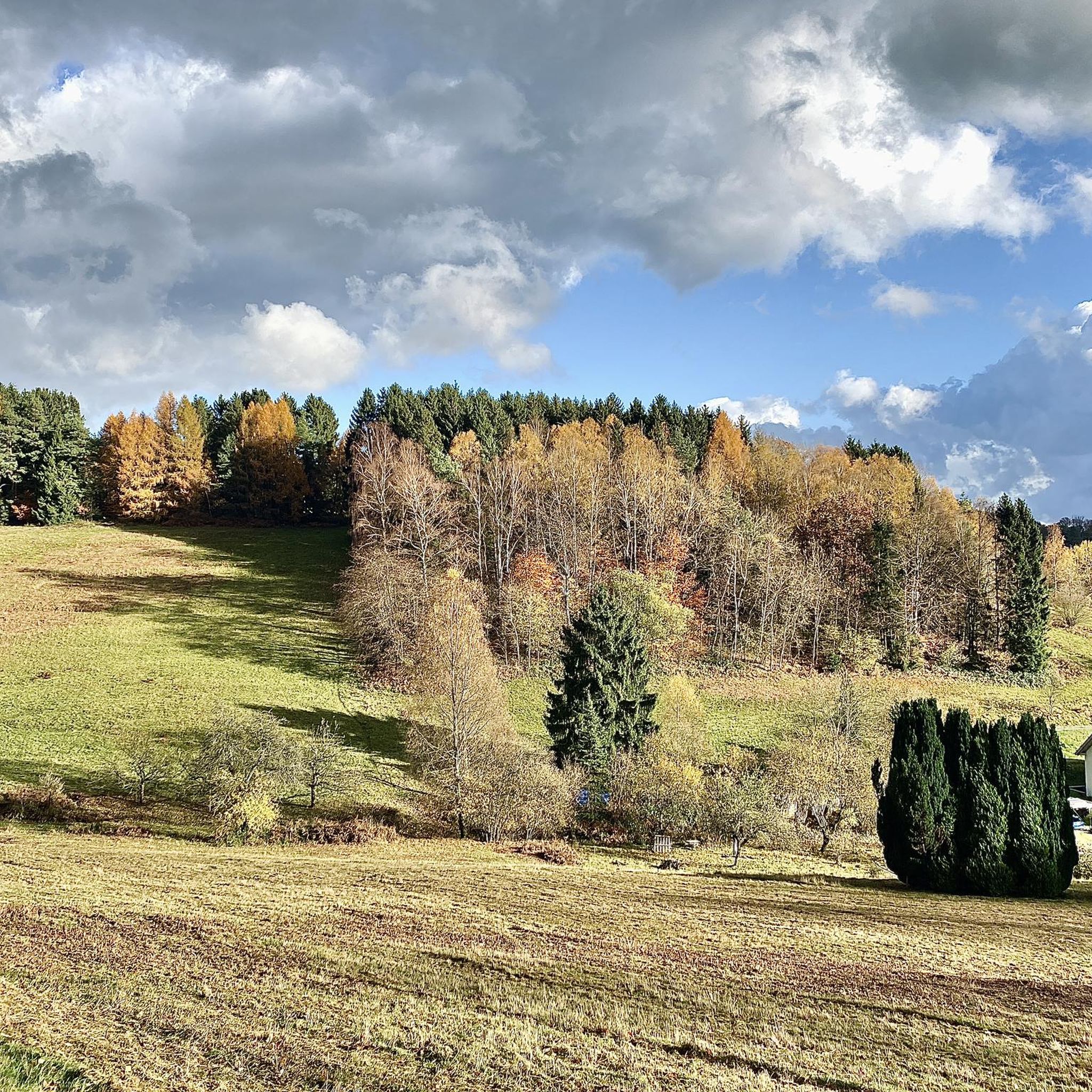
Running Trails around Heigenbrücken
Gravel biking around Heigenbrücken
Other adventures around Heigenbrücken


Tips from the Community

The castle is privately owned
1
0

Rothenbuch is one of the oldest and most important towns in the Inner Spessart region. The first documented mention of "zuo den Rodenboychen" dates back to 1318, when the Archbishop of Mainz, Peter von Aspelt, and the Bishop of Würzburg, Gottfried III von Hohenlohe, concluded a security cooperation agreement here. In 1342, construction began on a castle in Rothenbuch, at the source of the Hafenlohr River. The first inhabitants were likely settled there as hunting lodgers. During the Peasants' War of 1525, the castle was severely damaged or destroyed. In 1566, the castle was rebuilt and expanded on the orders of Daniel Brendel von Homburg, Elector of Mainz. The first depiction of Rothenbuch can be found on one of the oldest existing Spessart maps, the so-called Pfinzig map from 1594. Source: Wikipedia
2
0

Wiesen Castle was built in 1597 by Wolfgang von Dalberg, Elector of Mainz. Since the castle is privately owned, it is unfortunately not open to the public.
2
0
Beautiful complex in the forest behind the swimming pool.
2
0


First a courthouse, then a monastery and children's home, and now a hotel: Rothenbuch Castle has a very eventful history. If you don't want to stay overnight, you can eat in the restaurant from Monday to Saturday between 2 p.m. and 9:30 p.m. More information at http://www.gast-im-schloss.com.
0
0
Wiesen Castle At first glance, Wiesen's traffic situation seems unfavorable, but two state roads cross here. In the late Middle Ages, around 1400, Wiesen was even at the junction of two important supra-regional traffic routes, on Birkenhainer Strasse and Eselsweg. In Wiesen, on the site of the current castle, there was a castle belonging to the Counts of Rieneck, who controlled both of these high-altitude traffic routes from here. The forests and valleys around Wiesen were then dominated by glass production and the glass trade. The current building of the castle was probably built next to the church in the late 16th century. The former Mainz castle and its outbuildings, together with the church, form a slightly elevated, picturesque group of buildings on the edge of the actual village center. The importance of the castle lies in its excellent location in the townscape and its special significance for local history as a bearer of tradition from the old story of the village's founding. During excavations in the castle, Gothic stove tiles were also discovered. They are called Tannenberg type tiles after Tannenberg Castle on the Bergstrasse. Tiles of this type were manufactured in Dieburg from the middle of the 14th century and traded along the Main as far as Holland. The fragments suggest that the lord of the castle in Wiesen - formerly from Rieneck - owned a stove around 1400, the equipment of which reveals a high standard of living. However, the good piece was not only intended to serve as optimal room heating, but above all to impress guests with the proud display of wealth. Source: Information board at the site
1
0
Wiesen Castle At first glance, Wiesen's traffic situation seems unfavorable, but two state roads cross here. In the late Middle Ages, around 1400, Wiesen was even at the junction of two important supra-regional traffic routes, on Birkenhainer Strasse and Eselsweg. In Wiesen, on the site of the current castle, there was a castle belonging to the Counts of Rieneck, who controlled both of these high-altitude traffic routes from here. The forests and valleys around Wiesen were then dominated by glass production and the glass trade. The current building of the castle was probably built next to the church in the late 16th century. The former Mainz castle and its outbuildings, together with the church, form a slightly elevated, picturesque group of buildings on the edge of the actual village center. The importance of the castle lies in its excellent location in the townscape and its special significance for local history as a bearer of tradition from the old story of the village's founding. During excavations in the castle, Gothic stove tiles were also discovered. They are called Tannenberg type tiles after Tannenberg Castle on the Bergstrasse. Tiles of this type were manufactured in Dieburg from the middle of the 14th century and traded along the Main as far as Holland. The fragments suggest that the lord of the castle in Wiesen - formerly from Rieneck - owned a stove around 1400, the equipment of which reveals a high standard of living. However, the good piece was not only intended to serve as optimal room heating, but above all to impress guests with the proud display of wealth. Source: Information board at the site
3
0
Frequently Asked Questions
What are some of the most historically significant castles near Heigenbrücken?
Beyond the popular sites, the region boasts several castles with rich histories. Rothenbuch Castle, a 14th-century castle, is a central starting point for many hiking trails and hosts a popular Christmas market. Further afield, Mespelbrunn Castle is a picturesque late-medieval/early-Renaissance moated castle that has been continuously inhabited by the same family for over 600 years. Johannisburg Palace in Aschaffenburg is a significant masterpiece of German Late Renaissance architecture, serving as a former residence for the archbishop-electors of Mainz.
Are there any family-friendly castles or historical sites to visit?
Yes, several sites are suitable for families. The Miniature castle at the Feldkahl spring is lovingly prepared and maintained, offering a charming experience. The Ruins of the Birklergrund Glassworks provide an educational outing with information boards detailing 18th-century glass production. Rothenbuch Castle and Schöllkrippen Castle are also noted as family-friendly.
Can I explore castle ruins or less preserved historical sites in the area?
Absolutely. The Ruins of the Birklergrund Glassworks offer a unique glimpse into the past, where you can see the foundation walls of an 18th-century forest glassworks. Information boards provide context on the history of glass production in the Spessart forest.
What kind of natural features can I expect to see around these castles?
The castles near Heigenbrücken are nestled within the Spessart forest, a region characterized by its dense woodlands, valleys, and natural landscapes. Mespelbrunn Castle, for instance, is famously a 'water castle' situated directly in a small lake. Many sites offer forest trails and viewpoints, allowing visitors to enjoy the natural beauty alongside historical exploration.
Are there hiking or cycling routes near the castles?
Yes, the region around Heigenbrücken is excellent for outdoor activities. You can find numerous hiking routes, including easy hikes like the 'Marian Grotto in the Bächlesgrund' loop or the 'View of Heigenbrücken' loop. For cycling, there are moderate touring bicycle routes such as the 'Wetland in the Spessart Nature Park' loop. Mountain biking enthusiasts can explore trails like the 'Heigenbrücken Biotopes' loops. You can find more details on these routes in the Cycling around Heigenbrücken, MTB Trails around Heigenbrücken, and Easy hikes around Heigenbrücken guides.
What is the best time of year to visit the castles near Heigenbrücken?
The Spessart region is beautiful year-round. Spring and autumn offer pleasant temperatures for exploring and hiking, with vibrant foliage in autumn. Summer is ideal for enjoying the outdoor settings, though it can be busier. Mespelbrunn Castle, with its idyllic setting, is particularly charming in warmer months. Some castles, like Rothenbuch Castle, host special events like Christmas markets in winter, which can be a unique experience, especially with snow.
Is Mespelbrunn Castle accessible for visitors, and what makes it unique?
Mespelbrunn Castle is a unique 'water castle' nestled in a secluded valley, known for its fairytale-like charm and well-preserved Renaissance architecture. It has been continuously inhabited by the same family for over 600 years. Visitors can take guided tours through seven furnished rooms, including the Knight's Hall. An English pamphlet is available for tours, which are primarily in German. Its hidden location allowed it to survive wars largely unscathed, preserving its original form. There is also a Café Pferdestall nearby for refreshments.
What can I see at Johannisburg Palace in Aschaffenburg?
Johannisburg Palace is a cultural and historical treasure. It houses several museums, including the Staatsgalerie Aschaffenburg with works by Lucas Cranach the Elder, and the Municipal Palace Museum documenting Aschaffenburg's history. You can explore the Princely Apartments and a unique collection of architectural models of ancient Roman buildings made from cork. The palace gardens and the idealized Roman villa, Pompeiianum, are also highlights.
Are there any castles that offer a unique or unusual experience?
Yes, the Miniature castle at the Feldkahl spring stands out for its detailed construction and aesthetic appeal, created with great care. The Ruins of the Birklergrund Glassworks offer a different kind of historical experience, showcasing industrial heritage rather than traditional fortifications.
What do visitors enjoy most about the castles and historical sites in this region?
Visitors frequently appreciate the blend of history and nature. The idyllic settings of castles like Mespelbrunn, the detailed craftsmanship of sites like the Miniature castle at the Feldkahl spring, and the educational insights provided at places like the Ruins of the Birklergrund Glassworks are often highlighted. The opportunity to combine castle visits with hiking or cycling through the Spessart forest is also a major draw.
Are there options for dining or accommodation near the castles?
Yes, for instance, Rothenbuch Castle itself houses a restaurant and hotel. Near Mespelbrunn Castle, you'll find the Café Pferdestall for refreshments. Aschaffenburg, home to Johannisburg Palace, offers a wider range of cafes, pubs, and accommodation options due to its larger size.
What is <a href="https://www.komoot.com/highlight/622479" target="_blank" rel="noopener">Wiesen Castle</a>, and can I visit it?
Wiesen Castle is a former hunting lodge built in 1597, marking the transition from the Late Middle Ages to the modern era. It is now in private hands. While normally not accessible to the public, the castle and its nicely renovated stately farm can sometimes be visited on special occasions, such as the annual Day of the Monument. It's worth taking a look through the historic bar fence to admire its architecture.
Most popular routes around Heigenbrücken
Most popular attractions around Heigenbrücken

Get inspired with the komoot mobile app


Explore more
Looking for the best castles somewhere else? Discover other guides around Heigenbrücken:
