The best cycling routes around Nowosolna
4.6
(693)
4,389
riders
33
rides
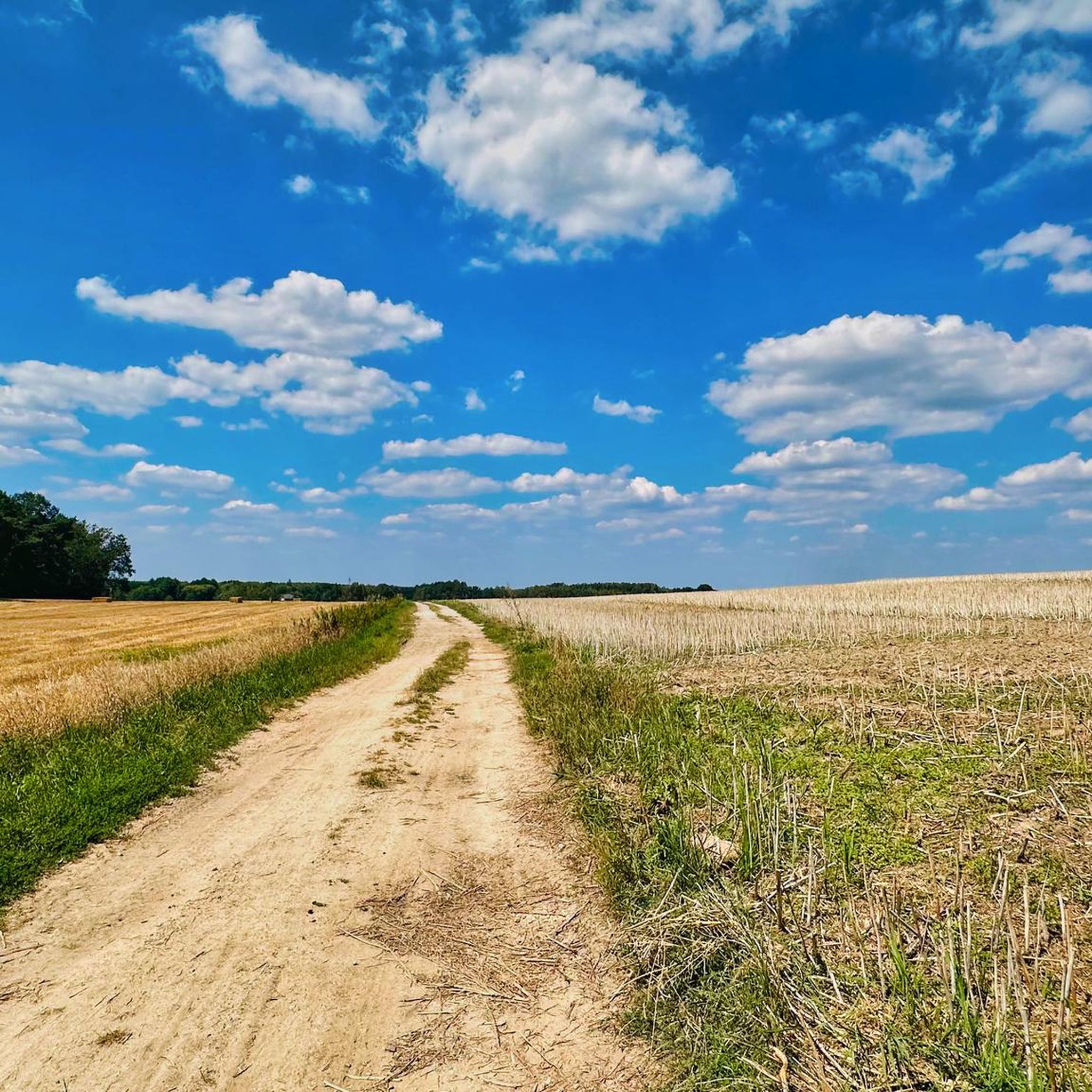
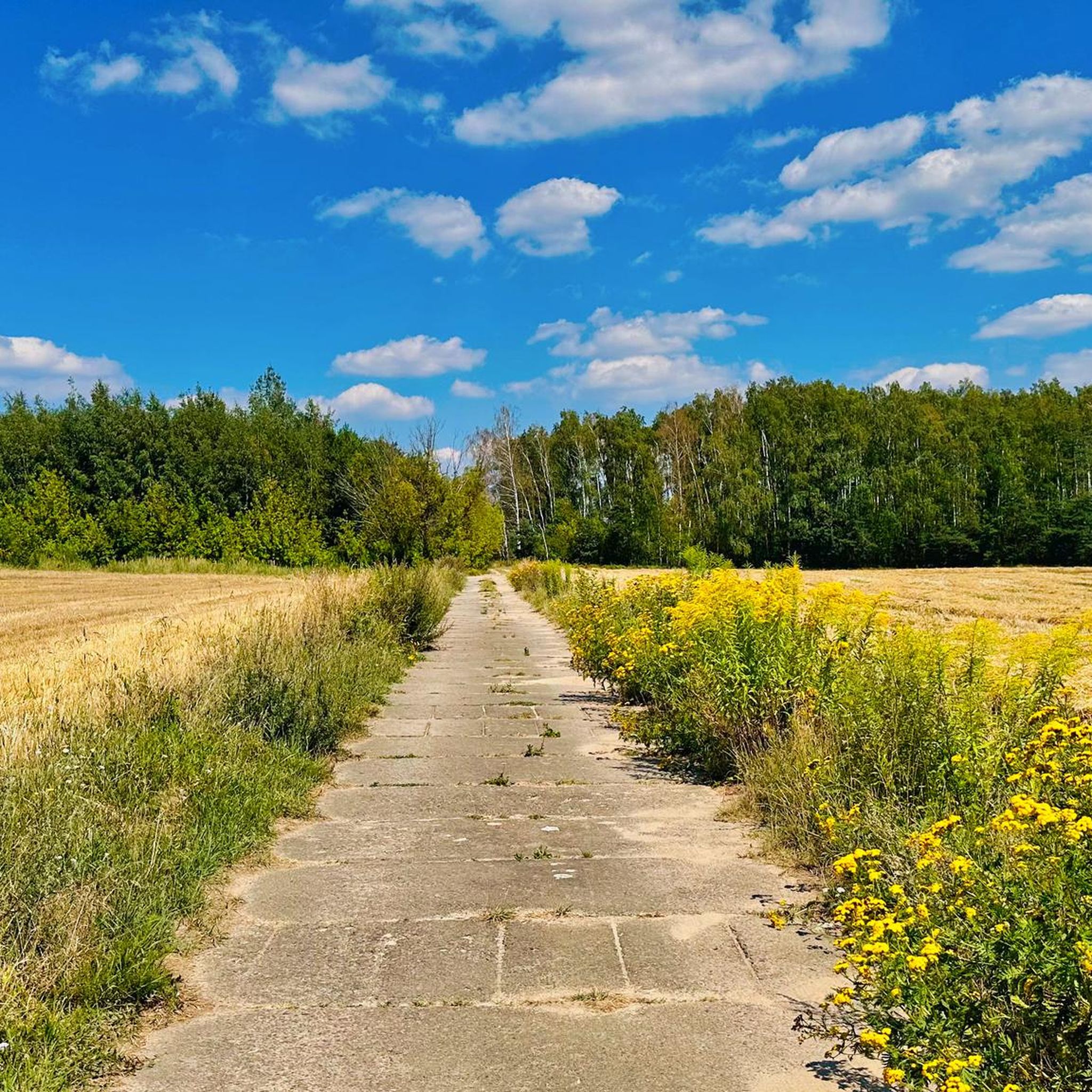
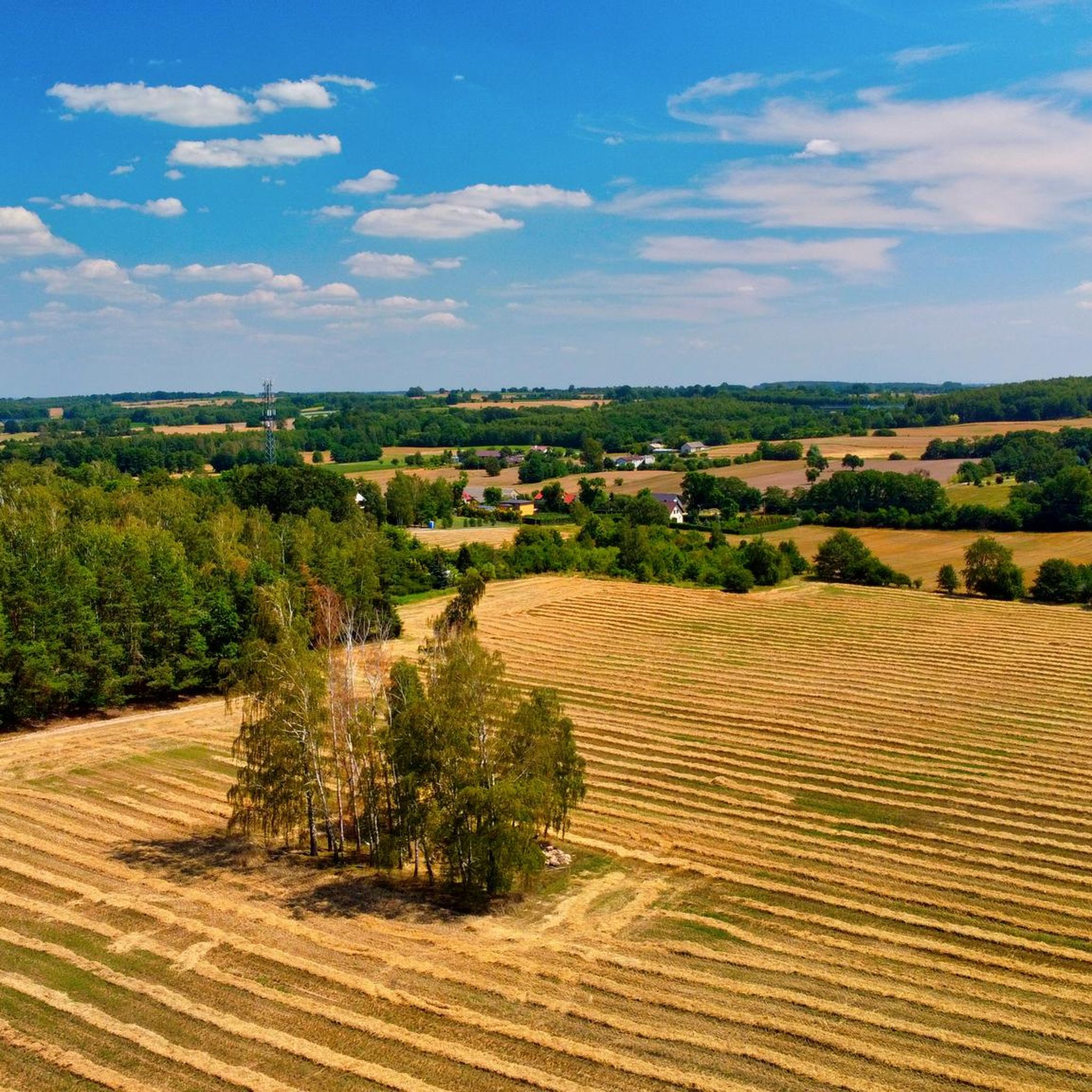
Touring cycling around Nowosolna offers routes through diverse landscapes, including agricultural fields, natural reserves, and portions of the Łódź Hills Landscape Park. The region features varied topography with rolling hills and woodlands, providing a mix of gradients and scenery. Cyclists can explore areas along the Miazga River and through the Wiączyń Nature Reserve, which protects deciduous forest fragments. The Dąbrówka Mała Watermill also serves as a notable landmark accessible by bike.
Best touring cycling routes around Nowosolna
- The most popular…
Last updated: August 28, 2026
4.6
(5)
14
riders
24.9km
01:43
130m
130m
Easy bike ride. Great for any fitness level. Mostly paved surfaces. Suitable for all skill levels.
4.8
(4)
13
riders
34.5km
02:26
260m
260m
Hard bike ride. Good fitness required. You may need to push your bike for some segments of this route.

Sign up for free
5.0
(2)
10
riders
10.0km
00:51
30m
30m
Easy bike ride. Great for any fitness level. Mostly paved surfaces. Suitable for all skill levels.
4.6
(5)
6
riders
Moderate bike ride. Good fitness required. Mostly paved surfaces. Suitable for all skill levels.
5.0
(1)
9
riders
30.7km
01:49
170m
170m
Moderate bike ride. Good fitness required. Mostly paved surfaces. Suitable for all skill levels.
Get access to more routes and recommendations from other explorers.
Sign up for free
Already have an account?
Our route recommendations are based on thousands of hikes, rides, and runs completed by other people on komoot.
Start today with a free account
Your next adventure awaits.
Login or Signup

Tips from the Community

The pond in Dobra is a peaceful, picturesque place for recreation, ideal for a walk, relaxing by the water, and connecting with nature.
0
0
The Stryków reservoir is a popular recreation spot with a beach, swimming area, and walking and cycling paths, ideal for summer relaxation by the water.
0
0

Puddle after leaving the forest onto the asphalt.
0
0
Stacja Skoszewy Stare Skoszewy 22A, Łódź Stacja Skoszewy is a atmospheric place in Stare Skoszewy, within the Łódź Hills Landscape Park. You can eat burgers, craft sandwiches, toasts, as well as fried fish and seafood here. Those who are not hungry will also find coffee and drinks. source Łódź.pl
0
0

A hunting tower in the forest, also known as a hunting stand, is a type of hunting stand placed on a raised platform, usually several meters above the ground. It serves hunters to observe game and take shots, providing a better vantage point and protecting them from being sniffed out by animals.
0
0

The Old Mill in Kołacin, also known as the Praga Mill, is a historic building from the 1920s, located on the Mroga River in the Łódź province. In the past, it used the power of the Mroga River, and the water accumulation created a pond that powered the mill wheels. The mill is part of the "Respite Trail", which includes the most attractive natural sites in the Łódź region. For road cyclists, there are asphalt routes in the area, but some sections may lead through roads with a poorer surface, so it is recommended to plan your route in advance. The mill is located about 250 meters from the main road, turning right by the primary school in Kołacin.
1
0
The Stryków Reservoir is an artificial reservoir located in Stryków (Łódź Voivodeship) within the Łódź Hills.
0
0
Church of St. Wojciech from the 2nd half of the 17th century. Built from the foundation of the bishops of Włocławek. In 1903, a brick sacristy and a treasury were added. In 1934, expanded - extension of the nave. Renovated in the 19th century, 1948 and in the years 1985-86.
1
0
Frequently Asked Questions
What kind of terrain can I expect on touring cycling routes around Nowosolna?
Nowosolna's touring cycling routes feature a mix of landscapes, including flat agricultural fields, green spaces, and sections within the Łódź Hills Landscape Park. You'll find varied topography with gentle rolling hills and woodlands, offering a range of gradients and scenic views. Routes often pass along the Miazga River and through natural reserves like the Wiączyń Nature Reserve.
Are there routes suitable for beginners or families with children?
Yes, Nowosolna offers several easy touring cycling routes perfect for beginners or families. For instance, the Hunting Tower – Forest Path loop from Wiączyń Dolny is an easy 10 km trail through forested areas, typically completed in about 50 minutes. Another accessible option is the Pond – Nice section loop from Rezerwat Struga Dobieszkowska, an easy 24.9 km route that takes around 1 hour 43 minutes.
What are some notable natural attractions or landmarks to see along the routes?
The region boasts several natural and historical points of interest. You can explore the Łódź Hills Landscape Park and the Wiączyń Nature Reserve. A significant landmark is the Dąbrówka Mała Watermill on the Mrożyca River, a picturesque historical site. Other natural highlights include the Marysinek Protected Area – Floating Piers on the Ponds and the Parowy Janinowskie Nature Reserve.
Are there any routes that feature water bodies like ponds or reservoirs?
Absolutely. Many routes incorporate the region's water features. The Ponds in Jaroszki – View of the Łódź Hills loop from Park Krajobrazowy Wzniesień Łódzkich is a moderate 47.7 km route that passes by several ponds. You can also find the Leśny-Dolny Reservoir in the Łagiewnicki Forest and the Wooden Pier at Lisowice Reservoir, which are popular spots.
Can I find routes with waterfalls in the Nowosolna area?
Yes, there is a notable waterfall in the vicinity. You can visit the Waterfall in Lisowice, which is a highlight in the area and can be incorporated into a touring cycling trip.
How many touring cycling routes are available in Nowosolna?
There are over 25 touring cycling routes available in Nowosolna, catering to various skill levels. This includes 15 easy routes, 9 moderate routes, and 3 more challenging options.
What do other touring cyclists say about the routes in Nowosolna?
The touring cycling routes in Nowosolna are highly rated by the komoot community, with an average score of 4.6 stars from over 600 reviews. Cyclists often praise the diverse landscapes, the tranquility of the rural setting, and the well-maintained paths through natural reserves and agricultural fields.
Are there any longer or more challenging routes for experienced touring cyclists?
For experienced cyclists seeking a challenge, the Pond in Dobra – Nice section loop from Byszewy is a difficult 34.5 km route that offers varied terrain and takes approximately 2 hours 28 minutes to complete. Another moderate option is the View of the Łódź Hills – Stryków Reservoir loop from gmina Nowosolna, covering 30.7 km.
Is Nowosolna well-connected by public transport for cyclists?
While Nowosolna itself is a rural gmina, its proximity to the city of Łódź means you can easily access a wider range of public transport options. Łódź, as a major city, provides various connections that can serve as a convenient base or starting point for your cycling tours in the Nowosolna area.
What is the best time of year for touring cycling in Nowosolna?
The region's gentle topography and rural setting make it enjoyable for touring cycling for much of the year. Spring and autumn offer pleasant temperatures and beautiful scenery, while summer provides lush green landscapes. The flat agricultural land and expansive fields are generally accessible, though checking local weather conditions is always recommended.
Are there any circular touring cycling routes available?
Yes, many of the routes in Nowosolna are designed as loops, making them convenient for touring cyclists. Examples include the Pond – Nice section loop from Rezerwat Struga Dobieszkowska and the Hunting Tower – Forest Path loop from Wiączyń Dolny, both offering circular journeys through the landscape.
Most popular routes around Nowosolna
Most popular attractions around Nowosolna

Get inspired with the komoot mobile app


Explore more
Browse the best Cycling routes in other regions.
